





Western Europe
The most visited, least explored region on earth
Surely no region on earth is more confidently ticked off. The original home of the six-countries-in-eight-days bus tour. People come back from two weeks in Western Europe and say they've "done" France, or Italy, or Spain. What they've usually done is Paris, Rome, and Barcelona - and increasingly, so has everyone else.
The overtourism problem in Western Europe is real, concentrated, and almost entirely self-inflicted. The crowds exist because tourism here has collapsed into a handful of postcards. Meanwhile, an hour inland, or one train stop off the main line, whole regions go largely unseen.
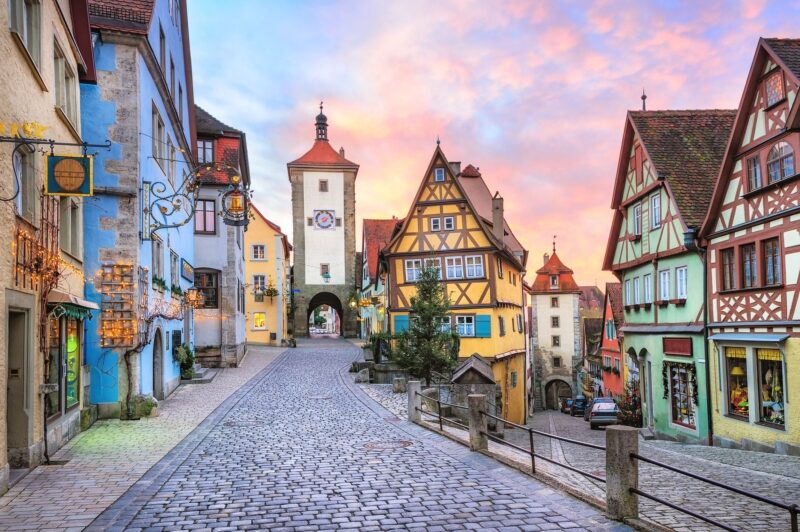
Germany is the obvious example. Somehow the country that gave the world Beethoven, Bauhaus, and the most consequential - often catastrophic - history of the 20th century barely registers as a travel destination beyond Munich's beer halls and the Rhine. The medieval towns of Saxony, the weird divided energy of Berlin's outer neighbourhoods, the Baltic coast: most visitors never get close.
Austria and Switzerland attract skiers and city-breakers but rarely the deeper attention they deserve. These are small, dense, complicated countries with as much cultural texture per square kilometre as anywhere on the continent.
Western Europe rewards the traveller who resists the obvious. The infrastructure is excellent, the distances are short, and most of what's worth seeing isn't on anyone's list yet.
Hidden gems in Western Europe
Wales
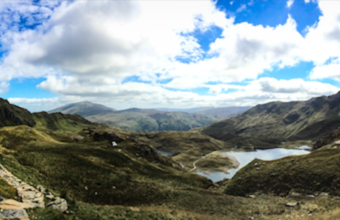
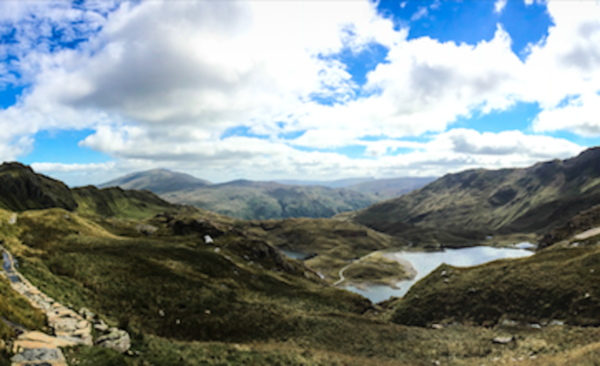
Eryri National Park and the Surrounding Coast

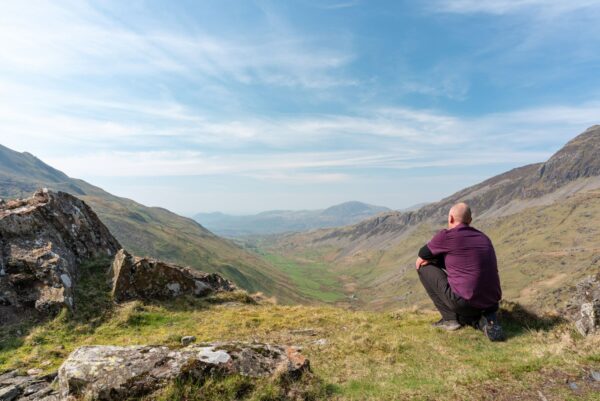
The southern boundary of Eryri National Park includes mountain passes, walking routes and historic villages that can be explored by car or on foot. Travelling towards Beddgelert involves passing through the Aberglaslyn Pass, a narrow gorge popular with walkers. Beddgelert is associated with the legend of Gelert and includes local eateries. From there, the road climbs towards Pen-y-Pass, a common starting point for the Miners’ Track and Pyg Track routes to the summit of Yr Wyddfa. For visitors who prefer not to climb, Llanberis provides access to the Snowdon Mountain Railway. The round trip takes approximately two and a half hours, including a 30-minute stop at the summit. In contrast to the mountain landscape, the coast offers beaches and castles. Borth-y-Gest and Morfa Bychan include Black Rock Sands, which can be driven onto. Criccieth Castle is located nearby, subject to tide and weather conditions, and Harlech Castle lies further along the coast. Together, these locations offer a combination of mountain scenery, coastal access and historic landmarks within a relatively compact area.
Read more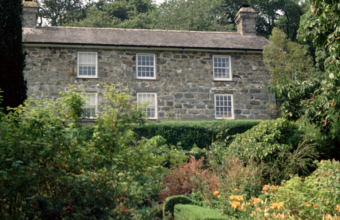
Wales
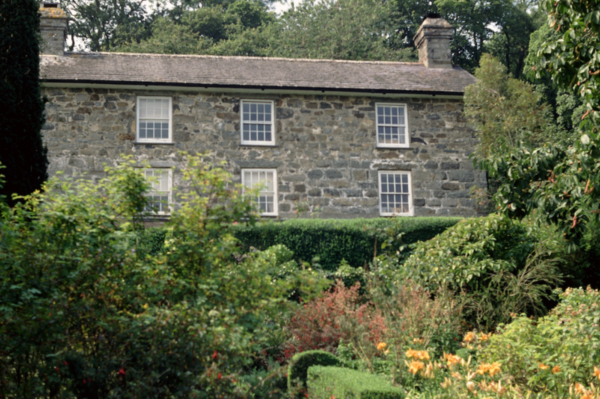
Plas yn Rhiw
Plas yn Rhiw is a restored 17th-century manor house near Pwllheli. The restoration was undertaken by the Keating sisters, whose involvement forms an important part of the property’s modern history. The house is set within an ornamental garden and is surrounded by woodland, meadow and orchard, with views across the surrounding landscape. A tea room operates on site.Its scale and setting give it a more intimate character than larger country houses, and it appeals to visitors interested in domestic architecture and garden design.
Read more
Wales
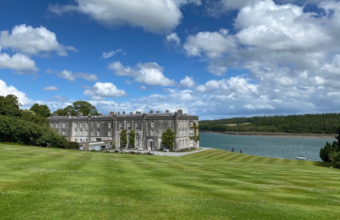
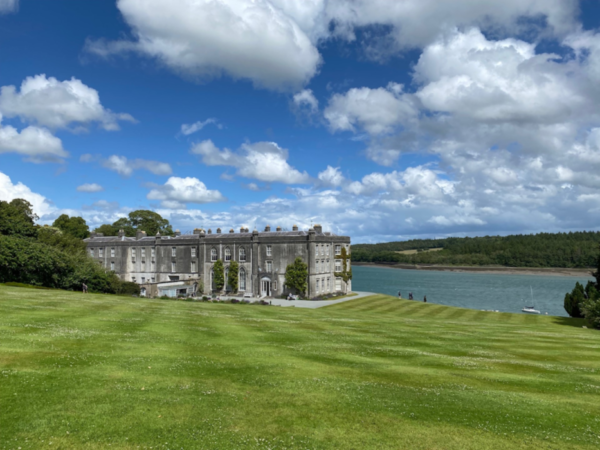
Plas Newydd House & Gardens
Plas Newydd is an 18th-century mansion on the island of Anglesey, combining classical and Gothic architectural styles. It was the seat of the Marquess of Anglesey and retains associations with the 1st Marquess, who lost his leg at the Battle of Waterloo, and the 5th Marquess. The house contains Rex Whistler’s 58-foot mural, one of its most distinctive interior features. The Grade I-listed gardens overlook the Menai Straits towards Snowdonia and are known for wildlife, including red squirrels. There is an Old Dairy café and shop within the grounds. The property suits visitors interested in aristocratic history, architecture and formal gardens in a coastal setting.
Read more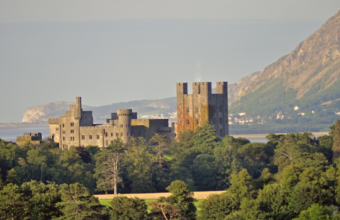
Wales
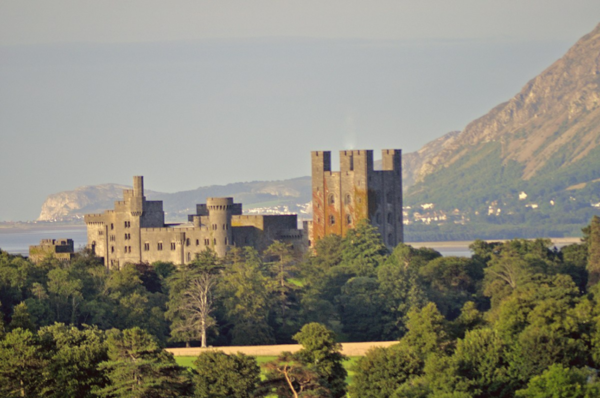
Penrhyn Castle
Penrhyn Castle is a 19th-century neo-Norman house in Bangor, built between 1820 and 1837. Its history is closely connected to the wealth generated by the slate and sugar industries, as well as to the longest-running industrial dispute in British history. The castle stands above the Menai Straits, with views towards the quarry and the port from which slate was exported. The estate includes wooded grounds, open parkland extending to around 60 acres, and a walled garden that predates the castle itself. Inside, visitors can explore the principal rooms and Victorian kitchens. A railway museum is also located within the grounds, along with a café and shop. For those interested in industrial heritage alongside architecture and landscape, the property offers insight into the economic and social forces that shaped North Wales in the 19th century.
Read more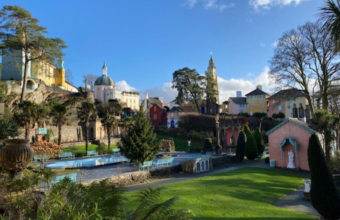
Wales
Portmeirion
Portmeirion is an Italianate village created by architect Sir Clough Williams-Ellis. He purchased the site in 1925 and continued developing it until 1973. The final structure, the Tollgate, was completed in his 93rd year. Williams-Ellis intended the village to demonstrate that development on a naturally beautiful site could enhance rather than damage it. His motto was “Cherish the past, adorn the present, construct for the future. Today, Portmeirion receives around 200,000 visitors annually. Its architectural style and coastal setting make it one of the most distinctive built environments in North Wales.
Read more
Western Europe
AmaMagna

For the Danube, I’d pick AmaMagna. This vessel is an unusual sight on the Danube: it’s the same length as most river cruise ships, but twice the width. And after a career spent aboard river cruise vessels, I really appreciated the extra space! The extra room allows for larger-than-average cabins – many over 300 square feet, which would be the preserve of top tier suits on other vessels. I also enjoy having more communal areas than you’d find on other vessels. There’s a choice of restaurants, with menus inspired by the regions you pass through to more familiar international dishes, and a generous spa and fitness space. I absolutely adore the scenery of the Wachau Valley, best enjoyed from the open deck watching terraced vineyards give way to pretty villages and historic towns. It is such a treat to meet with friends at the pop-up bar, or pick a comfortable lounger to watch the world go by. But what I loved best after a busy day of sightseeing was a late afternoon game of pickleball, followed by a dip in the pool with a glass of local wine. During the day, the atmosphere on board is informal and relaxed; evenings tend to feel a little more dressed-up without being overly stuffy.
Read more
The Rhine
The best rivers for wine cruises
If you’re into wine, chances are there’s a Europe river cruise for you. It’s a good way to explore the continent’s wine culture: you meander from city to city, calling in at vineyards and wine tastings along the way, and of course – you don’t need to worry about who’s driving! Wine lovers might initially gravitate towards some of the French big hitters: the bold reds and famous names of the Rhône, the Garonne or the Dordogne. Or perhaps you’d think of the Douro in Portugal, as famous for its port as its hearty reds. So it might be a surprise to hear me recommend the Rhine and Moselle river valleys as an alternative to the more obvious wine regions. Partially this is just down to personal taste: the rieslings found here are varied, delicate and approachable. Even if you’re not a huge fan of white wine, I’m sure you’ll find something here to your taste. But I think what really swings it for me is that on these rivers, it’s about much more than simply the wine alone. Only here do you get an excellent wine experience plus the scenic beauty of the Rhine Gorge and the Moselle, the classic storybook towns and the ridiculous density of castles and medieval heritage, all in one package. So yes, if you’re a red wine person above all else – maybe look to France or the Douro. For everyone else, the below itinerary is my top wine cruise recommendation. On specifically wine-focused cruises you’ll be hosted by a wine professional and will get a range of excursions with food and wine pairings, curated wine tasting visits, and gentle hikes or cycling trips through the vineyards.
Read more
Danube
The Danube

This mighty river running through the heart of Europe has long been romanticized, most famously with the namesake "Blue Danube" waltz by Johann Strauss. But the waterway is not only a European cultural icon, it’s also a key trade route that has played an important role in the continent’s history, from early man to modern times and with all the long and turbulent drama in between. A cruise on the river offers the very essence of Central Europe: rolling hills and medieval castles, vineyards, bird-lined marshes and cliffs, small river towns and some of Europe’s best known cities. Cruises on this river typically split into trips on the upper or lower Danube. On the upper Danube, cruises generally sail from Bavaria to Budapest, Hungary, through Austria's scenic Wachau Valley, and include stop-offs at two of Europe’s most important cultural and historic cities, Vienna and Bratislava, Slovakia. Cruises on the lower Danube take in the dramatic eastern stretch between Budapest and Bucharest, Romania, through Croatia, Serbia and Bulgaria, with Dracula-related stop offs among the many attractions. While both offer bountiful historic sights and attractions, the main appeal of the upper Danube cruise itinerary is more focused on central European culture, most notably opera and classical music, wine and art, opulent architecture, medieval fortresses and museums. Cruises along the lower Danube offer a fascinating glimpse behind the former Iron Curtain and a taste of life in post-Communist Eastern Europe, while also promising medieval fortresses and Orthodox churches, not to mention the region’s dramatic natural scenery.
Read more
The Rhône
The Rhône & Saône
With its countless vineyards, stately chateaux and a landscape that has inspired myriad artists throughout the centuries, the Rhône and Saône river region of France is one of the world’s most sought-after river cruising destinations. The names of the historical French regions that make up the Rhône Basin inspire pure romance: Provence, Burgundy, Auvergne, Rhône-Alps and Languedoc-Roussillon. Here, you find yourself following the footsteps of Van Gogh, Cézanne and Gauguin, inspired by natural beauty and fortified by some of the world’s most incomparable wine and cuisine. Along the way, numerous UNESCO World Heritage Sites vie for attention, from Avignon to Lyon. Perhaps the most alluring part of a Rhône and Saône river cruise for lovers of good wine is the tremendous winemaking traditions that define this area of Europe. Cruises in the area are sure to include unique experiences: learning about the art of winemaking at the Georges Duboeuf wine village, private wine tastings in Beaujolais and Châteauneuf-du-Pape, wine and cheese tasting in Valance, sampling baked goods and chocolate goodies in Chalon-sur-Saône. It’s certainly a trip to spur an appetite and truly what cruising the Rhône Valley is all about!
Read more
Dordogne
The Dordogne
The serene Dordogne idles its way through rural southwestern France, passing intricate chateaux, forests and beautiful gardens, some of the country’s prettiest villages and medieval towns. The Dordogne flows for 300 miles in the southwest region of France and is considered part of the Aquitaine area. Gentle hills – never overly high or steep – flank the river on both sides, with the highest point being Saint Pierre de Frugie at 479 meters. Much of the land – some 100,000 hectares – is devoted to wine-growing, with acreage farther from the river mainly devoted to poultry farming. Personal highlights are not just the obvious Bordeaux but also La Roque-Gageac, the “cutest town in France,” and historical Beynac and Périgueux.
Read more
The Rhine
The Rhine
Cruises along the Rhine boast postcard-perfect views of terraced vineyards and cliff-clinging castles, lending credence to its reputation as one of the world’s most romantic and oft-traveled rivers. From Amsterdam’s charming canals to the fairytale-esque Black Forest, the river delights lovers of history, wine, culture and cuisine. In the course of a week, river cruises in the region are able to showcase the dramatic Rhine Gorge, legendary Lorelei rock, Holland’s famed windmills and tulip fields, university towns and cosmopolitan cities, medieval castle ruins and esteemed museums. Flowing for approximately 820 miles, the Rhine River originates at the Rheinwaldhorn Glacier in the Swiss Alps and culminates in Basel, Switzerland – just before which it tumbles over a 75-foot waterfall, the Rheinfall. The majority of the river’s waters pass through Germany, while river cruises along the Rhine will also introduce travellers to the sights and cultures of Liechtenstein, Austria, France and the Netherlands. Most cruise itineraries focus on the particularly lovely stretch of the Middle Rhine from Bingen to Bonn as it passes through steep gorges (including the Rhine Gorge, at 430 feet deep), along the Rhineland Plateau and in view of the Rhenish Slate Mountains.
Read more-
Eryri National Park and the Surrounding Coast
View experience -
Plas yn Rhiw
View experience -
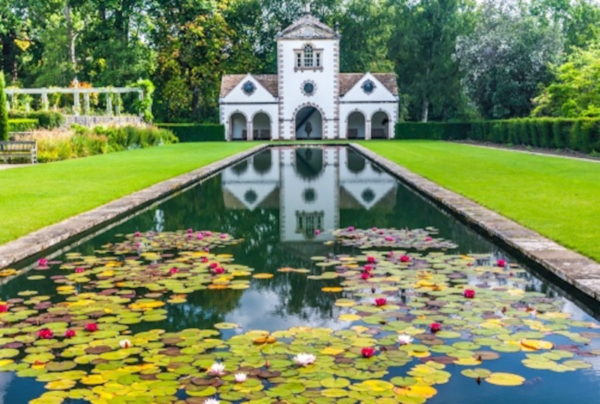
Bodnant Garden
View experience -
Plas Newydd House & Gardens
View experience -
Penrhyn Castle
View experience -

AmaMagna
View experience -

The best rivers for wine cruises
View experience -

The Danube
View experience -

The Rhône & Saône
View experience -

The Dordogne
View experience -

The Rhine
View experience -

The Seine
View experience -

Visit the vineyard of Val d'Iris
View experience -

Gorges du Blavet day hike
View experience -

Bauroux Mountain day hike (Crêtes du Bauroux)
View experience -

Cami dels Bons Homes (GR107)
View experience -

-

Limestone Way
View experience -

Gower Coast Path
View experience -
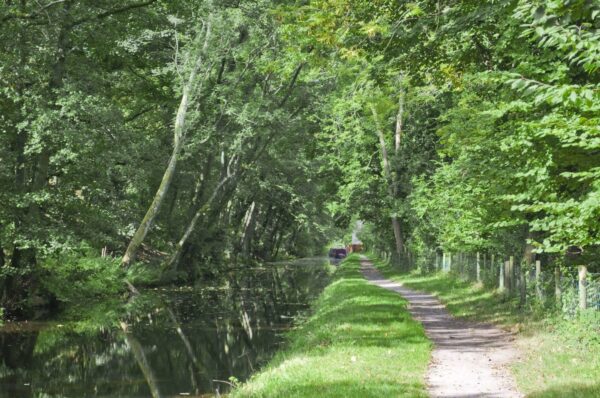
Monmouthshire & Brecon Canal
View experience -

Betws-y-Coed
View experience -

Ambleside
View experience -

Northumberland Coastpath
View experience -

Norfolk Coastpath
View experience -

The Cape Wrath Trail
View experience -

The East Highland Way
View experience -

Cairngorms National Park
View experience -
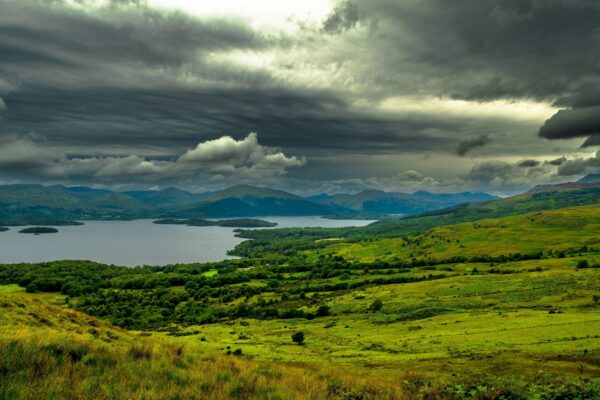
Loch Lomond & the Trossachs
View experience -

The John Muir Way
View experience -
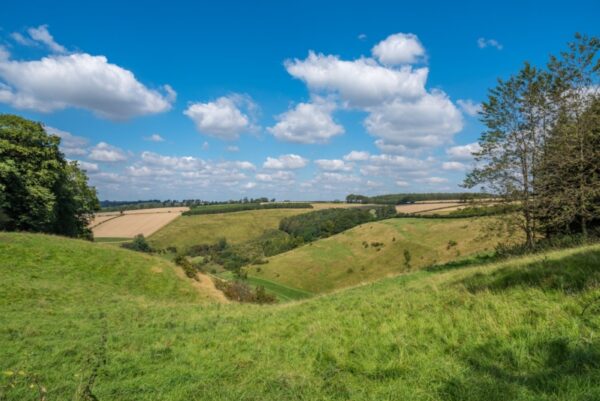
Yorkshire Wolds Way
View experience -
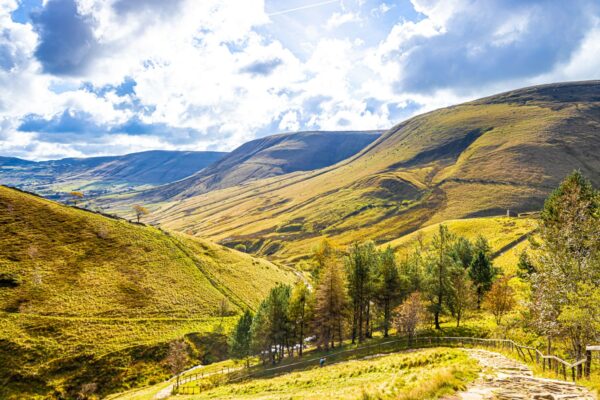
The Peak District
View experience -

West Island Way
View experience -

Arran Coastal Way
View experience -

St Ninian's Way
View experience -

Fife Coastal Path
View experience -

The Speyside Way
View experience -

The Rob Roy Way
View experience -

The Thames Path
View experience -

The Pennine Way
View experience -

The Monarch’s Way
View experience -

The Wye Valley Walk
View experience -

The West Highland Way
View experience -

Wainwright's Coast to Coast Path
View experience -

Pyrenean Haute Route
View experience -

Sentier des Pyrenees (GR10)
View experience






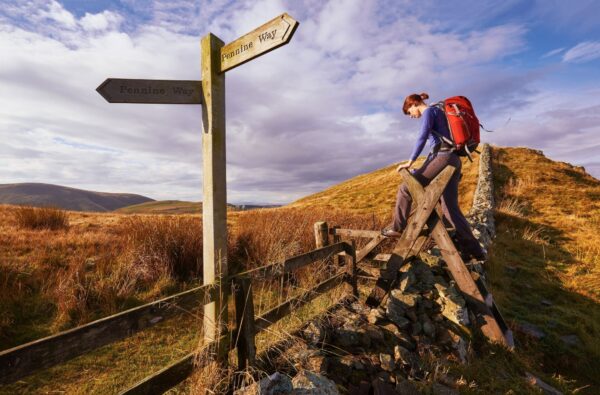

































Western Europe itineraries


The best Coast to Coast Path route
The best Coast to Coast Path itinerary
14 days
Western Europe travel companies