





North America
Three worlds in one continent
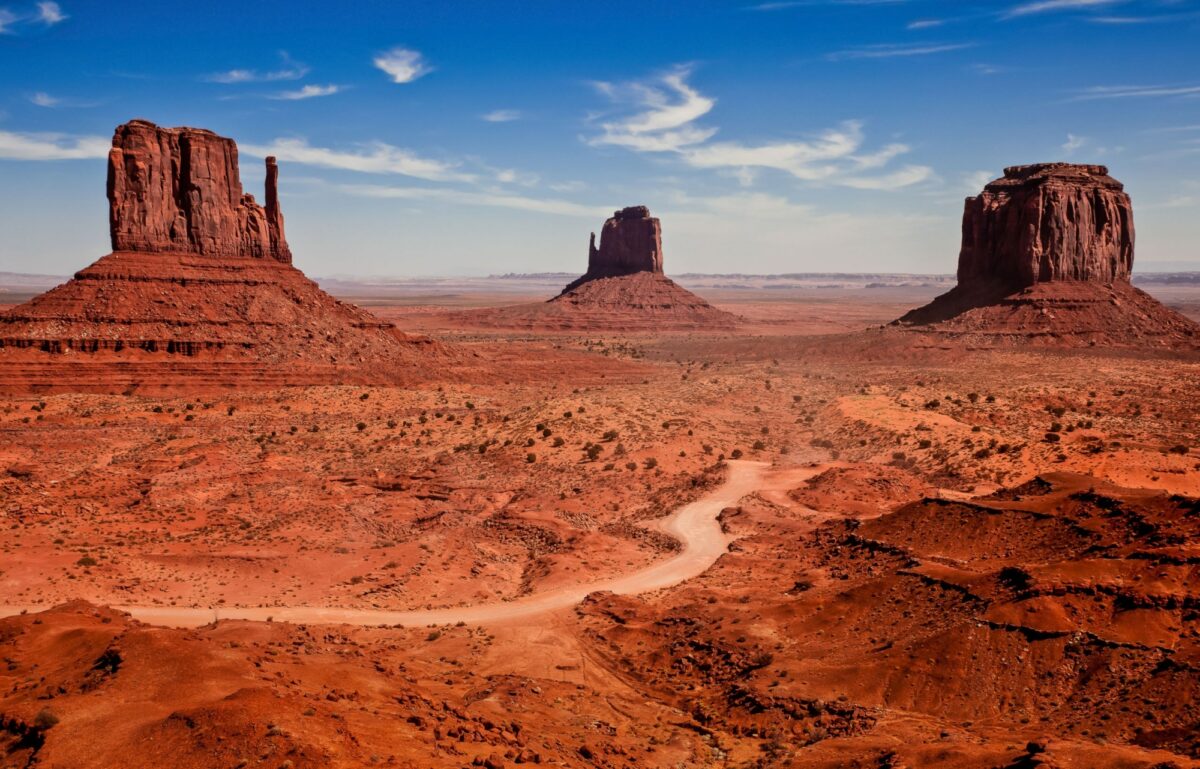
Welcome to North America
The insider's travel guide to North AmericaDefinitions differ, but for our purposes, North America is Canada, the United States and Mexico – a vast area that stretches from within 500 miles of the North Pole, down past the Tropic of Cancer and well on the way to the Equator. That’s some 10,300 kilometres (6,370 miles).
To many, North America is dominated by the US, and for understandable reasons: Those fantastic, world famous national parks, the vibrant cities, the exciting if controversial history, and the cultural scene from high art to pop music which is loved around the world. It’s little wonder that the US is a magnet for travellers.
But let’s pause. National parks? Canada has no fewer than 38 immense national parks of jaw-dropping beauty; Mexico has 67, taking in coral reefs, volcanoes and unsurpassed opportunities for both sport and solitude.
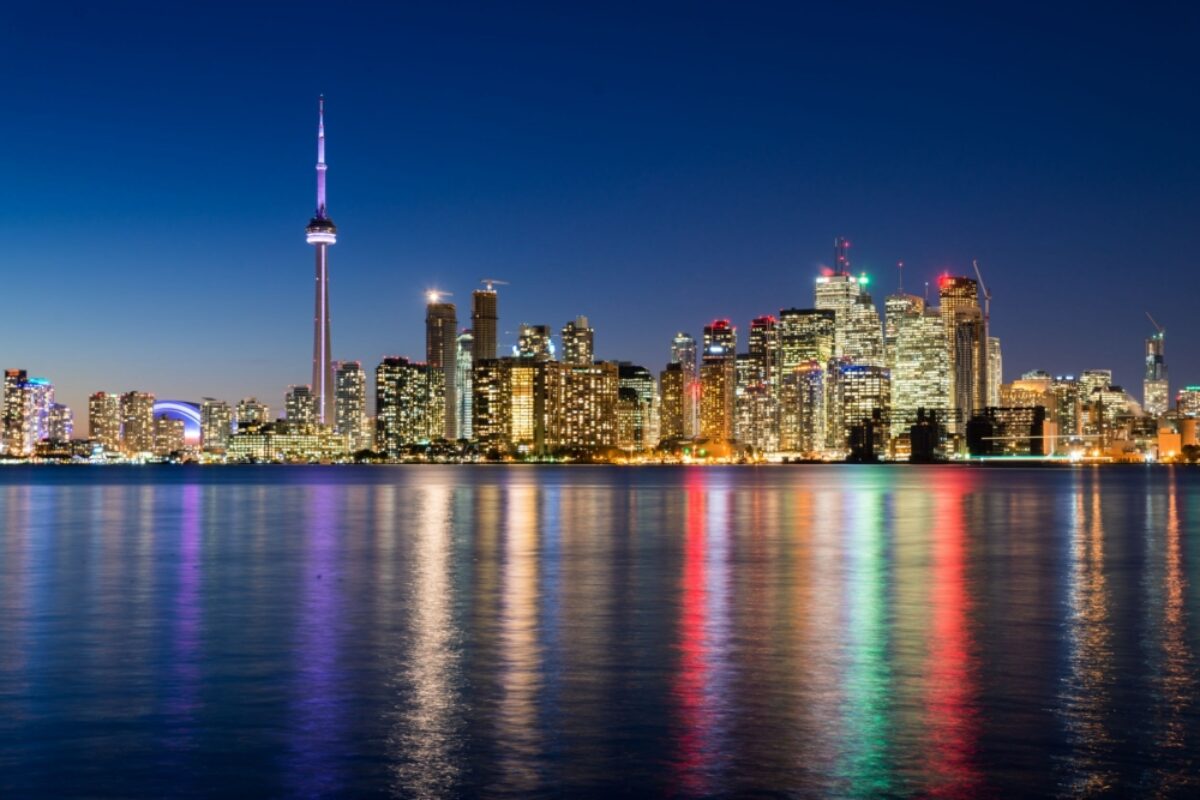
Vibrant cities? The US is definitely hard to beat on that score. But pause again. Vancouver is consistently placed in the top five cities in the world for liveability; Toronto is one of the fastest-growing cities in North America, and bilingual Montreal has been voted the best city in which to be a student. And let’s not forget Mexico City, one of the liveliest urban centres on the planet, or Guadalajara, a byword for cosmopolitan swagger.
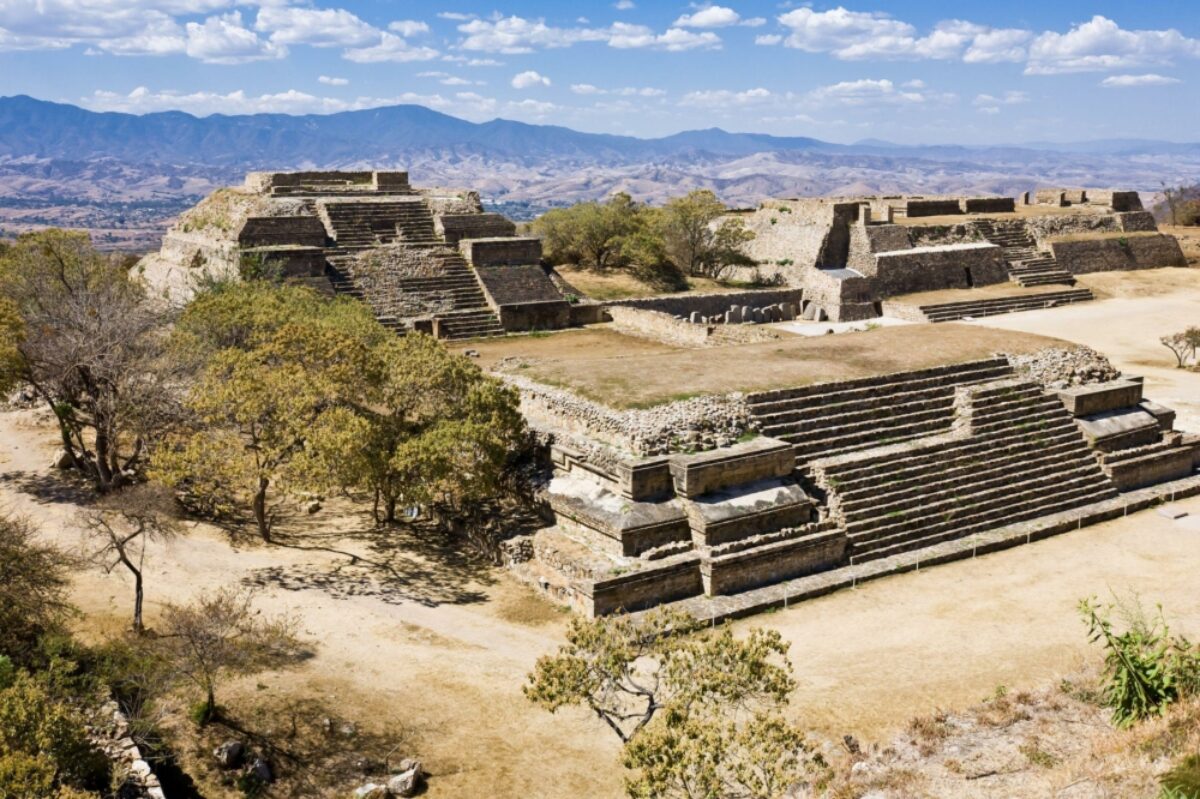
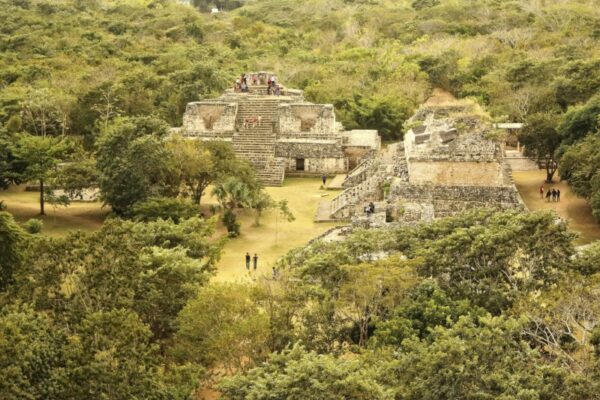
History and culture? We’re steeped in US history and arts scene thanks to countless films and TV shows, but civilisation in Mexico goes back three millennia – now that’s history. And the country boasts such cultural giants as Diego Rivera, Frida Kahlo, and the writer Carlos Fuentes. Both Mexico and Canada are rich in indigenous art, and Toronto and Montreal in particular, are home to thriving and innovative contemporary arts scenes.
So yes, the US soaks up much of the attention, for many good reasons. But don’t overlook the other worlds of adventure and excitement that lie both north and south of its borders.
Where to go in North America
Highlights & hidden gems
The North America atlas
15 picks Places & Experiences You Won't Find Elsewhere-
Most ships voyage up Baffin Bay or through the North West Passage, which European explorers attempted to navigate between the 15th and 20th centuries. When sailing up Baffin Island, look out for walruses and narwhals around Broughton Island and bowhead whales in Isabella Bay, while Sam Ford Fjord and Gibbs Fjord have near-vertical 1,500m cliffs. Husky dogs’ melancholic howls signalled my arrival at Pond Inlet, where the indigenous community greeted me with drum dances and throat singing. While some passengers grumbled about the settlement’s bare supermarket shelves, boarded up social housing and women’s shelter, I found it a fascinating insight into Inuit life. Ice conditions dictate routes inside the Passage, but most lines attempt to visit Dundas Harbour, where I rambled past whale skeletons and abandoned shacks. We held a minute’s silence around explorers’ graves on Beechey Island, which was enveloped in mist. Fog blanketed the migratory birds circling Prince Leopold Island, but when it lifted, I spotted a polar bear and her cub. You may continue to the abandoned trading post Fort Ross; Coningham Bay, where beluga whales attract polar bears; and Cambridge Bay’s Arctic visitor centre.Some lines, such as Hapag-Lloyd Cruises, sail beyond the North West Passage, north of Devon Island. Depending on ice conditions, you might experience Pim Island, Ellesmere Island or Lady Ann Strait.
-
Most cruises in Alaska explore the sub-Arctic Inside Passage. Few sail into the Arctic Circle, but the ones that do – such as Hurtigruten Expeditions, National Geographic Lindblad Expeditions and Seabourn – sail past Point Barrow. They may also stop at Herschel Island, which has Inuvialuit dwellings and a 19th century whaling station. Alasdair sailed this stretch in the opposite direction, from Canada’s North West Passage. He says, “I saw a herd of musk oxen on Herschel Island, and got tipped out of my dingy while going ashore for fuel at Barrow Point. “Alaska’s north coast is fairly dull. There are no mountains, glaciers or icebergs like in Greenland, and you can have days where the horizon is just grey. The water is quite shallow and not particularly well chartered, so big ships can ground there."
-
Expedition cruises usually sail from Iceland to east Greenland, or up west Greenland. West Greenland is milder and has more settlements than the east, making it ideal for Inuit interaction. But hunting practices mean you’re more likely to see wildlife in the east, which explains why I was disappointed with how few whales, seals and walruses I saw in the west. I also didn’t expect so little ice – its shingle landscape often reminded me of a quarry. However, I sailed through Kangerlussuaq fjord beneath the midnight sun; crawled into Sisimiut’s charming turf house; gazed at the spectacular Unesco-listed Ilulissat Icefjord; and chugged on a fisherman’s boat past icebergs that blew me away. Most itineraries stop at Qeqertarsuaq next, for its sparkling black sand beaches. I called at Niaqornat instead, a hamlet of 25 people. Battling mosquitos, I chatted to locals who I’ve kept in touch with. I also strolled around Upernavik’s gallery, church and cemetery; you can meet Inuit at Kullorsuaq’s fish market and ulu knife artisans in Savissivik, too. Few cruisers make it to Siorapaluk, Greenland’s northernmost native settlement. If sailing up east Greenland, look out for beluga and bowhead whales. You might explore Nansen Fjord or visit the settlement Ittoqqortoormiit at the mouth of Scoresby Sund, the world’s largest fjord. Gawp at icebergs as tall as department stores, Vikingebugt’s basalt columns and hike the world’s largest national park. Myggbukta’s dilapidated whaling and meteorological station is another highlight, as are King Oskar and Kaiser Franz Josef Fjords.
-
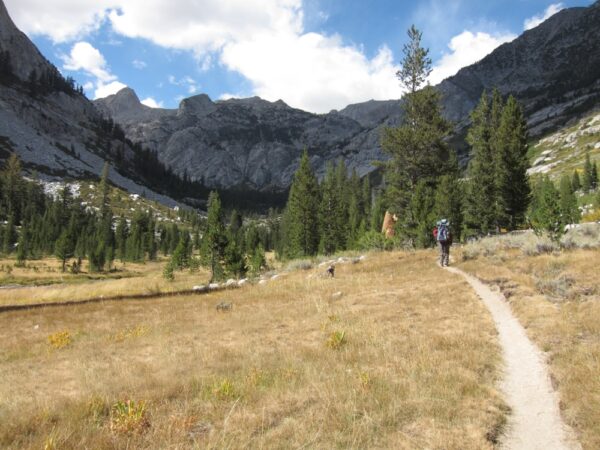
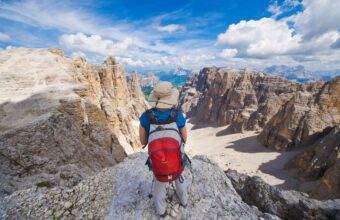
Best trek for: A physical challenge through extraordinary backcountryDifficulty: StrenuousTrek duration: 18 to 21 daysMax. elevation: 4,421mAccommodation: CampingStart/end point: Happy Isles to Whitney Portal One of the USA's epic treks, the John Muir Trail (JMT) is a 211 miles (339 km) hike in California's Sierra Nevada. The trail passes through several national parks, including Yosemite, Kings Canyon, and Sequoia national parks, finishing with a sublime summit hike on Mount Whitney. This golden nugget of a trail is known for its dramatic landscape. Upon each alpine pass, the eyes are treated to mountain ranges extending in all directions, filled in by meadows and serene lakes. Need to know JMT will challenge most hikers, both mentally and physically. The trail is known for its tricky logistic, unforgiving terrain, unpredictable weather, and fire conditions. In addition, you must obtain trekking permits in advance. Resupplying on the JMT is more complex and expensive than most linear treks. It requires pre-planning and parcel drops to designated campsites. I advise all but the most intrepid to do it with an organised operator who will take care of the logistics on your behalf.
-
Spend several nights out in the wilderness on a guided camp-kayaking expedition along gentle rivers that wind through the vast boreal forests. Fish for lunch, stargaze at night, and look out for caribou, moose and black bears on the shoreline.
-
The lakes and rivers of northern Ontario teem with walleye, northern pike and brook trout, as you’ll discover on guided fishing and night fishing expeditions. That delicious shore lunch or camp supper has never tasted so fresh.
-
The lakes of northern Ontario are vast and plenty; fly into your own private lake on a floatplane and while away a summer’s afternoon on a SUP. Stop for a freshly-caught shore lunch and relax in the evening in a serviced wilderness lodge.
-
The lakes and rivers of northern Ontario teem with walleye, northern pike and brook trout, as you’ll discover on guided fishing and night fishing expeditions. That delicious shore lunch or camp supper has never tasted so fresh.
-
It’s not just about fish here; these undisturbed forests are home to some impressive wildlife including bald eagles, moose, black bear and caribou. Don’t forget your camera and binoculars!
-
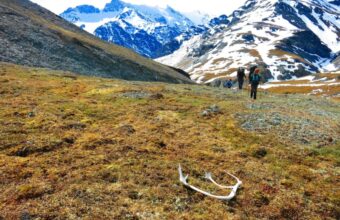
Denali is America’s quintessential National Park. While most visitors experience the park via its main northern corridor, the Denali Park Road, the south side of the park sees little annual visitation and remains completely road-less and virtually unexplored. Accessing the park by bush plane from Talkeetna, Alaska, you’ll then spend three days and three nights camping and hiking Denali’s wild side from the comfort of a wilderness basecamp situated on the edge of the mighty Ruth Glacier, and only 17 miles from the summit of North America's highest peak.
-
This route takes you the absolute best of Alaska's great outdoors; hiking, kayaking, climbing, cruising, and flying through its vast wilderness. If you’re looking to actively experience in the “real” Alaska and want to mix up lodges with remote camping, then this nine-day itinerary is your quintessential adventure.
-
Two weeks is perfect to see the best of America’s wild west and its natural wonders, as well as the region’s most popular cities. From Los Angeles travel through the vast deserts of Arizona, stopping to admire the Grand Canyon, Monument Valley and Lake Powell beside Glen Canyon Dam. You will go on to Bryce Canyon to see its sandstone spires before spending a couple of nights experiencing the best of Las Vegas. Continue your journey to Death Valley, Mammoth Lakes and Yosemite National Park where you can spot black bears and coyotes. San Francisco is your next city stop before exploring the rest of the west coast, including Monterey, Carmel and Pismo Beach, and returning back to Los Angeles.
-
A popular self-drive route through California, calling at some popular and lesser-known locations. Explore the scenic towns that dot the Pacific coast, including Monterey, Carmel, Solvang and San Luis Obispo. Continue south through Malibu and Santa Monica (marking the end of the famous Historic Route 66, which is well worth following for part of your journey), not forgetting to enjoy some gorgeous beaches, before arriving in Los Angeles. Spend a couple of days enjoying the city before heading inland to experience flamboyant Las Vegas. Finish your trip off with a day or two enjoying the entertainment parks and beaches of San Diego.
-
This route takes you from Los Angeles through the deserts of the wild west and to the region’s most fascinating ecosystems. Travel through the Sonoran Desert, the most species-rich desert in North America, before stopping to explore Grand Canyon National Park where you can learn about its history and culture. Continue your journey to Lake Powell, Bryce Canyon National Park, and Zion National Park to see the region’s unique rock formations. Go on to spend a couple of days in Las Vegas before hiking and wildlife-watching in Yosemite National Park, where you can see bobcats and black bears. End your journey in coastal San Francisco.
-
Experience the best of northern California in a short time, beginning in San Francisco, famous for the Golden Gate Bridge, a lively nightlife and, of course, Alcatraz island. Explore by bike, segway or on foot before continuing your journey to Yosemite National Park, where you can spend days hiking, cycling, nature watching or even climbing. Continue on to the snowy Sierra Nevada to enjoy spectacular mountain views and historic Gold Rush towns before stopping at Lake Tahoe for a few days of hiking or relaxation. Finally, your journey comes to an end back in San Francisco.
-

Arctic Canada and the North West Passage
-

Alaskan Arctic
-

Greenland
-
The John Muir Trail
-

Camp-kayak expedition
-

Fish for your supper
-

Standup paddle-boarding
-

See the Northern Lights
-

Wildlife spotting
-
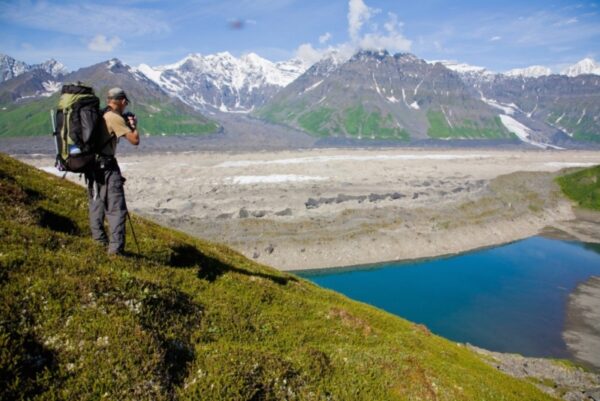
Denali Express
-
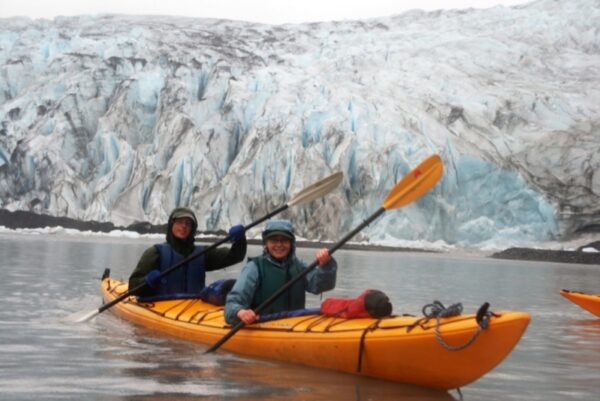
Prince William Sound, Chugach & Denali
-
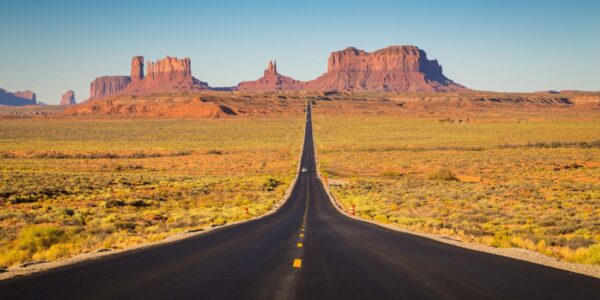
Discover Western USA
-
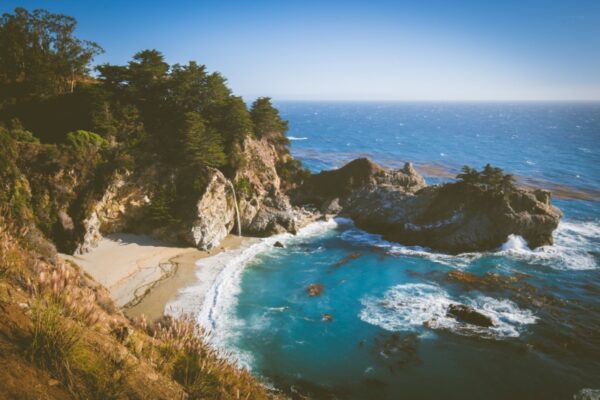
Self-drive California
-
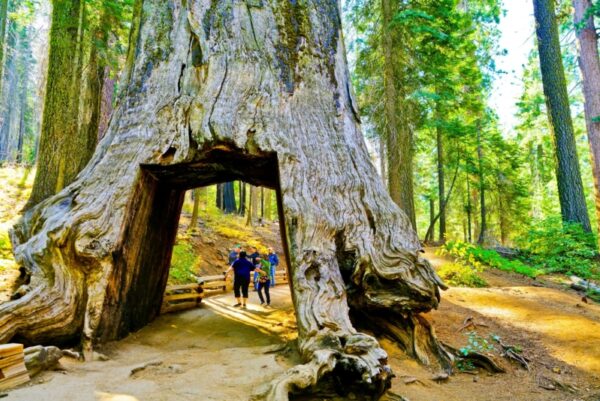
The best of the American West
-
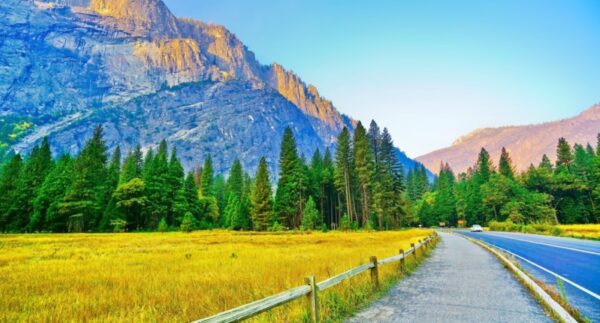
Tour northern California




Trusted specialists



Find a North America specialist
Tell us about your trip and we'll find your match
We'll connect you directly with the experts.


Connect with Dan, Ann Bubb and 4 other North America specialists.
We'll connect you directly with the experts.
Connect with Dan, Ann Bubb and 4 other North America specialists.
- Hand-picked local specialists
- Honest advice from real experts
- Free to use, no hidden fees