Safari has changed, but most safari companies are stuck in the past. Explore our expert picks you won't find on the standard circuits. Shortlist what you like and we'll find your specialist.
10countries
42experiences
102places
85stays
8correspondents
Updated4 Jun 2026
§ 01
The Safari atlas
229 picksPlaces & Experiences You Won't Find Elsewhere
Where
What
Naboisho is a good example of what a community-led conservancy can look like when it is given enough space and time to work. It sits next to the Maasai Mara National Reserve and covers around 50,000 hectares, forming part of the wider Mara ecosystem.
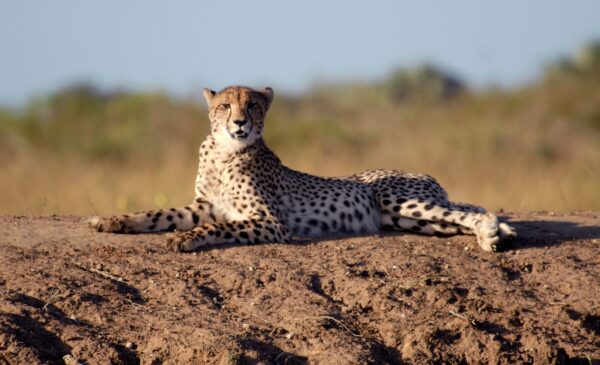
The conservancy was established by local Maasai landowners with the aim of restoring degraded land, protecting wildlife and creating a sustainable income stream for the community. Since its formation, grazing pressure has been reduced and habitats have recovered, which has allowed wildlife numbers to increase across the area. Large mammals including elephants, lions, cheetahs, leopards and buffalo are all present, alongside a strong bird population.
Like all private or community managed conservancies, Naboisho is run very differently to the main national park. Access is controlled, vehicle numbers are limited, and activities are structured to reduce pressure on the land. This creates a different dynamic on game drives, with fewer vehicles and more freedom to spend time observing behaviour rather than moving constantly between sightings.
The conservancy model also shapes how people interact with the landscape. Revenue from tourism supports land leases and local livelihoods, which in turn underpins the long-term viability of wildlife protection here. For visitors, that context matters, because it explains why the experience feels calmer and more deliberate than in more heavily trafficked parts of the Mara.
Katavi is one of Tanzania’s largest national parks but it attracts a fraction of the visitors, and feels very distant from, the likes of the Serengeti, Ngorongoro or Nyerere. And with just a handful of small camps scattered around the park, there are few other vehicles with which to contend. Indeed, it is estimated that Katavi attracts fewer visitors in an entire year than the Serengeti might get on any given day.
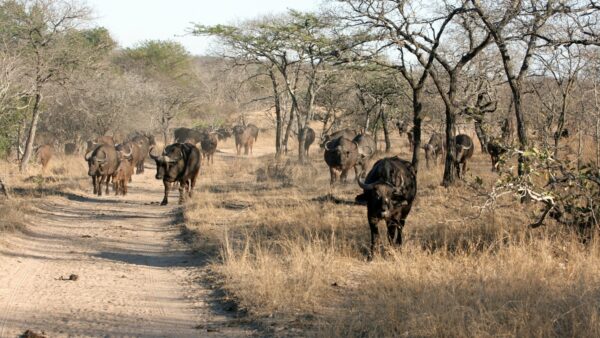
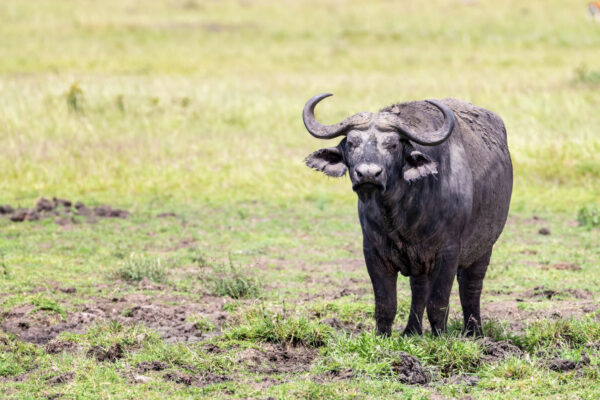
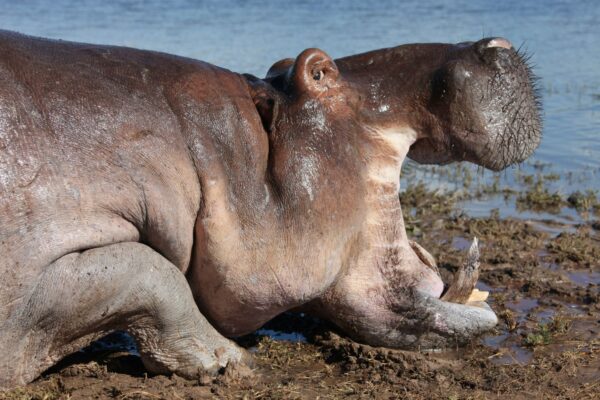
In the dry season, Katavi offers great wildlife spotting opportunities. Buffalo herds here often comprise more than 1,000 individuals, and mind-boggling numbers of hippo can be seen concentrated in a few small pools towards the end of the dry season. Other wildlife includes elephants, lions and large herds of plains game (topi, giraffe, zebra and impala).
Tanzania’s largest national park, Nyerere (formerly Selous Game Reserve) extends across almost 12,000 square miles – making it bigger than Belgium. Its most notable geographic feature is the Rufiji River, which flows throughout the year and is a major wildlife magnet in the dry season. Despite this, the drier climate means that animal densities away from the river are far lower than they are in the Serengeti, and the thick bush can make wildlife spotting more challenging.
Nyerere supports large numbers of lion, elephant, giraffe, hippo and buffalo. It is also a key area for the endangered African wild dog, which is more frequently seen here than anywhere else in Tanzania. In recent years, commercial poaching has led to a massive decline in the park’s elephant population, but this still stands at more than 15,000 individuals.
Nyerere feels more remote than most of the northern parks, but because its camps are concentrated in one small area north of the Rufiji (which is also visited by plenty of day safaris from Zanzibar), it can feel busier than might be expected. What really sets the park apart is the range of activities on offer. Boat safaris on the Rufiji and an associated network of lakes are a real highlight. Other special activities include walking safaris and fly-camping.
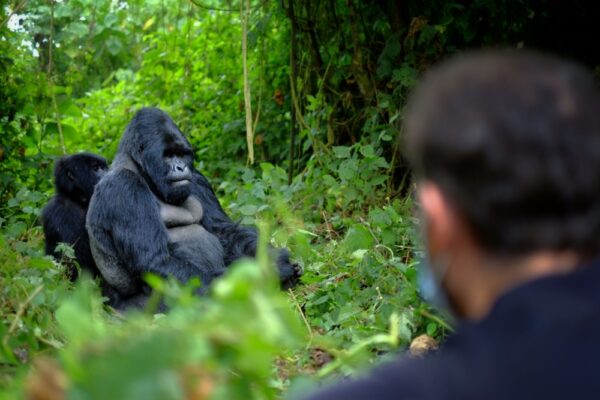
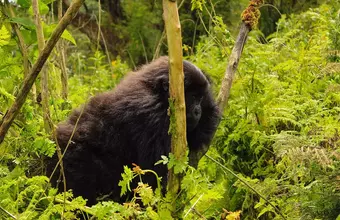
Kahuzi-Biega is East Africa's most underrated gorilla-tracking destination. This little-visited Congolese park is the only place in the world where you can see the eastern lowland gorilla in the wild. As with Virunga National Park, tracking permits cost US$400, the difference being that Kahuzi-Biega is currently regarded to be reasonably safe so it has reopened to tourists post-COVID. For independent travellers, the park can be visited on an overnight or day tour from the Rwandan port of Cyangugu.
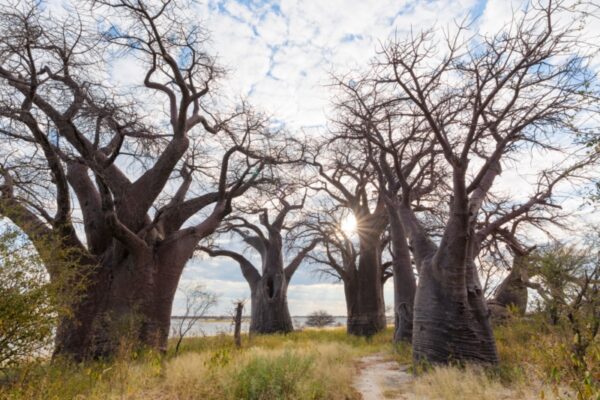
Wild and remote Ruaha, Tanzania's largest national park, is home to scattered baobabs, grasslands and rolling hills. Along with Nyerere it's the main stop on Tanzania's 'southern circuit' although it draws a fraction of the visitors as the country's northern hotspots.
Arguably better for wildlife spotting than Nyerere (and more affordable too), Ruaha has a whopping 11 per cent of the world's wild lion population, along with massive herds of elephants and grazers.
There are cheetah, leopards and wild dogs here too, all along with relatively few tourists. You’ll find a mixture of luxury lodges and basic fly-camping operations for walking safaris – the park's speciality.
When it comes to accommodation, Ruaha offers a mixture of luxury lodges and basic fly-camping operations for walking safaris – the park's speciality. For self-drivers, there are simple but affordable self-catering huts at the park headquarters.
The big-ticket park is the 12,000-square-mile Serengeti, home to the famed wildebeest migration and a healthy population of big cats: lions, leopards and cheetahs. During peak season— July and August—when the famous wildebeest river crossings coincide with northern hemisphere summer holidays, the park can be very busy.
There are four main regions in the Serengeti; the Western Corridor, the Seronera Valley, Lobo/Kogatende in the north, and the Southern Plains.
There are several private reserves and conservancies around the Serengeti that offer the same wildlife experience but without the crowds—such as the Grumeti Reserve—but you’ll have to pay top dollar to stay there.
At the heart of the Serengeti lies the Seronera River and surrounding valley. This is a good area for year-round big cats and grazing herbivores.
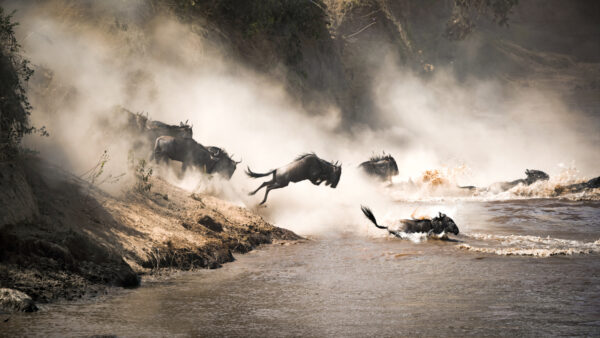
The northern regions of Kogatende and Lamai, on the banks of the Mara River, are further off the beaten path and are good for catching the famed river crossings during summer months with far fewer tourists than across the border in Kenya's Masai Mara.
Kwazulu-Natal is South Africa’s cultural heartland, an essential immersion for those seeking to understand this glorious country in all its complexity. Networks of private reserves, plus big-ticket Hluhluwe-iMfolozi range across habitats and landscapes that are quintessentially South African.
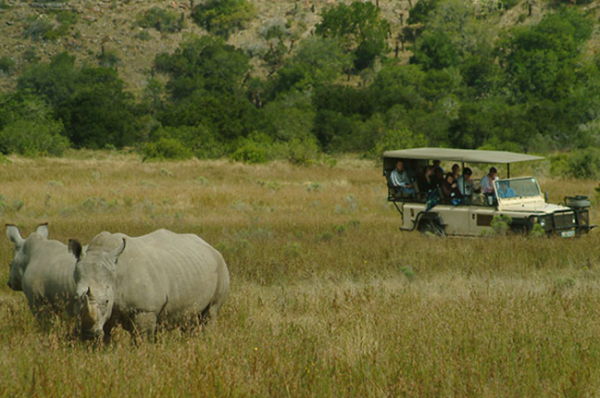
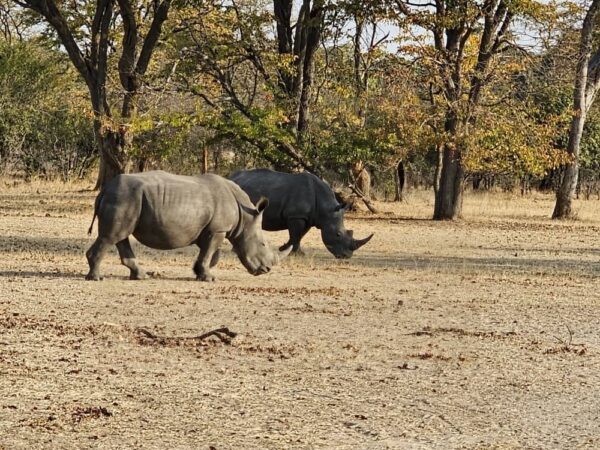
Second only to Kruger National Park, the Hluhluwe-iMfolozi Park is a nearly thousand square kilometre slab of wilderness surrounded by private game reserves. With its soaring hills and mountains, Hluhluwe-iMfolozi is scenically much more inspiring than the sometimes drab scrub-scape of Kruger. It is thanks to an innovative and wildly successful breeding programme here that the southern white rhino exists at all, and rhinos from Hluhluwe-iMfolozi have been used to re-populate parks and reserves across southern Africa.
Today, it would be a rare game drive that didn’t bump into at least one of these prehistoric looking creatures. Elephants are common as are buffalo, zebra, giraffe and wildebeest. Much harder to find are the big cats.
Hluhluwe-iMfolozi is easily accessible and has great facilities for people on all budgets. This makes it a good family-safari destination, but it also means it’s the most popular park in KwaZulu-Natal and during the holidays it can get very busy with holidaying locals.
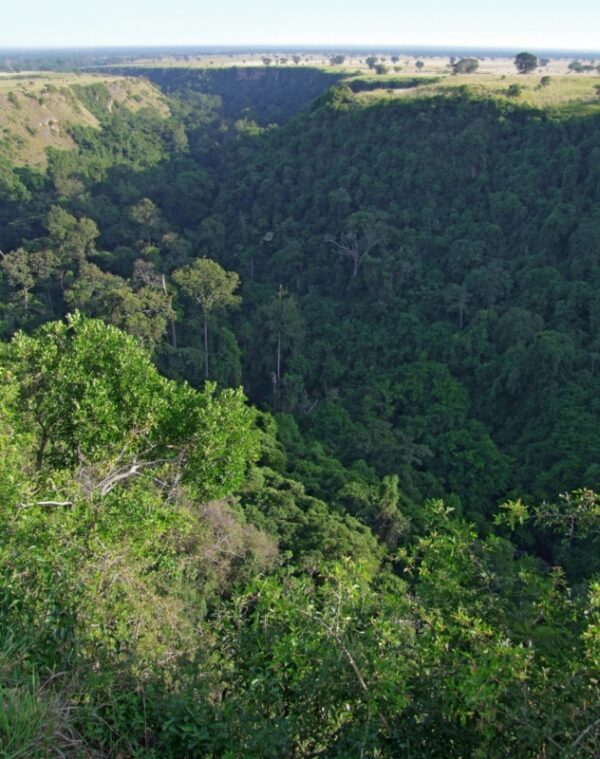
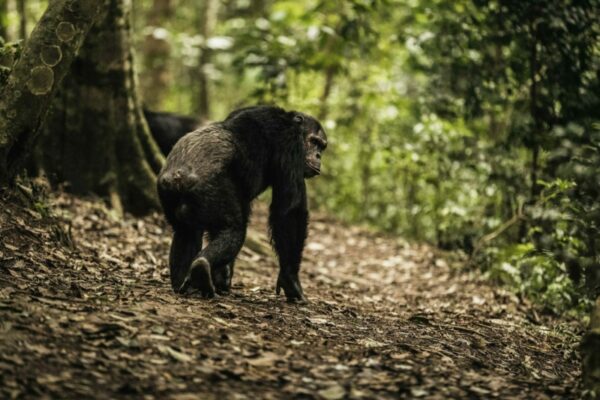
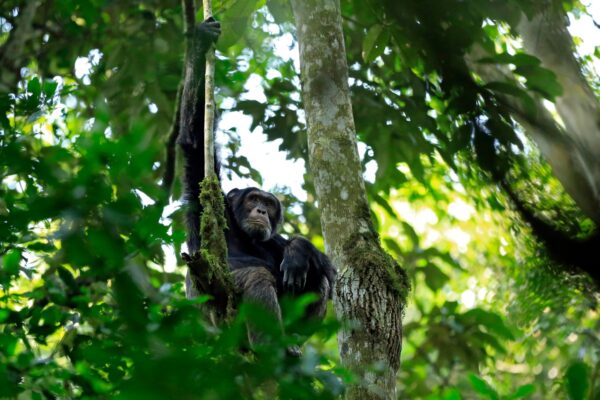
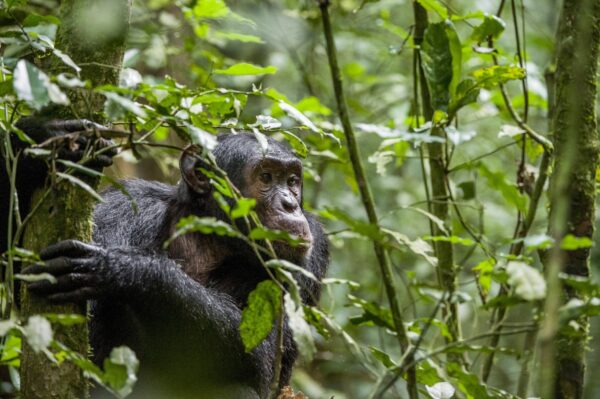
Kyambura Gorge is a sheer-sided 100m-deep chasm named after the river that babbles through its forested base. It is sometimes referred to as the Valley of the Apes, in reference to its small resident chimp community, which has sadly become isolated from its counterparts in Kalinzu and Maramagambo as a result of deforestation. The chimps here are very habituated and in my experience they are usually seen with relative ease on guided treks, partly due to the gorge’s confined nature. Even if you miss out on chimps, Kyambura is very pretty and you can expect to see black-and-white colobus monkeys in the trees, hippos in the river, and a wide range of forest birds.
Pros: Kyambura Gorge runs along the eastern border of the popular Queen Elizabeth National Park, and chimp trekking is easily incorporated into a safari there.
At US$50 for foreigners, Kyambura Gorge is currently the cheapest place to track chimps in Uganda. This tracking fee excludes the Queen Elizabeth National Park entrance fee of US$40 per 24 hours, but if you are visiting the park, you’ll be paying the latter anyway.
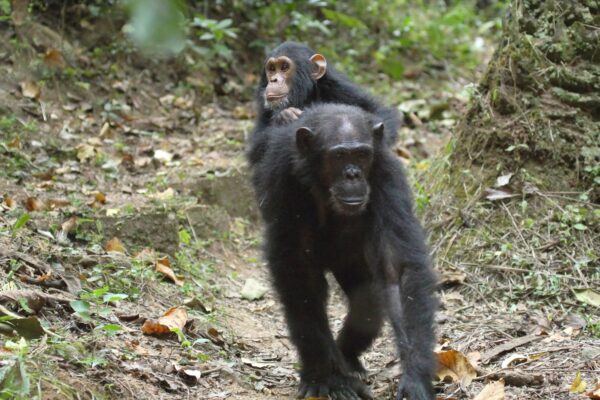
Cons: The community here is relatively small (around 25 individuals) and numerically dominated by males, so you’re unlikely to see youngsters.
Kruger is South Africa’s most celebrated safari park, and deservedly so. Kruger and the surrounding private reserves are home to all of southern Africa’s iconic mammal species, including the endangered African wild dog. Its varied habitats support more than 500 bird species and many of the private reserves offer top quality specialised photo safaris.
But a park as good and easy to visit as Kruger attracts a lot of visitors, and in high season the main routes can be busy. The highly-developed park doesn’t always feel that wild in places.
If this sounds off-putting, fear not: head to northern Kruger for wild beauty, smaller crowds and a palpable sense of adventure. You may have to work a little harder for your sightings up here, but that’s because the animals are less habituated to vehicles. In other words, it feels like a safari of yesteryear. Oh, and the birdlife is exceptional in the north, with species you just don’t find elsewhere in the park.
Another way to avoid the Kruger crowds is by visiting one of the superb private reserves that fringe the park itself, where limited numbers and no self-drives keep things peaceful.
Makgadikgadi Pans is famous for hosting one of the largest zebra migrations in Africa. Every year, tens of thousands of zebra migrate east-west through the park, between the pans in the east and the Boteti River out west. From high on the riverbank at the latter, I’ve watched zebras swarm down to the water’s edge in a haze of raised dust, dizzying stripes and distinctive zebra barks.
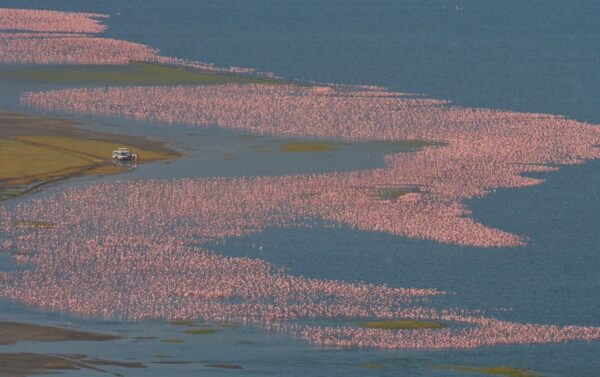
I’ve also seen flamingos away on the eastern pans in flocks so vast that they seem to move as a single entity. And I’ve drawn near to habituated meerkats just outside the park, and seen brown hyenas and aardvarks close to sunset.
Measuring 52,000 square kilometres, I think this vast wilderness is a signature Botswana safari experience. Known for its golden grasslands, salt pans, sand dunes covered in vegetation and wide former river valleys, it’s a soulful experience that’s custom-made for a self-drive safari.
The mammal density and diversity are not quite a match for the northern parks making it less well-suited to first-time safari travellers but for the feel of a true African wilderness, CKGR is tough to beat.
Hugging the park’s northern boundary, the Hainaveld consists of a handful of compact, segregated, privately-owned reserves. The denser habitat means the landscape is less scenic than inside the park, but pumped waterholes concentrate the game in the dry season. Several of the lodges employ local Kalahari bushmen with legendary tracking skills, who will also teach you about their way of life on a guided walk.
Chobe incorporates two distinct regions: Chobe River (close to the Zimbabwe and Zambia borders), famous for its large elephant herds; and Savute (in the west), where a juxtaposition of contrasting habitats and handful of pumped water holes sustain a melting pot of species.
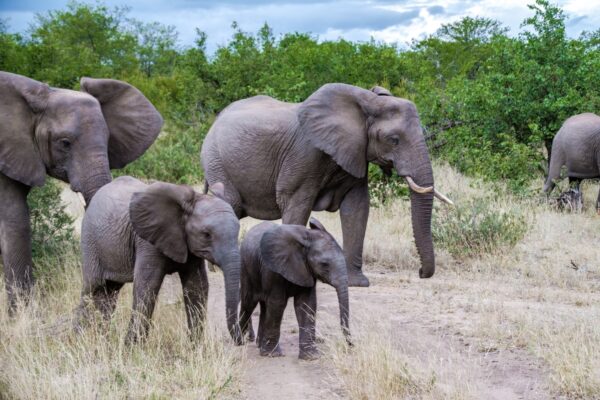
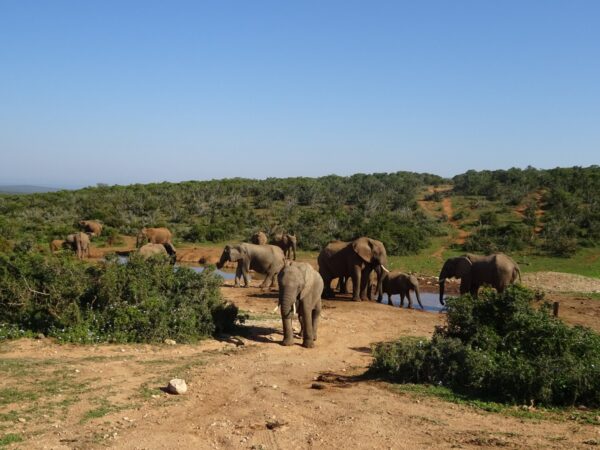
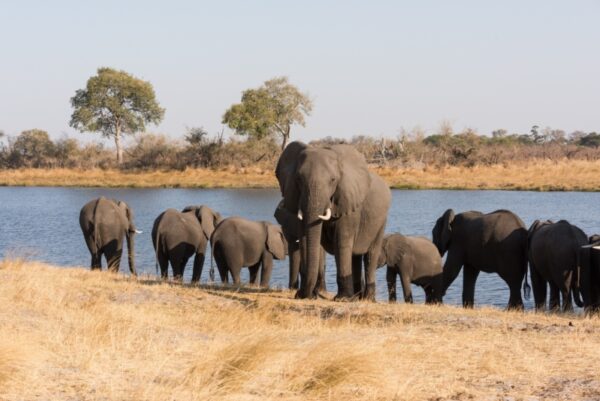
Chobe in general, but especially the riverfront, has one of the highest elephant densities in Africa and close-up sightings are almost guaranteed. Lions and leopards are also possible here, with giraffe, zebra, buffalo, hippo and crocodiles all commonly seen.
Game drives are the order of the day in Savute where wildlife-viewing is good year-round. Savute is known for its predators – I’ve always had luck with lion, leopard and cheetah here, and on my last trip I spent an afternoon watching a highly active den of African wild dogs. As with the rest of Chobe, elephants are everywhere in Savute.
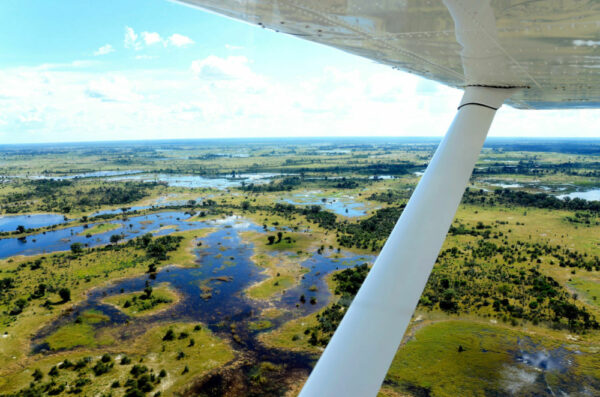
This is a world without fences and, because of the water levels, human settlements are mostly restricted to the Delta’s perimeter, leaving the rest to wildlife.
In the southern part of the Delta, including in Moremi Game Reserve and Khwai Community Concession, expect a mix of luxury tented camps and budget campsites catering mostly to those on self-drive safaris. The deeper you go into the Delta, the more the crowds thin, with entire concessions given over to the exclusive lodges and tented camps that are such a feature of a safari in Botswana. For most of the tourist season, many of these camps and lodges can only be reached by small plane. Out here, I’ve had the wildlife entirely to myself.
I recommend Serengeti Green Camp for visitors who are keen to follow the migration, when mobility is key. It’s a seasonal, mobile camp that shifts location to stay close to the herds rather than expecting the wildlife to come to it. Days are shaped by where the herds are, how they’re moving, and what the conditions allow.
Despite being mobile, the camp is well organised and comfortable enough to spend several nights. It’s a good option for travellers who want to be properly inside the Serengeti system, without the sense of staying in a permanent outpost.
I use Pembazoni Camp to show a different side of the Serengeti, away from the busier central areas. The camp sits in a quiet, little-visited part of the ecosystem, where movement is slower and wildlife encounters feel less orchestrated.
This is a small camp, and that scale matters. It allows for flexibility, particularly when combining vehicle-based exploration with time on foot. Walking here is not about covering distance, but about paying attention to tracks, terrain and behaviour that would be missed from a vehicle.
Accommodation is intentionally low-key. Tents are comfortable and well run, but the camp doesn’t try to compete with the landscape. It works best for travellers who are more interested in how the Serengeti functions than in ticking off familiar scenes.
Rhino Lodge is a practical choice rather than a romantic one, and that’s exactly why I recommend it. It sits right on the rim of the Ngorongoro Crater, which means early access without a long pre-dawn drive.
The lodge is straightforward and unpretentious. Rooms are warm, solid and designed for rest rather than lingering, which makes sense here. This is a short stop focused on a specific objective: getting into the crater efficiently and without complication.
I tend to use Manyara Green Camp when I want people to experience Lake Manyara as more than a drive-through park. The camp is small and lightweight, and that suits the setting. It sits in a quieter part of the park, which allows time to slow down rather than rushing between sightings.
What works well here is the balance between walking, cycling and vehicle-based exploration. Being able to get out on foot or on bikes changes how you read the landscape, especially in a park that’s as varied as Manyara, with forest, groundwater springs and open areas all compressed into a relatively small space.
The camp itself is simple and functional. Tents are comfortable enough without trying to imitate a lodge, and the focus stays firmly on time spent outside. It’s a good place to begin a journey, particularly for travellers who want to ease into safari at a more measured pace.
Borana Lodge is positioned on a hillside above a dam in the centre of Borana Conservancy, and that setting drives much of what happens day to day. Elephants regularly come to drink and bathe below the lodge during the middle of the day, and lion and leopard move through the area at night, often close enough to hear.pau
I value the flexibility here. From the lodge, you can arrange time on foot, on horseback, by vehicle or on mountain bikes, depending on how you want to engage with the landscape. Rhino tracking on foot is a key part of the experience, made possible by Borana’s long-term investment in protection, monitoring and ranger training.
The accommodation is in private cottages rather than a central block, which gives guests space and separation without disconnecting them from what is happening outside. Views stretch across the conservancy towards Mount Kenya, and time in camp tends to revolve around wildlife movement and light rather than a fixed programme.
Borana is a useful place to visit if you want to understand how conservation, livestock and tourism are being managed together in Laikipia. It is a private conservancy of around 32,000 acres on the northern foothills of Mount Kenya, sitting at roughly 6,500 feet above sea level, where the landscape shifts quickly from fertile highlands to more arid ground.
What defines Borana is its role within a much larger conservation picture. In 2013, the fences between Borana and Lewa Wildlife Conservancy were removed, creating the Lewa–Borana Landscape, a combined area of more than 90,000 acres. This has allowed wildlife to move freely across a far broader range than would otherwise be possible, particularly black and white rhino. The area is now recognised as one of Kenya’s Key One rhino populations, supporting a significant proportion of the country’s remaining animals .
Rhino conservation is central here. Borana introduced black rhino in 2013 and has invested heavily in security, veterinary care and ranger training, working closely with Lewa on anti-poaching operations. That work shapes how the conservancy functions day to day and gives real context to time spent on the ground.
What is often overlooked is that Borana still operates as a working landscape. Managed grazing is allowed in partnership with neighbouring communities, generating income for local herders while improving grassland health through livestock movement. It is a pragmatic model rather than a purist one, and it reflects how conservation is being approached in this part of Kenya.
Solio is a useful stop when the aim is to understand how private conservation can work at a very practical level. It is a privately run reserve in Laikipia with a long-standing focus on rhino protection, and that focus shapes the entire experience.
The reserve covers around 17,500 acres between Mount Kenya and the Aberdare range, with a mix of wooded grassland and wetlands. This relatively contained landscape supports one of the highest densities of black rhino in Africa, the result of decades of sustained breeding and protection efforts. As a result, sightings here are frequent and unforced, without the need to range widely or wait for chance encounters.
Solio is also home to a broader spread of wildlife, including lion, leopard, cheetah, buffalo and zebra, but it is the rhino population that defines the reserve and gives it its purpose.
What Solio demonstrates clearly is how conservation priorities influence tourism. The reserve is tightly managed, access is controlled, and the emphasis is on protection rather than spectacle.
Olepangi is a working farm owned and run by Elizabeth and Clinton, and their involvement is central to how the place operates. Their backgrounds and extensive travel are reflected in the house itself, which is furnished with objects collected over time rather than designed to follow a particular aesthetic. The result is informal and practical, and it feels lived in rather than styled.
Its location makes it useful. Guests can stay largely on the farm, walking, riding and spending time around the property, or use it as a base to visit nearby conservancies including Ol Pejeta, Solio and Lolldaiga Hills, as well as Ngare Ndare Forest. That choice between staying local and heading out is one of the main reasons I like to include it in itineraries.
Olepangi’s approach to land use is also relevant. What was once dry and unfertile ground has been developed into a productive farm using organic methods and local supply chains. This feeds directly into the guest experience, particularly around meals and day-to-day interactions, without being presented as a formal sustainability programme.
A notable part of a stay here is the opportunity to join community walks led by Mr Kariuki. These are shaped around local history and contemporary life in the area, and tend to be conversational rather than curated. They offer context that is difficult to access through more typical safari experiences.
The Lolldaiga Hills conservancy is a real hidden gem in Laikipia – a little unpolished and unpredictable, but I think destined for the forefront of Kenya's tourism and conservation efforts. Set at the base of Mount Kenya, this is a high-altitude private conservancy where snow-capped peaks give way to arid ground, rocky outcrops and one of the country’s largest remaining cedar forests.
What defines Lolldaiga for me is scale and diversity. At around 49,000 acres, it is large enough for wildlife to move naturally across different habitats rather than concentrating around fixed areas, giving the place an unpredictability that makes it feel real and raw.
The conservancy supports a wide range of wildlife, including four of the Big Five: lions, leopards, elephants and cheetahs. It is also known for species that are increasingly difficult to see elsewhere, such as Grevy’s zebra, reticulated giraffe, striped hyena, gerenuk and aardwolf. The ecological overlap created by altitude and habitat variation means that encounters here are often unexpected.
Lolldaiga is also an important elephant dispersal zone, which gives it real conservation value beyond tourism. Wildlife is not confined or managed for viewing density, and that lack of artificial concentration is exactly what gives the area its character.
As a place to spend time, Lolldaiga suits travellers who are interested in landscape as much as wildlife, and who appreciate that some of the most rewarding safari experiences come from areas that are still finding their rhythm rather than performing to expectation.
I often recommend Safari Series because it reflects the kind of safari experience I believe still has a future in northern Kenya: low volume, owner-led, and closely tied to the land it operates within.
The camp is deliberately small, with just six tents, and is run directly by its owners, Moon and Ed. That scale allows a level of flexibility that larger operations struggle to maintain. The tents are comfortable and well equipped, with proper beds, en-suite bathrooms, hot showers and solar power, but the emphasis is firmly on time spent outside rather than retreating into camp.
What I value most here is the breadth of how you can engage with the conservancy. Privately guided game drives are combined with walking safaris, fly camping and night drives, allowing people to experience the area from different perspectives and at different paces. There is also scope to take part in conservation and community-focused activities, including citizen science initiatives and visits to the Makurian Cultural Centre, which add context to time spent in the field.
Ol Malo sits within a private conservancy on the Laikipia plateau, with the wide open terrain and freely roaming wildlife you’d expect at any conservancy.
But what sets Ol Malo apart for me is that it is genuinely family run. Andrew and Chyulu Francombe are closely involved in day-to-day life at the lodge, and that involvement shapes the experience. Andrew grew up on this land and brings a deep understanding of the local environment and wildlife, while Chyulu’s influence is evident in the way the lodge is designed and lived in.
The accommodation is comfortable and well considered without feeling formal. Rooms are positioned to look out over the surrounding landscape, and the overall feel is relaxed rather than polished.
Activities are deliberately flexible. You can move through the conservancy on foot, on horseback or by vehicle, with time for swimming, river tubing and simply being outdoors. Horseback safaris are a particular strength here and offer a very different way of encountering wildlife, guided by people who know the terrain and the animals well.
A multi-day expedition safari in Laikipia is one of the most original and unfiltered experiences you can have as a visitor to Kenya. I recommend this to anyone who wants to get beyond the typical game-drive style safari trip.
This is a camel-supported trek through the landscapes of Tumaren Ranch, a large wildlife conservancy in northern Laikipia. Trips typically last around three days, with roughly four to five hours of hiking per day. Compared to viewing wildlife from a vehicle, this is quiet, tentative, contemplative and so much more thrilling.
The operation is small and family-run, and that scale matters. Camps are mobile, with fly-camp set-ups moved each day by an experienced local crew. Accommodation is simple but well organised, with classic walking safari tents, freshly prepared long-drop toilets at each camp, and bucket or shower-tent washing facilities. The emphasis is on practicality and comfort without losing the sense of expedition.
Guiding is central to the experience. The Laikipia Maasai team not only manage the logistics of moving camp and handling the camels, but also share an intimate understanding of the land, wildlife behaviour and local ecology. Time on foot naturally opens space for tracking, reading signs and understanding how animals move through this environment.
A walking safari also allows meaningful interaction with local culture. You spend time with the Maasai team and learn directly from people whose lives are closely tied to this landscape.
I recommend Tumaren Camp as a gateway into Laikipia because it offers an unusually genuine introduction to the region, both in terms of landscape and people. It sits within the wider Tumaren Ranch, an important wildlife conservancy in a part of Kenya that is far less visited than the Mara, yet ecologically just as significant.
One of the main reasons I recommend Tumaren is the guiding. The camp works closely with Samburu guides who have a deep, lived connection to the land. Their knowledge goes beyond wildlife identification; they understand how the landscape works as a system and how people have lived within it for generations. That perspective shapes the entire experience.
The camp itself is deliberately small and discreet, with a modest number of tents designed to sit lightly in the environment. Accommodation is comfortable but restrained, and the emphasis is on being part of the surroundings rather than insulated from them. This is a place where you notice wildlife moving through camp and feel the scale and openness of Laikipia around you.
Tumaren’s approach to tourism is another reason I include it. The camp is rooted in community collaboration and conservation, and that philosophy shows in how it operates, from construction choices to its relationship with local communities.
In practical logistical terms, Tumaren works very well in itineraries. It allows guests to arrive in Laikipia, slow down, and prepare for what comes next, particularly walking safaris.
I recommend Kicheche Mara because it delivers the Mara experience in a way that stays calm, personal and properly grounded in the landscape. It sits within the Mara North Conservancy, which immediately changes the rhythm of a stay: fewer vehicles, more freedom of movement, and the ability to explore beyond standard daytime game drives.
The camp itself is small and deliberately low-key. With just nine tents spaced well apart, it offers privacy and a sense of quiet that matters to me in such a wildlife-rich area. The tents are simple, comfortable and unfussy, with good beds, proper en-suite bathrooms and verandas that look out into the surrounding woodland. It feels like a classic safari camp, without unnecessary ornamentation.
But the chief reason I recommend Kicheche is for its calibre of guiding and excursions. You usually stay with the same guide throughout, and all guides are either Silver-level KPSGA qualified or working towards it. Vehicles are fully open and limited to four guests, which makes a real difference to the quality of sightings and the overall experience. Night drives and guided bush walks are also permitted within the conservancy, adding depth to time spent here.
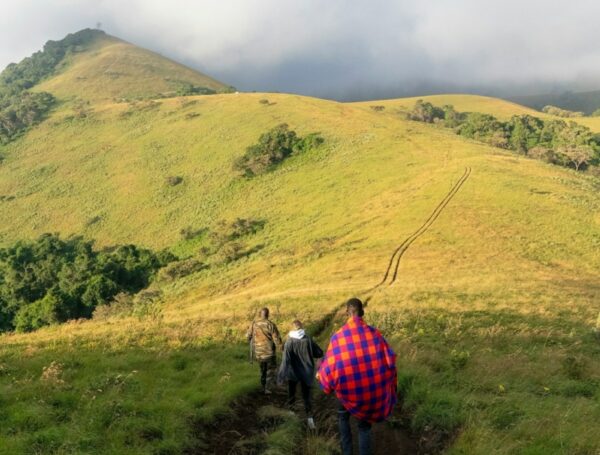
When people talk about trekking in Tanzania they jump straight to climbing Kilimanjaro. It steals the oxygen from all the other options but maybe this is a good thing. While the crowds trudge up and down Kili, I prefer overnight walking safaris, fly-camping in the quieter corners of northern Tanzania’s Rift Valley.
My favourite route runs from the crater at Empakai down to Lake Natron. You start at the trailhead and walk along the volcanoes, spending the first night right on the rim of Empakai. Waking at sunrise over the forested caldera, with its enclosed soda lake, gives you a clear sense of the Rift’s structure. You feel the shifts in altitude, vegetation, and temperature as you move. You see where water, ash, and old lava flows have shaped how people and animals move across the land.
As the route drops towards Natron the country opens up. It becomes arid and bright, with those alkaline flats below. We pass through remote nomadic pastoralist communities. They are often intrigued by our presence. For me, that brief connection is one of the great joys of walking here. You get a glimpse of how these environments are used seasonally. Walking with Maasai guides adds another layer, because their knowledge comes from lived experience rather than interpretation.
Most travellers focus on the headline parks, so they never see terrain like this. Tanzania offers huge spaces and long-established traditions of remote trekking, and this is where that really shows.
There are downsides. It is not an easy hike, and it is vital to do it at the right time of year to avoid excessive heat. Good mobility and trekking fitness are essential. Camps are lightweight. By that I mean very simple tents, a bedroll, a table and chairs for dinner, and a long-drop toilet. That is about it. For some people that simplicity is part of the appeal. For others it is not.
A mobile camp suits this landscape. The journey unfolds naturally, with camp positions guided by distance, water, and conditions on the ground. There is no returning to the same place, just steady progression along the Rift.
Lake Kariba is the world's largest artificial lake and reservoir and is, for me, one of the most magical places on earth.
The lake was formed following the damming of the Zambezi River in the 60s and now marks the border between Zimbabwe and Zambia. The southern Zimbabwean side of the lake forms the edge of the magnificent Matusadona National Park.
The shore is dotted with lodges, most of which are very remote given the lake’s vast size. Kariba is teeming with hippos, crocodiles, elephants and more. The fishing is excellent, and sport fishing for tiger fish is a big deal, with an annual tournament in October.
Some of the lodges are a bit closer to all-inclusive holiday resorts than real safari camps, and it’s a bit of a circus around Kariba Town, but you can easily escape all that and find some real gems on the more remote shores or the islands that dot the lake.
For a real authentic experience stay on a traditional houseboat, which can often accommodate surprisingly large groups.
Changa sits on the shores of Lake Kariba and is reached by boat from Kariba Marina. The setting is quiet and remote, with the camp tucked into a private stretch of shoreline. Accommodation is at the luxury end of the scale, with spacious tents that feel closer to high-end safari suites than standard lodges. Everything is private and well run.
Activities cover game drives, walking safaris and boat outings. All three are strong, though I rate the walking particularly highly for the close wildlife encounters. Fishing is available too if you want to spend more time on the water. One of the highlights is the small pool that looks straight down to the lake. There is almost always something to watch from here.
The camp is expensive, but I think the location and overall experience justify it. It is properly remote. On one visit my wife was delayed getting to breakfast because an elephant had wandered between our tent and the dining area. I always found it useful to speak with the owner about the best way to view wildlife on any given day. Depending on recent sightings and weather he’ll tell you whether a boat, a jeep or a walk would give the best results.
One of the reasons I always recommend a visit to Spurwing Island is the journey there, a one-hour boat journey across Lake Kariba, is an adventure in itself. Once you leave the harbour of Kariba Marina you enter the quiet, open waters of the lake and head towards this small island that sits deep in wildlife country. Once you get here you realise you’re in the thick of the bush. The surrounding lake and shoreline teems with life, with wildlife sightings in every direction.
The accommodations are simple, with around forty rooms in a comfortable lodge layout. Standards are solid, with lake views and a pool for downtime. The atmosphere is relaxed rather than high-end, which I think suits the setting perfectly.
Daily activities centre on boat excursions. You can use these for wildlife viewing along the lakeshore or for fishing, which is a major draw on Kariba. Evenings are easy: a drink at the bar, dinner in the main restaurant, most likely a friendly chat with your fellow guests.
My favourite memory is the fishing: we caught enough bream one afternoon to feed the whole lodge with small breaded pieces before dinner. It gives a good sense of what Spurwing offers: straightforward comfort, good access to the lake, and a quiet base for water-based wildlife experiences.
Ikweta Safari Camp is my go-to recommendation for Meru. It’s just 1.5 km from Murera Gate, the main entrance to Meru National Park, so you’re straight into the action without the long morning transfers that many other camps require. It combines comfort, affordability, and genuine hospitality in a way that I find rare this close to the park.
Budget wise, Ikweta is at the upper mid-range. The camp is intimate, only ten tents, and service here feels personal rather than perfunctory. I always feel more like visiting family than a paying guest. A lot of that comes down to the owner, who is hands-on in a way you rarely see in safari camps these days. She’s there every morning making sure you’re well looked after, and her familiar warmth filters through the entire team.
The camp has got half an eye on its green credentials – it runs entirely on solar power and grows a lot of its own food – but then again it does have a swimming pool in a water-stressed part of the world, so it’s not perfect.
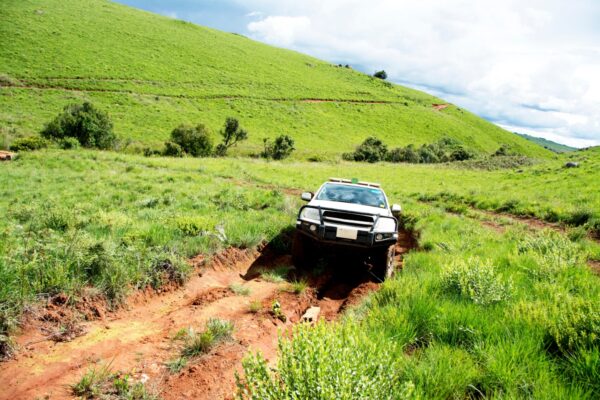
There are a few practical details that you won’t find in the marketing: The access road can get bumpy, especially in the rains, so a 4x4 is essential. With only ten rooms, it books up quickly in peak season, so early reservations are wise. And remember that park fees aren’t included in the room rate, budget for those separately.
Ikweta is part of a small network of sister properties across Kenya, which opens up interesting options for linking itineraries, but it never feels corporate or formulaic. Overall it’s a great choice for service, intimacy and authenticity.
I have stayed at Rhino River Camp a few times. It has been acquired by the Gamewatchers Porini group, who have done a good job of renovating the camp and bringing it up to a high standard. The camp is situated in 60 acres of private land immediately adjoining the rest of Meru National Park. It consists of seven semi-permanent cottages, most of which overlook the Kindani River with the sound of gently flowing water ever present. The camp is on the river in a very tropical setting as you can see from the photos with the swimming pool next to the river. It’s right on the edge of the National Park in this amazing jungly location – I remember thinking I was somewhere like Costa Rica!
My personal highlight: the lovely bushbabies that had made themselves at home right in the dining area, was just delightful.
Meru Wilderness is a traditional style mobile camp with space for just eight guests. It's operated by Laikipia Wilderness, and I know the couple who run it personally. This is the classic, simple safari experience: bucket en-suite showers, drop toilets, meals served in the dining tent or under the shade of a nearby tree. Meru Wilderness pairs nicely with the sister camp in Laikipia.
Kambaku is such a special spot for a safari! I love it because the rooms are just incredible – they feature a lot of glass, so you feel directly connected to the wilderness. It’s perfect for finding some peace. The food is also world-class, with amazing wine tastings. It’s good value too – high season rates here are around USD 745 per person per night.
There are many great lodges in the Sabi Sands reserve, but I can’t think of many with as impressive a location as Dulini, situated in prime position on the Sand River. Its location alone makes it my top choice for Sabi Sands. Rates start at around ZAR 28,990 (USD 1,630) per person per night, which is actually pretty reasonable for Sabi Sands and great value.
My pick for Mala Mala Game Reserve is usually Rattray’s Camp where the game viewing is unrivalled, especially for the awesome populations of all the Big Five. But what I like best is the feeling of exclusivity. You’ll only have four guests per safari vehicle and only eight suites in total, so you’re pretty much on your own with the wildlife. You’ll pay around ZAR 37,200 (USD 2,050) per person per night. For your money you’ll get all the expected amenities of a high-end camp: private plunge pools, his & hers bathrooms, and so on, but for me the solitude is the real cincher.
Game viewing at Leopard Hills feels truly exclusive – the reserve borders Kruger National Park but has no fences, allowing animals to roam freely. I’ve often seen leopards here, sometimes right near the suites or even from my private deck. Rates are punchy: ZAR 24,900 (USD 1,400) per person per night. But for that you get personal, five-star service, world-class rangers and food that is out of this world – my clients rave about the unique dining experiences like traditional doma dinners, or a private meal under the stars.
My top pick in Sabi Sands is Sabi Sabi Earth Lodge. I have been visiting and sending clients to this lodge for over 25 years, and the feedback on the accommodation and food has always been superb. The rangers and trackers are generational, so in essence they are following in their fathers and grandfathers’ footsteps. You’re almost guaranteed the Big Five, but the rangers and trackers offer so much more, as their knowledge goes so deep.
At ZAR 39,000 (USD 2,190) per person per night, it doesn’t come cheap – but if it fits your budget, it’s money well spent.
One of my favourite of all the Mara conservancies, Olare Motorogi Conservancy is tiny – just ten tents, making it ideal for those seeking a quieter, more personal encounter with the wilderness. There are five concessions here: Porini Lion Camp, Kicheche Bush Camp, Mara Plains Camp, Olare Mara Kempinski and Mahali Mzuri, all of which are excellent, although Porini Lion Camp probably gets my top vote. You'll struggle to find a quieter, less crowded safari anywhere else in Kenya.
Kicheche Laikipia, with only six tents, offers an incredibly intimate experience. It’s a great spot if you’re looking for a quieter, more personal safari. The wildlife here is abundant, and what I love about this camp is the chance to see not just the big cats, but also the incredible birdlife and other species unique to the area. The camp’s location allows for both excellent game drives and walking safaris.
Best for: Rhino conservation
With just seven tents, Porini Rhino Camp is wonderfully intimate and it’s situated in a fantastic location for rhino sightings. The fact that it’s within the expansive 90,000-acre Laikipia Conservancy means you're surrounded by incredible wildlife but without the crowds. And their efforts for rhino conservation is especially rewarding: during my stay, I had the privilege of seeing both black and white rhinos up close, and it’s always one of those moments that sticks with you. It’s not just about the rhinos, though; there’s a great variety of wildlife here, and the camp is in the heart of it all.
Best for: Masai Mara walking safaris
Porini Lion Camp, in the Olare Motorogi Conservancy, is small and delightfully intimate. With just ten tents, it feels very personal, and you really get to know the staff and the area. The camp is great for game drives and walking safaris, and I always find the chances of spotting big cats especially high here. It pairs very nicely with Saruni Basecamp during migration river crossing season – I usually recommend three nights in each.
Best for: uncrowded migration viewings
Located in the Mara North Conservancy, the 17-tent Saruni Basecamp Mara has an amazing position right on the edge of the Reserve on the Talek River and is has some stunning views. The camp achieved world fame in 2006 by hosting Barack Obama during his visit to Kenya, two years before he became US president!
I can’t think of many better places to see the wildebeest migration in Kenya, and during my stay, I was blown away by how close we were to the action, with none of the crowds that mar the experience in busier corners of the Masai Mara.
Best for: authentic cultural experiences
In my opinion, Sabache Eco Camp is probably the most interesting and authentic experience in Samburu and beyond. The camp is run by the local Samburu community with a welcoming, down-to-earth atmosphere. The tents are spacious and comfortable with en-suite bathrooms, though if the water’s not working, it’s usually because the monkeys have been tampering with the stopcocks…
I’ve stayed here several times, and I always enjoy the peace. The best rooms are just above the dining area – a bit of a climb but with great views. On one of my visits, I had the incredible experience of seeing a small herd of elephants quietly moving through the camp under the cover of night. It was surreal, catching glimpses of these enormous creatures by the light of our head torches.
For a real adventure, I’d recommend fly camping at the summit of Mount Ololokwe. Watching the sunrise over the Mathews Range and Mount Kenya is unforgettable. Plus, the vultures soaring past on thermal currents are a sight to behold.
If you have time, visit the nearby Reteti Elephant Sanctuary. It’s a short drive from Sabache, and you can watch the Samburu team feed orphaned elephants and see how they prepare the milk formula for them.
Best for: wildlife enthusiasts and unique experiences
I usually recommend the authentic and intimate Elephant Bedroom camp for visitors coming to Samburu.
The camp is set in a perfect location, right on the Ewaso Nyiro River, with sweeping views that are hard to beat. The tented rooms are raised on stilts, which gives you an extra sense of being immersed in nature. It’s one of the few places where you can hear the sounds of elephants right outside your tent, as they often wander through or graze near the camp, and since it’s unfenced, you’re really part of the wilderness.
One of my most memorable moments was when we were having lunch below the main terrace by the river and had to quickly abandon it when an inquisitive elephant came to join us. It's those kinds of moments that make this place special.
Sundowners after the afternoon game drive are always a delight, as you reflect on the day while surrounded by the sounds of the bush.
The Maasai Mara is the most iconic wildlife ecosystem in Kenya, possibly all of Africa. But my biggest tip for visiting the Mara is to stay in one of the conservancies dotted around and adjacent to the Mara. These offer a more exclusive and intimate safari experience, with fewer vehicles and a chance to see wildlife in a more peaceful setting.
The Mara North Conservancy, where Saruni Basecamp is located, offers incredible river views and excellent opportunities to witness the migration.
The Ol Pejeta Conservancy is famous for its black rhinos and as the guardian of the last northern white rhino anywhere on earth. Despite lying on the equator, its 1,900 metre elevation gives it a cooler highland climate that contrasts with the surrounding arid landscapes.
I find it a wonderful complement to places like Samburu, especially if you want to see a different side of Kenya’s diverse ecosystems. The conservancy’s cooler early mornings and evenings mean you’ll want to dress in layers. One of my favourite spots there is Morani’s restaurant, named after a rhino, which offers a unique dining experience within the conservancy itself. The intimate camps Porini Rhino and Kicheche Laikipia offer wonderful opportunities to get close to rhinos and other wildlife, all while avoiding crowds.
The Samburu National Reserve is one of my favourite parts of Northern Kenya, thanks to its extraordinary landscape and unique wildlife. The scenery here is truly special, with doum palms lining the Ewaso Ng’iro river and the majestic Ololokwe mountain rising dramatically in the distance. This mountain is sacred to the Samburu people, adding a deep cultural layer to the natural beauty. Wildlife here is abundant and fascinating, and I love how you can spot the Samburu ‘special five’: the reticulated giraffe and Grevy’s zebra, both endangered species, along with the Beisa oryx, Somali ostrich, and gerenuk. The gerenuk, meaning ‘giraffe-necked’ in Somali, is particularly striking: it stands on its hind legs to browse high in the trees, its long neck perfectly adapted to this unique feeding style.
Best for: Africa's second biggest land migration
I’d recommend Nxai Pan if you’re looking for somewhere that feels peaceful, remote, and completely removed from the usual safari crowds. You’re on the edge of a fossil pan, looking out over open grasslands and there’s nothing built-up or busy about it. What really sets it apart, though, is the chance to catch the zebra migration. If you’re here between March and late April, you could witness thousands of zebras arriving to drop their young. It's the second-largest land migration in Southern Africa, and it’s a game changer if you hit it right.
The camp is the only permanent lodge in the park, with nine spacious tents, all facing the waterhole. Each one has a viewing deck, a relaxed lounge area, and both indoor and outdoor showers. One of the rooms is set up for families, with an extra twin bedroom. There’s also a plunge pool, and the thatched communal areas help keep things cool and comfortable throughout the year.
The activities are a real highlight. I’d especially recommend the San bushman walk, a fascinating insight into how the San people have traditionally hunted, gathered, and lived in this landscape. You can also take a day trip to Baines’ Baobabs, which are just as impressive today as they were when painted 150 years ago.
Best for: Quirky camp and excellent activities
I’d recommend Jack’s Camp to anyone looking for something completely different. It's not cheap but it's one of the most eccentric camps in Botswana – part vintage safari, part theatrical spectacle, and it’s a real experience just to stay here. The tents are lavish, with a 1940s safari style that somehow blends old-world elegance with a splash of Freddie Mercury flair. Even the bathroom feels like a set piece – the toilet’s practically a throne.
There are ten en-suite tents in total (seven twin, three double), each with indoor and outdoor showers and a huge amount of space. The camp also includes a private museum, drinks tent, pool pavilion, and shop, all laid out in an oasis of comfort in the middle of the Kalahari.
But it's the activities that make this place special. You can ride horses across the pans, walk with Bushmen guides, spend time with habituated meerkats, and sleep out under the stars, something I’d call genuinely life-changing. There are also game drives, birding, and visits to Chapman’s Baobab, one of the largest and oldest trees in Africa.
Best for: mid-range value
Chobe Safari Lodge is one of the longer-established properties in the area, and thanks to a recent refurb, it continues to deliver a great experience. It’s well priced, comfortable, and in a brilliant spot right on the riverbank. The views from the deck are fantastic, and the evening boat cruises are always a highlight. It’s also home to the Sedudu Bar and Restaurant, which I rate as one of the best sundowner spots in Kasane.
The lodge sits just outside the park in Kasane and borders the Chobe River, where four countries – Botswana, Namibia, Zambia, and Zimbabwe – all meet. It’s a great base for combining Chobe with places like Victoria Falls or the Caprivi Strip. With easy access from three airports and a range of transfer options, it’s also one of the more convenient lodges logistically.
It works really well for families too: relaxed atmosphere, lots of space, and plenty of things to do without feeling overstructured. It's also conveniently located to add on Vic Falls.
Best for: family safaris
If you’re heading to Chobe and want comfort without compromise, I’d recommend Chobe Game Lodge. It’s the only lodge actually inside the national park, which means you’re waking up right where the action is: no long drives to reach the gate. I’ve always found their service a step above anywhere else in the area, and they really go the extra mile. It’s also one of the few high-end lodges I’d happily recommend for families with kids.
With space for up to 90 guests, the lodge is large, but the layout makes it feel far more spacious and relaxed. There are several pools, six viewing decks, two bars, and no fewer than four different dining areas, so you’re never short on places to unwind.
If you’re after a bit more privacy, there are four superior suites with river views. And the wildlife is excellent, especially if you’re into elephants. You’ll often see them right from the lodge.
Best for: Mid-range value for money
If you’re watching your budget but don’t want to compromise on wildlife, this is the camp I’d go for: Rra Dinare offers serious value for money. It’s not top-end luxury, but in my opinion, it delivers an experience that comes surprisingly close – at a much more accessible price. Every time I’ve visited, the wildlife has been phenomenal. I’ve seen wild dogs on every trip, witnessed a lion kill, and once even had a leopard climb down from a tree and fall asleep on the canvas roof of our game vehicle. That kind of moment stays with you.
The camp’s name means “Father Buffalo,” and that’s no accident – when they were building it, buffalo would wander right into camp and even sleep under the bridges and decks. It’s a stylish place, with eight ensuite tents, each well furnished and raised on wooden platforms.
The shared spaces are open and relaxed, with a thatched dining area, a swimming pool, a small curio shop, and raised walkways connecting everything. The concession itself is pristine, and the guiding team knows it inside out – game drives here are a highlight.
Best for: walking safaris
If you’re up for something a bit more adventurous, but still want a high level of comfort, I’d really recommend Beagle Expeditions. It’s a mobile setup, but you wouldn’t guess it from the camp itself. The tents are surprisingly lavish for something that moves with the season, and there’s a real attention to detail in how everything’s put together.
What sets Beagle apart is the walking. This isn’t just a short stroll after breakfast – they offer proper multi-day walking safaris between their two private camps, led by some of the best guides I’ve come across. You’ll cover real ground on foot, and for me, that completely changed how I experienced the Delta. It’s one thing to drive past a leopard – it’s something else entirely to see one while walking.
The camps themselves feel like semi-permanent outposts in the wilderness: comfortable, beautifully run, and set in truly remote areas you’d never get to on a vehicle-based safari.
Best for: Ultra luxury
I’d recommend Jao for anyone who’s willing to spend a bit more for something extra special. The main area is a two-storey wooden structure that looks out over the surrounding floodplains, but it’s what’s inside that really stands out. A spiral staircase wraps around a giraffe skeleton and leads up to a space that’s part museum, part wine cellar – it’s like walking into a mad safari lab, and in my opinion, it’s insanely cool.
The rooms are over-the-top lavish – larger than most apartments – and each one is decorated in its own style, with an old-world safari feel and ornate colonial touches. Outdoor showers, big views, and serious attention to detail all come as standard.
You can explore the area by mokoro, boat, or game drive, and the mix of water and dry activities makes it a flexible option depending on the season.
Best for: High-end style
If you’re looking for a high-end option and don’t mind the price, I’d recommend Vumbura Plains. The rooms here are some of the most impressive I’ve seen anywhere – not just in the Delta. They’re beautifully designed, with an open-plan layout that includes a central shower and wide, 270-degree views over the floodplains. Each suite also has a private deck with a generously sized pool, and the whole setup feels surprisingly homely for something so luxurious.
The lodge is split into two separate satellite camps, each with its own dining and lounge areas. You’ve got year-round water and land activities on offer, and the food is consistently excellent.
The general consensus on the best times for a safari in Tanzania (or anywhere in Africa for that matter) is to avoid the rainy seasons at all costs. According to received wisdom, the rainy season means wildlife is more dispersed as they don’t have to congregate around scarce waterholes. The foliage is thick and lush which, although beautiful, makes spotting wildlife even harder. And heavy rains may make more remote roads impassable, and lots of camps shut down during the “long rains” of mid-March to early June.
In Tanzania, timings are further complicated by the movement of the wildebeest migration, especially the heavily-marketed river crossing period which creates even more pressure to be on safari during the peak months of July to September.
Personally, I think this is a big shame. It creates unsustainable pressure on a handful of key locations during a few short months, and it does a great disservice to the rest of the country – and the rest of the year.
For visitors on a limited schedule, or perhaps those who’ve already had the ‘classic’ safari experience before, I often suggest coming during the rainy, or ‘green’ season. Contrary to the general consensus, I think this is a lovely time to be in Tanzania. This is when nature bursts back into life, fresh grass carpets the plains, rivers are ripe and waterholes are full, and wildlife thrives in the renewed ecosystem. Yes you’ll expect rain, but it doesn’t rain all day, every day. Showers are usually short-lived, and the sun often comes out shortly after.
In my experience, the warnings about missing wildlife sightings during this period are exaggerated – it’s just as exciting as other seasons, if not more. This is when the southern Serengeti and Ndutu areas become nurseries for thousands of newborn wildebeest, zebra, and other herbivores. The entire wildebeest migration is set out on the Central and Southern plains, as far as your eyes can see. And with so many young and vulnerable animals, the big cats and cheetahs are all highly active.
But for me, the biggest advantage of a green season safari is the solitude. Unlike the peak season, where a single kill can attract crowds of vehicles, the green season offers a more personal and exclusive experience. It is not uncommon to be the only vehicle watching a lioness teach her cubs to hunt, with no other vehicles in sight. If you’ve ever dreamed of having the Serengeti (almost) to yourself, this is the season to go. Plus, coming in an "off" season helps tackle unsustainable overcrowding such as around the river crossings during peak season.
And finally, visiting in the green season offers one other big perk: value for money! Prices for lodges and camps drop by up to 50%, which means you can either get more luxury for your budget or enjoy a longer stay than you’d otherwise afford.
The only thing I’d note is that although I usually recommend tented camps for a more authentic experience, during this rainy period, a permanent lodge would be more comfortable.
Another of Tanzania’s hidden gems, Saadani lies on the beautiful stretch of Indian Ocean coastline that divides the port cities of Dar es Salaam and Tanga. The palm-lined beaches here form the last remaining turtle nesting site on the country’s north coast.
This is also the only East African coastal reserve where you’ll see lions, leopards, elephants, buffalo and giraffes. Wildlife densities at Saadani are admittedly rather low, so it isn't the place for first-time visitors wanting to tick all the boxes in one short safari.
But the wilderness feel, the beautiful beachfront location and a wide range of activities – including boat trips on the Wami River, birdwatching in the salt flats, guided bush walks, and of course game drives – make it a great option for adventurous travelers who want to get truly off the beaten path.
It always surprises me how few visitors to northern Tanzania make the effort to visit the underrated Arusha National Park. This, as its name suggests, is the closest park to the safari gateway town of Arusha (the drive takes around 45 minutes) and it packs a huge amount of diversity into a relatively small area.
Set in the shadow of Mount Meru, the park incorporates rainforests alive with colobus monkeys, tracts of savannah grazed by giraffes and zebras, spectacular calderas and waterfalls, and much more besides.
While here you’ll want to take a canoe trip on the gorgeous Momella Lakes where you’ll see plenty of hippos, buffalo and flamingos.
One of Africa's quirkiest and most underrated protected areas, Rubondo comprises a lushly forested 240 sq km island set in the Tanzanian waters of Lake Victoria (the world’s second largest lake). The park was established in the 1960s as a proposed breeding centre for introduced Congolese rainforest animals. This experiment never really came together, but Rubondo does still support some introduced wildlife, including elephant and giraffe, alongside naturally occurring species such the swamp-loving sitatunga antelope. The island is also home to around 70 chimps descended from eight males and nine females released there in the late 1960s. After being left to their own devices for decades, Rubondo’s chimps have now been habituated for tourist visits.
Home to just one small luxury beach lodge, Rubondo Island makes for an exclusive and very tranquil add-on to a safari in the ever-popular Serengeti National Park.
Rubondo’s chimps are descended from individuals that were born wild in West Africa, then captured as youngsters and held in zoos or circuses. It is thus the easiest place to see the western chimpanzee, a critically endangered subspecies that is far rarer than its eastern counterpart.
Although Rubondo’s chimps are almost certain to be seen by determined visitors, locating them might involve a long walk, and they are shyer than in most other trekking destinations. It is not easy for independent or budget-conscious travellers to arrange chimp trekking here.
Mahale is a remote and mountainous park set on the sandy banks of Lake Tanganyika in the far west of Tanzania. It is best known for its habituated chimpanzees, which can be tracked on foot on guided forest walks. Other primates include red colobus and vervet monkeys. The driest months (August to October) are the best time to trek through the forest.
Chimp trekking and other guided walks can be organised from a scattering of lakeshore camps and lodges. These include one ‘barefoot luxury’ option, Greystoke Mahale, as well as a government-run cluster of affordable self-catering huts.
Common wisdom when comparing Tanzania’s two main safari "circuits" is that the north attracts the crowds while the south is quieter and more remote. This is an overly simplistic equation, as anyone who has visited Mkomazi National Park, in northeastern Tanzania, will testify.
Scenic Mkomazi is an ideal choice for those who value a genuine wilderness experience over non-stop wildlife viewing. On my most recent visit, I had good sightings of lion, buffalo, giraffe, zebra and a wide variety of antelope, but encountered precisely one other tourist vehicle. There is also a special rhino sanctuary here which gives you the best chance of seeing the critically endangered black rhino anywhere in Tanzania.
Mkomazi is also an unusually affordable safari destination, thanks to a complex of well-priced government-run cottages at the main entrance.
Situated a short distance northwest of Tarangire, scenic Lake Manyara National Park sits in the shadow of a dramatic stretch of the Great Rift escarpment. The park’s centrepiece is the lake for which it is named, but it also protects large areas of acacia woodland, groundwater fig forest, and grassy floodplain.
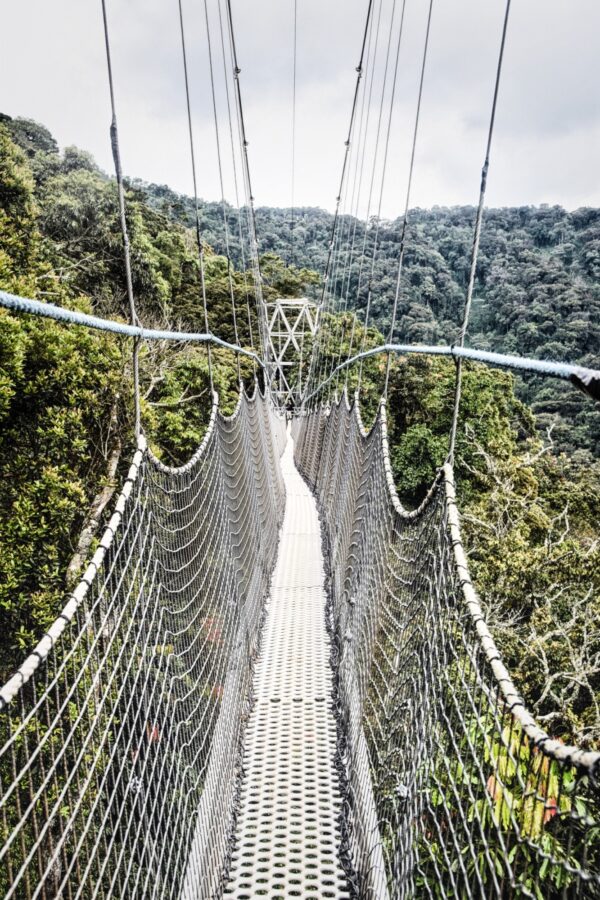
Manyara is a haven for birdwatchers. At least 400 bird species have been recorded, with aquatic birds and raptors being especially well represented. The park is also famous for its tree-climbing lions, and for hosting one of Tanzania’s most-studied elephant populations. In addition to game drives, guided walking safaris are possible, and there’s a treetop walkway that takes you up into the forest canopy.
The other major tourist attraction on Tanzania’s Northern Circuit is the Ngorongoro Crater. This UNESCO World Heritage Site is thought to be the world’s largest intact volcanic caldera that isn’t filled with water. Wildlife numbers fluctuate seasonally, but the crater floor is invariably home to tens of thousands of large mammals, including elephant, lion and buffalo. It is also the most reliable spot on the northern circuit for black rhino.
Ngorongoro is a year-round wildlife destination, but it also attracts year-round crowds, especially from mid-morning to mid-afternoon. It stands at the centre of the much larger Ngorongoro Conservation Area, which is a great place for hiking and trekking.
There are no accommodations within the crater itself and you have basically three options here: firstly the premium, high-demand lodges that are on the crater rim itself. These select few lodges have an unimpeded 270 degree view of the entire crater. With a good pair of binoculars, you can spot wildlife from your lodge or camp and most rooms have amazing views right from the bedroom. Good picks include Ngorongoro Serena, Ngorongoro Lodge Melia Collection, Crater Lodge by &Beyond, Ngorongoro Sopa Lodge.
The added bonus of these camps is that you’re already within the Ngorongoro Conservation Area so you don’t need to pass through the main Loduare gate and can head straight to the nearest trail. But prices are high and availability is tight.
The second category is other lodges within the NCAA but not on the crater's edge. There's a few properties there and they are a short drive to the crater. The key thing they lack is the majestic views of the crater. I recommend Lion's Paw, Rhino Lodge, Lemala Ngorongoro, Pakulala, Ngorongoro Tortilis.
The third option is to stay in the nearby town of Karatu, between 15-30 mins away from Loduare gate. There’s a wide range of hotels here for pretty much every budget and since you’re outside the conservation area you don’t need to pay concession fees.
In my experience, if option one is not viable then option three is the better way to go. The value of staying inside the NCAA but not on the rim is limited and does not add significantly to the experience.
Tarangire National Park, which lies to the southeast of Lake Manyara, is renowned for its large elephant herds and huge baobab trees. The park is also home to lion, leopard and cheetah, and very occasionally it may be visited by packs of endangered African wild dog. In the dry season, it has a particularly high concentration of mammals, with July to October being the best months for wildlife viewing.
The main road circuit in northern Tarangire attracts large volumes of day visitors, who usually arrive mid-morning and leave mid-afternoon. This means it can be uncomfortably busy around lunchtime. Relatively few safaris stay overnight in the park, however, so the roads tend to be much quieter in the early morning and late afternoon.
As with the Serengeti, some private reserves around the national park offer more exclusivity, but generally at a higher cost.
When people ask me about seeing the wildebeest migration, they’re almost always talking about the much-hyped river crossings when the herd stampedes across the Mara River on its way from the Serengeti to Kenya’s Masai Mara.
Much less marketed but no less spectacular is the calving season. This is the counterpoint to the river crossing season, the period when the herd swells in size – something like 8,000 births per day – and regroups before embarking on the next phase of its momentous journey, never far from the jaws of their ferocious predators.
Seeing a birth during this time is one of the most amazing experiences in my life. You can see a calf getting to its feet for the first time, clambering to its mother, and beginning its journey through life. You can’t help but ask yourself: will this be one of the lucky ones, or just a lion’s next meal?
How to see it
The wildebeest gather in Ndutu and the Southern Serengeti, where they remain relatively stationary, maximising survival chances for their young. The area’s nutrient-rich grasses provide ideal conditions for both mother and calf. This concentration of wildlife makes game viewing exceptional, with predators taking advantage of the easy prey. Mobile tented camps can follow the herd’s seasonal movements to get you close to the action. Game drives at sunrise and sunset provide the best chances of witnessing births and predator interactions.
Need to know
Calving season runs from December to March, peaking from mid-January to the end of February.
You can reach Ndutu by road from Arusha or Karatu, though flying into Ndutu Airstrip by bush plane gives you more time on safari.
This is a high-season period so camps book up quickly, often six to nine months in advance. Prices during this period are comparable to peak season in July and September.
Things can get busy, and it’s essential you travel with responsible operators and camps with skilled guides who won’t crowd the wildlife. Ask about their approach to responsible safari tourism before booking.
The Kalahari is one of my favourite places to visit in Botswana, but it can be hard to find the right camp to fit the budget and experience. There are not very many camps out here, and visitors often confuse areas of the Kalahari with neighboring Makgadikgadi Pans as well as lodges along the Boteti area. Kalahari camps are austere, but they’re surrounded by wildlife and are a great place to see lions and leopards.
Of the few camps out here, my top recommendation is Tau Pan, owned by Kwando Safaris, a great Botswana-based company. Tau Pan is located within the Central Kalahari Game Reserve. Situated on its own waterhole it has the best location anywhere in the Kalahari with abundant wildlife sightings – especially lions. But my favourite thing about Tau Pan is the amazing bushman walks offered by the camp, walking with a San bushman and learning about his lifestyle and culture while he shows you how to track wildlife. You can also do night walks and stargazing. It’s a magical place.
A close runner up to Tau Pan is Dinaka, owned by Ker&Downey. It sits just north of the reserve with some interesting biodiversity and brown hyena often sighted. These are both upper range camps, both reached by air.
If the budget doesn’t stretch that far, you’ll find more affordable camps in Ghanzi and around Deception Valley. These are a lot more budget orientated, but the game viewing is nowhere near as good.
I find the best time to visit is between April to August. One can self drive to Ghanzi, but you need to get on a charter flight leaving from Maun to get to Tau Pan and Dinaka.
The Ngorongoro Crater, the remains of an ancient volcano, forms a vast, self-contained ecosystem spanning 100 square miles of wildlife-packed savannah, swamp and forest.
A descent into the crater features highly on all popular Northern Circuit itineraries. Aside from watching lions and cheetahs stalk the open grasslands, you’ll see flamingos in Lake Magadi and elephants in Lerai Forest.
It’s an early start, setting out at dawn to catch the wildlife at its most active. Access to the crater is through the Loduare Gate, where entry permits and descent fees are required. The crater is a strictly regulated conservation area, and all vehicles must adhere to designated routes and operating hours. Alighting from your vehicle is prohibited other than in designated areas, and there are no walking safaris permitted here. Most game drives leave by mid-morning to avoid the midday heat, but you might find a full-day tour with lunch at Ngoitokitok Springs or other picnic areas.
Insider tip
The gate opens at 6am and you want to be among the first in order to avoid the rush. Where you stay is critical. I break Ngorongoro accommodation into three categories: premium, high-demand lodges within the Ngorongoro Conservation Area and right on the crater rim; lodges within the NCAA but not actually on the rim; and finally there's a wide range of accommodation in nearby Karatu town. In my experience, if staying on the rim itself is too expensive or not available, then somewhere in Karatu is the better option. The value of staying inside the NCAA but not on the rim is limited and does not add significantly to the experience.
In 2019, Tanzania took the conservation world by surprise when it gazetted a quartet of new national parks in the country’s far northwest. These parks were all amalgamated from badly-managed wildlife reserves that had suffered from extensive poaching, and none, as yet, is properly developed for tourism. Equally, there is nothing stopping those with an adventurous spirit and a decent 4x4 from exploring most of these parks.
Most attractive and accessible is Burigi-Chato, which now ranks as Tanzania’s fifth-largest national park, and offers fair game viewing (we saw zebra, warthog and a variety of antelope a recent visit, but lion, elephant, buffalo, hippo, giraffe are also present).
The other three new national parks, in order of accessibility, are Ibanda-Kyerwa, Rumanyika-Karagwe and Kigosi.
If you are in this part of Tanzania, you could also consider boating across to lushly forested Rubondo Island National Park, which is one of the best places to see the swamp-dwelling sitatunga antelope. For birdwatchers, Minziro Forest Reserve, on the Ugandan border, is home to at least 50 species not known elsewhere in Tanzania.
Although just 45 minutes from the key transit hub of Arusha, the eponymous national park itself is usually overlooked by tourists heading straight to the more famous Serengeti. This is a shame because Arusha National Park packs in huge scenic and biodiversity into a relatively small area. My favourite activity here is to paddle on the pretty Momella Lakes, canoeing past hippos, buffalo and giraffes. There are usually good close-up views of Mount Meru; weather permitting, you might even sneak a distant view of snow-capped Kilimanjaro.
Relatively few people do it, but the remote and starkly beautiful back route connecting Serengeti National Park to Arusha via Lake Natron ranks as one of the wildest drives you can undertake in East Africa.
Hemmed in by the sheer Rift Valley escarpment, Natron is a forbidding presence, thanks to its hypersaline water, which is too caustic to support any aquatic life other than flamingos and the cyanobacteria on which they feed. Red-robed Maasai lead herds of cattle and camels between the zebras and antelope that graze the surrounding arid plains. Rising above it all, Ol Doinyo Lengai, the Maasai ‘Mountain of God’, is an active volcano whose 9,710ft peak towers above the 1,970ft lakeshore.
Some of the world’s oldest known human footprints are preserved in an old lava flow between the mountain and the lake. Depending on current volcanic activity levels, it is possible to hike up the shadeless, ash-strewn slopes of Ol Doinyo Lengai, a tough five-to-six-hour ascent best undertaken at night.
Tanzania’s Eastern Arc Mountains are listed among the world's top 20 biodiversity hotspots. Comprising a dozen different ranges scattered along the country's eastern coastal belt, these lushly forested mountains – sometimes dubbed the African Galápagos – support a wealth of unique creatures, including 75 vertebrate species found nowhere else in the world.
The best known range is West Usambara, where several guided hikes are offered by a community project based in the lovely small town of Lushoto.
For birders, a great starting point is Amani Nature Reserve in East Usambara, while primate enthusiasts are pointed to Udzungwa Mountains National Park, which hosts three monkey species unique to this part of Tanzania.
Adventurous travelers could literally spend months exploring this little-visited region, much of which remains undeveloped for tourism.
You don't always need to head far off the beaten track to get away from the crowds. Little-visited Empakaai, only 90 minutes’ drive from the over-touristed Ngorongoro Crater, is a case in point. The second-largest caldera in the Ngorongoro Conservation Area, Empakaai is a near-perfect circular crater with a 5-mile diameter and a depth of 1,800ft. The road along the rim offers stunning views across the Rift Valley escarpment to the active volcano Ol Doinyo Lengai.
But the highlight of a visit is the short, steep hike down the forested eastern wall (look out for blue monkeys and buffalos) to the crater floor, which is dominated by a green soda lake that usually hosts large flocks of flamingos.
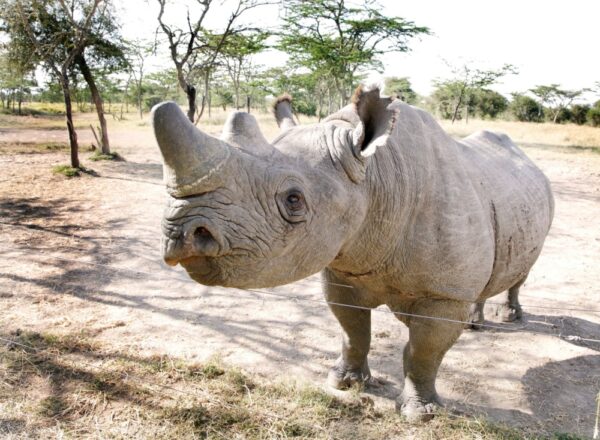
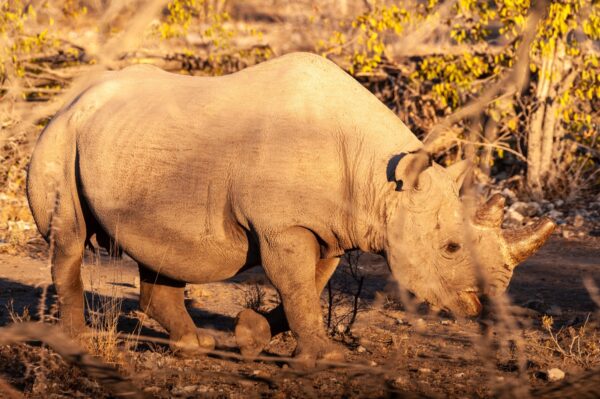
Mkomazi National Park, in northeastern Tanzania, is scenic and almost entirely devoid of other tourists. It has abundant wildlife but for me the stand-out experience here is visiting the rhino sanctuary which offers the best chance of seeing the critically endangered black rhino anywhere in Tanzania. The rhino here are breeding, and patrols keep them safe from poachers. There is also an African wild dog breeding programme here too.
Tanzania’s main wildlife destinations can all be explored in a 4x4. These days, many also allow guided walking safaris. But Nyerere National Park stands out as the only major Tanzanian reserve where you can do a boat safari. This is a true hidden gem. The palm-lined Rufiji is Tanzania's largest river, and it supports prodigious hippos, some monstrously proportioned crocodiles, and a dazzling array of birds ranging from the majestic African fish eagle to the colourful white-fronted bee-eater.
Boat safaris in Nyerere also come with a good chance of spotting elephants crossing between the banks, giraffes coming down to drink and lions snoozing below riverside trees.
The African wild dog, also known as painted dogs, are an endangered species with a wild population that has plummeted to just 6,500.
They are found in sporadic and isolated patches across southern and east Africa, but by far their biggest concentration is in my backyard, the Okavango Delta, and watching a pack call and 'rally' before embarking on a hunt is one of the most enthralling safari experiences you can find anywhere in Africa.
Just like its domesticated relatives, the wild dog are extremely social and highly verbal: communicating with each other in clicks and whistles that sound more like birdsong than a dog growling or barking. This helps them achieve impressive feats of coordination as they take down impala, or sometimes even wildebeest. Trust me – you have to see a wildebeest up close to understand how daunting an undertaking this is!
You can see wild dogs throughout the Okavango Delta, but my recommended spot is around the Linyanti area in the north. Some camps are located close to resident packs of wild dogs and you can hear them crying, jostling and playing in the morning and evenings.
The wild dog's main threat is habitat encroachment by agriculture, and farmers who engage hunters to protect their livestock. Thus, well-managed tourism and conservation is an excellent bulwark to help conserve their habitats and this is an experience I'd recommend to anyone.
There are a couple of parks in west-central Africa where western lowland gorillas can be seen in the wild. These are the Congo Republic’s Odzala-Kokoua National Park and Central African Republic’s Dzanga-Sangha Forest Reserve, both of which protect vast tracts of lowland rainforest inhabited by the likes of forest elephant, lowland bongo and chimpanzee. At the moment, these parks only really cater to high-end fly-in gorilla safaris and are difficult to reach on a normal holiday or travel budget.
Africa’s oldest and most biodiverse national park, home to an astonishing tally of 200 mammal and 700 bird species, will mark its centenary in 2025. Unfortunately, however, the park’s politically volatile location means that celebrations are likely to be muted. Indeed, having closed for COVID-related reasons in March 2020, Virunga National Park has yet to reopen as a result of a fresh outburst of instability and military activity.
As and when the park does reopen, it will still probably be a riskier destination than its neighbours. That said, gorilla tracking is experientially comparable to any other park in the region, and it will be relatively affordable if the permit fee of US$400 is maintained.
For me, the biggest highlight of this incredible park when I visited a few years back was not gorilla tracking but the incredible overnight hike to the summit of Mount Nyiragongo, an active volcano that hosts a permanent lava lake.
In the meantime you may want to support WWF's campaign to prevent oil drilling in Virunga.
Mgahinga, set on the Ugandan slope of the Virungas, is my personal favourite among East Africa’s gorilla tracking destinations.
True, there’s only one habituated group here, but if you can secure one of the park’s eight daily permits, you're in for a special experience. This is because the group in question is overseen by a trio of massive male siblings, making for superb silverback viewing. In addition, the gorillas here are generally found in bamboo forest or other relatively open areas, hiking conditions are usually quite undemanding, and low tourist volumes give the park a relatively off-the-beaten-track feel. What’s more, the location, below the volcanic Virunga peaks, is utterly spectacular, and other activities on offer include golden monkey tracking and various volcano hikes.
Bwindi vies with Volcanoes National Park as Africa's best all-round gorilla tracking destination. Its densely forested slopes are home to 45% of the world’s mountain gorilla population, and a total of 23 habituated groups means that 180-plus permits are available daily. True, tracking conditions are generally less predictable than they are in Rwanda, and the denser foliage can sometimes make it more difficult to obtain clear views. But this is mitigated by the fact that permits are less than half the price (in other words, you could track here on two successive days and pay less than you would for a single excursion in Rwanda) and by the park’s relative accessibility to independent travellers.
Be aware that there are four discrete tracking hubs in Bwindi. Each hub is serviced by its own cluster of lodges, so it is important you coordinate your permit and accommodation booking around the same place. The oldest hub is Buhoma, which usually offers the easiest hiking conditions, is accessible on public transport, and has the widest range of accommodation (from luxury lodges to simple local guesthouses) but is also the most likely for permits to be booked solid months in advance. Nkuringo hub offers the most challenging tracking (almost always bookended by a steep one-hour descent and two-hour ascent). Rushaga has the most permits, with 9 habituated groups resident, so it is good for last minute bookings. Ruhija is the only tracking hub set deep within the park, rather than on the periphery, which makes it highly alluring for other wildlife and birding.
Volcanoes National Park, which protects the Rwandan slopes of the volcanic Virunga Mountains, has positioned itself as Africa’s premier gorilla tracking destination. One reason for its popularity is that it lies a short drive north of the Rwandan capital Kigali, making it a convenient add-on to any multi-country African trip or Big Five safari elsewhere in the region. Another is the association with Dian Fossey; the iconic primatologist worked here for two decades prior to her death, and several scenes in the Oscar-winning movie Gorillas in the Mist were shot here too.
In my experience, Volcanoes generally offers relatively easy tracking conditions compared to Bwindi, its main rival, and the range of luxury lodges bordering the park is second to none. A negative for budget conscious visitors is the relatively hefty price tag of US$1,500 for one of the park’s 96 daily tracking permits. Once here, other recommended activities include tracking a habituated troop of endangered golden monkeys, the day climb to the spectacular crater lake at 3,711m summit of Mount Bisoke, and a hike to Dian Fossey’s grave at her abandoned research centre.
There’s some good accommodation in South Luangwa but one of my favourites is Chikunto Safari Lodge, located on a horseshoe bend in the Luangwa River near the Mfuwe entrance in the park’s southern edge. What makes this place really stand out is the six-metre high platform with panoramic views over the river and a private tented suite where you can camp out overnight under the stars. When I visited I found it totally breathtaking. It doesn’t come cheap, but I always recommend it for honeymooners or couples looking for something extra special.
Liuwa Plain is home to the second largest wildebeest migration in Africa and, compared to the more famous wildebeest migration in East Africa, this spot is hardly known. Each year in November, with the start of the rainy season, massive herds of blue wildebeest, 45,000 strong, migrate to Liuwa Plains, often mingling with zebras along the way.
Seasoned safari-goers who are tired of the conventional game drive should ditch the 4X4 and get into a canoe for a watery safari in either Lower Zambezi National Park or the Bangweulu Wetlands.
For me there is something timeless about travelling through these swamps. I find it a world away from racing around in a safari jeep. Your guide at the front of the canoe, long pole in hand, propelling you through narrow channels, between the thick reeds and papyrus. Silence, except for slight burbles and gurgles as you glide through the water. It’s one of my all-time highlights.
You’ve heard about the famed wildebeest migration of East Africa, but for the biggest mammal migration on earth you can’t miss the spectacular fruit bats of Kasanka between October and December.
I love standing high on the viewing platform overlooking the tiny bat forest at Kasanka and peering into trees that drip with thousands upon thousands of straw coloured fruit bats. As dusk falls, they begin to depart, flocking into the sky and filling the air with their chatter. Millions of bats dart in and out of the trees, like a swarm of overgrown bees, before flying over your head and off to spend the night looking for food. By the time they’re done it's almost too dark to see the ladder down from the hide, so don’t forget to bring a torch!
Beyond the bats, Kasanka is home to one of Africa’s rarer antelopes, the shy, secretive, semi-aquatic sitatunga – the park is home to more than 500 of them, making it Africa’s densest and most visible population of sitatunga! The elusive Blue monkey and the little-known Kinda baboon also both call Kasanka home and it’s unlikely you’ll encounter either of these species anywhere else in Southern Africa.
Often overlooked in favour of Zambia’s smaller parks, Kafue is a sleeping giant. One of Africa’s oldest and largest parks and one of its wildest, it’s a place of vast, remote landscapes, spectacular rivers, open plains, woodlands and stunning scenery.
If you want to avoid too much domestic flying, Kafue National Park has everything you could want. You can spend at least a week here travelling from camp to camp.
This is the only park in Zambia where I have been lucky enough to see both aardvark and pangolin – two very rare safari sightings!
The Busanga Plains to the far north of the park are one of Kafue’s highlights. Accessible only during the dry season, I love heading out onto the plains early in the morning, to see puku and red lechwe, in their hundreds, visible in the early morning mist that cloaks the plain just before sunrise.
Equally special, but seldom visited are the Nanzhila Plains in the park’s south. This is a superb place for bird watchers. For me, the star of Nanzhila is the beautiful black-cheeked lovebirds, endemic to Zambia and only found in a small area in the southwest of the country. If you have the time and an accommodating safari operator, try to include both the far north and the far south of Kafue into your trip.
While Kafue doesn’t have the huge herds of game that can be found in some other Zambia safari parks, what it lacks in density it more than makes up for in diversity. There are at least 161 species of mammal, six cat species, and 22 species of antelope.
North Luangwa is remote, hard to reach, and therefore blissfully quiet and crowd-free. A walking safari in North Luangwa is among my absolute favourite things to do anywhere in Zambia.
Game drives are not permitted in the majority of the park and access is primarily by walking safari. You’ll leave the vehicle in camp, setting out on foot each day with your guide and an armed scout, to walk among elephants, antelope, zebra and even the occasional predator, always maintaining a safe distance!
The last time I set out – always with a seasoned (and armed!) guide in the lead – we saw tracked elephants and antelope rustling in the bush.
A word of caution though: this is no armchair safari. Much patience is needed, and of course you’ll need to be reasonably fit to hike in the Zambian heat. If your idea of a safari is racing from place to place in a jeep trying to tick off all the Big Five, this one probably isn’t for you.
If it’s big cats you’re after, look no further than South Luangwa, nicknamed the Valley of the Leopards, with one of the densest populations of leopard anywhere. It's also home to lions and spotted hyena, along with an abundant wild dog population on team canine.
Some of my most memorable leopard encounters have happened in South Luangwa. Watching as a leopard, completely unaware of our presence, descended from a tree, only spotting us once she’d reached the ground, was an encounter to remember. Leopards love to drag their kills up into trees for safekeeping, so don’t forget to look up from time to time when you’re out on a drive.
My favourite way to see the wildlife in South Luangwa is on a walking safari. On a walking safari, you can see lions, leopards, elephants and learn about the flora of the park. It’s not all about big beasts however; a walking safari will allow you to get up close with a termite mound and learn about Zambia’s ecosystem.
Best safari camp for: Quirky mobile tented camp
The quirkiest mobile camp, and absolutely one of my favourites places to stay anywhere in Tanzania, is Bush Rover Migration Camp.
This consists of six double-story standing tents built around the converted Land Rovers used to transport them between different locales. The ground-floor toilet and shower for each unit is actually built into the Land Rover, while the upper floor comprises a canvas bedroom with a balcony from which you can safely watch passing wildlife or stargaze after dark.
The camp sets up in the southern Serengeti over December to March for the calving season, before relocating the Western Corridor to catch the northward migration over June to mid-July, then heading further north, along with the wildebeest, to the Mara River area over August to October.
I’ve always loved Nxai Pan – it’s never busy, my sightings of lion, elephant and cheetah seem perfectly framed by these big horizons, and the baobabs by the salt pans here are a striking presence. With a handful of campsites (including at remote Baines’ Baobabs, a remarkable cluster of seven ancient baobabs (named after explorer and painter, Thomas Baines) and just one upmarket lodge, there’s rarely more than a couple of other vehicles at any sighting.
As well as plenty of elephant, and a good chance of seeing lion and cheetah, Nxai Pan has a couple of other wildlife highlights to draw you here. After the rains, thousands of zebra migrate here from the Chobe and Linyanti rivers after the rains forming part of Africa’s longest zebra migration. And for reasons unknown, Nxai Pan is the only place in Botswana where you can see springbok and impala in the same place.
Although not a big game destination, the broad and meandering Okavango River in the northwest of the country is a birder’s paradise, with over 350 recorded species including several iconic Okavango specialties. It is also popular among anglers, particularly around September, when the receding flood waters concentrate huge shoals of baitfish, attracting a melee of catfish, tiger fish, bream and birds. Activities are mostly by boat or on foot.
Other wildlife is far less common, and you’d be lucky to see much more than a crocodile or hippo in the river’s waters.
Scattered along the northern waterways of the perennial Linyanti and Kwando rivers, and the seasonal Selinda spillway, the camps in these three neighbouring private concessions operate in a similar manner to those inside the Okavango Delta.
Game-viewing is as good as in the Okavango, with predator-tracking a particular specialty of the Kwando camps. Most camps offer game or wildlife drives, mokoro boat trips, and sunset boat excursions.
What you see in these parts depends very much on the time of year you visit. In Linyanti, for example, from May to October, expect to see lots of elephants, while zebras migrate through the area, usually from February to April. At other times, wildlife can be very scarce, although the November-to-April wet season is excellent for birding in all three concessions, with migrants from Europe and North Africa here en masse.
In the far southeastern corner of the country and formerly divided into a number of segregated farms alongside the Limpopo River, NTGR is now one of the largest privately-owned conservation areas in southern Africa. The spectacular landscape, featuring rolling hills, basalt cliffs, ancient riverbeds and towering granite kopjes, is unlike anywhere else in Botswana. In fact, when combined with its impressive portfolio of wildlife, it remains a mystery to me why more people don’t visit this remarkable place.
Expect regular sightings of elephant, giraffe, lion, leopard and cheetah as well as less common species like eland and klipspringer, and over 350 bird species. Ground-level photographic hides, ancient archaeological ruins and a choice of horse-riding, walking or even cycling safaris complete a chocolate box-assortment of activities.
Rising from the barren, sandy plains of the Kalahari in a remote corner of north-western Botswana, these four hills project a certain kind of magic. Sacred to the indigenous San people and reputed to possess mystical powers (as Laurens van der Post found in the 1950s on a visit that formed the centrepiece of his classic The Lost World of the Kalahari), the Tsodilo Hills are best known as one of the world’s finest galleries of ancient rock art. More than 4,500 artworks – mostly paintings, but engravings, too – adorn the rock walls of the range, and some date back thousands of years.
Walking trails lead past the artworks that range in subject matter from whales and penguins (despite Tsodilo Hills being more than 1000 km from the ocean) to lions and human figures. I highly recommend you visit with a local guide to greatly enhance your visit.
Unless you’re self-driving and staying at one of the campsites in the shadow of the Tsodilo Hills, there is no accommodation nearby.
In the far south of Botswana, this transfrontier park spills over into South Africa. The Botswana side of the park receives far fewer visitors than the South African sections across the border.
The scenery here consists of a dense scrubland and some of the loveliest salt-pan scenery anywhere in Botswana. With a number of hills overlooking these pans, they’re spectacular places, especially at sunset, and many of the self-drive campsites take full advantage of these hilltop positions.
Kgalagadi is known for its classic Kalahari wildlife, and aside from the usual oryx (gemsbok), giraffe and wide range of antelope species, I’ve always had luck with the extravagantly horned greater kudu, lion, cheetah and even a fleeting glimpse of meerkats.
The park provides habitat for nearly 300 different bird species, and I was particularly thrilled when the elusive Kalahari scrub robin and the vivid violet-eared waxbill visited my campsite one evening.
Best safari camp for: Chimp tracking
Arriving at Greystoke, you could be forgiven for thinking you've washed up on a jungle-swathed Indian Ocean island. This idyllic beach camp stands on Lake Tanganyika, a beautiful inland sea that ranks as the world's longest freshwater body, and reportedly the least polluted.
Greystoke is the perfect base for tracking chimpanzees in Mahale Mountains – on two of my previous visits, these hirsute apes have actually walked through camp – and it also offers dhow trips out onto the lake. In common with Chada and Sand River, Greystoke is owned by Nomad Tanzania, a locally-based company that operates several of the country’s most alluring and exclusive bush camps
Best safari camp for: Classic bush feel
When it comes to that classic bush feel, few safari camps can match Chada. Set in remote and little visited Katavi National Park, this low-footprint camp comprises just six standing tents scattered in a tall acacia glade overlooking a vast floodplain alive with buffalo, hippo and other wildlife.
The tents are very spacious, but simply decorated, with old-school bucket showers and eco-toilets. Chada really comes alive at night: I’ve had elephants nibbling on fallen acacia pods all around my tent here, and almost invariably heard hyenas whooping and lions grunt-roaring across the floodplain.
Best safari lodge for: Quiet & remote safari in Nyerere
Probably my favourite lodge in Nyerere National Park, Sand Rivers overlooks a wide, sandy bend in the Rufiji, Tanzania's largest river. The open-fronted stone-and-thatch suites here are simply stunning, and there's also a tempting freeform swimming pool set under a massive baobab tree.
Whether you explore by boat, in a 4x4, or on foot, there's plenty of wildlife to be seen in the area, and the guides are exceptional. Aside from the exceptional river view, an appealing aspect of Sand River is that it stands some distance from any other camp and too deep into the park to be reached on day safaris from outside.
Best safari camp for: Waterside wildlife immersion
Nyerere is Tanzania's largest national park, extending across 30,000-plus square kilometres, and it offers a more exclusive safari experience than the better-known Serengeti.
A great base for exploring it is Roho ya Selous, which means ‘Heart of Selous’ in reference to the park’s former name Selous Game Reserve.
Set on the shore of Lake Nzerakera, Roho ya Selous consists of eight luxury standing tents spaced along a tract of evergreen waterside forest. The lodge stands in the heart of a rewarding wildlife-viewing circuit where you are sure to see plenty of elephant, buffalo and giraffe, and might well get lucky with lion and African wild dog.
A highlight is boat trips on the lake, which is home to large numbers of hippo and plentiful waterbirds.
Best safari lodge for: Views over quiet Ruaha
The view from Jabali Ridge is unforgettable. Set on a rocky hill, this stylish boutique lodge offers sweeping vistas across the vast baobab-studded plains of Ruaha National Park and wide sandy arc of the seasonal Mwagusi River.
The accommodation is every bit as memorable, comprising eight luxurious cottages built into and around the large rounded granite boulders at the hill’s summit. Jabali Ridge is a superb base for game drives in Ruaha, a relatively off-the-beaten-track safari destination that ranks as Tanzania’s second-largest national park and one of the best for carnivores such as lion, leopard, cheetah and African wild dog.
Night drives are often very rewarding and the cuisine is truly outstanding.
Best safari camp for: Exploring the Rift Valley
This extraordinary wilderness camp stands on the edge of the blinding white salt flats that enclose caustic Lake Natron.
This starkly beautiful Rift Valley setting is dominated by the brooding presence of Ol Doinyo Lengai, one of the world's most active volcanoes. Tanzanian owner-managers Åke and Nangini Lindstrom have designed the camp to be low impact, and the spacious standing tents are shaded by camouflaged netting that helps keep the interior cool whilst reducing the visual impact.
Lake Natron Camp stands on a Maasai concession, it only employs local Maasai people and it funds several community projects. Within the concession, you’ll find 120,000-year-old fossil human footprints and a spring-fed stream where you can swim while white-lipped tilapias nibble at your dead skin (a sensation I found oddly addictive once I got used to it).
Best safari lodge for: Calving season
Wildlife photographers, filmmakers and big cat enthusiasts talk in hushed tones about Ndutu Safari Lodge. Founded in 1968 close to the seasonal lake for which it is named, this down-to-earth lodge offers access to a part of the Serengeti-Ngorongoro ecosystem famed for its high densities of carnivores.
Ndutu is an excellent base for catching the wildebeest calving season in February, but large herds of grazers are usually present from December through to April, and there's good cat viewing all year round.
It also remains one of the best value lodges in this part of the world, offering accommodation in 34 simple stone-and-thatch cottages with private verandas, and meals in a convivial thatched restaurant where I’ve often seen genets creep around the rafters at night.
Best safari lodge for: Ultra-exclusive Serengeti experience
Over the course of numerous safaris to the Serengeti over the past 30-odd years, few lodges have blown me away quite as much as Namiri Plains did on my most recent visit.
This ultra-exclusive new lodge forms part of the highly-regarded Asilia chain and offers accommodation in ten spacious stone-and-canvas cottages decorated with local basketwork.
For me, what really makes Namiri Plains special is that it reliably offers high quality cheetah and lion sightings in a corner of the Serengeti that's pleasingly remote from other lodges.
Best safari camp for: Quick access to Ngorongoro Crater
If there's one obvious drawback to Tanzania's most exclusive lodges, it’s that they tend to be priced out of the range of all but the deepest of pockets. So here’s a shout out to Serena, a long-serving East African hotel chain that runs a number of larger lodges which hit a popular sweet spot between comfort and affordability.
Ngorongoro Serena ranks among the very best of these, with its centrally heated rooms and scenic location on the western crater rim.
I often recommend this lodge to serious wildlife enthusiasts, because it is the closest option to the main descent road into the crater, making it particularly well suited to early morning game drives.
Best safari camp for: Rustic camping on the Crater's edge
The relatively chilly highland climate that characterises Ngorongoro Crater’s scenic rim means that most lodges there have a very indoorsy feel. An exception is Sanctuary Ngorongoro Crater Camp, which comprises 10 stilted standing tents set in an atmospheric forest of lichen-draped flat-top acacias.
To be honest, I was a bit worried about the cold when I arrived here, but I needn’t have been: the tents are all equipped with gas heaters and electric blankets, and very snug at night.
The camp’s location is perfect for game drives in the early morning, which is the best time to explore the crater.
Best safari camp for: High-end camp on Ngorongoro Crater edge
The most sumptuous and exclusive lodge overlooking Ngorongoro Crater is also the oldest, having started life in the 1930s as a humble hunting lodge. Today the playful Maasai-meets-Versailles architecture and décor – a knowingly kitsch blend of classical, baroque, African and colonial influences – makes &Beyond Ngorongoro Crater Lodge stand out as one of the most original and popular safari lodges anywhere in East Africa.
What the lodge’s earliest gun-toting colonial patrons would make of all this tomfoolery is anybody’s guess. But – highland mist permitting – they would doubtless approve of the view over the world’s largest volcanic caldera, which remains every bit as spectacular as it was 100 years ago.
Best safari lodge for: Top guides and treehouse vibe
I love the upmarket Tarzan experience offered by the 10 luxury treehouse suites that comprise &Beyond's Lake Manyara Tree Lodge.
Set in a luxuriant mahogany forest, this exclusive lodge is also arguably the best base for Lake Manyara safaris, not least because it lies so deep in the park you can explore roads seldom visited by people staying elsewhere.
The lodge’s guides know the park backwards, which greatly increases the odds of locating Manyara’s famous tree-climbing lions.
Best safari lodge for: Unique access to Arusha National Park
The only lodge within Arusha National Park, Hatari is the ideal place to spend a couple of relaxed nights at the start or end of a northern Tanzania safari.
It stands in a picturesque forest, frequented by giraffe, waterbuck and monkeys, at the base of Mount Meru (Africa's fifth highest massif). The German owner-managers Jörg and Marlies Gabriel have invested considerable thought and passion in the characterful décor. They also actively promote a slow food policy based on using organic ingredients sourced from local home gardens.
If you have the energy, I’d recommend organising a guided day walk into Mount Meru’s spectacular semi-collapsed caldera. More sedately, sundowner drinks at Hatari are often capped by views of snow-capped Kilimanjaro.
Best safari lodge for: barefoot luxury
One of my all time favourites, Mbali Mbali Mahale Lodge sits on a stunning beach on the shores of Lake Tanganyika, on the edge of Mahale Mountains National Park. This place is a real hidden gem, far from the crowds and bustle of northern Tanzania’s honeypots.
The lodge comprises just ten thatched beach tents set on wooden platforms for incredible views over the lake. There's a real sense of wilderness here, but with all the comforts you need, including ensuite showers, and even Wi-Fi! The real highlight, though, is the wildlife. Mahale Mountains National Park is famous for its chimpanzees, but it's not just chimps! Keep your eyes peeled for monkeys, butterflies, and all sorts of birds as you hike through the forest. In the evenings, I like to unwind by the campfire with my fellow guests, listening to the sounds of the wilderness and gazing at the star-studded sky.
Best safari lodge for: A convenient base with excellent views
One of my favourite places to stay in all of Tanzania, Best View Lodge is situated at the top of the Rift Valley Escarpment with incredible views in all directions. I’ve sat on the veranda here, gin and tonic in hand, gazing at some life changing sunsets: the vast escarpment wall in one direction, farms below, and Lake Manyara ahead glistening in the evening light.
The lodge is perfectly situated for exploring Lake Manyara National Park, Tarangire National Park, and Ngorongoro Crater all from the same base, which is one of the reasons I recommend it to almost all our guests. And when you’re back from a day of walking safaris and game drives, the staff are wonderfully warm and helpful, the rooms are comfortable and the food is delicious. You can’t really go wrong here, it’s one of the best.
The third largest national park in Tanzania, but with a fraction of the visitors, Katavi feels very distant from the likes of the Serengeti. Indeed, it is estimated that Katavi gets as many visitors in an entire year as the Serengeti draws per day.
In the dry season, there are great wildlife spotting opportunities, with big herds of buffalos, lions, elephants and lots of plains game (topis, zebras and impalas).
With just a handful of small camps in the park and in the adjoining game reserves of Rukwa, Luafi and Lukwati, there will be few other vehicles with which to contend.
Nyerere National Park (formerly Selous Game Reserve) is one of the largest protected areas in Africa at 19,000 square miles – bigger than Switzerland. With only a few camps, it feels far more remote than the northern parks.
As well as lions, leopards, elephants, black rhinos, hippos and buffalos, Nyerere is a key area for endangered wild dogs. Poaching has led to a massive decline in species such as elephants – so although there are many animals to see, they’re not as densely populated as in the Serengeti, for example.
What really sets Nyerere apart is the sheer range of activities you can do here: walking, boating and photo safaris, fly-camping, the list goes on. It costs a pretty penny, especially compared to the more touristy northern circuit, but if you're looking for something truly different, this may be for you.
It may be a cliché, but there’s a very good reason why Victoria Falls is one of the most popular places to visit in Africa. Spanning the Zimbabwean and Zambian borders, Mosi-oa-Tunya (‘The Smoke that Thunders’) is indeed a miraculous sight.
By all means dive into the activities on offer here, from kayaking to bungee-jumping. But stay too long and I find the hype that surrounds the experience, especially in the Zimbabwean gateway town of Livingstone, quickly starts to overwhelm.
Once you’ve seen the Falls from every possible angle, I’d suggest you leave the crowds and head for Zambezi National Park. Much of the park is river frontage: stay in a lodge overlooking the mighty Zambezi River. You might see lion, leopard, elephant, giraffe, buffalo and hippo while you’re here. And if you can’t face returning to Victoria Falls, in Zambezi National Park you’re within an hour of the Botswana border and world-class Chobe National Park.
I’ve never quite understood why Matusadona isn’t world-famous. For one thing, it rises beautifully from the shore of Lake Kariba in the country’s north. Because of its proximity to the water, numerous water-borne activities – canoe and boat trips among them – nicely complement the guided game or wildlife drives.
You can even go on walking safaris here, including one where you track black rhino with the experts. And Matusadona has nothing to envy other Zimbabwean parks when it comes to wildlife – there’s a good chance that you’ll see lion, leopard, elephant, buffalo and other charismatic megafauna while you’re here.
If Matusadona has a drawback, it also lies in its proximity to Lake Kariba. The lake is one of Zimbabwe’s most popular resort areas. While that does not directly affect the park itself, you need to venture some distance inside the park (and even away from the lake) to feel like you’ve left the circus behind.
This is a true hidden gem, down south in Zimbabwe and sharing wildlife with parks just across the borders with Mozambique and South Africa. Gonarezhou sees far fewer visitors than it deserves, possibly because the park was once ravaged by conflict and poaching. Thankfully, those days are long gone. While you have to work a little harder to see animals here than in, say, Hwange or Mana Pools, they’re very much worth it when you do.
In addition to all three big cats and lots of elephants, highlights might include some fascinating antelope varieties – such as nyala, roan, sable and suni – and there are reported to be king cheetah roaming the plains.
But if you weren’t coming here on safari, you might well do so for the scenery alone. Stands of mahogany and acacias provide a special cast to the landscape, while the red cliffs above the Runde River may just be one of Zimbabwe’s most beautiful corners.
Many travellers fall in love with UNESCO World Heritage-listed Mana Pools National Park, in northern Zimbabwe. That may have something to do with the scenery – a series of pools on the Zambezi River floodplain, an escarpment backdrop, semi-arid plains sprinkled with baobabs. Or the wildlife – all of the major predators (including African wild dog) are present and commonly seen here, with a full suite of prey animals for them to choose from.
But in my experience, what makes Mana Pools especially thrilling is that here you feel like you’re a part of the food chain. That’s because Mana Pools is one of few major parks in Africa where you are free to go walking wherever you want around the park, including without a guide. Canoe explorations are also popular.
Hwange (pronounced wang-ee) is a fabulous park, and is one of my favourites anywhere in Africa.
At the eastern edge of the six-country Kavango-Zambezi Transfrontier Conservation Area which is known for having the highest concentration of elephants in Africa, Hwange is very much a part of that heritage: elephants are everywhere.
It’s also known for its lions – it was just outside Hwange that Cecil the Lion was shot by a hunter in 2015, resulting in a firestorm of international publicity. And late in the dry season, especially around October when water is scarce, these two giants – lions and elephants – very often do battle. It’s one of the greatest spectacles I’ve ever witnessed.
It's a vast park with so many different areas to explore; the park’s east is busiest but there are waterholes and sweeping savannah plains all across the park. Wildlife also includes leopard, cheetah and African wild dog, with plenty of plains game, too, such as giraffe, zebra, buffalo and wildebeest. Watch also for greater kudu, gemsbok (oryx), sable and roan antelope.
Best safari lodge for: Good mid-market Serengeti option
If you prefer your safari with the comfort and amenities of a lodge, you can't go far wrong with Serena Serengeti Safari Lodge, a solid upper to mid-market option in the Seronera area.
The lodge is inspired by the traditional Tanzanian village with rooms designed as thatched rondavels. Amenities include an infinity pool, a separate bar and an impressive dining room.
Best safari camp for: High-end mobile tented safari
Among the absolute top of my recommendations for mobile camps is Nomad Tanzania's Serengeti Safari Camp.
This top-end camp moves around five times per season to keep up with the constantly changing wildebeest migration. Accommodation is in classic safari-style canvas tents, and the guides are second to none. You'll want to stay around three of four nights here, and the camp is usually within close reach of an airstrip for easy access.
Owned by Richard Branson, the Ulusaba Game Reserve offers much of the best of Sabi Sands. Here there are gorgeous lodges, superlative wildlife viewing and, unusually for the Sabi Sands area, eye-wateringly beautiful scenic backdrops. Unsurprisingly, it attracts celebrities but it’s also a down-to-earth reserve and it welcomes children with innovative family-friendly activities. On the downside, the fact that it’s one of the smaller reserves in the area and a number of outside lodges have traversing rights, means that it can get a bit busy with vehicles at times.
A collection of former rangelands, Sabi Sabi is the discerning (and very well-heeled) safari goer’s choice. This stupendous reserve has all the wildlife drama and beauty that is to be expected of the Sabi Sands area, but the whole package is just that much more luxurious and exclusive than most of the other Sabi Sands camps and reserves (and let’s face it, you’re hardly slumming it in any of them). With just four uber up-market but radically different places to stay, and traversing rights given to only one outside lodge, Sabi Sabi is exclusivity redefined.
Another one of South Africa’s original private game reserves, the massive Mala Mala has been operating since the 1920s. Although part of the Sabi Sands Reserve for some time, Mala Mala has gone its own way, but the visitor wouldn’t know the difference. The wildlife is just as impressive as before and the whole safari experience is just as polished. The difference is that Mala Mala is (marginally) more affordable than most of the others and, at around 130 sq km, is much larger. Its size, and the fact that guests of other reserves are not allowed means that you have this wonderful sweep of bushy savannah all to yourself. All in all it's one of my favourite safari reserves in all South Africa.
One of the original private game reserves in South Africa, Londolozi has been in existence in some form or another for nearly a century, and they’ve got the whole safari and conservation thing down to a fine art. They were one of the pioneers of leopard habituation, so you have them to thank for the ease with which these most graceful of cats are seen throughout the Sabi Sands area. But like all the reserves in Sabi Sands, Londolozi has the full bag of big African mammals in abundance as well as the normal faultless guiding and divine lodges. Situated on the Sand River in the heart of Sabi Sands, this reserve is also hot on community activities and involvement.
Holding one of the highest concentrations of large mammals per hectare on the planet, Lion Sands Game Reserve is renowned for its lion sightings (there are three prides in particular that everyone seems to get to meet up close), leopards and cheetah, but guides here are keen for guests to expand their horizons a little and look beyond the Big Five. So, they will regale you with information on the many giraffe, zebra, wildebeest, klipspringer, warthogs and waterbuck that are all daily game drive encounters.
The focus here is on low-key luxurious and beautiful accommodation and highly personalised service. They also actively encourage family safaris.
Named after the endangered black (Verreaux) eagle, Aquila is one of a number of small and rather stage-managed private reserves, a short drive from Cape Town. The 10,000-hectare conservancy was established back in 1999 and at the time was home to only a few antelope. Today, thanks to animal reintroduction and solid conservation programmes, Aquila Private Game Reserve is home to all of the Big Five as well as a significant number of other large mammals and birdlife.
It would be wrong to paint Aquila as a true African wilderness experience, but it can’t be faulted for quality wildlife viewing, which includes near guaranteed sightings of lions and all their friends and enemies, lots of alternative activities, easy access (you can visit on a day trip from Cape Town), and high-class accommodation.
Pilanesberg is safari made easy. If the traffic is in your favour, then you can get from Johannesburg to the gates of this small park in just two hours. This means that Pilanesberg is very popular with South Africans and its tourist facilities are very well developed. There’s a good range of accommodation in all budget categories, it’s malaria-free and the park’s small size makes it a good family destination. However, purists might say that Pilanesberg is too well developed. Some of the roads are surfaced and there can be congestion at some of the animal sightings, which means that sense of wilderness can be lost.
However, you can’t argue with the quality of wildlife. All the Big Five are here and the park is especially good for rhino and elephant. You also have a better than average chance of spying some wild dogs and the list of birds is impressive with at least 350 different species recorded.
The vast upland massif of the Waterberg region is one of only two biosphere reserves in all of Africa. This is a region of superlatives where space, solitude and wildlife are backdrops to day-to-day life. This isn’t so much a single unbroken reserve, but rather a puzzle of interconnected reserves and small human settlements. A journey here is proof that wildlife and humans can live and thrive side by side.
The best-regarded reserves are the Lapalala Wilderness Area, Marakele National Park, and the Welgevonden Game Reserve. What wildlife you’ll see really depends on which reserve you visit. Some, such as Marakele and Welgevonden, have all the animals you came to Africa to see, but others (particularly the smaller private reserves) are fenced and mainly have smaller creatures. In these reserves, the focus is more on family-friendly activities such as cycling, walking and bush camping.
Best game reserve for: The Big Five and big city access
Being very close to the sprawling city of Port Elizabeth and open to day guests (though only those who take one of the reserve’s organised safaris), means that Pumba Game Reserve receives a lot more visitors than some of the region’s remoter parks.
As with any Eastern Cape reserve worth its salt, Pumba has all the Big Five as well cheetah, hippo, 300-odd bird species and unusual white lions. Alongside safaris, other activities include walking safaris, nocturnal game drives, specialist birding safaris, fishing, archery — and there’s even a spa for good measure.
Best game reserve for: The Big Five and big city access
Spanning five different ecosystems and home to an impressive range of plants and animals, this malaria-free, Big Five reserve is the only private reserve in the Eastern Cape that has no public roads running through it.
This means that the wildlife here (which as well as the Big Five also includes zebra, impala, giraffe, cheetah and jackal among others) can be seen in a still and pristine environment that feels a long way from human hands.
Fortunately though, civilisation and a gin and tonic are always on hand at one of the park’s luxury lodges. Being only about an hour from Addo Elephant National Park and the city of Port Elizabeth, means that Lalibela is easily reached.
Best game reserve for: Family holidays and Big Five safaris
At 6,000 hectares, the Kwantu Private Game Reserve is a relatively small reserve by African standards, but with all the Big Five present as well as a host of less celebrated creatures it’s easy to fill several safari days here.
As with many Eastern Cape reserves, a heart-pumping vehicle safari is not the only reason to visit. The reserve also offers swimming pools, top-class accommodation, a domestic animal “touch” farm, herb garden, reptile centre, museum and sports. This is also a highly recommended family safari park.
The reserve is open to day visitors (although they must use park vehicles and have a guide) which can reduce the exclusivity aspect a little.
Best game reserve for: Big city access and self-drive safaris
The family-owned and managed Kariega is a 10,000-hectare private reserve made up of former ranch and farmland. Restocked, as almost all the parks and reserves in Eastern Cape have been, with native wildlife that was wiped out in the 1800s and 1900s, Kariega today has thriving populations of all the classic large mammals of southern Africa.
The coastal bush and lush river valleys give the reserve a rare scenic beauty. With a combination of quality accommodation, superb guides, lots of different activities and proximity to the beaches of the Garden Route, Kariega is almost the perfect destination for a short safari break.
Best game reserve for: Family holidays and luxury lodges
Perhaps the best regarded — and most exclusive — of all the private game reserves in the Eastern Cape, Shamwari is a short drive to the east of Addo Elephant National Park. Like that park, it is home to a large number of classic African safari mammals including rhinos, elephants and lions. What makes this park really stand out from the wildebeest herd is the range of activities available alongside classic safari drives. There’s a rhino awareness centre, a big cat sanctuary, plus field guide courses and conservation volunteer opportunities for those who want a deeper look at South African conservation techniques.
With a dedicated children’s coordinator and a range of child-friendly activities, this is one of the better family safari destinations in the country. Shamwari is only open to guests at its very plush lodges and the Edwardian manor house.
Best for: The Big Five and photography
This magical private reserve borders the main Kruger park and, with no fences to block access, it hosts all the main mammal and bird species that Kruger is famed for. What really puts Timbavati on the map is its very rare population of naturally white lions. Lions with such a genetic mutation can only be found in one or two other places in Africa. In 2017, the last white lion in the region died. However, in March 2018, a cub was born with the pigmentation, meaning the legend lives on.
Timbavati is known for its high-quality guides, wide range of safari activities, and superb, high-end lodges with a heavy dose of romance.
Best for: Luxury lodges and the Big Five
For many years, Thornybush was a fenced reserve which meant the management could guarantee the presence of many large mammals, but it also prevented the wildlife from moving freely between the reserve and Kruger itself. It also meant that the reserve lacked a little of the wilderness feel. The good news is that the fences have come down and, with its top-end lodges, acclaimed guides and a better than average chance of seeing cheetah (as well as many other flagship animals), Thornybush can now rightly hold its head up high as one of the best of the Kruger area’s private reserves.
Best for: The Big Five and family friendly safari
Covering 230 sq km and with an unfenced border with Kruger, Manyeleti, which means Place of the Stars in the local Shangaan language, was the only wildlife reserve that black people were permitted to visit during the apartheid era. Today it welcomes everyone, yet retains an exclusive atmosphere thanks to having only four excellent lodges and camps with accommodation suitable for budget, mid-range and luxury travellers. The reserve hosts all the so-called Big Five and a whole range of Kruger’s other stars.
Best for: Luxury lodges and photography
Covering some 60,000 hectares, the spectacular Klaserie Nature Reserve is one of the largest privately-owned nature reserves in South Africa. The reserve is also deeply committed to environmental education for local children and supports a number of long-term scientific studies. For the tourist, Klaserie combines memorably diverse scenery, including glittering waterways, and an impressive range of wildlife such as rhinos, elephants, lions, hippos and some massive buffalo. The birdlife is equally impressive and one of the scientific projects the reserve supports focuses on the prehistoric-looking ground hornbill. There’s a wide selection of accommodation within Klaserie, all of it very luxurious and intimate in scale, and the sheer size of the reserve means that Klaserie never feels busy — except with wildlife.
Best for: Birdwatching and the Big Five
Known for offering some of the highest chances of spotting the elusive leopard, Karongwe is a moderately-sized private game reserve hemmed in between four rivers with views of the Drakensberg Mountains. This gives it an unusually lush, green landscape, in contrast to some of Kruger’s drier regions. Other highlights are the superb guided bush walks and exceptional birdwatching (again, thank those rivers). Since there are just five unashamedly luxurious and very small camps, crowds are never an issue here and the quality of the guiding and accommodation is almost unsurpassed in the Kruger area.
Best for: Family friendly holidays and birdwatching
Kapama makes for a good first-time safari destination in the greater Kruger region. A few years ago, the fences that had for so long separated it from Kruger and the surrounding (unfenced) private reserves were taken down. This has done a lot to increase the wilderness feel of the place. There is a good range of safari activities on offer and it’s child-friendly (as child-friendly as anywhere with wild lions can be). One unique feature of a safari here is the reserve’s elephant experience. The reserve has a number of elephants (rescued from elephant-back safaris) and the elephant interaction experience allows you to get close to these not-so gentle giants while a guide explains elephant biology and conservation.
Best for: The Big Five and luxury lodges
Sprawling across 250 sq km, the unfenced Balule Nature Reserve sits on the edge of the greater Kruger ecosystem with the Drakensberg escarpment as a memorable backdrop. The reserve is home to the Big Five as well as large numbers of hippo. There is also excellent birding with more than 260 recorded species including hobby falcon and harlequin doves. There are several quality lodges in different price ranges and activities include guided game drives and walking safaris, fishing, wine tasting and visits to a wildlife rehabilitation centre.
Combine big cats with wine tasting, and you get the Sanbona Wildlife Reserve.
Sanbona is an exclusive private conservancy that’s been restocked with the big ticket animal attractions — lions, elephants, buffalo and rhinos — and, thanks to the expert guides, all are regularly seen on safaris here. Covering more than 50,000 hectares, Sanbona is large enough to feel like a genuine wilderness, but at the same time is only a three-hour drive from Cape Town and lies close to the Western Cape’s famed wine lands. This means it’s easy to slip a Big Five safari into a wine tasting tour and a Cape Town city break.
Situated at the foot of the Warmwaterberg Mountains in the Little Karoo, Sanbona offers three reserves with all the usual luxuries.
As well as standard vehicle safaris, I recommend joining an overnight walking safari and trying a bush camping experience. Look out for the 3,500-year-old rock art depicting people and animals left by the San and Khoikhoi tribes.
This, one of South Africa’s largest national parks, is best known for its namesake elephants. But this diverse park, which includes river valleys, mountains, savannahs, forests and beaches, has much more to offer.
A few lions saunter in and out of the shadows, and buffalo, various antelope and even rhino are all present, but there are also plenty of unexpected safari animals including Cape fur seals, penguins, southern right whales and — for those brave enough to go for a paddle — great white sharks. But it’s those elephants that most people come to see. When the park was formed back in the 1930s there were fewer than a dozen elephants here. Today there are more than 600 and sightings are almost a given.
As well as fantastic wildlife, Addo has excellent tourist facilities and accommodation, easy access, a good road network and, with hiking, kayaking and horse riding, plenty of activities to get you out of the cramped safari vehicle. This is also one of the better family safari destinations.
If I had to make a choice, for me it’s all about the big cats. And there’s nowhere better than Sabi Sands. The leopard sightings in particular here are almost always something special, thanks to the unrivalled quality of the guiding and the intimacy of the whole low-density-tourism experience.
This 65,000 hectare reserve is, in many respects, the finest chunk of wildlife-filled wilderness in southern Africa. The choice safari destination in South Africa for the wealthy, Sabi Sands is actually a grouping of smaller private reserves rather than one single entity. With unfenced reserves adjacent to Kruger, the wildlife slips effortlessly around the ecosystem while world-class wildlife guides ensure that you’re always in the right place at the right time.
The only real downside is the hefty price tag! But if you can afford it, there’s no question that Sabi Sands offers the best safari experience in South Africa. Also, if birdwatching is your thing, as with Kruger, Sabi Sands has great birdlife, although with less habitat diversity the species count is lower.
I can highly recommend Maili Saba. It has a picturesque location overlooking the Great Rift Valley and volcano region, with lovely permanent tents each with en-suites and balcony, and all very nicely decorated. There is a communal pool and outside gazebos for relaxing. The main dining room and lounging area is stunning with striking cathedral ceiling and beautiful decor.
The food is absolutely outstanding and the staff are warm, friendly and go out of their way to assist their guests.
The first time I visited was a complete surprise organised by my Kenyan partner, and I've included it in our tour itineraries ever since.
Bursting up above the hot red plains of Tsavo and Amboseli National Parks, the Chyulu Hills are a little visited, little known paradise of rolling green hills and forest.
The wildlife can be a bit hit and miss but there are still plenty of grazers around plus there are opportunities to mingle with Maasai herdsmen, walk across pretty landscapes and visit lava tubes.
Just inland of the popular Diani Beach, Shimba Hills makes for a brilliant short safari from the coast. The densely vegetated park has a large and visible elephant population and is the only place in Kenya where the stately sable antelope can be seen.
There’s also plentiful warthogs, baboons, vervet monkeys, buffalo and some introduced giraffes. Half and full day safaris can be easily organised from most of the beach resorts south of Mombasa. It’s a good bet for a family safari.
For a somewhat wetter ‘safari’ don’t miss the chance to don a snorkel and mask and peer down onto the underwater life of Kenya’s finest marine reserve. The vibrant coral reefs here teem with fish and a few turtles. At certain times of year whales and dolphins can be seen much further offshore. There is also a marine park in nearby Malindi and, south of Mombasa, there’s the Kisite Marine National Park.
Safaris and wildlife viewing is certainly not limited to land in Kenya. You might be familiar with the Big Five, but there’s even more underwater — the Marine Big Five: dolphins, whales, rays, sea turtles and whale sharks. All the above as well as the beautifully colourful tropical coral reefs can be explored on a snorkelling or scuba diving trip as well as on boat tours, many run by local fishermen who have grown up in the area and know the ocean and its residents well. Watamu Marine National Park is located north of Mombasa, featuring three bays, the mangrove forest of Mida Creek and elephants and monkeys inland.
Humpback whales migrate to these waters from June each year to breed and take care of their newborn calves in the warm, protected reefs before continuing their journey to Antarctica around October. Luckily, much of the migration occurs in Watamu and nearby shores in the shoulder seasons (June and September-October) so rates for both accommodation and activities/tours are often lower.
Adrenaline junkies are also well-served here with an array of waters ports such as windsurfing and waterskiing. Anyone who prefers to relax on or near the shore is assured of pristine white sandy beaches and plenty of lively beach bars and restaurants. Watamu is one of Kenya’s leaders in eco-tourism and encouraging ethical interactions with the animals. The same attitude applies at the hotels and eco lodges in the area, many with zero-waste policies, yoga/wellness focuses and more.
Two hours drive north of the city of Nakuru, Lake Bogoria is another of Kenya’s Rift Valley soda lakes and as such when conditions are ideal it attracts tens of thousands of flamingos. Unfortunately, recent years have seen the lake waters rising and the flamingos are a less common sight than they once were.
Even so, this out of the way park is worth visiting just to see the hot springs that bubble up out of the ground around the lake. A little further north still is delightful Lake Baringo. It’s not officially protected but it’s a laid back spot to kick back and go on boat rides to see hippos, crocodiles and fish eagles.
If you're ready to test your adventurous side, look north to the Chalbi Desert, east of the stunning and remote Lake Turkana where dry, cracked earth meets lush oases surrounded by palm trees and herds of zebra, giraffe, ostrich, oryx and hyena come to drink.
This arid part of northern Kenya is largely unvisited, even by domestic visitors. It’s unique, otherworldly landscape is believed to be formed from a lake that dried thousands of years ago. You’ll find volcanic hills in the background and desert wildlife in the sand dunes.
Thrill seekers can take part in adrenaline-filled activities like sandboarding and dune racing in 4WD vehicles alongside local residents on camelback, nights spent stargazing and perhaps even a swim in Lake Turkana, itself in a national park with good game sighting opportunities. It’s far from easy to get to Chalbi — it’s 425km north of Nairobi — so expect to fly in and then use a local driver who knows the roads and terrain (and an appropriate hardy vehicle).
If you’re looking for a quick escape from Nairobi then Lake Naivasha and the neighbouring Hells Gate National Park is just a couple of hours from the city and a great place for a quick wildlife fix.
Lake Naivasha is a huge freshwater lake famed for its birdlife and hippos while Hells Gate is a small savanna park with plentiful antelope, zebra, giraffe and baboons. The nice thing about this park is that you can walk or cycle through it (very battered bikes can be hired) which allows you to get close to wildlife without the barriers of a vehicle. If you’re a climber then you can also arrange to scale some of the rock spires within the park.
There’s no facilities for tourists within Hells Gate but a massive array of places to stay and eat around the shores of Lake Victoria.
I recommend you avoid visiting during weekends, when it can seem as if half of Nairobi is out here.
Another of western Kenya’s unsung wildlife highlights is the seriously off the beaten track Ruma National Park.
This park is a mixture of dense forest and thick, tall tropical grassland where large numbers of rare, and very beautiful, Rothschild giraffe can be found, as well as the massive, elegant roan antelope. On any visit here you will see plenty of these two creatures.
What you almost certainly won’t see however are the park’s rhino population. Rangers have told me there are quite a few here – all translocated from less secure areas – but in my three visits I’ve never seen any and the rangers tell me you have to be very lucky to see one.
But there’s something else you won’t see here either: other tourists. Once again I think that each time I have been I have had the entire park to myself and this makes for a very compelling reason to make the trek out here.
There are no facilities for tourists within the park, and only a few specialist operators will offer Ruma in a safari itinerary.
Kenya’s smallest national park, Saiwa Swamp, out in the far west near the farming town of Kitale, is another of Kenya’s underrated delights.
The park encompasses one small area of swamp surrounded by farmland and is home to a rare population of sitatunga antelope, an unusual semi-aquatic species that in Kenya can only be reliably seen here.
The park also offers stunning birdlife. My favourite thing about this park is that you can only visit on foot, following the walking trails and boardwalks that run through the park. It’s a delight to break free of the safari vehicles and stretch the legs.
In addition you will almost certainly have the entire park to yourself. I’ve been three times and never seen another person here. One word of warning though: Be careful of flash floods during heavy thunderstorms. I was once caught out by one of these: the waters rose very quickly, drowning the footpaths and I had to wade thigh-deep back across the marsh while trying very hard not to think about all the creatures that might live in a remote African swamp…
There are no facilities for tourists within the park, but nearby Kitale has plenty of fairly-priced hotels.
Just to the west of Samburu Reserve, Westgate Conservancy is a continuation of the same landscapes, but with just one dreamy camp, Sasaab, which is operated by The Safari Collection and whose huge ‘tents’ have a distinctly Moroccan touch.
Just outside the Samburu reserve entrance, and on the edge of Archer’s Post village is the Umoja Village Camp. A very simple riverside campsite that also has some traditional cottages to rent, it’s part of a womens’ help NGO. Superb bush walks can be organised from here.
The bulk of the accommodation is located within Samburu National Reserve and there’s plenty of choice. I can highly recommend Elephant Watch Camp, which is run by renowned elephant experts, the Douglas-Hamilton’s. It's a pricy, "eco luxury" tented camp but is exceptional for its populations of wild elephants.
In Tsavo East there’s a more comprehensive range of accommodation, including the spectacular Galdessa Camp with a prime riverfront setting frequented by hippos and elephants.
A more affordable and utterly delightful option is Kitani Safari Lodge, which offers simple self-catering cabins in a wilderness setting.
Multiple award-winning Finch Hatton’s is the most exclusive accommodation within the park. Assuming you've got the budget (high season rates start at around $1,300 per person per night) you can't really go wrong here.
If you prefer to stay within Amboseli National Park, I'd recommend Ol Tukai Lodge which is fairly luxurious but at around USD $300 per person per night it's decent value – you can also see Mt Kilimanjaro from the bar! It's a good choice for families and they offer a range of packages including transfers from Nairobi.
Ol Derikesi Conservancy, tucked into the remote southeast corner of the Mara region, is Kenyan safari at its best. There’s an incredible amount of wildlife around here – including lots of lions – and just one spectacular camp; Cottars 1920’s Camp, whose 11 tents are presented in a nostalgic 1920s style.
With one of the densest populations of lions in Kenya you’d be hard pushed to go wrong at Olare Motorogi, a simply stunning conservancy. There are five camps here, one of my favourites is Kicheche Bush Camp with six tents spread out under the Acacias. It's a popular spot for photographers; the 4X4s are modified for SLR cameras and extended game drives are the norm.
Naboisho is a ground breaking conservancy working hard to protect wildlife and local communities. The scrubby terrain here is packed with big animals. There are eight camps here, all of which are excellent but Saruni Eagle View is one of my favourites. There are nine tents, making it very small and intimate, and all the usual conservancy activities on offer: night game drives, bush walks and some fascinating Maasai culture talks at night around the campfire.
Mara North is perhaps the best known conservancy in the Masai Mara, and Offbeat Mara is one of my favourite camps in the entire place.
It's a small, un-showy camp of just seven tents including two family tents. In addition to the standard game drives you can do night drives, guided bush walks, horse riding, hot air balloon flights and even do some Maasai running coaching!
A world away from the African safari image of savannah grasses and drooling sunsets, the Aberdares consists of two different ecosystems. A high, cold and often bleak moorland and, below that, dense tangled montane jungle.
The wildlife here is a little different and a little harder to spot. But elephants are very common as are big grumpy buffalo. There are also montane species you won’t see anywhere else including bongo antelope, bush pigs and melanistic leopard and serval.
Unusually among Kenyan national parks, you can also get out of the vehicle here and enjoy long, lonely hikes over the moorlands: I have really enjoyed the sensation of trudging across the bleak moorlands in cold afternoon drizzle while always keeping a beady eye out for roaming buffalo.
The park also has some history. In 1952, a young English lady named Elizabeth was staying at the famed Treetops Lodge here (today’s version is actually a reconstruction of the original) when it was announced that her father had died. And so it was, that on a remote Kenyan mountain slope, that young lady became Queen Elizabeth II. Many years later her eldest grandson, and future king, proposed to Kate Middleton in a small wooden fishing cabin in a spot not so far away from where his grandmother became Queen.
Just north of the equator in far western Kenya, is Kakamega Forest — Kenya’s only tropical rainforest. The land here is wet, green and intensely cultivated with a mix of subsistence farming and large tea estates. In amongst all this though are a few pockets of the dense rainforests that once covered large parts of western Kenya.
The Kakamega Forest Reserve is a fine example of this kind of forest and interesting walking safaris here reveal bird and primate life that has more in common with the forests of Uganda and the Congo than anything you’ll see on safari in Kenya. Wander the forest’s network of trails and take in the huge variety of flora and fauna it supports, including hundreds of bird species, some of which are not found anywhere else.
In my opinion, Kakamega is one of the most delightful places in Kenya, but yet hardly any tourists know of its existence. It should be a must visit for any ornithologist or herpetologist. As well as birds, reptiles and primates, I found the visit to the old mine shaft to look for bats especially memorable.
Laikipia is known for its rhino conservation, but my own personal highlight in this area wasn’t the rhinos. Rather it was the day I spent with a biologist in very close proximity to around 200 habituated baboons. Having a huge male baboon shove its way past you as it bares its teeth was an experience easily on a par with gorilla and chimpanzee encounters in East Africa. The other nice thing about this particular experience is that it doesn’t involve staying inside an expensive conservancy but rather you are hosted by a grassroots Maasai womens’ project. And hardly anyone – even other Kenyans – know about it!
In my opinion the best way to experience a safari in Kenya is to ditch the 4X4 and explore on foot. With a good tracker-guide you’ll see all the little things you’d otherwise miss if you’re stuck in a vehicle all day.
Walking is often forbidden within state-run national parks but is usually allowed, even encouraged, in conservancies. If I had to pick a favourite place for a walking safari in Kenya it’d be Loita Hills without question.
Although not far from the Masai Mara, Loita Hills is barely visited by tourists despite boasting superb and varied scenery, a lovely climate, very different wildlife to the lower savannah plains, and fascinating interactions with very traditional Maasai culture.
Also, while Kenya doesn’t really compete with the multi-day Tanzania trekking scene, some organised trekking may be found here, as well as in the Aberdares and around Mt. Kenya.
Lewa, in the Laikipia plateau area, is perhaps the most famous of all Kenya’s conservancies. And for good reason: this is safari to order. Want to see a black rhino? No problem. One of the superb guides will manage to find one. Lions, cheetah, elephant. They are all found here in abundance.
And it’s not just the wildlife that’s outstanding. The landscape is cinematic in its scope. Rolling sun bleached grasslands, table flat acacia trees, meandering rivers and a backdrop of the glinting glaciers of Mt Kenya.
The other great thing about Lewa (and this is common to all the Laikipia area conservancies) is exclusivity. If you’re not a guest of one of the handful of lodges then you can’t go on a safari here.
There’s only one lodge within the Kalama conservancy, immediately to the north of Samburu Reserve, and it’s likely going to be one of the most spectacular places you’ll ever stay. Built into, around and onto a huge granite outcrop, Saruni Samburu is almost invisible from a distance but the stunningly turned out rooms offer a cliff side view over what feels like half of northern Kenya.
In Tsavo West most of the accommodation is fairly expensive (unless you have your own camping gear in which case there are three spartan public campgrounds). A reasonably-priced option is the Kilaguni Serena Lodge – it’s far from a budget offering but the Serena collection is generally pretty good value. If you have the budget to blow, Finch Hattons is the most exclusive camp in the park, with an eye watering price tag to match.
This camp in the Sera Conservancy, just north of the Samburu Reserve in northern Kenya occupies a stunning location in the semi-desert. Their specialism is a thrilling rhino tracking walking safari, probably my favourite place to see rhinos in all Kenya. I spent five days here and by the end still couldn’t decide if coming within ten metres of the steamroller-like rhinos was thrilling or simply terrifying!
If elephants are your thing, you can’t do much better than Amboseli where herds of these magnificent beasts graze in the shadow of the equally magnificent Mt. Kilimanjaro.
By far the best place to stay is not in the park itself but 30km away at Campi ya Kanzi in the Kimana Community Wildlife Sanctuary, situated between Amboseli and Chyulu Hills.
It’s a very high-end Maasai-run camp that was set up to aid the local community and conservation projects. Its excellent location means you can see wildlife in the conservancy, Amboseli and Chyulu all from one base.
If you’ve ever wondered what the hide of a rhino feels like, wanted to experience a safari at night or dreamed of running (or riding) in the wild, open air of a safari reserve, head to Ol Pejeta Conservancy. The conservancy is in the Laikipia region, at the foothills of Mount Kenya. The sanctuary is the largest in East Africa to host black rhino, as well as the world’s last two remaining white northern rhino. Ol Pejeta is also the only place in Kenya where you can see chimpanzees. Conservation is at its core, with several experiences available for intrepid safari-goers who want to do more than just watch the animals.
Those looking to get their hands dirty can join one of the one or two-week volunteer programmes and learn wildlife research and tracking, veterinary care and more of what goes on behind the scenes. The conservancy has several accommodation options from simple cottages to basic campsites and luxury tented eco-camps.
The wildebeest migration is one of the world’s greatest natural phenomena, and watching the herds dodge hungry crocodiles as they surge across the Mara River is a staple of Kenya safari.
The migration moves into the Masai Mara from Tanzania’s Serengeti between June and October. This is by far the busiest time and place of the year, so expect crowds, higher prices and limited availability.
If you’d rather see the migration untroubled by crowds, I recommend you look at Tanzania instead.
One of the great success stories of Kenya safari has been the emergence of networks of conservancies, usually adjacent to the better known national parks. These are community-run or privately-operated protected areas, run for the benefit of wildlife and local communities.
In the Masai Mara, the Nashulai Maasai Conservancy is particularly interesting, as it’s the only one that was 100% established by local Maasai and the only one where the Maasai remain in their homes within the conservancy. There are two accommodations in the conservancy, the small and exclusive Wageni camp and the mid-market Oldarpoi. It's also possible to visit as a day visitor, but you must still book ahead.
In the same area I can also highly recommend Mara North, Naboisho, and Ol Dereski; you’ll likely have an amazing time in any of them.
This is the best lodge in what is, for me, one of the best safari parks in Kenya. Named after Elsa the lion, of Born Free Fame, the lodge sits on an outcrop with simply incredible views over Meru. Owned by Kenya-based Elewana Collection, it’s undeniably pricey – high season rooms start at around USD $950 per night and climb steeply from there – but worth a night or two if your budget can stretch that far.
If that’s beyond your means I can also recommend Meru Camp and there are cheaper options in the nearby town of Maua.
Bwabwata National Park has limited accessibility and few self-drive routes, but the wildlife is no less dramatic than other popular parks.
My favourite area is Horseshoe Bend in the Mayuni Conservancy zone, with its abundant plains animals. Elephants congregate here in their hundreds on their migration route between May and September, and it's where I snapped my first magazine cover shot. Nambwa Campsite and Nambwa Lodge (a treetop stay with high walkways for elephants to wander freely below) are the nearest accommodations.
The park can get busy in peak seasons, impacting the sense of wilderness. Also, consider exploring the less-visited Nkasa Rupara National Park nearby.
So many people visit the iconic dunes of Sossusvlei but don't notice the phenomenal creatures that eke out an existence in this extraordinary landscape. Unlike other deserts, critical ocean mists feed the Namib sands and sustain fog-sipping beetles, nude-coated lizards and handsome snakes that bury themselves in the sand. They’re tricky to find by yourself, so get a guide to share their tips and tricks for seeking out the small stuff.
Head out on a game drive or an immersive (though sometimes hot and long) walking safari to track the world's last remaining free-roaming population of the critically endangered black rhino.
I always find Rhino tracking a heart-pounding adventure. A dance of anticipation and caution as you trek the rugged landscape. Palmwag Concession is the best area, and top sightings generally occur between April and November, but stay at least two days to up your chances of seeing the rare animals.
Well established, the Desert Rhino Camp is high-end, but Damaraland Camp, Camel Top Community Campsite, Palmwag Lodge and Sesfontein Guesthouse are affordable alternatives.
Etosha's waterholes provide an excellent David Attenborough-worthy opportunity to witness wild animals up close. Watch elephants slake their thirst under the scorching sun or detect the sounds of rustling leaves and animal calls as giraffes, zebra and impala tentatively gather during the evening.
The Okakuejo's floodlit waterhole is a great spot to glimpse the critically endangered black rhino.
I recommend you book accommodation in advance during peak season, weekends, and festive December. Alternatively, visit during the wet season when the landscape is greener, but water availability causes animals to disperse.
Etosha is surrounded by other private game reserves and luxurious places to stay, including Anderssons at Ongava (I have my heart set on visiting the Ongava Discovery Centre next) and Onguma Camp Kala.
Perched on the rim of a gravel-strewn hill, a 4X4 abandoned me at a remote villa in Gondwana Namib Park. This secluded stay feels like a Mad Max spaceship landed in the middle of nowhere. Designed for couples as a one-of-a-kind honeymoon hideaway, the open-plan apartment has a pool, plush reading lounge, and cocktail nook. The view – and everything besides – is yours alone, with nobody else for miles around. There are few places where you are left entirely to your own devices. Enjoy the breathtaking perspective and soak up the silence.
Wolwedans is one of the most established lodge collections in the country, with enviable locations dotted across the NamibRand Nature Reserve. I loved how committed this operation is to treading lightly, and I had tremendous fun gliding along, up and down, over the dunes of the Namib Desert by horseback and bike.
Whether a flat-out gallop or a sedate trek, all levels of riders are welcome to wind between the “fairy circles”, mysterious barren patches amid the desert flora that have long perplexed scientists. Theories range from plant self-organisation to toxins from euphorbia bushes. Still, my favourite story is the Himba explanation that they are the footprints of Mukuru, their supreme being.
The Sesriem junction is the starting point for trips to the Sossusvlei and Deadvlei claypans. To experience sunrise (or sunset), beat the heat and get ahead of the crowds, spend the night at one of two lodges located within the park gates (Sossus Dune Lodge and the pricier, more private Kulala Desert Lodge). Alternatively camp at the very basic Sesriem Camp for the perk of an hour-early entry to the park. It's a 60-kilometre drive to the Sossusvlei and Deadvlei sites (many visitors stop at Dune 45 instead, but I recommend you forge on). Deadvlei is then a further one-kilometre hike from the car park (not everyone is fit enough for this trek, especially in peak sunshine) and is where you can climb the spine of the Big Daddy Dune.
While you might be disappointed that the balloon doesn't actually cross over the Sossusvlei or Deadvlei claypans, there is freedom in being beholden to the desert winds. Dramatic views from a balloon basket offer an eerie sense of the vastness and solitude of the Namib Desert, evoking a deep appreciation for this untouched wilderness. We even spotted a brown hyena scuttling across the sands below during my flight. Be prepared for a rudely early wake-up call. It's best to stay close to the launch site at Kulala Desert Lodge, or the kitschy Le Mirage Desert Lodge and Spa.
If you have the bucks, the NamibRand Nature Reserve is where I like to escape the masses that can crowd Sesriem at the entrance to Namib-Naukluft National Park. There are luxury lodges here, such as Kwessi Dunes or &Beyond Sossusvlei Desert Lodge, which are well-regarded if pricey. I prefer the organised overnight walking safaris: light pollution is minimal here and the skies are among the darkest and clearest on earth. Immersed in the silence of the desert darkness, I experience a humbling connection to the cosmos.
For an altogether different – but truly authentic – community experience, you might consider Red Rocks in Musanze, near VNP entrance. There is a campsite here, with safari tents provided, also traditional Rwandan–style cottages and a hostel. It’s very basic and simple, but they are famed for their collaborative, inclusive community model.
Another more budget-friendly and Rwandan-owned accommodation near Volcanoes National Park is Villa Gorilla Musanze. It’s got everything you need at a reasonable price, and the owners are exceptionally knowledgeable and friendly.
A more reasonably-priced option is the Rwandan-owned Five Volcanoes Boutique Hotel, located in Musanze near the Volcanoes National Park entrance. It comprises 14 simple but comfortable chalets and stone cottages with outdoor verandas, plus a pool in a verdant garden setting.
Bisate Lodge, about 20 minutes’ drive from VNP entrance, is another punchily-priced, high-end lodge, owned by Wilderness Destinations, headquartered in Botswana. The lodge comprises six birds-nest style villas set within the natural amphitheatre of an eroded volcanic cone. High season rates start at USD $3,230 per person, per night.
Gorilla’s Nest is located minutes from the entrance to Volcanoes National Park and set against a backdrop of dense eucalyptus forest. The property is owned by One&Only, in turn owned by Dubai-headquartered Kerzner International. This is another of Rwanda’s more famous high-end lodges. High season prices start at around $7,300 per night.
An hour’s drive from VNP entrance - but with the region’s most spectacular views - is Condé Nast Travel award winner Virunga Lodge, owned by UK-based Volcanoes Safaris. The lodge boasts hilltop views of volcanoes in one direction and twin lakes in the other. It’s certainly not cheap, but this is the place to stay if you’re really pushing the boat out.
Rwanda’s newest national park, Gishwati-Mukura was gazetted in 2016 to protect a pair of relict forest blocks on the Rift Valley escarpment above Lake Kivu. It offers sensational sunset views to the volcanic peaks of the Virungas, while wildlife includes the very localised golden monkey and L’Hoest’s monkey, along with 230 bird species and a small semi-habituated community of chimps. A unique feature of this small national park is that its creation was driven by local community members to help arrest soil erosion and fatal landslides caused by deforestation. Since sustainable community management policies were first initiated in 2015, several buffer zones have benefitted from reforestation and chimp numbers have grown from fewer than 15 to more than 35.
Pros: Visiting Gishwati-Mukura helps support an important community-driven conservation initiative. Visitor numbers are low and you are likely to have the forest to yourself.
Cons: Gishwati-Mukura’s chimps are still being habituated, so sightings are far from certain and most individuals are quite shy. Access to the forest is restricted to overnight guests at the community-run Forest of Hope guesthouse and campsite.
It feels slightly reductive to refer to Nyungwe as a chimp-trekking destination. East Africa’s largest montane rainforest blankets a series of mountains that tumble like monstrous green waves either side of the main road that bisects it. Nyungwe also harbours an exceptional biodiversity, thanks to an altitudinal span of 1,600m to 2,950m. True, the main motivation for most visits is to see chimps. But it is worth dedicating several days to exploring Nyungwe’s spectacular scenery, exceptional birdlife and primate diversity along a 180km network of forest trails that includes East Africa’s only suspended canopy walk.
Pros: Easily accessed on a surfaced road, Nyungwe combines well with gorilla trekking in Rwanda’s Volcanoes National Park and a Big Five safari in Akagera National Park.
Chimps aside, Nyungwe offers a variety of activities that will keep keen hikers and wildlife enthusiasts busy for days.
Cons: Trekking here can be tough going. Expect a pre-dawn start and drive of around two hours to reach the trailhead in good time. Once there, slopes are steep and slippery, and sightings are less reliable than the likes of Mahale or Kibale.
One of Africa's quirkiest and most underrated protected areas, Rubondo comprises a lushly forested 240 sq km island set in the Tanzanian waters of Lake Victoria (the world’s second largest lake). The park was established in the 1960s as a proposed breeding centre for introduced Congolese rainforest animals. This experiment never really came together, but Rubondo does still support some introduced wildlife, including elephant and giraffe, alongside naturally occurring species such the swamp-loving sitatunga antelope. The island is also home to around 70 chimps descended from eight males and nine females released there in the late 1960s. After being left to their own devices for decades, Rubondo’s chimps have now been habituated for tourist visits.
Pros: Home to just one small luxury beach lodge, Rubondo Island makes for an exclusive and very tranquil add-on to a safari in the ever-popular Serengeti National Park.
Rubondo’s chimps are descended from individuals that were born wild in West Africa, then captured as youngsters and held in zoos or circuses. It is thus the easiest place to see the western chimpanzee, a critically endangered subspecies that is far rarer than its eastern counterpart.
Cons: Although Rubondo’s chimps are almost certain to be seen by determined visitors, locating them might involve a long walk, and they are shyer than in most other trekking destinations.
It is not easy for independent or budget-conscious travellers to arrange chimp trekking here.
Mahale Mountains ranks high among my favourite African national parks. Setting aside the issue of cost and accessibility, it is also probably my first choice chimp-trekking destination. One reason for this is the park’s idyllic location on Lake Tanganyika, below a stretch of Rift Valley escarpment capped by Mount Nkungwe, whose peak is around 1,700m higher than the sandy lakeshore beaches. Mahale also has a thrillingly remote feel. It is roughly 30 times larger than Gombe, yet its tourist infrastructure amounts to little more than a pair of luxury beachfront camps and one basic resthouse. And over several visits, I have always enjoyed excellent close-up encounters with members of the Mimikere community, which comprises 75 chimps and was habituated by Japanese researchers in the 1960s.
Pros: Mahale differs from most chimp trekking destinations in that it caters mainly to fly-in visitors spending three or four nights in the park. Because of this, you can track on multiple days, and departure times are flexible, which greatly increases your chance of an intimate chimp encounter.
Fly-in safaris to Mahale combine well with Katavi National Park, an equally untrammelled safari destination inhabited by plenty of elephant, buffalo, hippo and lion.
Cons: Fly-in safaris to Mahale are costly. It is worth the investment if you can afford it, but the park is not well suited to independent or budget-conscious travellers.
Gombe is Africa's most famous chimp trekking destination. It was here, in the early 1960s, that the celebrated English primatologist Jane Goodall established a pioneering research and habituation project now cited as the world’s oldest ongoing study of wild animals. A relatively small park, Gombe supports roughly 100 chimps split between three different communities. It has a beautiful location on the forested eastern shore of Lake Tanganyika – the world’s longest, second deepest and reputedly least polluted major freshwater body – and is sufficiently isolated that it seldom gets busy.
Pros: If you want to see chimps hunting red colobus or other monkeys, Gombe is where you probably stand the best chance.
Gombe is an attractive option for independent travellers with plenty of time and a limited budget. Inexpensive lake-taxis run back and forth daily from the port of Kigoma, which is connected to Tanzania’s largest city Dar es Salaam by flights, trains and buses.
Cons: Because it is relatively small at 52 sq km, Gombe lacks the dramatic wilderness feel of its southerly near neighbour Mahale Mountains.
Effectively a southern extension of Murchison Falls National Park, Budongo is a vast and biodiverse rainforest that is home to around 800 chimpanzees. This includes one very well habituated community whose core territory lies within easy walking distance of a main road. Despite Budongo’s convenient location for those doing a Murchison Falls safari, it receives relatively few visitors, making it a good alternative to Kibale for those hoping to avoid crowding. Other wildlife often seen from the road includes large troop of olive baboons, smaller monkeys such as black-and-white colobus, and the spectacular Abyssinian ground hornbill.
Pros: Chimp trekking in Budongo can easily be done en route to or from the popular Murchison Falls National Park, or as a half-day excursion from one of its camps or lodges
Budongo is a good choice if you are worried about your fitness. It’s the flattest of East Africa’s chimp-trekking destinations, and most of the time you'll be walking on a well-maintained grid of researchers’ paths.
Cons: The success rate, though greater than 80%, is lower than in Kibale or Kalinzu, and it may drop lower when the habituated community moves outside its core territory.
This underrated chimp-trekking destination protects 141 sq km of hilly escarpment rainforest bordering the similarly extensive Maramagambo Forest in Queen Elizabeth National Park. These two forests collectively protect a population of around 600 chimps, including two habituated communities in Kalinzu. Chimp tracking here operates as part of a well-organised community project, and the success rate stands at around 90%. General guided walks to see forest birds and monkeys are also offered, and funding has been obtained to start construction on Uganda's first suspended canopy walkway in 2024.
Pros: Kalinzu is very accessible to independent travellers. The trekking trailhead lies alongside a main road and borders Queen Elizabeth National Park, a popular safari destination.
This is one of Uganda's quietest chimp-trekking destinations. There’s no need to book a permit in advance, and you're unlikely to encounter other tourists once in the forest.
Cons: Slopes at Kalinzu are steep, and finding the chimps often involves a relatively long walk, so it generally requires a higher fitness level than other venues.
You may read elsewhere that Kalinzu is Uganda’s cheapest chimp trekking venue. This was true until January 2024, when the fee shot up from US$40 to US$130.
East Africa’s busiest chimp-trekking destination, Kibale protects a 766-sq-km tract of tropical rainforest in the far west of Uganda. Home to around 1,000 chimps, this popular park has been dubbed the primate capital of East Africa, thanks to its rich diversity of monkeys. Indeed, I’ve quite often seen the 6 most common species – L’Hoest’s monkey, red-tailed monkey, Ugandan red colobus, black-and-white colobus, olive baboon and the endemic Uganda mangabey – in the course of one forest walk.
But the main attraction at Kibale is twice-daily chimp tracking excursions to a large community that was first habituated in the 1990s and often offers great opportunities to see the apes up close.
Pros: The success rate of chimp trekking at Kibale stands at well above 90%, the highest of any comparably accessible venue. You can also expect to see a wide variety of monkeys and colourful forest birds, particularly if you do a guided walk at the community-run Bigodi Wetland Sanctuary bordering the park.
Cons: On the other hand I think Kibale is to some extent a victim of its own popularity. Permits might be difficult to obtain at short notice, and the forest can feel uncomfortably crowded when – as often happens – several trekking parties converge on the same few chimps. To avoid the worst of the crowds I’d advise you go for an afternoon trek, as it’s generally quieter than the morning excursion.
Remote Africa Safaris operate two camps for walking safaris in North Luangwa, these are designed to be low impact on the environment, leave minimal trace and are dismantled at the end of every season and rebuilt the following year.
My pick for South Luangua is probably Shenton Safaris' Kaingo Camp, which has a collection of incredible photographic hides and guides who are specialised in getting guests into the perfect position for great photos, both in the hides and out on drive.
Savé Valley Conservancy is one of the best-run private conservancies in Southern Africa. It’s a great place to visit, the wildlife is exceptional and you can do all the things – walking safaris, night drives, off-road excursions – that aren’t allowed in national parks. Although you won’t see it, part of the conservancy is also a hunting concession – Savé Valley is one of few places in Africa where this complicated conservation mix works. Whatever your view, ask them any questions you want, and visit with an open mind.
Not far from Harare, this impressive 10,000-hectare private conservancy is devoted to rhino and elephant conservation. A visit here, or even a spell volunteering, can really deepen your understanding of the conservation challenges Zimbabwe faces, thereby adding considerable depth to your safari.
Everything you could want in a tented camp while on safari, Rhino Safari Camp removes you from the Lake Kariba crowds. Staying here does what every safari lodge or tented camp should aspire to: you feel like you’re a part of the park’s wild environment while doing so in supreme comfort – if you’re lucky, you’ll hear lions roaring at night from the safety of your own bed.
Bestselling thriller writer Tony Park owns this lodge out in the park’s west. It’s an excellent place to stay, the safari trails in this part of the park only see a fraction of those elsewhere but with much the same wildlife, and if Tony’s in residence, he’s a fine host and raconteur. He’s also a good friend – ask him about the first time he met and threatened to report me to the park’s authorities…
The bungalows here are fine, but the campsites have shade and acceptable ablutions blocks. But the real treat of camping here alongside the park headquarters are the honey badgers that roam around the camping area after dark. Ask at the park office about reserving one of the mobile campsites out in the remote wilds of the park.
Close to Ngamo Plains, one of the most wildlife-dense areas of Hwange National Park, this uber-luxurious camp faces out onto the surrounding savannah; I’ve seen lions walking along (and sleeping under) the camp’s boardwalks. Elephants often pass by really close, and it’s a good area for African wild dogs. It’s a wonderful place to immerse yourself in Hwange’s special surroundings.
Splash Camp is a small camp in the private Kwara Reserve. Operated by Kwando Safaris who have better responsible travel credentials than most: locally based, no greenwashing, and supporting valuable community projects.
Pretty much every Okavango tour itinerary will include a paddle on a traditional mokoro canoe. For something very different, set out on a multi-day, camp-to-camp kayaking expedition through the Delta. Paddle the gentle water spotting the planet's greatest wildlife and camp each night under the stars. Truly unique.
Easily the pick of the mobile camps in Chobe, &Beyond’s tented camp moves around the park almost weekly and captures the spirit of a mobile camp at its best.
Out in the east of the Makgadikgadi Pans, the pans of this rarely visited community sanctuary draw up to 250,000 flamingos and other waterbirds from November or December until March or April.
For the best of the pans, Kubu Island is a glorious ‘island’ of baobabs south of Makgadikgadi. This was the first place I ever camped in Botswana, and the magic has never left me.
Botswana doesn’t have many rhinos but most of them are here in this small, little-known sanctuary, in Paje, east of Central Kalahari Game Reserve. On a recent visit, I was waylaid for nearly an hour by two male black rhinos fighting for dominance right along the main track.
In 25 years of African travel, I’ve never seen as much high-quality wildlife as I have in these fabulous Okavango concessions. Over two recent days, I saw leopards, nearly 30 lions, dozens of elephants, a pack of 20 wild dogs, and a cheetah mother with six sub-adult cubs.
You'd have a hard time calling anywhere in Zambia "touristy" but if you want to get truly off the beaten path there are some hidden gems to be found.
Of all the country's national parks, Luambe, Lukusuzi, West Lunga, Sioma Ngwezi, and Nyika Plateau have wildlife, but are relatively undeveloped in terms of tourist infrastructure and accommodation.
Isangano, Lavushi Manda, Lusenga Plain and Mweru Wantipa have little management, very few facilities, and limited wildlife populations. If you're very intrepid or a super keen birder and can find a specialist to make your travel arrangements, they may be worth considering.
Lusaka National Park, just outside the capital, opened in 2015 and is the country’s newest park.
The birdlife in Liuwa is extraordinary, and it's easy to spend hours watching the various comings and goings of white bellied bustards, crowned cranes, sooty chats, pink pelicans, fish eagles and more. Threatened waterbirds include slaty egrets and whiskered terns – Liuwa is the only breeding ground for these birds in Zambia. This is also a prime destination for migrating species and massive flocks of birds can be seen in the skies above Liuwa between May and July. Keep your eyes open for the Black-winged pratincoles, individually these might not be the most exotic of birds, but trust me: a flock of 100,000 swooping over the plains like a giant swarm of bees is pretty breath-taking! Don’t forget to pack your binoculars for birding at Liuwa.
Set your alarm and wake early to paddle by canoe through the papyrus of the Bangweulu swamps, to the floodplains. Stand on the causeway that runs through the middle of the floodplain, and as the sun comes up you’ll be surrounded by thousands of black lechwe, a type of endangered antelope that is endemic to this part of Zambia. Having come into the water overnight for safety, the lechwe are slowly heading towards the tree line, grazing on the semi aquatic grasses as they go. You need to get up early for this as once the sun has risen the lechwe will have all but disappeared, heading into the tree line where they will spend the day.
I love strolling with these giants In Mosi-oa-Tunya National Park. Escorted by two armed rangers, you’ll walk in single file through the bush, maybe getting hit by branches or scratched by thorns, you’ll sweat and perhaps wonder if you’ll ever see the rhinos. But when you see them, it will all be worthwhile. The tour usually lasts for two hours, but sometimes you get lucky and find them within the first 10 minutes, either way, it’s definitely worth it!
Lunar rainbows are formed by the light of the moon rather than the sun and are much fainter and more elusive than a regular rainbow. Victoria Falls is the only place in Africa, and one of only a handful of places in the world, where this incredible natural phenomenon occurs – and something surprisingly few people know about!
You can see the lunar rainbow between April and July during the full moon. I find there’s something magical sitting at one of the vantage points and waiting for the moon to rise. They’re far less vibrant than a regular rainbow but lunar rainbows show up clearly in photos taken with a long exposure.
I’m definitely no fisherman, but every now and again it’s nice to take a break from the safari jeep and get out on the water. Serious sport anglers come from all over the world to try their hand at the Zambezi’s famous tigerfish, so maybe skip one of the morning or afternoon game drives and try your hand at fishing. Tigerfish are too bony to eat and fishing in the Lower Zambezi National Park is strictly catch and release, but it’s still pretty exhilarating to reel one in, and they put up a heck of a fight! Even if you don’t catch anything, spending a few hours on the water is fantastic, and you’re bound to spot some wildlife on the river banks.
This 220-sq-km reserve is larger than most in the eastern Cape, and yet has just two small lodges in which to stay: overcrowding at wildlife sightings just doesn’t happen here. I’ve often had big cat and rhino sightings to myself here; the rhinos in particular seem oblivious to vehicles and I’ve been so close, I could have leaned out to touch them. And I just love the night drives: there’s nothing quite like seeing a porcupine waddling along a night road, confusing the hell out of lions.
Claiming to be South Africa’s largest private reserve, Tswalu, in Northern Cape, is a shining example of what can be done when conservation and tourism combines. Built around a model of sustainability, the reserve takes a holistic approach to conservation with deep ties to the local community. And with, at last count, 85 mammal and 264 bird species, the Kalahari wildlife is magnificent, with everything from black-maned Kalahari lions, oryx and meerkats to brown hyenas, African wild dogs and pangolins.
I can never resist a desert experience, one of the least-known is this fine park along the Namibian border. It’s a chance to concentrate less on the animals - though there are some rarities here, such as the caracal, klipspringer, honey badger and the Hautmann’s mountain zebra – and more on the landscape as a whole. Vivid wildflower displays in spring and the extraordinary fissures and landforms of Fish River Canyon (the world’s second-largest), make this one of Africa’s most underrated natural wonders.
Of all the private reserves in South Africa’s Eastern Cape, Amakhala is my pick. Relatively unheralded and yet filled with animals, it offers the kind of safari experience that will appeal to families as well as to veteran safari visitors.
Big cat, elephant and rhino sightings are consistently excellent, and the habitat here enables an unusual range of activities, from standard game drives in an open-sided 4WD to walking safaris and boat trips.
Every time I visit Karoo National Park, I’m struck with amazement that this arid wilderness survives in the heart of the country. The rugged terrain, coupled with astonishing birdlife, the lurking presence of lion and black rhino, and the sheer silence at night all combine to lure me back. It’s having a desert transplanted alongside the Johannesburg-Cape Town road. Most visitors drive right on by, but there’s a whole world of wonder to experience if decide to stop.
I love deserts, and have spent a lifetime roaming across Africa in search of the perfect desert safari experience. One that combines South African accessibility (paved roads run right to the park gate) with the best in desert scenery is Kgalagadi Transfrontier Park, which South Africa shares with Botswana. Having written a book about lions, I’ve always valued as special Kgalagadi’s lion possibilities that never disappoint: watching a pride of lions roaring atop a sand dune at sunset is my definition of safari perfection.
I’ve never quite understood why Madikwe isn’t mentioned in the same breath as Kruger and South Africa’s other elite parks. Then again, I like it that way: whenever I visit, it’s never crowded. All of the big cats are here, as are elephants, rhinos, buffalo – I once saw rhino, elephant and buffalo all sharing the same waterhole. I’ve also seen African wild dog, two bull giraffes fighting, and lions on the hunt, all on the same afternoon game drive.
Madikwe is unusual in that it is owned by the state in partnership with local communities and the private sector. However, it is run in the same manner as one of the exclusive private game reserves. There are no self-drive safaris here and only people staying in one of the upmarket (but slightly more affordable than normal) lodges are allowed into the reserve. This gives the reserve, which has been formed out of old farm and ranch land, a real air of tranquillity and the wildlife obviously appreciate this as well.
With lower prices than somewhere like Sabi Sands in the Kruger region, but with a similar exclusive vibe, Madikwe suits those who want all the advantages of a prime private reserve but who don’t have quite enough cash to splash out on those big names. The mix of accommodation is just about right, too, with an affordable choice and a handful of perfectly placed luxury options.
Sabi Sands and Mala Mala may get all the attention among the private reserves west of Kruger. And make no mistake: both offer world-class wildlife experiences. But for something a little more low-key, I always choose Timbavati, where my wildlife sightings have always been exceptional and intense. There’s no fence between Timbavati and the national park, visiting here is like a concentrated version of the best of Kruger without the hype. A good mix of accommodation also makes it a touch more affordable than the others.
Of all the private reserves of KwaZulu-Natal, it’s Phinda that most rivals Sabi Sands and the other world-famous reserves that fringe Kruger. With its winning combination of attractive scenery, large numbers of mammals (including all the big five), more than 400 bird species, stupendously beautiful accommodation and a real sense of exclusivity, a range of exciting visitor activities and a forward-looking conservation and community programme, it’s easy to see how it garners endless accolades.
I'd say this is perhaps the best place in South Africa to see the cheetah, and sightings here are consistently excellent.
And to combine safari with marine wildlife watching, visit the Sodwana coast which rivals the Great Barrier Reef for marine birds.
Fabulous accommodation adds to the appeal, visitor numbers are far fewer than in the Kruger reserves. A stay here doesn’t come cheap and you can only enter the reserve as a guest of one of the six very upmarket lodges. But if your budget stretches to it then, in our opinion, Phinda is one of the very best places for a short safari and you’re almost guaranteed to see all the flagship animals.
Naboisho Conservancy
Best for crowd-free safaris
Best for African wild dogs & canoe safaris
For underrated & affordable gorilla treks
Walking safaris in Ruaha National Park
See the migration in the Serengeti
My favourite Kruger alternative
Low cost chimp trekking at Kyambura Gorge
Kruger's hidden gems
Makgadikgadi Pans
The Central Kalahari
Chobe National Park
The Okavango Delta
Serengeti Green Camp
Pembazoni Camp
Rhino Lodge
Manyara Green Camp
Borana Lodge
Borana Conservancy
Solio Game Reserve
Olepangi Farm
Lolldaiga Hills Conservancy
Safari Series Camp
Ol Malo Lodge
Expedition safari in Laikipia
Tumaren Camp
Kicheche Mara Camp
Fly-camping from Empakai to Lake Natron
Lake Kariba
Changa Safari Camp
Spurwing Island
Ikweta Safari Camp
Rhino River Camp
Meru Wilderness camp
Kambaku River Sands
Dulini River Lodge
MalaMala Rattray’s Camp
Leopard Hills
Sabi Sabi Earth Lodge
Olare Motorogi Conservancy
Kicheche Laikipia
Porini Rhino Camp
Porini Lion Camp
Saruni Basecamp Mara
Sabache Eco Camp
Elephant Bedroom Camp
Mara North Conservancy
Ol Pejeta Conservancy
Samburu National Reserve
Nxai Pan
Jack’s Camp
Chobe Safari Lodge
Chobe Game Lodge
Rra Dinare
Beagle Expeditions
Jao Camp
Vumbura Plains
Tanzania safari in green season
Best for an unusual coastal safari
Underrated Arusha
Best for a quirky Serengeti add-on
For chimp trekking
Best for genuine wilderness
Best for flamingos & birdwatching
For compact game drives & crater views
Best for elephants and baobabs
Calving season in Ndutu Plains
Counterpoint to the river crossings
Tau Pan Camp
Game drives in Ngorongoro Crater
Try the ‘Northwest Circuit’
Canoe on Momella Lakes
Drive through the Rift Valley
Endemic wildlife in the Eastern Arc Mountains
Descend into Empakaai Crater
Support the critically endangered black rhino
Rufiji River boat safari
See African wild dogs in the Okavango Delta
Lesser-known gorilla safari locations
Virunga National Park (currently closed)
Uganda's hidden gem
Best all-round gorilla trekking in Bwindi
Accessible gorilla trekking in Volcanoes National Park
Chikunto Safari Lodge
Wildebeest migration without the crowds
Canoe safaris in Lower Zambezi & Bangweulu
See the world's biggest mammal migration
Where to see everything in one place
Walking safari in North Luangwa
The best place for big cats
Bush Rover Migration Camp
Nxai Pan National Park
Okavango Panhandle
Linyanti, Kwando and Selinda Reserves
Northern Tuli Game Reserve
Tsodilo Hills
Kgalagadi Transfrontier Park
Greystoke Mahale
Chada Katavi
Sand Rivers
Roho ya Selous
Jabali Ridge
Lake Natron Camp
Ndutu Safari Lodge
Namiri Plains
Ngorongoro Serena Safari Lodge
Ngorongoro Crater Camp
Ngorongoro Crater Lodge
Lake Manyara Tree Lodge
Hatari Lodge
Mbali Mbali Mahale Lodge
Manyara Best View Lodge
Katavi – Tanzania's hidden gem
Off the beaten track in Nyerere
Victoria Falls
Matusadona National Park
Gonarezhou National Park
Mana Pools National Park
Hwange National Park
Serena Serengeti Safari Lodge
Serengeti Safari Camp
Ulusaba Game Reserve
Sabi Sabi Game Reserve
Mala Mala Game Reserve
Londolozi Game Reserve
Lion Sands Game Reserve
Aquila Private Game Reserve
Pilanesberg National Park
Waterberg Biosphere Reserve
Pumba Game Reserve
Lalibela Game Reserve
Kwantu Private Game Reserve
Kariega Game Reserve
Shamwari Game Reserve
Timbavati Game Reserve
Thornybush Game Reserve
Manyeleti Game Reserve
Klaserie Nature Reserve
Karongwe Game Reserve
Kapama Game Reserve
Balule Nature Reserve
Sanbona Wildlife Reserve
Addo Elephant National Park
Best for big cats
Maili Saba
Chyulu Hills National Park
Shimba Hills National Reserve
Watamu Marine National Park
Lake Bogoria National Reserve
Chalbi Desert and Lake Turkana
Hells Gate National Park and Lake Naivasha
Get seriously off-the-beaten track
Stretch your legs at Saiwa Swamp
Sasaab Camp
Umoja Village Camp
Elephant Watch Camp
Galdessa Camp
Kitani Safari Lodge
Finch Hattons
Ol Tukai Lodge
Cottars 1920’s Camp
Kicheche Bush Camp
Saruni Eagle View
Offbeat Mara
Hiking in Aberdare National Park
Kenya’s safari hidden gem
Up close and personal with baboons
Walking safari in Loita Hills
Lewa Conservancy
Saruni Samburu
Kilaguni Serena Lodge
Saruni Rhino Camp
Campi ya Kanzi
Ol Pejeta Conservancy
Witness the migration river crossings – but expect crowds!
Stay in a community-owned conservancy
Elsa’s Kopje
Watch migrating elephants
Learn about the living desert
Track the critically endangered black rhino
Spy on elephants at the waterhole
Retreat to the Desert Whisper pod
Horse ride (or ebike) past fairy circles at Wolwedans
Anthony is a renowned travel journalist and guidebook author and is one of the world's leading authorities on Africa safari, wildlife and conservation. He has been travelling to Africa for more than two decades to research Africa safari guidebooks for Lonely Planet. He is widely published in The Age, Sydney Morning Herald, The Monthly, Virginia Quarterly Review (VQR), National Geographic Traveler, BBC Wildlife, Lonely Planet Traveller, Africa Geographic, The Independent, Travel Africa, among many others.
Charlotte is a travel journalist and guidebook author based on the edge of Kibale Forest, Uganda. She is an expert contributor on East Africa for the Bradt Uganda Guidebook and has written for Lonely Planet, The Daily Telegraph and Fodor's. She also volunteers with Conservation Through Public Health where she works with Dr Gladys Kalema-Zikusoka, Uganda's most prominent gorilla vet.
Heather is an award-winning journalist and editor based in Cape Town, South Africa. She writes for the BBC, Sunday Times, National Geographic, Lonely Planet, Departures Magazine, among others.
Lucy is a co-founder of Kenya Treks, a niche tour operator specialising in trekking and hiking trips to some of Kenya's offbeat hidden gems. She is a fellow of the Royal Geographical Society and has been organising adventurous travel to Kenya since 2009.
Melanie is a travel photojournalist and guidebook author based in Johannesburg. A qualified field guide, scuba diver and budding birdwatcher, she is an expert contributor on Southern Africa and has written for Lonely Planet, Travel+Leisure, Condé Nast Traveller and Fodor's, and photographed some of the continent's beloved travel lodges.
Philip Briggs is a guidebook writer and travel journalist specialised in African travel. He first backpacked between Nairobi and Cape Town in 1986 and has been travelling the highways and byways of Africa ever since. Since the 1990s, he has researched and authored several pioneering Bradt Guides. These include the first dedicated guidebooks to Tanzania, Uganda, Ethiopia, Malawi, Ghana, Mozambique, Rwanda and Somaliland. He has worked on guidebooks for several other publishers including AA, Insight, Berlitz, Eyewitness, Frommers, Rough Guides, Struik-New Holland and 30 Degrees South.
Born and raised in Sydney, Australia, before moving to Africa at the age of 21, Sarah Kingdom is a mountain climber and guide, traveller, yoga teacher, trail runner, and mother of two. When she is not climbing or traveling she lives on a cattle ranch in central Zambia. She guides climbing and trekking trips worldwide, including taking climbers up Mount Kilimanjaro numerous times a year.
Stuart is an award-winning travel journalist covering safari, trekking and conservation in Kenya and Tanzania for the Lonely Planet, Rough Guides, BBC, Bradt Travel Guides, amongst many others. He is the author of Walking With The Maasai, a journey through some of Kenya's lesser-visited Maasai lands.
I'm a photographer, so I need a full seat in the safari vehicle, and my husband is a birder. What are the likely costs and best locations for birding and safari?
Answered by: Rory Sheldon
Off the bat, the Okavango Delta is the must-see destination, especially for a photographer. Prices range across the board: in low season you're looking at an entry point of about USD 400 per person per day, with high season coming in around USD 900.
For photographers and birders, I'd suggest 3 nights in the Linyanti region and 3 nights in the Okavango Delta with Kwando Safaris. They have an excellent discount in the low season, and their camps are the best set up for photographers. They also have indigenous guides on all game vehicles, which makes a huge difference.
You'll read online that the best time for safari is the peak dry season, June to September. That's right for classic big-game viewing, but for photography and birding I'd recommend the green season, January to April: bird life is more active, the scenery is spectacular, and prices are much more affordable in low season. If you visit towards the end of March or in April, you could also add Nxai Pan to see the zebra migration, which is great for photography.
Your details are safe and will not be used for any other purpose. By using this service you agree for us to share your details with your chosen tour operator according to our Privacy Policy.
1Your trip
2Complete your request
3Meet your specialist
Find a Safari specialist
Tell us about your trip and we'll find your match
We'll connect you directly with the experts.
Connect with Susan, Marc, Dominic Grammaticas and 3 other Safari specialists.
We'll connect you directly with the experts.
Connect with Susan, Marc, Dominic Grammaticas and 3 other Safari specialists.