How to avoid the worst of Sapa
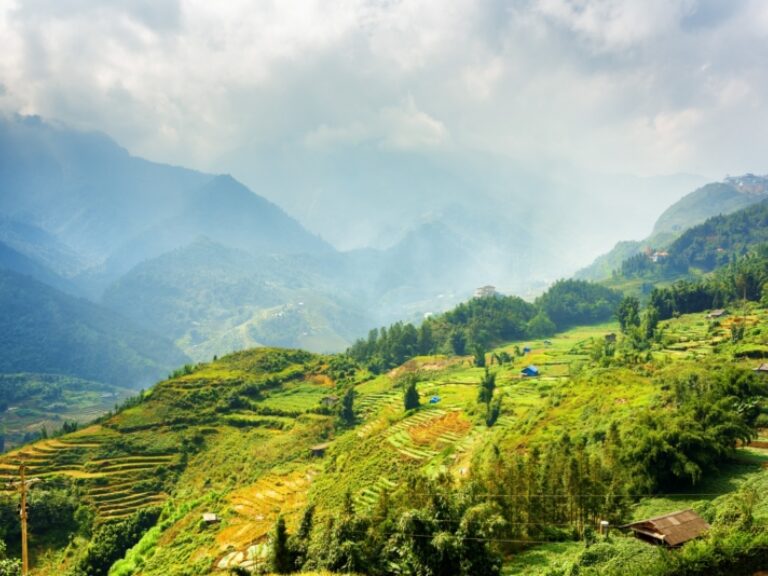
Vietnam’s dramatic north offers the most diverse landscapes in the country. Sapa and around has long been northern Vietnam’s premier trekking destination, and with good reason. The area is home to the country’s highest mountains, iconic rice terraces, and an unusually diverse patchwork of cultures and ethnolinguistic groups.
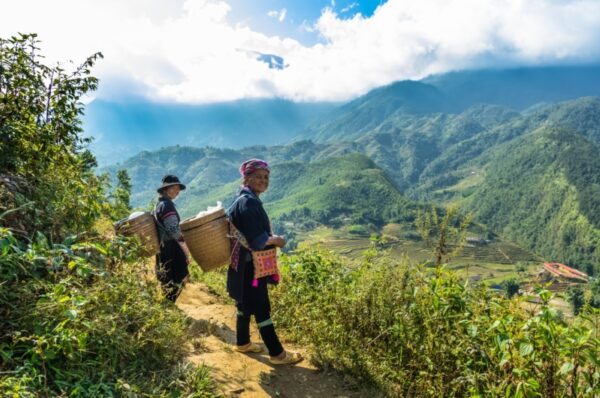
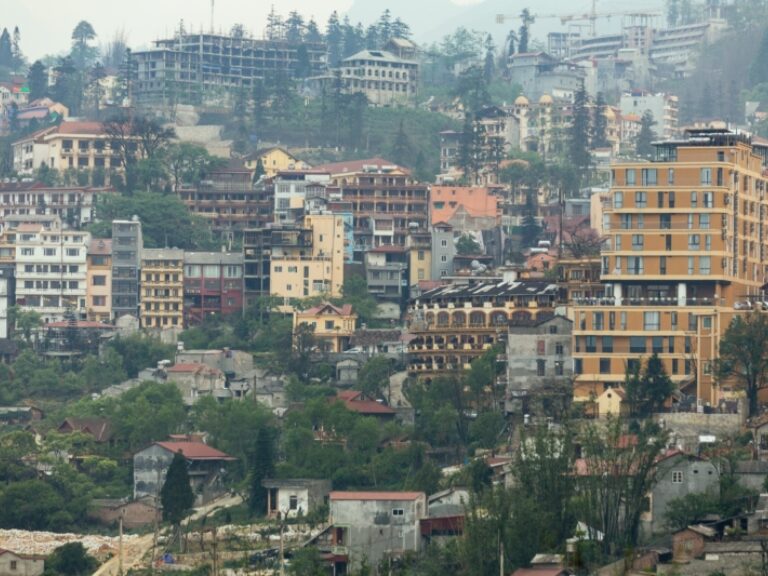
Sadly, Sapa has fallen foul of modern tourism’s biggest failing: promoting already popular places and pushing them to breaking point. Badly-planned tourism in Sapa town and the immediate surroundings has led to gross overdevelopment – a reality you won’t see in most tourism marketing. To get the most from this region it’s essential you employ the services of a guide and find an itinerary that gets you well into the countryside.
![North Vietnam in miniature]()
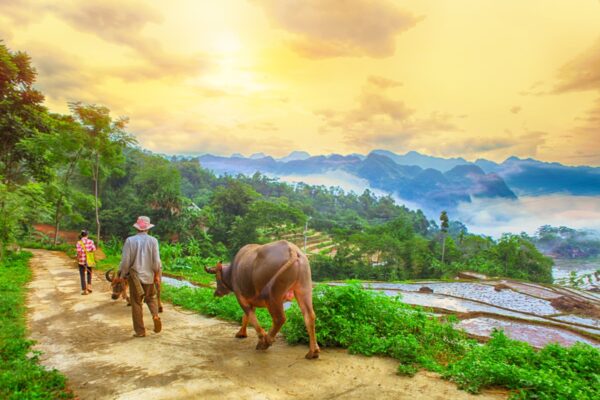
North Vietnam in miniature
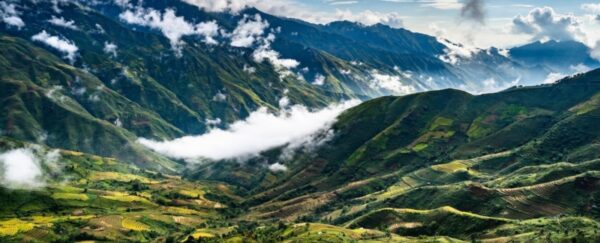
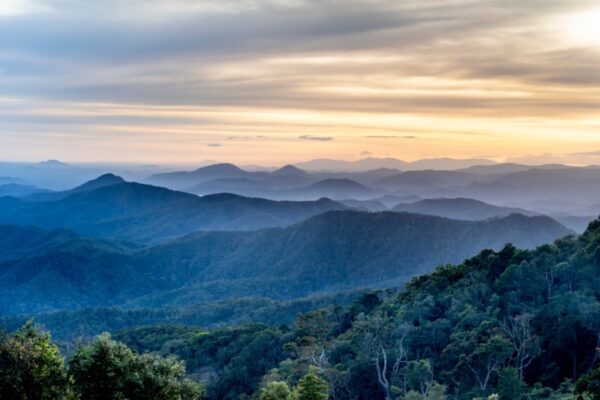
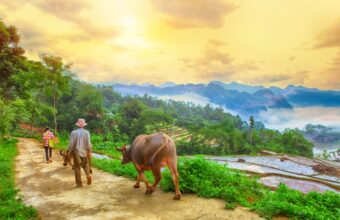
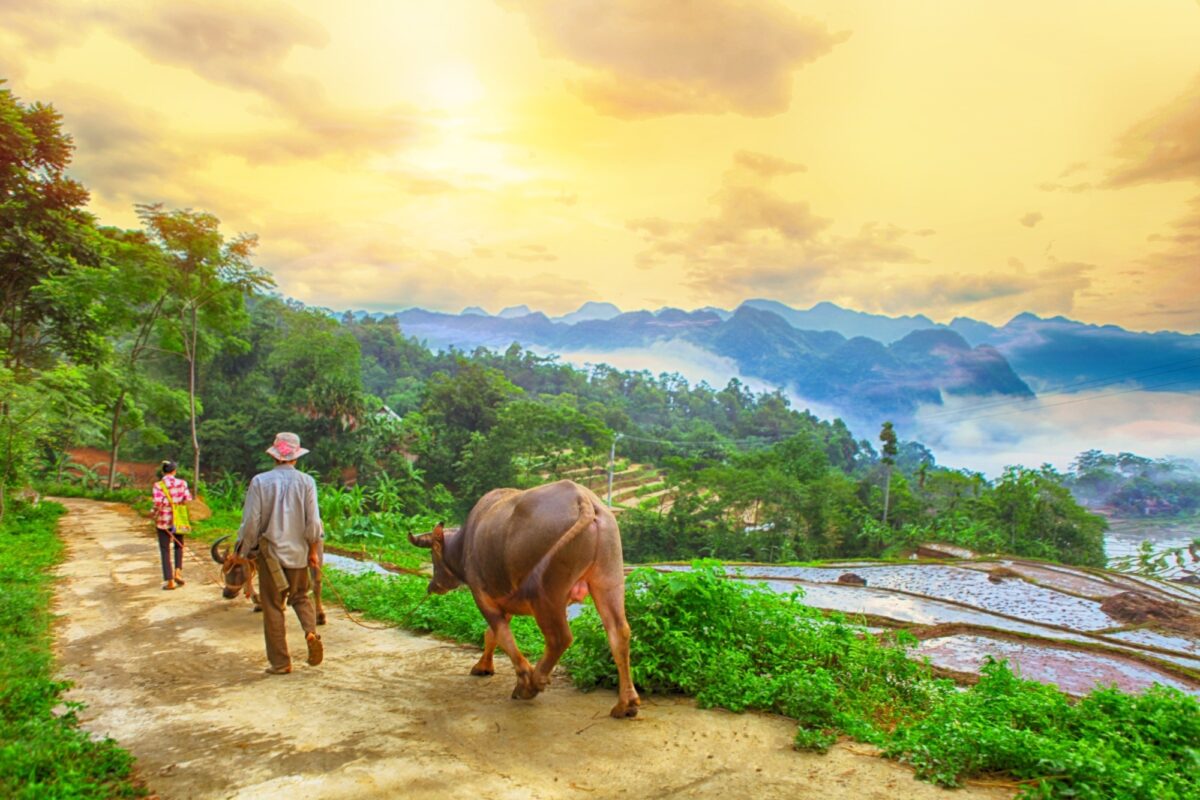
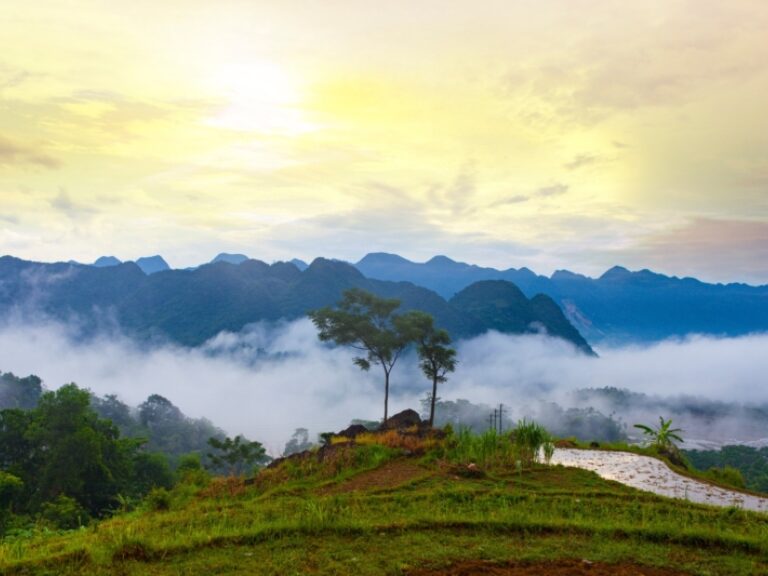
I sometimes think of Pu Luong, another of my favourites in the north, as a microcosm of the northern mountains, with the rice terraces of Mu Cang Chai, jagged peaks of Sapa and stilt house villages of Mai Chau. This is also one of the few destinations where self-guided solo hikes are recommended. There are easy-going day hikes from Ban Don into the surrounding mountains.
![The north’s hidden gem]()
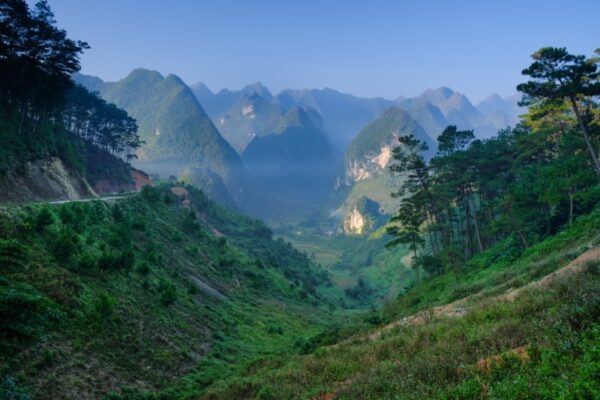
The north’s hidden gem
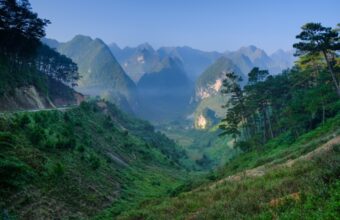
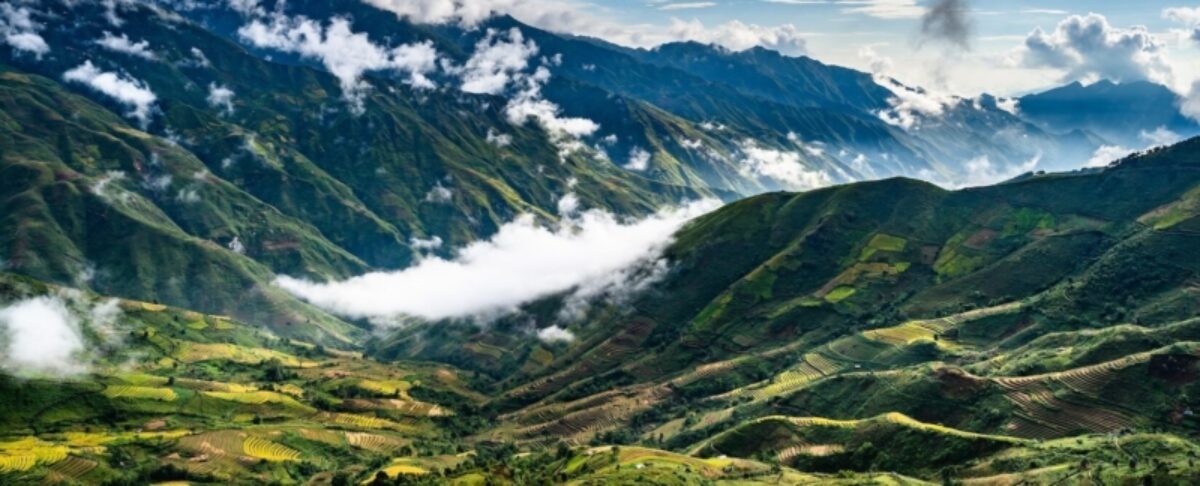
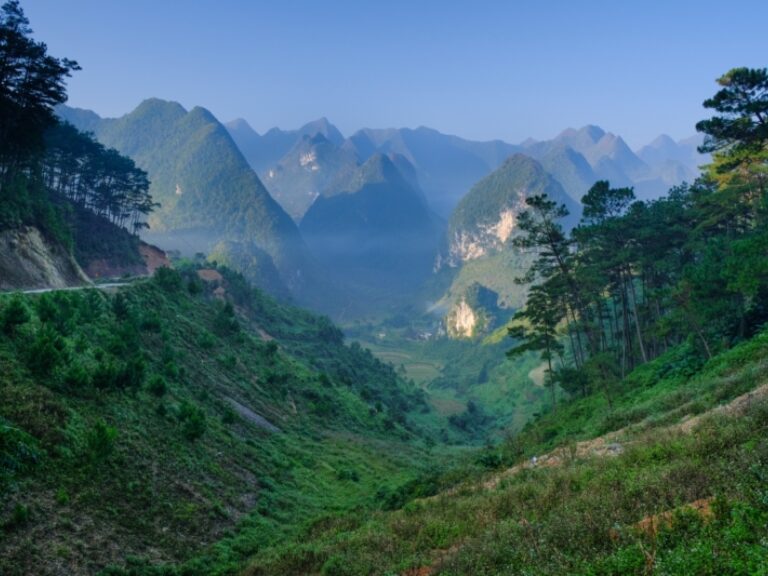
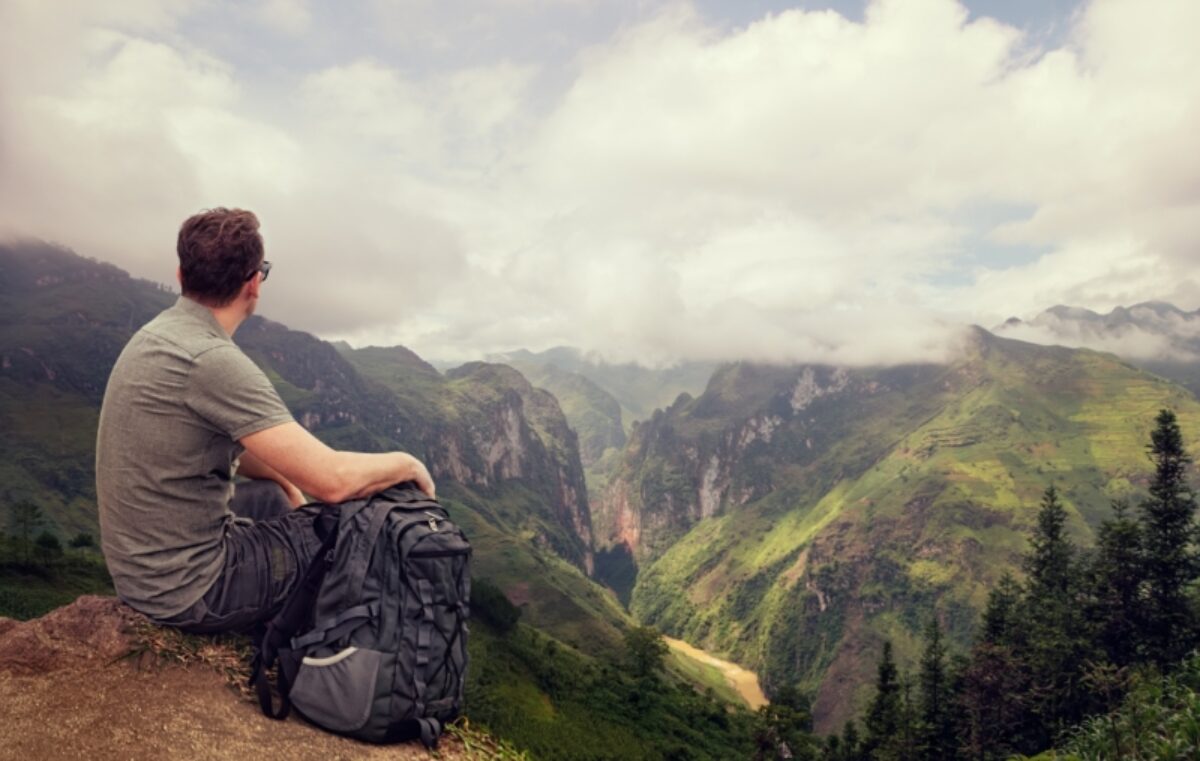
Ha Giang is Vietnam’s northernmost province and the landscapes are like something from a science fiction flick. I predict that it will become one of the country’s premier destinations this decade. Most come for motorbike road trips, but trekking trails are also beginning to emerge.
I recently discovered a short half-day hike on the Skypath, a lofty path that clings to the cliffs high above the Nho Que River and Ma Pi Leng Mountain Pass, which is one of Ha Giang’s (and Asia’s) most extraordinary roads.
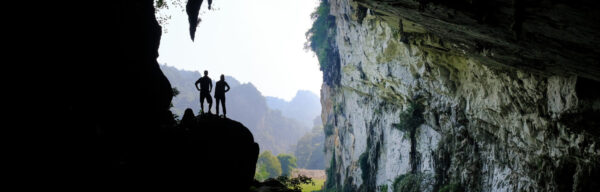
![Explore the caves of central Vietnam]()
Explore the caves of central Vietnam
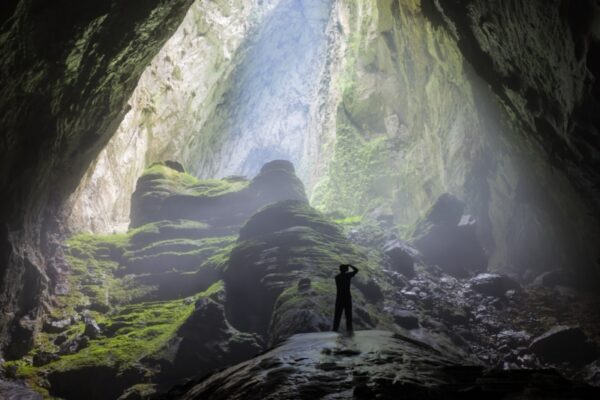
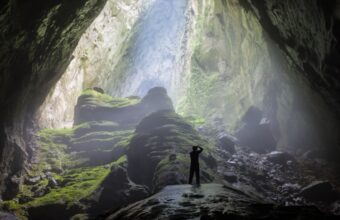
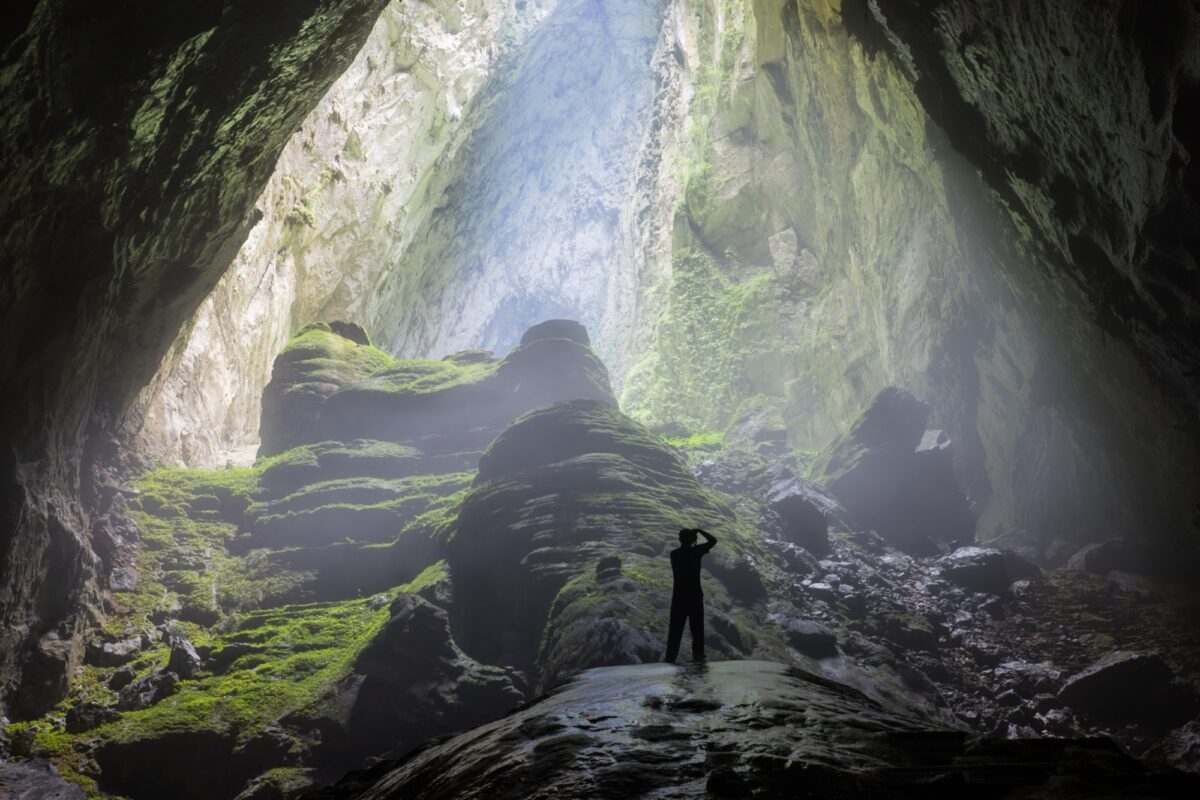
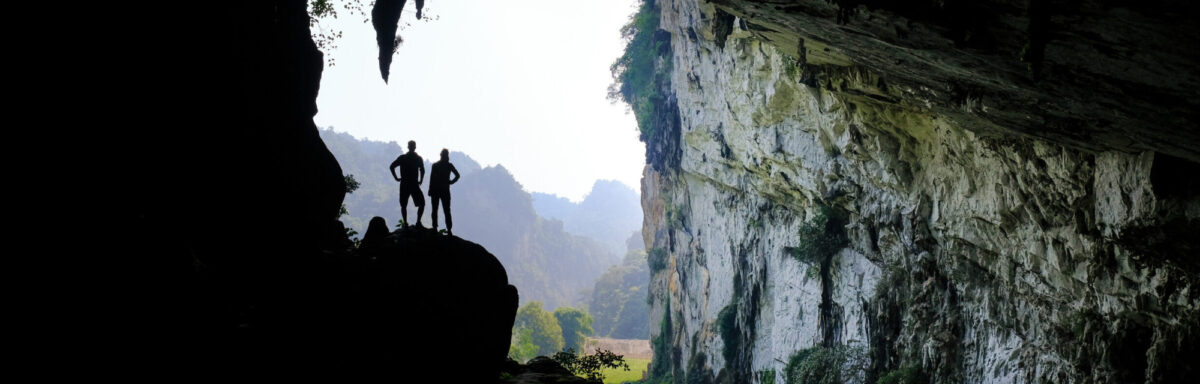
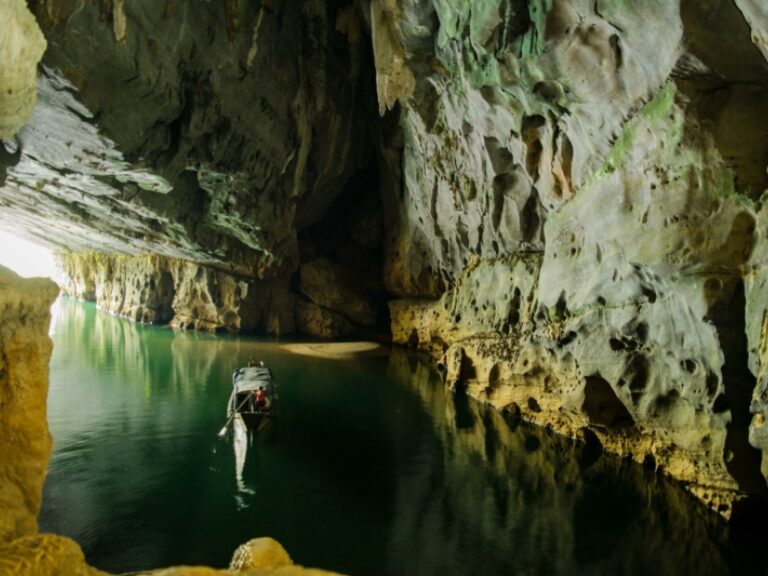
I think Central Vietnam’s best trekking spots are in its rugged interior away from the coastline. Local explorer Ho Khanh chanced upon Son Doong Cave in Phong Nha-Ke Bang, a little-known national park in Quang Binh Province, deep in the jungle in 1990. In 2008 he returned with the British Cave Research Association, who surveyed the chambers and declared it the biggest cave on the planet. Since then the national park has transformed into one of the world’s top caving and trekking destinations.
![An underrated hill station]()
An underrated hill station
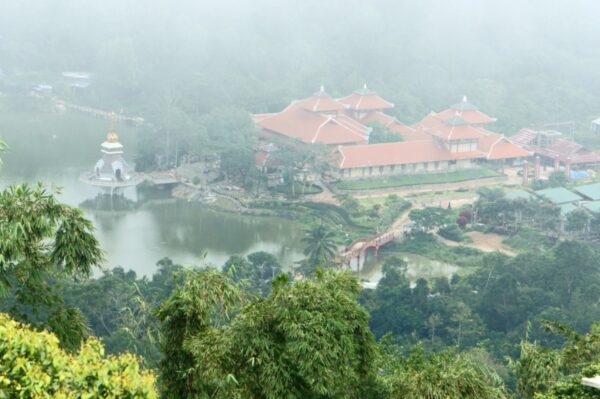
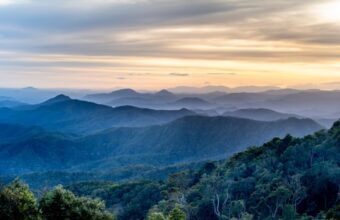
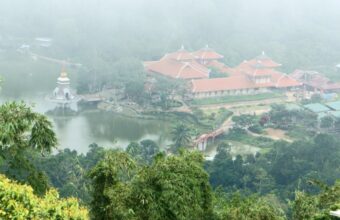
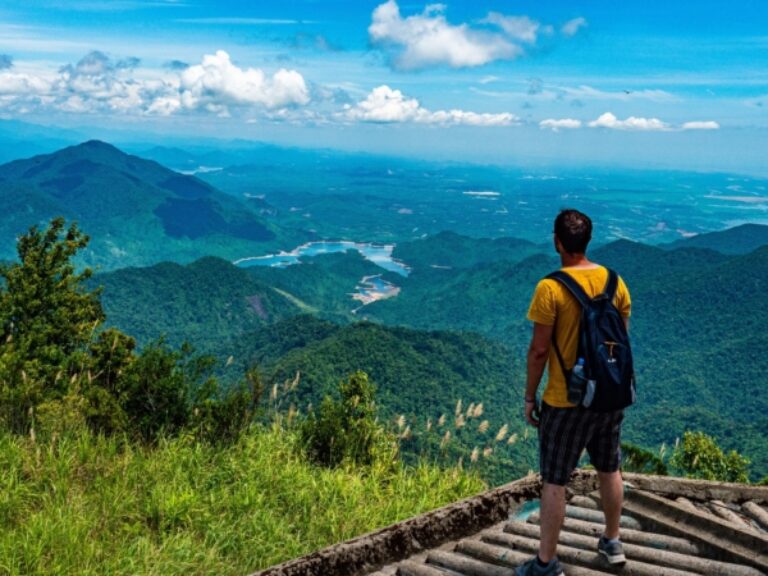
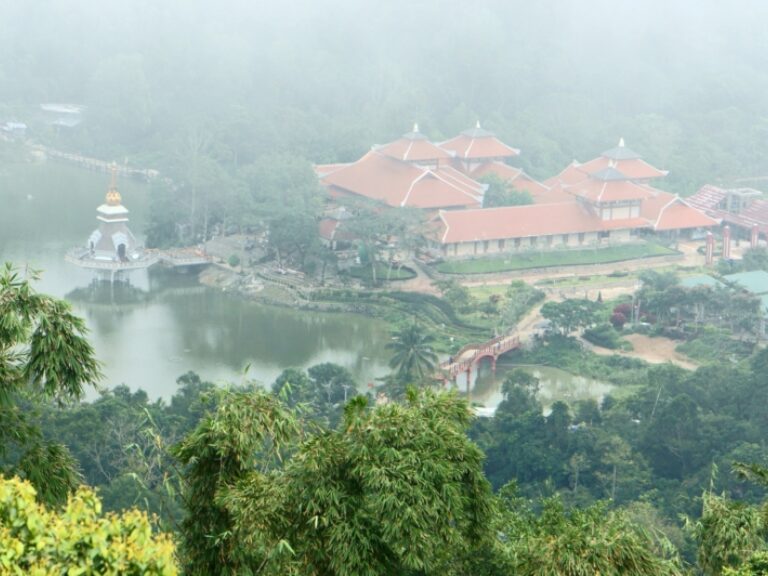
While some natural areas in central Vietnam suffer from overtourism, Bach Ma National Park has slipped under the developers’ radar. A century ago this was a hill station for overheating French colonists from the nearby city of Hue. The national park still holds a cluster of French holiday villas, some of which have been converted into places to stay.
![Get your thrills in Dalat]()
Get your thrills in Dalat
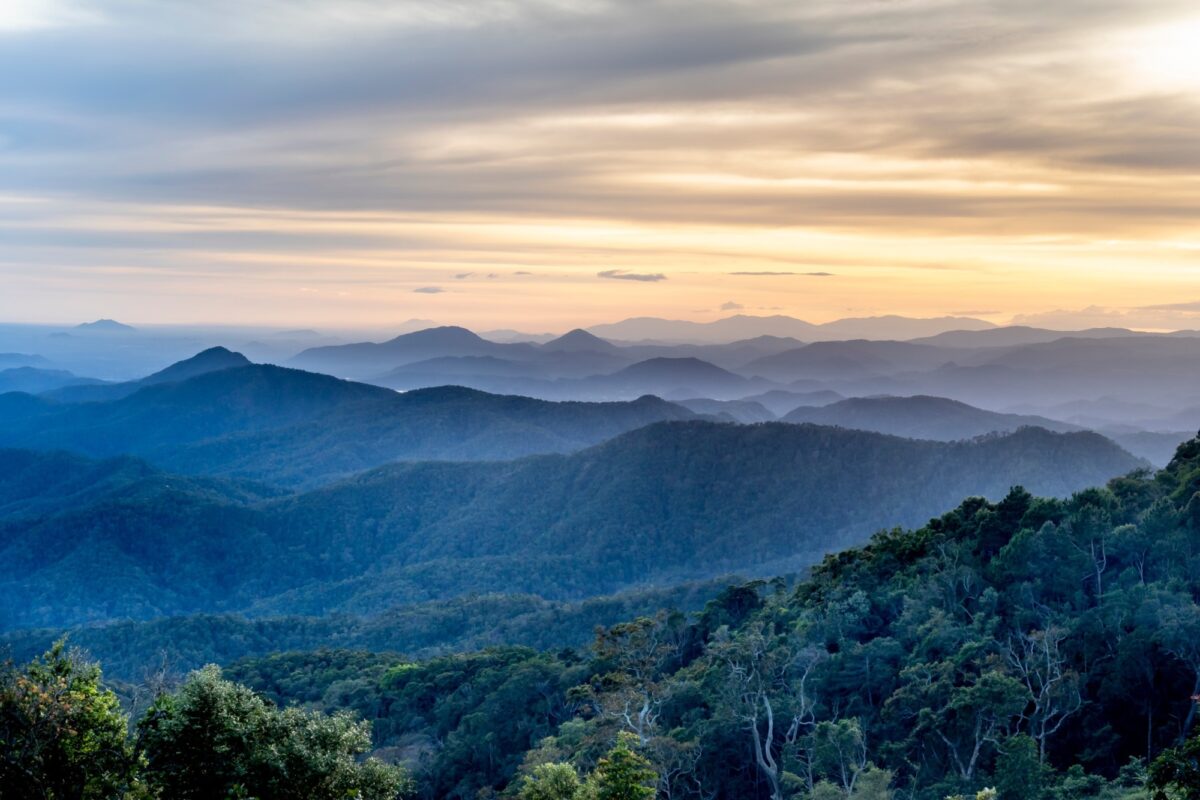
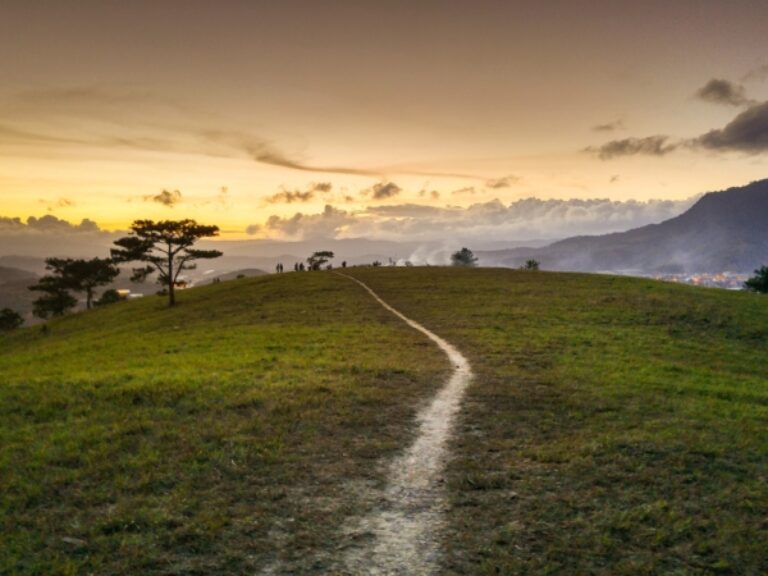
Further south from Bach Ma, nearby Dalat has become central Vietnam’s busy adventure travel hub. Most people come here for the canyoning (abseiling down waterfalls), but there are some decent hikes in the national parks and other protected areas nearby. The area’s elevation means that temperatures are refreshing and cool for much of the year, especially when compared with the lowlands.
![Lesser-known hikes in the far-south]()
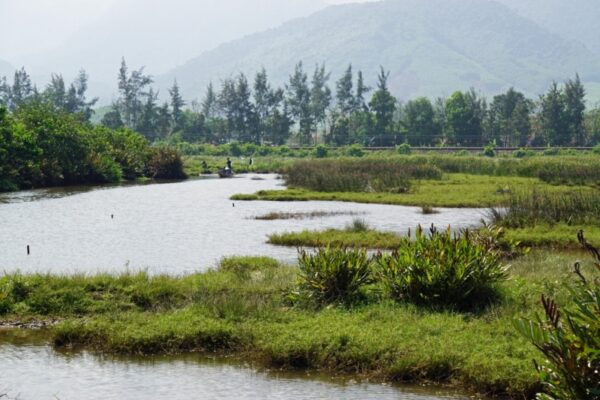
Lesser-known hikes in the far-south
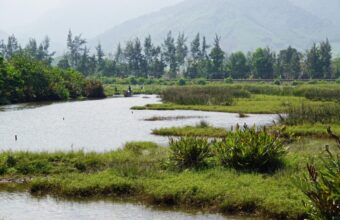
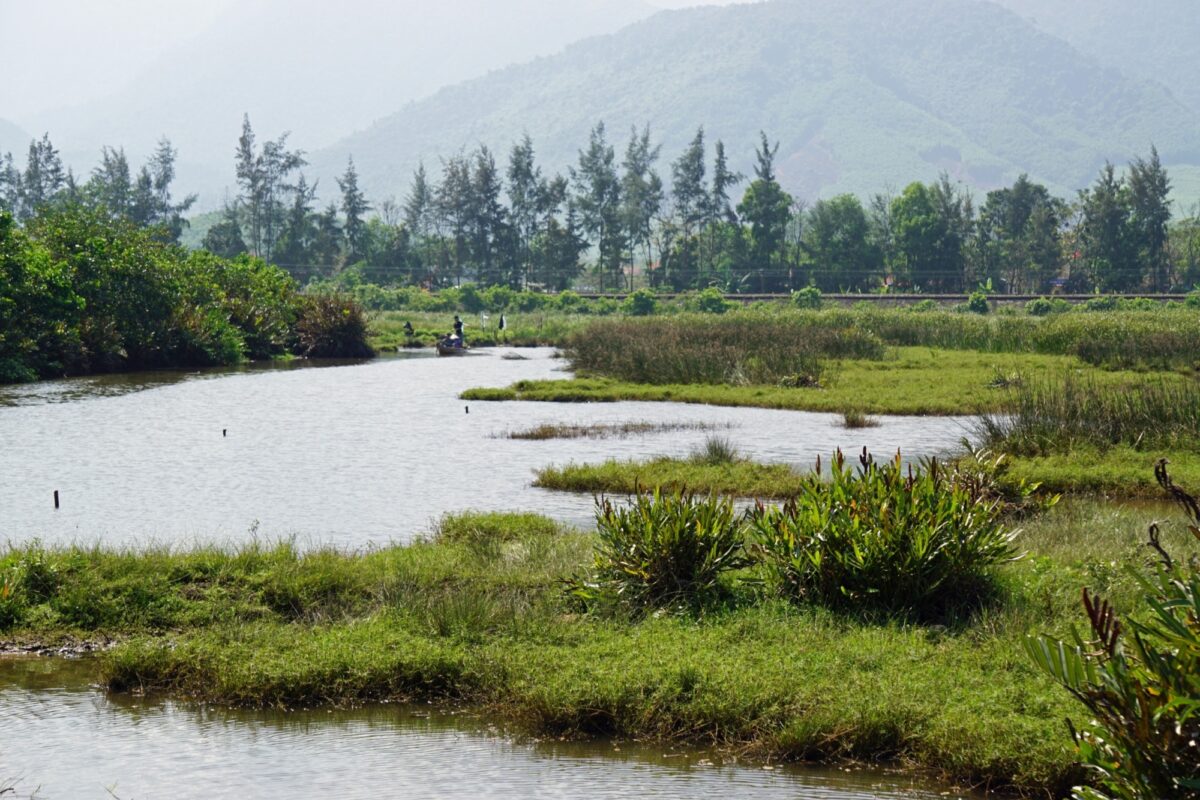
The far south of Vietnam is not known for its treks: this is a delta region where the horizon usually stops at the closest tree. However, An Giang Province close to Cambodia is different. Here the Bay Nui (Seven Mountain) chain offers elevation and some interesting hikes.
Stunning views over Ha Giang, one of north Vietnam's lesser-known hiking locations.
When to go hiking in Vietnam
Vietnam’s climate is complicated, with each major region (north, central and south) experiencing their own climates.
In my experience the best time to hike in the north is October, November and December. The weather is relatively cool and dry, meaning trails aren’t too muddy, and visibility is generally good.
I like hiking in central Vietnam in the spring: March, April and May. It’s usually sunny but not too hot and rainstorms tend to be brief.
The south is hot all year, though there is some respite in their winter (December and January), making this the best time to trek there.
Meet hill tribes responsibly
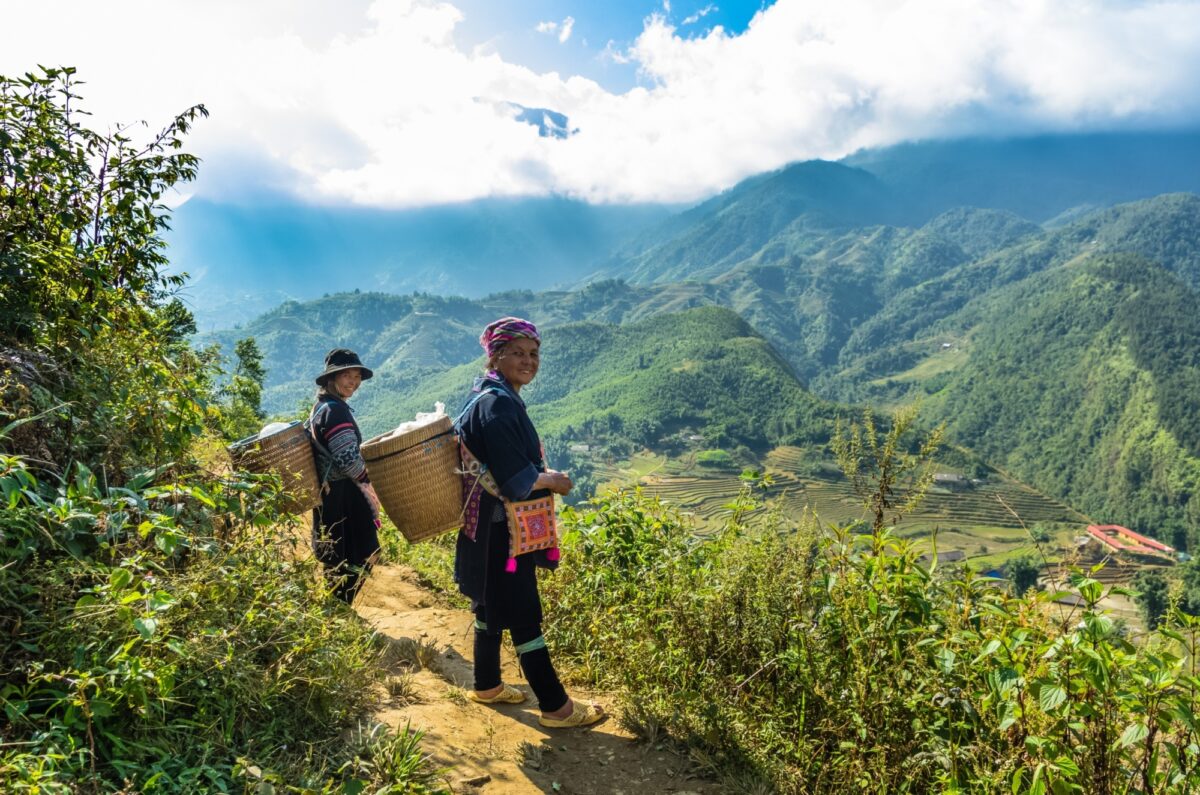
Vietnam has staggering ethnic diversity. After the majority Viet (Kinh), there are 53 other ethnic groups, many with their own language, traditions, spiritual beliefs and agriculture. The hill tribes in the north are the most well known; photos of them in their unique dress have been used to promote “exotic Indochine" since the French colonial era.
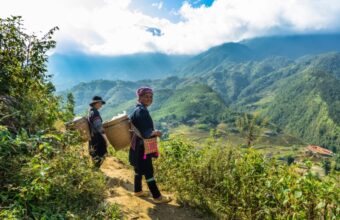
Once a French hill station and retreat, Sapa in Lao Cai Province is the hub for northern hill tribe trekking and homestays, experiences that combine mountain scenery, lovely terraced rice paddies and ethnic villages. There are, however, serious concerns about over tourism, unbridled development and respect, with villages and the famed Bac Ha Sunday Market becoming human zoos.
A few tips if you do decide to visit Vietnam’s hill tribes: A visit to the Vietnam Museum of Ethnology in Hanoi is essential to learn more about the ethnic groups and their culture. Instead of a one-night trek, spend the time and money to go further afield. Make an effort to interact with locals (and not just for a photo); a good guide can be instrumental in bridging the gap.
Seeing a fraction of the tourists, Ha Giang Province also has hill tribes and mountain landscapes. Hiking Mu Cang Chai is an excellent way to see stunning terraced rice paddies and learn about the Black Hmong. Kon Tum in the Central Highlands has eight minority groups. The Jarai are known for their fascinating burial rituals and towering thatch roof building used for village ceremonies. Treks and village stays will immerse travellers in this place where relatively few outsiders venture.
How much do Vietnam trekking tours cost?
Prices for organised trekking tours in Vietnam vary widely. The one- and half-day self-guided treks mentioned in this guide are essentially free, bar entrance fees to national parks.
When engaging a tour company or guide, prices tend to be around USD $S50-100 per person per day, including guide fees, transport, food and accommodation. The exception is the caving experiences in Phong Nha-Ke Bang National Park, which are double that or more.
My top Vietnam hiking tip
My biggest tip about hiking in Vietnam is this: don’t resist hiring a guide. When I first came to Vietnam I was, like many young travellers, keen to travel as independently as possible, and I often tried solo hiking without a guide.
Sometimes the hike was successful, sometimes not. But these guide-less trips were never as good as they could have been because I didn’t have a local person there to spot wildlife, explain local customs, identify edible fruit, show me the hidden swimming spots, solicit house invitations, recommend good food spots, enjoy a glass of rice wine with at the end of the day…. I could go on.
And probably more important in the big picture: hiring guides is a great way to get money straight into the pockets of local people.
How hiking in Vietnam works
In Vietnam’s bigger hiking locations, such as Sapa and Dalat, you’ll find plenty of independent guides and trekking operators when you arrive. Or you can book an organised trek in advance with the country’s small but growing community of trekking, hiking and adventure travel specialists. I don’t really recommend booking anything in the street, do your homework first and check for independent reviews. Trust me: you really don’t want to find yourself on the generic walking tours around Sapa.
Alternatively, international walking holiday companies increasingly offer small-group Vietnam hiking tours in which an entire weeks-long itinerary is arranged for you, including transport, accommodation and guided hikes. This is naturally the most expensive – but easiest – way of exploring Vietnam by foot along with a group of like-minded travellers.
What to expect
Before I get into my favourite Vietnam hiking destinations, a word of warning: this is a populous country, which (among other things) puts pressure on its environment. Despite what the glossy, but misleading, Instagram posts suggest, you’re unlikely to encounter immaculate natural landscapes while trekking in Vietnam. Some may lament the lack of untouched wilderness. But for most, rubbing shoulders with the warm-hearted, playful, curious and at times hedonistic Vietnamese embellishes the hiking experience.
Question
Sapa Trek vs Ba Be National Park vs Ha Giang Trek?
I am looking for a trekking adventure in remote and beautiful nature, interacting with locals, eating as local as possible. Between Sapa to Ta Van village trek, Hiking in Ba Be National Park or Ha Giang trek, what would you recommend?
Answer
It depends how adventurous you want to be. The Sapa to Ta Van Village trek offers stunning rice terraces and ethnic minority villages, though it’s a bit more popular and less remote. Ba Be National Park is a great off-the-beaten-path choice with jungle trails, waterfalls, caves, and peaceful lake villages where you can stay in a Tay ethnic homestay and enjoy traditional meals. The Ha Giang trek is the most adventurous option, featuring wild mountain landscapes, dramatic valleys, and deeply cultural experiences with local hill tribes.If you still can't choose, all three can be easily combined into a single itinerary from Hanoi > Sapa/Ta Van (3 days) > Ha Giang (3 days) > Ba Be (3 days) > Hanoi. I'd recommend allowing 7 to 9 days, depending on what hilkes and other activities you want to do in each stop.
Question
Treks to see local culture?
We want to see Fansipan and local culture but avoid any artificial shows. What do you suggest?
Answer
I'd recommend combining Fansipan cable car with a trek to a more remote village such as the Sapa to Ta Van Village trek. But to be honest Sapa has become quite touristy in recent years, and given your limited time, it may not feel as untouched as you might expect. For a less touristy area I'd recommend Ba Be National Park instead.
Question
Extend the Ha Hiang Trek?
Is it possible to extend the standard three day Ha Giang Trek to add another day of hiking?
Answer
Yes, you could add a day before the final day (day 3), to hike to the more remote areas of the Dong Van Karst Plateau at a more relaxed pace, adding an extra day of trekking (around 10–15 km), before continuing toward Meo Vac and picking up the usual route.
Question
Quieter Ha Giang?
We want to hike in Ha Giang with long hiking days but keep away from the motorbikes, what do you suggest?
Answer
You can do a good 4 day itinerary that gets you deep into Hmong areas where motorbikes don't reach. You start with Ha Giang – Nam Dam, trekking 12–15km (6–8 hrs) through farmland and stay in a Dao homestay. The next day it's Nam Dam – Lao Xa – Dong Van, a scenic trek featuring remote high peak views. The third day it's Dong Van – Thien Huong – Meo Vac, approximately 6 hours hiking through karst landscapes. Then the fourth day is Meo Vac – Lung Tam – Ha Giang returning to the city by 17:00.