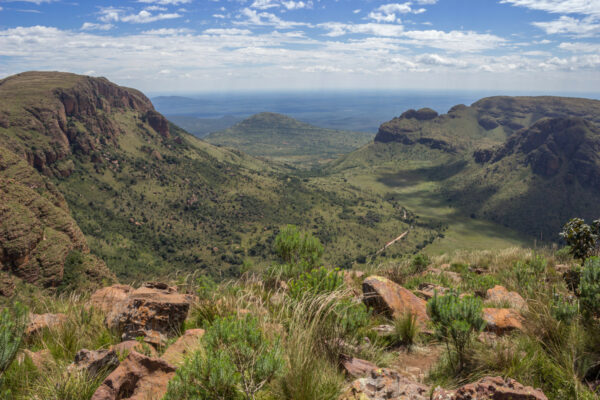
The Rainbow Nation has really come of age as a tourism destination and is a perfect introduction if you've not explored this mighty continent before.
You get the amazing wildlife, exuberant culture and epic scenery coupled with a highly developed transport and accommodation infrastructure.
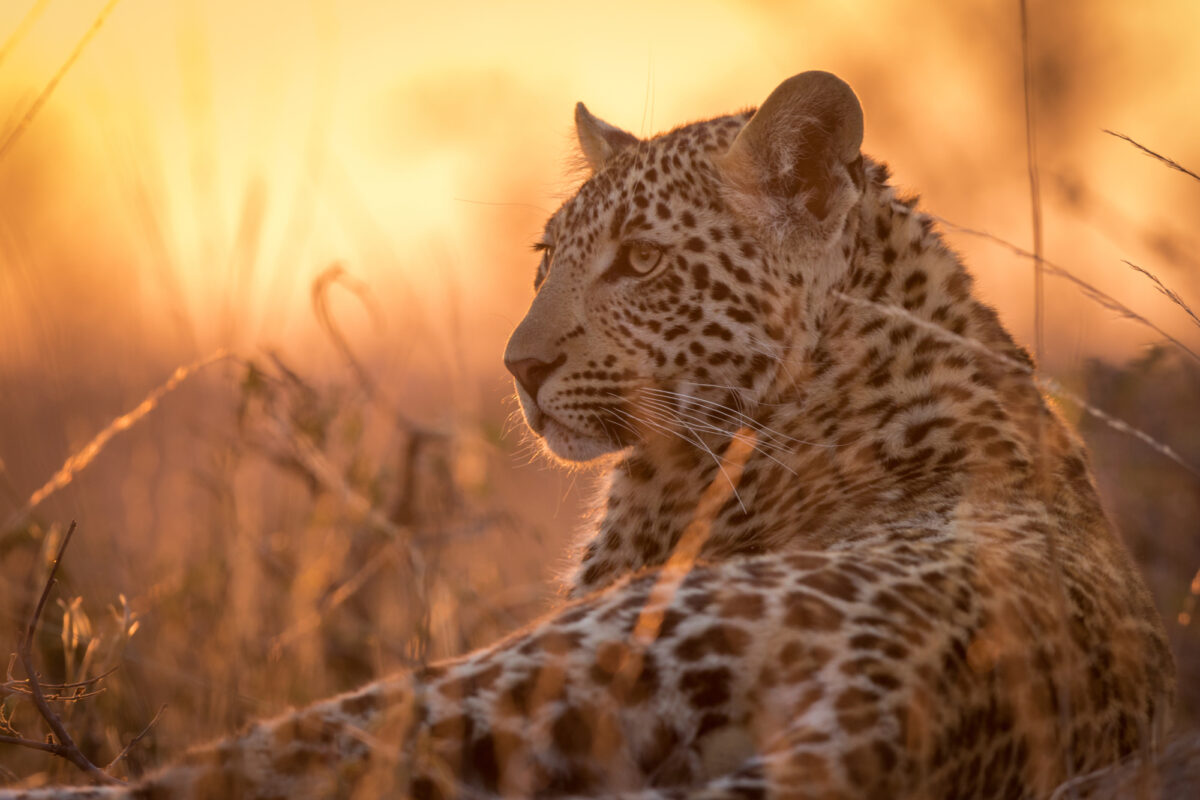
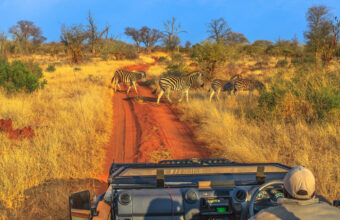
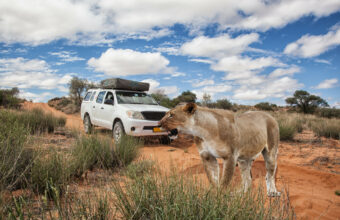
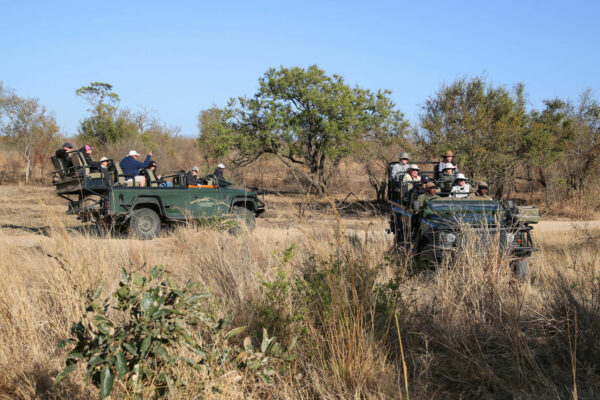
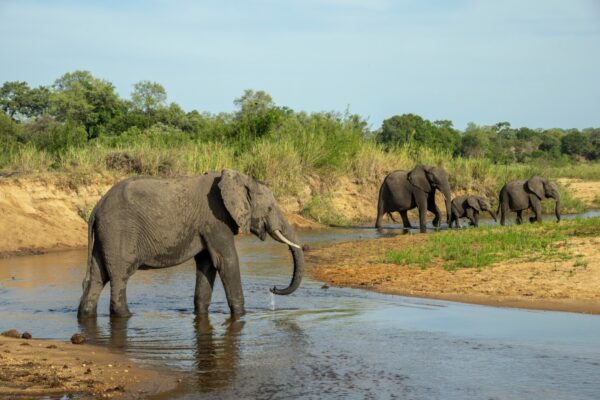
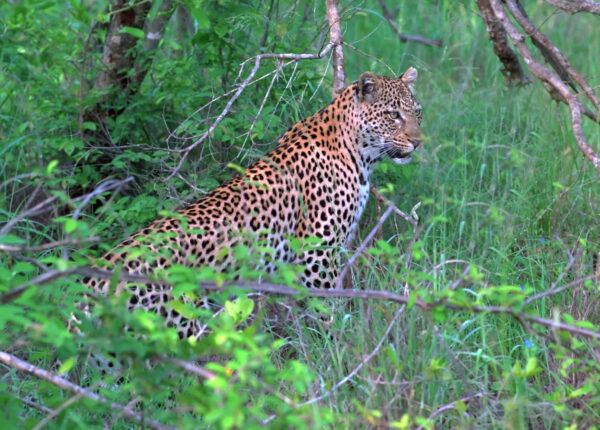
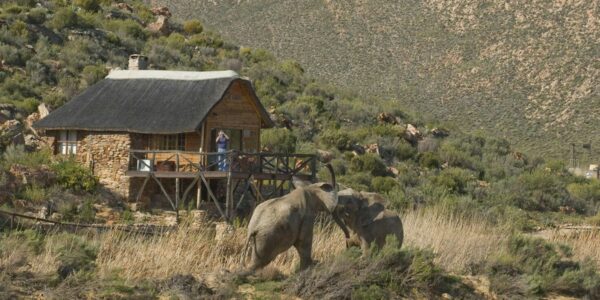
Of course, South Africa offers unmatched safari too. In places like Kruger, Tembe and Hluhluwe-Imfolozi, game is plentiful and guides top notch. And its ocean wildlife shouldn't be overlooked. Along the coastline, dolphins and turtles play just offshore and whales breach on the horizon.
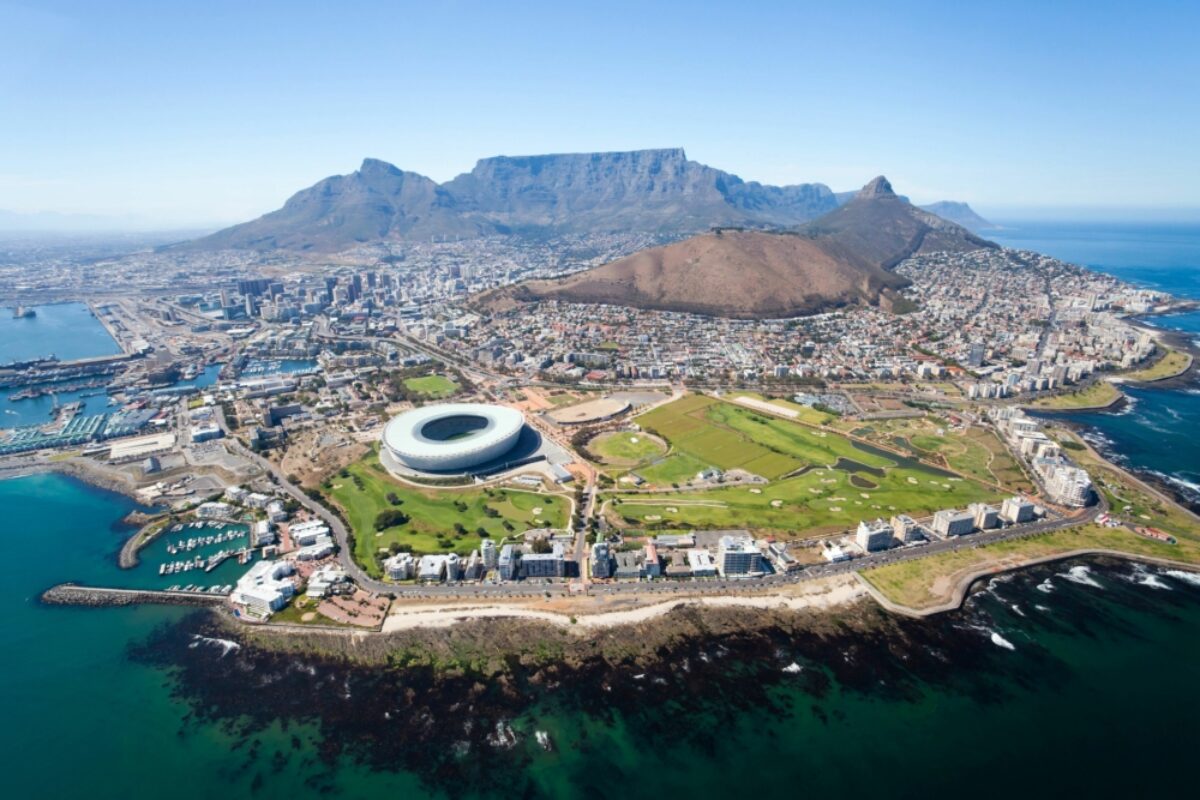
There's sophistication too. Cape Town has moving museums, fine dining and buzzing nightlife — all to a backdrop of spectacular Table Mountain.
Looking at Karongwe or Timbavati reserves in April, our budget is around $350 per person per night. Would this work, what do you recommend?
Answered by: Anton Vosloo
Timbavati would be perfect, however, space is limited in April for the more affordable lodges that would work around this budget. Alternatives would be the Klaserie Private Reserve, it is right next to the Timbavati, still part of the Greater Kruger reserves, and would likely have better luck with your exact dates within a similar budget.
Most of the accommodation actually within Kruger National Park is run by the park authorities - great locations, but the accommodations are fairly basic and very busy. If you want to splash out, this is probably not what you're looking for.
Consider instead one of the private reserves (conservancies) that sit alongside Kruger - they have much the same wildlife, but way more choice when it comes to accommodation, and fewer visitors and vehicles. I've always enjoyed Timbavati Nature Reserve and Shindzela - I saw all the big five in one afternoon here!
Although it’s easy to get swept up with the romance of it all, you shouldn’t forget that your presence has a direct impact on the ecosystem, for good and bad.
The upside of your visit is that the money you put into the system pays for conservation and helps keep the land protected and wild. Without wildlife tourism, there’s a very real chance that many of South Africa’s conservation zones would become farmland.
But there are things you can do to make your impact as positive as possible. Before booking with any safari company, camp or lodge, or even choosing the parks and reserves you wish to visit, take a look at the conservation and community projects they are involved with. And when you do book, remember to mention that their community projects were a factor in your decision. This will encourage further investment in such programmes.
On safari, treat the wildlife with the respect it deserves. Getting too close to wildlife, approaching animals head-on or pursuing and encircling them is likely to disturb them and cause distress. Approach wildlife at an angle, which is less threatening than coming at animals head-on. Movements must be steady and predictable.
Yes, it’s easy to self-drive in South Africa and, generally, fairly safe although car crime can be an issue (don't leave anything in your car in towns). If you're just hopping from national park to park and sticking mainly to rural regions then self-drive in South Africa is simple enough. Just remember that South Africa is a big place so don't try and cover it all in one trip!
If you’re just looking for your standard Big 5 safari, fewer nights in one or two really great private reserves trumps more nights in a crowded national park. My standard advice is to get more bang for your buck: aim for fewer nights, but spend more per night for the best reserve/lodge that your budget can stretch to.
National Parks are government-owned and managed and private reserves are, you guessed it, privately owned and operated.
National parks serve a broader range of budgets, including some fairly low cost safaris and basic accommodation. They’re busier, sometimes feeling crowded, and activities are limited to standard game drives.
Private reserves are a whole other affair, can be very exclusive and upscale and you’ll often have the wildlife all to yourself. Privately operated reserves are free to offer a wider range of activities such as night game drives and horseback rides.
Probably my biggest piece of advice would be to make plenty of time to see the rest of the country either before or after your safari. Just a smattering of suggestions:
South Africa’s cities, history and urban culture: There’s Table Mountain, Robben Island, and the V&A Waterfront in Cape Town. The Apartheid Museum and Maboneng Precinct in Johannesburg. And of course a visit to Nelson Mandela House Museum in Soweto.
If nature and the outdoors are your bag look into Blyde River Canyon for breathtaking views and hiking trails, the fascinating hominid fossils at Cradle of Humankind just north of Johannesburg, the waterfalls at Augrabies Falls National Park and the scenic trails and views of Plettenberg Bay at Robberg Nature Reserve.
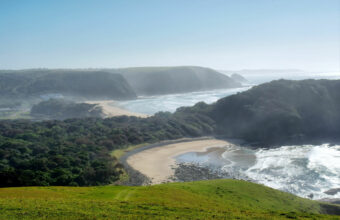
For some beach and coast time there’s Golden Mile and Umhlanga Rocks at Durban, whale watching in Hermanus (best between June and November), and the lagoons and beaches of West Coast National Park.
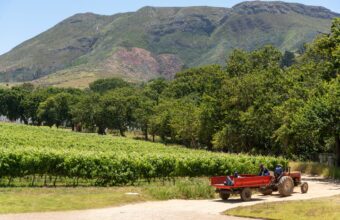
Finally for some road trips and scenic routes have a look at the Garden Route, famous for its charming towns and beautiful beaches; vineyard driving routes around Stellenbosch, Franschhoek, or Constantia, or, for something totally different, to the glorious tacky Sun City.
If you're expecting colourfully dressed, exotic-looking tribal peoples that you can visit and for it not to feel commercial, then no that's difficult to find. An experience like that that you’re paying for will, by definition, be somewhat inauthentic, if not exploitative.
However, if you want to meet people of different tribes but not necessarily dressed in an exotic manner and dancing around for you then that's possible everywhere in South Africa on almost every street.
For something more in-between, and I suspect, more what you're after then I'd try heading to the Kalahari regions in the north. It's a stunning semi-desert region (lots of interesting wildlife and a real wilderness feel) and is the home of South Africa's small San Bushmen community. These were some of the original inhabitants of southern Africa and some do live a very traditional lifestyle (but well away from tourists).
You don’t need much specialist gear for a South African safari.
Most people will want a photographic record of their adventure and if wildlife images are important to you then you need a good DSLR camera with a long lens, at least 400mm. Anything less and the animals will appear as nothing but hazy dots in a sea of scrub. Bring spare camera batteries and memory cards.
Binoculars are another essential. Get the best pair you can afford and make sure that everyone in your group has a pair or there will be endless bickering over whose turn it is to get a closer look at that distant rhino.
A good field guide to the birds and animals is an excellent addition to your pack. Most guides will have one for guests to use, but it’s still nice to have your own.
Lightweight walking shoes are a good idea (and essential for anyone planning a walking safari). Hiking trousers and shorts are also worth having. They provide protection from the thorn bushes and sun and are comfortable to wear. Don’t forget to bring a fleece as it can be surprisingly cold during a sunrise safari. Sun hat, sunscreen and sunglasses are three other essentials.
If staying in up-market accommodation, it’s probably worth bringing a set of slightly smarter clothes for evening dinner.
With fluctuating temperatures — hot and sunny during the day, cold at night — layering is your best option. Some things to consider bringing include:
T-shirts or shirts — bring some longsleeve ones to combat mosquito and the sun
In some environments such as at lodges, on safari and on treks, tipping is structured in ways that make it clear, fair and less easy to abuse. Tips can be given in local currencies or in USD, GBP or EUR, so be sure to carry small denominations with you. As a general guide:
Guide/tracker: Your guide and tracker are central to the success of your safari. You’ll have plenty of time to connect with them and, by the end of your trip, they might just be your new best friends. With guides, it’s customary to leave a tip on your departure. What you choose to leave is totally up to you, but a general rule of thumb on safari is to tip your guide US$10 and your tracker US$5 per person per day.
Guests that are returning to a lodge that they have visited before, sometimes even bring small, personalised gifts for their guides. Alternatively, the lodges will generally give you a guideline for tipping and gifting if you ask them.
Camp/lodge staff: There is a lot that happens behind the scenes on your safari and it’s important to consider and acknowledge all the wonderful people who look after the lodge. Most safari lodges and camps have a communal tip ‘jar’ and around US$10 to US$20 per day is considered a reasonable tip.
Outside of the lodges/camps, you might want to tip 10% to 15% for good service at restaurants and in bars. Most waiters earn an incredibly basic wage so tips are a much-needed supplement. If you're just buying a beer or a coke, it's fine to leave the change rather than a specific tip. If you're dining with a large group at a nice restaurant, a service charge will usually be automatically added to your bill.
At budget hotels, tips for housekeeping are not expected but are nevertheless always welcome. At luxury safari camps there will often be a general tipping box at the front desk or reception. Tips deposited here will usually be spread evenly between camp staff; so if you want to tip someone specifically, make sure to do so directly.
South Africa’s currency is the Rand, denoted by an R in shops and ZAR in currency trading. A favourable exchange rate with major currencies makes travelling in South Africa cheaper than visiting Europe or the United States. You can use credit cards in many shops, restaurants and lodges; there are many ATMs throughout the country and you can exchange traveller’s cheques at all banks. The best cash currencies to bring are US Dollars, Euros or British Pounds as these notes are accepted at the many Bureaux de Change in bigger cities.
You will be offered currency exchanges by people on the street throughout Africa. It may be tempting to avoid the conversion commissions; however, this is illegal and should be avoided at all costs.
On safari, almost all major expenses (all meals, activities, and, sometimes even, drinks) are covered in the costs of accommodation. Any extras tend to be very limited, and can generally be paid by card.
In urban centers, particularly in South Africa, ATMs are to be found in most shopping malls and banks, and will accept international cards using the Cirrus and Plus systems, as well as Visa, Mastercard, or American Express credit cards (provided your credit account has a cash withdrawal facility).
All airports in south Africa also have ATMs, and you can withdraw money as soon as you land (generally at a better exchange rate than if you were to exchange cash or travellers checks at a bank).
The standard of food is generally very high — even in the remotest lodges. Most lodges will have qualified chefs on hand and part of the entire safari experience is the cuisine and the emphasis placed on food.
Kids of all ages enjoy safaris as much as any adult. But a safari tends to mean a lot of time in a vehicle, often on bad roads and in hot weather. If there’s plenty of action taking place, younger children will be as hooked as you. But they can become bored the moment the pace slows down. If travelling with kids, ensure you choose camps or lodges that offer plenty of child-friendly activities. Some lodges and camps don’t accept children under a certain age. And don’t plan on heading out on early game drives every morning.
In a word, no. The chances of being attacked by an animal are so minimal it hardly warrants considering. However, you must stick to the general rules imposed by the park and heed the instructions of your guides. If you break those and decide to go for a moonlight walk through the bush on your own, then yes, you might become a midnight snack.
Most safaris start around dawn with a quick breakfast before heading out in the vehicles to begin animal spotting. Most animals choose to hunt in the early morning or dusk when temperatures are cooler. It’s also a good time to spot nocturnal animals returning from a night’s hunting, such as lions.
After a few hours in the field, you’ll break for lunch before heading out again until dusk. In general, expect to spend between 6-8 hours each day searching for animals. Remember that temperatures will regularly reach 30C and the tracks the vehicles drive on can be bumpy and dusty. Dress appropriately, wear lots of suncream and drink plenty of water. Evenings are spent swapping stories — and drinks — around the campfire.
It’s also worth remembering that you’re visiting national parks, not zoos. There is no guarantee that you’ll see any of the Big Five — or any animal at all. Conversely, be aware that you’ll spend eight hours a day searching for wildlife. It is possible for animal ‘fatigue’ to set in if you spend too long in one park or lodge. To counter this, visit different lodges or parks, and mix up your experience by including walking safaris, overnight camping or evening safaris.
This is a virtually impossible question to answer as there’s such a huge range! But broadly speaking at the low-cost/budget end it ranges from USD $100 to $300 per person per night. This typically includes basic accommodations, such as tented camps or rest camp lodges.
At the mid-range prices might be USD $300 - $600 per person per night with a corresponding bump in accommodation quality.
At the high end there seems to be no ceiling. In private game reserves visitors can spend from $600 to $2,000 or more per person per night. You’ll be grateful that the sundowner is included in the price and additional activities like bush walks, night drives, or even hot air balloon rides may be included.
There are two main classes of safari: self-drive and organised trips.
Self-drive means using your own vehicle (typically a rental car) to travel between the game reserves and, where self-drive safaris are permitted, making your own way through the reserves and parks. You’ll need to book ahead at your chosen accommodation in each reserve, and be sure to check that self-drive safaris are permitted.
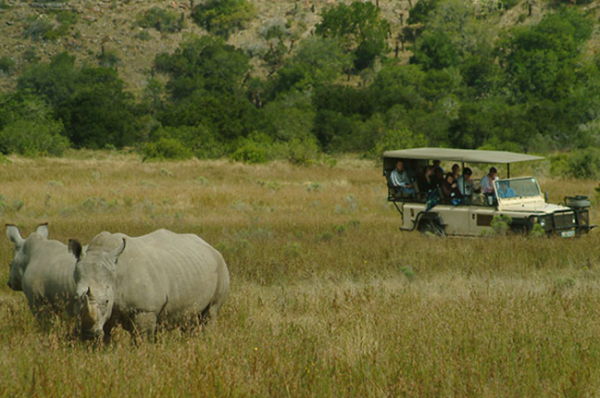
Organised safaris are similar to typical packaged multi-stop tours, usually with a number of different reserves or parks in one trip. They include all accommodation, collection and ground transfers from the airports (or, in the case of some luxury lodges, fly-ins to their own private airstrips). You won’t need your own vehicle and all game drives will be with a guide, usually in a small group of guests.
The main pros to self-drive safaris are that they’re cheaper, allow you to visit places that aren’t included in package tours, and they give you more freedom to change plans at the last moment.
There are a number of drawbacks. Firstly, you most likely won’t be in a specialised safari vehicle, typically a large, open-sided 4WD that is purpose made for good visibility. This is usually a deal-breaker for keen wildlife spotters and photographers, as being in a rental saloon car severely limits where you can go and how much you can see. Self-drive safari also means that you are your own guide and wildlife spotter. Fun perhaps, but you’ll miss lots of sightings without a proper guide.
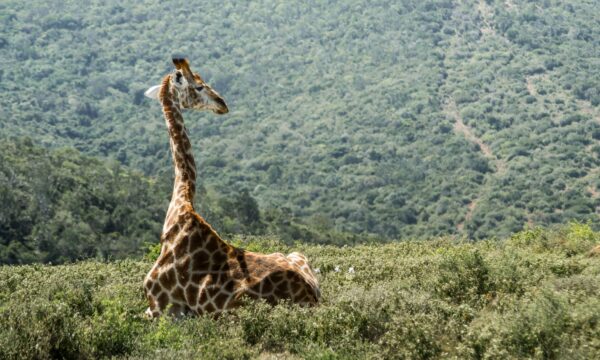
But not all organised safaris are created equal. The best organised tours use customised jeeps and highly-trained guides who will enliven your experience with their vast knowledge and tracking skills. Poor quality safaris can mean an overcrowded minibus hurtling from one sighting to the next with a guide who barely knows his giraffe from his flamingo. As with most things in life, you get what you pay for — aim as high as you can afford, even if that means taking a shorter trip.
I would love to have a visit with a tribe as well as long as it is authentic, and not just a tourist trap. Can you recommend anything?
Answered by: Stuart Butler
If you're expecting colourfully dressed, exotic-looking tribal peoples that you can visit and for it not to feel commercial, then no that's difficult to find. An experience like that that you’re paying for will, by definition, be somewhat inauthentic, if not exploitative.
However, if you want to meet people of different tribes but not necessarily dressed in an exotic manner and dancing around for you then that's possible everywhere in South Africa on almost every street.
For something more in-between, and I suspect, more what you're after then I'd try heading to the Kalahari regions in the north. It's a stunning semi-desert region (lots of interesting wildlife and a real wilderness feel) and is the home of South Africa's small San Bushmen community. These were some of the original inhabitants of southern Africa and some do live a very traditional lifestyle (but well away from tourists). You can read more about the area here.
Ask a question
Get answers from our independent South Africa experts.
Get a free, personalised answer about South Africa.
You'll receive a reply by email. Questions and replies may be anonymised and reproduced on Horizon Guides.
§ 04
The South Africa atlas
26 picksPlaces & Experiences You Won't Find Elsewhere
Where
What
At under $350 per night, Timbavati is a perfect budget option, however, space is often limited in the busier months for the more affordable lodges. A good alternative would be the Klaserie Private Reserve, which is right next to the Timbavati, and is still part of the Greater Kruger reserves, but will likely have more availability throughout the year for a similar budget.
Kambaku is such a special spot for a safari! I love it because the rooms are just incredible – they feature a lot of glass, so you feel directly connected to the wilderness. It’s perfect for finding some peace. The food is also world-class, with amazing wine tastings. It’s good value too – high season rates here are around USD 745 per person per night.
My guests love staying at Cape Town’s 12 Apostles, mostly because it has this incredible location situated between the Atlantic Ocean and Table Mountain. Location aside, it’s often voted one of the best luxury hotels in the city. You’re in for a real treat here.
There are many great lodges in the Sabi Sands reserve, but I can’t think of many with as impressive a location as Dulini, situated in prime position on the Sand River. Its location alone makes it my top choice for Sabi Sands. Rates start at around ZAR 28,990 (USD 1,630) per person per night, which is actually pretty reasonable for Sabi Sands and great value.
My pick for Mala Mala Game Reserve is usually Rattray’s Camp where the game viewing is unrivalled, especially for the awesome populations of all the Big Five. But what I like best is the feeling of exclusivity. You’ll only have four guests per safari vehicle and only eight suites in total, so you’re pretty much on your own with the wildlife. You’ll pay around ZAR 37,200 (USD 2,050) per person per night. For your money you’ll get all the expected amenities of a high-end camp: private plunge pools, his & hers bathrooms, and so on, but for me the solitude is the real cincher.
The Marly is a five-star boutique hotel in Camps Bay – it’s one of my favourite places in Cape Town because of its beachfront location and great amenities. You’ll get a warm welcome here and the on-site spa and surrounding gourmet restaurants and bars make it my top pick for Cape Town. Expect to pay around ZAR 8,150 (USD 460) per night.
Game viewing at Leopard Hills feels truly exclusive – the reserve borders Kruger National Park but has no fences, allowing animals to roam freely. I’ve often seen leopards here, sometimes right near the suites or even from my private deck. Rates are punchy: ZAR 24,900 (USD 1,400) per person per night. But for that you get personal, five-star service, world-class rangers and food that is out of this world – my clients rave about the unique dining experiences like traditional doma dinners, or a private meal under the stars.
My top pick in Sabi Sands is Sabi Sabi Earth Lodge. I have been visiting and sending clients to this lodge for over 25 years, and the feedback on the accommodation and food has always been superb. The rangers and trackers are generational, so in essence they are following in their fathers and grandfathers’ footsteps. You’re almost guaranteed the Big Five, but the rangers and trackers offer so much more, as their knowledge goes so deep.
At ZAR 39,000 (USD 2,190) per person per night, it doesn’t come cheap – but if it fits your budget, it’s money well spent.
Owned by Richard Branson, the Ulusaba Game Reserve offers much of the best of Sabi Sands. Here there are gorgeous lodges, superlative wildlife viewing and, unusually for the Sabi Sands area, eye-wateringly beautiful scenic backdrops. Unsurprisingly, it attracts celebrities but it’s also a down-to-earth reserve and it welcomes children with innovative family-friendly activities. On the downside, the fact that it’s one of the smaller reserves in the area and a number of outside lodges have traversing rights, means that it can get a bit busy with vehicles at times.
A collection of former rangelands, Sabi Sabi is the discerning (and very well-heeled) safari goer’s choice. This stupendous reserve has all the wildlife drama and beauty that is to be expected of the Sabi Sands area, but the whole package is just that much more luxurious and exclusive than most of the other Sabi Sands camps and reserves (and let’s face it, you’re hardly slumming it in any of them). With just four uber up-market but radically different places to stay, and traversing rights given to only one outside lodge, Sabi Sabi is exclusivity redefined.
Another one of South Africa’s original private game reserves, the massive Mala Mala has been operating since the 1920s. Although part of the Sabi Sands Reserve for some time, Mala Mala has gone its own way, but the visitor wouldn’t know the difference. The wildlife is just as impressive as before and the whole safari experience is just as polished. The difference is that Mala Mala is (marginally) more affordable than most of the others and, at around 130 sq km, is much larger. Its size, and the fact that guests of other reserves are not allowed means that you have this wonderful sweep of bushy savannah all to yourself. All in all it's one of my favourite safari reserves in all South Africa.
One of the original private game reserves in South Africa, Londolozi has been in existence in some form or another for nearly a century, and they’ve got the whole safari and conservation thing down to a fine art. They were one of the pioneers of leopard habituation, so you have them to thank for the ease with which these most graceful of cats are seen throughout the Sabi Sands area. But like all the reserves in Sabi Sands, Londolozi has the full bag of big African mammals in abundance as well as the normal faultless guiding and divine lodges. Situated on the Sand River in the heart of Sabi Sands, this reserve is also hot on community activities and involvement.
Holding one of the highest concentrations of large mammals per hectare on the planet, Lion Sands Game Reserve is renowned for its lion sightings (there are three prides in particular that everyone seems to get to meet up close), leopards and cheetah, but guides here are keen for guests to expand their horizons a little and look beyond the Big Five. So, they will regale you with information on the many giraffe, zebra, wildebeest, klipspringer, warthogs and waterbuck that are all daily game drive encounters.
The focus here is on low-key luxurious and beautiful accommodation and highly personalised service. They also actively encourage family safaris.
Named after the endangered black (Verreaux) eagle, Aquila is one of a number of small and rather stage-managed private reserves, a short drive from Cape Town. The 10,000-hectare conservancy was established back in 1999 and at the time was home to only a few antelope. Today, thanks to animal reintroduction and solid conservation programmes, Aquila Private Game Reserve is home to all of the Big Five as well as a significant number of other large mammals and birdlife.
It would be wrong to paint Aquila as a true African wilderness experience, but it can’t be faulted for quality wildlife viewing, which includes near guaranteed sightings of lions and all their friends and enemies, lots of alternative activities, easy access (you can visit on a day trip from Cape Town), and high-class accommodation.
Pilanesberg is safari made easy. If the traffic is in your favour, then you can get from Johannesburg to the gates of this small park in just two hours. This means that Pilanesberg is very popular with South Africans and its tourist facilities are very well developed. There’s a good range of accommodation in all budget categories, it’s malaria-free and the park’s small size makes it a good family destination. However, purists might say that Pilanesberg is too well developed. Some of the roads are surfaced and there can be congestion at some of the animal sightings, which means that sense of wilderness can be lost.
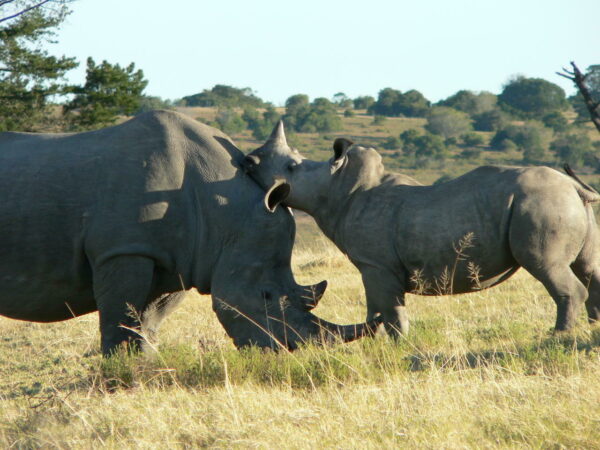
However, you can’t argue with the quality of wildlife. All the Big Five are here and the park is especially good for rhino and elephant. You also have a better than average chance of spying some wild dogs and the list of birds is impressive with at least 350 different species recorded.
The vast upland massif of the Waterberg region is one of only two biosphere reserves in all of Africa. This is a region of superlatives where space, solitude and wildlife are backdrops to day-to-day life. This isn’t so much a single unbroken reserve, but rather a puzzle of interconnected reserves and small human settlements. A journey here is proof that wildlife and humans can live and thrive side by side.
The best-regarded reserves are the Lapalala Wilderness Area, Marakele National Park, and the Welgevonden Game Reserve. What wildlife you’ll see really depends on which reserve you visit. Some, such as Marakele and Welgevonden, have all the animals you came to Africa to see, but others (particularly the smaller private reserves) are fenced and mainly have smaller creatures. In these reserves, the focus is more on family-friendly activities such as cycling, walking and bush camping.
Best game reserve for: The Big Five and big city access
Being very close to the sprawling city of Port Elizabeth and open to day guests (though only those who take one of the reserve’s organised safaris), means that Pumba Game Reserve receives a lot more visitors than some of the region’s remoter parks.
As with any Eastern Cape reserve worth its salt, Pumba has all the Big Five as well cheetah, hippo, 300-odd bird species and unusual white lions. Alongside safaris, other activities include walking safaris, nocturnal game drives, specialist birding safaris, fishing, archery — and there’s even a spa for good measure.
Best game reserve for: The Big Five and big city access
Spanning five different ecosystems and home to an impressive range of plants and animals, this malaria-free, Big Five reserve is the only private reserve in the Eastern Cape that has no public roads running through it.
This means that the wildlife here (which as well as the Big Five also includes zebra, impala, giraffe, cheetah and jackal among others) can be seen in a still and pristine environment that feels a long way from human hands.
Fortunately though, civilisation and a gin and tonic are always on hand at one of the park’s luxury lodges. Being only about an hour from Addo Elephant National Park and the city of Port Elizabeth, means that Lalibela is easily reached.
Best game reserve for: Family holidays and Big Five safaris
At 6,000 hectares, the Kwantu Private Game Reserve is a relatively small reserve by African standards, but with all the Big Five present as well as a host of less celebrated creatures it’s easy to fill several safari days here.
As with many Eastern Cape reserves, a heart-pumping vehicle safari is not the only reason to visit. The reserve also offers swimming pools, top-class accommodation, a domestic animal “touch” farm, herb garden, reptile centre, museum and sports. This is also a highly recommended family safari park.
The reserve is open to day visitors (although they must use park vehicles and have a guide) which can reduce the exclusivity aspect a little.
Best game reserve for: Big city access and self-drive safaris
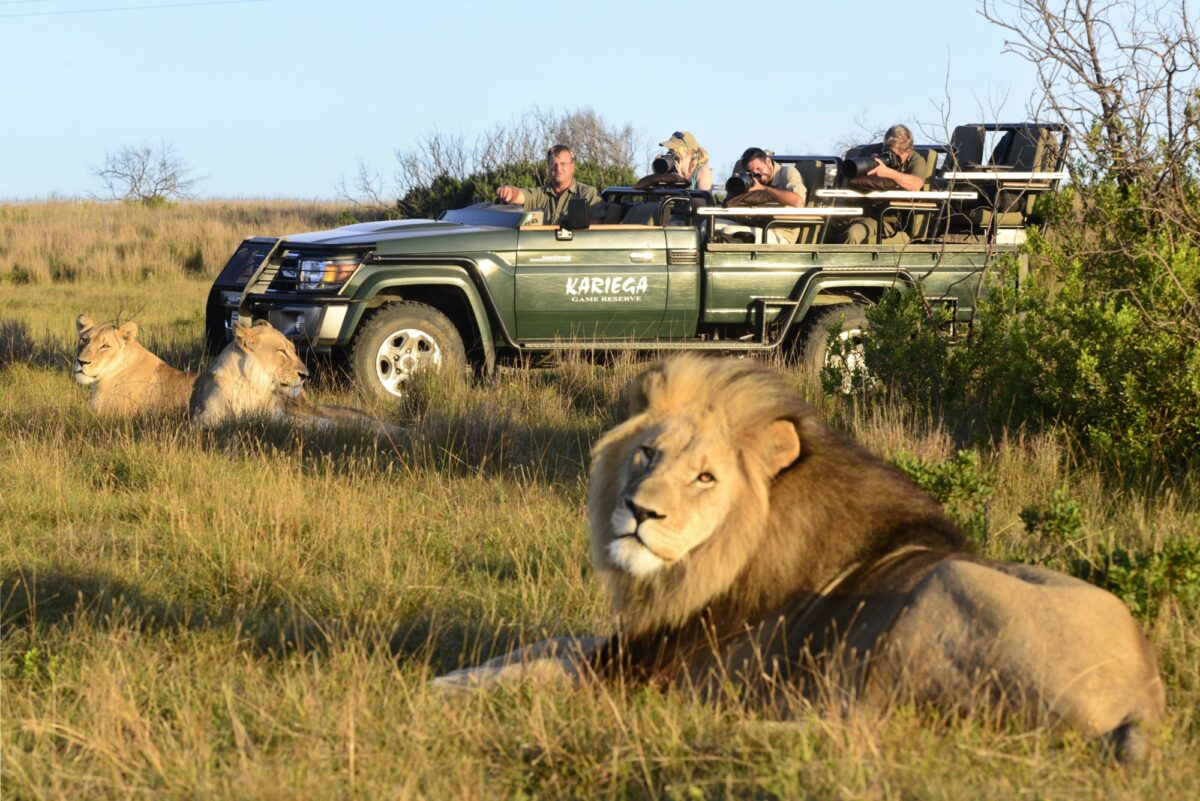
The family-owned and managed Kariega is a 10,000-hectare private reserve made up of former ranch and farmland. Restocked, as almost all the parks and reserves in Eastern Cape have been, with native wildlife that was wiped out in the 1800s and 1900s, Kariega today has thriving populations of all the classic large mammals of southern Africa.
The coastal bush and lush river valleys give the reserve a rare scenic beauty. With a combination of quality accommodation, superb guides, lots of different activities and proximity to the beaches of the Garden Route, Kariega is almost the perfect destination for a short safari break.
Best game reserve for: Family holidays and luxury lodges
Perhaps the best regarded — and most exclusive — of all the private game reserves in the Eastern Cape, Shamwari is a short drive to the east of Addo Elephant National Park. Like that park, it is home to a large number of classic African safari mammals including rhinos, elephants and lions. What makes this park really stand out from the wildebeest herd is the range of activities available alongside classic safari drives. There’s a rhino awareness centre, a big cat sanctuary, plus field guide courses and conservation volunteer opportunities for those who want a deeper look at South African conservation techniques.
With a dedicated children’s coordinator and a range of child-friendly activities, this is one of the better family safari destinations in the country. Shamwari is only open to guests at its very plush lodges and the Edwardian manor house.
Best for: The Big Five and photography
This magical private reserve borders the main Kruger park and, with no fences to block access, it hosts all the main mammal and bird species that Kruger is famed for. What really puts Timbavati on the map is its very rare population of naturally white lions. Lions with such a genetic mutation can only be found in one or two other places in Africa. In 2017, the last white lion in the region died. However, in March 2018, a cub was born with the pigmentation, meaning the legend lives on.
Timbavati is known for its high-quality guides, wide range of safari activities, and superb, high-end lodges with a heavy dose of romance.
Best for: Luxury lodges and the Big Five
For many years, Thornybush was a fenced reserve which meant the management could guarantee the presence of many large mammals, but it also prevented the wildlife from moving freely between the reserve and Kruger itself. It also meant that the reserve lacked a little of the wilderness feel. The good news is that the fences have come down and, with its top-end lodges, acclaimed guides and a better than average chance of seeing cheetah (as well as many other flagship animals), Thornybush can now rightly hold its head up high as one of the best of the Kruger area’s private reserves.
Best for: The Big Five and family friendly safari
Covering 230 sq km and with an unfenced border with Kruger, Manyeleti, which means Place of the Stars in the local Shangaan language, was the only wildlife reserve that black people were permitted to visit during the apartheid era. Today it welcomes everyone, yet retains an exclusive atmosphere thanks to having only four excellent lodges and camps with accommodation suitable for budget, mid-range and luxury travellers. The reserve hosts all the so-called Big Five and a whole range of Kruger’s other stars.
This itinerary covers four game parks, a city, the coast, mountains, and Swaziland, providing an authentic and immersive experience of this region of South Africa.
Witness the stunning natural beauty of the Drakensberg, Hluhluwe-iMfolozi Park, iSimangaliso Wetland Park, and Kruger National Park, with game drives and opportunities to appreciate the scenery and history along the way.
Accommodation varies between 4-star boutique hotels and budget park accommodation selected for their location, ensuring the tour provides great value for money.
Kruger National Park is the king of South Africa safari, and for good reason: this is the classic African safari of your imagination, home to tens of thousands of mammal and bird species, including all the big name favourites.
But what many first-time visitors don’t understand is the stark difference between Kruger National Park proper and the network of private concessions that border the park. The national park is run by the public authorities in the interests of conservation, and they do an excellent job. However, accommodation within the park can be fairly drab and as an open national park, it can get exceptionally busy. With no limit on the number of visitors – especially day-trippers – vehicles crowding around animals is distressingly common, and a wildlife sighting can quickly lose its magic.
If you have a different picture in mind, you might prefer to visit one of the neighbouring private concessions. These conservancies are part of the Greater Kruger Ecosystem: they’re not fenced off from the national park, and animals move freely between them all, but visitor numbers are much more tightly controlled, there are no day-trippers, and no crowding around the wildlife.
I think the best thing about the private concessions is the extra flexibility in what you can do there. Unlike the national park where you’re restricted to tarmac roads, here you’re truly off-roading. When a leopard races by you can head into the bush to see where it ends up: you can’t get literally off the beaten path like this in the national park. But my favourite thing to do is a walking safari. Brushing through the grass instead of watching through a window, hearing the subtle sounds of insects and the wind rustling through leaves instead of an engine… It's a whole different rush. Trust me, it’s magical.
There’s no denying, visiting a conservancy is considerably more expensive than staying in the national park, but remember you’re directly funding important conservation work. My advice is to do fewer nights but spend more per night in a conservancy – you’ll get a much bigger bang for your buck this way.
The conservancies are all great, but if pushed to pick a favourite, I’d probably go with Timbavati Game Reserve. Timbavati is super strict with the number of vehicles per lock (sighting). Only two vehicles are permitted, so a vehicle has to move away before another one can come to the lock. This type of control creates a completely different experience compared to Kruger National Park.
Another highlight of Timbavati is the presence of wild white lions, a rare variant found only here. These lions are most commonly seen in the southern parts of the reserve around Ngala, offering you a rare and memorable sighting that few other places can offer.
Your details are safe and will not be used for any other purpose. By using this service you agree for us to share your details with your chosen tour operator according to our Privacy Policy.
1Your trip
2Complete your request
3Meet your specialist
Find a South Africa specialist
Tell us about your trip and we'll find your match
We'll connect you directly with the experts.
Connect with Susan, Robert, Rory and 3 other South Africa specialists.
We'll connect you directly with the experts.
Connect with Susan, Robert, Rory and 3 other South Africa specialists.