How to find cheap(er) Botswana safaris
Much is made of Botswana aiming for high-end, low-density safari tourism and it’s not uncommon for a luxury camp in the Delta to cost well over US$1,000 per person per night in high season.
But if that’s beyond your budget, you need not write Botswana off entirely – there are plenty of options for cheap(er) safaris in Botswana.
Self drive safaris
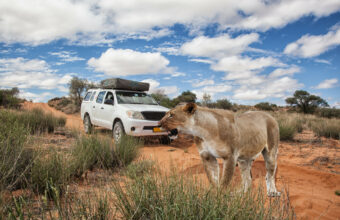
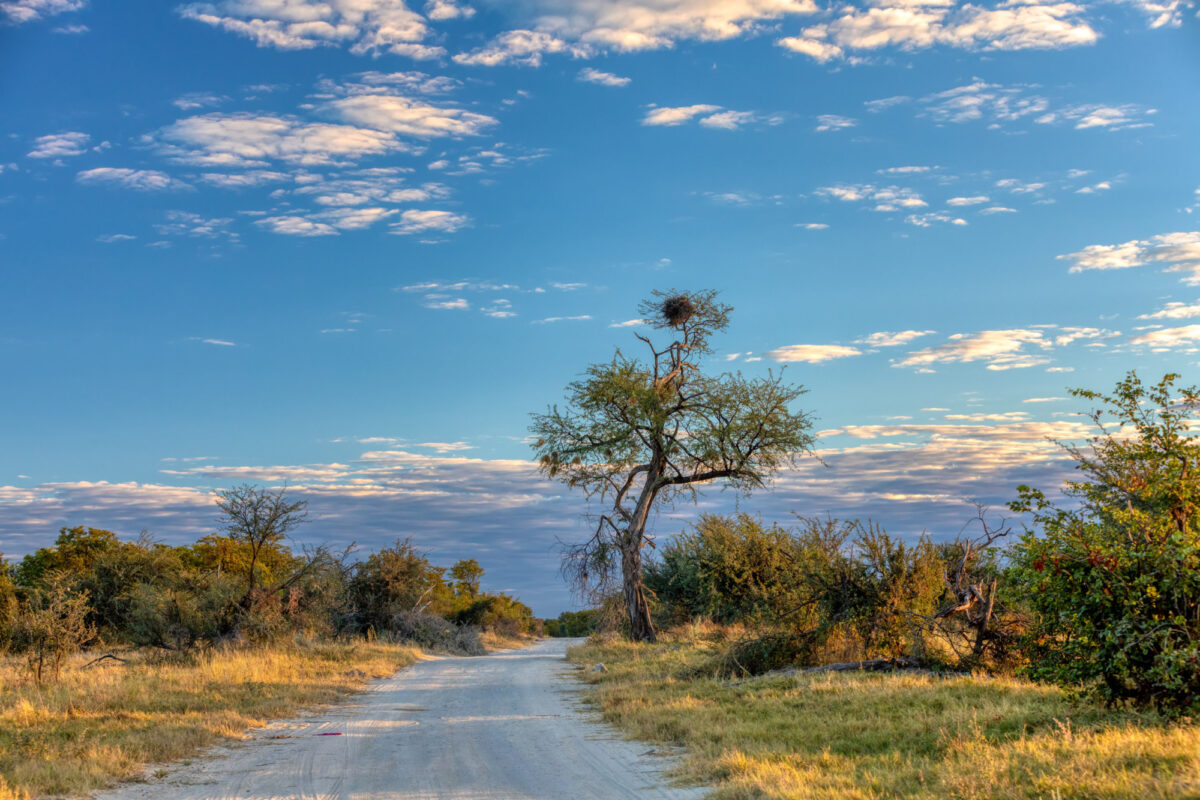
My favourite way of travelling around Botswana is on a low cost self-drive, and it makes the country surprisingly affordable.
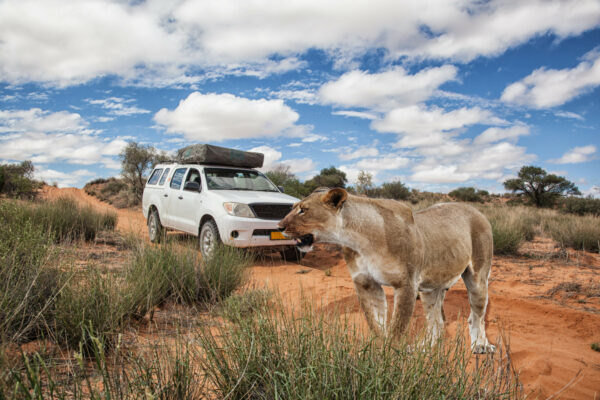
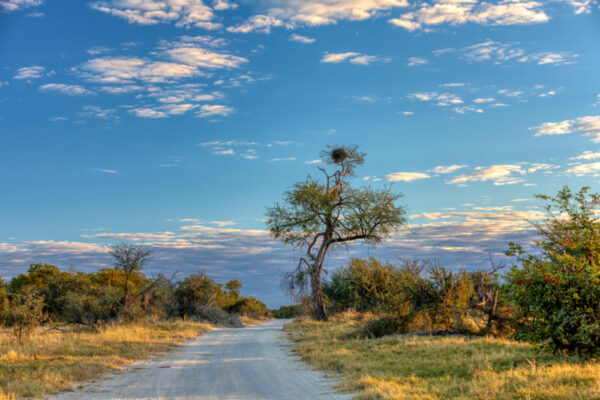
You can fly into Maun or Kasane (or even Johannesburg) and pick up a 4WD, which will usually have a rooftop tent or other camping equipment. You’ll then drive yourself from one location to the next.
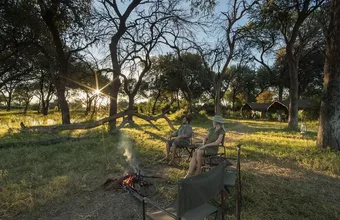
Much as the Botswana government prefers not to publicise the fact, it has a fantastic network of campsites around the country. Some are privately run, others are run by the Botswana Department of Wildlife and National Parks (DWNP).
Standard camping fees are USD $50/25 per adult/child. You can book directly through the park authorities or the private operators of the campsites, but you're better off booking through an agent.
Renting a 4WD camper can seem expensive, but a two-week self-drive safari could end up costing the same for two people as one day on a fly-in, fly-out safari.
However, a word of caution: although road conditions in Botswana are significantly better than elsewhere in Southern Africa, this is still no walk in the park. Driving a 4X4 into the bush requires plenty of competence, as does handling wildlife encounters. Most people on self-drive are experienced off-roaders, usually visitors from South Africa. You’ll need to take obvious precautions such as driving during the day time and ensuring you’ve got sufficient supplies for long journeys.
Where the real savings are
My company specialises in affordable Botswana safaris. You might assume the costs are fixed, but when you know how the system works there are plenty of ways to save.
Camp type
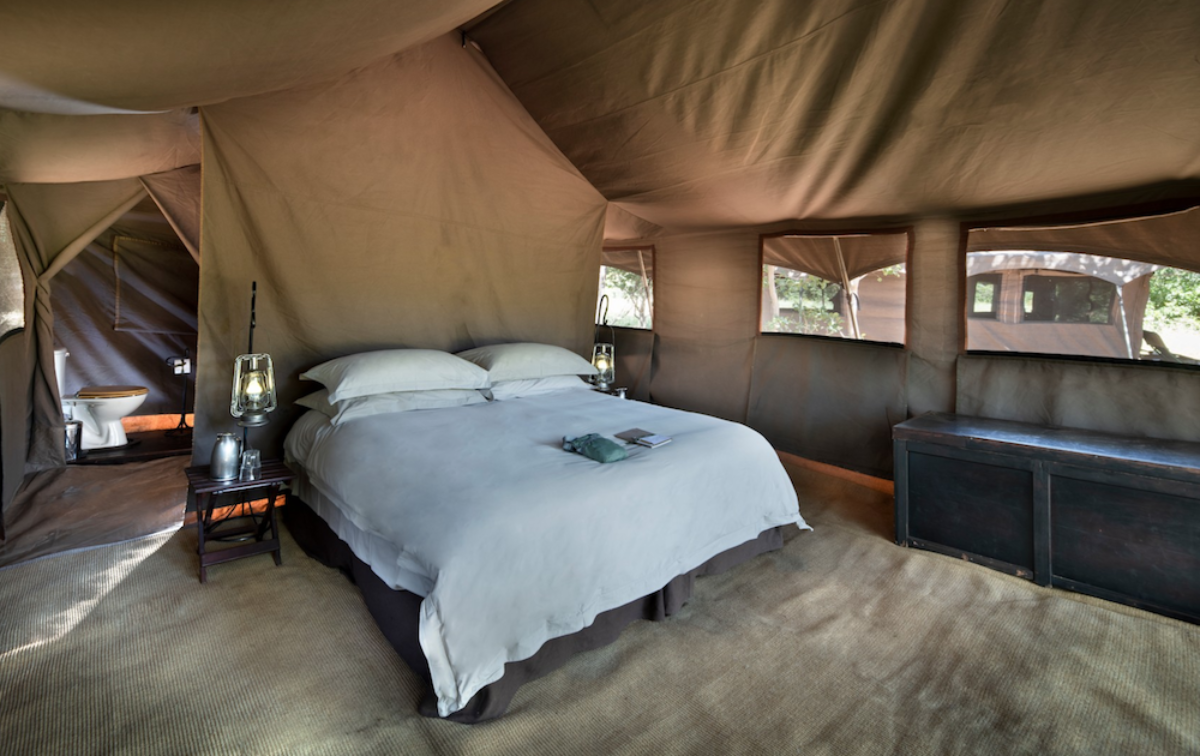
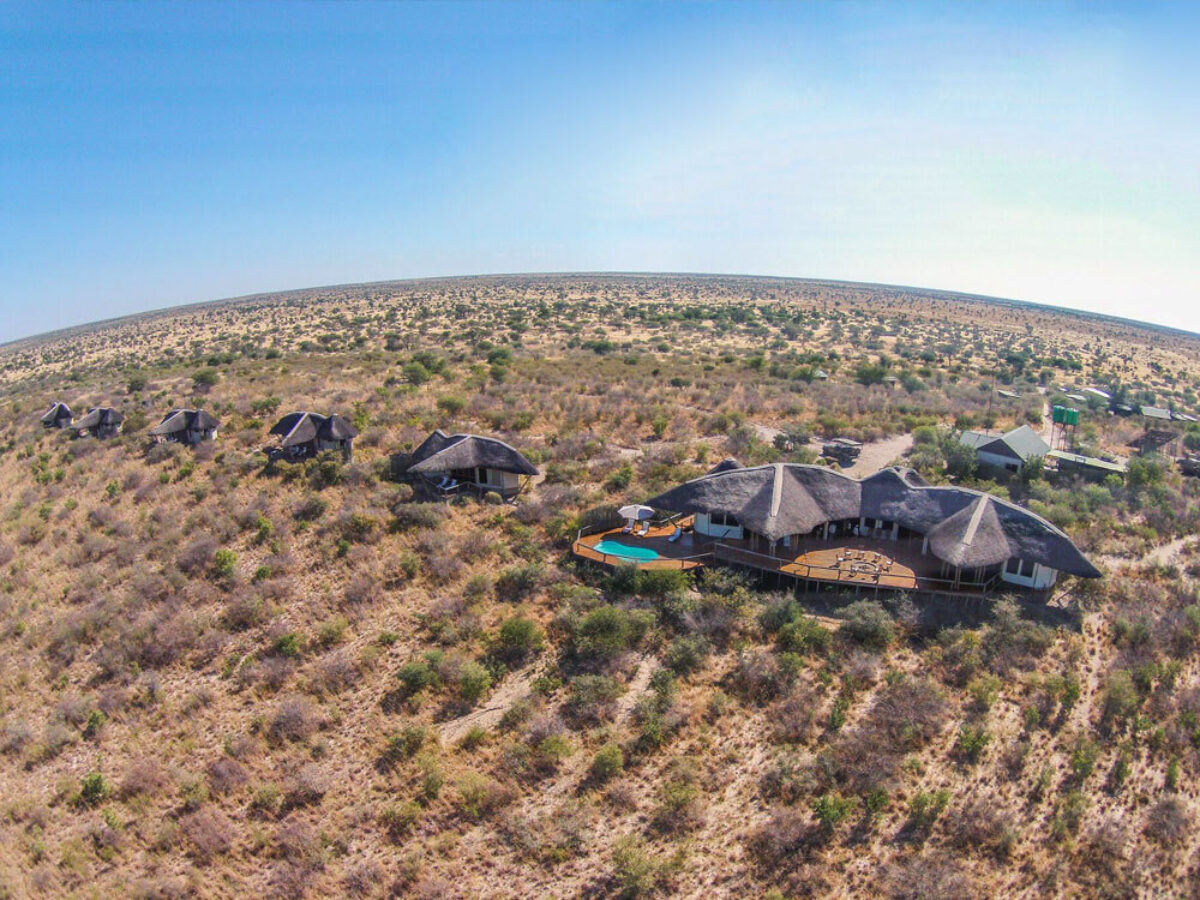
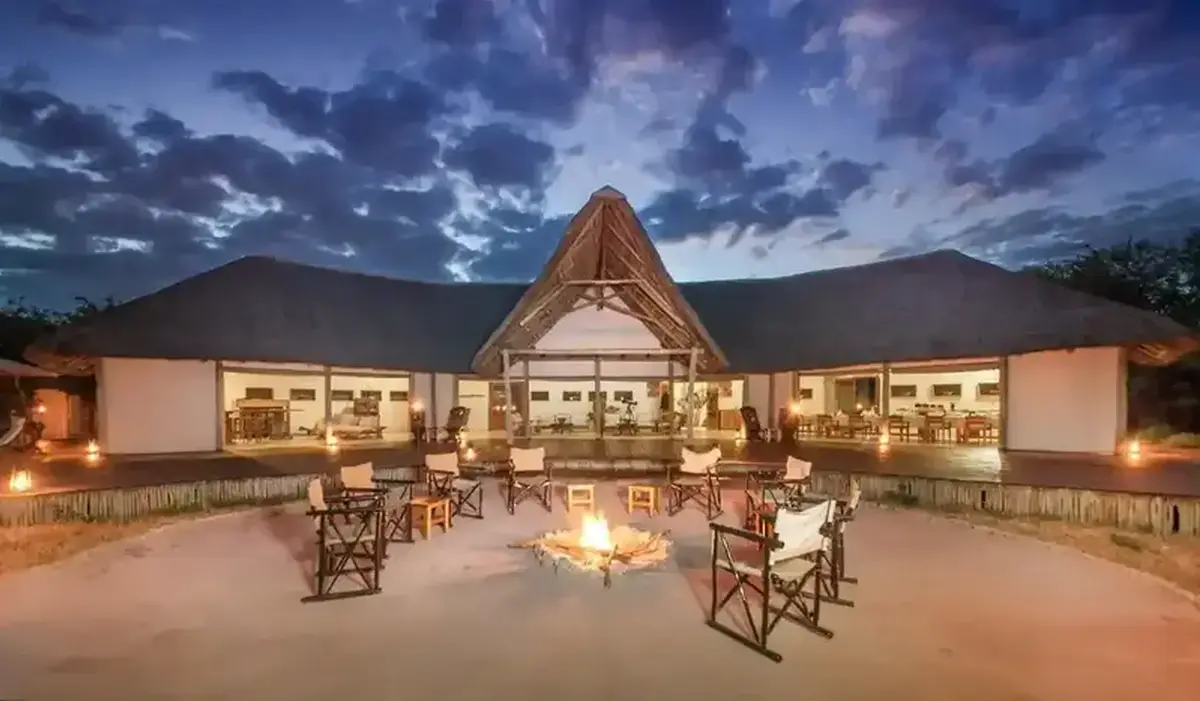
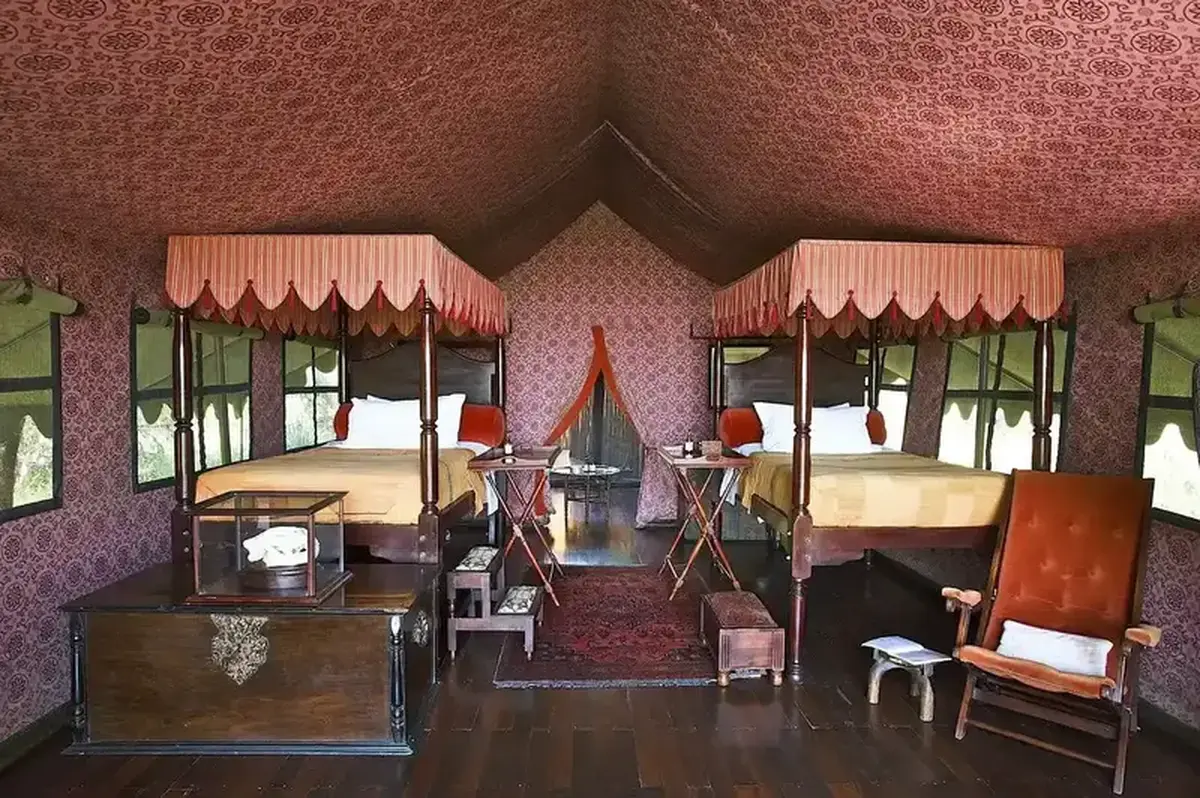
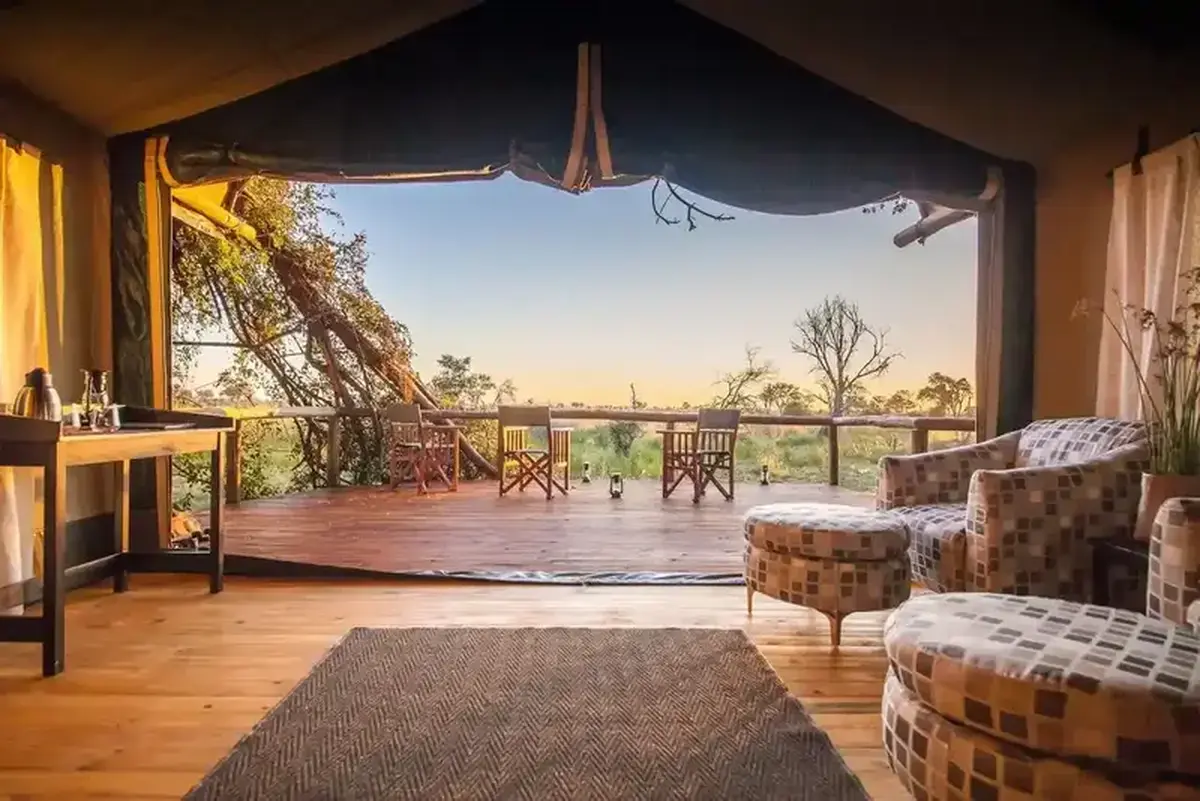
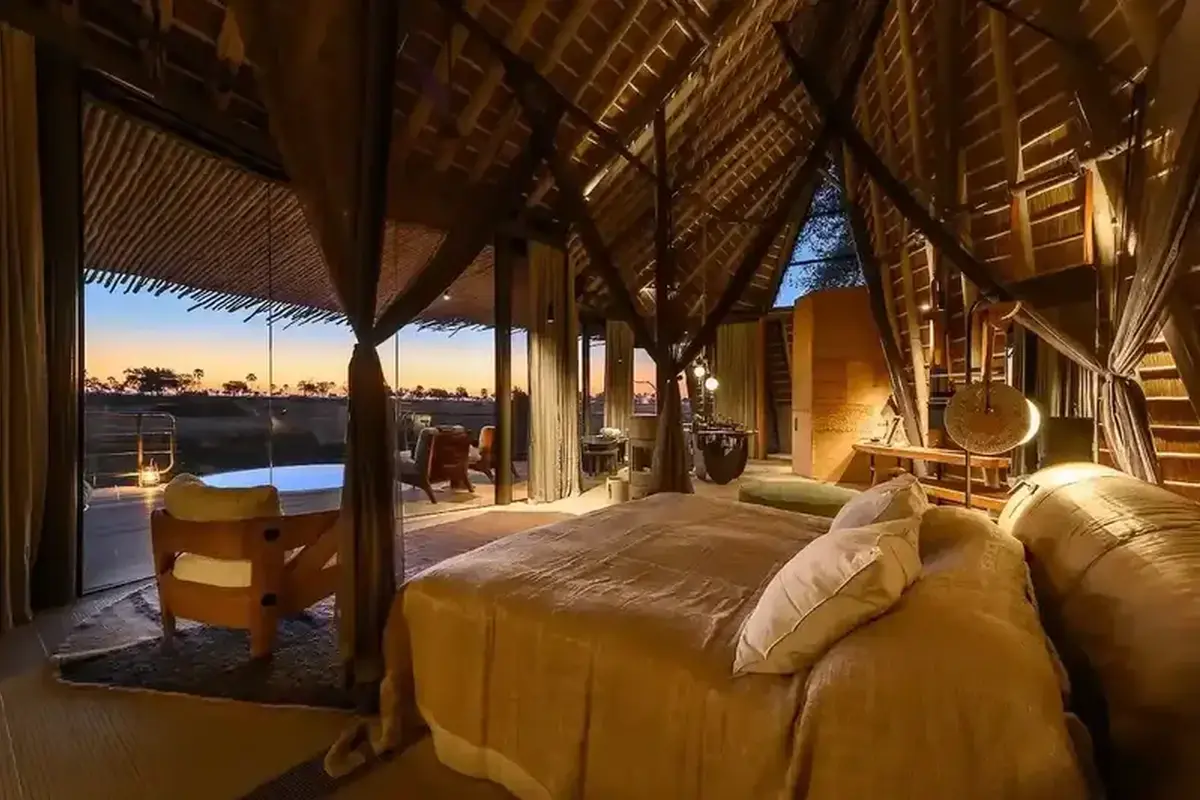
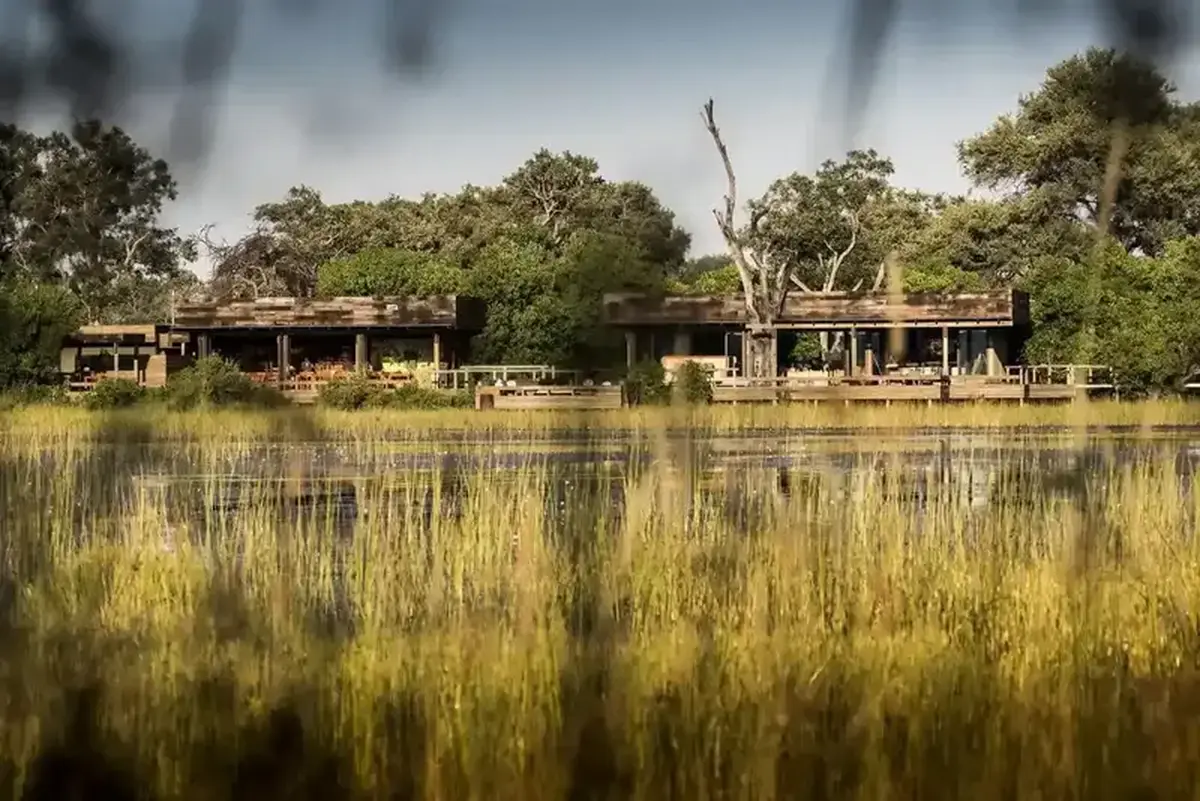
Luxury fly-in camps charge for exclusivity, private vehicles and five-star comfort. The wildlife is the same, but you pay heavily for privacy and convenience. Budget lodges and mobile camping safaris take you into great areas for a fraction of the price.
Flights vs road transfers
Light-aircraft flights between lodges are quick but expensive. You can save a lot by travelling overland or using scheduled seat-rate flights. On mobile trips we plan the route so guests have a full day in the field while the crew moves camp: maybe a morning on the boat in Moremi, then a game drive through Khwai, arriving at a new camp already set up.
Group size
Look for small group mobile safaris – you’ll join up with other like-minded travellers and share the adventure with them. Group sizes are still small, usually up to eight people, but the cost per person drops fast.
Route planning
Scattered itineraries waste money on fuel and transit time. Keep your route tight – for example Moremi, Khwai, Savute, Chobe – and you’ll see more for less. Even on fly-in trips, ask your agent to sequence camps logically so you’re not paying for long charter hops.
Seasonal timing
High season (June to September) carries premium rates. The green and shoulder months are cheaper and can be spectacular. For birding, November to March is unbeatable, and many lodges run stay-three-pay-two specials or drop single supplements, which makes a big difference for solo travellers.
Choose your agent carefully
Big foreign agents often only offer the high-end lodges. They either don’t know the affordable options or don’t want the extra work for lower commission. The smaller, locally owned operators rarely have marketing budgets to appear at international travel shows, so you won’t find them on the usual lists. Work with someone based here who understands the camps, the routes and the current conditions. That’s where the real value is.
The best times for safari in Botswana
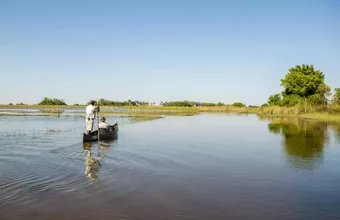
My favourite time to visit Botswana is during the dry season, June to September. During this time, most 4WD tracks are open, water levels in the Delta are ideal for mokoro trips and wildlife watching.
This period also corresponds with the high tourism season (which usually starts in June or July), so it’s also the busiest (and most expensive) time of year. During these months, it can also get extremely cold overnight and early morning throughout much of the Kalahari.
May or October can be a good compromise, although there’s a risk that the rains could linger or arrive early.
Access to the Delta may be limited, but the best months for birding are from November to March or April, when hundreds of migratory species arrive from Europe and North Africa.
Getting there & around
Although Gaborone is the capital of Botswana, the overwhelming majority of safari visitors to Botswana fly into Maun, in the country’s north-west. Maun is right alongside the Okavango Delta and not far from the Kalahari, and it has lots of safari companies, hotels, camps and restaurants and places to stock up on supplies making it the ideal gateway town.
Those heading to Chobe National Park may fly into Kasane, in the north-east. Kasane receives fewer international flights than Maun, but its proximity to Victoria Falls (84 km away by road, across the border in Zimbabwe) makes it well worth considering.
How a Botswana safari works
The mainstream safari industry likes to follow the classic formula of the fly-in lodge circuit: you’ll visit two or three lodges, with organised flights from place to place, all services included in a nice simple (and profitable) package. It’s easy to sell and even easier to mark up.
But that version of a safari isn’t the only one. Botswana, in particular, offers a broader spectrum of ways to travel: from fully independent road trips to the standard safari package. The big players have little interest in marketing the alternatives, so here’s the full picture they don’t show you.
Self-drive safaris
For the independent traveller. Rent a kitted-out 4x4, plan your route through the parks, and camp under a sky full of stars. It’s adventurous and flexible, giving you total control of your time and budget. You’ll need to handle logistics and permits yourself (or through a Maun agent), but the payoff is real freedom and some of the wildest campsites in Africa.
Small group mobile safaris
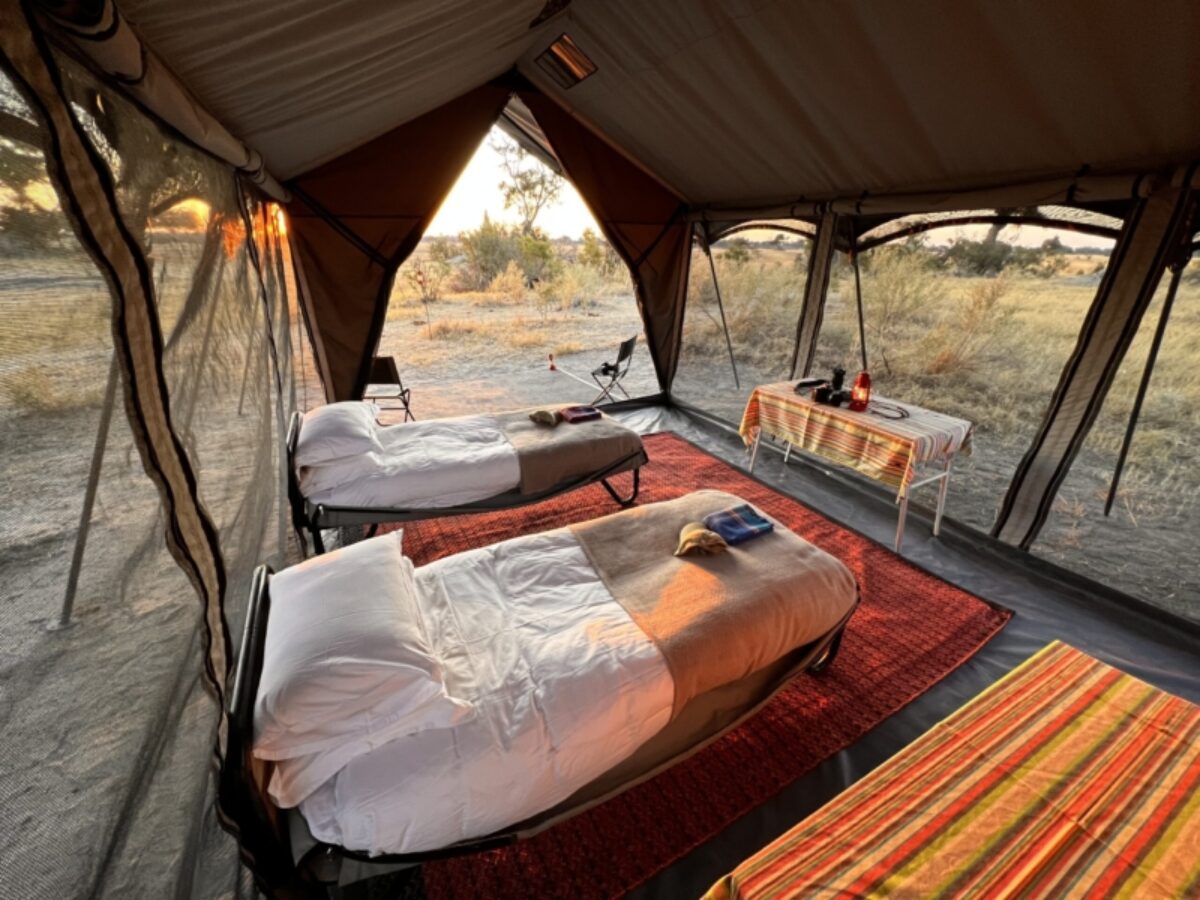
If you’d rather hand over the driving, you can go for a small group overland or mobile camping trip. These range from adventure camping (you pitch in with tents and gear) to serviced camping or lodge-to-lodge road circuits, where everything’s handled for you. Groups are small, the same guide stays with you throughout, and you travel slowly between regions. It’s a fair balance of comfort, value, and connection to the landscape.
Fly-in lodge circuits
The classic Delta experience. Small aircraft link a handful of high-end camps across vast private concessions. You’ll spend less time travelling and more time on game drives, mokoro trips, or walks with expert guides. Costs are high, but so is the access: exclusive areas, exceptional guiding, and near-total solitude.
Specialist expeditions
For travellers who’ve done the classic routes or want to go deeper. These are small, expert-led trips that trade comfort for perspective and give you a very different view of Botswana.
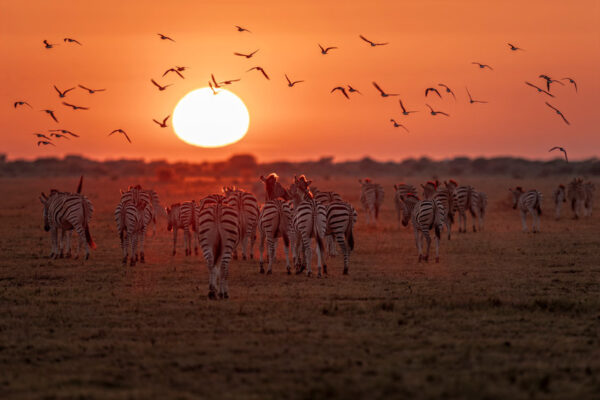
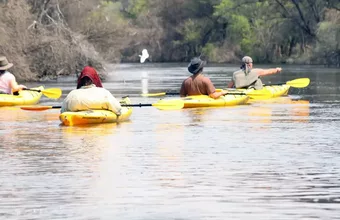
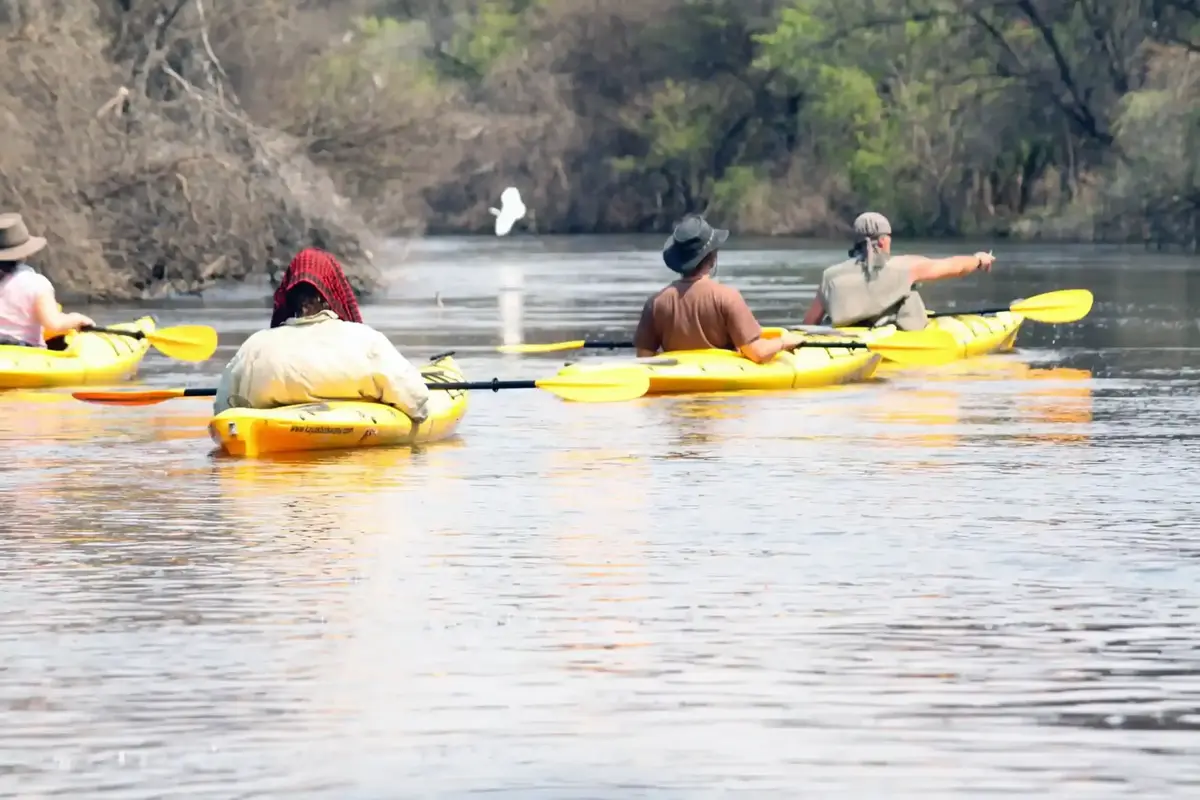
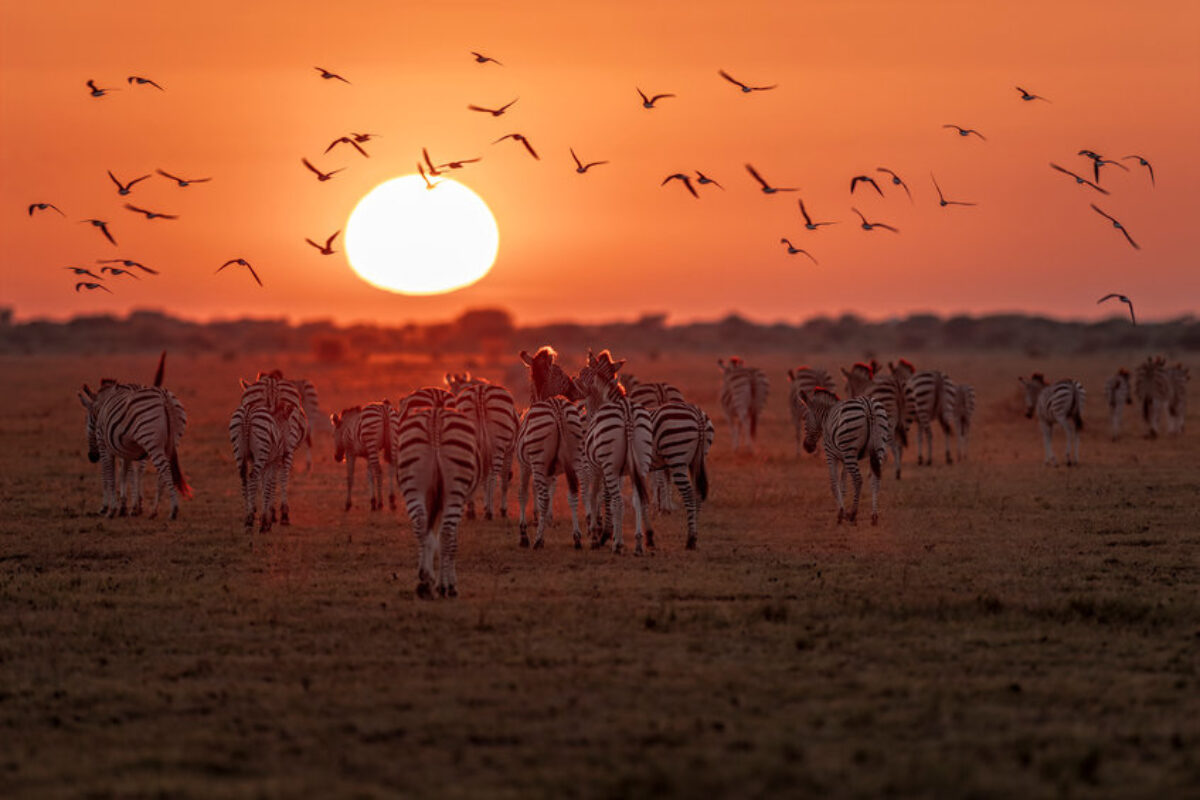
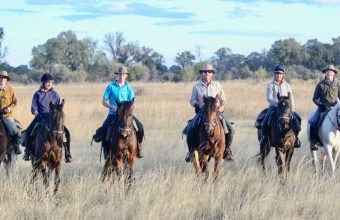
You might join a multi-day kayaking expedition in the Okavango, paddling from camp to camp. Or a horseback safari riding alongside zebra in the Makgadikgadi or the Delta.
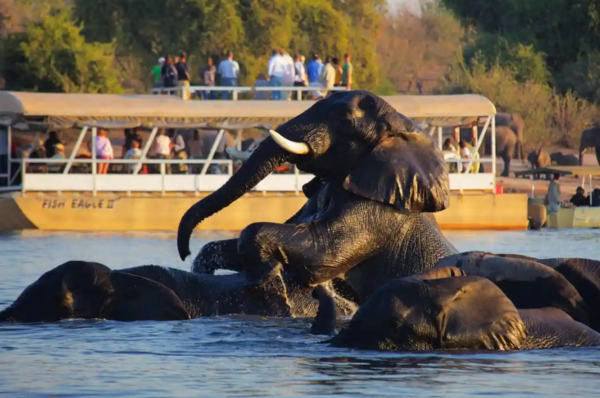
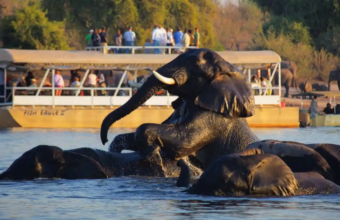
Photographers can join specialist photographic safaris with pro guides, custom vehicles, and itineraries built around light and positioning. And for something atmospheric rather than active, there are pan sleep-outs on the Makgadikgadi’s salt flats or houseboat safaris on the Chobe River.
These are the experiences you won’t often find with the big generic operators, but book with local specialists and a world of new options opens up.
Question
We only have five days and a limited budget – where would you recommend for a varied but good value safari?
Answer
If you only have five days and a limited budget, it’s a toss-up between visiting Chobe or visiting the Okavango Delta. Chobe will be cheaper, but you’re going to be getting a far more rounded experience in the Delta.
I would suggest the Delta as the better option, and if you hit the right time of year, the pricing can be favourable.
If you have only five days, I would suggest visiting two separate camps in the Okavango. You’ll need to pay for an extra flight, but it’s a good idea to spread a wider net as we never really know where the game viewing is going to be best.
Another option for a five-day trip would be to spend three nights in Chobe, followed by two nights in the Okavango Delta (or vice versa). I recommend the extra night in Chobe rather than the Delta as this gives you a whole day to explore Victoria Falls. For this option you would need to fly from Kasane to an Okavango Camp, and fly from that camp out to Maun for a connection home.
Question
Do you get lower rates during low season and is the experience any worse?
Answer
Travelling outside of high season is far cheaper and I think is actually a much nicer time of year to visit.
December to March is the low season – often called the Green Season because of regional rains (that bring the heat down), and April to June is mid-season which is also beautiful.
Don’t necessarily believe what you may read about better game viewing in the high season. Game viewing is great in Botswana year-round.