




Safari in the Okavango Delta
An expert guide to the best safaris in the Okavango Delta


Seen from above, the Okavango appears like a claw, a vast body of water fanning out across, and clutching at, the Kalahari in a vain search for the sea.
Every year, rain that fell months ago in the Angolan Highlands filters down through the narrow Okavango Panhandle, then spreads out across the world’s largest inland delta. With each cycle, the Delta is a world made new, and the ratio of water to dry land changes. At its greatest extent, the Delta covers 18,000 square kilometres and is made up of a patchwork of community and private concessions, as well as the Moremi Game Reserve.
This is a world without fences and, because of the water levels, human settlements are mostly restricted to the Delta’s perimeter, leaving the rest to wildlife.
Best safaris in the Okavango Delta
Top picks and hidden gems




featured okavango safaris
 Okavango Delta
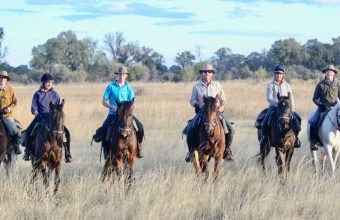
Okavango Delta horse riding safari
Discover Botswana's amazing wildlife
8 days From £5,199 ppfeatured okavango safaris
Okavango Delta horse riding safari
Discover Botswana's amazing wildlife
8 daysFrom £5,199Safari in the Okavango Delta: Need to know
Everything you need to know before you book
When to visit the Okavango Delta
You can visit pretty much year-round. The generally accepted best time for safari in the Okavango Delta is during dry season, June to September. During this time, most 4WD tracks are open, water levels in the Delta are ideal for mokoro trips and wildlife watching. This period also corresponds with the high tourism season (which usually starts in June or July), so it’s also the busiest (and most expensive) time of year.
Visiting the Okavango Delta during 'green season'

The rainy (“green”) season in Botswana – roughly December to March – is usually brushed off as the off-season: people assume it’s too hot and wet, with the wildlife too spread out and hard to see behind dense foliage. But I’ve always found this time of year to be unexpectedly brilliant.
Yes, it rains – but rarely for long. Most downpours last 20 minutes and bring a refreshing break from the heat. In terms of wildlife, some of my best sightings have happened during the green season. You’ll still see the usual predators (think lions, leopards, wild dogs, hyenas), but I’ve also had lucky encounters with aardvark, bat-eared foxes, and even pangolin, all while paying less than half the peak season rate. Kwando Safaris call it the “secret season,” and I think that’s spot on. Camps are quieter, landscapes are lush, and the value for money is hard to beat.
Game drives, mokoro trips, and walking safaris all still run – in fact, lower water levels often mean you can cover more ground by vehicle. The only real disruption I’ve seen was in early 2025, when heavy, prolonged rain led to temporary flooding in parts of the Delta, but that was a rare exception.
There are some great value camps for green season travel. I like 4 Rivers, Rra Dinare, and Okuti as solid mid-range options. If you’re looking for more high-end, I’d recommend you stay at Sandibe or Vumbura Plains. All offer strong green season deals and consistently good wildlife viewing.
It is warm, with highs in the 30s being the norm, but manageable, especially with the occasional afternoon storm to break the heat. Malaria remains something to be aware of, though cases in northern Botswana are now rare. Even after periods of heavy rain, there hasn’t been any noticeable spike. That said, it’s still worth taking sensible precautions like prophylactic meds and mosquito protection.
Beyond the Delta, the Central Kalahari and Makgadikgadi Pans can be particularly striking in December, with greener landscapes and a spike in wildlife activity. Chobe remains a worthwhile destination, although it tends not to offer the same green season savings.
Okavango Delta safari highlights
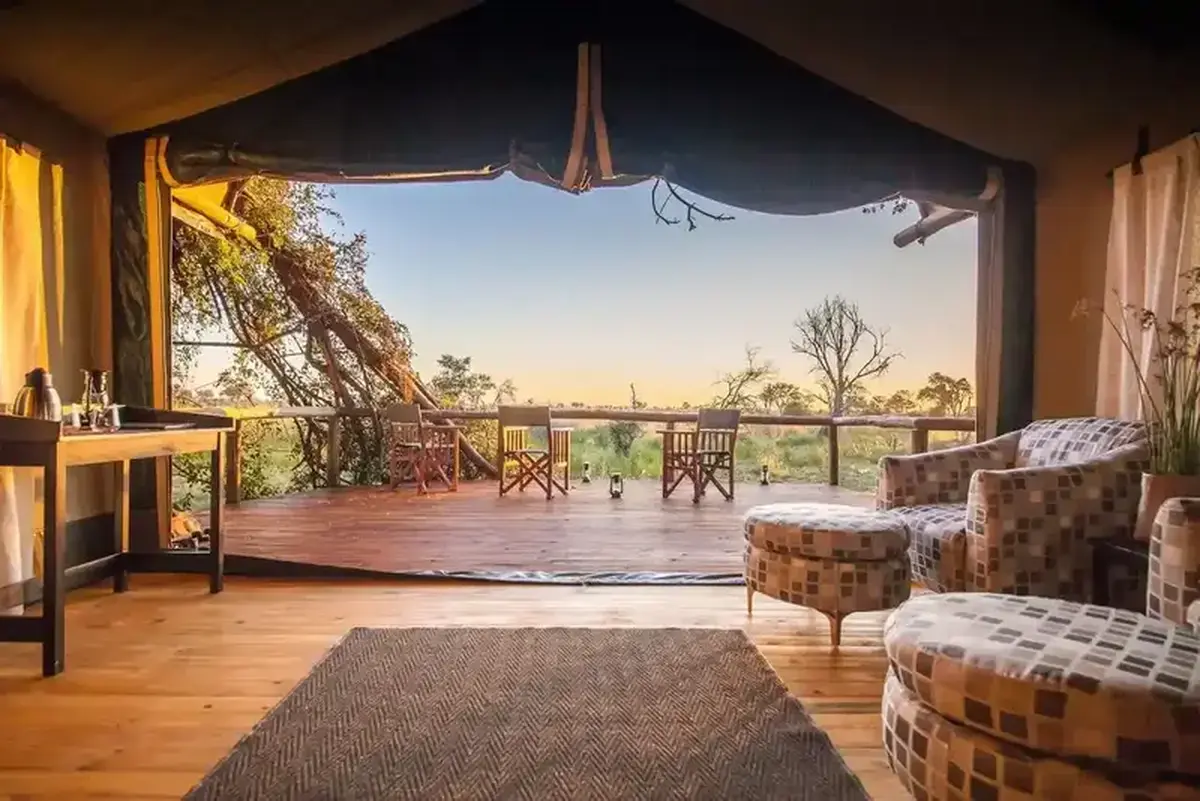
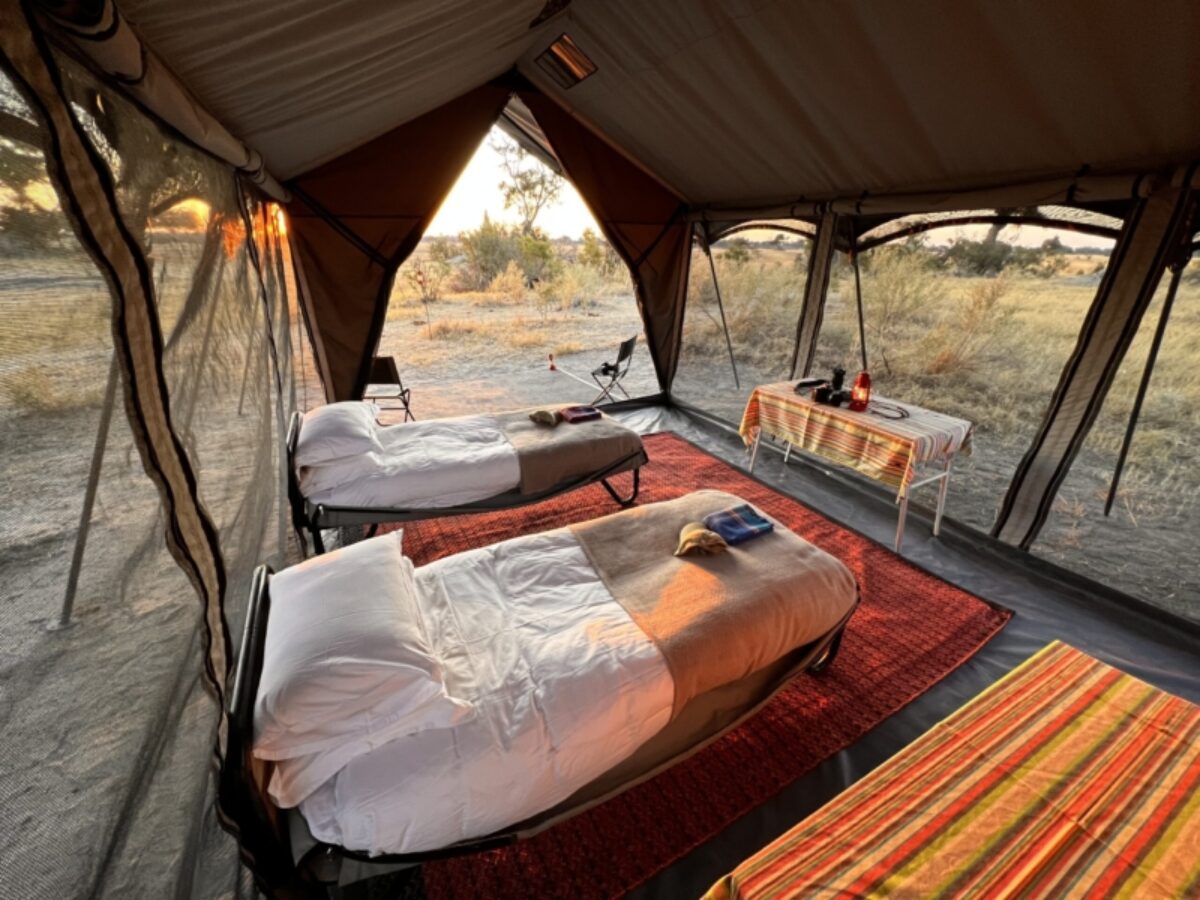
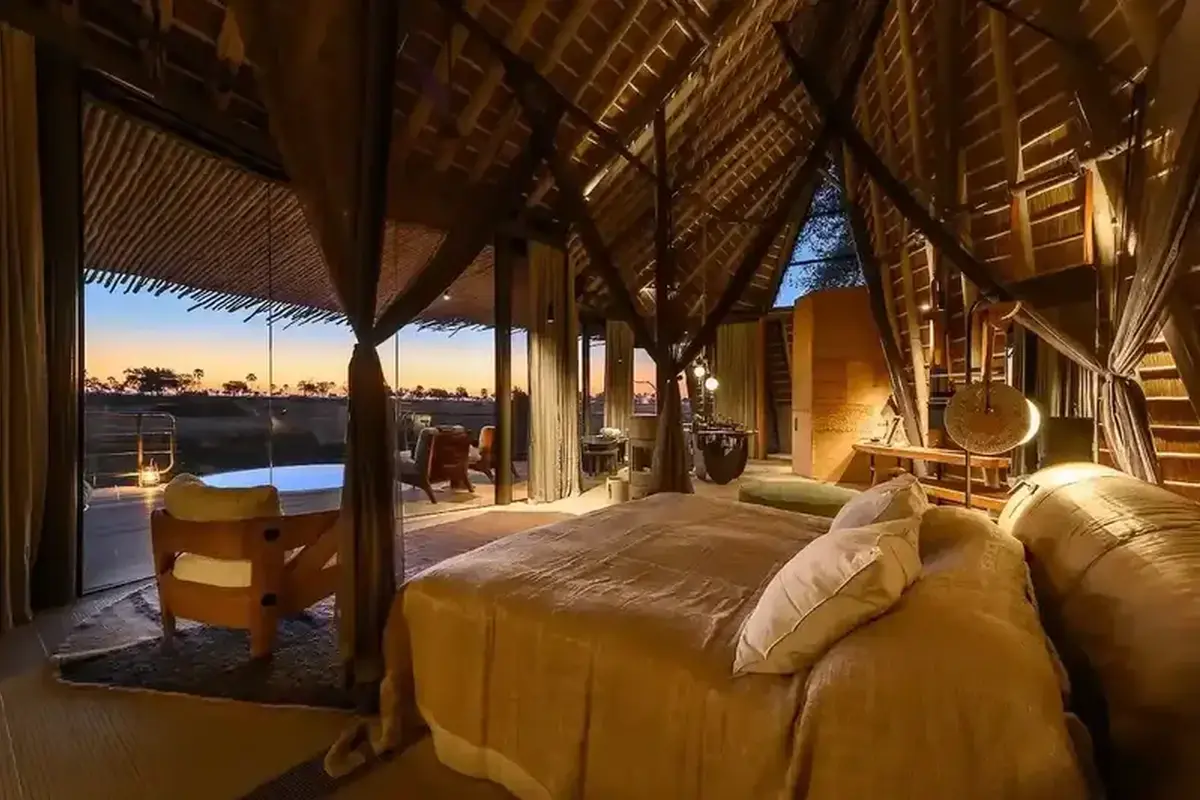
In the southern part of the Delta, including in Moremi Game Reserve and Khwai Community Concession, expect a mix of luxury tented camps and budget campsites catering mostly to those on self-drive safaris. The deeper you go into the Delta, the more the crowds thin, with entire concessions given over to the exclusive lodges and tented camps that are such a feature of a safari in Botswana. For most of the tourist season, many of these camps and lodges can only be reached by small plane. Out here, I’ve had the wildlife entirely to myself.
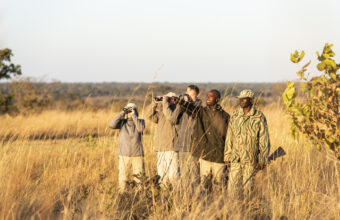
In most areas of the Okavango Delta – Moremi Game Reserve is an exception – night driving, off-road driving and walking safaris are permitted; most campsites are unfenced, making you truly a part of the African wild.
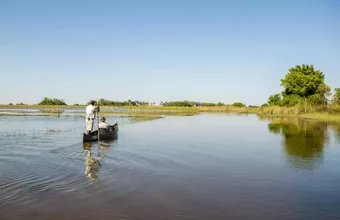
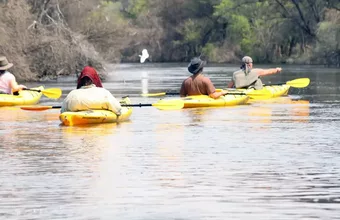
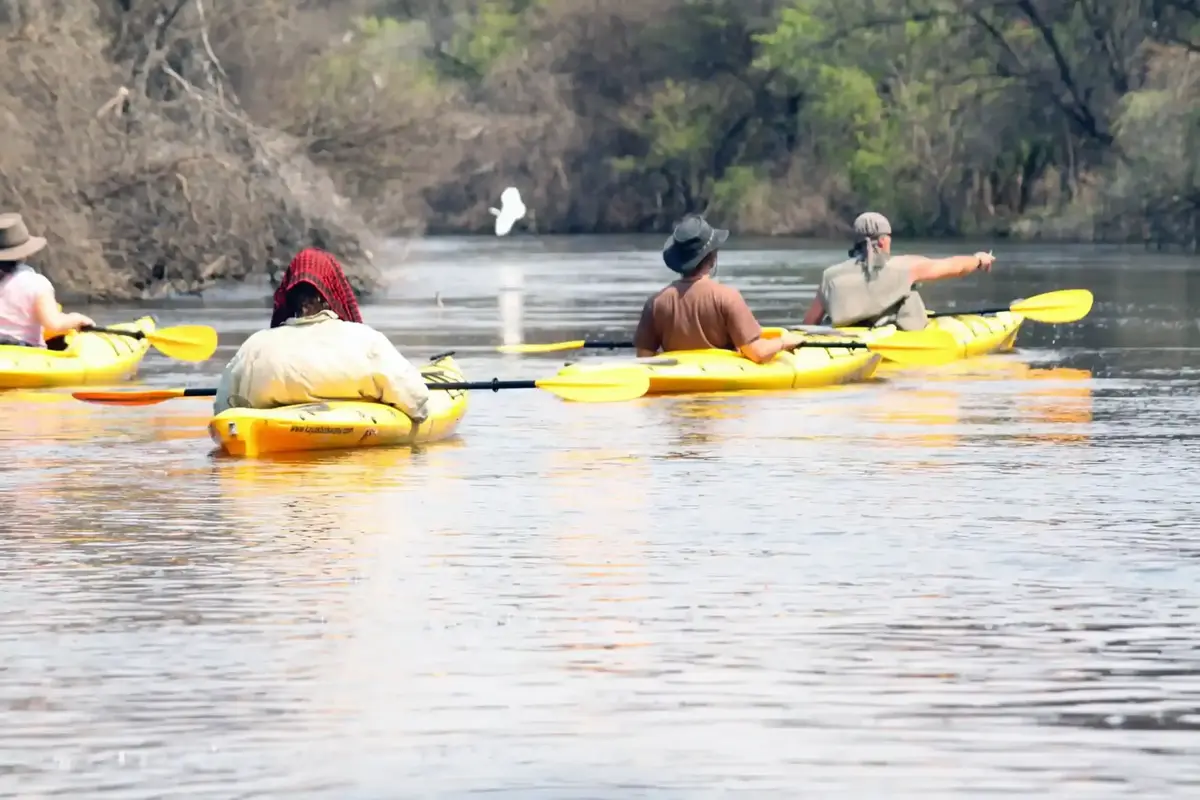
Another classic Delta activity is to take to the watery channels in a mokoro (traditional wooden dugout canoe). A scenic flight out over the Delta from Maun – either in a helicopter or a small, fixed-wing plane – is also a must.
Okavango Delta wildlife
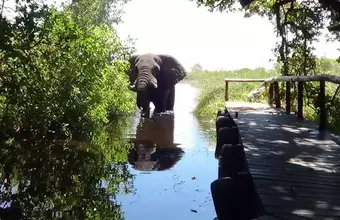
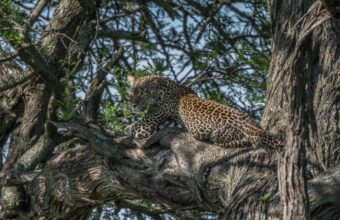
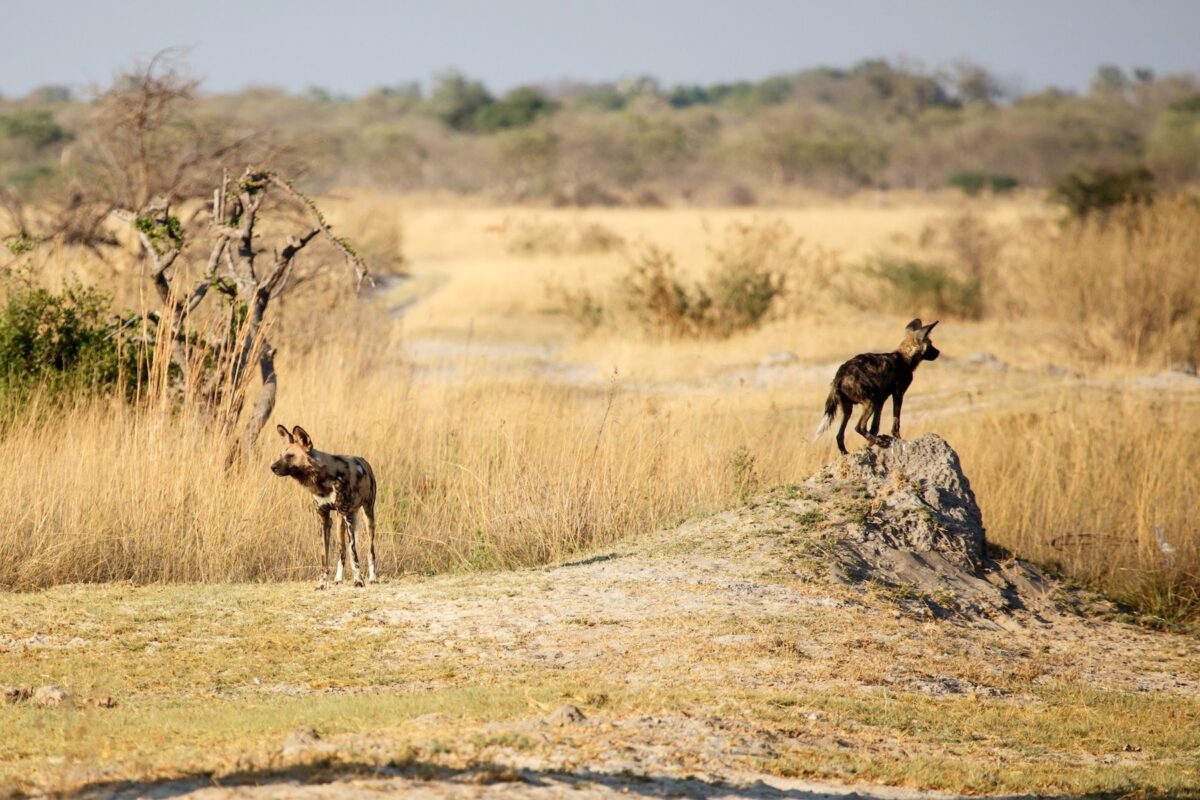
The Okavango Delta is one of the best places in southern Africa to see animals, including big cats and elephants. There are rhinos here, primarily in the Moremi Game Reserve, but they can be difficult to find. Other commonly seen species include giraffe, zebra, buffalo, crocodiles and hippos. Watch also for aquatic specials, such red lechwe, one of the Delta’s many antelope species and one that loves the water. And some of my best sightings of African wild dogs have been here in the Delta.
The birding in the Delta is amazing, with over 400 species recorded and possible. Although many of these are residents, from November to March there are also many migrants in the area to escape the European and North African winters.
Okavango Delta safari lodges & camps
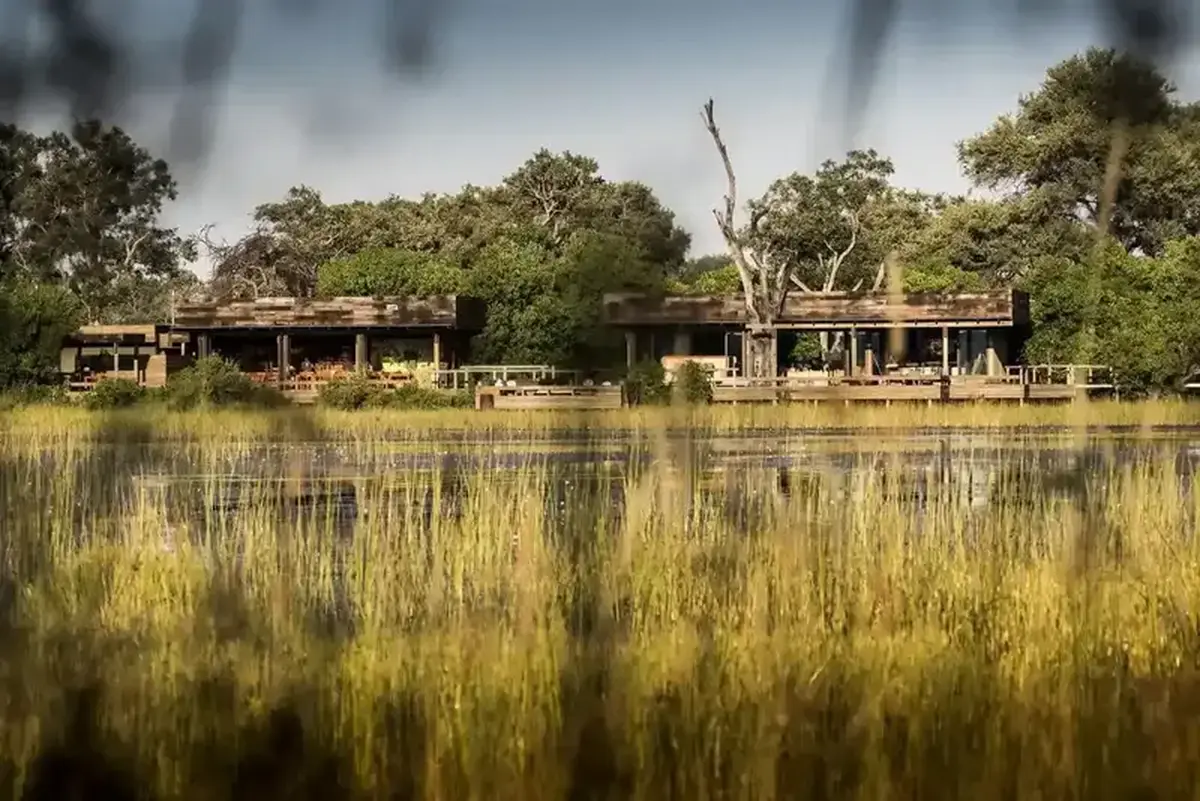
With almost 100 lodges and camps (the two terms are used interchangeably) in the Delta, you are spoilt for choice – almost all are of a high standard. Here are a few of note.
Delta Camp: specialising in walking and mokoro safaris (non-motorised activities only), this eco-conscious camp offers a back-to-nature experience without sacrificing creature comforts.
Shinde: a fantastic all-round mid-range option with some of the Delta’s most beautiful scenery combined with a well-earned reputation for wildlife.
Mombo: for predators galore, it is difficult to beat this legendary camp, which has deservedly earned its moniker as ‘the place of plenty’, although it does come with a hefty price-tag.