






The United Kingdom
Four nations, one shared history



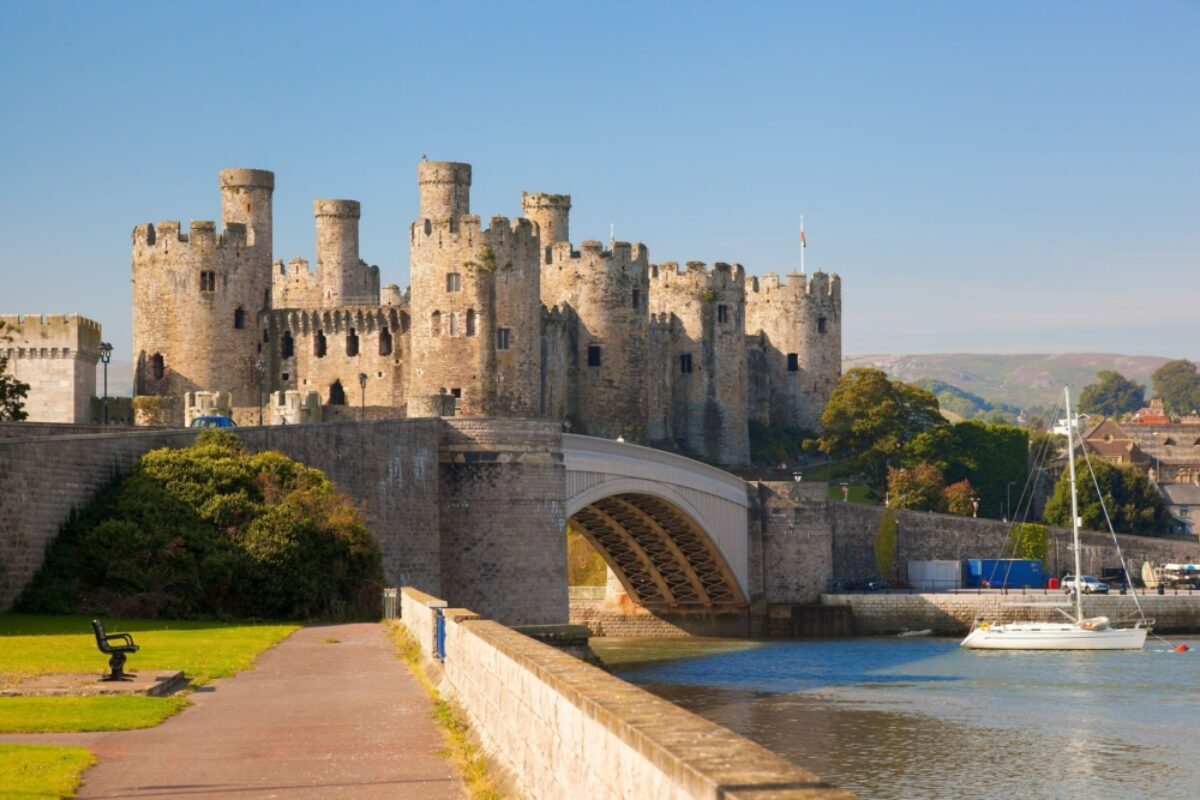
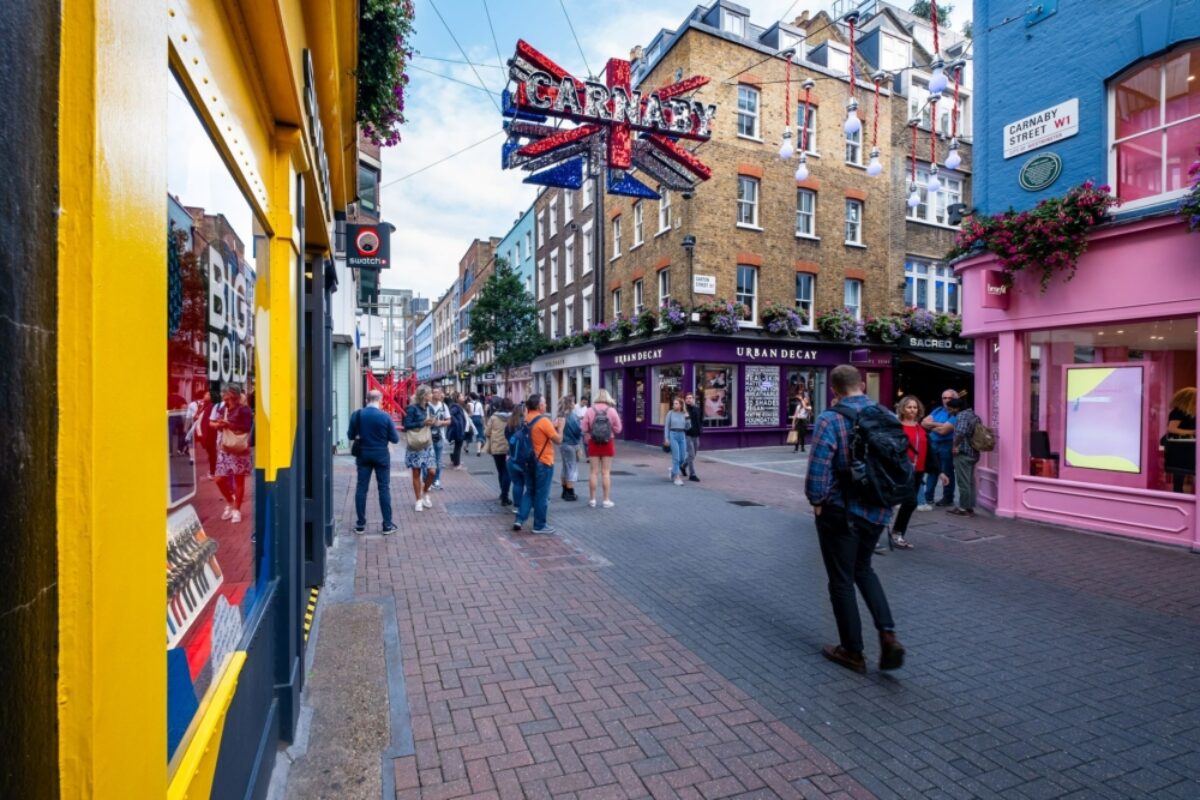
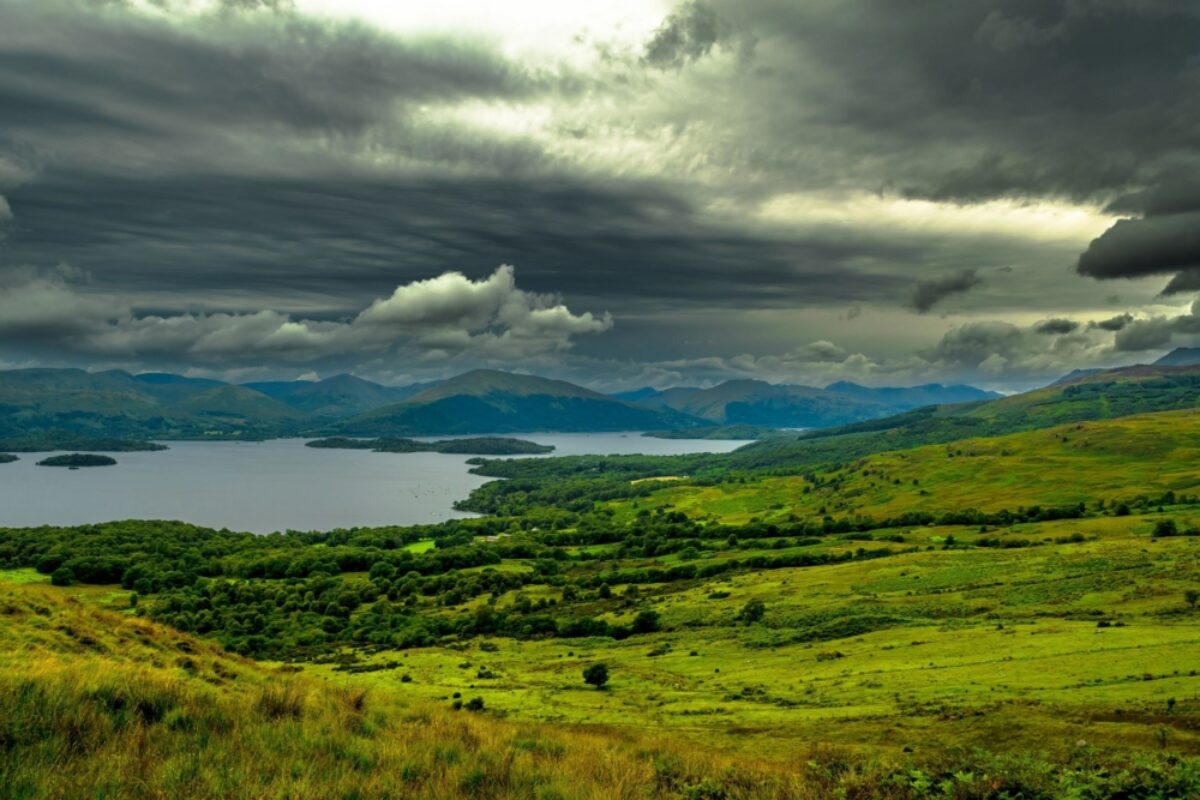
Where can you find four countries in one, each with its own defining characteristics, but with at least one big thing in common?
The United Kingdom is that rare beast. England, Scotland, Wales and Northern Ireland are the four separate entities: Four capital cities, four unique histories, four national football teams, four ways (at least) of looking at the world… all rolled into one haphazard, at times strained, but unquestionably fascinating union.
With its self-contradictory national myths, the UK can be hard to pin down for locals and visitors alike. Brits are oddly proud of their reputation for mind-your-own-business reserve, while simultaneously fond of tipsy banter with strangers in friendly pubs. They cultivate the so-called “stiff upper lip” and a supposed penchant for good manners, while roaring for their local football team with a rowdy, delirious tribalism. The UK has global, culture-defining cities among its fair share of small-town parochialism. It celebrates its history, monuments and Monarchic rituals alongside an ever more diverse and progressive urban society which borrows (admittedly, often without asking) from cultures in every corner of the world.
It’s an onion of a national identity. All the visitor can do is keep peeling back the layers to see what lies beneath.
Where to go? What to do? It’s all a matter of taste. You’ll find towns and cities with world beating museums, music and cultural festivals; Edinburgh, Hay, Glastonbury, among a panoply of others. You’ll find a country that’s working hard to shake off its reputation for stodgy cuisine (yes, really!) You’ll find castles, estates and ruins that are older than many countries all set in timeless, rolling (and occasionally dramatic) countryside that is tailor-made for walking and hiking trips.
From country pubs to the Notting Hill Carnival; Sunday afternoons on village greens to the world’s largest Diwali festival outside India. The ball’s in your court. With four countries in one calling you, and countless good reasons persuading you, all you have to do is…go.
Hidden gems in The United Kingdom
Wales
Eryri National Park and the Surrounding Coast

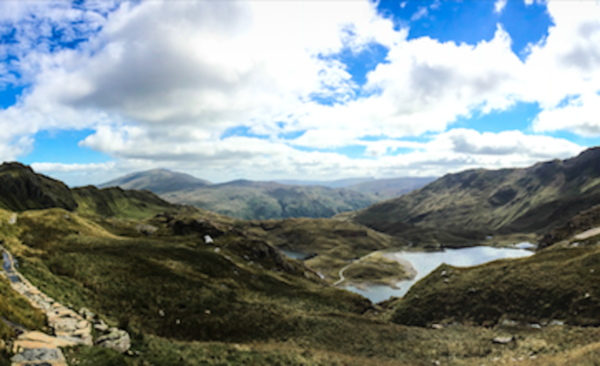
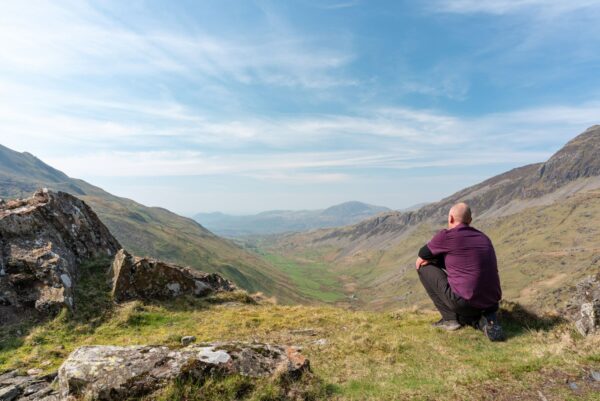
The southern boundary of Eryri National Park includes mountain passes, walking routes and historic villages that can be explored by car or on foot. Travelling towards Beddgelert involves passing through the Aberglaslyn Pass, a narrow gorge popular with walkers. Beddgelert is associated with the legend of Gelert and includes local eateries. From there, the road climbs towards Pen-y-Pass, a common starting point for the Miners’ Track and Pyg Track routes to the summit of Yr Wyddfa. For visitors who prefer not to climb, Llanberis provides access to the Snowdon Mountain Railway. The round trip takes approximately two and a half hours, including a 30-minute stop at the summit. In contrast to the mountain landscape, the coast offers beaches and castles. Borth-y-Gest and Morfa Bychan include Black Rock Sands, which can be driven onto. Criccieth Castle is located nearby, subject to tide and weather conditions, and Harlech Castle lies further along the coast. Together, these locations offer a combination of mountain scenery, coastal access and historic landmarks within a relatively compact area.
Read more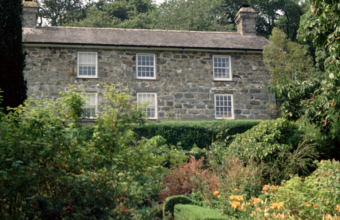
Wales
Plas yn Rhiw
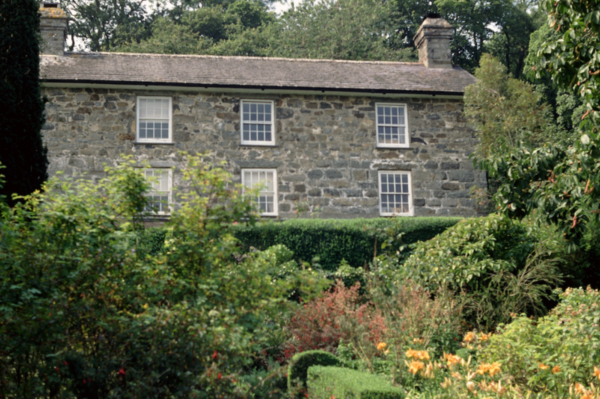
Plas yn Rhiw is a restored 17th-century manor house near Pwllheli. The restoration was undertaken by the Keating sisters, whose involvement forms an important part of the property’s modern history. The house is set within an ornamental garden and is surrounded by woodland, meadow and orchard, with views across the surrounding landscape. A tea room operates on site.Its scale and setting give it a more intimate character than larger country houses, and it appeals to visitors interested in domestic architecture and garden design.
Read more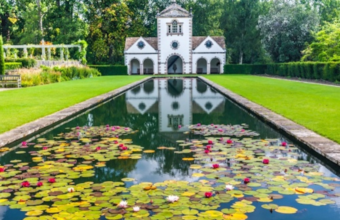
Wales
Plas Newydd House & Gardens
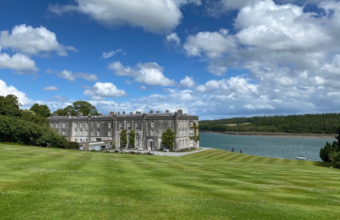
Plas Newydd is an 18th-century mansion on the island of Anglesey, combining classical and Gothic architectural styles. It was the seat of the Marquess of Anglesey and retains associations with the 1st Marquess, who lost his leg at the Battle of Waterloo, and the 5th Marquess. The house contains Rex Whistler’s 58-foot mural, one of its most distinctive interior features. The Grade I-listed gardens overlook the Menai Straits towards Snowdonia and are known for wildlife, including red squirrels. There is an Old Dairy café and shop within the grounds. The property suits visitors interested in aristocratic history, architecture and formal gardens in a coastal setting.
Read more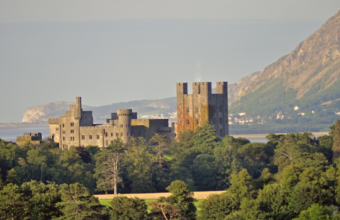
Wales
Penrhyn Castle
Penrhyn Castle is a 19th-century neo-Norman house in Bangor, built between 1820 and 1837. Its history is closely connected to the wealth generated by the slate and sugar industries, as well as to the longest-running industrial dispute in British history. The castle stands above the Menai Straits, with views towards the quarry and the port from which slate was exported. The estate includes wooded grounds, open parkland extending to around 60 acres, and a walled garden that predates the castle itself. Inside, visitors can explore the principal rooms and Victorian kitchens. A railway museum is also located within the grounds, along with a café and shop. For those interested in industrial heritage alongside architecture and landscape, the property offers insight into the economic and social forces that shaped North Wales in the 19th century.
Read more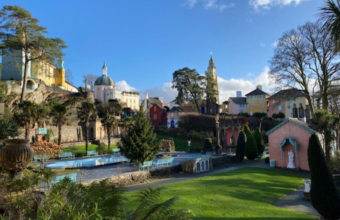
Wales
Portmeirion
Portmeirion is an Italianate village created by architect Sir Clough Williams-Ellis. He purchased the site in 1925 and continued developing it until 1973. The final structure, the Tollgate, was completed in his 93rd year. Williams-Ellis intended the village to demonstrate that development on a naturally beautiful site could enhance rather than damage it. His motto was “Cherish the past, adorn the present, construct for the future. Today, Portmeirion receives around 200,000 visitors annually. Its architectural style and coastal setting make it one of the most distinctive built environments in North Wales.
Read more
England
Walk the Golden Valley Pilgrim Way

Pilgrimages are booming in popularity, for those with faith and without. While you don’t need to be a Christian to walk Herefordshire’s Golden Valley Pilgrim Way, it does have the church at its heart. On this 60-mile (98km) circuit, you stay in a different one each night. At the end of each green-hilled hiking day, I placed my boots on centuries-old flagstones, dumped my rucksack onto time-smoothed pews, and hung my waterproof off the poppyheads at the end of choir stalls. I’ve been walking in the UK for years as a travel journalist and book author. And I can safely say this is one of the country's quirkiest long-distance walks, complete with a touch of the divine. The route Herefordshire gets overlooked. Lodged against Wales, merged into the Midlands, with no coast to define its edges, few walkers wander here. But it’s excellent hiking country, especially the Golden Valley, where the Black Mountains loom above a rural borderland, once fought over by the Welsh and English, now peaceful, serene. The Golden Valley Pilgrim Way is unusual for a pilgrimage. Most lead you somewhere; on this, you finish back where you started. But the idea, says the priest behind it, is that you return a little changed. Maybe, maybe not. But spending in pubs and farm shops, and paying into church coffers, certainly feels like a positive for the countryside economy. The start and finish is Hereford Cathedral, once a major pilgrimage site itself. Arrive early to look around – it’s home to the Mappa Mundi, the biggest surviving medieval world map. Walkers can stay in the cathedral’s 15th-century cloisters – the first cathedral in Britain to accommodate pilgrims since medieval times. The designated sleeping room is fairly plain. But following the choir into the main nave, and listening to them erupt into evensong, is spine-tingling stuff. From Hereford the route heads west towards Wales, a moderate loop around the Abbeydore Deanery – it isn’t waymarked but you can download GPX files. This is a landscape of apple orchards, woody vales, castle ruins, grazing sheep; of timelessness and stories. There’s the gnarled ancient oaks of Moccas Park, the gurgle of St Peter’s sacred spring, the views from ridge-top Arthur’s Stone, a Neolithic dolmen where King Arthur allegedly slayed a dragon. The route also visits many medieval churches, nine of which offer ‘night sanctuary’ for pilgrims. They are simultaneously basic and atmospheric, all soaring ceilings and tombstones. At Dorstone I slept behind the choir and was woken by sun streaming through the stained glass. The churches are also frequently next to excellent village pubs, like Dorstone’s low-beamed Pandy Inn. Best was Cloddock, where the Cornewall Arms is more like your gran’s front room, where locals gather to drink, eat crisps and play table skittles. Need to know Hereford has a train station, with direct services from cities such as Cardiff (1hr), London (3hrs) and Birmingham (85mins). The trail must be booked via Abbeydore Deanery (abbeydoredeanery.org/gvpw). You’ll be sent a pilgrim passport to stamp en route. A donation of £20pp per night is requested. You have exclusive access to the church; if someone else wants to stay the same night, you’ll be asked if you’re happy to share. It’s OK to say no. At the night sanctuaries you get access to a sink and toilet (which might be outside) but no shower. Kitchen facilities range from full set-up to just a kettle. Simple camp beds are provided – they’re not especially comfy. Bring a warm sleeping bag and pillow; consider a sleeping mat for extra padding. At Kingstone there were pieces of carpet on the pews, which I borrowed, for extra insulation. At Dorstone bigger camp beds came with mattresses, blankets and hot water bottles – luxury indeed! The route is open year-round – visitor books evidenced pilgrims who’d walked over Christmas. Be aware the churches are chilly, even in summer. Also, this is farming country, prone to muddiness. I walked in March, after an especially wet winter – it was a quagmire. The pay-offs were newborn lambs, daffodils and no other tourists.
Read more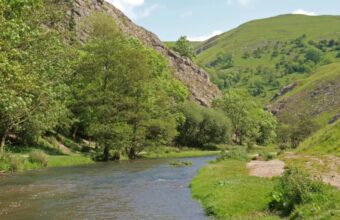
England
Limestone Way
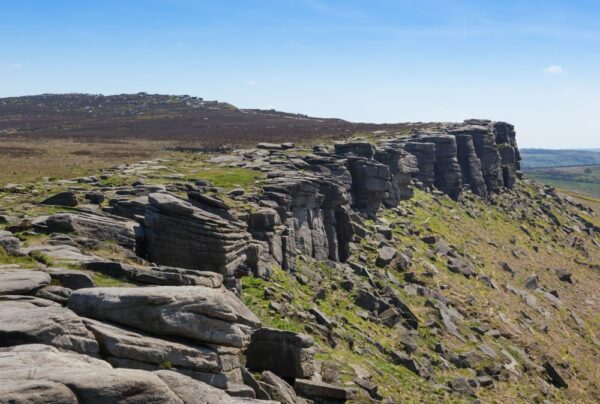
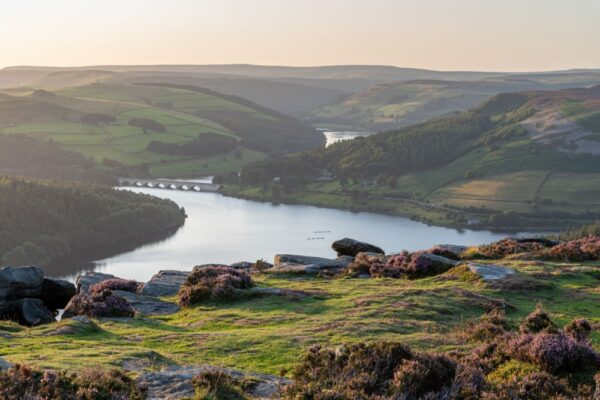
The southern half of the Peak District, called the white peak for its limestone geology, is the gentler and more 'traditionally' picturesque stretch of the national park. You'll find no brooding crags and desolate moors here, it's more about gentle dales, meandering brooks and quant – sometimes twee – villages. That's not to say the scenery isn't impressive; around Monyash and Lathkill Dale it's often breathtaking. The Limestone Way weaves through the white peak, skirting historical Illam, crossing famous (and busy) Dovedale, before meandering north towards Matlock and, eventually, Castleton on the border of the much sterner dark peak. Broken up into eight casually-paced days this is a gloriously gentle walk through some of the most easy-going but immensely rewarding countryside in the UK.
Read more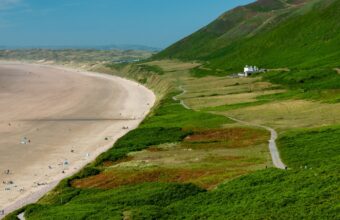
Wales
Gower Coast Path
This section of the Wales Coast Path packs a spectacular series of coastal landscapes into a short and, apart from a couple of steep cliffs, mostly easy walk. The route passes some of Britain’s best beaches, swaying marshes, caves, castles and churches. Landscape highlights include Worm’s Head and Three Cliffs Bay. It’s impossible to get lost and walkers find plenty of accommodation and luggage transfers available.
Read more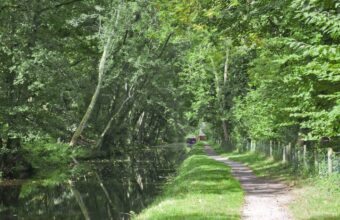
Wales
Monmouthshire & Brecon Canal
One of the UK’s quietest, least known canals isn’t even connected to the rest of the network but offers a leafy, flat, easy walking adventure through the Usk Valley. Historic towns like Crickhowell and Abergavenny provide en-route facilities while walking highlights will include an aqueduct, tunnel, locks, lifting bridges… and fine Brecon Beacons views.
Read more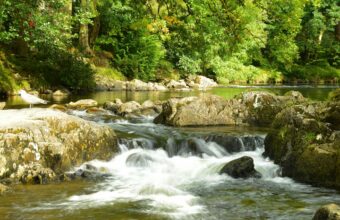
Wales
Betws-y-Coed

Snowdonia’s answer to Ambleside is another outdoor centre nestling among trees amid an inspiring mountainous landscape. The picturesque riverside town is a tourist honeypot but walkers can avoid day-tripper crowds by setting off on a wide choice of routes in all directions, then return for quieter evenings among a wide choice of restaurants and accommodation. Highlights could be easy but impressive waterfall walks or tackling one of many routes up Snowdon.
Read more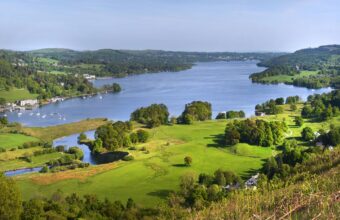
England
Ambleside
Basing a walking holiday in a popular Lake District centre like Ambleside means you have a vast choice of accommodation, outdoor shops and walking routes. It can be crowded and won’t feel like ‘getting away from it all’ but with all those resources on hand it can be perfect for beginners. Walkers can find paths ranging from tricky fell ascents to gentle hikes around lakes, right from their doorstep.
Read more-
Eryri National Park and the Surrounding Coast
View experience -
Plas yn Rhiw
View experience -
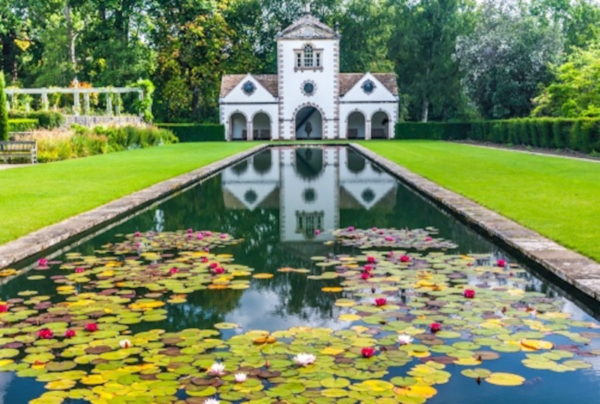
Bodnant Garden
View experience -
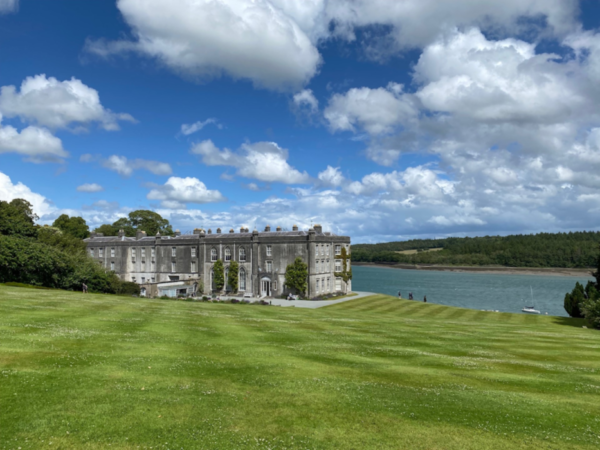
Plas Newydd House & Gardens
View experience -
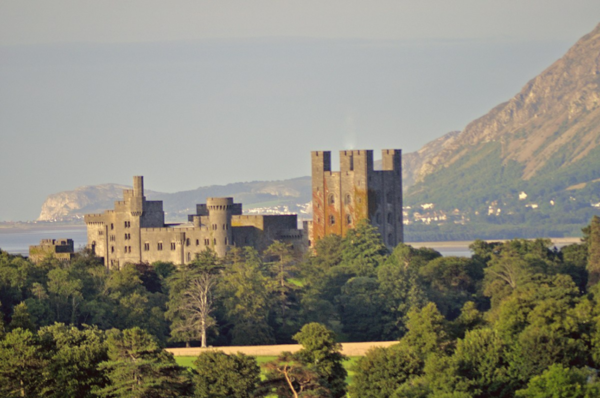
Penrhyn Castle
View experience -

-

Limestone Way
View experience -

Gower Coast Path
View experience -
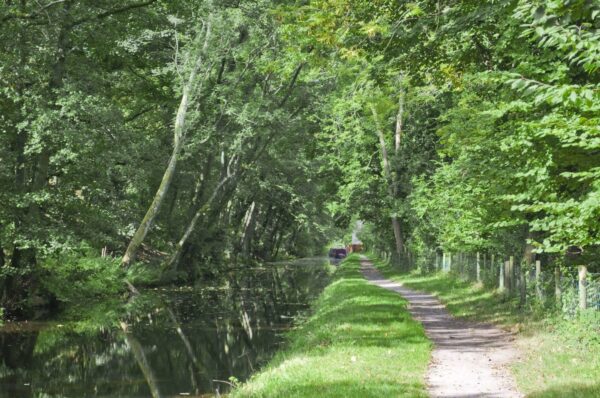
Monmouthshire & Brecon Canal
View experience -

Betws-y-Coed
View experience -

Ambleside
View experience -

Northumberland Coastpath
View experience -

Norfolk Coastpath
View experience -

The Cape Wrath Trail
View experience -

The East Highland Way
View experience -

Cairngorms National Park
View experience -
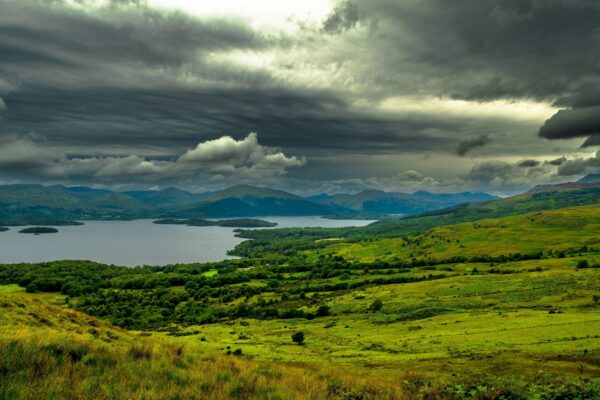
Loch Lomond & the Trossachs
View experience -

The John Muir Way
View experience -
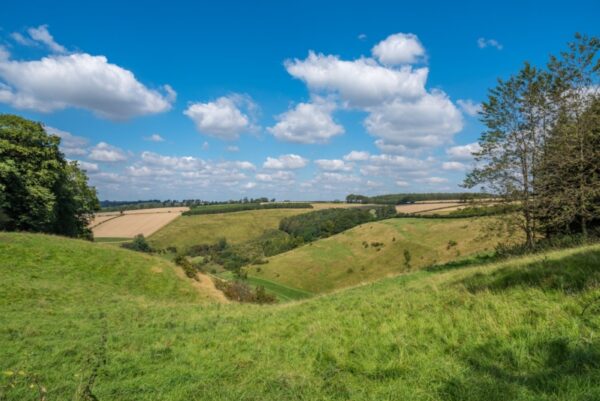
Yorkshire Wolds Way
View experience -
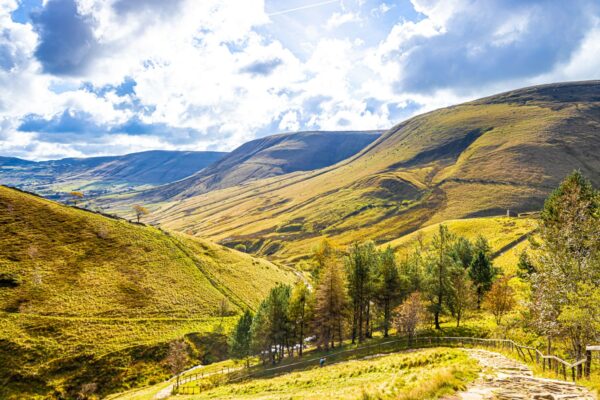
The Peak District
View experience -

West Island Way
View experience -

Arran Coastal Way
View experience -

St Ninian's Way
View experience -

Fife Coastal Path
View experience -

The Speyside Way
View experience -

The Rob Roy Way
View experience -

The Thames Path
View experience -

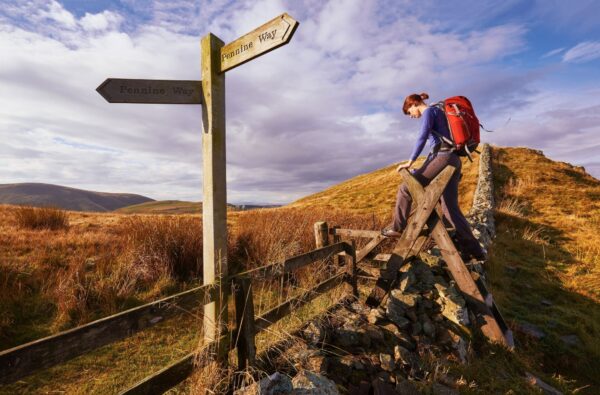
The Pennine Way
View experience -

The Monarch’s Way
View experience -

The Wye Valley Walk
View experience -

The West Highland Way
View experience -

Wainwright's Coast to Coast Path
View experience



























The United Kingdom itineraries

The best Coast to Coast Path route
The best Coast to Coast Path itinerary
14 days
The United Kingdom travel companies