






Portugal
Sun and sand and so much more
If your only exposure to Portugal is via the fly & flop tourism industry, it's easy to mistake it for something smaller than it is: A quiet afterthought to Spain, a convenient weekend city break, a collection of coastal resorts for pasty northern Europeans chasing the sun.
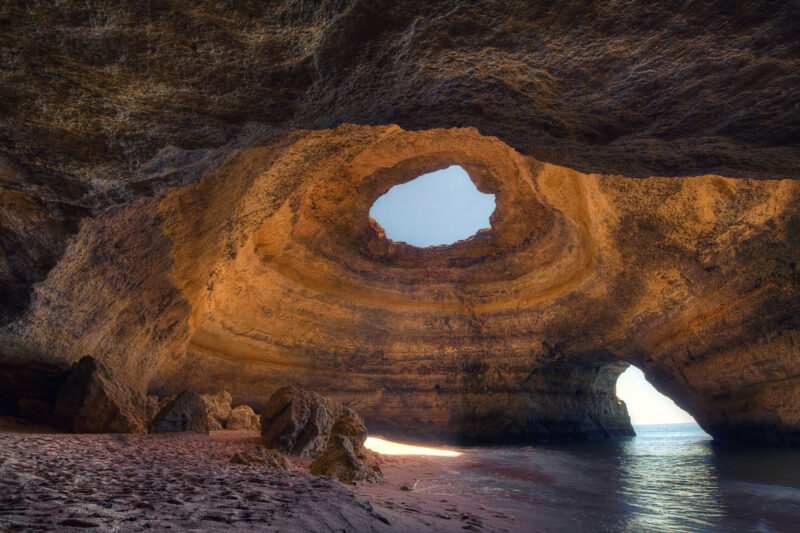
Sure, the Algarve has its beach resorts, but so does half of Europe. Head further west, past the resorts, and you’ll find something wilder—the cliffs of the Costa Vicentina, where Atlantic waves batter the shore and sleepy villages still exist for their own sakes, not simply as a backdrop for tourism. Inland, the Alentejo stretches in slow, golden undulations, a land of cork forests and whitewashed towns where the pace of life is unhurried, even by Portuguese standards.
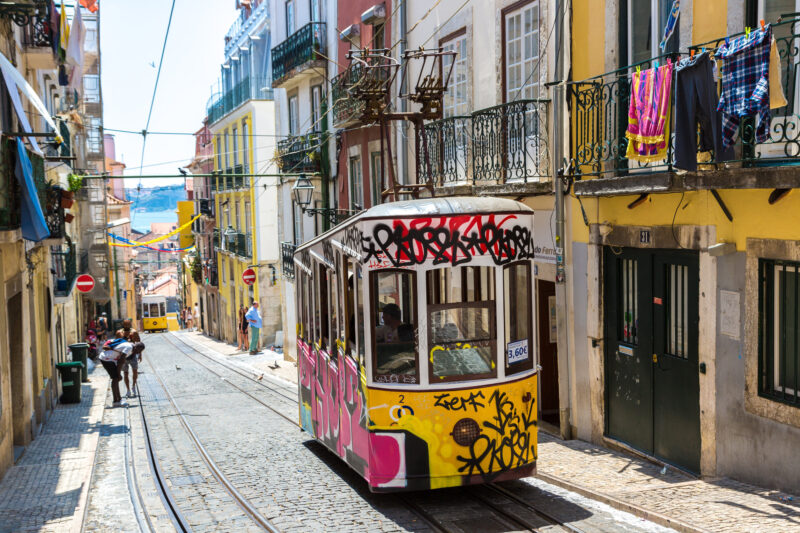
Lisbon, for all its overtourism, remains a city worth understanding. Beyond the hilltop viewpoints and tram-rattled streets of Alfama, there’s the faded grandeur of Estrela, the creative undercurrents of Marvila, the old docks repurposed into some of the country’s best restaurants. A decade ago, it was a place of crisis; today, it’s a case study in reinvention, though not without cost—gentrification has pushed many locals out, and tourism dominates the economy more than ever.
Porto, more compact and often described as Lisbon’s scruffier sibling, has a different energy—rain-slicked streets, deep shadows, a rawness that still feels untouched by mass tourism in places like Bonfim and Miragaia. The port lodges across the river in Vila Nova de Gaia are obligatory, but there’s more to the city’s drinking culture than that—tiny backstreet bars pouring vinho verde, traditional tabernas where the menus haven't changed in decades.
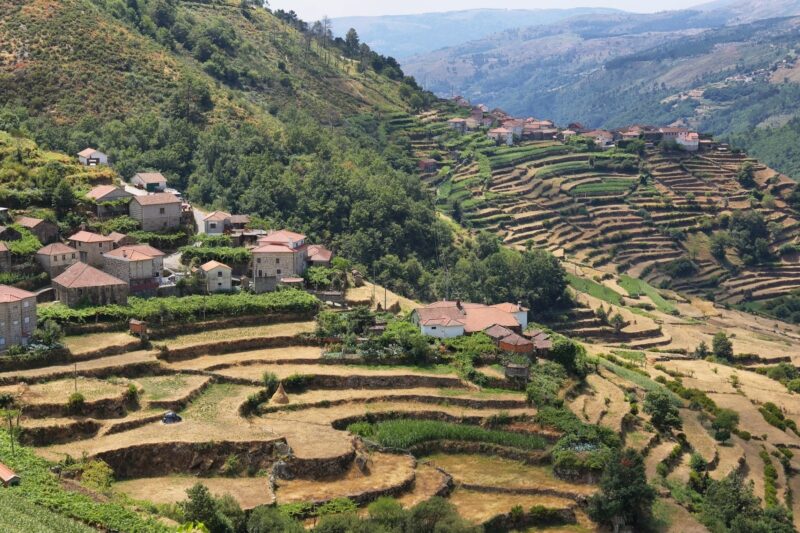
Further north, past Braga and into Minho, Portugal reveals yet another side of itself: lush, green, often misty. This is where some of its best walking routes lie, following old Roman roads through valleys where stone villages cluster around centuries-old churches. The Serra da Estrela, further east, offers even wilder landscapes—Portugal’s highest peaks, remote mountain trails, and one of the few places where you can find snow in winter.
And everywhere, food—deeply regional, proudly local. The slow-cooked, coriander-heavy stews of the Alentejo have little in common with Porto’s francesinha, that gloriously excessive sandwich drowned in sauce. The seafood of the west coast is as good as anywhere in Europe, but inland, it’s all about simplicity—grilled meats, salt cod in its many forms, soups rich with garlic and olive oil.
That's the thing about Portugal. It may be one of Europe's oldest nation states but, just like the rest of us, it's still figuring itself out. Still shifting, still resisting easy definitions. Just make sure you come and see the country for what it is, and not merely what the package tourism industry wants to push on you.
Hidden gems in Portugal

Douro Valley
Scenic Azure

For the Douro, I’d pick the Scenic Azure. It’s a small ship built specifically for the narrow and winding Douro, carrying up to 96 passengers. It’s the only vessel of its kind in Scenic’s fleet, with a modern, uncluttered design and a compact, easy-to-navigate layout. Despite its small size, there’s a good sun deck with a small vitality pool and a short walking track, and a lounge and bar that work well for a drink before dinner. Cabins come with butler service, though for me much of the appeal is in exploring ashore. Excursions are included, but you can also go at your own pace using GPS headsets loaded with walking tours – I find this the ideal way to explore Porto’s back streets at my own pace. I also love taking one of the ship’s electric bikes out for a gentle ride along the river.
Read more
Douro Valley
The Douro

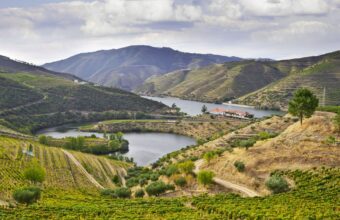
Portugal beckons with its pristine landscape, tantalizing cuisine and, of course, port wines, in a setting that seems unchanged throughout the centuries. I adore the terraced vineyards, dramatic rock formations, baroque mansions and historic monasteries that line the banks of this graceful river. The Iberian Peninsula’s third-longest river – after the Tagus and the Ebro – the Douro river runs 557 miles across the great Castilian region of Spain and on through Castile and Léon, Soria, Burgo, Valladolid, Zamora and Salamanca. The landscape around the river is replete with wheat fields, vineyards and sheep farms. The UNESCO World Heritage city of Salamanca is a must, as is the 12th-century walled village of Castelo Rodrigo and of course charming Porto, best explored on a walking tour.
Read more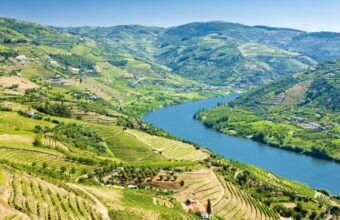
Douro Valley
Douro Valley walking holidays
Portugal’s Douro Valley is a stunningly tranquil landscape of steeply terraced vineyards tumbling down to the winding Douro River. Walking holidays here are usually offered on a short self-guided basis, generally centred around Pinhão, in the heart of the Douro Valley. The town itself is picturesque, and there are several vineyards in the vicinity that welcome visitors. From here, there are various marked trails that will lead you through the beautiful vineyards, offering some fantastic views of the valley. Walking itineraries will typically include visits to wineries or quintas, and may be combined with a cruise between Regua and Porto.
Read more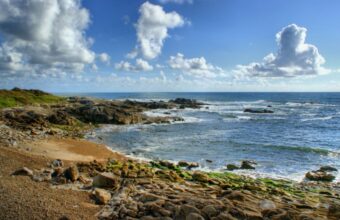
Southern Europe
Camino Portugués – Coastal route
The coastal version of the Camino Portugués is a shorter and quieter version of the traditional Camino Portugués route. This version starts further north at Porto and hugs the Portuguese and Spanish coastlines as it meanders towards Santiago de Compostela in northwest Spain. As with the Camino Portugués main route you’ll get your fair share of historical towns and incredible Portuguese cuisine, while enjoying spellbinding coastal views and traditional fishing villages in this lesser-visited corner of Portugal.
Read more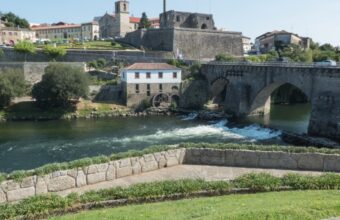
Southern Europe
Camino Portugués – Traditional route
The Camino Portugués (Portuguese Way) is an alternative to the more popular camino pilgrimage routes that crisscross Europe en route to Santiago de Compostela in northwest Spain. The Camino Portugués passes through quiet corners of rural Portugal and calls at some significant historical cities as it meanders north. Besides Lisbon and Porto, you’ll stop at Santarém, known for its beautiful Gothic architecture; Coimbra, home to one of the oldest universities in the world; and the verdant Minho region, famous for its Vinho Verde (green wine).
Read more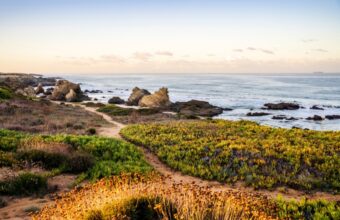
Portugal
Rota Vicentina

Distance: 220 km – or shorter segmentsDuration: 14 daysStart/end point: Santiago do Cacém to Cabo de São VicenteDifficulty: Moderate In Portugal I’d highly recommend the Rota Vicentina, which comprises twin trails running north from the western Algarve through the Alentejo: the inland Historical Way and – my pick – the 226.5km coastal Fishermen’s Trail, traversing ancient cork-oak woods, wildflower-spangled cliffs and charming fishing villages. Both are blessed with good accommodation en route.
Read more-

Scenic Azure
View experience -

The Douro
View experience


Portugal travel companies