




Chimpanzee trekking
An expert guide to seeing chimpanzees in the wild


Chimpanzee treks
3 days From $1,100 pp
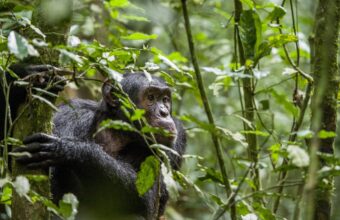
Trekking with wild chimpanzees through the East African jungle is one of the most thrilling adventures I’ve ever experienced.
I’ve been privileged to track chimps on numerous occasions in my capacity as a guidebook writer and tour leader specialised in East Africa. I’ve visited all nine of the national parks and forest reserves where chimp trekking is possible. It is, in my opinion, every bit as worthwhile as gorilla trekking, at least when everything comes together, but it also tends to be more unpredictable and challenging due to the chimps’ more restless and mobile nature.
Chimpanzee trekking: Overview
Where to see chimps in the wild: Although they're found across the rainforests of west and central Africa, chimps are most easily tracked in East Africa, where nine different parks and reserves harbour habituated communities. Four of these locations are in Uganda, which is the most straightforward chimp-trekking destination in terms of access, but there are also three in western Tanzania and two in Rwanda.
My favourite location: If forced, I'd probably choose Mahale Mountains National Park in Tanzania. The only downside is the cost.
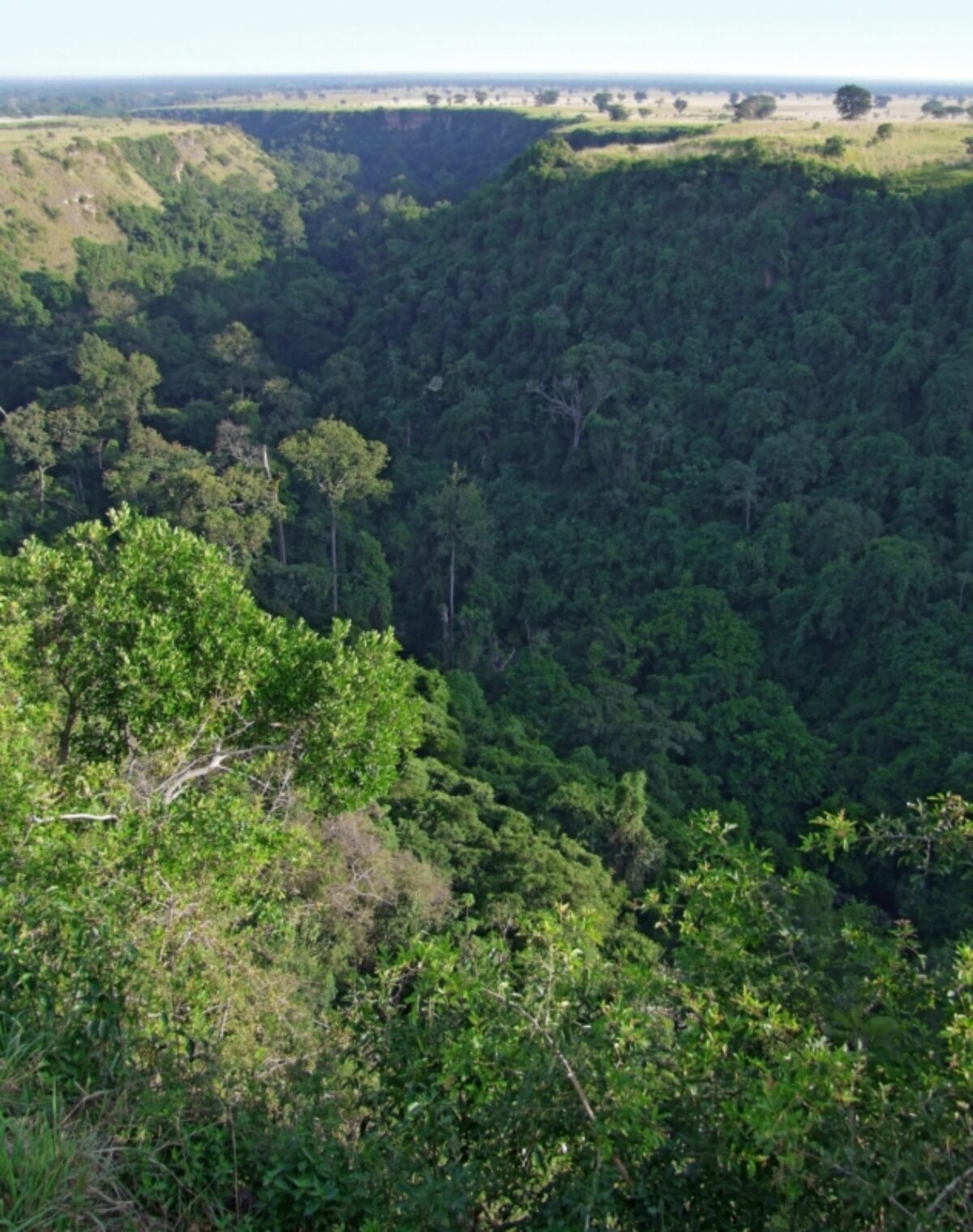
Cheap(er) location: Kyambura Gorge in Uganda’s Queen Elizabeth National Park is the cheapest place to track chimps, with permits costing USD $50 for foreigners.
When to go: Chimpanzee trekking is a year-round activity. Hiking conditions are best in dry seasons, broadly June-August / December-February in Uganda & Rwanda, and August-October in Tanzania.
Intrigued? Read on for my guide on where to see chimpanzees in the wild.
Where to see chimpanzees in the wild
The most popular – and some lesser-known – places to go chimpanzee trekking
-

Remote & picturesque Mahale Mountains
-
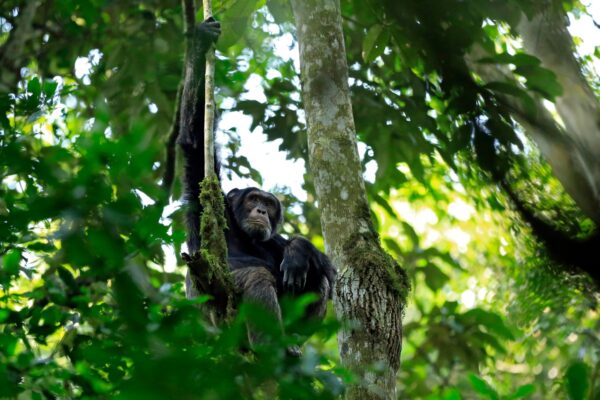
Accessible, but busy, chimp trekking in Kibale
-
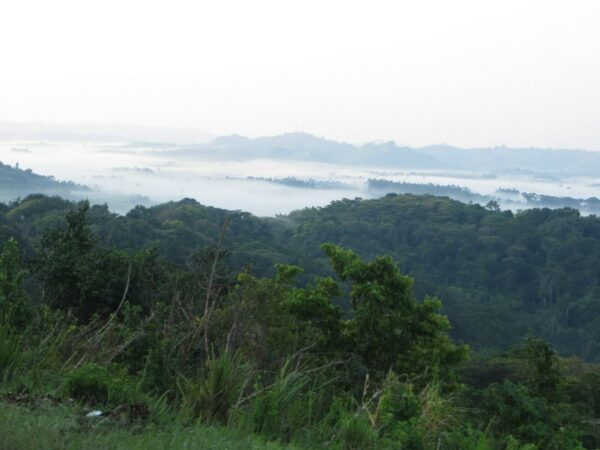
Hidden gems in Kalinzu Forest
-
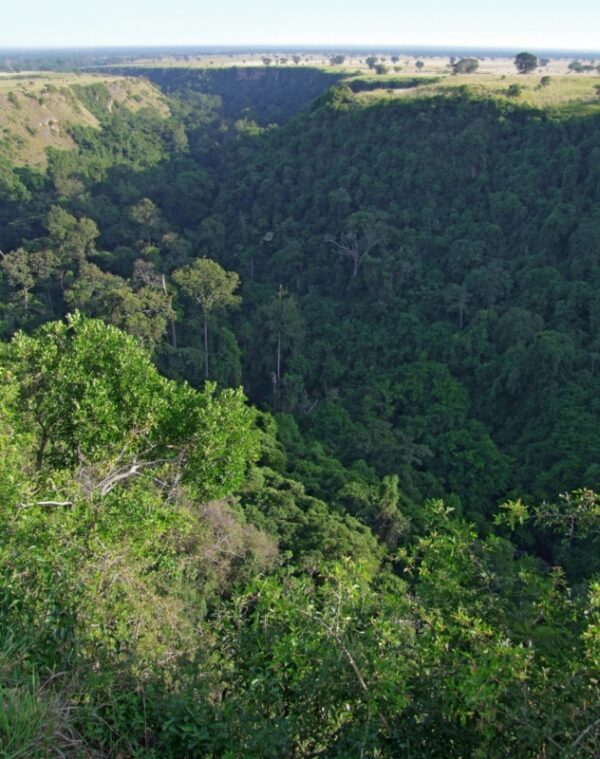
Low cost chimp trekking at Kyambura Gorge
-
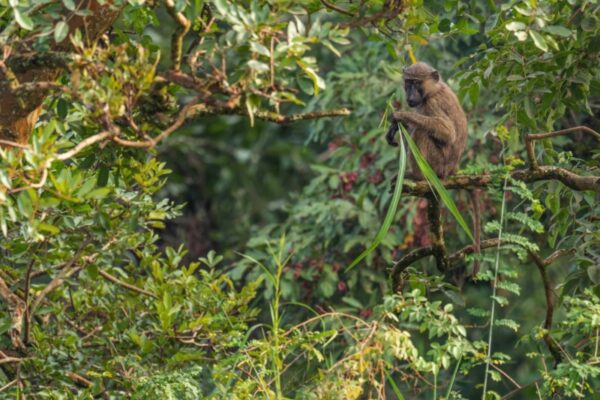
Easy-going chimp trekking in Budongo Forest
-
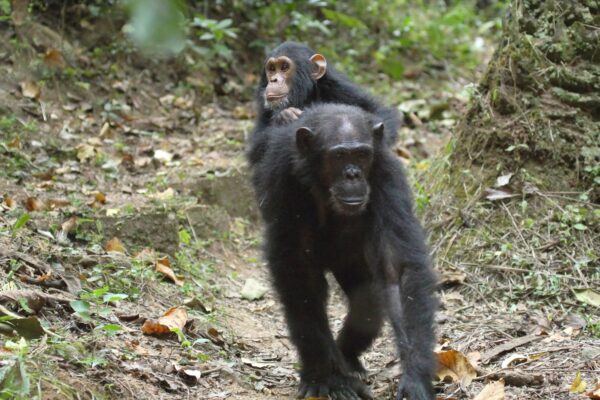
Independent chimp trekking in Gombe
-
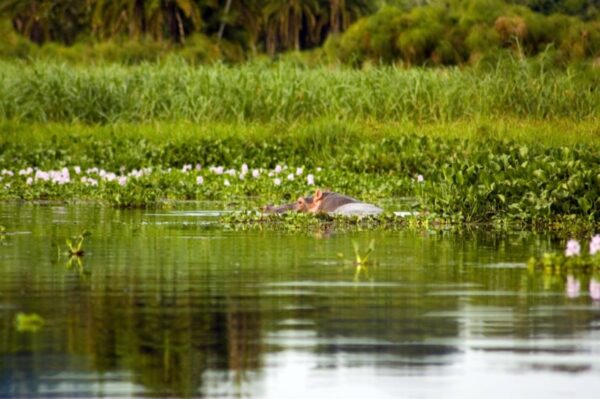
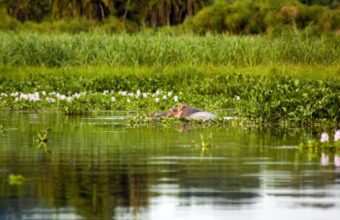
Quirky Rubondo Island
-
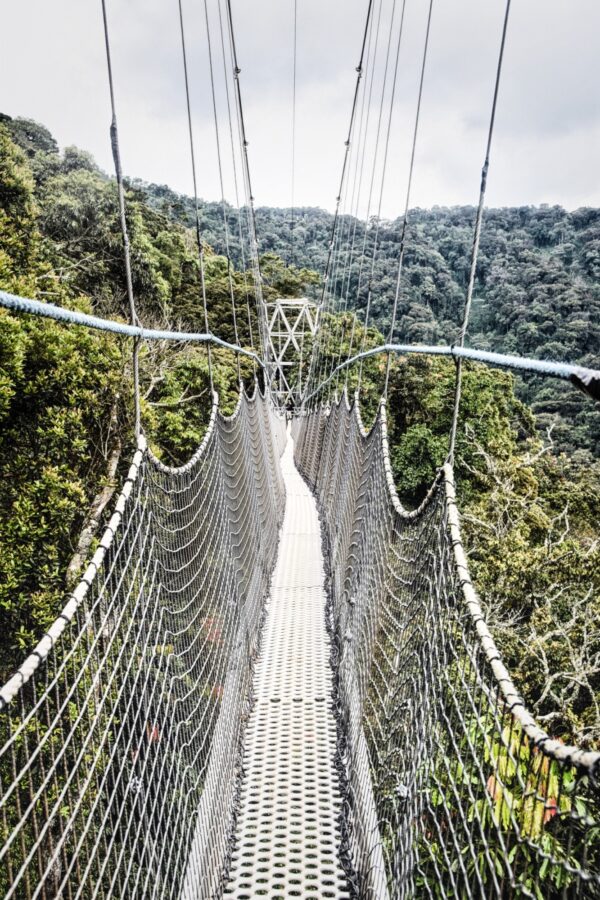
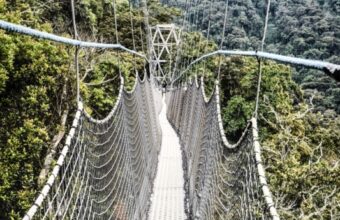
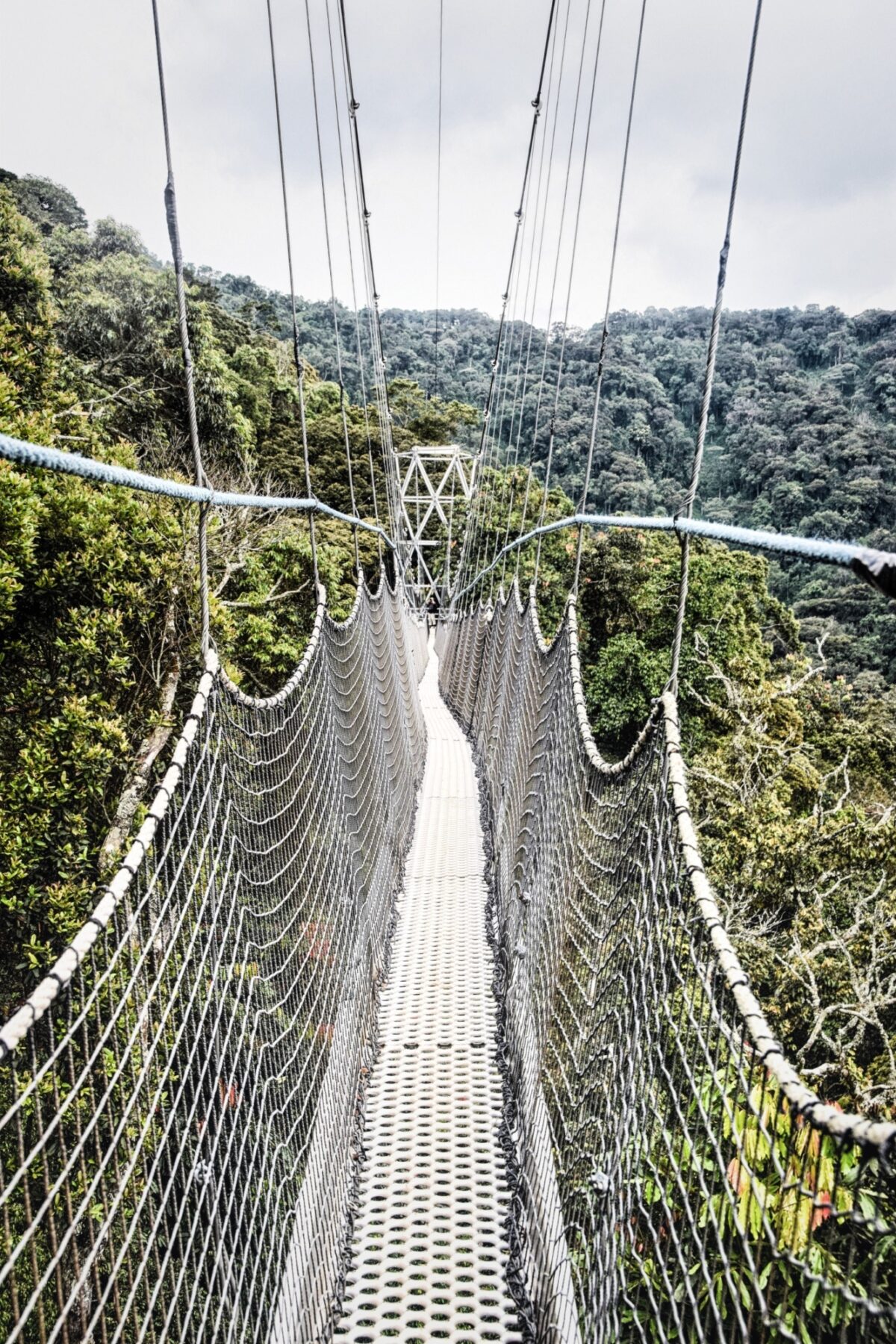
Explore the canopy of Nyungwe National Park
-
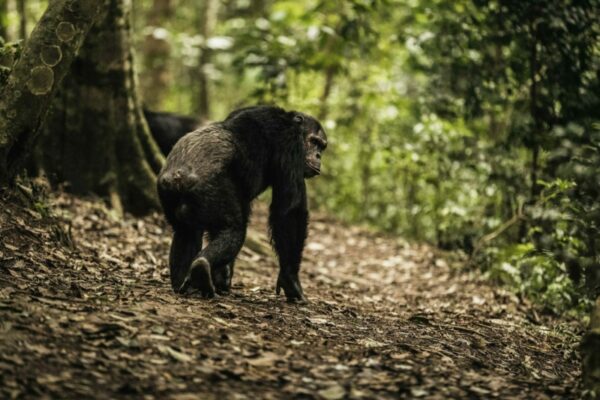
Community conservation in Gishwati-Makura



Chimpanzee trekking: Need to know
Everything you wish you'd known before you booked
When to track chimps
Chimp trekking runs throughout the year at most of the national parks and forest reserves described above. Hiking conditions are generally best in the dry season, which varies from region to region, but broadly falls over June to August and December to February in Uganda and Rwanda, and August to October in western Tanzania.
Costs
The cost of chimp trekking varies considerably between locations, but it is invariably far cheaper than gorilla trekking. In Uganda, it currently stands at US$200 (including park entrance) at Kibale, US$50 (excluding the US$40 park entrance fee) at Kyambura Gorge, and US$130 (with no additional entrance fee) at Budongo and Kalinzu Forest.
In Rwanda, Nyungwe charges US$90 to non-residents (no additional fee) while at Gishwati-Makura it is included in the accommodation cost for Forest of Hope guesthouse and campsite.
In Tanzania, chimp trekking is included in the daily national park entrance fee of US$80 plus VAT for Mahale, US$100 plus VAT for Gombe and US$30 plus VAT for Rubondo, though in all cases you need to pay an additional guide fee of roughly US$20.
Chimp tracking permits
If you’re booking onto an organised tour, the operator should book your permits. Travelling independently, online bookings for Kibale and Kyambura Gorge can be made through the Uganda Wildlife Authority.
What to expect
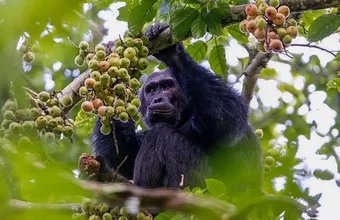
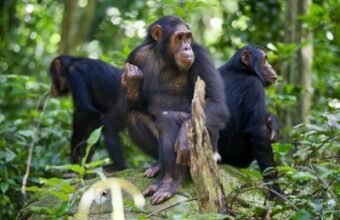
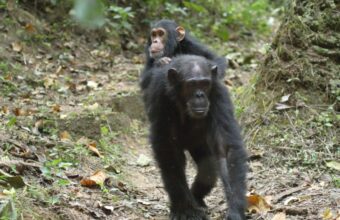
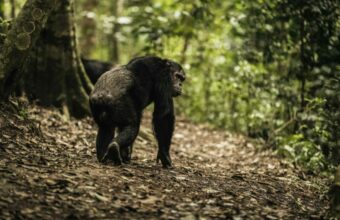
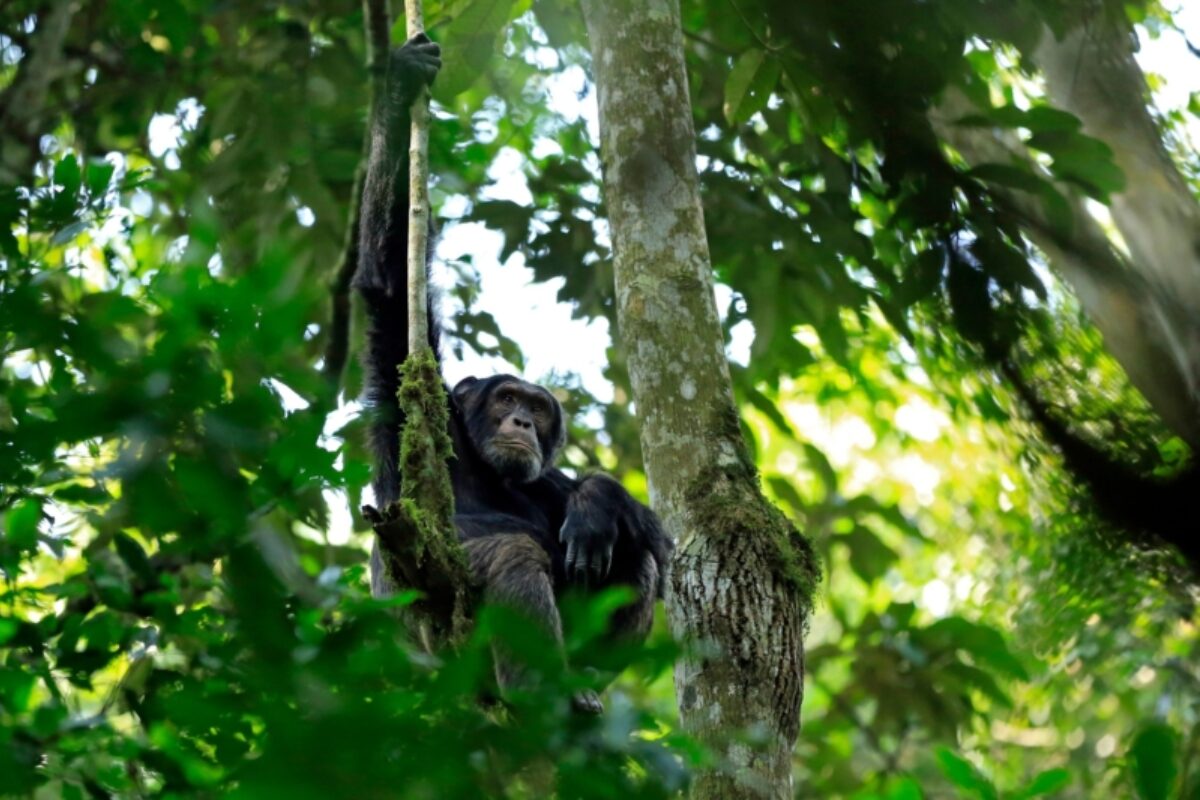
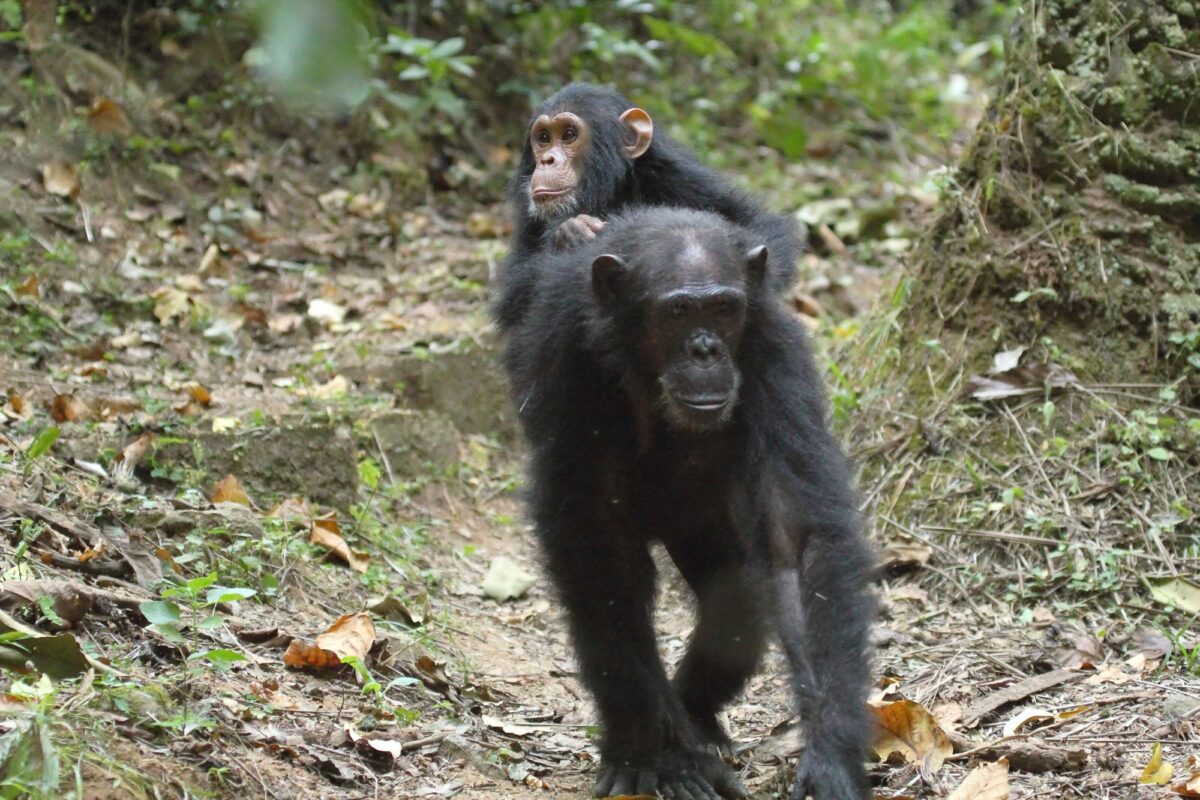
These fascinating apes most often betray their presence with a communal pant-hoot call, an explosive, frenzied vocalisation that reverberates loudly through the forest interior. And once the chimps have been located, you’ll often have to race breathlessly behind them through the tangled undergrowth before finally they settle down to groom quietly in a forest clearing or climb athletically into the canopy of a fruiting tree.
Conditions vary greatly from one site and one day to the next, but generally speaking, tracking chimps is more challenging than tracking gorillas. In both cases you can expect to face a combination of steep, slippery paths and tangled undergrowth. But because chimps are so much more mobile and less sedentary than gorillas, pursuing them through the forest often requires a fair level of fitness and agility, and the tracking success rate is considerably lower. That said, my experience is that once you have located chimps, they may give you a bit of a run-around for a while, but four times out of five they’ll settle down at some point within the hour you’ll be allowed to spend with them.
Packing and preparations
A reasonable level of fitness is required to track chimps. If you are able to walk at a brisk pace for two hours at home, you should be fine. If not, it would be a good idea to get in some walking to build up your fitness.
Hiking boots are ideal for walking through the forest, though I usually just use trail running shoes. Bring a hat and sunscreen to protect you against the sun, as well as a poncho or raincoat in case of rain. I would recommend wearing full-length trousers (ideally tucked into your socks to deter biting ants) and long sleeves and gloves (for nettles). Most venues will provide you with walking stick (or create a makeshift one) by request.
There is no telling how long you will be out on the trail, but be prepared for anything from three to six hours. So carry plenty of drinking water (ideally around 2 litres) as well as a few packaged snacks, and make sure your camera or phone is fully charged.
Insider tip
If you are worried about your fitness, there are several places where orphaned chimps can be seen in attractive conditions without significant exertion. These include Ngamba Island in Uganda, Sweetwaters Sanctuary in Kenya, Chimp Eden in South Africa and Chimfunshi Wildlife Orphanage in Zambia. I’d stress that visiting such an orphanage is in no way comparable to tracking wild chimps, but these are all worthy projects affiliated to or endorsed by the Jane Goodall Institute.