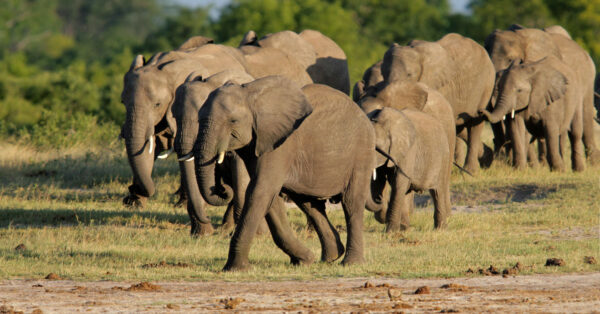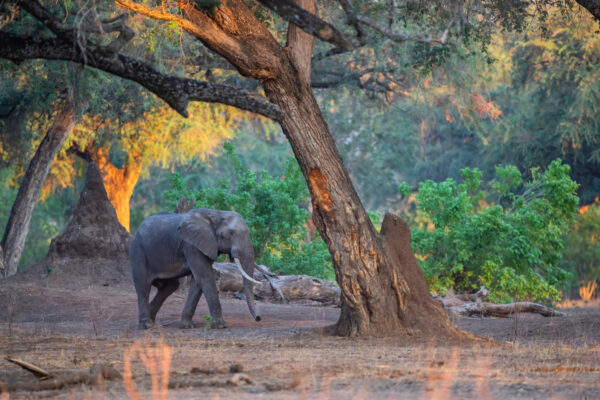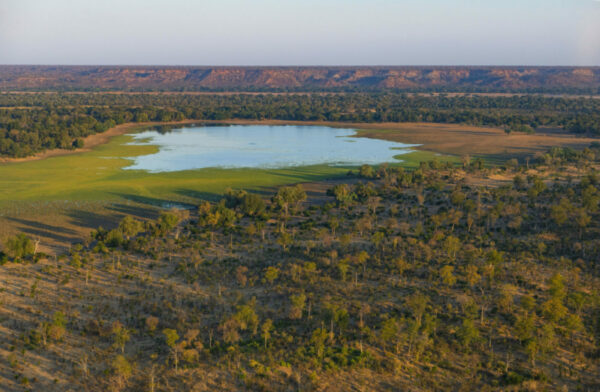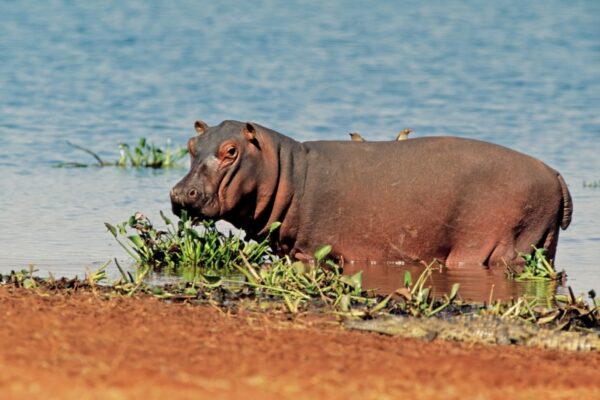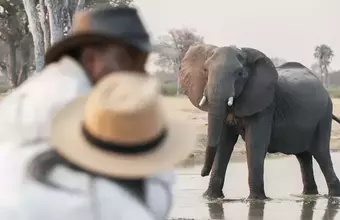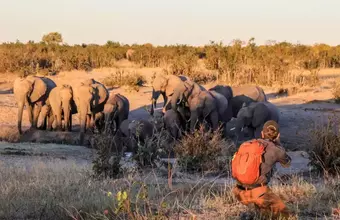










I first came on safari in Zimbabwe in 2003 and I’ve been coming back as often as I can, in my role as a travel journalist and guidebook author.
When it comes to Zimbabwe, the question people most often ask me is: why? In a region of safari big-hitters, what makes Zimbabwe stand out from neighbouring South Africa, Zambia, and Botswana?
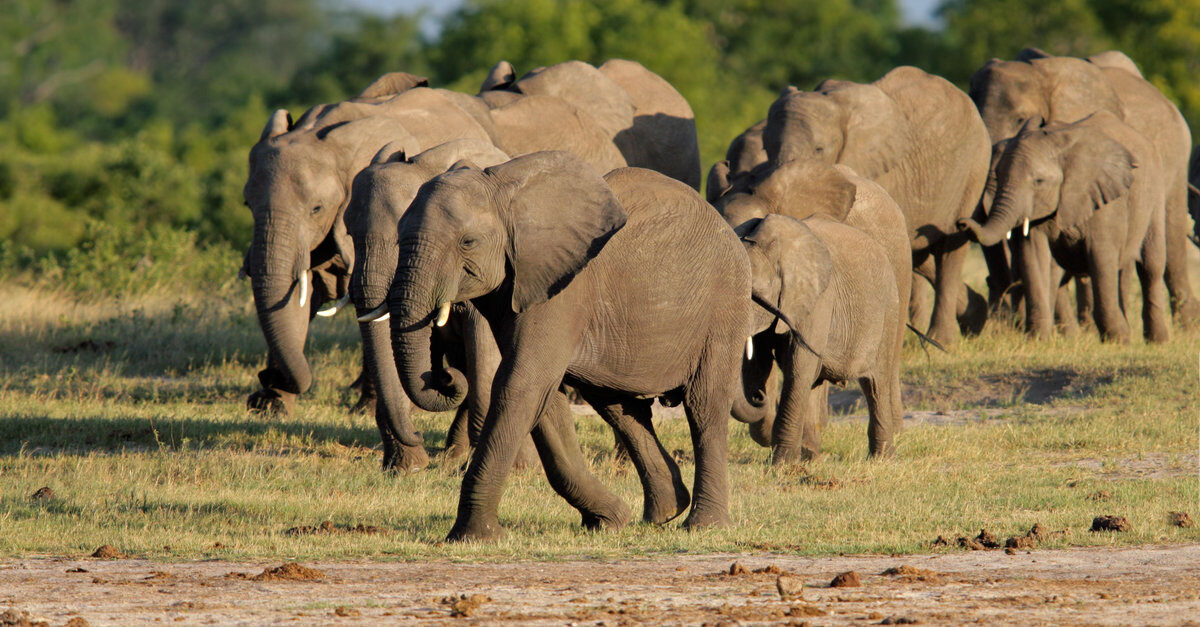
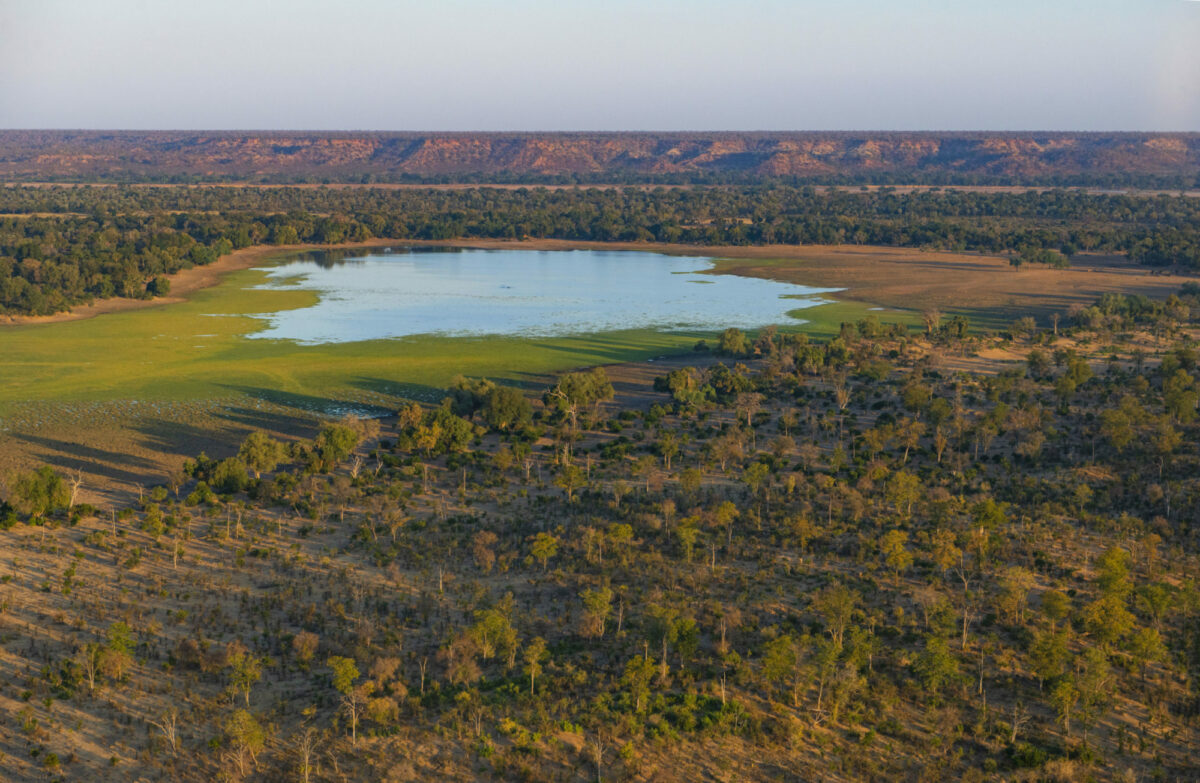
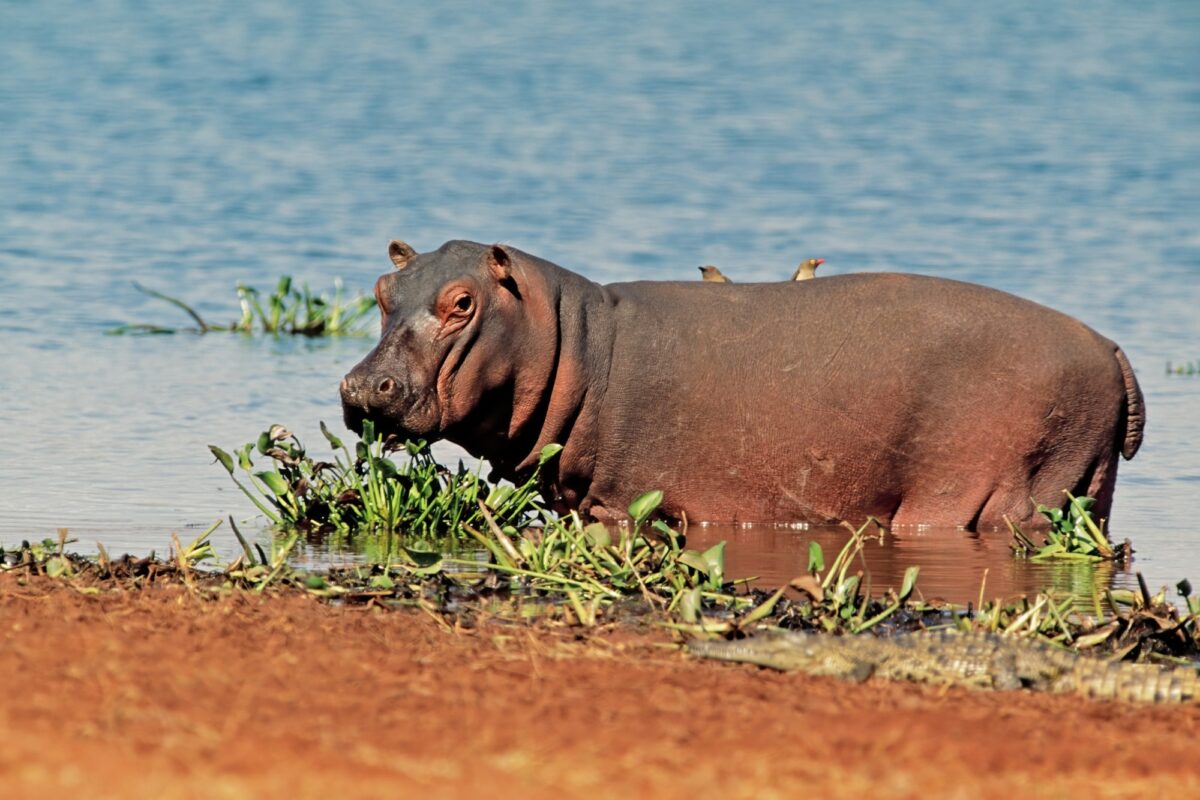
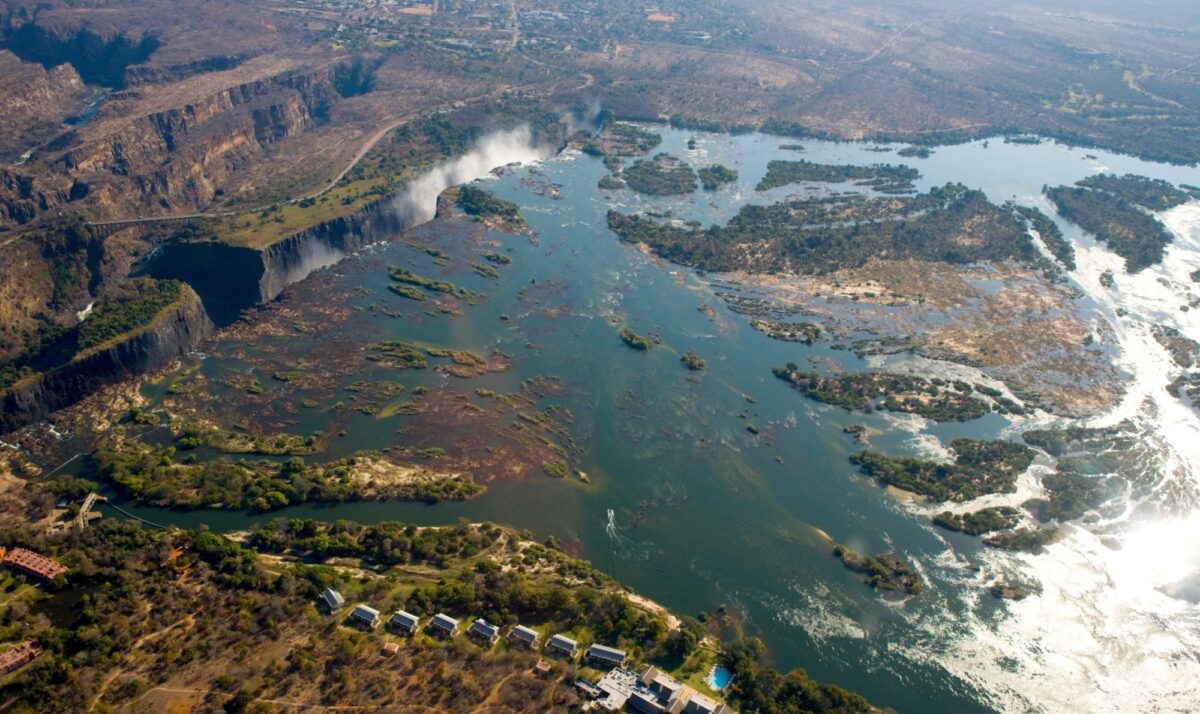
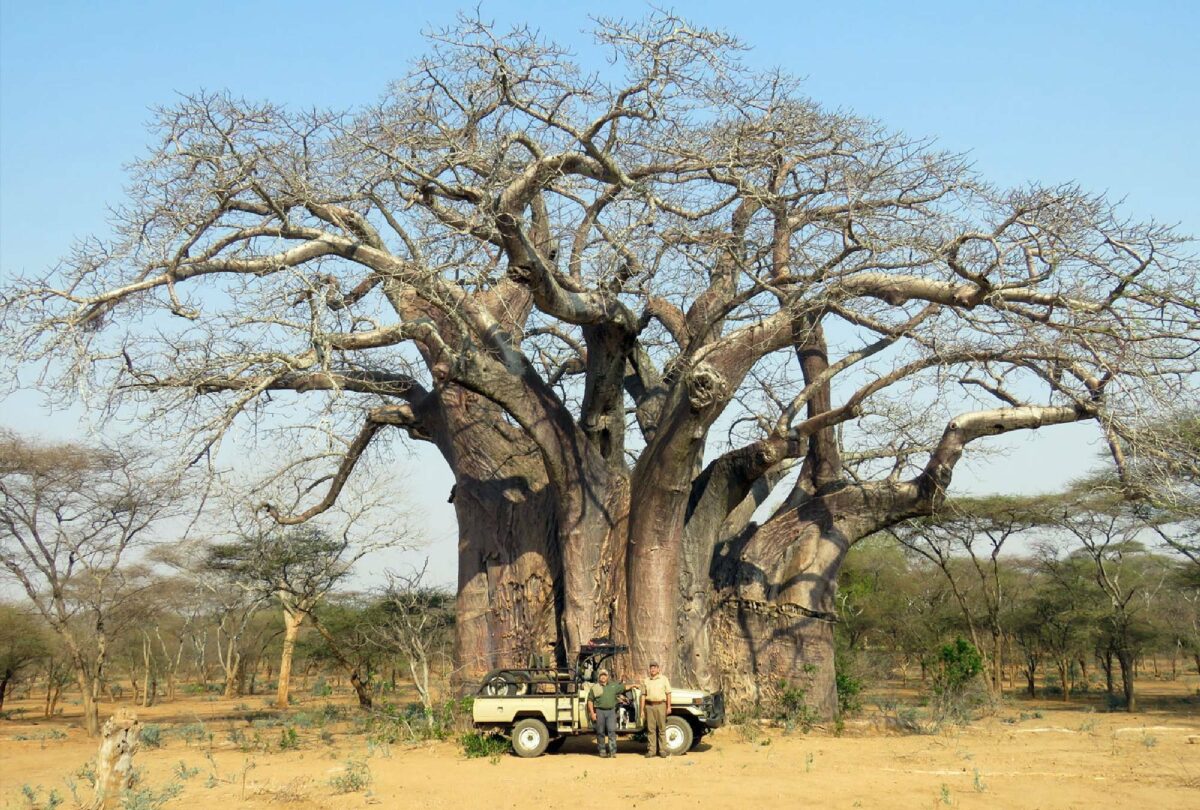
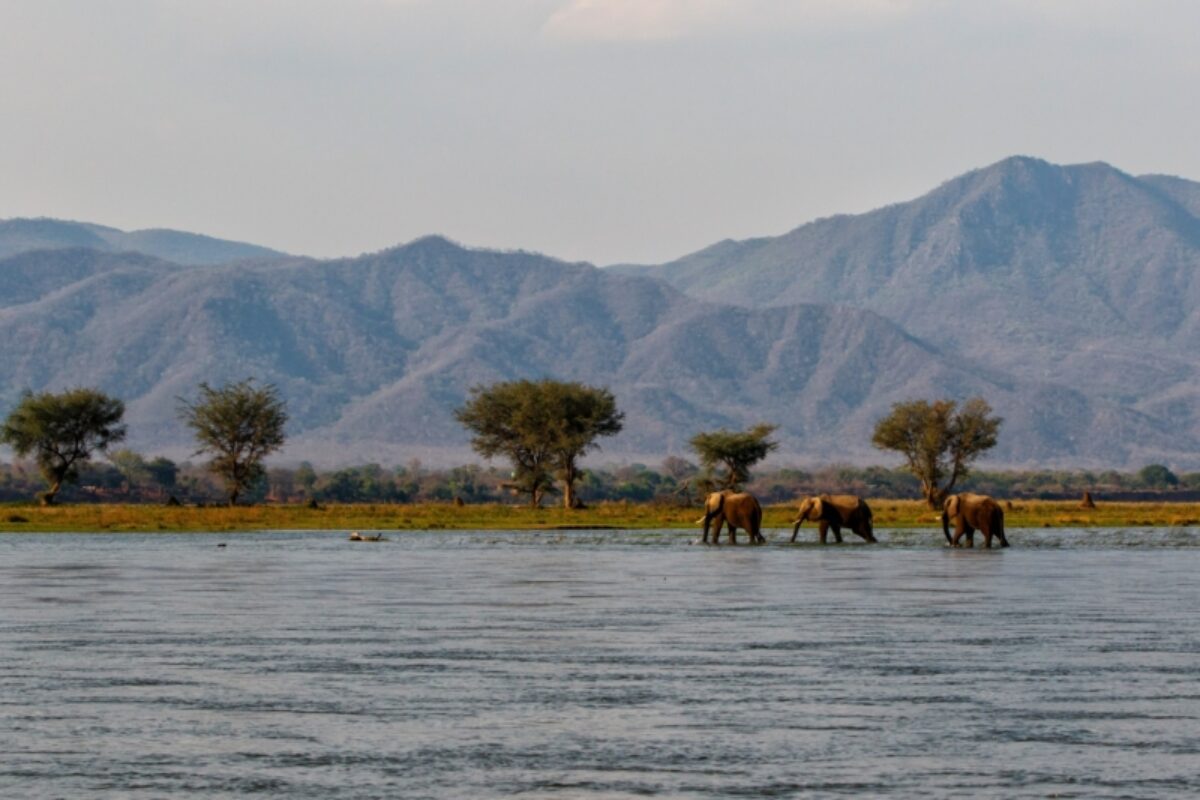
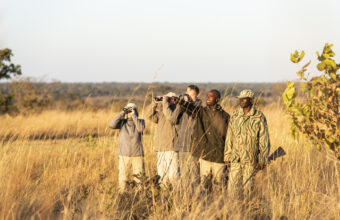
For me, safari in Zimbabwe has always felt like a double-concentrated version of the Southern African experience. The country is considerably smaller than its neighbours, with a small but elite portfolio of national parks. It’s easy to travel around, and has impeccably high levels of professionalism across the local safari industry.
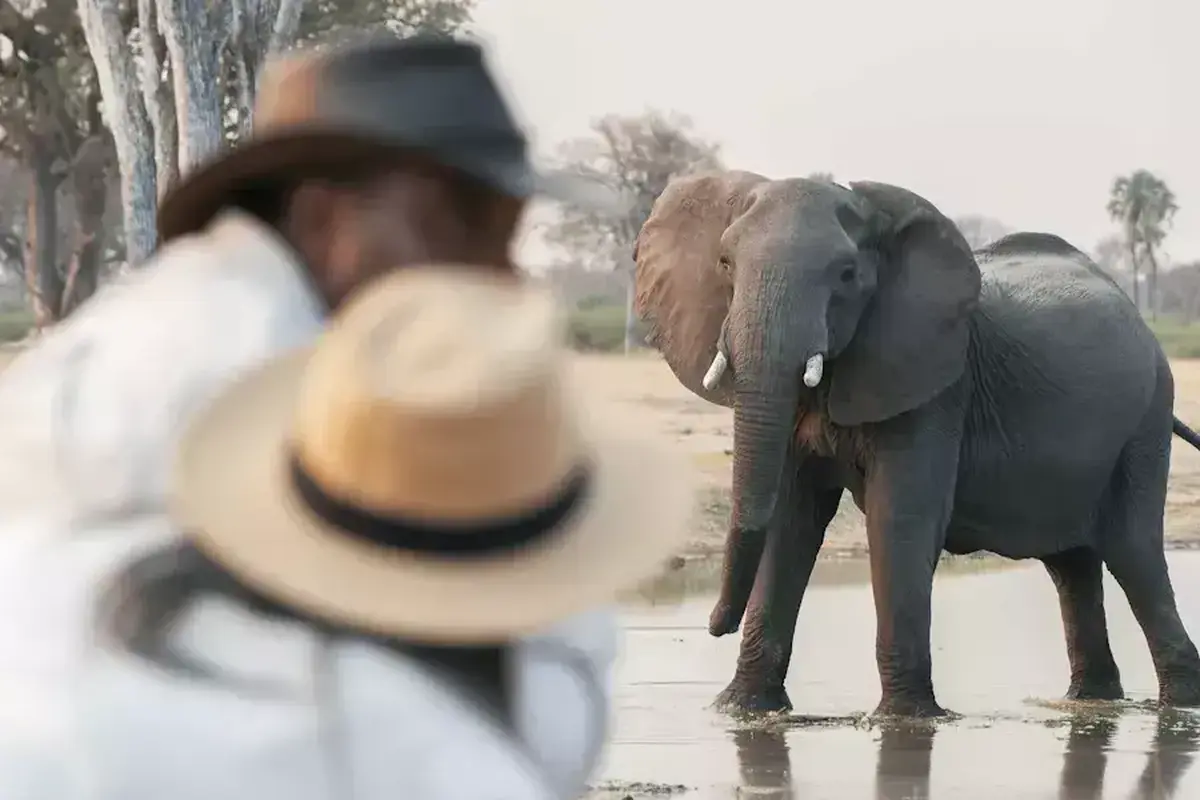
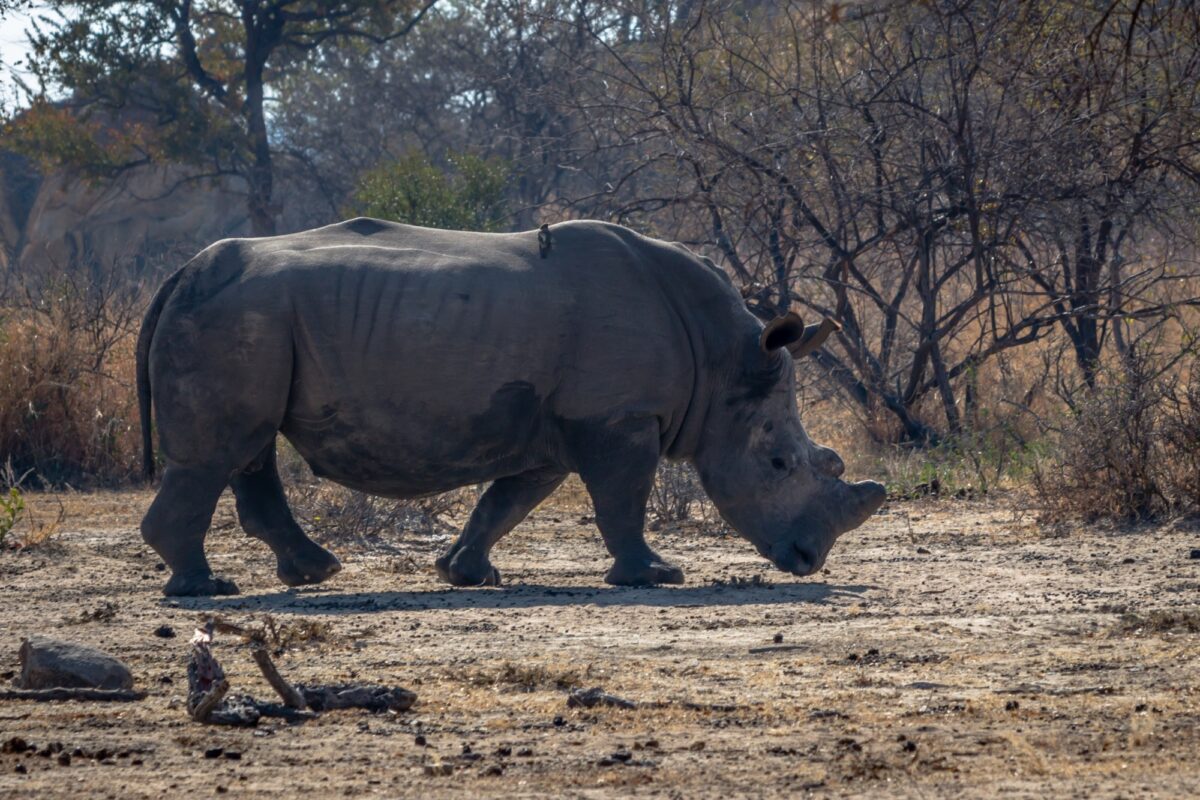
And for historical reasons that have nothing to do with wildlife or tourism, Zimbabwe flies well under the radar, even compared to the relatively niche Botswana next door. It’s the kind of place where the joy of seeing wildlife is rarely tainted by having to enjoy those animals through crowds of vehicles.
The main drawback of going on safari here is the backdrop of historical political instability. What keeps visitor numbers low is also what has made a visit here unpredictable in the past. Those days seem to be behind a country that made headlines for all the wrong reasons, but which is now one of the best places to go on safari in Africa.