





Druk Path trek
Easy going hike from Paro to Thimphu

-
Jangchulakha
... -
Jimilang Tsho
... -
Simkotra Tsho
... -

Phajoding
... -

Thimphu
...
The Druk Path trek is easy-going, varied, and is much of a cultural adventure as a hiking one. For these reasons this is the Bhutan trek I usually recommend for casual hikers or people on a limited schedule but who still want to get a few days’ trekking during their visit to Bhutan.
It’s a point-to-point trek between Paro and Thimphu – around 50km in distance, spread over four or five days of actual hiking. On the way you visit several monasteries where young monks still live and study. At Phajoding Monastery, I spent a quiet half hour watching the smoke from a cooking fire drift through the prayer flags. (Most itineraries add on a visit to the famed Taktsang Monastery, or Tiger’s Nest, although this isn’t part of the hike itself.)
Between the monasteries you get to see all of Bhutan’s natural beauty up close. One day you’re climbing through fragrant pine forests; the next, you’re walking along high ridgelines with vast views of the Himalayas. When I did the trek in spring, the rhododendrons were just starting to bloom.
Among Bhutan’s multi-day treks, the Druk Path is probably the most accessible and while it’s a proper hike – expect several hours of walking each day with altitudes rising above 4,000 metres – it’s manageable for most reasonably active travellers. If you enjoy long walks and don’t mind a bit of effort, you’ll be fine. The altitude is the main factor to be aware of; I took it slow and stayed well-hydrated, and had no problems adjusting.
The only downside is it’s one of the few Bhutan treks you could call ‘busy’ (although still nothing like the popularity of neighbouring Nepal treks). If you want more solitude, there’s the Dagala Thousand Lakes trek and if you want more of a challenge you can look at the Jomolhari, Laya or even the daunting Snowman treks.
Key information
| Destinations | Bhutan |
|---|---|
| Activity | Adventure, Trekking, Active, Walking, Camping, Nature & Wildlife, Culture, Responsible Travel, Slow Travel |
| Physical Level | Moderate |
 Season Season |
September - June |
Featured tours

Featured tours


Druk Path trek itinerary
Paro – Jili Dzong - Jangchulakha
Day 1 in Jangchulakha
(Distance 5 km, 1,090m ascent, camp altitude 3,480m). – Jangchulakha (Distance 10 km, 3hours, 310m ascent, 50m descent, camp altitude 3,770m).
The trek begins with a 45-minute drive to the trailhead. The first day is a challenging one, with a steep climb of over 1,000 meters in elevation. The journey begins with a strenuous ascent to a ridge, followed by a path through forests of blue pine and fir, leading to Damche Gom. Upon reaching the ridge near Jili Dzong, you’ll take a well-deserved lunch break.
After lunch, you’ll continue the trek towards Jangchulakha (10 km, approximately four hours, with a 310m ascent and 50m descent, camp altitude 3,770m). This section involves a continuous uphill climb for about an hour and a half, taking you through dense alpine forests and dwarf rhododendron trees. The area is often home to yak herders, and you may spot yaks grazing near your campsite.
Jangchulakha – Jimilang Tsho
Day 2 in Jimilang Tsho
(Distance 11 km, four hours, 230m descent, 330m ascent, camp altitude – 3,870m).
The trek continues along a scenic ridge, offering enchanting views of the surrounding mountains and valleys, especially on clear days. The path leads you to your campsite near Jimilang Tsho (Lake), renowned for its giant trout. This serene spot, surrounded by natural beauty, provides the perfect setting for an overnight stay amidst the peaceful mountain landscape.
Jimilang Tsho – Simkotra Tsho
Day 3 in Simkotra Tsho
(Distance 11 km, four hours, 820m ascent, 400 m descent, camp altitude 4,110m).
The trail involves a series of gentle ascents and descents, taking you through forests of dwarf rhododendron trees and past the picturesque Janetso Lake. Along the way, you may catch a glimpse of nomadic life if you pass by a yak herder's camp. The campsite for the night is situated near Simkotra Tsho, another serene lake, where you'll camp on the water's edge.

Simkotra Tsho – Phajoding
Day 4 in Phajoding
(Distance 10 km, three to four hours, 130m ascent, 680m descent, camp altitude 3,750m).
The day's trek starts with a gradual climb, making it a relatively easy section. From the pass, you'll be rewarded with stunning views of Mount Gangkar Puensum, the highest peak in Bhutan, along with other majestic Himalayan summits. After crossing the pass, the trail descends steadily towards Phajoding, with the campsite located just above the monastery. This peaceful spot offers a perfect place to rest and soak in the surrounding beauty.

Phajoding – Thimpu
Day 5 in Thimphu
(Distance four to five km, three hours, 1,130 m descent).
The final leg of the trek is a gradual descent through a forest blanketed with blue pines, leading you all the way to Motithang in Thimphu. Upon arrival, you’ll head to your hotel for a well-deserved rest, with the evening free to relax and enjoy the comforts of the city.
Need to know
Accommodation is simple: camping each night, with tents and meals provided by your trekking crew. Bhutan’s trekking regulations mean everything has to be arranged through a licensed local operator, which takes care of the logistics. Facilities are basic – think rough-hewn campsites and outdoor loos – so if you need comfort to enjoy your holiday, this probably isn’t for you.
When to go
Spring, April or May, brings the glorious sight of rhododendrons blooming, autumn is another good time, with clear skies and stable weather. Don't come in the monsoon (July, August).
Other itineraries you might like

Classic Everest Base Camp route
16 day Everest Base Camp trek itinerary
Approx. 16 days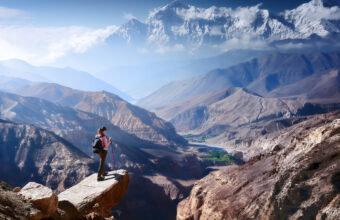
Upper Mustang trek to the Walled City
A trek through Nepal’s restricted Tibetan side
Approx. 14 days
Helambu & Langtang Trek
Crowd-free trekking on Kathmandu’s doorstep
Approx. 16 days

Golden Triangle & Andaman Islands Itinerary
Desert island beaches and Royal Bengal tigers
Approx. 11 days
Find a Bhutan specialist
Tell us about your trip and we'll find your match
We'll connect you directly with the experts.



We'll connect you directly with the experts.
- Hand-picked local specialists
- Honest advice from real experts
- Free to use, no hidden fees