


Menu
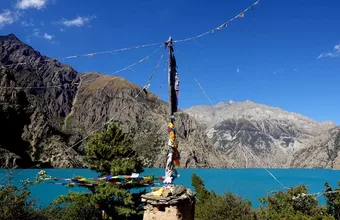
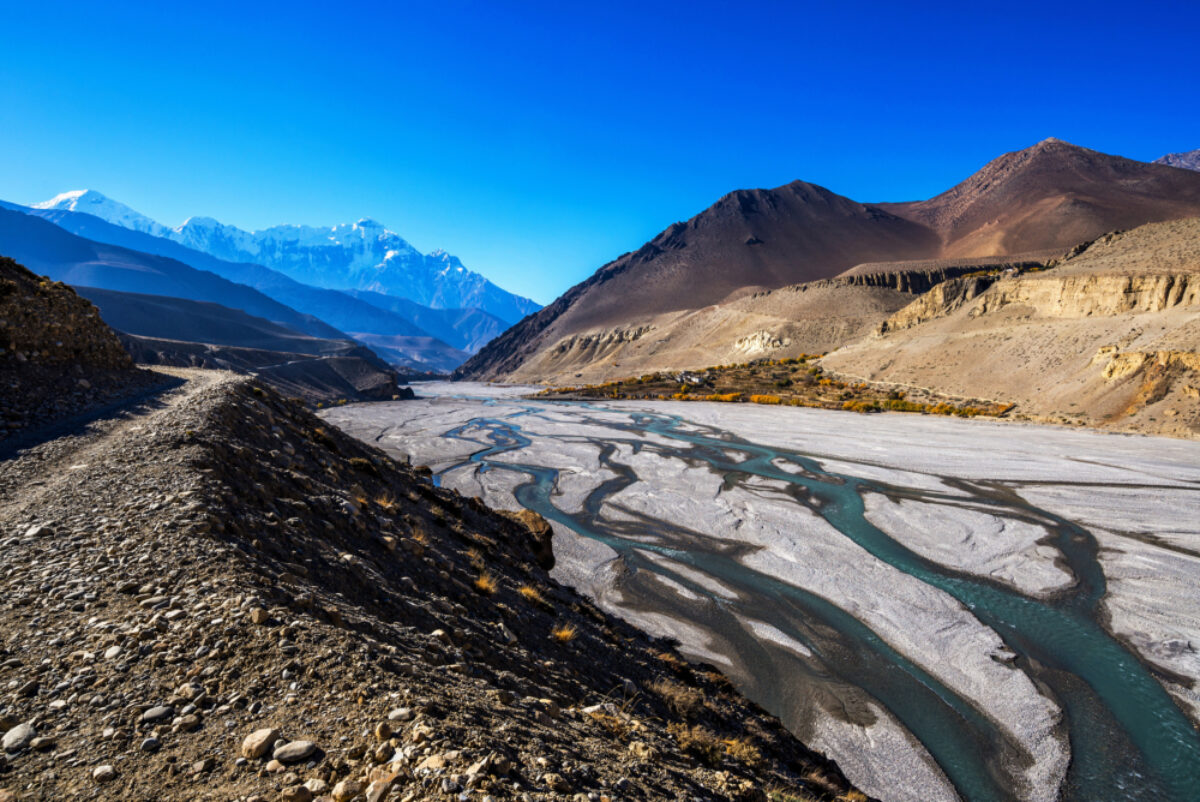
Mustang valley 2 lowres
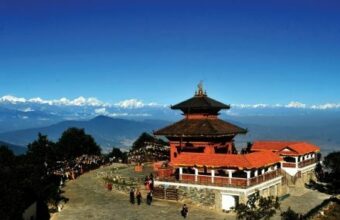
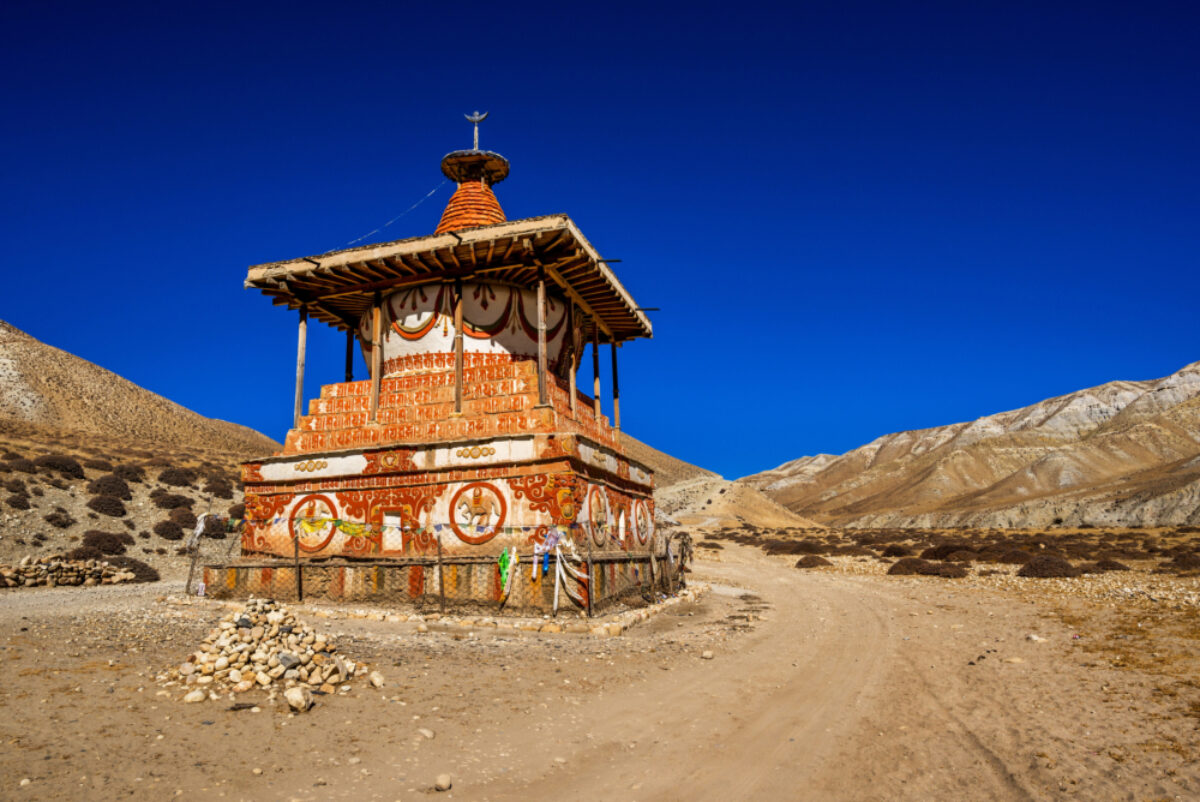
Mustand_shrine
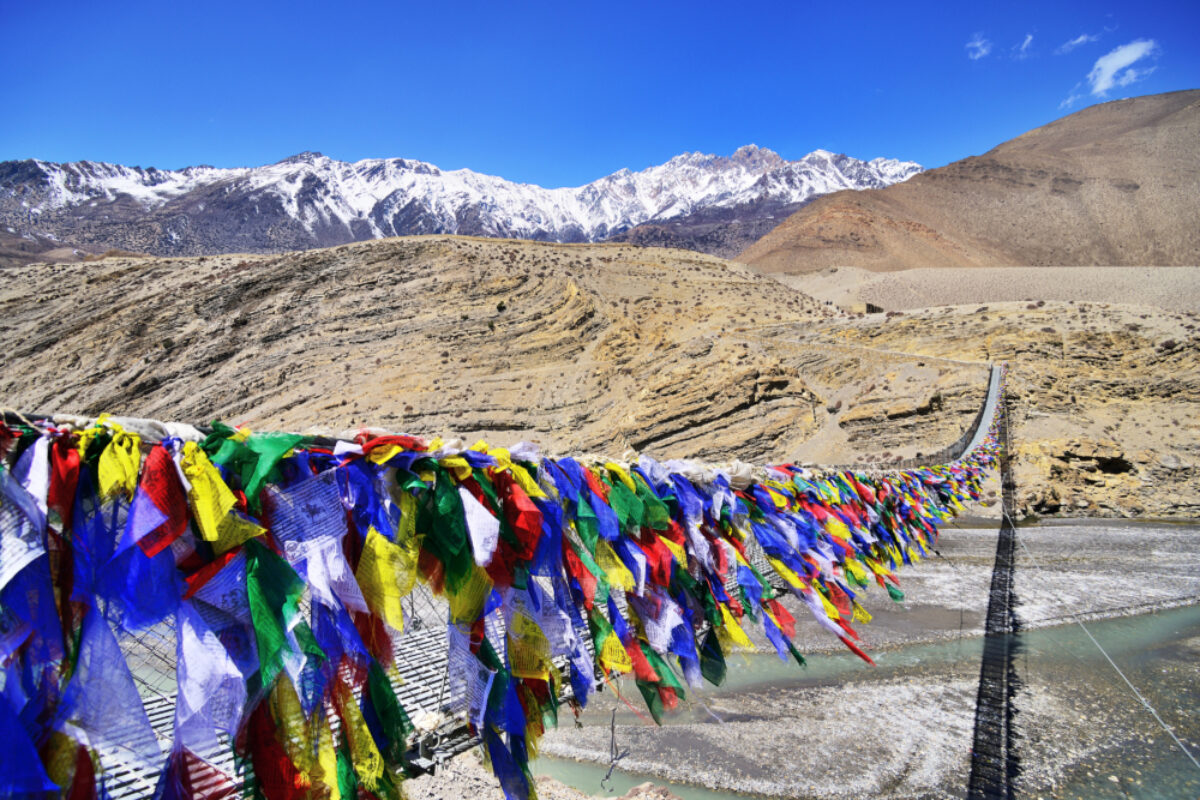
Mustang Suspension bridge between Lower Mustang suspesion bridge lower and Upper Mustang lowres
§ 01

Welcome to Upper Mustang

The insider's travel guide to Upper Mustang

North, beyond the highest Himalayan peaks, is Upper Mustang.

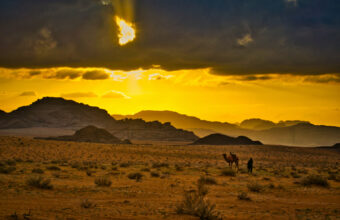
Long shrouded in mystery and closed to outsiders until 1992, the Kingdom of Mustang (the much-loved last king sadly died in December 2016) is a high-altitude desert of multi-hued gorges, green oases, fairy-tale gompas, prayer flags and blood red fortified monasteries.

This is a land so rich in traditional Tibetan Buddhist culture that it can often feel more classically Tibetan than the modern Chinese region of Tibet itself.

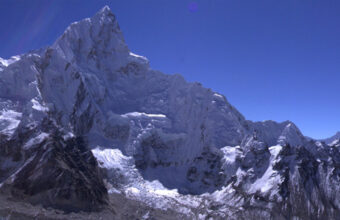
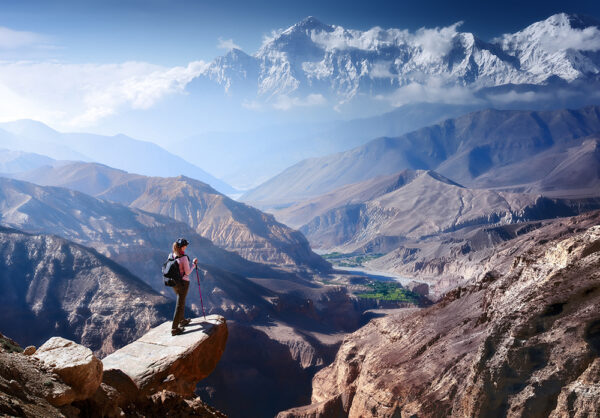
It’s worth noting that Mustang doesn’t have the same awe-inspiring close-up views of the mountains as many of the other main Nepalese trek areas and that walking here is as much a cultural experience as a mountain one.

§ 02

Ask our Upper Mustang experts

Real questions, answered by the people who know it

30 Jun 2026

Upper Mustang
J
Asked by: Jon

My wife and I are interested in trekking in Mustang, with about 5 days (27–31 July 2026). We'd love to reach Lo Manthang, but realise time is short and we also need to acclimatise to the altitude, so we wondered about combining part trekking with part 4WD. Is this too short a time to include acclimatisation? We'll be in Pokhara and would want to fly into Jomsom to save time.


Abhi Shrestha
Answered by: Abhi Shrestha

Thanks to road development throughout much of the Mustang region, we have been operating a combination 4WD-and-trekking itinerary for several years. Our standard itinerary is considerably longer than five days, but it can certainly be adapted into a shorter trip.

For a 5-night / 6-day journey within Mustang, it helps to allow time around it as follows: 1 night in Kathmandu on the arrival day; travel to Pokhara (about 7 hours by road or 25 minutes by flight) and 1 night there; an early-morning flight from Pokhara to Jomsom to begin the drive-and-trek; on return, either 1 night in Pokhara or a late-morning/afternoon flight on to Kathmandu the same day; and 1 night in Kathmandu before your international departure.

A preliminary outline of the Mustang portion would be:

  • Day 1: Morning flight from Pokhara to Jomsom (~25 mins). Drive Jomsom to Samar (~3 hours), trek via the sacred Chungsi Cave to Syangboche (~4–5 hours), then drive to Ghiling (~30 mins).
  • Day 2 – Monasteries and ancient villages: Drive to Dhakmar (~1.5 hours), then trek via Ghar Gompa and Lo Gekar Monastery to Charang (~4 hours).
  • Day 3 – Crossing Chogo La: Trek over the Chogo La pass to Lo Manthang (~4.5 hours).
  • Day 4 – Exploring Lo Manthang: Visit the ancient caves, monasteries, and medieval villages around Lo Manthang (on foot or by vehicle).
  • Day 5 – Return to Jomsom (~7 hours): Scenic drive back through Upper Mustang to Jomsom.
  • Day 6 – Return to Pokhara: Morning flight from Jomsom to Pokhara. Either overnight in Pokhara and return to Kathmandu the next day, or connect on to Kathmandu on a late-morning/afternoon flight the same day.

As you'll spend the first two nights at altitudes of around 3,500–3,600 metres, you should have a reasonable opportunity to acclimatise gradually. That said, altitude affects everyone differently and individual reactions can't be predicted with certainty. If you experience significant symptoms of altitude sickness, a vehicle will be on standby to take you promptly to a lower, safer altitude where recovery is usually much quicker.

30 Jun 2026

Upper Mustang
J
Asked by: Jon

I understand there are no flights between Pokhara and Jomsom during July because of the monsoon season. Is this correct, and what does it mean for a July trip to Mustang?


Abhi Shrestha
Answered by: Abhi Shrestha

You're right: airlines generally suspend flights to and from Jomsom during that time of year due to the monsoon conditions. As a result, travelling to and from Jomsom by road would add approximately two additional days to the overall itinerary.

It's also worth being mindful of landslides during the monsoon. The road between Pokhara and Jomsom can occasionally be disrupted or closed by landslides, which is an important factor to consider when planning a July departure.

20 May 2024

Nepal
J
Asked by: Jim

Stuart Butler
Answered by: Stuart Butler

Yes you can combine the Annapurna Circuit and the eastern Upper Mustang – in fact, probably the best Nepal trek I have ever done combined these two areas!

On my route I flew into Jomson, hiked up the western side of the Upper Mustang Valley and then back down the eastern side. My original intention was to then cross the Teri La pass to the villages of Nar and Phu just off the Annapurna Circuit and then join up with the Annapurna Circuit. However, we couldn't find any local guides willing to lead us over the Teri La and it later turned out that most people preferred not to cross this because of the real danger of rockfalls (a very experienced trek leader who did do it later told me it was very scary).

So instead, we joined the Annapurna Circuit at Muktinath. We then went clockwise (ie the opposite way to everyone else) over the Thorung La pass. Having already been at altitude in Upper Mustang we were well acclimatised so the pass was easy enough. We then continued down the Annapurna Circuit the opposite way to everyone else until Yak Kharka where we cut across to Tilcho Lake. We camped by the lake shore and then continued west along a little used pass over the Mesokanto La and back to Jomson to make for a neat figure eight trek.

However there's a catch and a very good reason why I wouldn't fully recommend this route: We didn't know until we were fully committed but the Mesokanto La is not a trekking pass, it's a mountaineer's pass that involves descending down two very steep glaciers and crossing some rockfall zones. You need ice axes, ropes and crampons to be safe.

I really very strongly advise against doing this pass, so instead if I were you I would simply hike down the eastern side of Upper Mustang and then meet up with the Annapurna Circuit at Muktinath and then go over the Thorung La pass and follow the Annapurna Circuit clockwise (opposite way to everyone else) as far as you wish.

22 Jan 2024

Upper Mustang
F
Asked by: Federico

Stuart Butler
Answered by: Stuart Butler

It's true that there has been significant road building in Upper Mustang over the past few years. The government intends to continue upgrading the road to make this one of the key border crossings to Tibet. These roads have a significant impact on the culture and environment of Upper Mustang and they've had a very negative impact on trekking in parts of Upper Mustang. The road, though far from busy, has regular truck traffic along it and the dust these vehicles kick up doesn't make for a pleasant trekking experience, plus the character of roadside villages has changed dramatically.

However: this only affects the western side of the river valley. On the eastern side of the valley there is currently no road construction and life carries on in much the way it has been for years. Trekking routes here are quiet and unaffected by vehicle traffic whereas the villages remain small and traditional. There are many routes you can do on the eastern side of the valley to villages, caves and monasteries and the scenery is great.

Personally, I would not pay for an Upper Mustang permit if I were only going to trek the western side, but I would certainly pay for it to trek the eastern side. In my opinion the best option is to drive up the western side of the valley to Lo Manthang and then slowly walk down the eastern side. You'd also want a few days exploring side valleys and areas to the north, east and west of Lo Manthang. If you do this then Upper Mustang is as good as it has always been.

Abhi Shrestha Stuart Butler

Ask a question

Get answers from our independent Upper Mustang experts.

Ask a question →
§ 03

The Upper Mustang atlas

5 picks Places & Experiences You Won't Find Elsewhere
Where
What

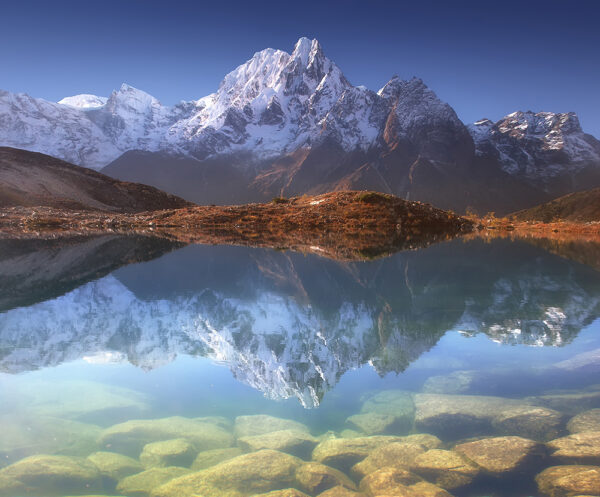
  • North, beyond the highest Himalayan peaks, is Upper Mustang. This is a high-altitude desert of multi-hued gorges, green oases, fairy-tale gompas, prayer flags and blood red fortified monasteries. This is a land so rich in traditional Tibetan Buddhist culture that it can often feel more classically Tibetan than the modern Chinese region of Tibet itself. Mustang doesn’t have the same awe-inspiring close-up views of the mountains as many of the other main Nepalese trek areas, and walking here is as much a cultural experience as a mountain one. With classical Tibetan Buddhist culture severely restricted in Tibet itself, Upper Mustang is now one of the best places to see it flourishing. But take note: Traditional life is changing here too, thanks to increased road construction and development.

  • Difficulty: StrenuousTrek duration: 18-22 days.Max. elevation: Teri La 5,595m, Saribung La 5,600mAccommodation: Homestays and campingStart/end point: Kagbeni/Koto This is only for the most adventurous and experienced hikers with full expedition support. The Teri La (5,595m) and Saribung La (5,600m) passes connect Upper Mustang with the valleys of Nar and Phu. Each trek is around three weeks long and requires several nights camping well above 4,000m. Ropes, crampons and ice-axes are likely to be needed.

  • Best trek for: More exciting version of the Upper Mustang 'standard' routeDifficulty: Moderate-difficultTrek duration: 12 daysMax. elevation: 4,380mmAccommodation: HomestaysStart/end point: Kagbeni/Kagbeni or Muktinath In my experience the 12-day Upper Mustang loop is far more rewarding (but longer) than the standard Upper Mustang trek. The first part of the trek to Lo Manthang follows the standard way up the western side of the Kali Gandaki. For the return though you follow a much wilder route down the eastern side of the Kali Gandaki. There’s much less development on this side of the river and no road construction. I find the villages tend to be more traditional and there are fewer trekkers. The scenery is also more impressive than the western route, but the walking is tougher, fresh water harder to find, and villages more spaced out with some long days of walking.

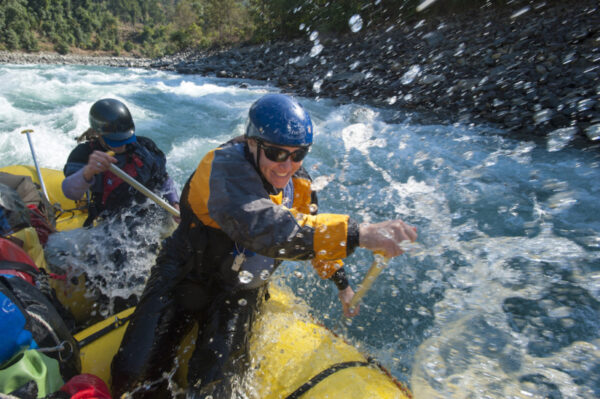
  • For most adventure seekers, trekking in Nepal is the singular focus. But for some real white knuckle thrills you need to hang up your boots for a 2,900m mountain bike descent, followed by a raft to navigate the grade 3-4 rapids of the Kali Gandaki river, wild camping on the riverside along the way. We designed this itinerary as a truly radical Himalayan adventure that you won't find with most retail trekking operators. This is as action-packed as it comes.

  • Very few visitors make it out to Mustang; indeed foreigners were forbidden for many years. But I find trekking in Upper Mustang a world apart to the rest of the country; here it's less about the awe-inspiring scenery of most Nepal treks and more of a cultural experience. This route is for intrepid travellers with good fitness and previous experience at high altitude. You'll experience Tibetan culture and small villages, see unique rock formations and arid cliffs, as well as the legendary walled Lo Manthang. As Mustang isn’t affected by monsoons, this trek is possible year-round.

  • Upper Mustang for cultural discovery

    Upper Mustang for cultural discovery

  • Teri La and Saribung La

    Teri La and Saribung La

  • Upper Mustang loop

    Upper Mustang loop

  • Nepal trekking, whitewater & MTB adventure

    Nepal trekking, whitewater & MTB adventure

  • Upper Mustang trek to the Walled City

    Upper Mustang trek to the Walled City

Find a travel specialist
Plan my trip →
Independent experts to plan your trip

Trusted specialists

Nepal

Alpine Ramble Treks

Leading Kathmandu-based trekking agency
Nepal

Amigo Treks & Expeditions

Leading Kathmandu-based trekking agency
Asia

Nepal Footprint Holiday

Locally-owned Kathmandu trekking company
Nepal

Green Society Adventure

Top rated Nepal specialist

Loading...