




Langtang region

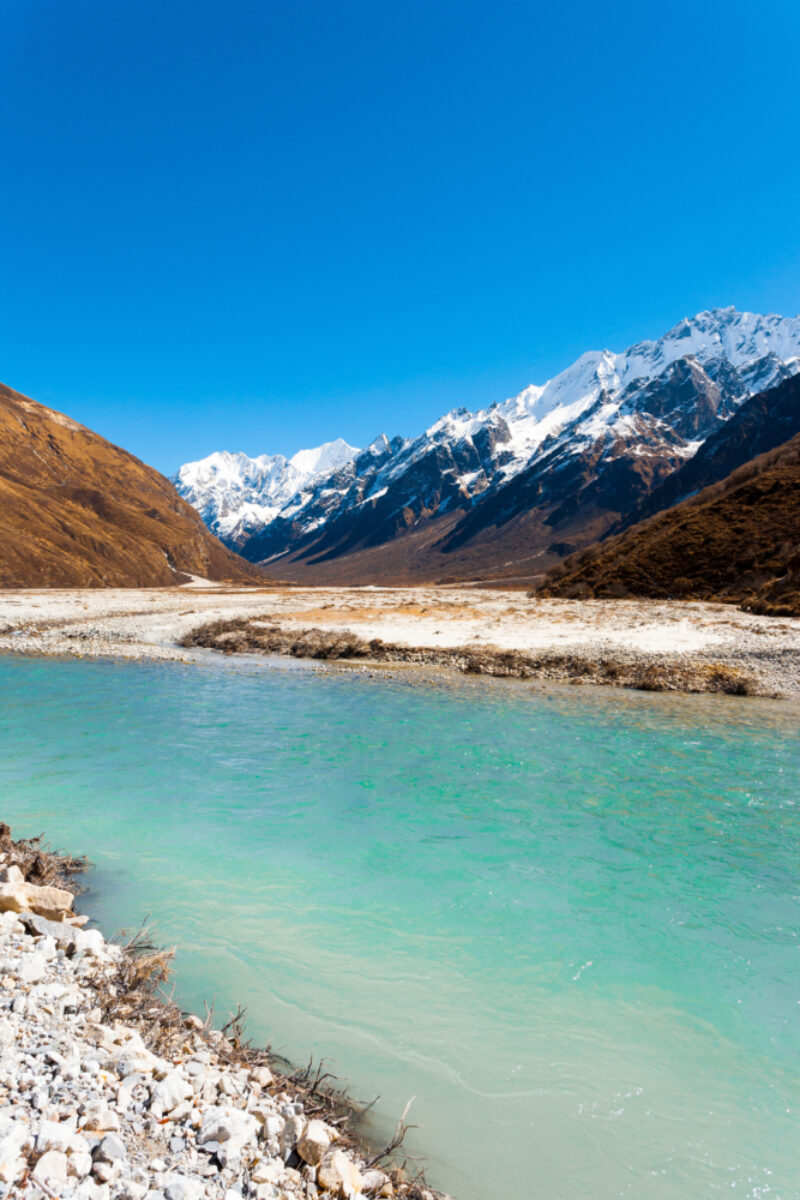
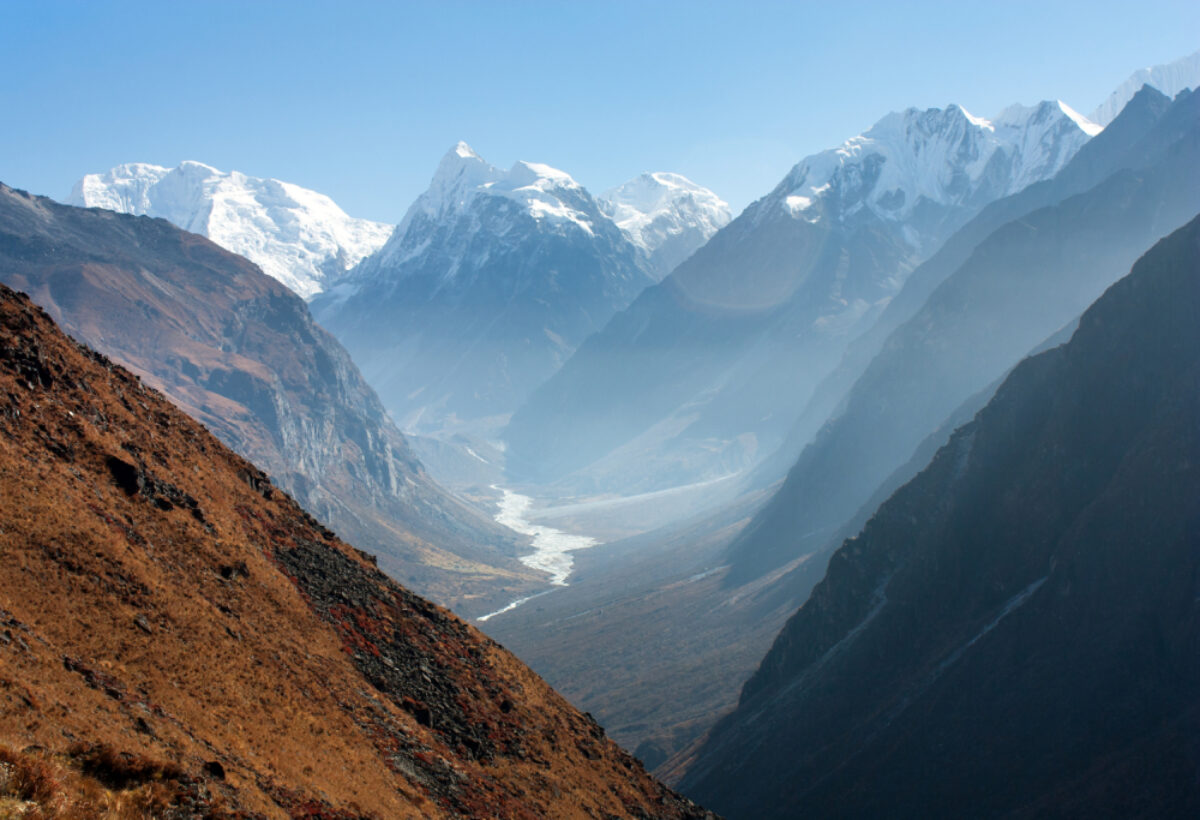
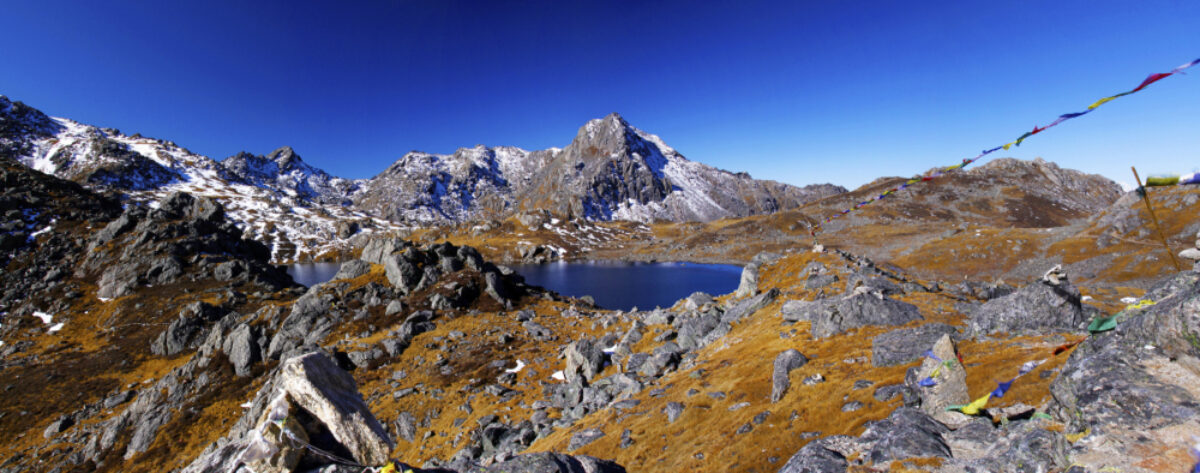
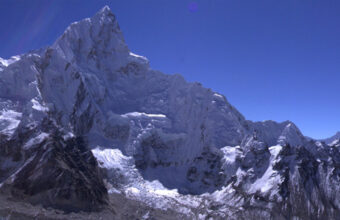
Often visible from Kathmandu city centre, the Langtang range offers the most accessible trekking in Nepal.
If the city pollution and traffic wasn’t so off-putting, you could start walking from your guesthouse straight to the mountains.
This accessibility, easy-to-follow trails and lots of lodges has meant the Langtang Valley has always been, alongside Everest and Annapurna, one of the big three independent trekking areas.
The 2015 earthquake caused massive damage and loss of life in and around the Langtang Valley. The beautiful stone wall village of Langtang was buried under a huge avalanche. Today, all the trekking areas have re-opened and once again there are lodges along the routes. But the reminders of the disaster are still there. Where there were yak pastures, pine forests and the village itself, there is now a grey wasteland of rubble stretching for at least two kilometres. Slowly though, even this is fading from sight as vegetation starts to cover the rockfall.
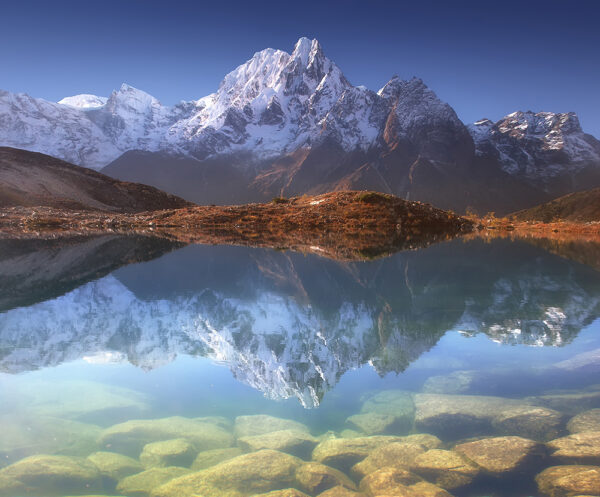
But don’t be put off. This is a beautiful area to trek with high Alpine pastures, rewarding side trips, holy lakes, stunning mountain views, cultural interactions, relatively few other trekkers, and easy and cheap access with no internal flights needed.
Hidden gems in Langtang region

Langtang region
Ama Yangri trek

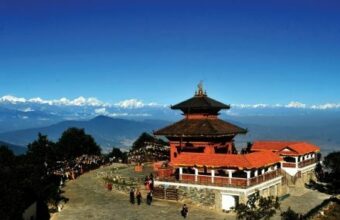
Ama Yangri is the trek I often recommend when people want real Himalayan scenery but don’t have a week to spare. The peak sits at 3,771 metres and you can do the whole thing in three days from Kathmandu. The route is quiet and feels properly local, with Sherpa and Hyolmo villages in Sermathang and Tarke Ghyang. It’s close to the city but never feels busy. For me the heart of the trek is the summit. On a good morning the view from the mountains look crystal clear. In spring and autumn you get that kind of sharp visibility about nine mornings out of ten if you start early. You can see Jugal Himal, the Langtang range, Dorje Lakpa and the rest stretching across the skyline. The best window is from around 5.30 to 9am. The route itself isn’t technical. The climb from Base Camp feels harder because you start at 3.30am after a short night. There aren’t any tricky ridges or switchbacks; it’s just steady uphill in the dark. A fit person can manage it without trouble. What helps most is keeping the day before simple: eat, hydrate, and go to bed early. I tell people to try for 7pm. Avoid alcohol and tea or coffee, or it gets harder to settle. The rooms can be cold, which doesn’t help, but there aren’t really any special tricks that make sleep easier. One thing people do underestimate is the temptation to skip Base Camp. Some try to go straight from Sermathang to the summit and it never works well. It’s too quick an ascent and you feel the altitude. Staying at Base Camp gives your body time to adjust and makes the morning climb safer. The trail between Sermathang and Base Camp is long and completely without water or teahouses. It takes six to seven hours, so I always tell people to bring a simple packed lunch and about two and a half litres of water. It’s a quiet forest route and easy to drift off the main line, so having a guide makes a difference. The teahouses are friendly but basic. Eco Yangri Lodge in Sermathang and Chyomuthang Resort at Base Camp are the usual choices. Booking ahead helps in the busy months. The road in and out is rough and slow, so I prefer private transport over local buses. Motion sickness tablets are useful. Spring and autumn are the best seasons. Winter mornings can be very cold, down to minus five, but the views are lovely. Monsoon is muddy and slippery, so I don’t recommend it. If you want to catch the best colours and avoid the wind, leave Base Camp at 3.30am. Bring a headlamp and be ready for a cold summit. In the Sherpa and Hyolmo villages, dress modestly and only go into monasteries or homes if someone invites you.
Read more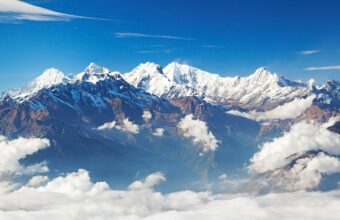
Langtang region
Ganesh Himal trek
Named after Ganesh, the elephant-headed Hindu god of fortune, Ganesh Himal lies directly between the Manaslu and Langtang ranges, and is one of the great unknowns of Nepalese trekking. With stunning mountain scenery, attractive and welcoming villages, hot springs, waterfalls and a genuine sense of being well off the beaten track, the Ganesh region really has a bit of everything — except crowds of other trekkers. A handful of homestays and trekking lodges have started to open up, but for now the trails are still largely empty. Because formal accommodation is still so scarce, an organised camping trip is the best way to tackle this trek. There are a couple of different trekking routes in the Ganesh region which you can access from Manaslu and the Tsum Valley in the west, but the standard trail starts from Syabrubesi and follows the Tamang Heritage Trail to the gorgeous village of Gatlang before crossing the Pansang La pass (3,842m).
Read more
Langtang region
Ganj La trek
The most challenging and dangerous trek in the Langtang region is the crossing of the high (5,106m) Ganj La pass, which links Kyanjin Gompa at the head of the Langtang Valley with Tarke Ghyang on the Helambu Circuit. This should only be attempted by very experienced trekkers with a good support team. You will need camping equipment, a guide who knows the route well, ropes, ice-axes and crampons.
Read more-

Ama Yangri trek
View experience
Langtang region itineraries

Langtang region travel companies