




Everest Base Camp

A trek to Everest base camp is as much a pilgrimage as a straightforward trek, but there’s much more to the region than ‘just’ Mt Everest.
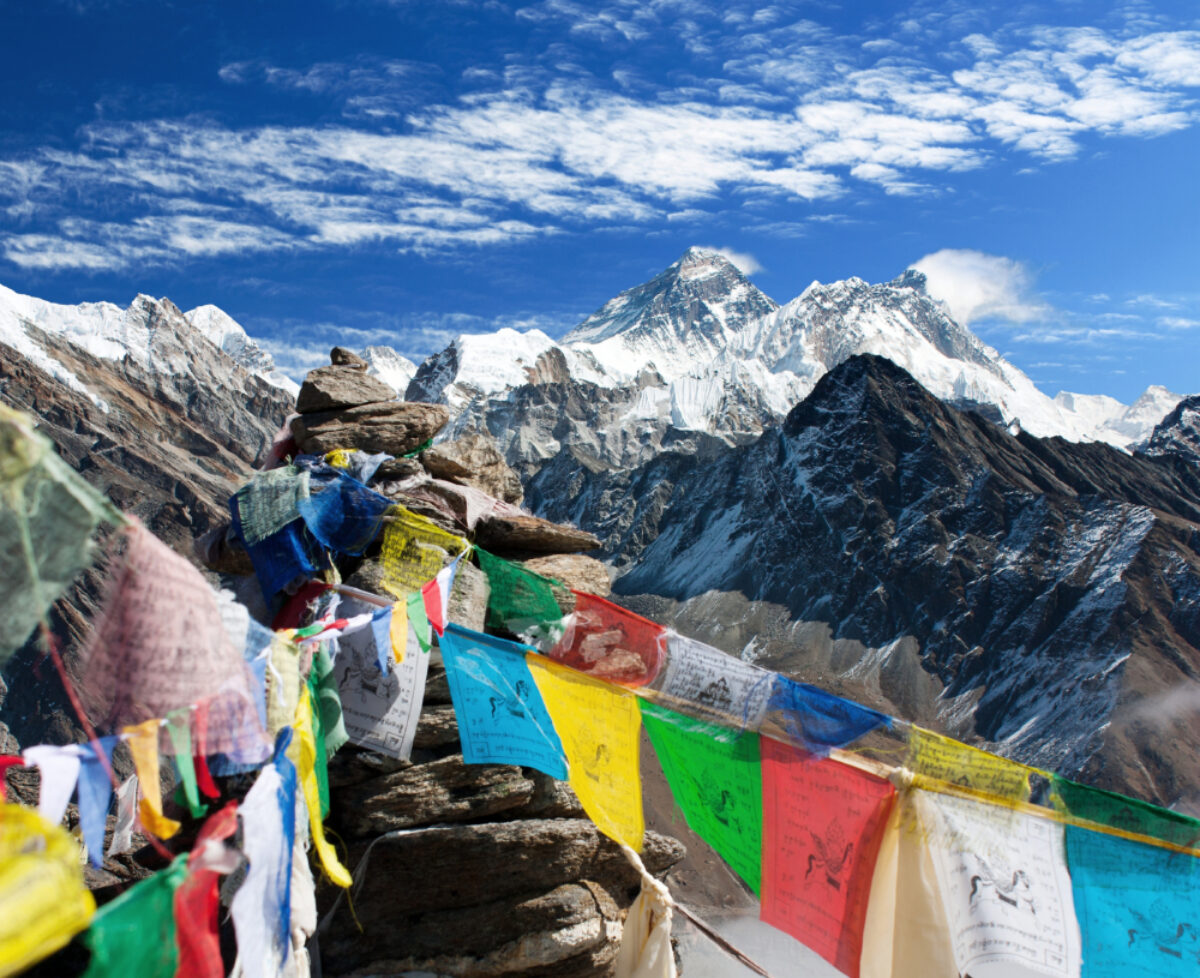
Mount Everest, (8,848m) the highest mountain on Earth, exerts a magnetic pull on trekkers, mountaineers and armchair adventurers alike. The main trekking routes around Mount Everest can be busy and over commercialised, but for sheer awe nothing comes close to the trails threading through the Khumbu, the area around Everest.
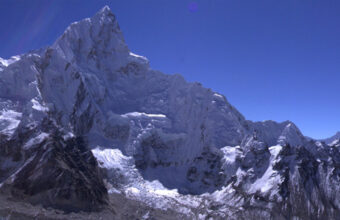
Although the focus on these treks is naturally on Everest, the surrounding giants — Lhotse (8,501m), Nuptse (7,861m), Lobouche West (6,145m) and others — are often more beautiful and more inspiring.
The Everest region has long been the most popular trekking area in Nepal. The trails are well-developed, the trekking lodges excellent (there are a growing number of genuinely luxurious places to stay), the variety of food impressive and the organisation and information as good as it gets. With no complicated permits required and — unless you attempt to do something really offbeat — no need for any form of camping equipment, this is independent trekking at its best. However, most trails take you up high (well above 5,000m) and the risk of acute mountain sickness on many routes is real. Therefore, don’t hurry on any of these routes, build in plenty of rest days, and take the time to enjoy this outstanding place.
Hidden gems in Everest Base Camp
Nepal
Everest Basecamp trek
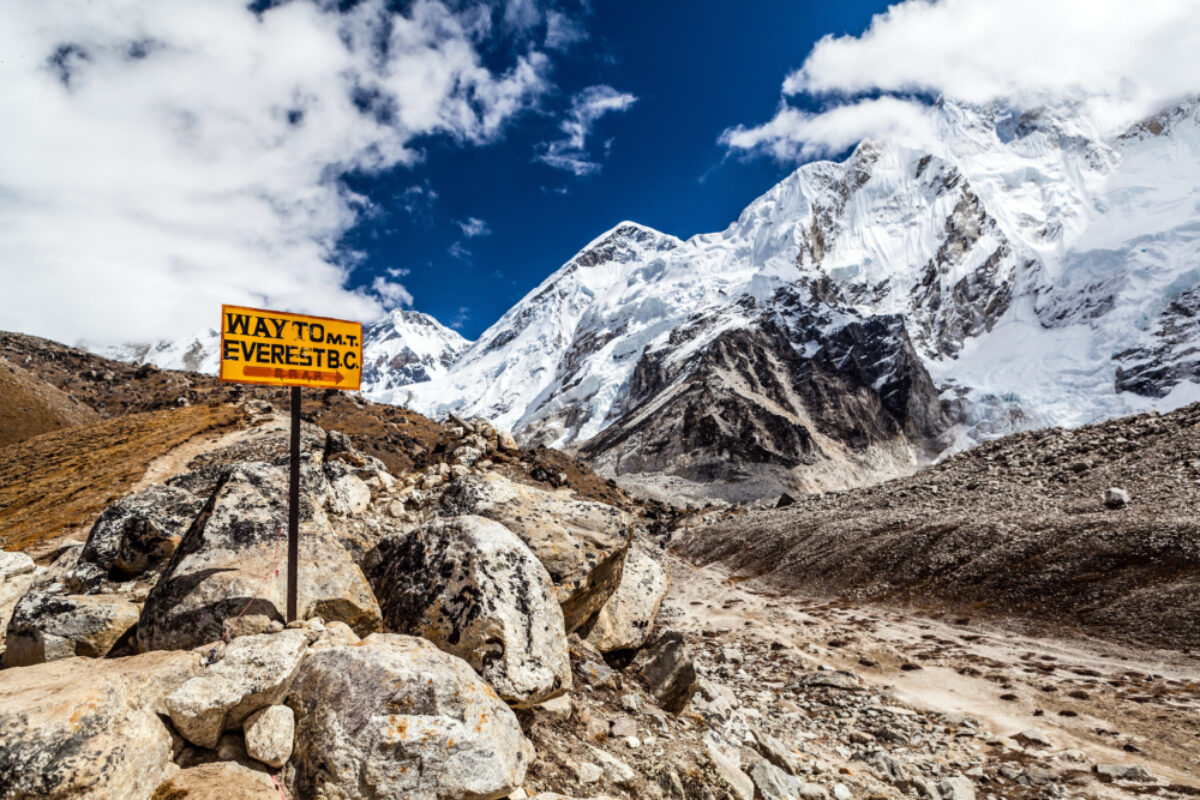
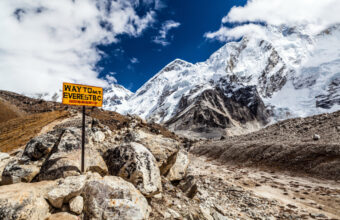
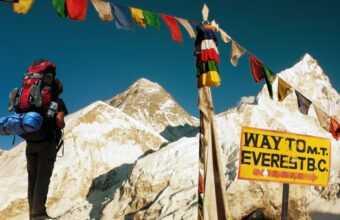
This is another of the most popular treks in Nepal, and for good reason. Over two weeks you will hike through green foothills, past Buddhist monasteries, through stone-walled, slate-roofed villages and right into the heart of the mountains to arrive among the moraines of Everest base camp. Facilities on this trek are as good as anywhere in the Nepalese mountains. Most lodges have varied menus, heating, separate rooms, electricity, hot showers and even wi-fi. There are genuinely luxurious lodges available. On the flip side, you’ll never walk alone on this route. Tens of thousands of trekkers walk this trail each year and sometimes local culture can be overwhelmed by international trekking culture. If you value peace and quiet, avoid this trek. You can’t see Everest from base camp and with its masses of semi-permanent expedition tents the area resembles a festival site (indeed in April 2017 British DJ Paul Oakenfold played a live gig here!). Even so it’s an interesting place, especially in the April-May climbing season (in the October-November trekking season it’s mainly deserted). For most people the real reward of this trek is not base camp but the nearby Kala Pattar viewpoint (5,545m) which at dawn, before the clouds tumble in, offers a view of Lhotse (8,501m), Nuptse (7,861m), the Khumbu Icefall and, standing grand behind them all, Everest itself. Most people return back the way they came but it’s possible to follow parts of the Three Passes trek over to Gokyo
Read more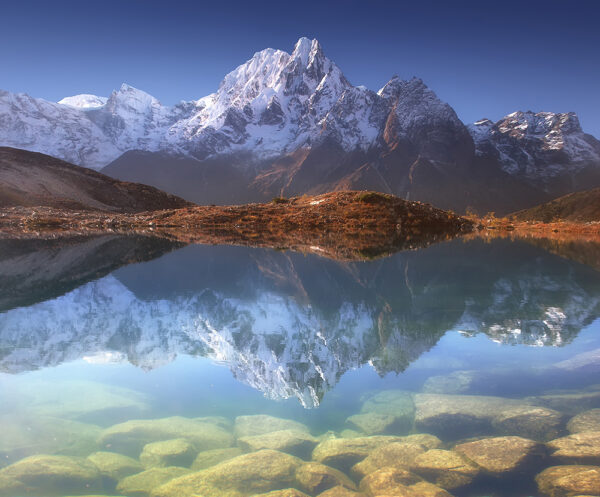
Everest Base Camp itineraries

Everest Base Camp travel companies