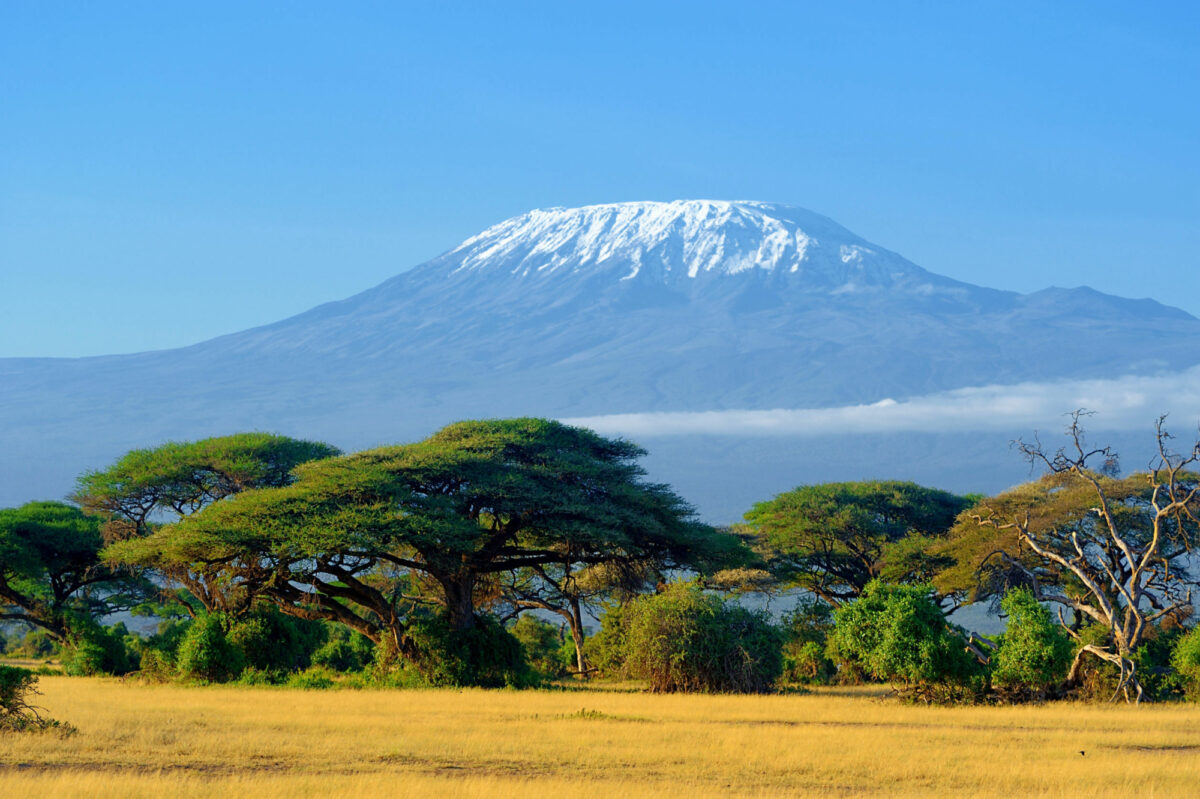
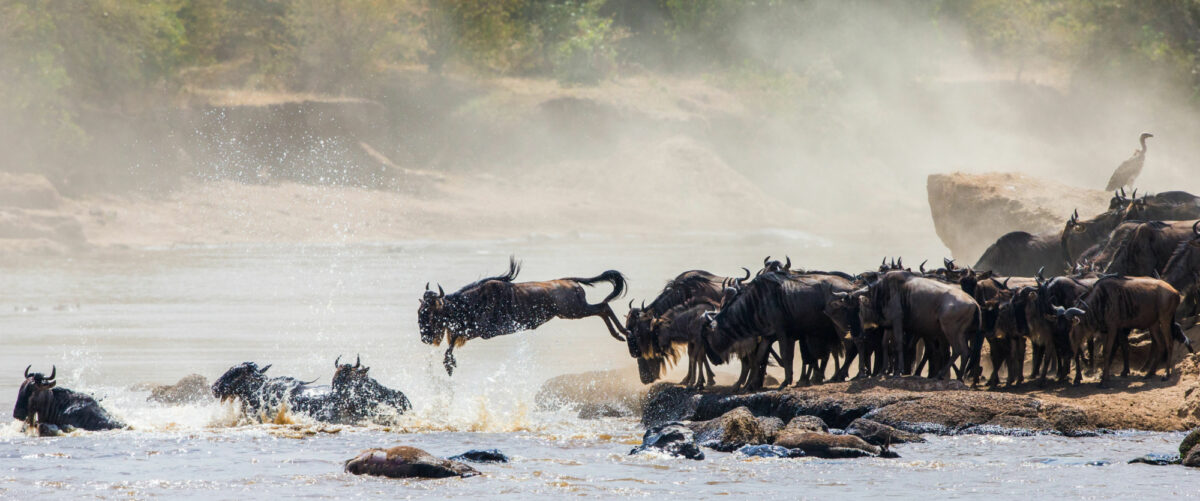
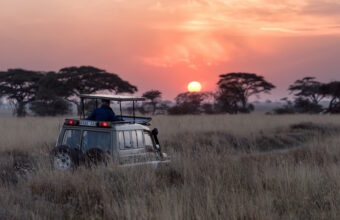
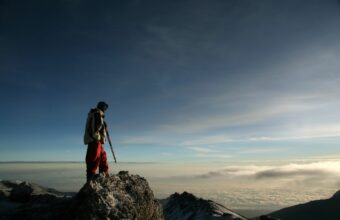
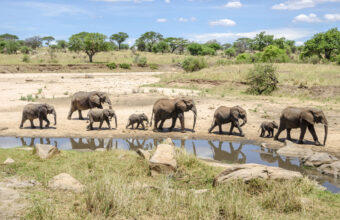
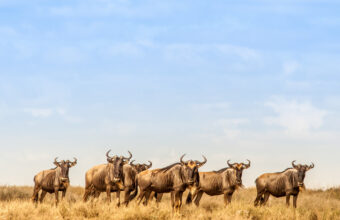
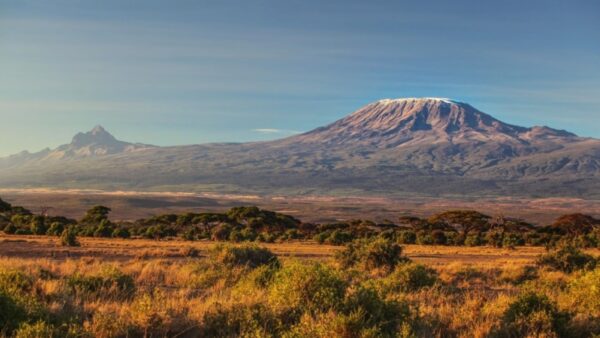
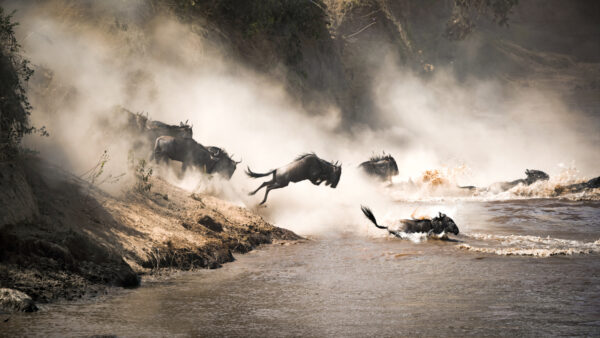
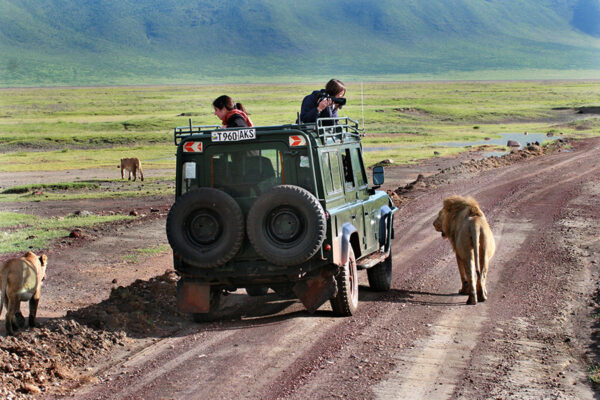
Tanzania is your quintessential African destination. From vast savannahs playing host to hordes of wildebeest migrating, the majesty of the Serengeti and the snow-capped peaks of Mount Kilimanjaro, Tanzania offers adventures for everybody.
Home to the famed wildebeest migration for most of the year plus a healthy population of chimpanzees, this is a true safari heavyweight. But there's much more to Tanzania than the wildlife.
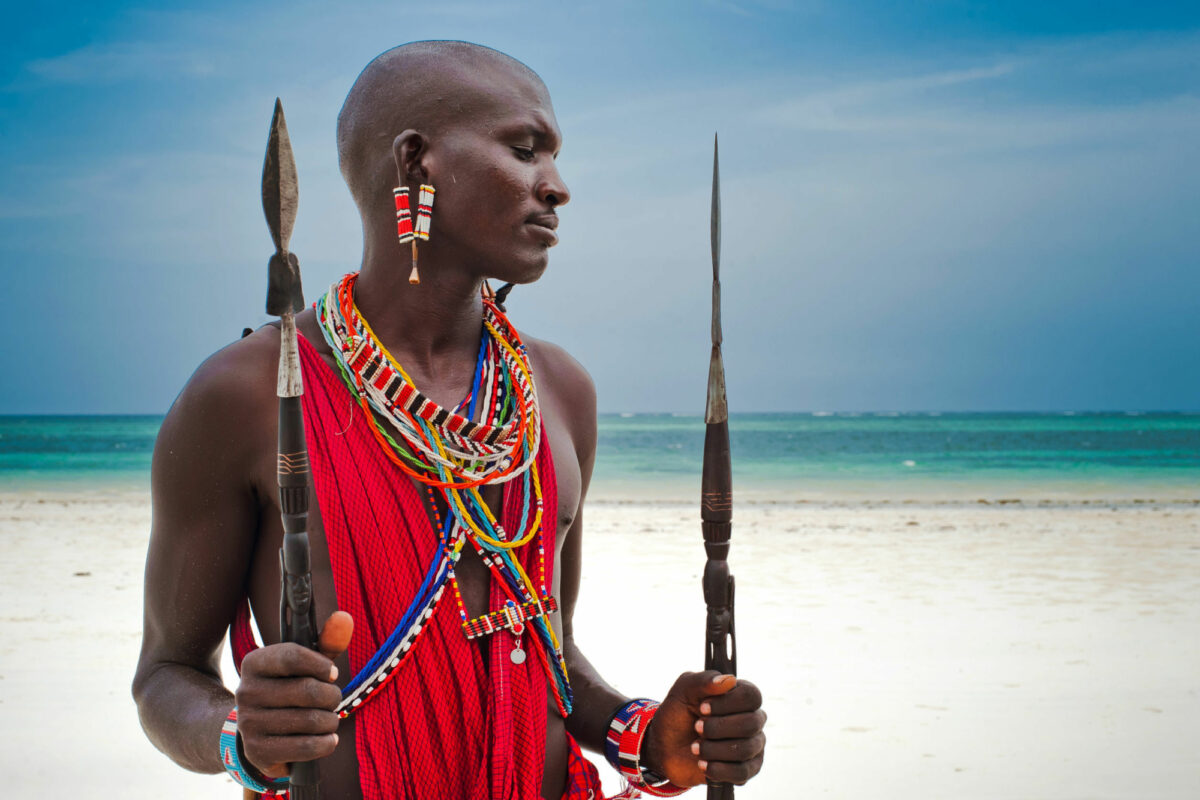
The country has some of the best mountain trekking in Africa, more than 500 miles of sublime coastline and a rich history as a spice route. And over all this profound beauty, the legendary Maasai people still stand proud.
Our youngest is 7 years old – we're all good hikers, including the youngest, what are the minimum ages?
Answered by: Frazier Msuya
There's no official minimum age for climbing Mt Meru, it just depends on the policy of each tour operator. Seven is usually fine, most would probably say 6 is the minimum, but if you do it as a private guided trek there's probably some flexibility. Kilimanjaro is a different matter – the official minimum age is 10, and some operators prefer 14.
When is the better time to see the wildebeest cross the Mara River: late July or mid-August?
Answered by: Kelvin Ngugi
Because there's a lot of variation in the patterns and behaviour year-to-year, it's not really possible to predict the difference between late July and mid-August, other than to say the river crossings would typically be very active during both times. I'd suggest you visit a mobile camp which can change position each year to be in the best possible location.
Can I still see the river crossings in September, or is August still the perfect month to see it? I would be sad if I missed it because I went in the wrong month.
Answered by: John Dante
You can usually expect to see plenty of river crossing action in September, although of course the patterns change slightly each year.
Your best chance at this time of year is probably in the Masai Mara in Kenya.
If you have the budget you can stay in one of the mobile safari camps, which change location each year to be in the best places. You might also want to consider one of the conservancies, rather than the national park itself – you'll get a much better experience, with less crowding. Peak season in the actual national park can be very crowded.
Yes! I think calving season during the wildebeest migration is just as spectacular as the more famous river crossing period.
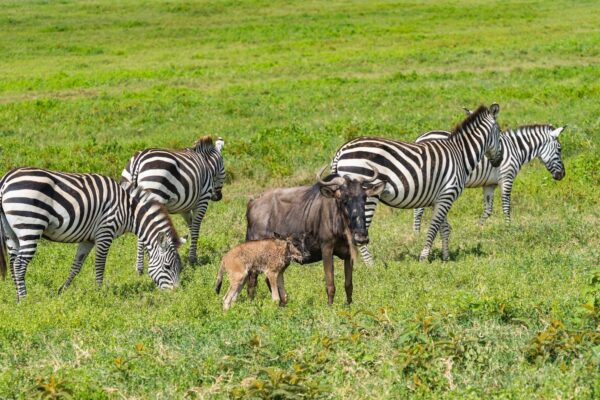
This period runs from December to March around the Ndutu Plains to the south of Serengeti. During this time the wildebeest and zebra stampede over the plains preparing to give birth to thousands of calves. At the same time the big cats are on the lookout for an easy snack. With vast numbers of animals, their sounds and smells, all of the little calves, and the big cats on the lookout... it's theatre on an epic scale and you cannot be disappointed. And the extra benefit is that it's a much shorter drive here than to see the river crossings.
In my opinion there's not much that tops Serengeti National Park. As far as the wildlife and scenery goes there's nowhere better for a safari in Tanzania.
The only downsides I can think of are that visiting the Serengeti can involve lots of driving (to see the migration river crossings takes two or three days driving), also it can be expensive and, at peak times, busy (although far quieter than neighbouring Masai Mara in Kenya!)
For those who prefer less driving, I'd recommend Ngorongoro Crater as a good runner up to the Serengeti. Ngorongoro's compact size (the crater is only 20 kilometres across) means you can see more with much less driving. All the big five can be seen here and as a bonus you have have a better chance of seeing rhinos here than in Serengeti.
If you want to escape all crowds and get off the beaten track, I highly recommend Ruaha National Park. Located in the midwest of the country, it surprises with outstretched savannahs and plenty of animals, together with some amazing lodges. The downside (or upside, depending on what you're looking for) is the distance – it’s pretty far from everywhere.
And finally if you're looking for a lower cost safari in Tanzania you could book flights to Dar Es Salaam, and from there do a safari in Mikumi National Park. Relatively small, it still offers open savannah with all your usual safari suspects except for rhinos, along with the most beautiful sunsets and sunrises.
It's perfectly possible to hike around Kilimanjaro but not go for the summit.
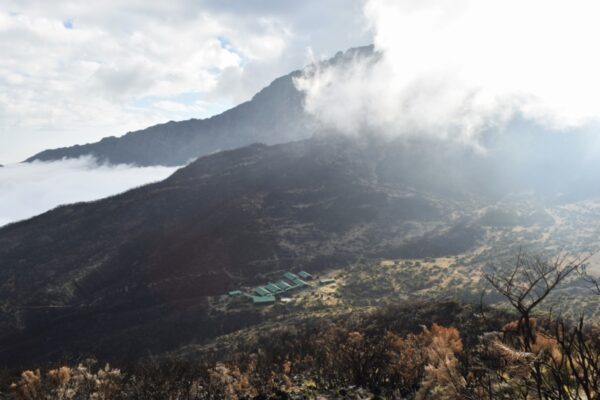
My favourite is a two-day Kili hike, where you do the first part of the Marangu route, sleep at the Mandara Huts, hike as high as the Horombo escarpment on day two, and then go back down.
Along the way, you encounter narrow trails through the rainforest, amazing views of for example Mawenzi Peak and open moorlands with giant lobelias and groundsels. The ridged trail is narrow as you wander through the rainforest. It’s lush and misty, with the trees adorned with moss. The canopy overhead is alive with birdsongs and a colobus monkey or two.
The hike to the Mandara Hut takes four to six hours at a good walking pace, and it's possible to add a one-hour walk to the Maundi Crater to that. If you are lucky, you see tree hyraxes on the way and on a clear day, the views to the east over Taveta and to the northwest of Mawenzi Peak are stunning.
On day two you will see the glades of the rainforest and follow an ascending path on the open moorlands towards the Horombo escarpment. Views of Mawenzi and the summit of Kibo are amazing. Look for giant lobelias and groundsels. This hike up takes you three to four hours, then you go five to six hours back down again. You stop at the Mandara Huts for lunch, then hike back to the Marangu Gate where the walk ends and you drive back to the hotel.
I think you'll find the Usambara Mountains in northern Tanzania pretty much perfect for the type of hiking you're after (another possibility, all be it one just over the border in Kenya, is the Loita Hills).
There are all kinds of hiking possibilities in the Usambara Mountains from half a day to a week or more. There's nothing technical or difficult about the walking (though make sure you have plenty of wet weather gear!)
The main launch point for treks is the small town of Lushoto. If you're not booking an organised trek and don't mind doing things DIY you should be able to find a guide here, although there's no official registered guiding agency. A good bet can be to ask at guesthouses for help finding a good guide. You wouldn't likely be a part of a set group as the guide would walk with just your party.
You won't need tents as its more village to village trekking with simple guesthouse/homestay style accommodation in each village. You also won't need to carry anything more than snacks as food is always available in guesthouses. It's all quite organised considering the small number of people who hike here.
As for routes your guide will likely have suggestions, but Wikiloc also has a few user recorded routes which could serve as a good starting point. It's a very beautiful area. With big escarpments, drop-offs and varied countryside and people will try hard to help.
No. All trips up Kilimanjaro are as part of an organised trek. You don’t necessarily have to be a part of a trekking group but you are obliged to take a guide and porters and the more people you can share these costs with then the cheaper it becomes. In fact, guides are either compulsory or near enough compulsory on all Tanzanian trekking routes.
Altitude related health problems – which can be potentially lethal – are a real risk on Kilimanjaro. This is due as much to the great height of the mountain and because too many people ascend too quickly. This is why it’s very important to allow more days than the quickest tour itineraries suggest. Yes, it costs more but by taking things slower you have a far greater chance of success.
The Marangu route is the only route that offers accommodation in very basic mountain huts. On all other routes only camping is allowed and then only in designated camping areas. Trek organisers will supply all camping equipment (the quality of which varies depending on how much your trip costs). On the Marangu route everyone must stay in the mountain huts and the beds are laid out dormitory style.
The main routes up Kilimanjaro involve no technical climbing and really involve nothing more than a long slog. There’s no reason why an older person (or young though, 10 is the legal minimum) of decent fitness cannot climb Kilimanjaro. The big thing to remember is that because of cost most trips are shorter than they really should be and many people get altitude sickness. It’s worth factoring in an extra day or so to allow for proper acclimatisation.
As Africa’s biggest mountain and a very achievable “big” summit, Kilimanjaro has always been a popular trek. Is it too touristy? Well, that depends on perspectives and route taken. There are several different trails to the top and some are very quiet indeed. But, if you really want some peace and quiet, then nearby Mt Meru might be the one for you.
You can hike in Tanzania year round, but the dry season months are generally considered the best times, especially for the big peaks such as Kilimanjaro and Meru. The dry season for these northern mountains is late December through to late March and late June to the end of October.
Ask a question
Get answers from our independent Tanzania experts.
You'll receive a reply by email. Questions and replies may be anonymised and reproduced on Horizon Guides.
§ 04
The Tanzania atlas
30 picksPlaces & Experiences You Won't Find Elsewhere
Where
What
Katavi is one of Tanzania’s largest national parks but it attracts a fraction of the visitors, and feels very distant from, the likes of the Serengeti, Ngorongoro or Nyerere. And with just a handful of small camps scattered around the park, there are few other vehicles with which to contend. Indeed, it is estimated that Katavi attracts fewer visitors in an entire year than the Serengeti might get on any given day.
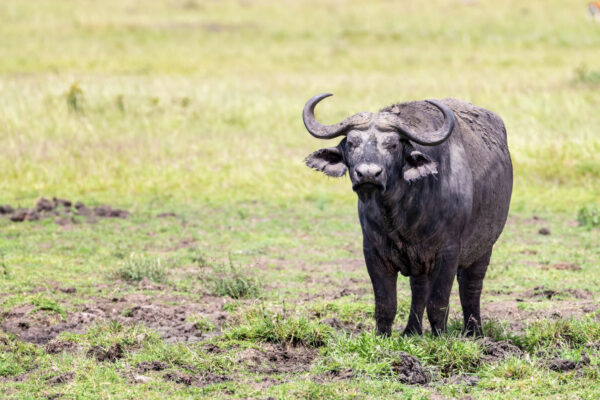
In the dry season, Katavi offers great wildlife spotting opportunities. Buffalo herds here often comprise more than 1,000 individuals, and mind-boggling numbers of hippo can be seen concentrated in a few small pools towards the end of the dry season. Other wildlife includes elephants, lions and large herds of plains game (topi, giraffe, zebra and impala).
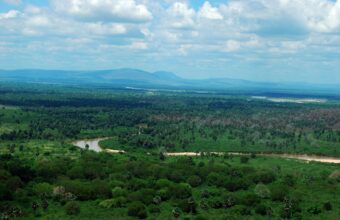
Tanzania’s largest national park, Nyerere (formerly Selous Game Reserve) extends across almost 12,000 square miles – making it bigger than Belgium. Its most notable geographic feature is the Rufiji River, which flows throughout the year and is a major wildlife magnet in the dry season. Despite this, the drier climate means that animal densities away from the river are far lower than they are in the Serengeti, and the thick bush can make wildlife spotting more challenging.
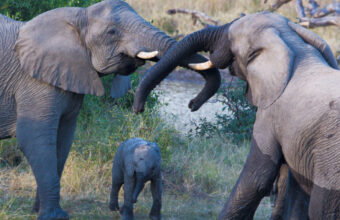
Nyerere supports large numbers of lion, elephant, giraffe, hippo and buffalo. It is also a key area for the endangered African wild dog, which is more frequently seen here than anywhere else in Tanzania. In recent years, commercial poaching has led to a massive decline in the park’s elephant population, but this still stands at more than 15,000 individuals.
Nyerere feels more remote than most of the northern parks, but because its camps are concentrated in one small area north of the Rufiji (which is also visited by plenty of day safaris from Zanzibar), it can feel busier than might be expected. What really sets the park apart is the range of activities on offer. Boat safaris on the Rufiji and an associated network of lakes are a real highlight. Other special activities include walking safaris and fly-camping.
I use Pembazoni Camp to show a different side of the Serengeti, away from the busier central areas. The camp sits in a quiet, little-visited part of the ecosystem, where movement is slower and wildlife encounters feel less orchestrated.
This is a small camp, and that scale matters. It allows for flexibility, particularly when combining vehicle-based exploration with time on foot. Walking here is not about covering distance, but about paying attention to tracks, terrain and behaviour that would be missed from a vehicle.
Accommodation is intentionally low-key. Tents are comfortable and well run, but the camp doesn’t try to compete with the landscape. It works best for travellers who are more interested in how the Serengeti functions than in ticking off familiar scenes.
I recommend Serengeti Green Camp for visitors who are keen to follow the migration, when mobility is key. It’s a seasonal, mobile camp that shifts location to stay close to the herds rather than expecting the wildlife to come to it. Days are shaped by where the herds are, how they’re moving, and what the conditions allow.
Despite being mobile, the camp is well organised and comfortable enough to spend several nights. It’s a good option for travellers who want to be properly inside the Serengeti system, without the sense of staying in a permanent outpost.
Rhino Lodge is a practical choice rather than a romantic one, and that’s exactly why I recommend it. It sits right on the rim of the Ngorongoro Crater, which means early access without a long pre-dawn drive.
The lodge is straightforward and unpretentious. Rooms are warm, solid and designed for rest rather than lingering, which makes sense here. This is a short stop focused on a specific objective: getting into the crater efficiently and without complication.
I tend to use Manyara Green Camp when I want people to experience Lake Manyara as more than a drive-through park. The camp is small and lightweight, and that suits the setting. It sits in a quieter part of the park, which allows time to slow down rather than rushing between sightings.
What works well here is the balance between walking, cycling and vehicle-based exploration. Being able to get out on foot or on bikes changes how you read the landscape, especially in a park that’s as varied as Manyara, with forest, groundwater springs and open areas all compressed into a relatively small space.
The camp itself is simple and functional. Tents are comfortable enough without trying to imitate a lodge, and the focus stays firmly on time spent outside. It’s a good place to begin a journey, particularly for travellers who want to ease into safari at a more measured pace.
When people talk about trekking in Tanzania they jump straight to climbing Kilimanjaro. It steals the oxygen from all the other options but maybe this is a good thing. While the crowds trudge up and down Kili, I prefer overnight walking safaris, fly-camping in the quieter corners of northern Tanzania’s Rift Valley.
My favourite route runs from the crater at Empakai down to Lake Natron. You start at the trailhead and walk along the volcanoes, spending the first night right on the rim of Empakai. Waking at sunrise over the forested caldera, with its enclosed soda lake, gives you a clear sense of the Rift’s structure. You feel the shifts in altitude, vegetation, and temperature as you move. You see where water, ash, and old lava flows have shaped how people and animals move across the land.
As the route drops towards Natron the country opens up. It becomes arid and bright, with those alkaline flats below. We pass through remote nomadic pastoralist communities. They are often intrigued by our presence. For me, that brief connection is one of the great joys of walking here. You get a glimpse of how these environments are used seasonally. Walking with Maasai guides adds another layer, because their knowledge comes from lived experience rather than interpretation.
Most travellers focus on the headline parks, so they never see terrain like this. Tanzania offers huge spaces and long-established traditions of remote trekking, and this is where that really shows.
There are downsides. It is not an easy hike, and it is vital to do it at the right time of year to avoid excessive heat. Good mobility and trekking fitness are essential. Camps are lightweight. By that I mean very simple tents, a bedroll, a table and chairs for dinner, and a long-drop toilet. That is about it. For some people that simplicity is part of the appeal. For others it is not.
A mobile camp suits this landscape. The journey unfolds naturally, with camp positions guided by distance, water, and conditions on the ground. There is no returning to the same place, just steady progression along the Rift.
The Shira route, starting on the western edge of Kilimanjaro, is one of the quieter trails up the mountain. It is typically organised as a seven or eight day itinerary. Shira has been largely superseded by the Lemosho Route, and in fact merges with Lemosho on the second day. The defining feature of Shira is that it starts higher than any other Kilimanjaro route, skipping the lower altitude rainforest zone that the other routes all traverse.
Personally, I think Lemosho is superior. The only reason you'd do Shira is if you've already climbed Kilimanjaro and you're looking for a different experience, or if you want to skip hiking through the lower altitude zones.
The high starting point is what sets the tone for the whole trek. You begin at around 3,400–3,600 metres. It is a tough introduction to altitude because there is less oxygen straight away, yet the body gets a quick reminder of how to acclimatise. If you take it slowly, that initial shock settles and the curve becomes manageable.
From Londorosi Gate you drive past the bush and into moorland until you reach Morum Point. In the first two to three hours on foot, some trekkers feel dizziness or a headache. These symptoms are not universal and usually ease with short breaks, water, and steady breathing. If you walk slowly and avoid any rush, the body adjusts. That gentle start makes a big difference.
Most travellers spend a pre-trek night in a nearby Maasai village. It adds a cultural encounter, but more importantly it makes the next day shorter and allows an early arrival at Morum Point without time pressure.
It is not suitable for anyone with asthma or other breathing complications. I also do not recommend it for people who are physically unfit or for older trekkers who are not at their best fitness level.
If you follow the Shira–Lemosho–Machame corridor, you should plan for busy camps like Shira 2 and Barranco. The drive up to Morum Point is part of the experience, and starting early helps you settle into the day before the altitude feels overwhelming.
Not every hike in or around Kilimanjaro has to be a summit attempt – if you'd like to hike on Kili but don't fancy going for the top there are various other trails you can follow.
My favourite is this two-day hike to the Horombo escarpment. The trail begins by following the first part of the Marangu route, and you spend the night at the Mandara Huts. On day two you can hike as high as the Horombo escarpment, and then go back down.
Along the way, you encounter narrow trails through the rainforest, amazing views of for example Mawenzi Peak and open moorlands with giant lobelias and groundsels. The ridged trail is narrow as you wander through the rainforest. It’s lush and misty, with the trees adorned with moss. The canopy overhead is alive with birdsongs and a colobus monkey or two.
The hike to the Mandara Hut takes four to six hours at a good walking pace, and it's possible to add a one-hour walk to the Maundi Crater to that. If you are lucky, you see tree hyraxes on the way and on a clear day, the views to the east over Taveta and to the northwest of Mawenzi Peak are stunning.
On day two you will see the glades of the rainforest and follow an ascending path on the open moorlands towards the Horombo escarpment. Views of Mawenzi and the summit of Kibo are amazing. Look for giant lobelias and groundsels. This hike up takes you three to four hours, then you go five to six hours back down again. You stop at the Mandara Huts for lunch, then hike back to the Marangu Gate where the walk ends and you drive back to the hotel.
I guide a lot of people up Kilimanjaro, and Umbwe is the one route I always describe as the most raw. It is steep from the very first step and stays that way. The ascent is direct, the altitude gain is quick and the terrain keeps you on edge. All these things combine to make it tough. There is little time for your body to adjust, so the physical and mental strain builds early.
The real test comes on day two. Many trekkers get their first shock as we leave Umbwe Cave and push up towards Barranco. The ridge is narrow, the trail is rugged and the gradient is unforgiving. You often need to pull yourself up by roots and branches. Weather can switch fast, which adds to the pressure. This section exposes any weakness in fitness and pacing. If someone has pushed too hard on day one or arrived without a good base level, it shows here.
There's a danger of arriving with misunderstandings about Umbwe. People hear that it is a short, direct line and think that means a fast, efficient climb. What they meet instead is a route that gives you almost no gentle ground to settle into a rhythm. The acclimatisation profile is brutal. The terrain feels raw and the weather can swing quickly. Many underestimate how relentless it feels.
Umbwe suits a certain type of trekker. I recommend it only to experienced climbers or those who want a hard, quiet trail. Good physical and mental endurance is essential and you need to train well in advance. By choosing Umbwe, you give up the easier acclimatisation and scenic variety of Machame or Lemosho. Those routes offer more time to adjust and better odds of reaching Uhuru Peak.
For the trekkers who prepare properly, a few tactical choices make a big difference. I always encourage a seven-day plan so we can add more time for acclimatisation. We start walking at 08:00 each day. On the forest ridge the pace must stay slow and steady. I set the rhythm and everyone follows it. An extra night at Barafu helps a lot before the summit push. Hydration, food and listening to your guide all matter more on this route because the strain builds quickly.
Most travellers hear a lot about Machame and Marangu, yet very little about Rongai. It is a quieter, more scenic ascent on the northern side of Kilimanjaro near the Kenya border, and for many people it offers a better overall experience. The route has fewer crowds, a more peaceful atmosphere, chances to see wildlife at lower elevations, and a gradual approach that avoids the busy southern slopes. Accommodation is always in tents, which adds to the sense of being out on a true mountain trek.
Kilimanjaro can be climbed year-round, and Rongai is no exception. The strongest seasons are January to mid March and June to October when conditions are generally dry. The northern side sits in the mountain’s rain shadow, so even in the wetter months it receives less rainfall than Machame and Marangu. Rainfall tends to come in heavy but short storms rather than day-long downpours and usually does not prevent a climb.
Rongai is often described as an “easier” route, but don't let that fool you. The path is steep and rugged in parts and demands steady pacing. We enforce a slow rhythm, pole pole, to manage both the gradient and the altitude gain. The long summit push from Kibo can be challenging in cold, windy conditions, and the dry, dusty air on the northern flanks can catch people out. The most common difficulties are exhaustion, altitude symptoms like nausea or headaches, and discomfort in the colder sections of the climb.
I always recommend the 7 day itinerary. The extra day at Mawenzi Tarn Hut, around 4,330 metres, gives climbers time to climb high and sleep low and dramatically improves the chances of reaching Uhuru Peak at 5,895 metres.
There are two variations on the route. One runs from Second Cave to Third Cave; the other, more common variation runs from Second Cave to Kikelelwa Camp and then up to Mawenzi Tarn. Both offer strong acclimatisation and panoramic views across the mountain.
Rongai suits anyone who comes prepared for a proper mountain expedition. It requires physical endurance, mental and psychological readiness, and an adventurous mindset. For travellers who prefer more comfort or who are not confident about camping or cold summit nights, Marangu can be a better fit since it provides hut accommodation.
The northern side receives a fraction of the traffic seen on Machame or Marangu. On most days you see only a handful of groups and often walk for long stretches without encountering anyone. The solitude continues on the summit push from Kibo, where the calm atmosphere is very different from the busier southern routes. There are no special trade offs to plan for. As long as climbers follow their guide’s instructions, the experience is straightforward.
Rongai in the rainy season
Even during the rains, Rongai remains much drier than the southern routes. Showers tend to come as short, heavy bursts rather than continuous all day rain. This pattern affects the whole mountain, but the northern side is noticeably less affected, which is one reason many climbers choose it outside the main dry months.
One tip every first timer should follow
Listen to your guide and follow every instruction. It sounds simple, yet it is the most reliable factor in a successful summit. Seasoned guides know when to slow the pace, when to hydrate, when to adjust layers, and how to manage altitude changes. Attentive climbers almost always reach the top.
The Marangu Route is the cheapest and most popular route up Kilimanjaro, and is widely seen as the easiest, despite the fact it has the highest failure rate.
Many travellers know it as the Coca-Cola route, and that fun sounding nickname is the start of the problem. It throws people off balance. They arrive thinking it will be a walk in the park – it’s the shortest and most straightforward route, you sleep in warm huts rather than camping out in the cold, refreshing cokes (hence the name) on demand each night…
But this complacency is a big mistake. Ironically, it’s the Marangu route’s short duration and reputation for being “easy” that sets people back and far too often I see people arriving unprepared both physically and mentally. The classic five day itinerary doesn’t give you long enough to acclimatise, but the six day itinerary is more realistic.
In August 2025 I guided a group of eighteen. Four climbers failed to make the summit because they did not follow the instructions. The main undoing was ignoring the cardinal rule of pole, pole – slowly, slowly in Swahili. Once a climber drops that pace, failure starts looking down on them.
The toughest section is the final climb from the base camp at Kibo Hut to Uhuru Peak. That is where climbers face high altitude sickness, very cold conditions and deep exhaustion. This is no joke – only about 60% of trekkers on this route make it to the top. Imagine coming all this way and not reaching the summit! Please don’t repeat their mistakes!
But I don’t want to put you off. The Marangu route does have some big plus sides. It has a great history: Hans Meyer used this same route on 6 October 1889 when he became the first European to reach the summit, guided by Yohani Kinyala Lauwo. There are also the modern facilities. We sleep in huts with dormitory beds instead of tents, which no other route has. On the lower part you pass through the cultivation zone where the Chagga grow bananas, corn, coffee and fruits using an intercropping system. That mix of history, comfort and local life gives the route its character.
I’ll accept that it’s the busiest and most “touristy” route, so it’s important to make reservations in advance to secure the hut accommodation. You’ll be sharing the trail with lots of other hikers. Some people are looking for this social vibe, but if you want something more solitary I’d recommend one of the other routes.
The main reason you’d choose this route is if you’re short on time – in which case treat acclimatisation very seriously – or if you absolutely refuse to camp in tents. In this case it’s a great option, provided it’s taken seriously.
I guide climbers on all the Kilimanjaro routes, but the Northern Circuit is the one I wish more people understood. It starts on the western side, either from Lemosho Gate or Londorossi Gate. If we go from Lemosho, the first night is in the forest at Big Tree Camp. If we use Londorossi, we sleep at Moram Camp in the heath and moorland. From the start you feel it is a different kind of experience to the more popular routes.
The big thing with this route is its relaxed pace. We get at least nine days and that gives the body a more natural pace of acclimatisation. Each evening we walk a bit higher, then drop back to camp to sleep lower. Climbing high and sleeping lower helps avoid altitude sickness. Once you get into the rhythm you see why the success rate is much better than the other Kili routes.
Most people struggle from day one to three. They have not adapted yet and everything feels stressful. By day four you see the change. Bodies settle, stress comes down and you start to feel ready for the summit. From Moir Hut View Point you get a proper moment. When the weather is kind you'll see Mount Meru, Mount Longido, Ol Doinyo Le Ngai and the sunset. On the way to Buffalo Camp you can look across to Amboseli National Park in Kenya. At night you sometimes see the Nairobi skyline.
The northern side is quiet and exposed, so you need to be careful with your pace. The biggest issue I see is false confidence. When people feel good they think the hard part is over. They start breaking the basic rules and push the pace. The trouble always shows after base camp, around 5,400 metres. That stretch from Hans Meyer Cave up to Gilman’s Point is where it happens. In August 2024 we had a group of twelve. One climber suddenly surged ahead for less than a minute. He became weak and started sweating a lot. We had to step him aside, give first aid and take him down to a lower altitude. He recovered well but it shows why discipline matters. At that height the air is thin and you can get headache, nausea, stomach upset, cerebral oedema, pulmonary oedema and general weakness. If it comes, the only solution is to descend.
Season also matters on this route. The best months are December to mid-March and late June to October. It is clear and dry then. April and May are the hard months with heavy rains and cold conditions. From January to mid-March and from June to October you get clear skies but very cold nights. From June to September the trails stay dry but the winds around Buffalo Camp can be strong. From December to mid-March the nights are warmer but there can be cloud.
This route suits people with fine health, good fitness, an adventurous mind and enough vacation time. Middle-class travellers who want to take it slow usually do well. The ones who struggle are budget climbers, anyone in poor health and elderly climbers above 65. It is a long and remote route and you need the time, the energy and the right expectations.
The general consensus on the best times for a safari in Tanzania (or anywhere in Africa for that matter) is to avoid the rainy seasons at all costs. According to received wisdom, the rainy season means wildlife is more dispersed as they don’t have to congregate around scarce waterholes. The foliage is thick and lush which, although beautiful, makes spotting wildlife even harder. And heavy rains may make more remote roads impassable, and lots of camps shut down during the “long rains” of mid-March to early June.
In Tanzania, timings are further complicated by the movement of the wildebeest migration, especially the heavily-marketed river crossing period which creates even more pressure to be on safari during the peak months of July to September.
Personally, I think this is a big shame. It creates unsustainable pressure on a handful of key locations during a few short months, and it does a great disservice to the rest of the country – and the rest of the year.
For visitors on a limited schedule, or perhaps those who’ve already had the ‘classic’ safari experience before, I often suggest coming during the rainy, or ‘green’ season. Contrary to the general consensus, I think this is a lovely time to be in Tanzania. This is when nature bursts back into life, fresh grass carpets the plains, rivers are ripe and waterholes are full, and wildlife thrives in the renewed ecosystem. Yes you’ll expect rain, but it doesn’t rain all day, every day. Showers are usually short-lived, and the sun often comes out shortly after.
In my experience, the warnings about missing wildlife sightings during this period are exaggerated – it’s just as exciting as other seasons, if not more. This is when the southern Serengeti and Ndutu areas become nurseries for thousands of newborn wildebeest, zebra, and other herbivores. The entire wildebeest migration is set out on the Central and Southern plains, as far as your eyes can see. And with so many young and vulnerable animals, the big cats and cheetahs are all highly active.
But for me, the biggest advantage of a green season safari is the solitude. Unlike the peak season, where a single kill can attract crowds of vehicles, the green season offers a more personal and exclusive experience. It is not uncommon to be the only vehicle watching a lioness teach her cubs to hunt, with no other vehicles in sight. If you’ve ever dreamed of having the Serengeti (almost) to yourself, this is the season to go. Plus, coming in an "off" season helps tackle unsustainable overcrowding such as around the river crossings during peak season.
And finally, visiting in the green season offers one other big perk: value for money! Prices for lodges and camps drop by up to 50%, which means you can either get more luxury for your budget or enjoy a longer stay than you’d otherwise afford.
The only thing I’d note is that although I usually recommend tented camps for a more authentic experience, during this rainy period, a permanent lodge would be more comfortable.
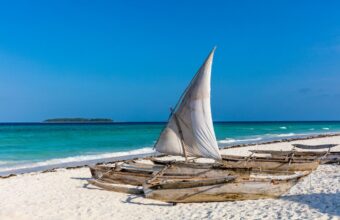
Another of Tanzania’s hidden gems, Saadani lies on the beautiful stretch of Indian Ocean coastline that divides the port cities of Dar es Salaam and Tanga. The palm-lined beaches here form the last remaining turtle nesting site on the country’s north coast.
This is also the only East African coastal reserve where you’ll see lions, leopards, elephants, buffalo and giraffes. Wildlife densities at Saadani are admittedly rather low, so it isn't the place for first-time visitors wanting to tick all the boxes in one short safari.
But the wilderness feel, the beautiful beachfront location and a wide range of activities – including boat trips on the Wami River, birdwatching in the salt flats, guided bush walks, and of course game drives – make it a great option for adventurous travelers who want to get truly off the beaten path.
It always surprises me how few visitors to northern Tanzania make the effort to visit the underrated Arusha National Park. This, as its name suggests, is the closest park to the safari gateway town of Arusha (the drive takes around 45 minutes) and it packs a huge amount of diversity into a relatively small area.
Set in the shadow of Mount Meru, the park incorporates rainforests alive with colobus monkeys, tracts of savannah grazed by giraffes and zebras, spectacular calderas and waterfalls, and much more besides.
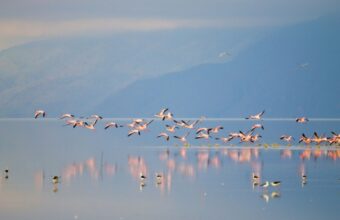
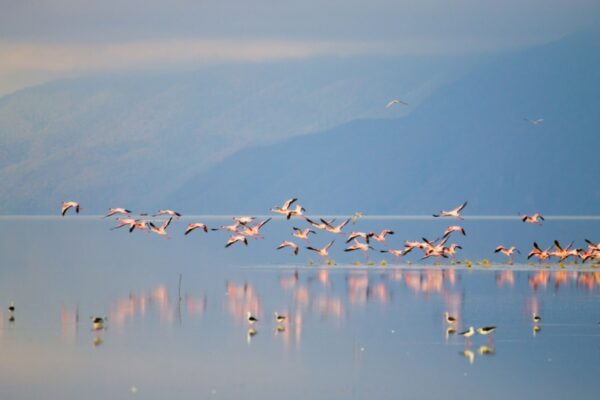
While here you’ll want to take a canoe trip on the gorgeous Momella Lakes where you’ll see plenty of hippos, buffalo and flamingos.
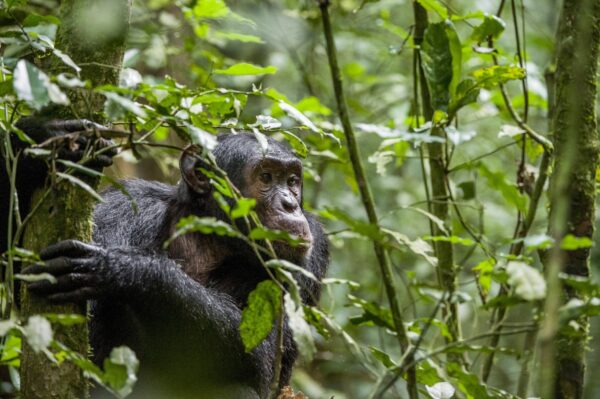
One of Africa's quirkiest and most underrated protected areas, Rubondo comprises a lushly forested 240 sq km island set in the Tanzanian waters of Lake Victoria (the world’s second largest lake). The park was established in the 1960s as a proposed breeding centre for introduced Congolese rainforest animals. This experiment never really came together, but Rubondo does still support some introduced wildlife, including elephant and giraffe, alongside naturally occurring species such the swamp-loving sitatunga antelope. The island is also home to around 70 chimps descended from eight males and nine females released there in the late 1960s. After being left to their own devices for decades, Rubondo’s chimps have now been habituated for tourist visits.
Home to just one small luxury beach lodge, Rubondo Island makes for an exclusive and very tranquil add-on to a safari in the ever-popular Serengeti National Park.
Rubondo’s chimps are descended from individuals that were born wild in West Africa, then captured as youngsters and held in zoos or circuses. It is thus the easiest place to see the western chimpanzee, a critically endangered subspecies that is far rarer than its eastern counterpart.
Although Rubondo’s chimps are almost certain to be seen by determined visitors, locating them might involve a long walk, and they are shyer than in most other trekking destinations. It is not easy for independent or budget-conscious travellers to arrange chimp trekking here.
Common wisdom when comparing Tanzania’s two main safari "circuits" is that the north attracts the crowds while the south is quieter and more remote. This is an overly simplistic equation, as anyone who has visited Mkomazi National Park, in northeastern Tanzania, will testify.
Scenic Mkomazi is an ideal choice for those who value a genuine wilderness experience over non-stop wildlife viewing. On my most recent visit, I had good sightings of lion, buffalo, giraffe, zebra and a wide variety of antelope, but encountered precisely one other tourist vehicle. There is also a special rhino sanctuary here which gives you the best chance of seeing the critically endangered black rhino anywhere in Tanzania.
Mkomazi is also an unusually affordable safari destination, thanks to a complex of well-priced government-run cottages at the main entrance.
Mahale is a remote and mountainous park set on the sandy banks of Lake Tanganyika in the far west of Tanzania. It is best known for its habituated chimpanzees, which can be tracked on foot on guided forest walks. Other primates include red colobus and vervet monkeys. The driest months (August to October) are the best time to trek through the forest.
Chimp trekking and other guided walks can be organised from a scattering of lakeshore camps and lodges. These include one ‘barefoot luxury’ option, Greystoke Mahale, as well as a government-run cluster of affordable self-catering huts.
Situated a short distance northwest of Tarangire, scenic Lake Manyara National Park sits in the shadow of a dramatic stretch of the Great Rift escarpment. The park’s centrepiece is the lake for which it is named, but it also protects large areas of acacia woodland, groundwater fig forest, and grassy floodplain.
Manyara is a haven for birdwatchers. At least 400 bird species have been recorded, with aquatic birds and raptors being especially well represented. The park is also famous for its tree-climbing lions, and for hosting one of Tanzania’s most-studied elephant populations. In addition to game drives, guided walking safaris are possible, and there’s a treetop walkway that takes you up into the forest canopy.
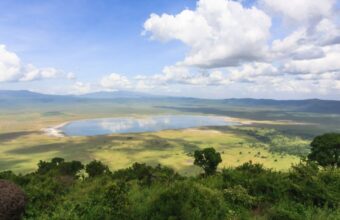
The other major tourist attraction on Tanzania’s Northern Circuit is the Ngorongoro Crater. This UNESCO World Heritage Site is thought to be the world’s largest intact volcanic caldera that isn’t filled with water. Wildlife numbers fluctuate seasonally, but the crater floor is invariably home to tens of thousands of large mammals, including elephant, lion and buffalo. It is also the most reliable spot on the northern circuit for black rhino.
Ngorongoro is a year-round wildlife destination, but it also attracts year-round crowds, especially from mid-morning to mid-afternoon. It stands at the centre of the much larger Ngorongoro Conservation Area, which is a great place for hiking and trekking.
There are no accommodations within the crater itself and you have basically three options here: firstly the premium, high-demand lodges that are on the crater rim itself. These select few lodges have an unimpeded 270 degree view of the entire crater. With a good pair of binoculars, you can spot wildlife from your lodge or camp and most rooms have amazing views right from the bedroom. Good picks include Ngorongoro Serena, Ngorongoro Lodge Melia Collection, Crater Lodge by &Beyond, Ngorongoro Sopa Lodge.
The added bonus of these camps is that you’re already within the Ngorongoro Conservation Area so you don’t need to pass through the main Loduare gate and can head straight to the nearest trail. But prices are high and availability is tight.
The second category is other lodges within the NCAA but not on the crater's edge. There's a few properties there and they are a short drive to the crater. The key thing they lack is the majestic views of the crater. I recommend Lion's Paw, Rhino Lodge, Lemala Ngorongoro, Pakulala, Ngorongoro Tortilis.
The third option is to stay in the nearby town of Karatu, between 15-30 mins away from Loduare gate. There’s a wide range of hotels here for pretty much every budget and since you’re outside the conservation area you don’t need to pay concession fees.
In my experience, if option one is not viable then option three is the better way to go. The value of staying inside the NCAA but not on the rim is limited and does not add significantly to the experience.
Tarangire National Park, which lies to the southeast of Lake Manyara, is renowned for its large elephant herds and huge baobab trees. The park is also home to lion, leopard and cheetah, and very occasionally it may be visited by packs of endangered African wild dog. In the dry season, it has a particularly high concentration of mammals, with July to October being the best months for wildlife viewing.
The main road circuit in northern Tarangire attracts large volumes of day visitors, who usually arrive mid-morning and leave mid-afternoon. This means it can be uncomfortably busy around lunchtime. Relatively few safaris stay overnight in the park, however, so the roads tend to be much quieter in the early morning and late afternoon.
As with the Serengeti, some private reserves around the national park offer more exclusivity, but generally at a higher cost.
When people ask me about seeing the wildebeest migration, they’re almost always talking about the much-hyped river crossings when the herd stampedes across the Mara River on its way from the Serengeti to Kenya’s Masai Mara.
Much less marketed but no less spectacular is the calving season. This is the counterpoint to the river crossing season, the period when the herd swells in size – something like 8,000 births per day – and regroups before embarking on the next phase of its momentous journey, never far from the jaws of their ferocious predators.
Seeing a birth during this time is one of the most amazing experiences in my life. You can see a calf getting to its feet for the first time, clambering to its mother, and beginning its journey through life. You can’t help but ask yourself: will this be one of the lucky ones, or just a lion’s next meal?
How to see it
The wildebeest gather in Ndutu and the Southern Serengeti, where they remain relatively stationary, maximising survival chances for their young. The area’s nutrient-rich grasses provide ideal conditions for both mother and calf. This concentration of wildlife makes game viewing exceptional, with predators taking advantage of the easy prey. Mobile tented camps can follow the herd’s seasonal movements to get you close to the action. Game drives at sunrise and sunset provide the best chances of witnessing births and predator interactions.
Need to know
Calving season runs from December to March, peaking from mid-January to the end of February.
You can reach Ndutu by road from Arusha or Karatu, though flying into Ndutu Airstrip by bush plane gives you more time on safari.
This is a high-season period so camps book up quickly, often six to nine months in advance. Prices during this period are comparable to peak season in July and September.
Things can get busy, and it’s essential you travel with responsible operators and camps with skilled guides who won’t crowd the wildlife. Ask about their approach to responsible safari tourism before booking.
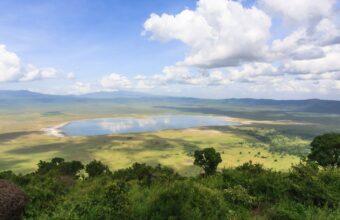
The Ngorongoro Crater, the remains of an ancient volcano, forms a vast, self-contained ecosystem spanning 100 square miles of wildlife-packed savannah, swamp and forest.
A descent into the crater features highly on all popular Northern Circuit itineraries. Aside from watching lions and cheetahs stalk the open grasslands, you’ll see flamingos in Lake Magadi and elephants in Lerai Forest.
It’s an early start, setting out at dawn to catch the wildlife at its most active. Access to the crater is through the Loduare Gate, where entry permits and descent fees are required. The crater is a strictly regulated conservation area, and all vehicles must adhere to designated routes and operating hours. Alighting from your vehicle is prohibited other than in designated areas, and there are no walking safaris permitted here. Most game drives leave by mid-morning to avoid the midday heat, but you might find a full-day tour with lunch at Ngoitokitok Springs or other picnic areas.
Insider tip
The gate opens at 6am and you want to be among the first in order to avoid the rush. Where you stay is critical. I break Ngorongoro accommodation into three categories: premium, high-demand lodges within the Ngorongoro Conservation Area and right on the crater rim; lodges within the NCAA but not actually on the rim; and finally there's a wide range of accommodation in nearby Karatu town. In my experience, if staying on the rim itself is too expensive or not available, then somewhere in Karatu is the better option. The value of staying inside the NCAA but not on the rim is limited and does not add significantly to the experience.
Delve into Africa’s spectacular ecosystems and come face to face with hippos, crocodiles, giraffes, gazelles and maybe even lions. You’ll get an old-world safari experience far from the crowds and deep in the wilderness with nature’s most magnificent creatures in Selous Game Reserve before moving on to Ruaha National Park, where you’ll enjoy a luxurious stay in a secluded camp with exclusive game viewing. Every experience in the wilderness is unique.
Visit Tanzania’s most celebrated national parks and get a truly authentic experience of wild Africa. On this trip, you will delve into the Serengeti ecosystem, Masai Mara Game Park and Ruaha National Park for the journey of a lifetime. To finish it off, you will take sanctuary at the Pongwe Resort, where you can bask on its white-sand beaches alongside glistening warm waters that teem with wildlife just waiting to be discovered.
Hike around the spectacular surroundings of Mount Kilimanjaro, where you will stay in a luxury hotel for six nights before going on safari in Tarangire National Park. There you can view wild game and endemic wildlife, including giraffes, buffalo, warthogs and elephants. Continue your journey to Karatu conservation area where you can ramble along acres of trails and experience untouched wilderness with stunning views of Oldeani Volcano.
Journey through Tanzania’s culture, wilderness, and secluded tropical oases in this unforgettable two-week adventure. This trip offers the ideal mix of relaxation and exploration, taking you on a journey from glistening waters and white-sand beaches to the rich Selous Game Reserve and Ruaha National Park. After an invigorating adventure, you will visit the secluded islands of the Songosongo Archipelago to complete a truly treasured experience.
Begin your Tanzanian trip in Arusha, gateway to Northern Tanzania's national parks and the perfect place to acclimatise before you head to Mount Kilimanjaro. Here, you'll take the Rongai route to the summit, which takes you through tropical forest, moorland and mountains. After your mountain exertions, head to Karatu's farmlands, which allow you to explore the wildlife of the Ngorongoro Crater. Next, travel to the world-famous Serengeti for encounters with the Big Five and the wildebeest migration. Finish off your trip on the tropical beaches of Zanzibar, where you can swim and snorkel. Fly home from Dar es Salaam.
When people ask me about seeing the wildebeest migration, they’re almost always talking about the much-hyped river crossings when the herd stampedes across the Mara River on its way from Tanzania's Serengeti to Kenya’s Masai Mara.
But did you know the river crossings are just one brief moment in the annual cycle of the migration? For most of the year the vast herds are elsewhere in the greater Serengeti ecosystem and, usually, with much fewer tourists chasing them.
Much less marketed but no less spectacular is the calving season. This is the counterpoint to the river crossing season, the period when the herd swells in size – something like 8,000 births per day – and regroups before embarking on the next phase of its momentous journey, never far from the jaws of their ferocious predators.
Seeing a birth during this time is one of the most amazing experiences in my life. You can see a calf getting to its feet for the first time, clambering to its mother, and beginning its journey through life. You can’t help but ask yourself: will this be one of the lucky ones, or just a lion’s next meal?
In my view, calving season around the start of the year is just as epic as the river crossings that occur in high summer. And so I devised this itinerary to give you all the sense of wonder, but without any of the tourist hustle.
Beginning with the lush Ndutu Plains, you’ll experience the wonder of calving season firsthand, witnessing wildebeest and zebra births against the vast open plains—a critical moment in the Great Migration that draws both predator and prey to these rich feeding grounds. Moving northward, you’ll traverse the sweeping plains of the Central Serengeti, where expansive savannahs host elephants, lions, and the occasional stealthy leopard.Rounding off the trip, you’ll head to the Ngorongoro Crater, a natural amphitheater with some of the highest wildlife densities on the continent. Descending to the crater floor, you’ll spend a day in this unique ecosystem where elephants, buffalo, rhinos, and flamingos thrive.
Your details are safe and will not be used for any other purpose. By using this service you agree for us to share your details with your chosen tour operator according to our Privacy Policy.
1Your trip
2Complete your request
3Meet your specialist
Find a Tanzania specialist
Tell us about your trip and we'll find your match
We'll connect you directly with the experts.
Connect with Susan, Marc, Frazier and 3 other Tanzania specialists.
We'll connect you directly with the experts.
Connect with Susan, Marc, Frazier and 3 other Tanzania specialists.