





Kilimanjaro Lemosho route
Eight day Lemosho itinerary

-

Londorosi Gate
... -

Shira 1 Camp
... -

Shira 2 Camp
... -

Barranco Camp
... -

Karanga Camp
... -

Barafu Camp
... -

Mweka Camp
... -

Mweka Gate
...
Kilimanjaro is the king of the Tanzania treks, and chances are most trips you’ve seen advertised are the five or six day Marangu route (aka the ‘tourist route’, or the ‘Coca Cola route’).
This was the original Kili trek, and is the only hut-to-hut route. Because it’s short and doesn’t require any camping or support teams, it’s by far the cheapest and most popular route – and therefore the one most tour operators like to promote. But when I talk to people I try to steer them away from the Marangu route. I find it’s too crowded, but more importantly, the rate of ascent is far too rapid – you don’t get enough time to acclimatise and lots of people fail before reaching the summit. Imagine coming all that way and giving up on the last stretch!
My advice for most trekkers is to look at the eight or nine day Lemosho route instead. The scenery is stunning, it’s quieter and more pleasant, and the ascent is far more gradual giving you a much higher chance of success.
Climbing up the west side of the mountain, you pass through diverse ecological zones, from dense rainforests to alpine deserts and glacial landscapes, experiencing some of the most scenic views over Arusha and the lakes of the Rift Valley.
Need to know
You need eight days for this trek, although fitter hikers may attempt it in seven. Physical preparation is paramount, as is following the guidance of trekking staff, staying hydrated, and eating plenty. Consider avoiding the rainy seasons (April-May, November) if you prefer drier conditions. It’s also worth noting that tipping the crew appropriately and acknowledging their efforts is encouraged.
Key information
| Destinations | Mt. Kilimanjaro |
|---|---|
| Activity | Safari, Adventure, Trekking, Active, Walking, Camping, Nature & Wildlife, Responsible Travel, Slow Travel |
| Physical Level | Strenuous |
Featured tours

Mt. Kilimanjaro Lemosho Route
Mount Kilimanjaro Trekking 7 Days Lemosho Route
7 daysFrom $2,170Featured tours
 Mt. Kilimanjaro
Mt. Kilimanjaro Lemosho Route
Mount Kilimanjaro Trekking 7 Days Lemosho Route
7 days $2,170 – $1,970 ppKilimanjaro Lemosho route itinerary
Londorosi Gate to Mti Mkubwa Camp
Day 1 in Londorosi Gate
- Distance: 7 km (4.3 miles)
- Hiking Time: 3–4 hours
- Elevation Gain: 550m (1,800 ft)
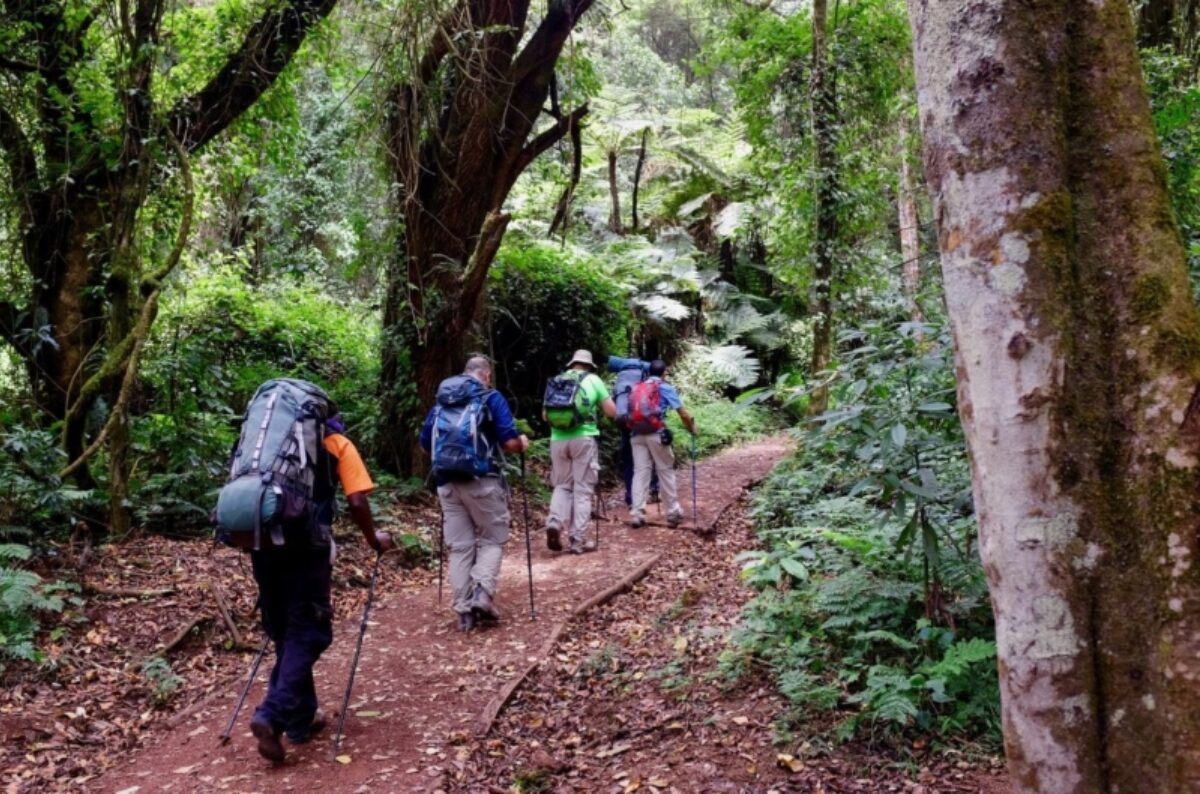
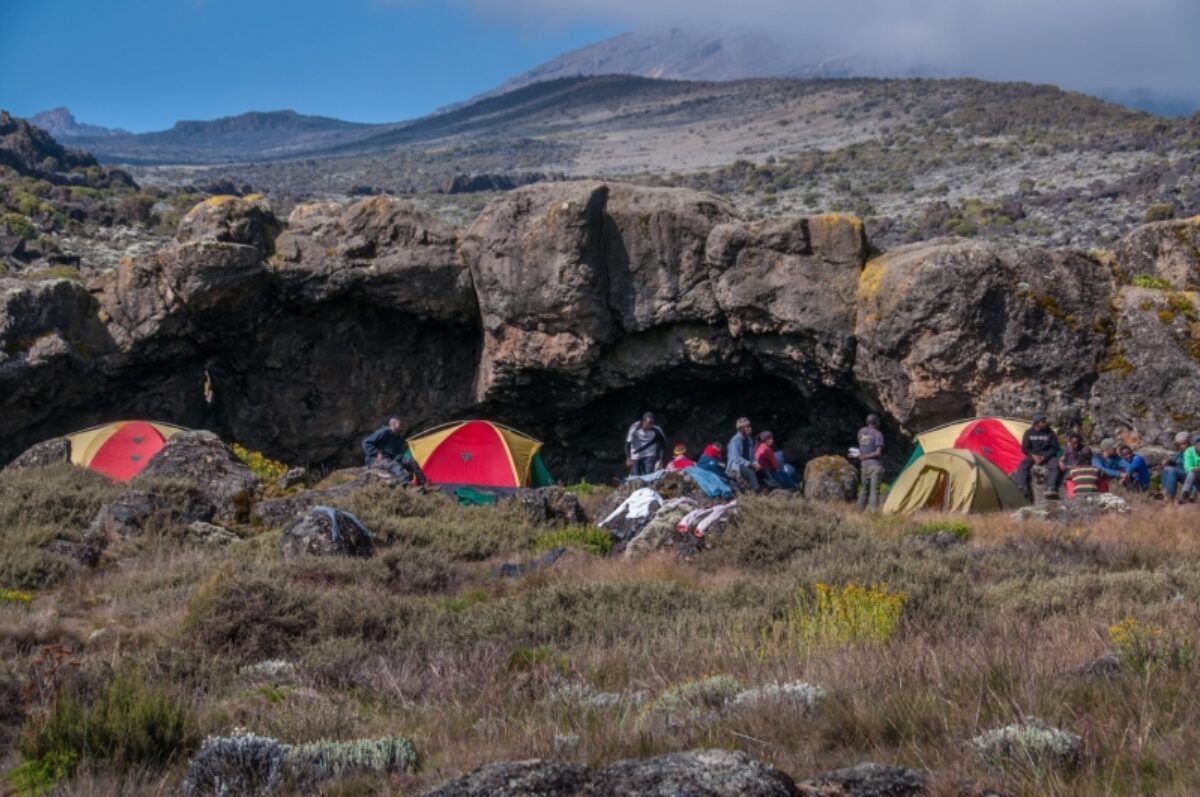
After registration at Londorosi Gate, a short drive leads to the trailhead. The trek begins in lush rainforest, where black-and-white colobus monkeys can often be spotted. The trail is relatively short but humid, with some gradual uphill sections. Overnight at Mti Mkubwa (Big Tree) Camp.
Mti Mkubwa to Shira 1 Camp
Day 2 in Shira 1 Camp
- Distance: 8 km (5 miles)
- Hiking Time: 6–7 hours
- Elevation Gain: 960m (3,151 ft)
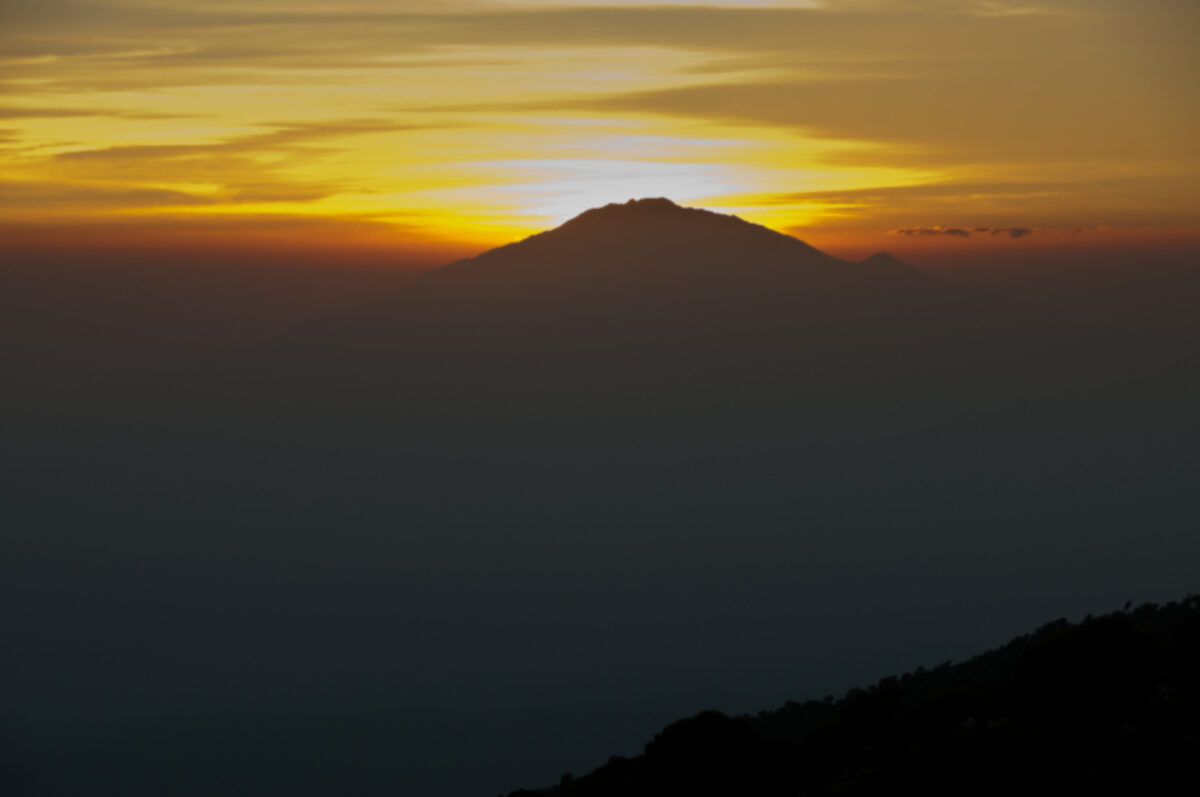
Leaving the rainforest behind, the trail climbs steeply into the heather and moorland zone. Views open up across the Shira Plateau, with Mount Meru visible on a clear day. Overnight at Shira 1 Camp.
Shira 1 to Shira 2 Camp
Day 3 in Shira 2 Camp
- Distance: 10 km (6.2 miles)
- Hiking Time: 5–6 hours
- Elevation Gain: 240m (790 ft)
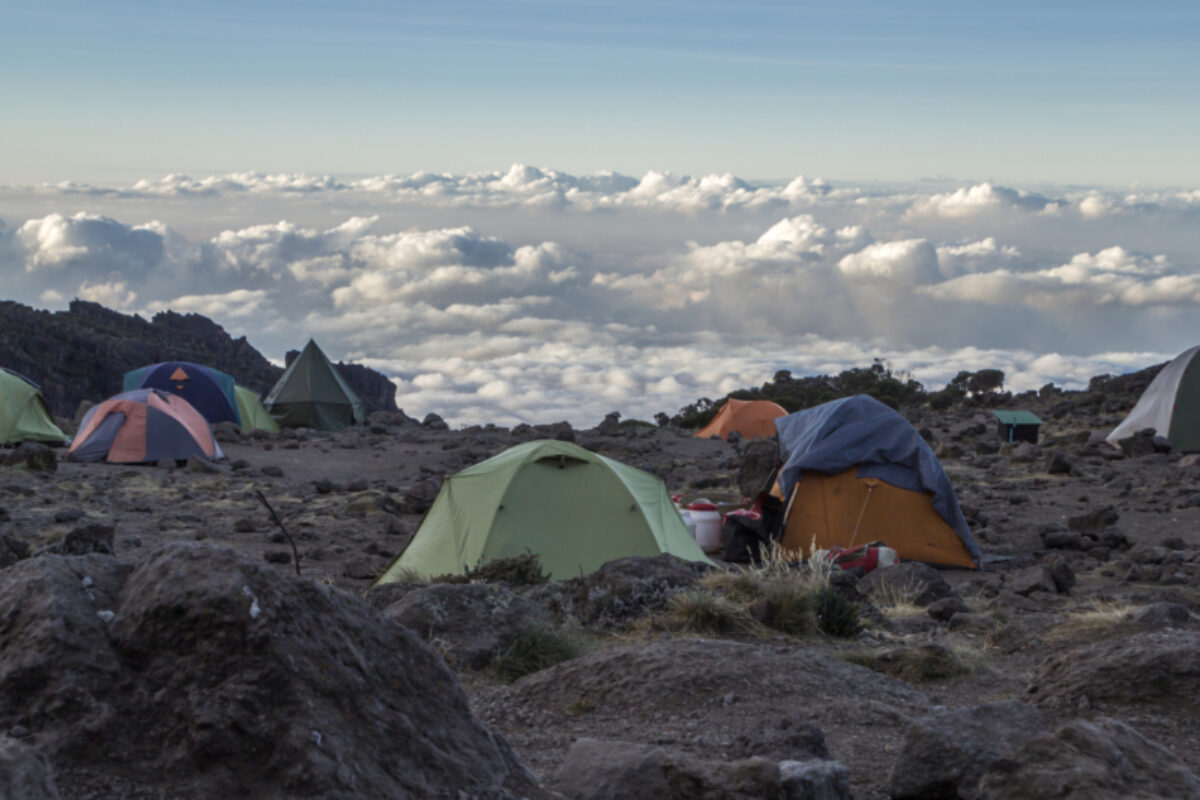
A gentle day crossing the vast Shira Plateau, allowing time to acclimatise. The terrain is undulating but less steep than previous days. Kibo, Kilimanjaro’s main peak, dominates the horizon. Overnight at Shira 2 Camp.
Shira 2 to Barranco Camp via Lava Tower
Day 4 in Barranco Camp
- Distance: 10 km (6.2 miles)
- Hiking Time: 7–8 hours
- Elevation Gain: 750m (2,460 ft) to Lava Tower, then descend 640m (2,099 ft)
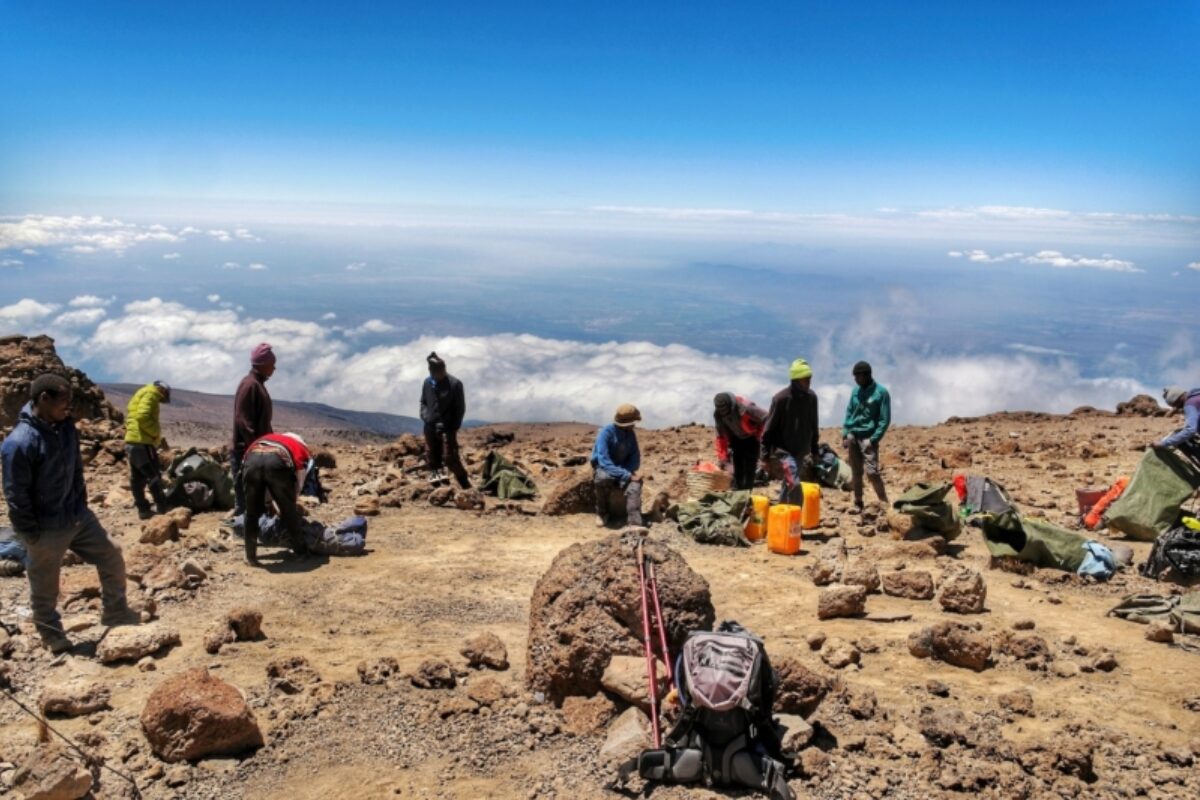
A steady climb leads to Lava Tower (4,600m), an important acclimatisation point. The descent into Barranco Valley provides relief from the altitude, and the surrounding landscape—dotted with giant groundsels and lobelias—is one of the most striking on the mountain. Overnight at Barranco Camp.
Barranco Camp to Karanga Camp
Day 5 in Karanga Camp
- Distance: 5 km (3.1 miles)
- Hiking Time: 4–5 hours
- Elevation Gain: 75m (246 ft)
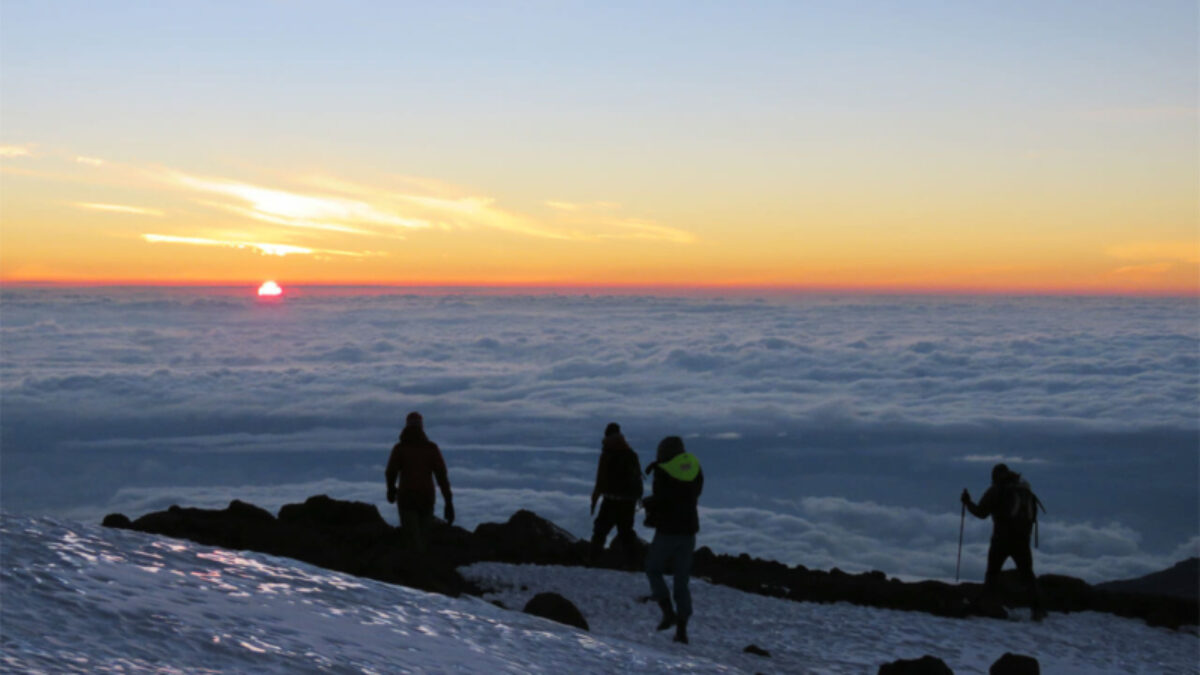
The day begins with the Barranco Wall, a steep but non-technical scramble requiring some hands-on climbing. The rest of the trek follows rolling terrain with views of glaciers and rugged ridgelines. Overnight at Karanga Camp.
Karanga Camp to Barafu Camp
Day 6 in Barafu Camp
- Distance: 4 km (2.5 miles)
- Hiking Time: 4–5 hours
- Elevation Gain: 605m (1,985 ft)
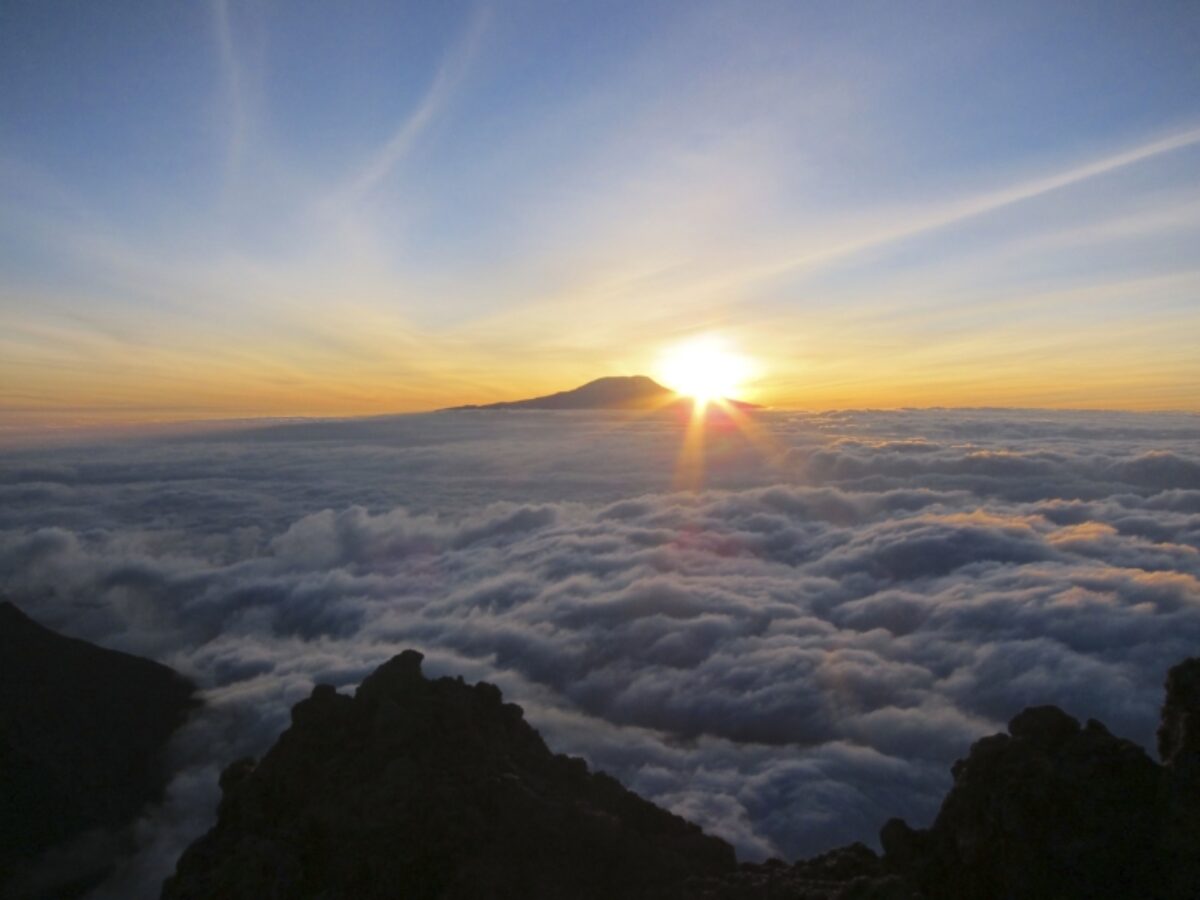
A steady climb through high-altitude desert leads to Barafu, the base camp for the summit attempt. The afternoon is spent resting and preparing for the midnight ascent. Overnight at Barafu Camp.
Barafu to Uhuru Peak to Mweka Camp
Day 7 in Mweka Camp
- Distance: 16 km (10 miles)
- Hiking Time: 12–16 hours
- Elevation Gain: 1,255m (4,118 ft) to the summit, then descend 2,815m (9,236 ft)
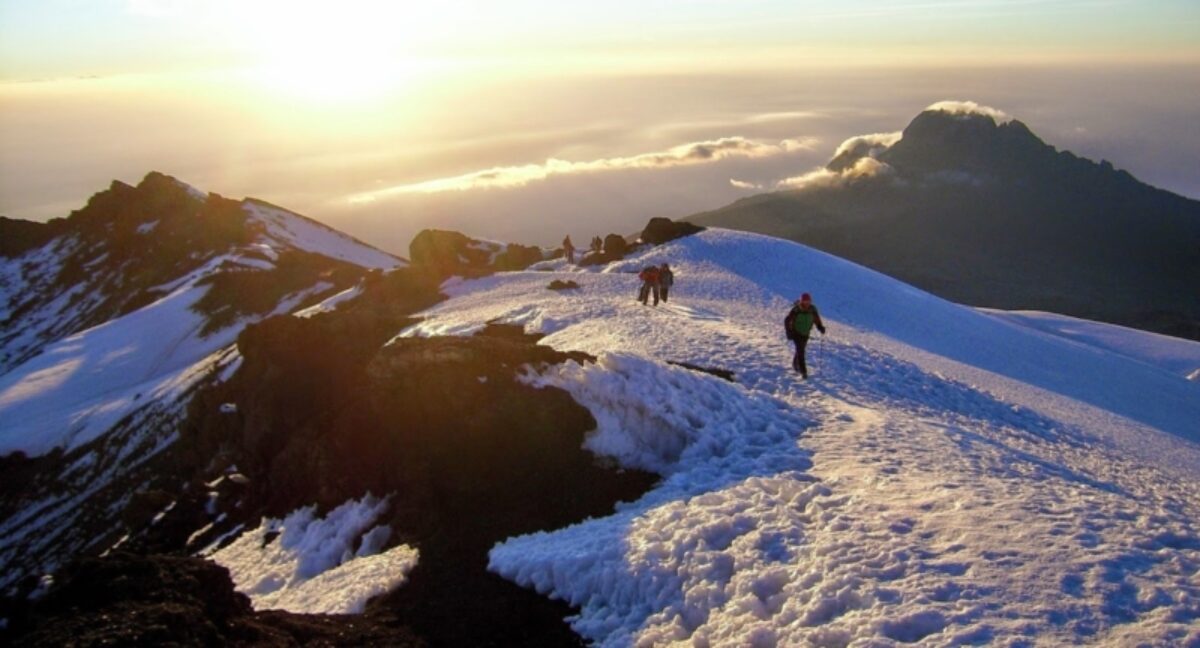
The summit push begins just after midnight. A slow, steady climb leads past Stella Point (5,756m) to Uhuru Peak (5,895m), the highest point in Africa. After taking in the sunrise over the glaciers, descend back to Barafu for a short rest before continuing down to Mweka Camp.
Mweka Camp to Mweka Gate
Day 8 in Mweka Gate
- Distance: 10 km (6.2 miles)
- Hiking Time: 3–4 hours
- Elevation Loss: 1,440m (4,725 ft)
A final descent through the rainforest leads to Mweka Gate, where the trek ends. Expect muddy trails, birdlife, and a marked increase in oxygen as you return to lower altitudes.
Lemosho route FAQs
Question
Is there a minimum age for the Meru and Kilimanjaro treks?
Our youngest is 7 years old – we're all good hikers, including the youngest, what are the minimum ages?
Answer
There's no official minimum age for climbing Mt Meru, it just depends on the policy of each tour operator. Seven is usually fine, most would probably say 6 is the minimum, but if you do it as a private guided trek there's probably some flexibility. Kilimanjaro is a different matter – the official minimum age is 10, and some operators prefer 14.
Other itineraries you might like
Western Uganda
Mountain gorillas and beyond
Approx. 10 days
Eastern Uganda
Nomads, Nile and natural pools
Approx. 7 days
Tanzania safari and beach
See all the spectacular wildlife Africa has to offer
Approx. 11 days
Kilimanjaro and Tanzania wildlife adventure
Explore snow-capped Kilimanjaro and tour wild game reserves
Approx. 14 days
Unexplored Tanzania
Off the beaten path safari and beach escape
Approx. 15 days