





Ngorongoro Conservation Area
All off Africa in one 'bowl'

Welcome to Ngorongoro Conservation Area
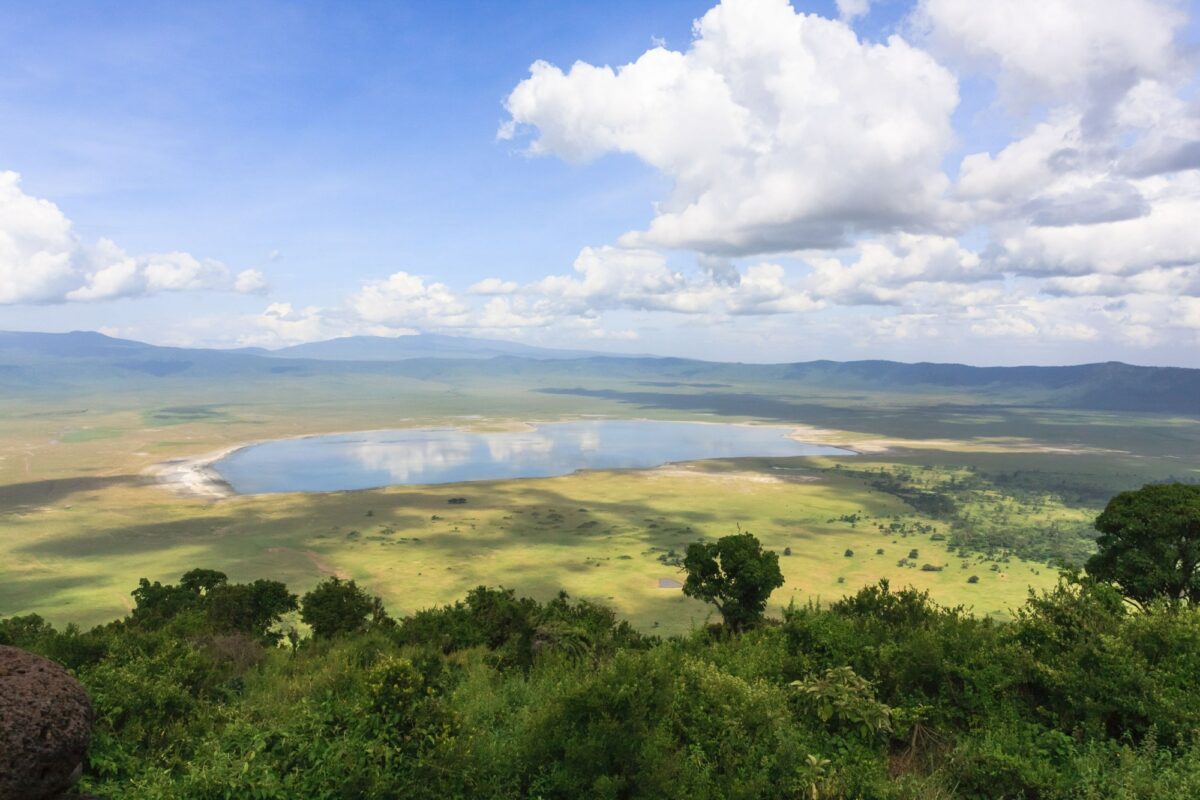
The insider's travel guide to Ngorongoro Conservation AreaThe Ngorongoro Crater is the largest intact – and inactive – caldera in the world. Formed more than two million years ago from a huge volcanic explosion, the Crater is now a UNESCO World Heritage site teeming with wildlife.
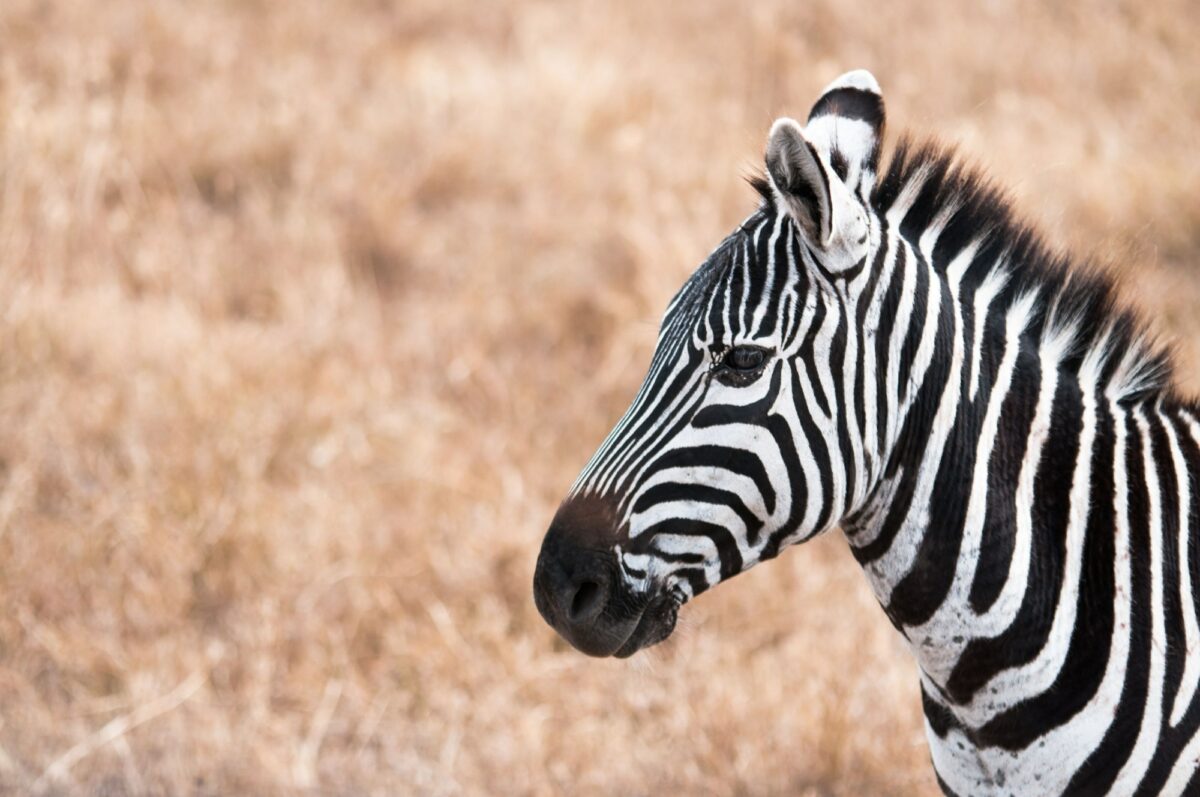
Visitors can see more than 25,000 animals, including four of the Big Five. It's home to the biggest population of Masai lions in Africa and is where wildebeest come to calve during the great migration.
Hiking is not permitted within the crater itself, due to the risk of becoming lunch for a hungry lion. But the surrounding Ngorongoro Conservation Area of rolling grasslands, dotted with Maasai homesteads and lumbering volcanic peaks, makes fabulous walking country.
The Ngorongoro Conservation Area atlas
10 picks Places & Experiences You Won't Find Elsewhere-
Rhino Lodge is a practical choice rather than a romantic one, and that’s exactly why I recommend it. It sits right on the rim of the Ngorongoro Crater, which means early access without a long pre-dawn drive. The lodge is straightforward and unpretentious. Rooms are warm, solid and designed for rest rather than lingering, which makes sense here. This is a short stop focused on a specific objective: getting into the crater efficiently and without complication.
-
The other major tourist attraction on Tanzania’s Northern Circuit is the Ngorongoro Crater. This UNESCO World Heritage Site is thought to be the world’s largest intact volcanic caldera that isn’t filled with water. Wildlife numbers fluctuate seasonally, but the crater floor is invariably home to tens of thousands of large mammals, including elephant, lion and buffalo. It is also the most reliable spot on the northern circuit for black rhino. Ngorongoro is a year-round wildlife destination, but it also attracts year-round crowds, especially from mid-morning to mid-afternoon. It stands at the centre of the much larger Ngorongoro Conservation Area, which is a great place for hiking and trekking. There are no accommodations within the crater itself and you have basically three options here: firstly the premium, high-demand lodges that are on the crater rim itself. These select few lodges have an unimpeded 270 degree view of the entire crater. With a good pair of binoculars, you can spot wildlife from your lodge or camp and most rooms have amazing views right from the bedroom. Good picks include Ngorongoro Serena, Ngorongoro Lodge Melia Collection, Crater Lodge by &Beyond, Ngorongoro Sopa Lodge. The added bonus of these camps is that you’re already within the Ngorongoro Conservation Area so you don’t need to pass through the main Loduare gate and can head straight to the nearest trail. But prices are high and availability is tight. The second category is other lodges within the NCAA but not on the crater's edge. There's a few properties there and they are a short drive to the crater. The key thing they lack is the majestic views of the crater. I recommend Lion's Paw, Rhino Lodge, Lemala Ngorongoro, Pakulala, Ngorongoro Tortilis. The third option is to stay in the nearby town of Karatu, between 15-30 mins away from Loduare gate. There’s a wide range of hotels here for pretty much every budget and since you’re outside the conservation area you don’t need to pay concession fees. In my experience, if option one is not viable then option three is the better way to go. The value of staying inside the NCAA but not on the rim is limited and does not add significantly to the experience.
-
The Ngorongoro Crater, the remains of an ancient volcano, forms a vast, self-contained ecosystem spanning 100 square miles of wildlife-packed savannah, swamp and forest. A descent into the crater features highly on all popular Northern Circuit itineraries. Aside from watching lions and cheetahs stalk the open grasslands, you’ll see flamingos in Lake Magadi and elephants in Lerai Forest. It’s an early start, setting out at dawn to catch the wildlife at its most active. Access to the crater is through the Loduare Gate, where entry permits and descent fees are required. The crater is a strictly regulated conservation area, and all vehicles must adhere to designated routes and operating hours. Alighting from your vehicle is prohibited other than in designated areas, and there are no walking safaris permitted here. Most game drives leave by mid-morning to avoid the midday heat, but you might find a full-day tour with lunch at Ngoitokitok Springs or other picnic areas. Insider tip The gate opens at 6am and you want to be among the first in order to avoid the rush. Where you stay is critical. I break Ngorongoro accommodation into three categories: premium, high-demand lodges within the Ngorongoro Conservation Area and right on the crater rim; lodges within the NCAA but not actually on the rim; and finally there's a wide range of accommodation in nearby Karatu town. In my experience, if staying on the rim itself is too expensive or not available, then somewhere in Karatu is the better option. The value of staying inside the NCAA but not on the rim is limited and does not add significantly to the experience.
-
You don't always need to head far off the beaten track to get away from the crowds. Little-visited Empakaai, only 90 minutes’ drive from the over-touristed Ngorongoro Crater, is a case in point. The second-largest caldera in the Ngorongoro Conservation Area, Empakaai is a near-perfect circular crater with a 5-mile diameter and a depth of 1,800ft. The road along the rim offers stunning views across the Rift Valley escarpment to the active volcano Ol Doinyo Lengai. But the highlight of a visit is the short, steep hike down the forested eastern wall (look out for blue monkeys and buffalos) to the crater floor, which is dominated by a green soda lake that usually hosts large flocks of flamingos.
-
Best safari camp for: Quick access to Ngorongoro Crater If there's one obvious drawback to Tanzania's most exclusive lodges, it’s that they tend to be priced out of the range of all but the deepest of pockets. So here’s a shout out to Serena, a long-serving East African hotel chain that runs a number of larger lodges which hit a popular sweet spot between comfort and affordability. Ngorongoro Serena ranks among the very best of these, with its centrally heated rooms and scenic location on the western crater rim. I often recommend this lodge to serious wildlife enthusiasts, because it is the closest option to the main descent road into the crater, making it particularly well suited to early morning game drives.
-
Best safari camp for: Rustic camping on the Crater's edge The relatively chilly highland climate that characterises Ngorongoro Crater’s scenic rim means that most lodges there have a very indoorsy feel. An exception is Sanctuary Ngorongoro Crater Camp, which comprises 10 stilted standing tents set in an atmospheric forest of lichen-draped flat-top acacias. To be honest, I was a bit worried about the cold when I arrived here, but I needn’t have been: the tents are all equipped with gas heaters and electric blankets, and very snug at night. The camp’s location is perfect for game drives in the early morning, which is the best time to explore the crater.
-
Best safari camp for: High-end camp on Ngorongoro Crater edge The most sumptuous and exclusive lodge overlooking Ngorongoro Crater is also the oldest, having started life in the 1930s as a humble hunting lodge. Today the playful Maasai-meets-Versailles architecture and décor – a knowingly kitsch blend of classical, baroque, African and colonial influences – makes &Beyond Ngorongoro Crater Lodge stand out as one of the most original and popular safari lodges anywhere in East Africa. What the lodge’s earliest gun-toting colonial patrons would make of all this tomfoolery is anybody’s guess. But – highland mist permitting – they would doubtless approve of the view over the world’s largest volcanic caldera, which remains every bit as spectacular as it was 100 years ago.
-
Hiking is not permitted within the crater itself, due to the risk of becoming lunch for a hungry lion. But the surrounding Ngorongoro Conservation Area of rolling grasslands, dotted with Maasai homesteads and lumbering volcanic peaks, makes fabulous walking safari country. There are no specific hiking routes here, but a good walking safari specialist will present you with options of varying distances and durations. Typically you’ll spend a few hours walking to and around the crater rim before arriving at a simple fly camp for your overnight. Your operator will organise your guide – a Maasai guide ideally – plus meals and transport.
-
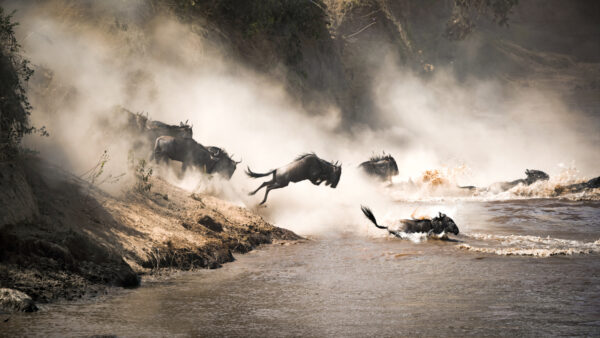
When people ask me about seeing the wildebeest migration, they’re almost always talking about the much-hyped river crossings when the herd stampedes across the Mara River on its way from Tanzania's Serengeti to Kenya’s Masai Mara. But did you know the river crossings are just one brief moment in the annual cycle of the migration? For most of the year the vast herds are elsewhere in the greater Serengeti ecosystem and, usually, with much fewer tourists chasing them. Much less marketed but no less spectacular is the calving season. This is the counterpoint to the river crossing season, the period when the herd swells in size – something like 8,000 births per day – and regroups before embarking on the next phase of its momentous journey, never far from the jaws of their ferocious predators. Seeing a birth during this time is one of the most amazing experiences in my life. You can see a calf getting to its feet for the first time, clambering to its mother, and beginning its journey through life. You can’t help but ask yourself: will this be one of the lucky ones, or just a lion’s next meal? In my view, calving season around the start of the year is just as epic as the river crossings that occur in high summer. And so I devised this itinerary to give you all the sense of wonder, but without any of the tourist hustle. Beginning with the lush Ndutu Plains, you’ll experience the wonder of calving season firsthand, witnessing wildebeest and zebra births against the vast open plains—a critical moment in the Great Migration that draws both predator and prey to these rich feeding grounds. Moving northward, you’ll traverse the sweeping plains of the Central Serengeti, where expansive savannahs host elephants, lions, and the occasional stealthy leopard.Rounding off the trip, you’ll head to the Ngorongoro Crater, a natural amphitheater with some of the highest wildlife densities on the continent. Descending to the crater floor, you’ll spend a day in this unique ecosystem where elephants, buffalo, rhinos, and flamingos thrive.
-
Tanzania’s ‘northern circuit’ of Tarangire, Lake Manyara, Ngorongoro and the Serengeti is by far the country’s most popular safari region. This quartet of parks has some of the best wildlife viewing on earth, a good range of accommodations, and they can all be strung together in a convenient, compact trip. But all that convenience comes at a cost. Although Tanzania doesn’t suffer from quite the same overcrowding as in Kenya’s Masai Mara, the Serengeti and other northern circuit parks do get uncomfortably busy in places. This itinerary is my preferred way to fit in all the parks without straying into the more crowded zones, or spending too much time in transit. To optimise your time we fit in a game drive while travelling to the next location wherever possible. Another problem is that people often assume visiting Tanzania is just about seeing animals. In actual fact, doing several game drives (often on bumpy tracks) every single day can get pretty exhausting! In my experience, people have a much more enjoyable time when the itinerary allows for some time out of the 4X4 with opportunities to meet some of the people and communities who live here. A word of caution: There are some fairly dubious “Maasai village” experiences offered here and in Kenya – lots of these are staged and feel quite exploitative. There are sensitive and respectful ways of meeting local community members, which I’ve outlined in this suggested itinerary.
-

Rhino Lodge
-

For compact game drives & crater views
-

Game drives in Ngorongoro Crater
-

Descend into Empakaai Crater
-

Ngorongoro Serena Safari Lodge
-

Ngorongoro Crater Camp
-

Ngorongoro Crater Lodge
-

Ngorongoro Conservation Area hikes
-

Calving season safari on Tanzania's Ndutu Plains
-

The best Tanzania northern circuit itinerary


Trusted specialists



 East Africa
Natural World Kenya Safaris
The leader in customized and budget-friendly East Africa safaris



Find a Ngorongoro Conservation Area specialist
Tell us about your trip and we'll find your match
We'll connect you directly with the experts.



Connect with Marc, Frazier, Musaddiq and 3 other Ngorongoro Conservation Area specialists.
We'll connect you directly with the experts.
Connect with Marc, Frazier, Musaddiq and 3 other Ngorongoro Conservation Area specialists.
- Hand-picked local specialists
- Honest advice from real experts
- Free to use, no hidden fees