





Serengeti National Park
The best place on earth to see the Big Five
Welcome to Serengeti National Park
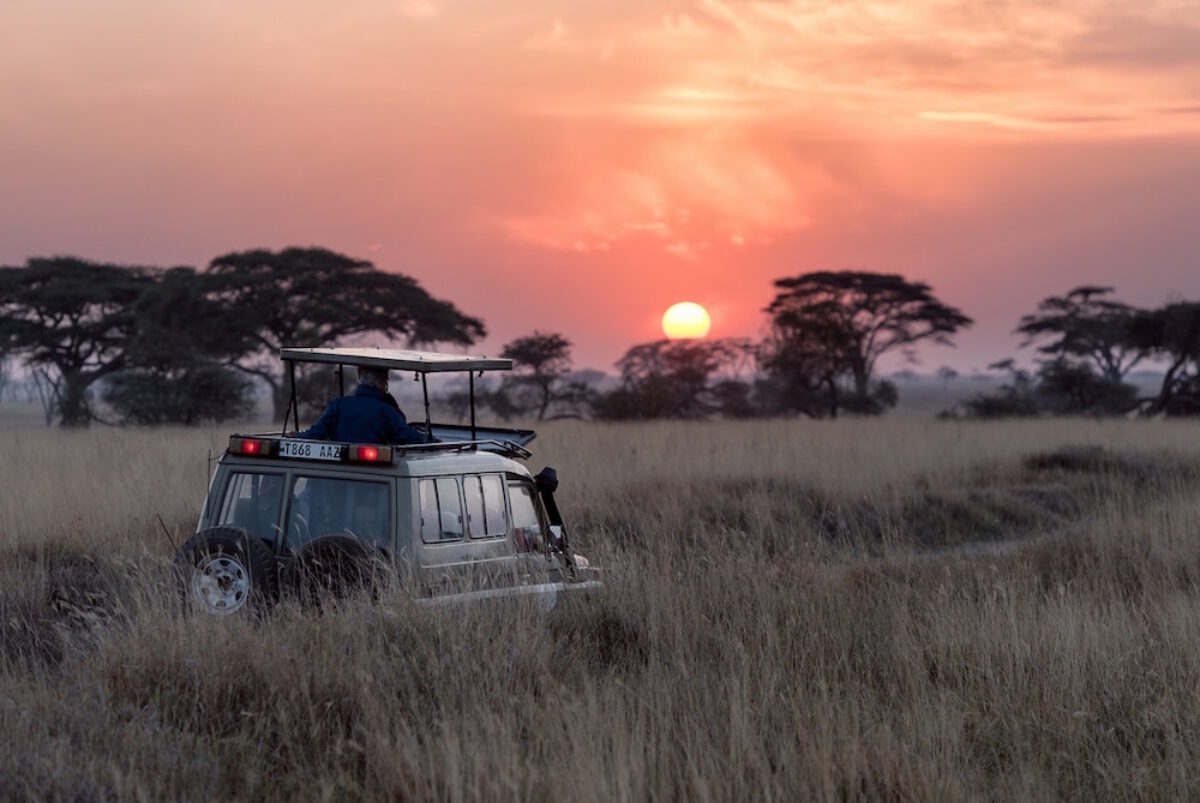
The insider's travel guide to Serengeti National ParkThe vast, untamed Serengeti might just be the best place on earth to see wildlife.
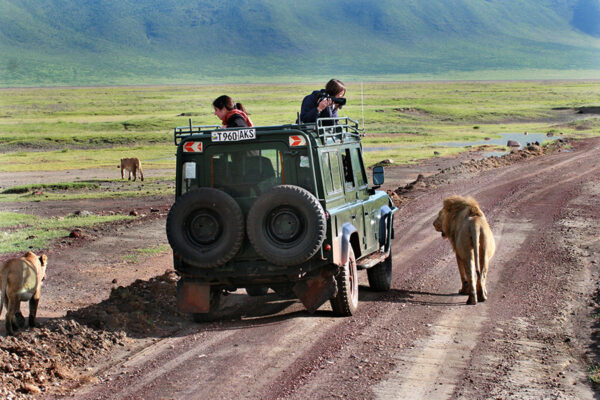
Set across northern Tanzania and extending into Kenya, the Serengeti is home to plenty of luxurious lodges from where you can search for the Big Five (lion, elephant, rhino, buffalo and leopard).
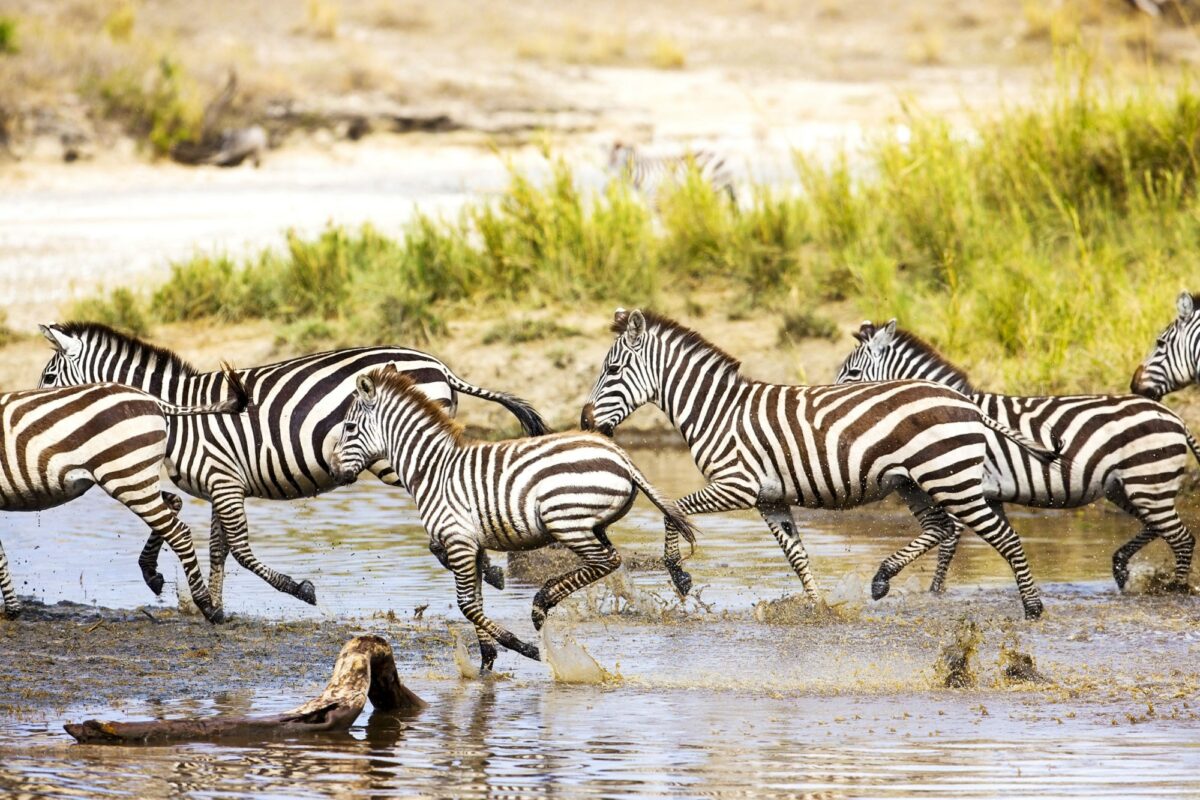
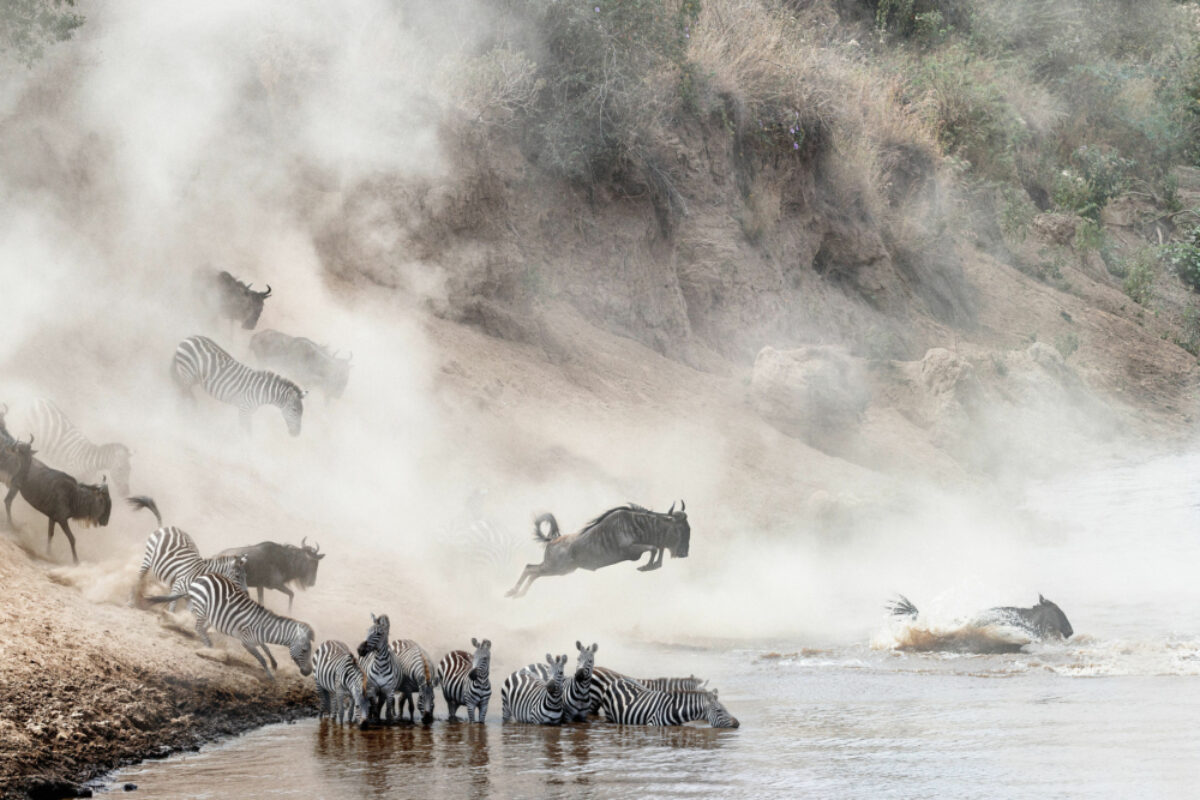
For part of the year, it's also home to the mighty great wildebeest migration, which brings millions of wildebeest and zebra into its plains, following ancient migratory paths.
Whatever you come to see, the Serengeti is unmissable.
The Serengeti National Park atlas
13 picks Places & Experiences You Won't Find Elsewhere-
The big-ticket park is the 12,000-square-mile Serengeti, home to the famed wildebeest migration and a healthy population of big cats: lions, leopards and cheetahs. During peak season— July and August—when the famous wildebeest river crossings coincide with northern hemisphere summer holidays, the park can be very busy. There are four main regions in the Serengeti; the Western Corridor, the Seronera Valley, Lobo/Kogatende in the north, and the Southern Plains. There are several private reserves and conservancies around the Serengeti that offer the same wildlife experience but without the crowds—such as the Grumeti Reserve—but you’ll have to pay top dollar to stay there. At the heart of the Serengeti lies the Seronera River and surrounding valley. This is a good area for year-round big cats and grazing herbivores. The northern regions of Kogatende and Lamai, on the banks of the Mara River, are further off the beaten path and are good for catching the famed river crossings during summer months with far fewer tourists than across the border in Kenya's Masai Mara.
-
I recommend Serengeti Green Camp for visitors who are keen to follow the migration, when mobility is key. It’s a seasonal, mobile camp that shifts location to stay close to the herds rather than expecting the wildlife to come to it. Days are shaped by where the herds are, how they’re moving, and what the conditions allow. Despite being mobile, the camp is well organised and comfortable enough to spend several nights. It’s a good option for travellers who want to be properly inside the Serengeti system, without the sense of staying in a permanent outpost.
-
I use Pembazoni Camp to show a different side of the Serengeti, away from the busier central areas. The camp sits in a quiet, little-visited part of the ecosystem, where movement is slower and wildlife encounters feel less orchestrated. This is a small camp, and that scale matters. It allows for flexibility, particularly when combining vehicle-based exploration with time on foot. Walking here is not about covering distance, but about paying attention to tracks, terrain and behaviour that would be missed from a vehicle. Accommodation is intentionally low-key. Tents are comfortable and well run, but the camp doesn’t try to compete with the landscape. It works best for travellers who are more interested in how the Serengeti functions than in ticking off familiar scenes.
-
The general consensus on the best times for a safari in Tanzania (or anywhere in Africa for that matter) is to avoid the rainy seasons at all costs. According to received wisdom, the rainy season means wildlife is more dispersed as they don’t have to congregate around scarce waterholes. The foliage is thick and lush which, although beautiful, makes spotting wildlife even harder. And heavy rains may make more remote roads impassable, and lots of camps shut down during the “long rains” of mid-March to early June. In Tanzania, timings are further complicated by the movement of the wildebeest migration, especially the heavily-marketed river crossing period which creates even more pressure to be on safari during the peak months of July to September. Personally, I think this is a big shame. It creates unsustainable pressure on a handful of key locations during a few short months, and it does a great disservice to the rest of the country – and the rest of the year. For visitors on a limited schedule, or perhaps those who’ve already had the ‘classic’ safari experience before, I often suggest coming during the rainy, or ‘green’ season. Contrary to the general consensus, I think this is a lovely time to be in Tanzania. This is when nature bursts back into life, fresh grass carpets the plains, rivers are ripe and waterholes are full, and wildlife thrives in the renewed ecosystem. Yes you’ll expect rain, but it doesn’t rain all day, every day. Showers are usually short-lived, and the sun often comes out shortly after. In my experience, the warnings about missing wildlife sightings during this period are exaggerated – it’s just as exciting as other seasons, if not more. This is when the southern Serengeti and Ndutu areas become nurseries for thousands of newborn wildebeest, zebra, and other herbivores. The entire wildebeest migration is set out on the Central and Southern plains, as far as your eyes can see. And with so many young and vulnerable animals, the big cats and cheetahs are all highly active. But for me, the biggest advantage of a green season safari is the solitude. Unlike the peak season, where a single kill can attract crowds of vehicles, the green season offers a more personal and exclusive experience. It is not uncommon to be the only vehicle watching a lioness teach her cubs to hunt, with no other vehicles in sight. If you’ve ever dreamed of having the Serengeti (almost) to yourself, this is the season to go. Plus, coming in an "off" season helps tackle unsustainable overcrowding such as around the river crossings during peak season. And finally, visiting in the green season offers one other big perk: value for money! Prices for lodges and camps drop by up to 50%, which means you can either get more luxury for your budget or enjoy a longer stay than you’d otherwise afford. The only thing I’d note is that although I usually recommend tented camps for a more authentic experience, during this rainy period, a permanent lodge would be more comfortable.
-
Best safari camp for: Quirky mobile tented camp The quirkiest mobile camp, and absolutely one of my favourites places to stay anywhere in Tanzania, is Bush Rover Migration Camp. This consists of six double-story standing tents built around the converted Land Rovers used to transport them between different locales. The ground-floor toilet and shower for each unit is actually built into the Land Rover, while the upper floor comprises a canvas bedroom with a balcony from which you can safely watch passing wildlife or stargaze after dark. The camp sets up in the southern Serengeti over December to March for the calving season, before relocating the Western Corridor to catch the northward migration over June to mid-July, then heading further north, along with the wildebeest, to the Mara River area over August to October.
-
Best safari lodge for: Calving season Wildlife photographers, filmmakers and big cat enthusiasts talk in hushed tones about Ndutu Safari Lodge. Founded in 1968 close to the seasonal lake for which it is named, this down-to-earth lodge offers access to a part of the Serengeti-Ngorongoro ecosystem famed for its high densities of carnivores. Ndutu is an excellent base for catching the wildebeest calving season in February, but large herds of grazers are usually present from December through to April, and there's good cat viewing all year round. It also remains one of the best value lodges in this part of the world, offering accommodation in 34 simple stone-and-thatch cottages with private verandas, and meals in a convivial thatched restaurant where I’ve often seen genets creep around the rafters at night.
-
Best safari lodge for: Ultra-exclusive Serengeti experience Over the course of numerous safaris to the Serengeti over the past 30-odd years, few lodges have blown me away quite as much as Namiri Plains did on my most recent visit. This ultra-exclusive new lodge forms part of the highly-regarded Asilia chain and offers accommodation in ten spacious stone-and-canvas cottages decorated with local basketwork. For me, what really makes Namiri Plains special is that it reliably offers high quality cheetah and lion sightings in a corner of the Serengeti that's pleasingly remote from other lodges.
-
Best safari lodge for: Good mid-market Serengeti option If you prefer your safari with the comfort and amenities of a lodge, you can't go far wrong with Serena Serengeti Safari Lodge, a solid upper to mid-market option in the Seronera area. The lodge is inspired by the traditional Tanzanian village with rooms designed as thatched rondavels. Amenities include an infinity pool, a separate bar and an impressive dining room.
-
Best safari camp for: High-end mobile tented safari Among the absolute top of my recommendations for mobile camps is Nomad Tanzania's Serengeti Safari Camp. This top-end camp moves around five times per season to keep up with the constantly changing wildebeest migration. Accommodation is in classic safari-style canvas tents, and the guides are second to none. You'll want to stay around three of four nights here, and the camp is usually within close reach of an airstrip for easy access.
-
Visit Tanzania’s most celebrated national parks and get a truly authentic experience of wild Africa. On this trip, you will delve into the Serengeti ecosystem, Masai Mara Game Park and Ruaha National Park for the journey of a lifetime. To finish it off, you will take sanctuary at the Pongwe Resort, where you can bask on its white-sand beaches alongside glistening warm waters that teem with wildlife just waiting to be discovered.
-
Begin your Tanzanian trip in Arusha, gateway to Northern Tanzania's national parks and the perfect place to acclimatise before you head to Mount Kilimanjaro. Here, you'll take the Rongai route to the summit, which takes you through tropical forest, moorland and mountains. After your mountain exertions, head to Karatu's farmlands, which allow you to explore the wildlife of the Ngorongoro Crater. Next, travel to the world-famous Serengeti for encounters with the Big Five and the wildebeest migration. Finish off your trip on the tropical beaches of Zanzibar, where you can swim and snorkel. Fly home from Dar es Salaam.
-
When people ask me about seeing the wildebeest migration, they’re almost always talking about the much-hyped river crossings when the herd stampedes across the Mara River on its way from Tanzania's Serengeti to Kenya’s Masai Mara. But did you know the river crossings are just one brief moment in the annual cycle of the migration? For most of the year the vast herds are elsewhere in the greater Serengeti ecosystem and, usually, with much fewer tourists chasing them. Much less marketed but no less spectacular is the calving season. This is the counterpoint to the river crossing season, the period when the herd swells in size – something like 8,000 births per day – and regroups before embarking on the next phase of its momentous journey, never far from the jaws of their ferocious predators. Seeing a birth during this time is one of the most amazing experiences in my life. You can see a calf getting to its feet for the first time, clambering to its mother, and beginning its journey through life. You can’t help but ask yourself: will this be one of the lucky ones, or just a lion’s next meal? In my view, calving season around the start of the year is just as epic as the river crossings that occur in high summer. And so I devised this itinerary to give you all the sense of wonder, but without any of the tourist hustle. Beginning with the lush Ndutu Plains, you’ll experience the wonder of calving season firsthand, witnessing wildebeest and zebra births against the vast open plains—a critical moment in the Great Migration that draws both predator and prey to these rich feeding grounds. Moving northward, you’ll traverse the sweeping plains of the Central Serengeti, where expansive savannahs host elephants, lions, and the occasional stealthy leopard.Rounding off the trip, you’ll head to the Ngorongoro Crater, a natural amphitheater with some of the highest wildlife densities on the continent. Descending to the crater floor, you’ll spend a day in this unique ecosystem where elephants, buffalo, rhinos, and flamingos thrive.
-
Tanzania’s ‘northern circuit’ of Tarangire, Lake Manyara, Ngorongoro and the Serengeti is by far the country’s most popular safari region. This quartet of parks has some of the best wildlife viewing on earth, a good range of accommodations, and they can all be strung together in a convenient, compact trip. But all that convenience comes at a cost. Although Tanzania doesn’t suffer from quite the same overcrowding as in Kenya’s Masai Mara, the Serengeti and other northern circuit parks do get uncomfortably busy in places. This itinerary is my preferred way to fit in all the parks without straying into the more crowded zones, or spending too much time in transit. To optimise your time we fit in a game drive while travelling to the next location wherever possible. Another problem is that people often assume visiting Tanzania is just about seeing animals. In actual fact, doing several game drives (often on bumpy tracks) every single day can get pretty exhausting! In my experience, people have a much more enjoyable time when the itinerary allows for some time out of the 4X4 with opportunities to meet some of the people and communities who live here. A word of caution: There are some fairly dubious “Maasai village” experiences offered here and in Kenya – lots of these are staged and feel quite exploitative. There are sensitive and respectful ways of meeting local community members, which I’ve outlined in this suggested itinerary.
-

See the migration in the Serengeti
-

Serengeti Green Camp
-

Pembazoni Camp
-

Tanzania safari in green season
-

Bush Rover Migration Camp
-

Ndutu Safari Lodge
-

Namiri Plains
-

Serena Serengeti Safari Lodge
-

Serengeti Safari Camp
-

Tanzania safari and beach
-
Tanzania safari, Kilimanjaro and islands
-

Calving season safari on Tanzania's Ndutu Plains
-

The best Tanzania northern circuit itinerary






Trusted specialists



 East Africa
Natural World Kenya Safaris
The leader in customized and budget-friendly East Africa safaris



Find a Serengeti National Park specialist
Tell us about your trip and we'll find your match
We'll connect you directly with the experts.



Connect with Marc, Frazier, Musaddiq and 3 other Serengeti National Park specialists.
We'll connect you directly with the experts.
Connect with Marc, Frazier, Musaddiq and 3 other Serengeti National Park specialists.
- Hand-picked local specialists
- Honest advice from real experts
- Free to use, no hidden fees