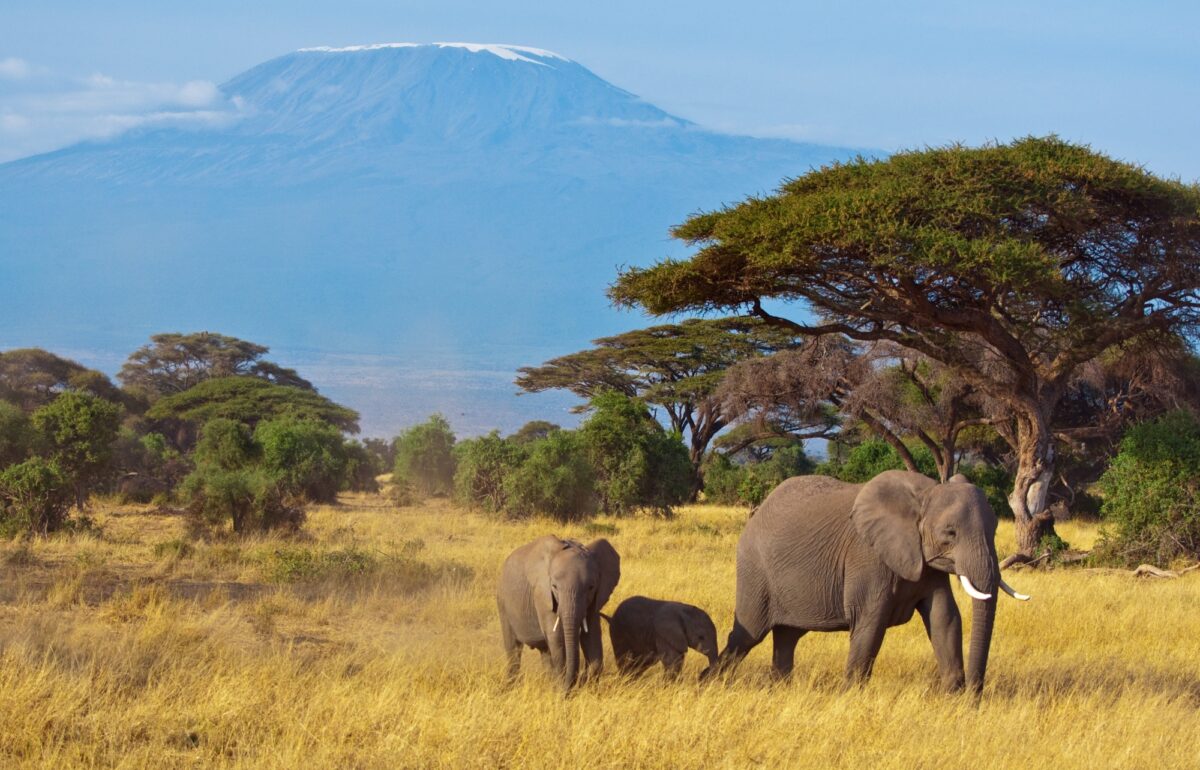
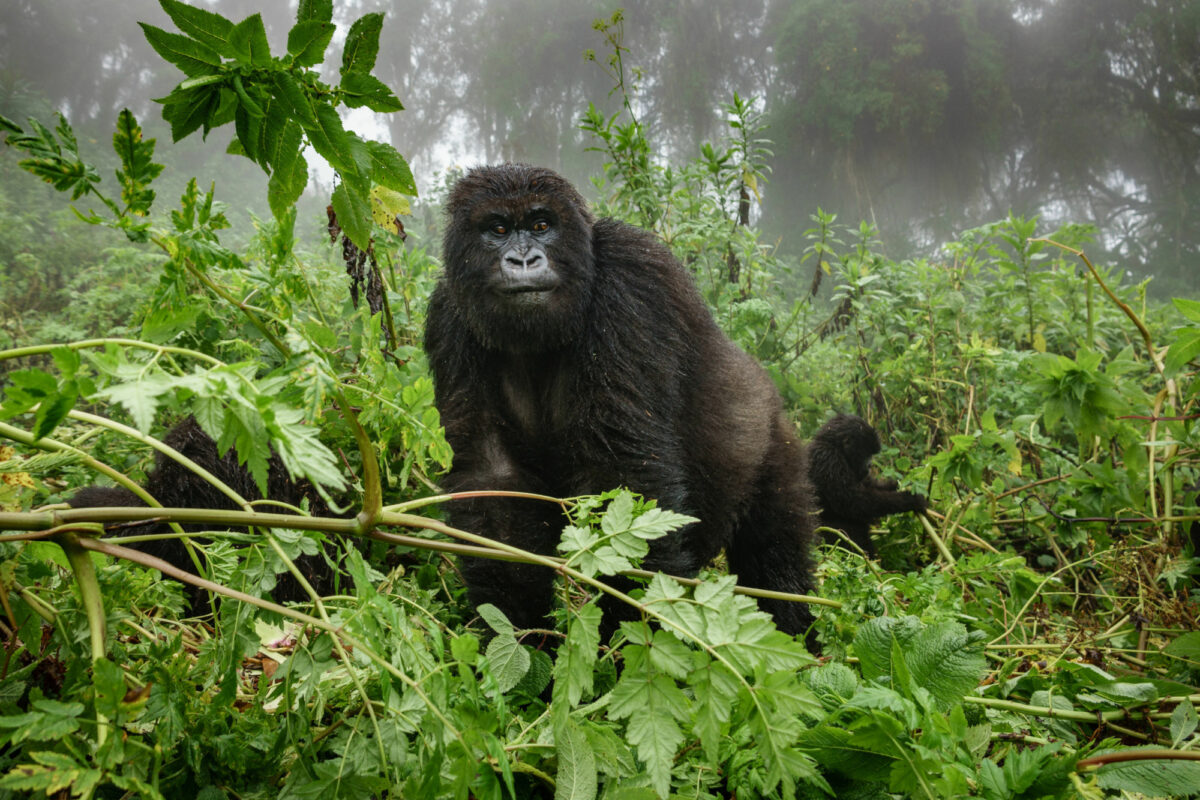
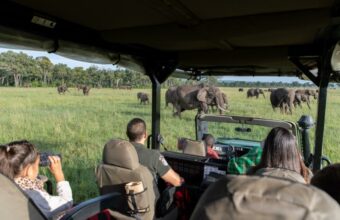
In the league table of natural wonders, the eastern swathe of the African continent ranks as a global superpower.
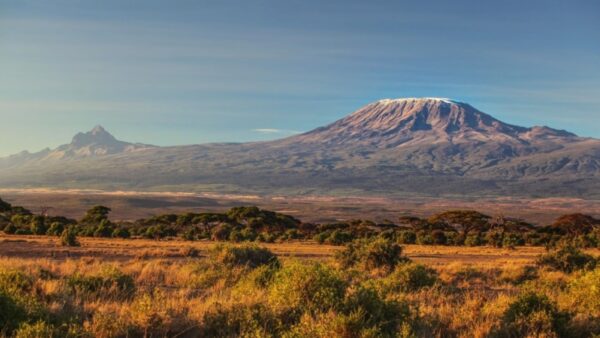
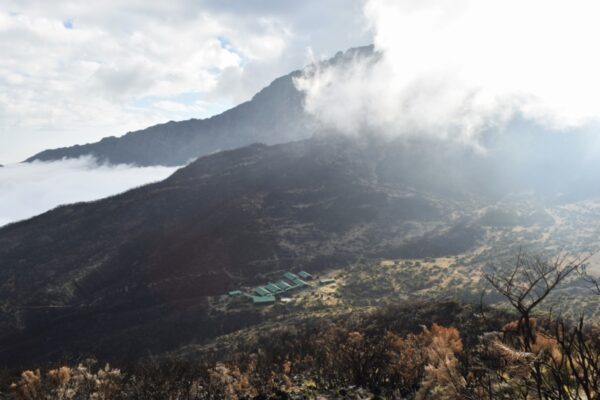
In East Africa, where the grinding of plate tectonics has carved a unique geology and sweeping range of habitats, you'll find a land of superlatives: the biggest concentrations of the very largest land animals, the world's deepest lake, the highest mountains in Africa, the list goes on.
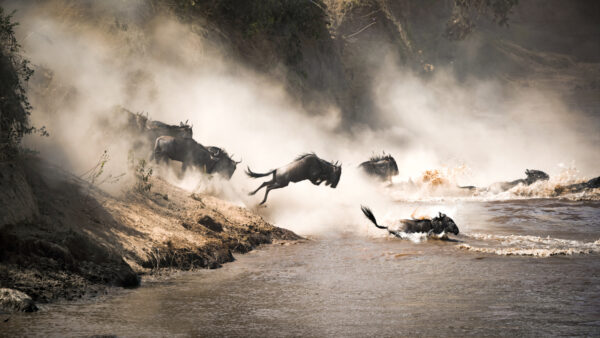
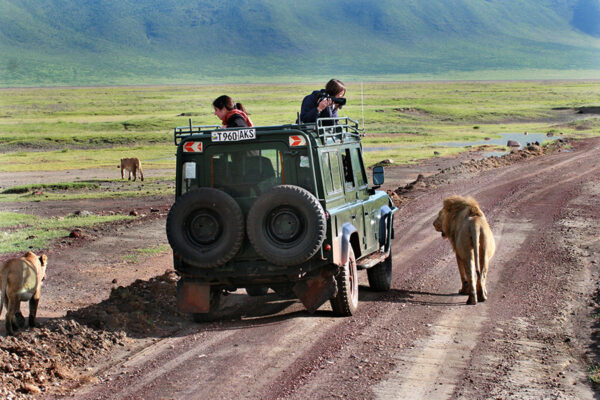
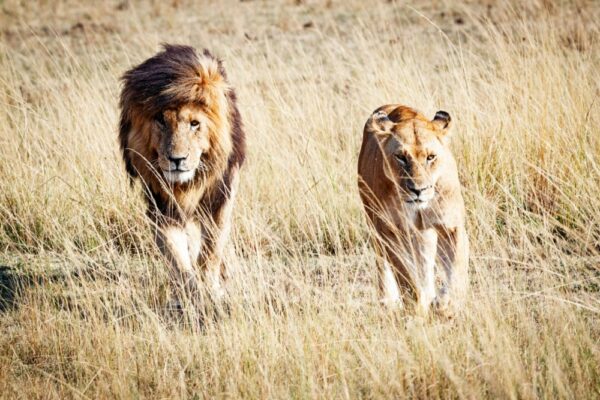
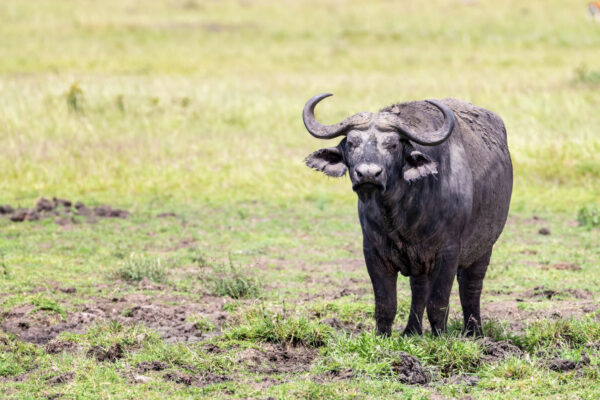
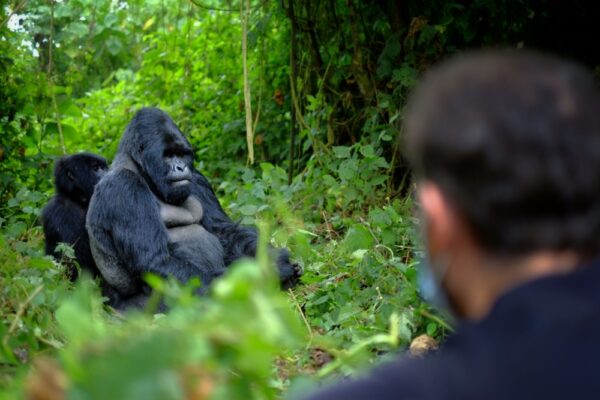
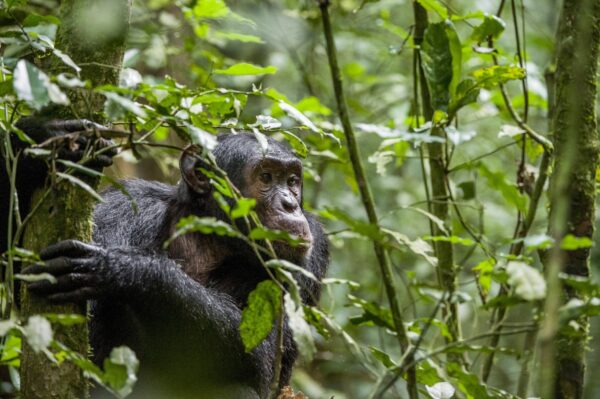
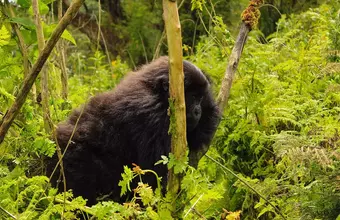
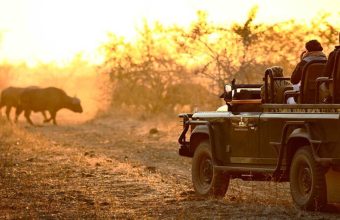
And it is this that cements East Africa's place as a tourism heavy hitter. From the wildebeest migration that sweeps across the grasslands of Tanzania and Kenya, the "Big Five" of the Masai Mara, and the great apes of Rwanda, Uganda and the DRC, this is a place that is virtually synonymous with safari and wildlife tourism.
We have one day spare en route from Nairobi to Diani, can we get to Tsavo with enough time for a game drive that day and the following morning before heading to Diani?
Answered by: Kelvin Ngugi
The journey from Nairobi to Tsavo East takes five to six hours, depending on your lodge. So you'll arrive in the evening – maybe with time for a night game drive, but possible not. You'll get a game drive in the morning before heading to Diani.
Our youngest is 7 years old – we're all good hikers, including the youngest, what are the minimum ages?
Answered by: Frazier Msuya
There's no official minimum age for climbing Mt Meru, it just depends on the policy of each tour operator. Seven is usually fine, most would probably say 6 is the minimum, but if you do it as a private guided trek there's probably some flexibility. Kilimanjaro is a different matter – the official minimum age is 10, and some operators prefer 14.
When is the better time to see the wildebeest cross the Mara River: late July or mid-August?
Answered by: Kelvin Ngugi
Because there's a lot of variation in the patterns and behaviour year-to-year, it's not really possible to predict the difference between late July and mid-August, other than to say the river crossings would typically be very active during both times. I'd suggest you visit a mobile camp which can change position each year to be in the best possible location.
Can I still see the river crossings in September, or is August still the perfect month to see it? I would be sad if I missed it because I went in the wrong month.
Answered by: John Dante
You can usually expect to see plenty of river crossing action in September, although of course the patterns change slightly each year.
Your best chance at this time of year is probably in the Masai Mara in Kenya.
If you have the budget you can stay in one of the mobile safari camps, which change location each year to be in the best places. You might also want to consider one of the conservancies, rather than the national park itself – you'll get a much better experience, with less crowding. Peak season in the actual national park can be very crowded.
Hot air balloon rides usually cost about USD 450-500 per person and are available in Amboseli and the Maasai Mara. I’ll be honest, I wouldn’t know whether to recommend or not as I haven’t done myself, but I know people are generally glad they've done it. If it's something you're set on doing, I'd recommend you book your camp with this in mind as it involves an early start and potentially long drive from the launch sites.
April is an off-season month for Kenya safaris due to the long rains that run from late March or mid-April to early June. April and May are the wettest months of the year, the rains can last all day, and the humidity can be uncomfortable – especially on the coast.
During rainy season, the abundance of water means the wildlife is less concentrated, and although the scenery is lush and green, that makes it harder to see the wildlife. (Although it's a great time for birdwatching!) In addition, the rains can make tracks impassable and the more remote camps will simply shut down for the season.
However it's not all negative! In the plus column, this is the quietest time of the year with uncrowded parks and accommodation and very competitive rates. Personally I think if you don't mind the rain, this can still be a good time to visit.
If you can adjust your dates slightly, mid to late June is a great time for a Kenya safari. With the rains ended, vegetation is greener and the parks are full of life. You might be lucky to sight the beginning of the wildebeest migration from Tanzania into the Masai Mara!
Yes! There are lots, here's a few that I'd recommend:
Nairobi National Park and David Sheldrick Wildlife Trust – 30 minutes from the airport!
Lake Naivasha, Cresent Island and Hell's Gate – approx two hours
Lake Nakuru National Park – approx three hours
Soysambu Conservancy – approx three hours
Aberdare National Park – three to four hours
Ol-Pejeta Conservancy – four hours
Amboseli National Park – four hours
You can get to the Masai Mara and Tsavo East/West by road, but they're both closer to a six hour drive. But you could break up the journey with a stop at one of the above locations on the way. Most of our itineraries are road based and work this way.
Yes you'll need to store your scuba equipment in Nairobi before going on safari. There are tight weight limits on bush flights, but even if you travel by road there won't be lots of spare room in the vehicle. Once you get to your camp or lodge they're unlikely to have room for storage. There's a left luggage facility at NBO airport.
No, there won't be much difference in the weather between October and November. Despite the short rains which usually start around mid-November, there is not much difference in the overall experience and the rains aren't too heavy to disrupt the experience. Rates should be slightly lower in November.
This is the first question most people ask me. It’s hard to answer because it depends on where you go, the weather, and how long it takes to find the gorillas, all of which can vary from one day to the next.
In my experience, however, moderately fit people under the age of 60 are unlikely to find it particularly tough. Older and less fit travellers may find it more challenging; even so, the odds of locating gorillas is better than 99%, and your exhaustion is sure to dissipate when this happens.
As you have discovered the real top end safari accommodation in Kenya are eye-wateringly expensive. Kilaguni Serena Safari is a more accessibly-priced nice lodge not far from Finch Hattons. It's still far from a budget offering and it's much larger than Finch Hattons but the Serena offerings are generally pretty good value.
Early March is still a bit early for the rainy season so you might just get the odd thunderstorm. If birds are your real interest and you only have five days then probably the easiest is to go down to the Masai Mara via the Rift Valley lakes of Naivasha and Elementia or Nakuru. This would give you a good range of avian habitats and species in a short space of time. Don't forget as well that Nairobi itself has some excellent birding in the various forests and parklands in and around the city. Plus of course, there's the superb Nairobi National Park where you will see a lot of wildlife and birds.
Seeing all the big five (lion, leopard, elephant, buffalo & rhino) in one park is hard. Only Lewa and some of the conservancies in Laikipia can honestly claim to offer easy sightings of all five. But, who cares! This fixation on racing around to tick off just five species is an anachronism from colonial-era big game hunting days. There’s so much more to Kenya’s wildlife and the modern safari experience.
Yes, it's perfectly easy to do a self-drive Kenya safari. When you ask if it's "safe" that depends a little on what you mean. If you mean are there bandits, car jackings, dangers from wildlife, etc, then no you are quite safe. Instead the danger is from other drivers, as the driving conditions can be a little 'hectic' in places and accidents are common.
I'd recommend hiring a car with a driver, which can be a cheaper and, in my opinion, a much better option. A good driver will know the lay of the land, the driving conditions, best places to stop for lunch, etc. And they are often knowledgeable of the wildlife. A good driver will be both your driver and guide, and probably become your friend!
Almost any tour company in Nairobi or Mombasa can organise a private vehicle with a driver. Standards and prices vary hugely, so explain to the tour company exactly where you want to go and get in writing exactly what is and isn't included. Pay particular attention as to whether fuel, and the drivers food and accommodation is included in the rates. Also make sure you're booking the right vehicle: a 4WD may be needed for more remote areas.
I would suggest rather than staying within Masai Mara proper, stay in one of the conservancies that now fringe the Mara.
In the most basic of terms these are like private, community-run wildlife reserves. Conservancy operators lease the land from local people and each local family receives a guaranteed monthly payment. The conservancy also provides employment and sets up development projects. People continue to graze their cattle but in a more controlled manner. And in return, fences are removed and the wildlife encouraged to return to the lands they were once driven out of. The conservancies have been a great success both for wildlife and local people. And, for tourists, they offer a very exclusive experience and the world's finest safaris.
Each conservancy has only a handful of very discreet high end camps and only guests of those camps can go on a safari in the conservancy, which means crowds of vehicles around a lion are non-existent.
The conservancies also allow activities not permitted within the reserve such as walking (highly recommended), bush camping, night safaris, etc. This makes them ideal for kids because it breaks up the routine and allows a little more freedom.
The safari vehicles and guides used in the conservancies are absolutely the best in the game and the wildlife populations are the equal of the actual reserve. However, there's a catch (of course...), conservation like this doesn't come cheap. All of the conservancies are superb but some names are Naboisho, Mara North and Nashulai Maasai Conservancy (this last one being slightly cheaper than the others and lots of focus on meeting local people). As for actual camps you cannot go wrong with any of them. All the conservancy camps are superb. I'm a big fan of the Basecamp offerings, Off-Beat and Kicheche. All are a little less extravagant than some of the other camps.
If you want to only visit the reserve and not a conservancy then I suggest either Basecamp Mara, Oldarpoi or you could go for a Maasai homestay in Sekenani village. Expect basic but perfectly comfortable rooms but an amazing experience. Your kids would really enjoy this.
For your requirements of a different habitat and wildlife then without doubt I would suggest Samburu National Reserve. This is a much drier and hotter area than the Mara with different vegetation and animals. And, even the animals you might have seen in the Mara are different up here with different species of giraffe, zebra and ostrich all present (and in my opinion all more beautiful than the kinds in the Mara). The park is also superb for elephants.
Samburu, though still popular, is notably quieter than the Mara and, once away from the river, it's easy to feel you have the place all to yourself (and especially if you go into the co-joined Buffalo Springs and Shaba reserves). Depending on when you are there you will find direct flights from the Mara, but otherwise will have to go via Nairobi. If you're driving it's a long way – a 10 hour non-stop drive, so flying is the better option.
February is a very good time for safari in the Masai Mara, but also very different to the experience in June and July.
It's hotter and drier in February and generally there are fewer other tourists. There will still be plenty of zebra and wildebeest around but these are the non-migrating resident herds, so they don't form the massive iconic herds that you might see on TV.
July is good because the migrant wildebeest are all normally in the Mara by then, but its also absolute peak high season so can be busy and expensive. June is perhaps my overall favourite month. Everything is green after the rains and it's nice and cool with far fewer tourists than July, but the first migrant wildebeest might start to arrive (it all depends on rains and the state of the grass).
In short, all three months are excellent but each is different so it might be best to go with whatever just suits your timings better.
Yes! I think calving season during the wildebeest migration is just as spectacular as the more famous river crossing period.
This period runs from December to March around the Ndutu Plains to the south of Serengeti. During this time the wildebeest and zebra stampede over the plains preparing to give birth to thousands of calves. At the same time the big cats are on the lookout for an easy snack. With vast numbers of animals, their sounds and smells, all of the little calves, and the big cats on the lookout... it's theatre on an epic scale and you cannot be disappointed. And the extra benefit is that it's a much shorter drive here than to see the river crossings.
In my opinion there's not much that tops Serengeti National Park. As far as the wildlife and scenery goes there's nowhere better for a safari in Tanzania.
The only downsides I can think of are that visiting the Serengeti can involve lots of driving (to see the migration river crossings takes two or three days driving), also it can be expensive and, at peak times, busy (although far quieter than neighbouring Masai Mara in Kenya!)
For those who prefer less driving, I'd recommend Ngorongoro Crater as a good runner up to the Serengeti. Ngorongoro's compact size (the crater is only 20 kilometres across) means you can see more with much less driving. All the big five can be seen here and as a bonus you have have a better chance of seeing rhinos here than in Serengeti.
If you want to escape all crowds and get off the beaten track, I highly recommend Ruaha National Park. Located in the midwest of the country, it surprises with outstretched savannahs and plenty of animals, together with some amazing lodges. The downside (or upside, depending on what you're looking for) is the distance – it’s pretty far from everywhere.
And finally if you're looking for a lower cost safari in Tanzania you could book flights to Dar Es Salaam, and from there do a safari in Mikumi National Park. Relatively small, it still offers open savannah with all your usual safari suspects except for rhinos, along with the most beautiful sunsets and sunrises.
It's perfectly possible to hike around Kilimanjaro but not go for the summit.
My favourite is a two-day Kili hike, where you do the first part of the Marangu route, sleep at the Mandara Huts, hike as high as the Horombo escarpment on day two, and then go back down.
Along the way, you encounter narrow trails through the rainforest, amazing views of for example Mawenzi Peak and open moorlands with giant lobelias and groundsels. The ridged trail is narrow as you wander through the rainforest. It’s lush and misty, with the trees adorned with moss. The canopy overhead is alive with birdsongs and a colobus monkey or two.
The hike to the Mandara Hut takes four to six hours at a good walking pace, and it's possible to add a one-hour walk to the Maundi Crater to that. If you are lucky, you see tree hyraxes on the way and on a clear day, the views to the east over Taveta and to the northwest of Mawenzi Peak are stunning.
On day two you will see the glades of the rainforest and follow an ascending path on the open moorlands towards the Horombo escarpment. Views of Mawenzi and the summit of Kibo are amazing. Look for giant lobelias and groundsels. This hike up takes you three to four hours, then you go five to six hours back down again. You stop at the Mandara Huts for lunch, then hike back to the Marangu Gate where the walk ends and you drive back to the hotel.
I think you'll find the Usambara Mountains in northern Tanzania pretty much perfect for the type of hiking you're after (another possibility, all be it one just over the border in Kenya, is the Loita Hills).
There are all kinds of hiking possibilities in the Usambara Mountains from half a day to a week or more. There's nothing technical or difficult about the walking (though make sure you have plenty of wet weather gear!)
The main launch point for treks is the small town of Lushoto. If you're not booking an organised trek and don't mind doing things DIY you should be able to find a guide here, although there's no official registered guiding agency. A good bet can be to ask at guesthouses for help finding a good guide. You wouldn't likely be a part of a set group as the guide would walk with just your party.
You won't need tents as its more village to village trekking with simple guesthouse/homestay style accommodation in each village. You also won't need to carry anything more than snacks as food is always available in guesthouses. It's all quite organised considering the small number of people who hike here.
As for routes your guide will likely have suggestions, but Wikiloc also has a few user recorded routes which could serve as a good starting point. It's a very beautiful area. With big escarpments, drop-offs and varied countryside and people will try hard to help.
Unfortunately the Rwanda Development Board gorilla permit portal can be unreliable! You may want to contact them directly on reservation@rwandatourism.com, alternatively you'll probably find it a lot easier to purchase your permits via a tour operator.
In Uganda, international visitors must buy gorilla tracking permits via a tour operator. Only Ugandan residents can buy permits directly from the office in Kampala.
You'll need to give the tour operator the name of the lodge where you are staying. This is because gorilla tracking is an early morning activity so ideally they'll book permits for a gorilla family that is a short walk / drive from your lodge.
There are two ways to organise a gorilla safari in Rwanda. You can either secure a permit yourself through the Rwanda Development Board and then try to book your transport and accommodation independently. You'll need to get yourself to the park entrance for the morning of your trek, if you book in a lodge near VNP they should be able to arrange transport for you.
Or you can book the whole thing through a licensed tour operator who will arrange your gorilla tracking permit, accommodation and all the necessary logistics. My advice is to book your trip with a tour operator. Rwanda is an easy place to travel around but things can go wrong, and their help can be invaluable.
There are many locally-based operators as well as international travel companies, often with stark price differences between the two. International travel companies often use local operators to run the ground operations, so you may wonder why you’re paying a premium to a middleman. Generally speaking international operators can offer an extra edge of communication, more hand-holding, and stronger financial protection. To help keep more of your money within the local economy I think it’s worth considering booking locally, but do check independent reviews and try to pay on a credit card and with travel insurance for financial protection.
In Rwanda a gorilla tracking permit ordinarily costs US$1,500 for international tourists.
At the time of writing, there are 96 permits available per day. You can buy your permit up to two years in advance through the Rwanda Development Board or through a registered tour company.
Rwanda pitches itself as the high-end gorilla trekking destination; this is reflected in the higher price of the permit and the bigger range of top-end accommodation. Rwanda has some sensational luxury properties and a fair number of overpriced mid-range ones, so book with caution.
Typical accommodation costs in Rwanda:
Budget : $30 - $50 per person per night based on two sharing
Mid-range: $80 - $250 per person per night based on two sharing
Luxury: $300-$3,000 per person per night based on two sharing
Rwanda’s gorilla trekking region is only two hours’ drive from Kigali, making the gorillas far more accessible than in Uganda. In theory this means you can save on transport and accommodation by doing a shorter trip. It’s possible to do a one-day gorilla trek in Rwanda from around $1,700 per person. A two-day gorilla tour will start from £1,900. A three-day luxury gorilla safari may cost $2,000 to $5,000 per person. Tours include one gorilla tracking permit, private transport, English-speaking guide, accommodation and meals. Charter plane and helicopter transfers are additional options.
My advice is to slow it right down and don’t rush in and out just to track the gorillas – you’ll be doing yourself and your hosts a great disservice.
Gorilla trekking in Rwanda can be done year-round, however, rainfall is heavier in September-November and March-May, when paths can become muddy and difficult to hike.
Remember that you’re visiting a rainforest. It will, by definition, be wet all year round!
That said, there is still a marked difference between the dry and rainy seasons. The weather is generally drier and hotter between June and September, and again from December to February. These are my preferred months to go gorilla trekking in Rwanda.
During March and May, and again from September to November you can expect more frequent and heavier rain showers. Muddy roads and paths can become tricky to handle.
Temperatures are fixed year round between 21°C (70 F) and 30°C (86 F), dropping to 10°C (50 F) at higher altitudes. Although chilly at night, the exertion of hiking and climbing will keep you warm during the day.
The advantages to visiting in dry season are less muddy paths, easier hiking and clearer views of the wildlife. The disadvantage is that this is peak tracking season and therefore permit availability is lower. You’ll need to book well in advance.
Peak season & when to book
Peak tourism seasons are June to August and around Christmas and New Year. If you plan to go gorilla trekking in Rwanda during peak season or if you are in a large group, you should book six months or more in advance. The earlier you book the more choice you have on where you trek gorillas and where you stay. Last-minute bookings may be possible during low season or with smaller groups.
Aside from more choice in permit and accommodation availability, there are some other pros to visiting during rainy season—not least that smaller group sizes allow a more intimate tracking experience.
If you have little time it is, in theory, possible to see mountain gorillas in Rwanda in just one day—if you fly in very early in the morning. However, it is strongly recommended to spend at least two or three days in the region. The altitude and exertion of the climb can be unpleasant when rushed, and it is worth spending some time to explore Rwanda and its culture beyond just gorillas.
Events and festivals
The annual Kwita Izina gorilla-naming ceremony takes place every September and offers a fascinating insight into Rwandan culture and the country’s efforts to promote gorilla conservation. The event is free to attend, but by invitation only. A good tour operator will be able to arrange access for you.
A more solemn occasion is Kwibuka, which means remember in Kinyarwanda. This is a series of events held in April in commemoration of the 1994 genocide in which nearly one million Tutsi—70% of the Tutsi population—were killed. Visitors are welcome at these events.
If most of the children in your group are very young, your options are fairly limited as the reality is that a longer, multi-day safari can be a bit much with very young kids. I first did a safari with my kids when they were five and two years old and although it was good I probably wouldn't do it again! Past the age of about eight or nine the safari experience gets much easier, as they'll will tolerate sitting in a jeep on a bumpy road for longer.
Do be aware that some safari camps don't accept children below the age of 12. These are normally the unfenced camps and it's done for safety reasons.
You will also need to keep in mind that you will either need several safari jeeps and to travel in convoy or a bus (and these aren't always allowed in some parks). Because you will be travelling with so many children I would suggest small safari camps which you can book out for your group alone. Some of these are more child friendly than others. Some possibiltles that I believe might work well for your group are: Maji Moto Eco Camp, Loita Hills Basecamp, and if you are interested in a Maasai homestay style experience then I'd suggest Semadep Camp, who can arrange homestays around the Masai Mara.
As for specific parks and reserves the Masai Mara area is good because there's a lot of animals to see everywhere you look which keeps children interested. Also good are Nairobi and Narok national parks because of easy access and good roads. Lake Naivasha is good for families too.
It would be easy to combine all these places into a 10 day safari and then you could maybe finish up on the beach (Lamu and Watamu are both superb for families).
The quantity and ease of seeing the wildlife is better in Samburu Reserve than in the neighbouring Namyunak Conservancy (because the wildlife is drawn to the river running through the reserve). But there's not a huge difference in habitats or species between the two.
Elephant Bedroom Camp, in Samburu, is a fabulous, small camp. You'll see a lot of elephants and the owners are some of the worlds foremost elephant experts.
In Namyunak Conservancy, Sarara Camp is one of the most exclusive – yet low-key – camps in Kenya. There's slightly less wildlife than in the reserve but it's very close to the reserve and safaris from Sarara often enter the reserve.
The bonus with Sarara is exclusivity. You and the other camp guests will have the entire place to yourself meaning no crowding around animals (though that's rarely a problem in Samburu).
Unlike in the reserve itself you can do walking safaris in the conservancy and there will be more interaction with local people. The final plus is that by staying on a conservancy you will be actively helping to fund private/community conservation initiatives, which isn't always the case when staying only in a reserve or national park.
Overall then, I would opt for Sarara Camp, but I suspect it does cost more, so it might come down to budget!
No. All trips up Kilimanjaro are as part of an organised trek. You don’t necessarily have to be a part of a trekking group but you are obliged to take a guide and porters and the more people you can share these costs with then the cheaper it becomes. In fact, guides are either compulsory or near enough compulsory on all Tanzanian trekking routes.
Altitude related health problems – which can be potentially lethal – are a real risk on Kilimanjaro. This is due as much to the great height of the mountain and because too many people ascend too quickly. This is why it’s very important to allow more days than the quickest tour itineraries suggest. Yes, it costs more but by taking things slower you have a far greater chance of success.
The Marangu route is the only route that offers accommodation in very basic mountain huts. On all other routes only camping is allowed and then only in designated camping areas. Trek organisers will supply all camping equipment (the quality of which varies depending on how much your trip costs). On the Marangu route everyone must stay in the mountain huts and the beds are laid out dormitory style.
As Africa’s biggest mountain and a very achievable “big” summit, Kilimanjaro has always been a popular trek. Is it too touristy? Well, that depends on perspectives and route taken. There are several different trails to the top and some are very quiet indeed. But, if you really want some peace and quiet, then nearby Mt Meru might be the one for you.
The main routes up Kilimanjaro involve no technical climbing and really involve nothing more than a long slog. There’s no reason why an older person (or young though, 10 is the legal minimum) of decent fitness cannot climb Kilimanjaro. The big thing to remember is that because of cost most trips are shorter than they really should be and many people get altitude sickness. It’s worth factoring in an extra day or so to allow for proper acclimatisation.
You can hike in Tanzania year round, but the dry season months are generally considered the best times, especially for the big peaks such as Kilimanjaro and Meru. The dry season for these northern mountains is late December through to late March and late June to the end of October.
If you're tracking in Rwanda at the beginning of October, you may be lucky and not have too much rain. (It's November that is typically the wettest season during the year's late rains).
But to be honest, it can rain any day of the year, particularly in the afternoons. However, with good preparation you can still enjoy visiting the gorillas.
Firstly, make sure you have the right equipment: sturdy walking boots that cover and support your ankle, for example. Locals often prefer wearing gumboots but I prefer the non-slip grip of walking boots. Regardless of the time of year you track, we always recommend wearing layers e.g. thin longsleeve T-shirt, a light pullover fleece, plus a rain jacket. On the day you track, the rangers will assess your fitness level, and allocate you a group to suit you.
You don't need to be mega fit. You will be supported by the rangers and can also hire a porter. Invaluable! This means you don't have to worry about carrying your backpack. Nor do you need to worry about the mud, the weather or the distance since you'll have plenty of hands to literally lift you up, if needs be. You can also borrow, buy or hire a walking stick. Sometimes, someone will grab a piece of bamboo and make you one.
Make use of every bit of help that is offered. It's all part of the fun! I think you'll be fine. Enjoy!
Your day of gorilla tracking will be long, active and may be fairly arduous. You’ll be hiking in thick forest in a changeable climate. Evenings can be cold; mornings are cool, and the days are hot—especially when you’re clambering up a muddy mountainside. Having the right gear makes all the difference:
A small backpack to carry water, packed lunch and rain jacket.
Walking boots or hiking shoes. Boots are ideal for the extra ankle support on rocky and muddy terrain. Another option (that is particularly popular with locals) is plastic gumboots. Not only do they keep your feet dry, but they keep insects—particular ants—at bay.
Long socks will allow you to tuck in your hiking trousers and protect your ankles from scratches and biting insects. Higher-end lodges may loan gaiters to guests.
Lightweight waterproof jacket.
Hiking pants or waterproof trousers (handy when sliding down muddy slopes!) Do not wear jeans or shorts: hiking in wet jeans can be miserable and shorts will leave you exposed to hungry insects and scratches from thorns.
A long-sleeved shirt offers much needed protection from the sun and insects.
A fleece or light-wool sweater for cold mornings.
Cheap gardening gloves will protect your hands but aren’t essential.
Sunglasses, sunscreen and sunhat.
Camera (and associated paraphernalia). Although some people take binoculars, you aren’t very likely to use them. You will spend most of your time in the forest where trees will obscure most things.
Many visitors—regardless of age or fitness—find walking poles useful and many upmarket lodges provide wooden poles. In VNP your guide can cut you a custom-made pole from bamboo!
At least one litre of drinking water and your packed lunch.
A basic first aid kit may come in handy: antiseptic wipes, antihistamine cream, insect repellent, plasters, painkillers, and rehydration sachets.
Regulations state that you must stay 10 metres from the gorillas at all times and only spend one hour with them. In practice, inquisitive gorillas may come closer to you on your trek. If they do, stay calm and quiet, follow your guide’s advice and never touch the gorillas. Keep your voice low and avoid eye contact.
The gorillas will normally be more relaxed the further back you are. Your guide may ask your group to move to a different location to calm the gorillas or to get a better view.
The minimum age to visit gorillas in both countries is 15. You will need to provide your passport when you book your permits and park authorities will use your passport to verify your birthday matches the date given on your gorilla tracking permit.
Seeing mountain gorillas in either country isn’t cheap. The combined cost of permits, accommodation, guides and a tour can bring overall trip costs upwards of $2,000 per person. So why are gorilla treks so expensive?
The main reason is that mountain gorillas are endangered and vulnerable to uncontrolled human interaction. One of the biggest threats to the gorillas’ survival is disease. Gorillas share 98% of their DNA with humans, making them highly susceptible to infection from human diseases. Therefore the authorities (wisely, in my opinion) tightly restrict and control the number of interactions the gorillas have with people.
And it takes money to protect the gorillas’ natural habitat. A significant percentage of gorilla permit fees goes into conserving the gorillas’ mountain forest habitat. Finally, some of the money you pay will go into research and monitoring of the gorillas, as well as paying your guides and encouraging sustainable tourism. The authorities point to the growth in gorilla numbers as evidence of their success.
On balance the price might not be low, but in my opinion it’s still pretty good value considering the importance of protecting this endangered primate.
This isn’t medical advice but it sounds to me like you'd be fine. I always recommend hiring a porter regardless of age; it's a huge help to have someone carry your stuff and leave your hands free for taking photos.
If you think you need some extra support you can hire a group to carry you on a rather unglamorously-named "stretcher" (it's better than it sounds!) You generally pay $10-$15 per person for the porter, and you might consider adding a tip of a similar amount. The "stretchers" cost around $100. These services are community-run initiatives and are a big boost to a family's income. All this can be arranged on the morning of your trek, during your briefing.
Also consider the location of your lodge and the gorilla family that you're assigned to track. Don't be shy in stating your tracking preferences during the morning briefing. The rangers want everyone to have a good – and safe – time so they will do their best to make sure that people with similar fitness levels are grouped together and assigned to track a more accessible gorilla family.
The Habinyanja family in Buhoma (Uganda) is well-known for being quite close to a number of the lodges. I tracked this same family a few years ago and had a lovely hour in search of them, before spending an hour with them. It took a little less than an hour to get back to the lodge, so about a three-hour round trip. Your tour operator should be able to identify a gorilla family and lodge combination that suits your fitness and ability levels.
Good preparation is also important. Local people love wearing gumboots (they keep out the ants as well as the mud) but walking boots with ankle support are the best option I'd say. I'd suggest bringing walking pole(s) or a stick. Sticks can also be bought or borrowed from your lodge.
Despite their size and unfair reputation, gorillas are not remotely dangerous provided they’re treated with appropriate respect. All gorilla treks are accompanied by expert ranger guides who spend most of their time with the mountain gorillas. You’re only allowed to visit gorilla groups who have been habituated to the presence of humans, meaning they are used to having people near them and understand that you’re not a threat.
Gorillas are normally shy and reserved, spending the majority of their time feeding and looking after their young. However, they—like any wild animal—can exhibit defensive behaviour if they feel uneasy, particularly around their young. Your guide will recognise the signs; they may include ‘mock charging’, aggressive beating of their chests and grunting. Always follow your guide’s lead, but if faced with an aggressive gorilla, crouch down, look away and try to act relaxed. Your guide will advise you further during the pre-trek briefing.
If you do a search for this question you'll find hundreds of pages – mostly from companies selling gorilla treks – saying yes it's definitely worth the money. My reply is more qualified: if you have to ask, the answer might actually be no!
For many, seeing the gorillas is a once-in-a-lifetime experience. Personally I love it so much I’ve been four times!
But whether it is quite so life-changing for you depends on how passionate you are about wildlife encounters, hiking, (and early morning starts!) I actually think you’re most likely to be disappointed if your entire trip revolves around just seeing the gorillas – after your 60 minutes, the rest of the trip might feel anticlimactic. It should be regarded as a whole day’s activity in a pristine natural environment, not just the single hour with the great apes.
To get maximum value from the experience, make sure you’re prepared. Be as fit as possible, wear the right gear, rest well and don’t try to pack too many activities into your itinerary. These are both fascinating countries with much more than ‘just’ gorilla tracking; slow down and round out your experience by getting to know the rest of the country.
Ask a question
Get answers from our independent East Africa experts.
Get a free, personalised answer about East Africa.
You'll receive a reply by email. Questions and replies may be anonymised and reproduced on Horizon Guides.
§ 04
The East Africa atlas
30 picksPlaces & Experiences You Won't Find Elsewhere
Where
What
Naboisho is a good example of what a community-led conservancy can look like when it is given enough space and time to work. It sits next to the Maasai Mara National Reserve and covers around 50,000 hectares, forming part of the wider Mara ecosystem.
The conservancy was established by local Maasai landowners with the aim of restoring degraded land, protecting wildlife and creating a sustainable income stream for the community. Since its formation, grazing pressure has been reduced and habitats have recovered, which has allowed wildlife numbers to increase across the area. Large mammals including elephants, lions, cheetahs, leopards and buffalo are all present, alongside a strong bird population.
Like all private or community managed conservancies, Naboisho is run very differently to the main national park. Access is controlled, vehicle numbers are limited, and activities are structured to reduce pressure on the land. This creates a different dynamic on game drives, with fewer vehicles and more freedom to spend time observing behaviour rather than moving constantly between sightings.
The conservancy model also shapes how people interact with the landscape. Revenue from tourism supports land leases and local livelihoods, which in turn underpins the long-term viability of wildlife protection here. For visitors, that context matters, because it explains why the experience feels calmer and more deliberate than in more heavily trafficked parts of the Mara.
I use Pembazoni Camp to show a different side of the Serengeti, away from the busier central areas. The camp sits in a quiet, little-visited part of the ecosystem, where movement is slower and wildlife encounters feel less orchestrated.
This is a small camp, and that scale matters. It allows for flexibility, particularly when combining vehicle-based exploration with time on foot. Walking here is not about covering distance, but about paying attention to tracks, terrain and behaviour that would be missed from a vehicle.
Accommodation is intentionally low-key. Tents are comfortable and well run, but the camp doesn’t try to compete with the landscape. It works best for travellers who are more interested in how the Serengeti functions than in ticking off familiar scenes.
I recommend Serengeti Green Camp for visitors who are keen to follow the migration, when mobility is key. It’s a seasonal, mobile camp that shifts location to stay close to the herds rather than expecting the wildlife to come to it. Days are shaped by where the herds are, how they’re moving, and what the conditions allow.
Despite being mobile, the camp is well organised and comfortable enough to spend several nights. It’s a good option for travellers who want to be properly inside the Serengeti system, without the sense of staying in a permanent outpost.
Rhino Lodge is a practical choice rather than a romantic one, and that’s exactly why I recommend it. It sits right on the rim of the Ngorongoro Crater, which means early access without a long pre-dawn drive.
The lodge is straightforward and unpretentious. Rooms are warm, solid and designed for rest rather than lingering, which makes sense here. This is a short stop focused on a specific objective: getting into the crater efficiently and without complication.
I tend to use Manyara Green Camp when I want people to experience Lake Manyara as more than a drive-through park. The camp is small and lightweight, and that suits the setting. It sits in a quieter part of the park, which allows time to slow down rather than rushing between sightings.
What works well here is the balance between walking, cycling and vehicle-based exploration. Being able to get out on foot or on bikes changes how you read the landscape, especially in a park that’s as varied as Manyara, with forest, groundwater springs and open areas all compressed into a relatively small space.
The camp itself is simple and functional. Tents are comfortable enough without trying to imitate a lodge, and the focus stays firmly on time spent outside. It’s a good place to begin a journey, particularly for travellers who want to ease into safari at a more measured pace.
Borana Lodge is positioned on a hillside above a dam in the centre of Borana Conservancy, and that setting drives much of what happens day to day. Elephants regularly come to drink and bathe below the lodge during the middle of the day, and lion and leopard move through the area at night, often close enough to hear.pau
I value the flexibility here. From the lodge, you can arrange time on foot, on horseback, by vehicle or on mountain bikes, depending on how you want to engage with the landscape. Rhino tracking on foot is a key part of the experience, made possible by Borana’s long-term investment in protection, monitoring and ranger training.
The accommodation is in private cottages rather than a central block, which gives guests space and separation without disconnecting them from what is happening outside. Views stretch across the conservancy towards Mount Kenya, and time in camp tends to revolve around wildlife movement and light rather than a fixed programme.
Borana is a useful place to visit if you want to understand how conservation, livestock and tourism are being managed together in Laikipia. It is a private conservancy of around 32,000 acres on the northern foothills of Mount Kenya, sitting at roughly 6,500 feet above sea level, where the landscape shifts quickly from fertile highlands to more arid ground.
What defines Borana is its role within a much larger conservation picture. In 2013, the fences between Borana and Lewa Wildlife Conservancy were removed, creating the Lewa–Borana Landscape, a combined area of more than 90,000 acres. This has allowed wildlife to move freely across a far broader range than would otherwise be possible, particularly black and white rhino. The area is now recognised as one of Kenya’s Key One rhino populations, supporting a significant proportion of the country’s remaining animals .
Rhino conservation is central here. Borana introduced black rhino in 2013 and has invested heavily in security, veterinary care and ranger training, working closely with Lewa on anti-poaching operations. That work shapes how the conservancy functions day to day and gives real context to time spent on the ground.
What is often overlooked is that Borana still operates as a working landscape. Managed grazing is allowed in partnership with neighbouring communities, generating income for local herders while improving grassland health through livestock movement. It is a pragmatic model rather than a purist one, and it reflects how conservation is being approached in this part of Kenya.
Solio is a useful stop when the aim is to understand how private conservation can work at a very practical level. It is a privately run reserve in Laikipia with a long-standing focus on rhino protection, and that focus shapes the entire experience.
The reserve covers around 17,500 acres between Mount Kenya and the Aberdare range, with a mix of wooded grassland and wetlands. This relatively contained landscape supports one of the highest densities of black rhino in Africa, the result of decades of sustained breeding and protection efforts. As a result, sightings here are frequent and unforced, without the need to range widely or wait for chance encounters.
Solio is also home to a broader spread of wildlife, including lion, leopard, cheetah, buffalo and zebra, but it is the rhino population that defines the reserve and gives it its purpose.
What Solio demonstrates clearly is how conservation priorities influence tourism. The reserve is tightly managed, access is controlled, and the emphasis is on protection rather than spectacle.
Ngare Ndare Forest offers a very different environment from the open landscapes that define the rest of Laikipia. It is an indigenous forest that forms part of the wider Mount Kenya ecosystem, linking the mountain’s upper slopes with surrounding conservancies.
The main draw here is the forest itself. A raised canopy walk runs for several hundred metres above the forest floor, giving a clear sense of scale and structure that you do not get at ground level. From the viewing platform at the end, the transition from dense forest to the slopes of Mount Kenya is easy to see.
Lower down, the forest opens into natural pools and waterfalls fed by the mountain’s water system. These areas allow time to stop and explore on foot, and they are often used for walking and swimming rather than continuous movement.
I tend to include these walks because they avoid many of the problems that come with rushed, performative “cultural” excursions. They are not set up as a spectacle, and they are not confined to a fixed script or timetable.
The walks are led by Mr Kariuki, a legendary guide at Olepangi Farm, who lives locally and brings a strong grasp of the area’s social history as well as its present-day realities.
Rather than focusing on ceremony or display, the time is spent talking through how people live here, how the area has changed, and how local concerns connect to wider regional and global issues. The tone is conversational, and the emphasis is on explanation rather than presentation.
There is flexibility built into how the walks run. They can be short or extended, depending on interest and energy, and they tend to follow discussion rather than a prescribed route. That makes them feel responsive rather than staged, and allows space for questions that would be difficult to explore on a more formulaic visit.
What matters most is that these walks are rooted in everyday context. They offer insight into contemporary life in Laikipia without reducing it to a checklist of cultural markers, and without the sense of intrusion that can accompany more commercial village visits.
Olepangi is a working farm owned and run by Elizabeth and Clinton, and their involvement is central to how the place operates. Their backgrounds and extensive travel are reflected in the house itself, which is furnished with objects collected over time rather than designed to follow a particular aesthetic. The result is informal and practical, and it feels lived in rather than styled.
Its location makes it useful. Guests can stay largely on the farm, walking, riding and spending time around the property, or use it as a base to visit nearby conservancies including Ol Pejeta, Solio and Lolldaiga Hills, as well as Ngare Ndare Forest. That choice between staying local and heading out is one of the main reasons I like to include it in itineraries.
Olepangi’s approach to land use is also relevant. What was once dry and unfertile ground has been developed into a productive farm using organic methods and local supply chains. This feeds directly into the guest experience, particularly around meals and day-to-day interactions, without being presented as a formal sustainability programme.
A notable part of a stay here is the opportunity to join community walks led by Mr Kariuki. These are shaped around local history and contemporary life in the area, and tend to be conversational rather than curated. They offer context that is difficult to access through more typical safari experiences.
The Lolldaiga Hills conservancy is a real hidden gem in Laikipia – a little unpolished and unpredictable, but I think destined for the forefront of Kenya's tourism and conservation efforts. Set at the base of Mount Kenya, this is a high-altitude private conservancy where snow-capped peaks give way to arid ground, rocky outcrops and one of the country’s largest remaining cedar forests.
What defines Lolldaiga for me is scale and diversity. At around 49,000 acres, it is large enough for wildlife to move naturally across different habitats rather than concentrating around fixed areas, giving the place an unpredictability that makes it feel real and raw.
The conservancy supports a wide range of wildlife, including four of the Big Five: lions, leopards, elephants and cheetahs. It is also known for species that are increasingly difficult to see elsewhere, such as Grevy’s zebra, reticulated giraffe, striped hyena, gerenuk and aardwolf. The ecological overlap created by altitude and habitat variation means that encounters here are often unexpected.
Lolldaiga is also an important elephant dispersal zone, which gives it real conservation value beyond tourism. Wildlife is not confined or managed for viewing density, and that lack of artificial concentration is exactly what gives the area its character.
As a place to spend time, Lolldaiga suits travellers who are interested in landscape as much as wildlife, and who appreciate that some of the most rewarding safari experiences come from areas that are still finding their rhythm rather than performing to expectation.
I often recommend Safari Series because it reflects the kind of safari experience I believe still has a future in northern Kenya: low volume, owner-led, and closely tied to the land it operates within.
The camp is deliberately small, with just six tents, and is run directly by its owners, Moon and Ed. That scale allows a level of flexibility that larger operations struggle to maintain. The tents are comfortable and well equipped, with proper beds, en-suite bathrooms, hot showers and solar power, but the emphasis is firmly on time spent outside rather than retreating into camp.
What I value most here is the breadth of how you can engage with the conservancy. Privately guided game drives are combined with walking safaris, fly camping and night drives, allowing people to experience the area from different perspectives and at different paces. There is also scope to take part in conservation and community-focused activities, including citizen science initiatives and visits to the Makurian Cultural Centre, which add context to time spent in the field.
Ol Malo sits within a private conservancy on the Laikipia plateau, with the wide open terrain and freely roaming wildlife you’d expect at any conservancy.
But what sets Ol Malo apart for me is that it is genuinely family run. Andrew and Chyulu Francombe are closely involved in day-to-day life at the lodge, and that involvement shapes the experience. Andrew grew up on this land and brings a deep understanding of the local environment and wildlife, while Chyulu’s influence is evident in the way the lodge is designed and lived in.
The accommodation is comfortable and well considered without feeling formal. Rooms are positioned to look out over the surrounding landscape, and the overall feel is relaxed rather than polished.
Activities are deliberately flexible. You can move through the conservancy on foot, on horseback or by vehicle, with time for swimming, river tubing and simply being outdoors. Horseback safaris are a particular strength here and offer a very different way of encountering wildlife, guided by people who know the terrain and the animals well.
A multi-day expedition safari in Laikipia is one of the most original and unfiltered experiences you can have as a visitor to Kenya. I recommend this to anyone who wants to get beyond the typical game-drive style safari trip.
This is a camel-supported trek through the landscapes of Tumaren Ranch, a large wildlife conservancy in northern Laikipia. Trips typically last around three days, with roughly four to five hours of hiking per day. Compared to viewing wildlife from a vehicle, this is quiet, tentative, contemplative and so much more thrilling.
The operation is small and family-run, and that scale matters. Camps are mobile, with fly-camp set-ups moved each day by an experienced local crew. Accommodation is simple but well organised, with classic walking safari tents, freshly prepared long-drop toilets at each camp, and bucket or shower-tent washing facilities. The emphasis is on practicality and comfort without losing the sense of expedition.
Guiding is central to the experience. The Laikipia Maasai team not only manage the logistics of moving camp and handling the camels, but also share an intimate understanding of the land, wildlife behaviour and local ecology. Time on foot naturally opens space for tracking, reading signs and understanding how animals move through this environment.
A walking safari also allows meaningful interaction with local culture. You spend time with the Maasai team and learn directly from people whose lives are closely tied to this landscape.
I recommend Tumaren Camp as a gateway into Laikipia because it offers an unusually genuine introduction to the region, both in terms of landscape and people. It sits within the wider Tumaren Ranch, an important wildlife conservancy in a part of Kenya that is far less visited than the Mara, yet ecologically just as significant.
One of the main reasons I recommend Tumaren is the guiding. The camp works closely with Samburu guides who have a deep, lived connection to the land. Their knowledge goes beyond wildlife identification; they understand how the landscape works as a system and how people have lived within it for generations. That perspective shapes the entire experience.
The camp itself is deliberately small and discreet, with a modest number of tents designed to sit lightly in the environment. Accommodation is comfortable but restrained, and the emphasis is on being part of the surroundings rather than insulated from them. This is a place where you notice wildlife moving through camp and feel the scale and openness of Laikipia around you.
Tumaren’s approach to tourism is another reason I include it. The camp is rooted in community collaboration and conservation, and that philosophy shows in how it operates, from construction choices to its relationship with local communities.
In practical logistical terms, Tumaren works very well in itineraries. It allows guests to arrive in Laikipia, slow down, and prepare for what comes next, particularly walking safaris.
I recommend Kicheche Mara because it delivers the Mara experience in a way that stays calm, personal and properly grounded in the landscape. It sits within the Mara North Conservancy, which immediately changes the rhythm of a stay: fewer vehicles, more freedom of movement, and the ability to explore beyond standard daytime game drives.
The camp itself is small and deliberately low-key. With just nine tents spaced well apart, it offers privacy and a sense of quiet that matters to me in such a wildlife-rich area. The tents are simple, comfortable and unfussy, with good beds, proper en-suite bathrooms and verandas that look out into the surrounding woodland. It feels like a classic safari camp, without unnecessary ornamentation.
But the chief reason I recommend Kicheche is for its calibre of guiding and excursions. You usually stay with the same guide throughout, and all guides are either Silver-level KPSGA qualified or working towards it. Vehicles are fully open and limited to four guests, which makes a real difference to the quality of sightings and the overall experience. Night drives and guided bush walks are also permitted within the conservancy, adding depth to time spent here.
When people talk about trekking in Tanzania they jump straight to climbing Kilimanjaro. It steals the oxygen from all the other options but maybe this is a good thing. While the crowds trudge up and down Kili, I prefer overnight walking safaris, fly-camping in the quieter corners of northern Tanzania’s Rift Valley.
My favourite route runs from the crater at Empakai down to Lake Natron. You start at the trailhead and walk along the volcanoes, spending the first night right on the rim of Empakai. Waking at sunrise over the forested caldera, with its enclosed soda lake, gives you a clear sense of the Rift’s structure. You feel the shifts in altitude, vegetation, and temperature as you move. You see where water, ash, and old lava flows have shaped how people and animals move across the land.
As the route drops towards Natron the country opens up. It becomes arid and bright, with those alkaline flats below. We pass through remote nomadic pastoralist communities. They are often intrigued by our presence. For me, that brief connection is one of the great joys of walking here. You get a glimpse of how these environments are used seasonally. Walking with Maasai guides adds another layer, because their knowledge comes from lived experience rather than interpretation.
Most travellers focus on the headline parks, so they never see terrain like this. Tanzania offers huge spaces and long-established traditions of remote trekking, and this is where that really shows.
There are downsides. It is not an easy hike, and it is vital to do it at the right time of year to avoid excessive heat. Good mobility and trekking fitness are essential. Camps are lightweight. By that I mean very simple tents, a bedroll, a table and chairs for dinner, and a long-drop toilet. That is about it. For some people that simplicity is part of the appeal. For others it is not.
A mobile camp suits this landscape. The journey unfolds naturally, with camp positions guided by distance, water, and conditions on the ground. There is no returning to the same place, just steady progression along the Rift.
The Shira route, starting on the western edge of Kilimanjaro, is one of the quieter trails up the mountain. It is typically organised as a seven or eight day itinerary. Shira has been largely superseded by the Lemosho Route, and in fact merges with Lemosho on the second day. The defining feature of Shira is that it starts higher than any other Kilimanjaro route, skipping the lower altitude rainforest zone that the other routes all traverse.
Personally, I think Lemosho is superior. The only reason you'd do Shira is if you've already climbed Kilimanjaro and you're looking for a different experience, or if you want to skip hiking through the lower altitude zones.
The high starting point is what sets the tone for the whole trek. You begin at around 3,400–3,600 metres. It is a tough introduction to altitude because there is less oxygen straight away, yet the body gets a quick reminder of how to acclimatise. If you take it slowly, that initial shock settles and the curve becomes manageable.
From Londorosi Gate you drive past the bush and into moorland until you reach Morum Point. In the first two to three hours on foot, some trekkers feel dizziness or a headache. These symptoms are not universal and usually ease with short breaks, water, and steady breathing. If you walk slowly and avoid any rush, the body adjusts. That gentle start makes a big difference.
Most travellers spend a pre-trek night in a nearby Maasai village. It adds a cultural encounter, but more importantly it makes the next day shorter and allows an early arrival at Morum Point without time pressure.
It is not suitable for anyone with asthma or other breathing complications. I also do not recommend it for people who are physically unfit or for older trekkers who are not at their best fitness level.
If you follow the Shira–Lemosho–Machame corridor, you should plan for busy camps like Shira 2 and Barranco. The drive up to Morum Point is part of the experience, and starting early helps you settle into the day before the altitude feels overwhelming.
Not every hike in or around Kilimanjaro has to be a summit attempt – if you'd like to hike on Kili but don't fancy going for the top there are various other trails you can follow.
My favourite is this two-day hike to the Horombo escarpment. The trail begins by following the first part of the Marangu route, and you spend the night at the Mandara Huts. On day two you can hike as high as the Horombo escarpment, and then go back down.
Along the way, you encounter narrow trails through the rainforest, amazing views of for example Mawenzi Peak and open moorlands with giant lobelias and groundsels. The ridged trail is narrow as you wander through the rainforest. It’s lush and misty, with the trees adorned with moss. The canopy overhead is alive with birdsongs and a colobus monkey or two.
The hike to the Mandara Hut takes four to six hours at a good walking pace, and it's possible to add a one-hour walk to the Maundi Crater to that. If you are lucky, you see tree hyraxes on the way and on a clear day, the views to the east over Taveta and to the northwest of Mawenzi Peak are stunning.
On day two you will see the glades of the rainforest and follow an ascending path on the open moorlands towards the Horombo escarpment. Views of Mawenzi and the summit of Kibo are amazing. Look for giant lobelias and groundsels. This hike up takes you three to four hours, then you go five to six hours back down again. You stop at the Mandara Huts for lunch, then hike back to the Marangu Gate where the walk ends and you drive back to the hotel.
I guide a lot of people up Kilimanjaro, and Umbwe is the one route I always describe as the most raw. It is steep from the very first step and stays that way. The ascent is direct, the altitude gain is quick and the terrain keeps you on edge. All these things combine to make it tough. There is little time for your body to adjust, so the physical and mental strain builds early.
The real test comes on day two. Many trekkers get their first shock as we leave Umbwe Cave and push up towards Barranco. The ridge is narrow, the trail is rugged and the gradient is unforgiving. You often need to pull yourself up by roots and branches. Weather can switch fast, which adds to the pressure. This section exposes any weakness in fitness and pacing. If someone has pushed too hard on day one or arrived without a good base level, it shows here.
There's a danger of arriving with misunderstandings about Umbwe. People hear that it is a short, direct line and think that means a fast, efficient climb. What they meet instead is a route that gives you almost no gentle ground to settle into a rhythm. The acclimatisation profile is brutal. The terrain feels raw and the weather can swing quickly. Many underestimate how relentless it feels.
Umbwe suits a certain type of trekker. I recommend it only to experienced climbers or those who want a hard, quiet trail. Good physical and mental endurance is essential and you need to train well in advance. By choosing Umbwe, you give up the easier acclimatisation and scenic variety of Machame or Lemosho. Those routes offer more time to adjust and better odds of reaching Uhuru Peak.
For the trekkers who prepare properly, a few tactical choices make a big difference. I always encourage a seven-day plan so we can add more time for acclimatisation. We start walking at 08:00 each day. On the forest ridge the pace must stay slow and steady. I set the rhythm and everyone follows it. An extra night at Barafu helps a lot before the summit push. Hydration, food and listening to your guide all matter more on this route because the strain builds quickly.
Most travellers hear a lot about Machame and Marangu, yet very little about Rongai. It is a quieter, more scenic ascent on the northern side of Kilimanjaro near the Kenya border, and for many people it offers a better overall experience. The route has fewer crowds, a more peaceful atmosphere, chances to see wildlife at lower elevations, and a gradual approach that avoids the busy southern slopes. Accommodation is always in tents, which adds to the sense of being out on a true mountain trek.
Kilimanjaro can be climbed year-round, and Rongai is no exception. The strongest seasons are January to mid March and June to October when conditions are generally dry. The northern side sits in the mountain’s rain shadow, so even in the wetter months it receives less rainfall than Machame and Marangu. Rainfall tends to come in heavy but short storms rather than day-long downpours and usually does not prevent a climb.
Rongai is often described as an “easier” route, but don't let that fool you. The path is steep and rugged in parts and demands steady pacing. We enforce a slow rhythm, pole pole, to manage both the gradient and the altitude gain. The long summit push from Kibo can be challenging in cold, windy conditions, and the dry, dusty air on the northern flanks can catch people out. The most common difficulties are exhaustion, altitude symptoms like nausea or headaches, and discomfort in the colder sections of the climb.
I always recommend the 7 day itinerary. The extra day at Mawenzi Tarn Hut, around 4,330 metres, gives climbers time to climb high and sleep low and dramatically improves the chances of reaching Uhuru Peak at 5,895 metres.
There are two variations on the route. One runs from Second Cave to Third Cave; the other, more common variation runs from Second Cave to Kikelelwa Camp and then up to Mawenzi Tarn. Both offer strong acclimatisation and panoramic views across the mountain.
Rongai suits anyone who comes prepared for a proper mountain expedition. It requires physical endurance, mental and psychological readiness, and an adventurous mindset. For travellers who prefer more comfort or who are not confident about camping or cold summit nights, Marangu can be a better fit since it provides hut accommodation.
The northern side receives a fraction of the traffic seen on Machame or Marangu. On most days you see only a handful of groups and often walk for long stretches without encountering anyone. The solitude continues on the summit push from Kibo, where the calm atmosphere is very different from the busier southern routes. There are no special trade offs to plan for. As long as climbers follow their guide’s instructions, the experience is straightforward.
Rongai in the rainy season
Even during the rains, Rongai remains much drier than the southern routes. Showers tend to come as short, heavy bursts rather than continuous all day rain. This pattern affects the whole mountain, but the northern side is noticeably less affected, which is one reason many climbers choose it outside the main dry months.
One tip every first timer should follow
Listen to your guide and follow every instruction. It sounds simple, yet it is the most reliable factor in a successful summit. Seasoned guides know when to slow the pace, when to hydrate, when to adjust layers, and how to manage altitude changes. Attentive climbers almost always reach the top.
The Marangu Route is the cheapest and most popular route up Kilimanjaro, and is widely seen as the easiest, despite the fact it has the highest failure rate.
Many travellers know it as the Coca-Cola route, and that fun sounding nickname is the start of the problem. It throws people off balance. They arrive thinking it will be a walk in the park – it’s the shortest and most straightforward route, you sleep in warm huts rather than camping out in the cold, refreshing cokes (hence the name) on demand each night…
But this complacency is a big mistake. Ironically, it’s the Marangu route’s short duration and reputation for being “easy” that sets people back and far too often I see people arriving unprepared both physically and mentally. The classic five day itinerary doesn’t give you long enough to acclimatise, but the six day itinerary is more realistic.
In August 2025 I guided a group of eighteen. Four climbers failed to make the summit because they did not follow the instructions. The main undoing was ignoring the cardinal rule of pole, pole – slowly, slowly in Swahili. Once a climber drops that pace, failure starts looking down on them.
The toughest section is the final climb from the base camp at Kibo Hut to Uhuru Peak. That is where climbers face high altitude sickness, very cold conditions and deep exhaustion. This is no joke – only about 60% of trekkers on this route make it to the top. Imagine coming all this way and not reaching the summit! Please don’t repeat their mistakes!
But I don’t want to put you off. The Marangu route does have some big plus sides. It has a great history: Hans Meyer used this same route on 6 October 1889 when he became the first European to reach the summit, guided by Yohani Kinyala Lauwo. There are also the modern facilities. We sleep in huts with dormitory beds instead of tents, which no other route has. On the lower part you pass through the cultivation zone where the Chagga grow bananas, corn, coffee and fruits using an intercropping system. That mix of history, comfort and local life gives the route its character.
I’ll accept that it’s the busiest and most “touristy” route, so it’s important to make reservations in advance to secure the hut accommodation. You’ll be sharing the trail with lots of other hikers. Some people are looking for this social vibe, but if you want something more solitary I’d recommend one of the other routes.
The main reason you’d choose this route is if you’re short on time – in which case treat acclimatisation very seriously – or if you absolutely refuse to camp in tents. In this case it’s a great option, provided it’s taken seriously.
I guide climbers on all the Kilimanjaro routes, but the Northern Circuit is the one I wish more people understood. It starts on the western side, either from Lemosho Gate or Londorossi Gate. If we go from Lemosho, the first night is in the forest at Big Tree Camp. If we use Londorossi, we sleep at Moram Camp in the heath and moorland. From the start you feel it is a different kind of experience to the more popular routes.
The big thing with this route is its relaxed pace. We get at least nine days and that gives the body a more natural pace of acclimatisation. Each evening we walk a bit higher, then drop back to camp to sleep lower. Climbing high and sleeping lower helps avoid altitude sickness. Once you get into the rhythm you see why the success rate is much better than the other Kili routes.
Most people struggle from day one to three. They have not adapted yet and everything feels stressful. By day four you see the change. Bodies settle, stress comes down and you start to feel ready for the summit. From Moir Hut View Point you get a proper moment. When the weather is kind you'll see Mount Meru, Mount Longido, Ol Doinyo Le Ngai and the sunset. On the way to Buffalo Camp you can look across to Amboseli National Park in Kenya. At night you sometimes see the Nairobi skyline.
The northern side is quiet and exposed, so you need to be careful with your pace. The biggest issue I see is false confidence. When people feel good they think the hard part is over. They start breaking the basic rules and push the pace. The trouble always shows after base camp, around 5,400 metres. That stretch from Hans Meyer Cave up to Gilman’s Point is where it happens. In August 2024 we had a group of twelve. One climber suddenly surged ahead for less than a minute. He became weak and started sweating a lot. We had to step him aside, give first aid and take him down to a lower altitude. He recovered well but it shows why discipline matters. At that height the air is thin and you can get headache, nausea, stomach upset, cerebral oedema, pulmonary oedema and general weakness. If it comes, the only solution is to descend.
Season also matters on this route. The best months are December to mid-March and late June to October. It is clear and dry then. April and May are the hard months with heavy rains and cold conditions. From January to mid-March and from June to October you get clear skies but very cold nights. From June to September the trails stay dry but the winds around Buffalo Camp can be strong. From December to mid-March the nights are warmer but there can be cloud.
This route suits people with fine health, good fitness, an adventurous mind and enough vacation time. Middle-class travellers who want to take it slow usually do well. The ones who struggle are budget climbers, anyone in poor health and elderly climbers above 65. It is a long and remote route and you need the time, the energy and the right expectations.
Experience Uganda’s incredible wildlife, starting with a safari at Murchison Falls on the shores of Lake Albert. From here begin your journey south, stopping off at Ziwa Rhino Sanctuary. Continue south in search of chimps in Kibale Forest and then venture east to see hippos and elephants in the Kazinga Channel. From here head back to the western border and Queen Elizabeth National Park where you can spot the rare tree-climbing lions of Ishasha. Finish your wildlife-packed adventure by heading to Bwindi Impenetrable National Park or the smaller Mgahinga Gorilla National Park to see mountain gorillas in their natural habitat.
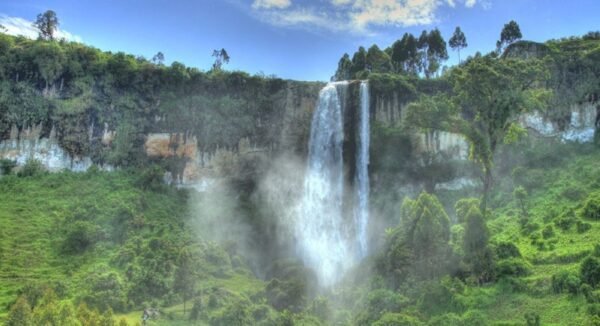
From Uganda's bustling capital Kampala head to the shores of Lake Victoria to fuel up with some of Namawojjolo’s famous street food before heading east along the northern shore of Lake Victoria to discover the source of the Nile at Jinja. From here, leave Lake Victoria and escape the crowds by heading north for some hiking in the rugged highlands of Karamoja and experience the untouched culture of the region’s nomadic tribes. Head back down south to the area around Mount Elgon National Park on the Kenyan border, where you can climb the prominent Tororo Rock, hike Mount Elgon and cool off in the natural pools at Sipi Falls.
Delve into Africa’s spectacular ecosystems and come face to face with hippos, crocodiles, giraffes, gazelles and maybe even lions. You’ll get an old-world safari experience far from the crowds and deep in the wilderness with nature’s most magnificent creatures in Selous Game Reserve before moving on to Ruaha National Park, where you’ll enjoy a luxurious stay in a secluded camp with exclusive game viewing. Every experience in the wilderness is unique.
Visit Tanzania’s most celebrated national parks and get a truly authentic experience of wild Africa. On this trip, you will delve into the Serengeti ecosystem, Masai Mara Game Park and Ruaha National Park for the journey of a lifetime. To finish it off, you will take sanctuary at the Pongwe Resort, where you can bask on its white-sand beaches alongside glistening warm waters that teem with wildlife just waiting to be discovered.
Hike around the spectacular surroundings of Mount Kilimanjaro, where you will stay in a luxury hotel for six nights before going on safari in Tarangire National Park. There you can view wild game and endemic wildlife, including giraffes, buffalo, warthogs and elephants. Continue your journey to Karatu conservation area where you can ramble along acres of trails and experience untouched wilderness with stunning views of Oldeani Volcano.
Journey through Tanzania’s culture, wilderness, and secluded tropical oases in this unforgettable two-week adventure. This trip offers the ideal mix of relaxation and exploration, taking you on a journey from glistening waters and white-sand beaches to the rich Selous Game Reserve and Ruaha National Park. After an invigorating adventure, you will visit the secluded islands of the Songosongo Archipelago to complete a truly treasured experience.
Your details are safe and will not be used for any other purpose. By using this service you agree for us to share your details with your chosen tour operator according to our Privacy Policy.
1Your trip
2Complete your request
3Meet your specialist
Find a East Africa specialist
Tell us about your trip and we'll find your match
We'll connect you directly with the experts.
Connect with Susan, Marc, Dominic Grammaticas and 3 other East Africa specialists.
We'll connect you directly with the experts.
Connect with Susan, Marc, Dominic Grammaticas and 3 other East Africa specialists.