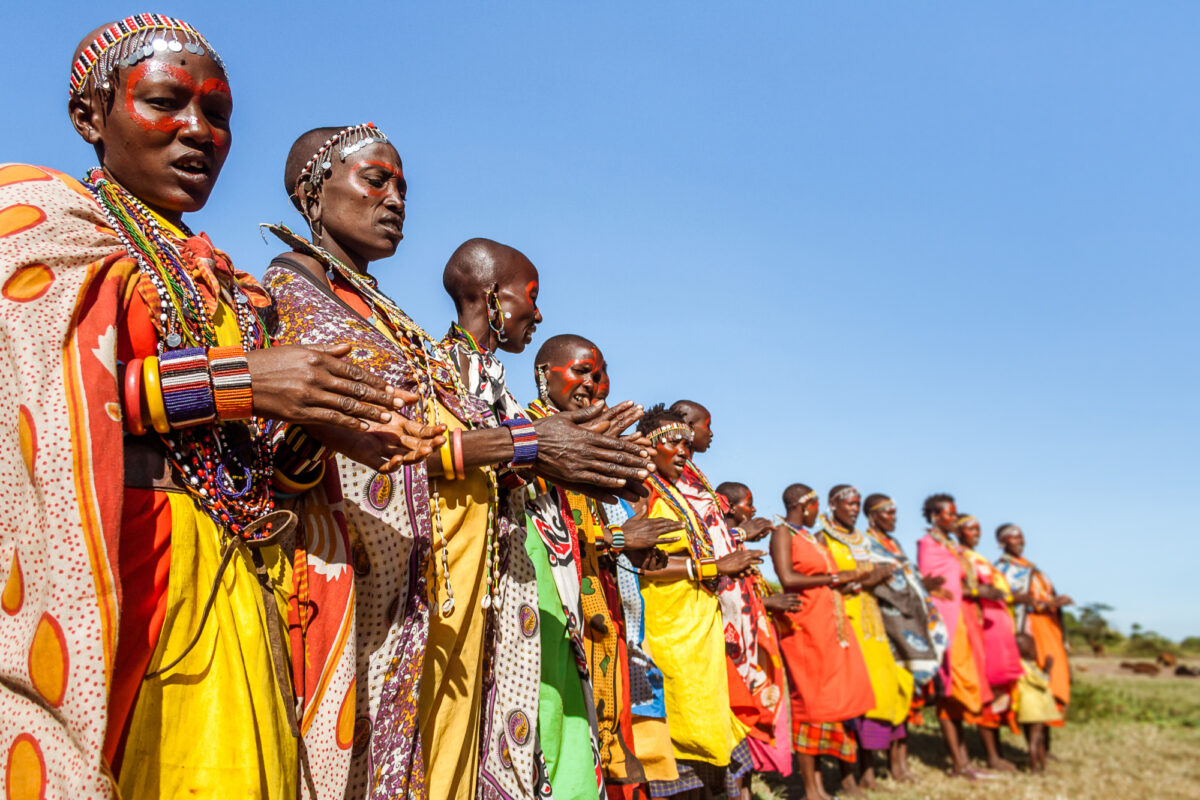
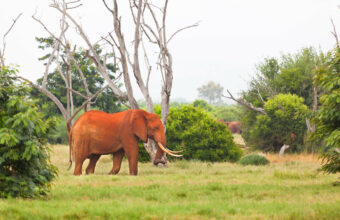
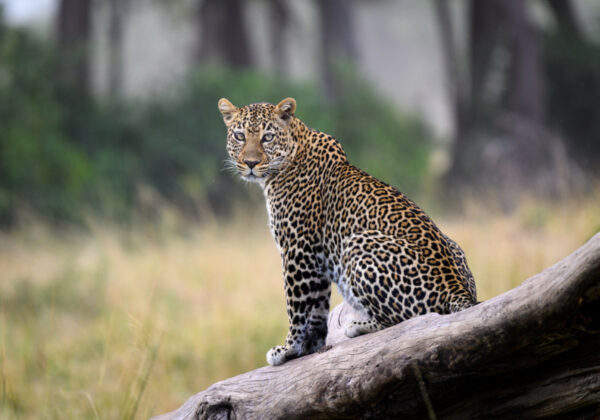
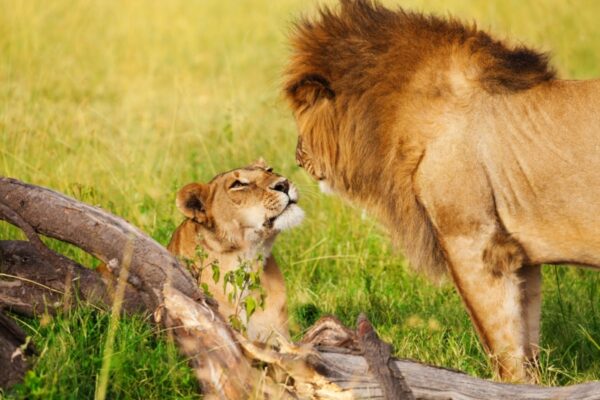
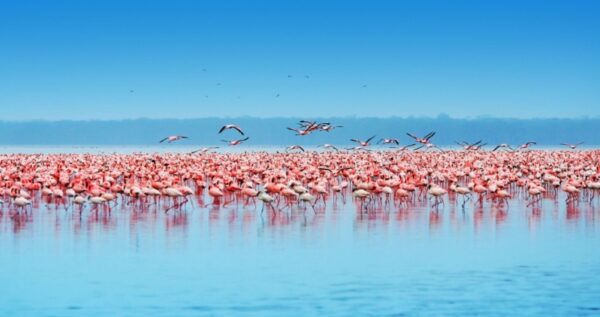
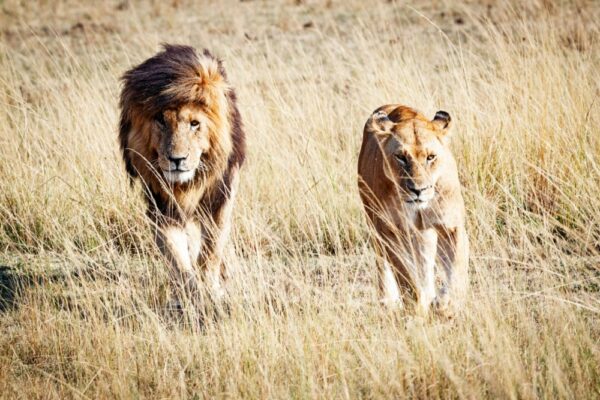
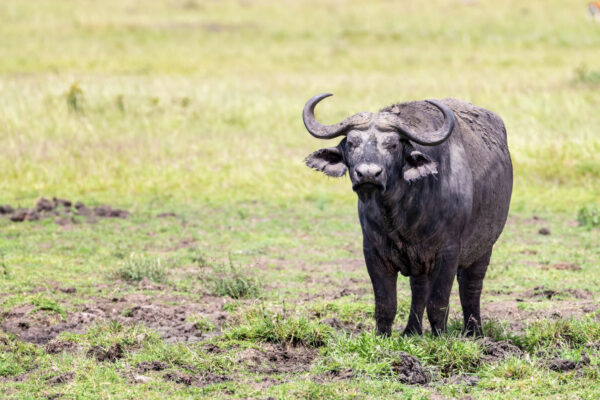
Think of Kenya and you might think of a 4x4 safari vehicle chasing a big cat on the prowl for its next catch or a herd of elephants peacefully grazing. But for a relatively small country, the variety in Kenya’s natural landscapes, cultural heritage (there are over 40 tribes and spoken languages in the country) and cities is impressive — so much so that many visitors return time and again.
You can race camels in the desert, hike snow-capped mountains, watch migrating humpback whales and have a drink on a rooftop overlooking Africa’s Silicon Valley, all in one week if you have time.
That’s not to say that the safari experience is overrated. There are new lodges and hotels to experience, a growing conservation culture and most importantly, people who are proud of their land and all its gifts. But look a little deeper, and Kenya will offer you an experience beyond your expectations.
We have one day spare en route from Nairobi to Diani, can we get to Tsavo with enough time for a game drive that day and the following morning before heading to Diani?
Answered by: Kelvin Ngugi
The journey from Nairobi to Tsavo East takes five to six hours, depending on your lodge. So you'll arrive in the evening – maybe with time for a night game drive, but possible not. You'll get a game drive in the morning before heading to Diani.
When is the better time to see the wildebeest cross the Mara River: late July or mid-August?
Answered by: Kelvin Ngugi
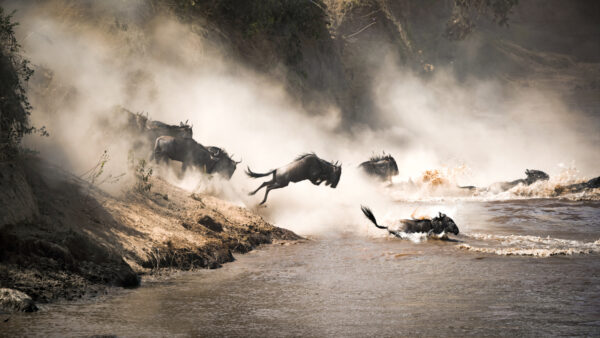
Because there's a lot of variation in the patterns and behaviour year-to-year, it's not really possible to predict the difference between late July and mid-August, other than to say the river crossings would typically be very active during both times. I'd suggest you visit a mobile camp which can change position each year to be in the best possible location.
Can I still see the river crossings in September, or is August still the perfect month to see it? I would be sad if I missed it because I went in the wrong month.
Answered by: John Dante
You can usually expect to see plenty of river crossing action in September, although of course the patterns change slightly each year.
Your best chance at this time of year is probably in the Masai Mara in Kenya.
If you have the budget you can stay in one of the mobile safari camps, which change location each year to be in the best places. You might also want to consider one of the conservancies, rather than the national park itself – you'll get a much better experience, with less crowding. Peak season in the actual national park can be very crowded.
Hot air balloon rides usually cost about USD 450-500 per person and are available in Amboseli and the Maasai Mara. I’ll be honest, I wouldn’t know whether to recommend or not as I haven’t done myself, but I know people are generally glad they've done it. If it's something you're set on doing, I'd recommend you book your camp with this in mind as it involves an early start and potentially long drive from the launch sites.
April is an off-season month for Kenya safaris due to the long rains that run from late March or mid-April to early June. April and May are the wettest months of the year, the rains can last all day, and the humidity can be uncomfortable – especially on the coast.
During rainy season, the abundance of water means the wildlife is less concentrated, and although the scenery is lush and green, that makes it harder to see the wildlife. (Although it's a great time for birdwatching!) In addition, the rains can make tracks impassable and the more remote camps will simply shut down for the season.
However it's not all negative! In the plus column, this is the quietest time of the year with uncrowded parks and accommodation and very competitive rates. Personally I think if you don't mind the rain, this can still be a good time to visit.
If you can adjust your dates slightly, mid to late June is a great time for a Kenya safari. With the rains ended, vegetation is greener and the parks are full of life. You might be lucky to sight the beginning of the wildebeest migration from Tanzania into the Masai Mara!
Yes! There are lots, here's a few that I'd recommend:
Nairobi National Park and David Sheldrick Wildlife Trust – 30 minutes from the airport!
Lake Naivasha, Cresent Island and Hell's Gate – approx two hours
Lake Nakuru National Park – approx three hours
Soysambu Conservancy – approx three hours
Aberdare National Park – three to four hours
Ol-Pejeta Conservancy – four hours
Amboseli National Park – four hours
You can get to the Masai Mara and Tsavo East/West by road, but they're both closer to a six hour drive. But you could break up the journey with a stop at one of the above locations on the way. Most of our itineraries are road based and work this way.
Yes you'll need to store your scuba equipment in Nairobi before going on safari. There are tight weight limits on bush flights, but even if you travel by road there won't be lots of spare room in the vehicle. Once you get to your camp or lodge they're unlikely to have room for storage. There's a left luggage facility at NBO airport.
No, there won't be much difference in the weather between October and November. Despite the short rains which usually start around mid-November, there is not much difference in the overall experience and the rains aren't too heavy to disrupt the experience. Rates should be slightly lower in November.
As you have discovered the real top end safari accommodation in Kenya are eye-wateringly expensive. Kilaguni Serena Safari is a more accessibly-priced nice lodge not far from Finch Hattons. It's still far from a budget offering and it's much larger than Finch Hattons but the Serena offerings are generally pretty good value.
Early March is still a bit early for the rainy season so you might just get the odd thunderstorm. If birds are your real interest and you only have five days then probably the easiest is to go down to the Masai Mara via the Rift Valley lakes of Naivasha and Elementia or Nakuru. This would give you a good range of avian habitats and species in a short space of time. Don't forget as well that Nairobi itself has some excellent birding in the various forests and parklands in and around the city. Plus of course, there's the superb Nairobi National Park where you will see a lot of wildlife and birds.
Seeing all the big five (lion, leopard, elephant, buffalo & rhino) in one park is hard. Only Lewa and some of the conservancies in Laikipia can honestly claim to offer easy sightings of all five. But, who cares! This fixation on racing around to tick off just five species is an anachronism from colonial-era big game hunting days. There’s so much more to Kenya’s wildlife and the modern safari experience.
Yes, it's perfectly easy to do a self-drive Kenya safari. When you ask if it's "safe" that depends a little on what you mean. If you mean are there bandits, car jackings, dangers from wildlife, etc, then no you are quite safe. Instead the danger is from other drivers, as the driving conditions can be a little 'hectic' in places and accidents are common.
I'd recommend hiring a car with a driver, which can be a cheaper and, in my opinion, a much better option. A good driver will know the lay of the land, the driving conditions, best places to stop for lunch, etc. And they are often knowledgeable of the wildlife. A good driver will be both your driver and guide, and probably become your friend!
Almost any tour company in Nairobi or Mombasa can organise a private vehicle with a driver. Standards and prices vary hugely, so explain to the tour company exactly where you want to go and get in writing exactly what is and isn't included. Pay particular attention as to whether fuel, and the drivers food and accommodation is included in the rates. Also make sure you're booking the right vehicle: a 4WD may be needed for more remote areas.
I would suggest rather than staying within Masai Mara proper, stay in one of the conservancies that now fringe the Mara.
In the most basic of terms these are like private, community-run wildlife reserves. Conservancy operators lease the land from local people and each local family receives a guaranteed monthly payment. The conservancy also provides employment and sets up development projects. People continue to graze their cattle but in a more controlled manner. And in return, fences are removed and the wildlife encouraged to return to the lands they were once driven out of. The conservancies have been a great success both for wildlife and local people. And, for tourists, they offer a very exclusive experience and the world's finest safaris.
Each conservancy has only a handful of very discreet high end camps and only guests of those camps can go on a safari in the conservancy, which means crowds of vehicles around a lion are non-existent.
The conservancies also allow activities not permitted within the reserve such as walking (highly recommended), bush camping, night safaris, etc. This makes them ideal for kids because it breaks up the routine and allows a little more freedom.
The safari vehicles and guides used in the conservancies are absolutely the best in the game and the wildlife populations are the equal of the actual reserve. However, there's a catch (of course...), conservation like this doesn't come cheap. All of the conservancies are superb but some names are Naboisho, Mara North and Nashulai Maasai Conservancy (this last one being slightly cheaper than the others and lots of focus on meeting local people). As for actual camps you cannot go wrong with any of them. All the conservancy camps are superb. I'm a big fan of the Basecamp offerings, Off-Beat and Kicheche. All are a little less extravagant than some of the other camps.
If you want to only visit the reserve and not a conservancy then I suggest either Basecamp Mara, Oldarpoi or you could go for a Maasai homestay in Sekenani village. Expect basic but perfectly comfortable rooms but an amazing experience. Your kids would really enjoy this.
For your requirements of a different habitat and wildlife then without doubt I would suggest Samburu National Reserve. This is a much drier and hotter area than the Mara with different vegetation and animals. And, even the animals you might have seen in the Mara are different up here with different species of giraffe, zebra and ostrich all present (and in my opinion all more beautiful than the kinds in the Mara). The park is also superb for elephants.
Samburu, though still popular, is notably quieter than the Mara and, once away from the river, it's easy to feel you have the place all to yourself (and especially if you go into the co-joined Buffalo Springs and Shaba reserves). Depending on when you are there you will find direct flights from the Mara, but otherwise will have to go via Nairobi. If you're driving it's a long way – a 10 hour non-stop drive, so flying is the better option.
February is a very good time for safari in the Masai Mara, but also very different to the experience in June and July.
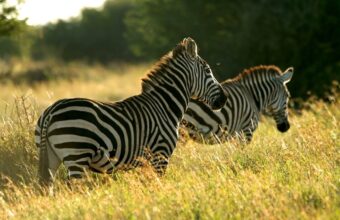
It's hotter and drier in February and generally there are fewer other tourists. There will still be plenty of zebra and wildebeest around but these are the non-migrating resident herds, so they don't form the massive iconic herds that you might see on TV.
July is good because the migrant wildebeest are all normally in the Mara by then, but its also absolute peak high season so can be busy and expensive. June is perhaps my overall favourite month. Everything is green after the rains and it's nice and cool with far fewer tourists than July, but the first migrant wildebeest might start to arrive (it all depends on rains and the state of the grass).
In short, all three months are excellent but each is different so it might be best to go with whatever just suits your timings better.
Yes! I think calving season during the wildebeest migration is just as spectacular as the more famous river crossing period.
This period runs from December to March around the Ndutu Plains to the south of Serengeti. During this time the wildebeest and zebra stampede over the plains preparing to give birth to thousands of calves. At the same time the big cats are on the lookout for an easy snack. With vast numbers of animals, their sounds and smells, all of the little calves, and the big cats on the lookout... it's theatre on an epic scale and you cannot be disappointed. And the extra benefit is that it's a much shorter drive here than to see the river crossings.
If most of the children in your group are very young, your options are fairly limited as the reality is that a longer, multi-day safari can be a bit much with very young kids. I first did a safari with my kids when they were five and two years old and although it was good I probably wouldn't do it again! Past the age of about eight or nine the safari experience gets much easier, as they'll will tolerate sitting in a jeep on a bumpy road for longer.
Do be aware that some safari camps don't accept children below the age of 12. These are normally the unfenced camps and it's done for safety reasons.
You will also need to keep in mind that you will either need several safari jeeps and to travel in convoy or a bus (and these aren't always allowed in some parks). Because you will be travelling with so many children I would suggest small safari camps which you can book out for your group alone. Some of these are more child friendly than others. Some possibiltles that I believe might work well for your group are: Maji Moto Eco Camp, Loita Hills Basecamp, and if you are interested in a Maasai homestay style experience then I'd suggest Semadep Camp, who can arrange homestays around the Masai Mara.
As for specific parks and reserves the Masai Mara area is good because there's a lot of animals to see everywhere you look which keeps children interested. Also good are Nairobi and Narok national parks because of easy access and good roads. Lake Naivasha is good for families too.
It would be easy to combine all these places into a 10 day safari and then you could maybe finish up on the beach (Lamu and Watamu are both superb for families).
The quantity and ease of seeing the wildlife is better in Samburu Reserve than in the neighbouring Namyunak Conservancy (because the wildlife is drawn to the river running through the reserve). But there's not a huge difference in habitats or species between the two.
Elephant Bedroom Camp, in Samburu, is a fabulous, small camp. You'll see a lot of elephants and the owners are some of the worlds foremost elephant experts.
In Namyunak Conservancy, Sarara Camp is one of the most exclusive – yet low-key – camps in Kenya. There's slightly less wildlife than in the reserve but it's very close to the reserve and safaris from Sarara often enter the reserve.
The bonus with Sarara is exclusivity. You and the other camp guests will have the entire place to yourself meaning no crowding around animals (though that's rarely a problem in Samburu).
Unlike in the reserve itself you can do walking safaris in the conservancy and there will be more interaction with local people. The final plus is that by staying on a conservancy you will be actively helping to fund private/community conservation initiatives, which isn't always the case when staying only in a reserve or national park.
Overall then, I would opt for Sarara Camp, but I suspect it does cost more, so it might come down to budget!
You'll receive a reply by email. Questions and replies may be anonymised and reproduced on Horizon Guides.
§ 04
The Kenya atlas
30 picksPlaces & Experiences You Won't Find Elsewhere
Where
What
Naboisho is a good example of what a community-led conservancy can look like when it is given enough space and time to work. It sits next to the Maasai Mara National Reserve and covers around 50,000 hectares, forming part of the wider Mara ecosystem.
The conservancy was established by local Maasai landowners with the aim of restoring degraded land, protecting wildlife and creating a sustainable income stream for the community. Since its formation, grazing pressure has been reduced and habitats have recovered, which has allowed wildlife numbers to increase across the area. Large mammals including elephants, lions, cheetahs, leopards and buffalo are all present, alongside a strong bird population.
Like all private or community managed conservancies, Naboisho is run very differently to the main national park. Access is controlled, vehicle numbers are limited, and activities are structured to reduce pressure on the land. This creates a different dynamic on game drives, with fewer vehicles and more freedom to spend time observing behaviour rather than moving constantly between sightings.
The conservancy model also shapes how people interact with the landscape. Revenue from tourism supports land leases and local livelihoods, which in turn underpins the long-term viability of wildlife protection here. For visitors, that context matters, because it explains why the experience feels calmer and more deliberate than in more heavily trafficked parts of the Mara.
Borana Lodge is positioned on a hillside above a dam in the centre of Borana Conservancy, and that setting drives much of what happens day to day. Elephants regularly come to drink and bathe below the lodge during the middle of the day, and lion and leopard move through the area at night, often close enough to hear.pau
I value the flexibility here. From the lodge, you can arrange time on foot, on horseback, by vehicle or on mountain bikes, depending on how you want to engage with the landscape. Rhino tracking on foot is a key part of the experience, made possible by Borana’s long-term investment in protection, monitoring and ranger training.
The accommodation is in private cottages rather than a central block, which gives guests space and separation without disconnecting them from what is happening outside. Views stretch across the conservancy towards Mount Kenya, and time in camp tends to revolve around wildlife movement and light rather than a fixed programme.
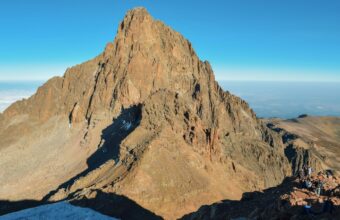
Borana is a useful place to visit if you want to understand how conservation, livestock and tourism are being managed together in Laikipia. It is a private conservancy of around 32,000 acres on the northern foothills of Mount Kenya, sitting at roughly 6,500 feet above sea level, where the landscape shifts quickly from fertile highlands to more arid ground.
What defines Borana is its role within a much larger conservation picture. In 2013, the fences between Borana and Lewa Wildlife Conservancy were removed, creating the Lewa–Borana Landscape, a combined area of more than 90,000 acres. This has allowed wildlife to move freely across a far broader range than would otherwise be possible, particularly black and white rhino. The area is now recognised as one of Kenya’s Key One rhino populations, supporting a significant proportion of the country’s remaining animals .
Rhino conservation is central here. Borana introduced black rhino in 2013 and has invested heavily in security, veterinary care and ranger training, working closely with Lewa on anti-poaching operations. That work shapes how the conservancy functions day to day and gives real context to time spent on the ground.
What is often overlooked is that Borana still operates as a working landscape. Managed grazing is allowed in partnership with neighbouring communities, generating income for local herders while improving grassland health through livestock movement. It is a pragmatic model rather than a purist one, and it reflects how conservation is being approached in this part of Kenya.
Solio is a useful stop when the aim is to understand how private conservation can work at a very practical level. It is a privately run reserve in Laikipia with a long-standing focus on rhino protection, and that focus shapes the entire experience.
The reserve covers around 17,500 acres between Mount Kenya and the Aberdare range, with a mix of wooded grassland and wetlands. This relatively contained landscape supports one of the highest densities of black rhino in Africa, the result of decades of sustained breeding and protection efforts. As a result, sightings here are frequent and unforced, without the need to range widely or wait for chance encounters.
Solio is also home to a broader spread of wildlife, including lion, leopard, cheetah, buffalo and zebra, but it is the rhino population that defines the reserve and gives it its purpose.
What Solio demonstrates clearly is how conservation priorities influence tourism. The reserve is tightly managed, access is controlled, and the emphasis is on protection rather than spectacle.
Ngare Ndare Forest offers a very different environment from the open landscapes that define the rest of Laikipia. It is an indigenous forest that forms part of the wider Mount Kenya ecosystem, linking the mountain’s upper slopes with surrounding conservancies.
The main draw here is the forest itself. A raised canopy walk runs for several hundred metres above the forest floor, giving a clear sense of scale and structure that you do not get at ground level. From the viewing platform at the end, the transition from dense forest to the slopes of Mount Kenya is easy to see.
Lower down, the forest opens into natural pools and waterfalls fed by the mountain’s water system. These areas allow time to stop and explore on foot, and they are often used for walking and swimming rather than continuous movement.
I tend to include these walks because they avoid many of the problems that come with rushed, performative “cultural” excursions. They are not set up as a spectacle, and they are not confined to a fixed script or timetable.
The walks are led by Mr Kariuki, a legendary guide at Olepangi Farm, who lives locally and brings a strong grasp of the area’s social history as well as its present-day realities.
Rather than focusing on ceremony or display, the time is spent talking through how people live here, how the area has changed, and how local concerns connect to wider regional and global issues. The tone is conversational, and the emphasis is on explanation rather than presentation.
There is flexibility built into how the walks run. They can be short or extended, depending on interest and energy, and they tend to follow discussion rather than a prescribed route. That makes them feel responsive rather than staged, and allows space for questions that would be difficult to explore on a more formulaic visit.
What matters most is that these walks are rooted in everyday context. They offer insight into contemporary life in Laikipia without reducing it to a checklist of cultural markers, and without the sense of intrusion that can accompany more commercial village visits.
Olepangi is a working farm owned and run by Elizabeth and Clinton, and their involvement is central to how the place operates. Their backgrounds and extensive travel are reflected in the house itself, which is furnished with objects collected over time rather than designed to follow a particular aesthetic. The result is informal and practical, and it feels lived in rather than styled.
Its location makes it useful. Guests can stay largely on the farm, walking, riding and spending time around the property, or use it as a base to visit nearby conservancies including Ol Pejeta, Solio and Lolldaiga Hills, as well as Ngare Ndare Forest. That choice between staying local and heading out is one of the main reasons I like to include it in itineraries.
Olepangi’s approach to land use is also relevant. What was once dry and unfertile ground has been developed into a productive farm using organic methods and local supply chains. This feeds directly into the guest experience, particularly around meals and day-to-day interactions, without being presented as a formal sustainability programme.
A notable part of a stay here is the opportunity to join community walks led by Mr Kariuki. These are shaped around local history and contemporary life in the area, and tend to be conversational rather than curated. They offer context that is difficult to access through more typical safari experiences.
The Lolldaiga Hills conservancy is a real hidden gem in Laikipia – a little unpolished and unpredictable, but I think destined for the forefront of Kenya's tourism and conservation efforts. Set at the base of Mount Kenya, this is a high-altitude private conservancy where snow-capped peaks give way to arid ground, rocky outcrops and one of the country’s largest remaining cedar forests.
What defines Lolldaiga for me is scale and diversity. At around 49,000 acres, it is large enough for wildlife to move naturally across different habitats rather than concentrating around fixed areas, giving the place an unpredictability that makes it feel real and raw.
The conservancy supports a wide range of wildlife, including four of the Big Five: lions, leopards, elephants and cheetahs. It is also known for species that are increasingly difficult to see elsewhere, such as Grevy’s zebra, reticulated giraffe, striped hyena, gerenuk and aardwolf. The ecological overlap created by altitude and habitat variation means that encounters here are often unexpected.
Lolldaiga is also an important elephant dispersal zone, which gives it real conservation value beyond tourism. Wildlife is not confined or managed for viewing density, and that lack of artificial concentration is exactly what gives the area its character.
As a place to spend time, Lolldaiga suits travellers who are interested in landscape as much as wildlife, and who appreciate that some of the most rewarding safari experiences come from areas that are still finding their rhythm rather than performing to expectation.
I often recommend Safari Series because it reflects the kind of safari experience I believe still has a future in northern Kenya: low volume, owner-led, and closely tied to the land it operates within.
The camp is deliberately small, with just six tents, and is run directly by its owners, Moon and Ed. That scale allows a level of flexibility that larger operations struggle to maintain. The tents are comfortable and well equipped, with proper beds, en-suite bathrooms, hot showers and solar power, but the emphasis is firmly on time spent outside rather than retreating into camp.
What I value most here is the breadth of how you can engage with the conservancy. Privately guided game drives are combined with walking safaris, fly camping and night drives, allowing people to experience the area from different perspectives and at different paces. There is also scope to take part in conservation and community-focused activities, including citizen science initiatives and visits to the Makurian Cultural Centre, which add context to time spent in the field.
Ol Malo sits within a private conservancy on the Laikipia plateau, with the wide open terrain and freely roaming wildlife you’d expect at any conservancy.
But what sets Ol Malo apart for me is that it is genuinely family run. Andrew and Chyulu Francombe are closely involved in day-to-day life at the lodge, and that involvement shapes the experience. Andrew grew up on this land and brings a deep understanding of the local environment and wildlife, while Chyulu’s influence is evident in the way the lodge is designed and lived in.
The accommodation is comfortable and well considered without feeling formal. Rooms are positioned to look out over the surrounding landscape, and the overall feel is relaxed rather than polished.
Activities are deliberately flexible. You can move through the conservancy on foot, on horseback or by vehicle, with time for swimming, river tubing and simply being outdoors. Horseback safaris are a particular strength here and offer a very different way of encountering wildlife, guided by people who know the terrain and the animals well.
A multi-day expedition safari in Laikipia is one of the most original and unfiltered experiences you can have as a visitor to Kenya. I recommend this to anyone who wants to get beyond the typical game-drive style safari trip.
This is a camel-supported trek through the landscapes of Tumaren Ranch, a large wildlife conservancy in northern Laikipia. Trips typically last around three days, with roughly four to five hours of hiking per day. Compared to viewing wildlife from a vehicle, this is quiet, tentative, contemplative and so much more thrilling.
The operation is small and family-run, and that scale matters. Camps are mobile, with fly-camp set-ups moved each day by an experienced local crew. Accommodation is simple but well organised, with classic walking safari tents, freshly prepared long-drop toilets at each camp, and bucket or shower-tent washing facilities. The emphasis is on practicality and comfort without losing the sense of expedition.
Guiding is central to the experience. The Laikipia Maasai team not only manage the logistics of moving camp and handling the camels, but also share an intimate understanding of the land, wildlife behaviour and local ecology. Time on foot naturally opens space for tracking, reading signs and understanding how animals move through this environment.
A walking safari also allows meaningful interaction with local culture. You spend time with the Maasai team and learn directly from people whose lives are closely tied to this landscape.
I recommend Tumaren Camp as a gateway into Laikipia because it offers an unusually genuine introduction to the region, both in terms of landscape and people. It sits within the wider Tumaren Ranch, an important wildlife conservancy in a part of Kenya that is far less visited than the Mara, yet ecologically just as significant.
One of the main reasons I recommend Tumaren is the guiding. The camp works closely with Samburu guides who have a deep, lived connection to the land. Their knowledge goes beyond wildlife identification; they understand how the landscape works as a system and how people have lived within it for generations. That perspective shapes the entire experience.
The camp itself is deliberately small and discreet, with a modest number of tents designed to sit lightly in the environment. Accommodation is comfortable but restrained, and the emphasis is on being part of the surroundings rather than insulated from them. This is a place where you notice wildlife moving through camp and feel the scale and openness of Laikipia around you.
Tumaren’s approach to tourism is another reason I include it. The camp is rooted in community collaboration and conservation, and that philosophy shows in how it operates, from construction choices to its relationship with local communities.
In practical logistical terms, Tumaren works very well in itineraries. It allows guests to arrive in Laikipia, slow down, and prepare for what comes next, particularly walking safaris.
I recommend Kicheche Mara because it delivers the Mara experience in a way that stays calm, personal and properly grounded in the landscape. It sits within the Mara North Conservancy, which immediately changes the rhythm of a stay: fewer vehicles, more freedom of movement, and the ability to explore beyond standard daytime game drives.
The camp itself is small and deliberately low-key. With just nine tents spaced well apart, it offers privacy and a sense of quiet that matters to me in such a wildlife-rich area. The tents are simple, comfortable and unfussy, with good beds, proper en-suite bathrooms and verandas that look out into the surrounding woodland. It feels like a classic safari camp, without unnecessary ornamentation.
But the chief reason I recommend Kicheche is for its calibre of guiding and excursions. You usually stay with the same guide throughout, and all guides are either Silver-level KPSGA qualified or working towards it. Vehicles are fully open and limited to four guests, which makes a real difference to the quality of sightings and the overall experience. Night drives and guided bush walks are also permitted within the conservancy, adding depth to time spent here.
Ikweta Safari Camp is my go-to recommendation for Meru. It’s just 1.5 km from Murera Gate, the main entrance to Meru National Park, so you’re straight into the action without the long morning transfers that many other camps require. It combines comfort, affordability, and genuine hospitality in a way that I find rare this close to the park.
Budget wise, Ikweta is at the upper mid-range. The camp is intimate, only ten tents, and service here feels personal rather than perfunctory. I always feel more like visiting family than a paying guest. A lot of that comes down to the owner, who is hands-on in a way you rarely see in safari camps these days. She’s there every morning making sure you’re well looked after, and her familiar warmth filters through the entire team.
The camp has got half an eye on its green credentials – it runs entirely on solar power and grows a lot of its own food – but then again it does have a swimming pool in a water-stressed part of the world, so it’s not perfect.
There are a few practical details that you won’t find in the marketing: The access road can get bumpy, especially in the rains, so a 4x4 is essential. With only ten rooms, it books up quickly in peak season, so early reservations are wise. And remember that park fees aren’t included in the room rate, budget for those separately.
Ikweta is part of a small network of sister properties across Kenya, which opens up interesting options for linking itineraries, but it never feels corporate or formulaic. Overall it’s a great choice for service, intimacy and authenticity.
I have stayed at Rhino River Camp a few times. It has been acquired by the Gamewatchers Porini group, who have done a good job of renovating the camp and bringing it up to a high standard. The camp is situated in 60 acres of private land immediately adjoining the rest of Meru National Park. It consists of seven semi-permanent cottages, most of which overlook the Kindani River with the sound of gently flowing water ever present. The camp is on the river in a very tropical setting as you can see from the photos with the swimming pool next to the river. It’s right on the edge of the National Park in this amazing jungly location – I remember thinking I was somewhere like Costa Rica!
My personal highlight: the lovely bushbabies that had made themselves at home right in the dining area, was just delightful.
Meru Wilderness is a traditional style mobile camp with space for just eight guests. It's operated by Laikipia Wilderness, and I know the couple who run it personally. This is the classic, simple safari experience: bucket en-suite showers, drop toilets, meals served in the dining tent or under the shade of a nearby tree. Meru Wilderness pairs nicely with the sister camp in Laikipia.
One of my favourite of all the Mara conservancies, Olare Motorogi Conservancy is tiny – just ten tents, making it ideal for those seeking a quieter, more personal encounter with the wilderness. There are five concessions here: Porini Lion Camp, Kicheche Bush Camp, Mara Plains Camp, Olare Mara Kempinski and Mahali Mzuri, all of which are excellent, although Porini Lion Camp probably gets my top vote. You'll struggle to find a quieter, less crowded safari anywhere else in Kenya.
Kicheche Laikipia, with only six tents, offers an incredibly intimate experience. It’s a great spot if you’re looking for a quieter, more personal safari. The wildlife here is abundant, and what I love about this camp is the chance to see not just the big cats, but also the incredible birdlife and other species unique to the area. The camp’s location allows for both excellent game drives and walking safaris.
Best for: Rhino conservation
With just seven tents, Porini Rhino Camp is wonderfully intimate and it’s situated in a fantastic location for rhino sightings. The fact that it’s within the expansive 90,000-acre Laikipia Conservancy means you're surrounded by incredible wildlife but without the crowds. And their efforts for rhino conservation is especially rewarding: during my stay, I had the privilege of seeing both black and white rhinos up close, and it’s always one of those moments that sticks with you. It’s not just about the rhinos, though; there’s a great variety of wildlife here, and the camp is in the heart of it all.
Best for: Masai Mara walking safaris
Porini Lion Camp, in the Olare Motorogi Conservancy, is small and delightfully intimate. With just ten tents, it feels very personal, and you really get to know the staff and the area. The camp is great for game drives and walking safaris, and I always find the chances of spotting big cats especially high here. It pairs very nicely with Saruni Basecamp during migration river crossing season – I usually recommend three nights in each.
Best for: uncrowded migration viewings
Located in the Mara North Conservancy, the 17-tent Saruni Basecamp Mara has an amazing position right on the edge of the Reserve on the Talek River and is has some stunning views. The camp achieved world fame in 2006 by hosting Barack Obama during his visit to Kenya, two years before he became US president!
I can’t think of many better places to see the wildebeest migration in Kenya, and during my stay, I was blown away by how close we were to the action, with none of the crowds that mar the experience in busier corners of the Masai Mara.
Best for: a unique coastal getaway
I’ve always been impressed by Manda Bay on Manda Island, even the arrival by speedboat is impressive and sets the tone for the whole stay. The resort is tucked away on a beautiful stretch of beach, offering a laid-back, calm atmosphere.
The accommodation is made up of spacious, thatched cottages and beach villas. The rooms are comfortable, with private terraces, en-suite bathrooms, and views over the ocean, and there are some fun activities on offer: sailing, kayaking or taking a dhow trip around the islands.
Best for: beach lovers and water sports
Ocean Sports Resort is probably my top tip for Watamu. The location is ideal, right on the beach, so you're just a few steps away from the sea and there’s some great snorkelling nearby. I’d also suggest trying paddleboarding and taking a sunset dhow cruise on Mida Creek, a peaceful mangrove-lined estuary.
The best time to visit is from mid-October to April, as this is when the weather is at its best. I would avoid September, though, when seaweed tends to drift in, which can affect the beach experience.
Watamu is unique in that it offers both ocean and creek experiences. I’d recommend snorkelling in the Coral Gardens for the marine life, but also make sure you take a dhow cruise for that magical moment of sailing along with the wind in the sail, sipping a sundowner as the sun sets over the creek. There’s something special about those old-style dhows that really takes you back in time.
Best for: authentic cultural experiences
In my opinion, Sabache Eco Camp is probably the most interesting and authentic experience in Samburu and beyond. The camp is run by the local Samburu community with a welcoming, down-to-earth atmosphere. The tents are spacious and comfortable with en-suite bathrooms, though if the water’s not working, it’s usually because the monkeys have been tampering with the stopcocks…
I’ve stayed here several times, and I always enjoy the peace. The best rooms are just above the dining area – a bit of a climb but with great views. On one of my visits, I had the incredible experience of seeing a small herd of elephants quietly moving through the camp under the cover of night. It was surreal, catching glimpses of these enormous creatures by the light of our head torches.
For a real adventure, I’d recommend fly camping at the summit of Mount Ololokwe. Watching the sunrise over the Mathews Range and Mount Kenya is unforgettable. Plus, the vultures soaring past on thermal currents are a sight to behold.
If you have time, visit the nearby Reteti Elephant Sanctuary. It’s a short drive from Sabache, and you can watch the Samburu team feed orphaned elephants and see how they prepare the milk formula for them.
A fly-in Kenyan safari will normally begin in capital Nairobi. Instead of heading straight out of the city, take some time to explore its vibrant cultural scene, through its museums, artworks and music bars. Whether you travel independently or with a safari company, you’ll fly to the Masai Mara National Park to begin your wildlife adventure. Here, you can see all of the Big Five - lion, leopard, rhino, elephant and buffalo – as well as visiting a Masai village and learning more about local traditions. Your safari experience should also allow you to take a bushwalk to spot giraffe and kudu, or take a night safari to see a different side of the Mara. Take a flight back to Nairobi to depart.
Fly into Nairobi’s concrete jungle, taking a whistle-stop tour of its food and music scene before flying north to the high plains of Laikipia – one of Kenya’s upcoming safari destinations. Laikipia is home to half of Kenya’s 600 black rhinos, wild dogs, zebras and more than 2,000 elephants. Try the Ol Pejeta Conservancy for its chimpanzee sanctuary, which is open to visitors twice a day. From here, fly to the Masai Mara National Park, where you can see the Big Five – lion, leopard, rhino, buffalo and elephant – as well as experience Mara village life. Fly back to Nairobi for your departure.
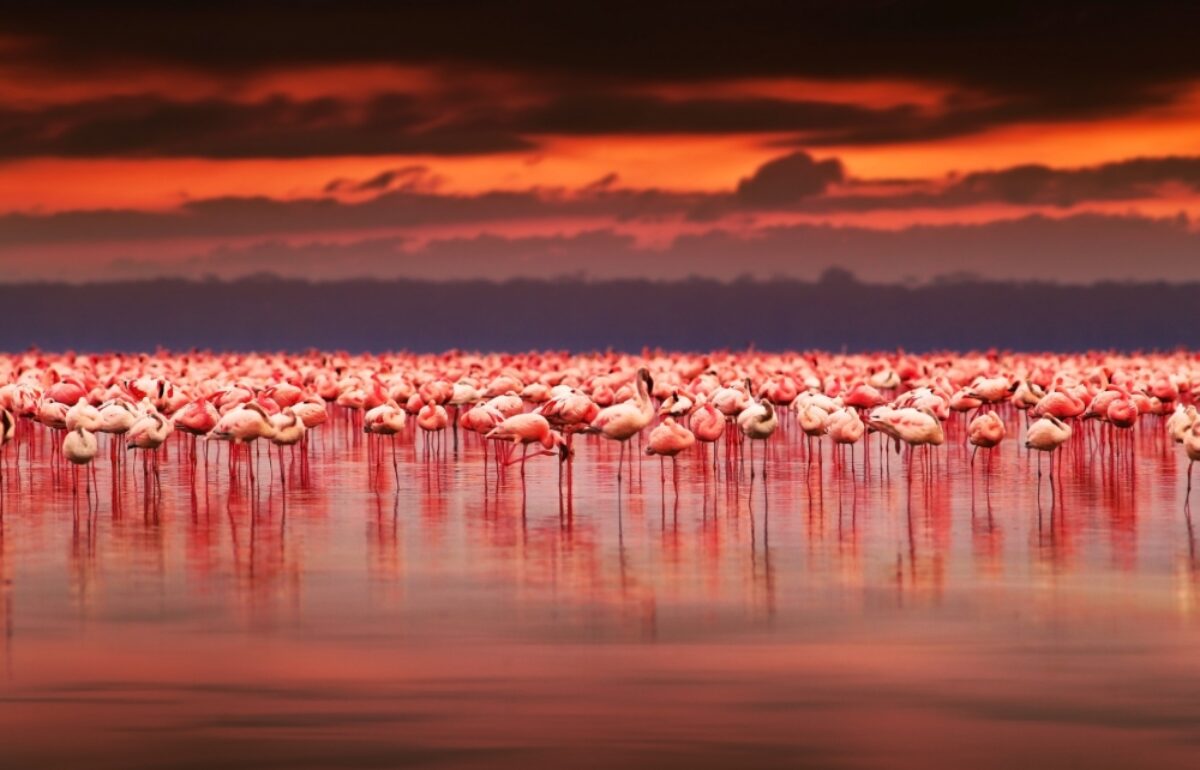
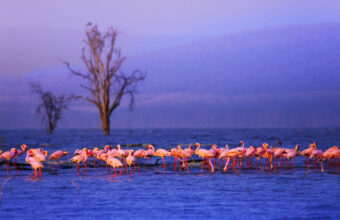
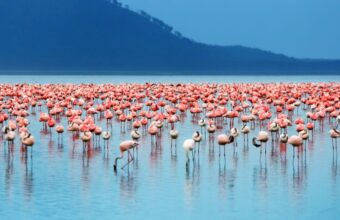
Start in cosmopolitan Nairobi, exploring the Westlands nightlife district or the city’s food scene. Take the three-hour drive to Lake Naivasha in the Great Rift Valley, where you can go wine-tasting at Leleshwa Vineyard, take a dip in thermal spas or look for flamingos. Travel on to Lake Nakuru, where you can see giraffe, rhinos and pink flamingos. Transfer to the Masai Mara National Park by car or plane to spend a couple of days seeing the Big Five, meeting Masai communities and staying in some luxury lodges. Transfer back to Nairobi for your departure.
Fly into Nairobi, Kenya’s capital and spend a day exploring its museums, cafes and bars. Take a three-hour car journey to Lake Naivasha in the Great Rift Valley, where you can try everything from wine-tasting to thermal spas. However, make sure to travel to Lake Nakuru to spot pink flamingos, giraffes and rhinos. From here, fly north to the high plains of Laikipia, a conservation area known for its populations of black rhinos and elephants. Visit the chimpanzee sanctuary at Ol Pejeta and enjoy the landscapes, from jagged hills to deep gorges. Fly onto the world-famous Masai Mara National Park for some of the best wildlife watching in Africa. Here, you can search for the Big Five, experience a night safari, learn more about Masai communities or simply relax in your lodge. End your adventure back in Nairobi with a flight home.
This, one of the classic Kenya safari itineraries, covers three of the major bases in just eight days of non-stop action.
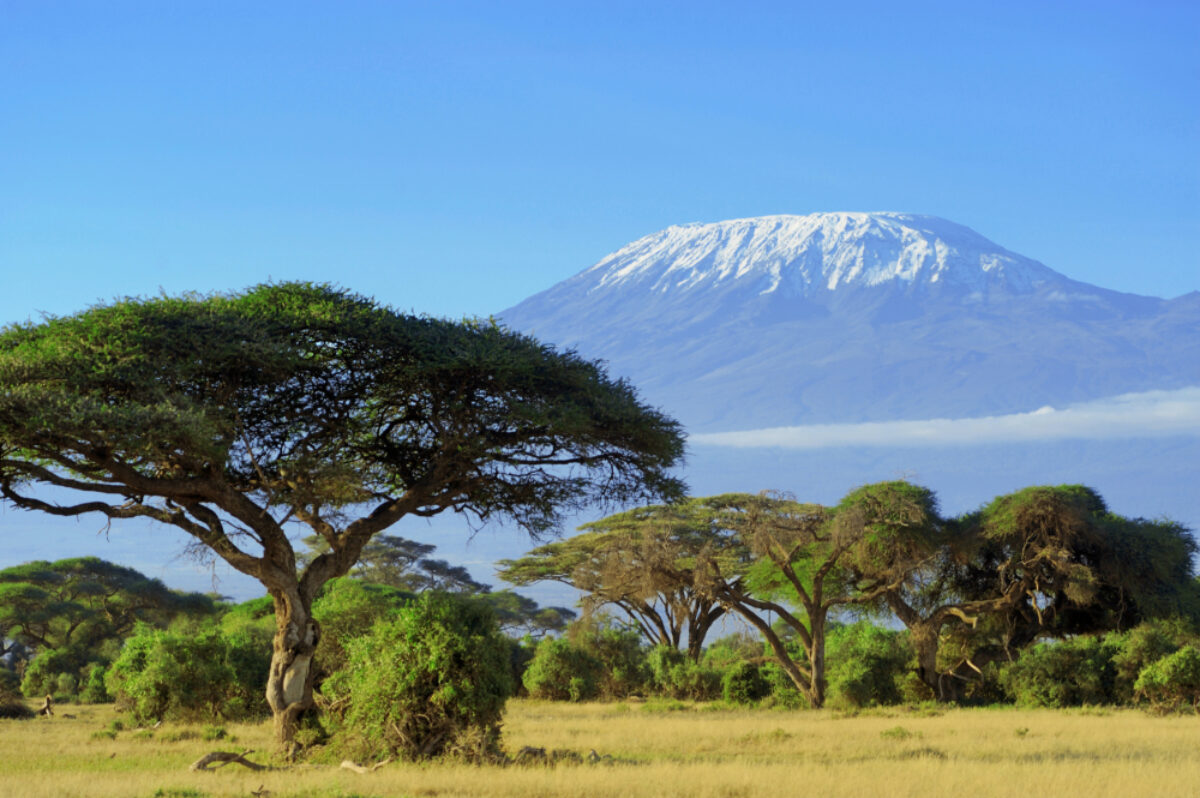
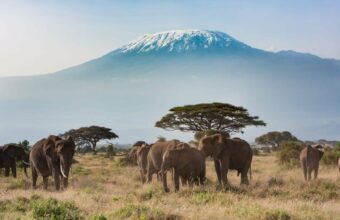
Fly into Nairobi and explore the city’s food and music scene, before travelling to Amboseli National Park on the border with Tanzania. Framed with views of Mount Kilimanjaro, Amboseli is a great place to spot lions, cheetahs, giraffes and many more. Make sure to visit Observation Hill for sweeping views over the entire park.
Next, travel to Lake Naivasha in the Great Rift Valley, where you can look for hippos, waterbuck and leopards. Many migratory birds come to the Lake’s waters to drink, so make sure you have a birdwatching guide to learn about them.
From here, travel to the world-famous Masai Mara, home to 95 species of mammal and more than 500 types of bird. This is prime Big Five territory, so make as many trips into the Reserve as you can. Head back to Nairobi for your departure.
Most people come to Tanzania and Kenya with safari and the 'Big Five' on their minds. There's nothing wrong with that – but it's lovely when visitors think about what exists beyond the famous Serengeti and Masai Mara.
Both countries have some incredible hiking possibilities through some remarkably varied landscapes. Here's my suggested itinerary that covers them all in a nice, slow, lazy manner with lots of time for hiking.
You could easily complete the following itinerary as a self-drive trip, or with a private driver. Alternatively you could engage the services of a local tour operator to make the arrangements for you.
Your details are safe and will not be used for any other purpose. By using this service you agree for us to share your details with your chosen tour operator according to our Privacy Policy.
1Your trip
2Complete your request
3Meet your specialist
Find a Kenya specialist
Tell us about your trip and we'll find your match
We'll connect you directly with the experts.
Connect with Susan, Dominic Grammaticas, Mark and 3 other Kenya specialists.
We'll connect you directly with the experts.
Connect with Susan, Dominic Grammaticas, Mark and 3 other Kenya specialists.