




How to get gorilla trekking permits
Everything you need to know about gorilla permits

featured gorilla treks

featured gorilla treks
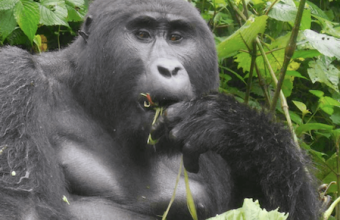
Gorillas & Hiking Uganda's Rwenzori Mountains
Explore the flourishing wildlife of Uganda
12 daysFrom £3,780Gorilla trekking permits: At a glance
A permit is required to go gorilla trekking in Rwanda, Uganda and the DRC. It is impossible to track gorillas without a permit, and the system is highly regulated and strictly enforced.
The cost of a permit for a foreign non-resident is currently USD $1,500 in Rwanda, USD $800 in Uganda and USD $400 in the DRC. This fee includes park entrance, and all guiding and tracking services (which are provided by the park, not by individual operators), but it does not include an optional porter to carry your day pack.
The most important thing you need to know about gorilla permits is that they are scarce! The availability of permits is limited by the number of habituated gorilla families and the number of visitors allowed per family:
- Rwanda’s Volcanoes National Park has 12 habituated gorilla families, there’s a maximum of eight visitors per family (not including guides and porters), which means a maximum availability of 96 permits per day.
- In Uganda, with 23 habituated gorilla families and a maximum of eight visitors per group, there are a total of just 184 permits available per day.
Permits can sell out months in advance: if you’re travelling during peak season you must book well ahead!
How to book gorilla trekking permits
Everything you need to know about the permit system
Aside from the stark price difference, there are a few small differences between the permit systems in Rwanda and Uganda. Here’s what you need to know:
Gorilla trekking permits In Rwanda
At USD $1,500 per person, gorilla permits in Rwanda are nearly twice the cost as in neighbouring Uganda. The tourism authorities here have made a deliberate effort to orient the country towards more exclusive, higher-spending, and lower volume tourism and the permit price reflects that strategy.
Paradoxically, in Rwanda (unlike in Uganda) it’s possible to organise a DIY gorilla trek by purchasing a permit directly from the Rwandan Development Board and then booking your own accommodation and transportation. Most lodges and hotels are happy to take direct bookings, and they may also be able to organise your transfers to/from the airport and to the park entrance on the morning of your trek. Depending on how intrepid you’re feeling you can rent a car in Kigali to get yourself around, or even travel on public transport (factor in likely delays to your itinerary).
If you do decide to travel independently, arrive at Volcanoes National Park a day early because if you’re late, that’s it: you’ll miss your permit and you won’t get your money back.
Because permits are limited and non-transferable, if you’ve got your heart set on a particular lodge, it’s prudent to check availability first, then book your permit, and then confirm your accommodation booking.
Alternatively, you can book the entire thing through a tour operator. They will arrange your gorilla tracking permit, book your accommodation and organise all the necessary logistics. My advice is to book with a tour operator. Rwanda is an easy place to travel around but things can go wrong, and their support can be invaluable.
Gorilla trekking permits in Uganda
At USD $800 per person, gorilla permits in Uganda are far from cheap but still more accessible than in neighbouring Rwanda. The option for an extended "habituation experience" permit allows approximately four hours with the gorillas, rangers and researchers and costs $1,500.
As an incentive to explore less-visited corners of the country, gorilla permit holders are entitled to a day’s free entrance to either Mount Elgon National Park in eastern Uganda or Toro-Semliki Wildlife Reserve in western Uganda. This fee doesn't cover activity fees, only the park entrance.
Even though Uganda has nearly twice as many permits available, they still sell out quickly. A knock-on effect of Rwanda’s near doubling of the price of their gorilla tracking permits has been to drive up demand for permits in Uganda.
In Uganda (unlike Rwanda) international visitors must buy gorilla tracking permits via a tour operator. Only Ugandan residents can buy permits directly from the Uganda Wildlife Authority office in Kampala.
Gorilla trekking permits: need-to-know
Everything you wish you'd known before you booked
If you plan to travel during peak season or if you are in a large group, you should book six months or even a year in advance. Peak seasons are June to October and Christmas and the New Year. The earlier you book the more choice you have on where you stay and where you track. Last-minute bookings may be possible during low season or with smaller groups but there are no last-minute discounts, so I wouldn’t risk it.
Each permit is printed with a unique serial number and the traveller’s personal details. You will need to provide your passport when you book your permits and you will need to show this at the start of your gorilla tracking activity too.
If you need to postpone your trip and have booked through a tour operator they may be able to liaise with the authorities to transfer your permit to another traveller and book you a fresh permit. If you need to cancel, the authorities may refund some of your fee depending on how close you are to the trek date. But I wouldn't rely on either – make sure you've got travel insurance from the moment you purchase your permit.
In my 15 years of trekking with gorillas, I’ve only once heard of a group not encountering their gorilla family, and they were given a complimentary permit to track again the next day. Since then, monitoring (assisted by GPS) has become more thorough so you can safely assume that you’ll see the gorillas, although it’s not officially guaranteed.
A final comment on the permit system: although they’re costly, don’t forget they’re a main source of funding for gorilla conservation and projects that benefit local communities. Both countries have made huge strides in restoring and protecting key habitats. Overall I think this is a tourism success story that deserves to be celebrated.


About the author
Charlotte Beauvoisin
Charlotte is a travel journalist and guidebook author based on the edge of Kibale Forest, Uganda. She is an expert contributor on East Africa for the Bradt Uganda Guidebook and has written for Lonely Planet, The Daily Telegraph and Fodor's. She also volunteers with Conservation Through Public Health where she works with Dr Gladys Kalema-Zikusoka, Uganda's most prominent gorilla vet.


Other guides you might like






Find a Uganda specialist
Tell us about your trip and we'll find your match
We'll connect you directly with the experts.



We'll connect you directly with the experts.
- Hand-picked local specialists
- Honest advice from real experts
- Free to use, no hidden fees