





Scotland
Much more than kilts & bagpipes


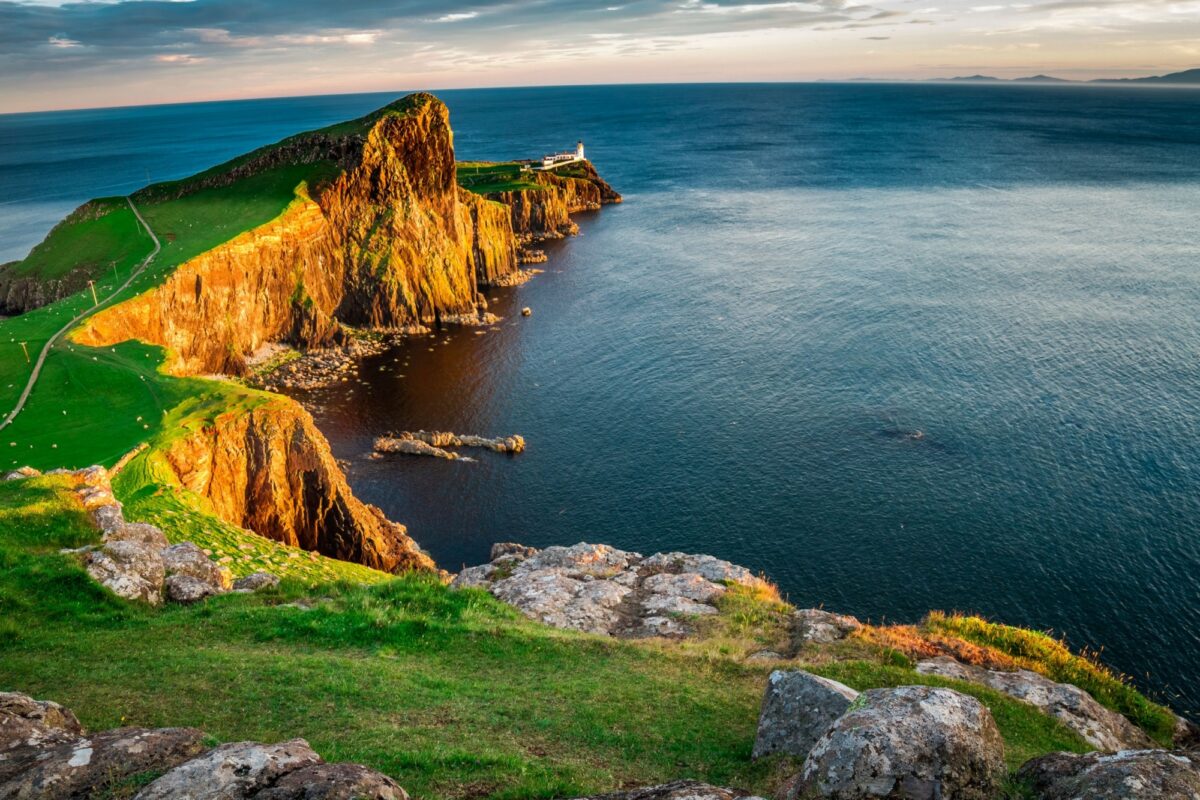
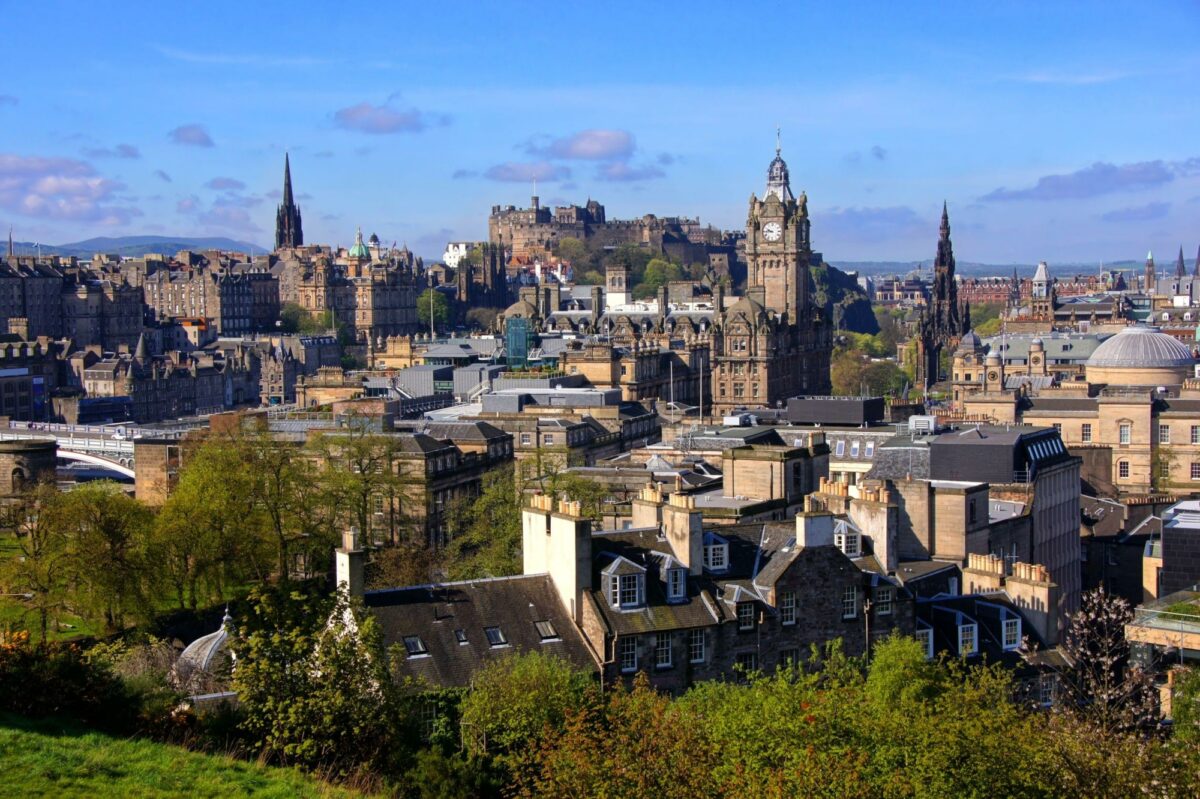

There is a border between England and Scotland, but it’s easy to miss. Driving north you’ll know it only by the 'Welcome To Scotland' signs.
But welcome to what? It’s all the same country, isn’t it?
Don’t let the Scots hear you say that! They may concede that yes, Scotland is one of the four entities that make up the United Kingdom. But they will politely remind you that it was once an independent country, and may be one again in the not-too-distant future.
But for now, all a visitor needs to know is that Scotland is utterly distinctive in just about every way. There are the cities, buzzing, hyper-active, at the cutting edge of culture and the arts; the Scottish Highlands and Islands with scenery as stunning as anywhere on the planet; the wildlife; the burgeoning food scene with some of the finest seafood anywhere, and of course the world-famous whiskies.
In short, Scotland is so much more than kilts and bagpipes, although you’ll find them too. The only problem with visiting Scotland is the thought of having to leave. But those Scots who welcomed you so warmly will wave you off with the immortal words, “Haste ye back!”
Hidden gems in Scotland
Scotland
The Cape Wrath Trail

If you want something truly different, I can highly recommend the Cape Wrath Trail: the UK's most challenging long-distance trekking route and probably my favourite place to trek in Scotland. With many pathless sections through rough terrain, across rivers and mountain passes, it really lives up to its reputation. The route starts in Fort William, finishes at the Cape Wrath lighthouse, and takes in many of northwest Scotland's best mountain landscapes. There are a number of variations on this route. For our guests we break the route into three stages, the Knoydart Expedition (57 miles), Cape Wrath Trail South (81 miles), and Cape Wrath Trail North (101 miles). Each section is between six and eight nights, including several nights wild camping, or they can be combined into one single mega expedition!
Read more
Scotland
The East Highland Way
I love the East Highland Way as a much quieter alternative to the famous (and heavily marketed) West Highland Way. This trail follows the valleys eastwards through forests and loch side tracks, and into some remote mountain glens. It's not waymarked and is much less well known, so I recommend it for visitors looking for something a little different but not too difficult in the Highlands.
Read more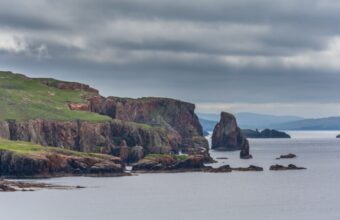
Scotland
The Northern Isles

The Northern Isles feel a world away from the mainland UK—both Orkney and Shetland are closer to the Arctic circle than to London—yet these rugged archipelagos at the collision of North Sea and Atlantic Ocean are surprisingly accessible. Most walkers here come for centre-based holidays, although there are some 'official' long distance footpaths even up here, such as St Magnus Way and the island-hopping Shetland Walks. There are a handful of walking companies that offer both guided and self-guided holidays on Orkney and Shetland. Keep in mind that longer walks from most rural locations will require a car. On Hoy, the ‘High Isle’, walk from Moaness to Rackwick Bay through Orcadian novelist George Mackay Browne’s “hidden valley of light.” Continue along a cliff path toward the towering sandstone sea stack, the Old Man of Hoy. The newly developed St Magnus Way pilgrimage route follows the 55-mile journey of the martyred Earl of Orkney as it crosses Egilsay, then zig-zags across the Orkney mainland. On Shetland, ferry to the Island of Noss National Nature Reserve for a challenging 5-mile coastal loop and some of the best birdwatching in the Northern Isles.
Read more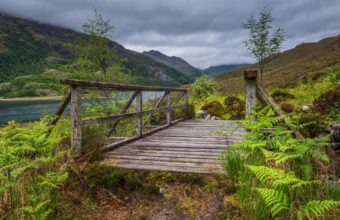
Scotland
Knoydart Peninsula
Towards the west coast, the wild Knoydart Peninsula is for true backpacking expeditions, largely accessible only by foot or by boat to the village of Inverie. Guided hiking is advisable for all but the most competent navigators. A good challenge for experienced hillwalkers is climbing the three munros of Luinne Bheinn, Meall Buidhe and Ladhar Bheinn.
Read more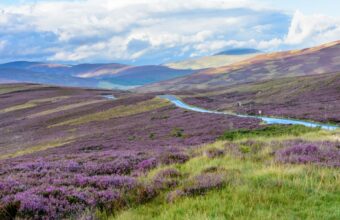
Scotland
Cairngorms National Park
In the Cairngorms National Park you’ll find 1,748 square miles of protected heather-covered moorland and mountains cut by meandering burns (small streams). Long-distance walks like the 65-mile Speyside Way and 64-mile Cateran Trail run through the park, and its challenging terrain makes it a popular base for centre-based walking holidays.
Read more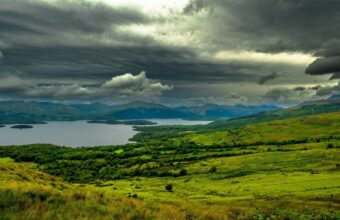
Scotland
Loch Lomond & the Trossachs
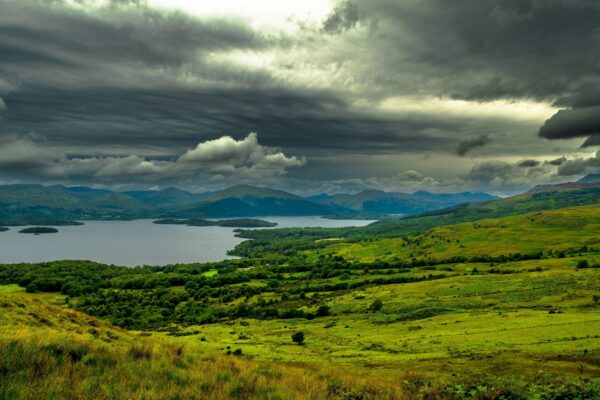
Within Loch Lomond & the Trossachs National Park, 3,196-foot Ben Lomond is a good start to any Munro-bagging mission. Slightly to the east is 3,547-foot Schiehallian, easily-scalable on a fine day and where scientists first attempted to weigh the world. With their proximity to the cities of Scotland’s Central Belt, both of these areas are fairly easy-to-reach making them great for a shorter Highland escape.
Read more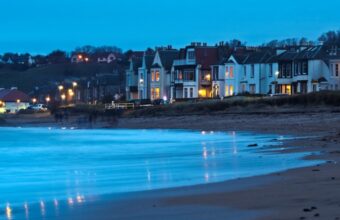
Scotland
The John Muir Way
For a less-trodden slice of Scotland, I can highly recommend the 134-mile John Muir Way which traces the emigration route of the famous Scottish-American naturalist. The moderate coast-to-coast walk is normally done from Helensburgh in the west to Dunbar in the east. The well-waymarked route takes roughly ten days to complete and cuts through the rolling landscape of the Central Belt, following part of the Forth and Clyde Canal, touching the banks of Loch Lomond, and hugging the coast along the Firth of Forth.
Read more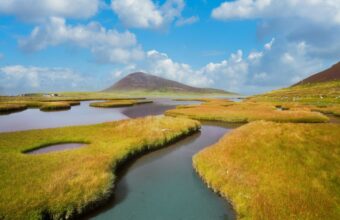
Scotland
The Hebridean Way
In the westernmost reaches of Scotland, embrace Gaelic culture, archaeological wonders, and remote and wild landscapes. The Outer Hebrides island chain stretches from Barra in the south past North and South Uist, to Harris and Lewis in the North, with smaller islands dotted throughout. This is Scotland at its wildest, and The Hebridean Way makes for an excellent long-distance walking holiday, island hopping over no fewer than ten islands over around 12 days. If you feel an urge to go further west still, take a boat to the island of St. Kilda where a 3.5 mile loop walk takes you to the highest point on the Hebrides – 1,410-foot Conachair – passing abandoned villages, and surrounded by Europe’s largest seabird colony. You can also visit the Callanish Stones in Lewis, dating back to 2900 BC, and don’t leave without sampling Stornoway Black Pudding, so coveted it now has its own protected status. Calmac ferries depart from Oban, Mallaig, Ullapool, and also from Uig on Skye. You can then travel the 130-mile length of the islands by connecting ferries and causeways. An easy way to island-hop is with Calmac’s Island Hopscotch ferry ticket, running from Oban up through the islands and back to Ullapool. Like the Inner Hebrides, island accommodation and car spaces on ferries books up extremely quickly, so it’s best to make your plans well in advance. Travellers can fly with Loganair to Benbecula, Stornoway or Barra (the only airport in the world where scheduled flights use the beach as a runway.)
Read more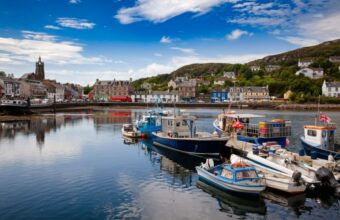
Scotland
The Kintyre Way
Less well known than the West Highland Way, this 100-mile (161km) trail zig-zags down through the peaceful and energising Kintyre Peninsula. Along the way you'll pass numerous historical sites on this largely unspoilt landmass ending by the spectacular Machrihanish Bay. The well-marked Kintyre Way has something for all nature lovers with, on the whole, straightforward walking. Although the route is generally considered as starting in Tarbert in the north to Machrihanish in the south, the route can also be walked south to north and is fully waymarked in both directions.
Read more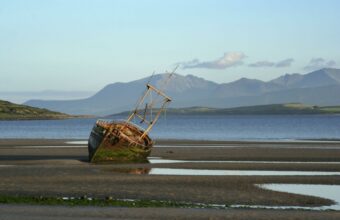
Scotland
West Island Way
This delightful long distance walk takes in many of the finest sights on the Isle of Bute in the Firth of Clyde. This lesser-known trail boasts secluded beaches, a range of wildlife, and a generally flat profile. The route crosses diverse landscapes from rocky headlands, seashore and sandy beaches to moorland, farmland and forest. Most of it is level though there is a high moorland section on Day three between Rhubodach to Port Bannatyne which can be boggy, especially in the winter and after long periods of heavy rain. For that reason, as for all west Scotland walks, the optimum months are May, early June and September when the days are warmer, the climate more stable and also when the biting midges are scarcer than in the main summer period.
Read more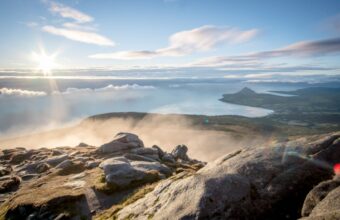
Scotland
Arran Coastal Way
This challenging trail gives a rewarding circuit around the beautiful, accessible, Isle of Arran in the Firth of Clyde, west of Glasgow. The route leads around the coastal fringe of Arran’s mountainous north down its west coast to the sandy beaches, rocky shores and gentler landscapes of the south. The return leg up the east coast leads through forests and woodland, passing Iron Age hill forts and burial cairns.
Read more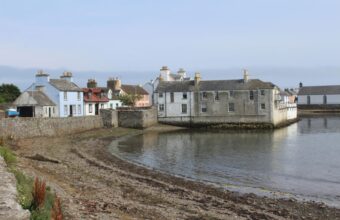
Scotland
St Ninian's Way
The Carlisle to Whithorn section is the most scenic stretch of the Way, a second leg (adding a further ten days' walking and 124 miles/ 198km) continues through Ayrshire and across densely-populated central Scotland and ends on the east coast at South Queensferry, by Edinburgh. St Ninian’s Way isn’t widely offered as an organised walking holiday, although you might find a specialist operator who can help. Most walkers book their accommodation independently, and you might find B&Bs who can arrange luggage transfer on an ad-hoc basis.
Read more-

The Cape Wrath Trail
View experience -

The East Highland Way
View experience -

Cairngorms National Park
View experience -
Loch Lomond & the Trossachs
View experience -

The John Muir Way
View experience -

West Island Way
View experience -

Arran Coastal Way
View experience -

St Ninian's Way
View experience -

Fife Coastal Path
View experience -

The Speyside Way
View experience -

The Rob Roy Way
View experience -

The West Highland Way
View experience












Scotland travel companies



 The United Kingdom
Contours Holidays
Self-guided walking holidays in England, Scotland, Wales and Ireland


 The United Kingdom