





The Highlands

Welcome to The Highlands
The insider's travel guide to The HighlandsScotland’s geological fault line runs from the Isle of Arran in the south-west to Stonehaven in the north-east, delineating the dramatic Highlands from the more gently rolling landscapes to the south.
This vast, sparsely populated area is the closest thing to true wilderness in the UK, making the Highlands a justifiably popular region for serious walking and hiking holidays.
At 4,413 feet, Ben Nevis is the UK’s tallest mountain. The peak, accessible from Fort William, attracts over 100,000 summit-seekers each year, though it’s important to keep a close eye on the fast-changing weather if you’re attempting a climb. Further north, the view from the top of the short and steep Stac Pollaidh offers very different Highland views toward the stark beauty of the Assynt region. For another record-breaker, walk Duncansby Head near John-O-Groats, the most north-easterly corner of mainland Britain, where Orkney hovers on the horizon just over the Pentland Firth.
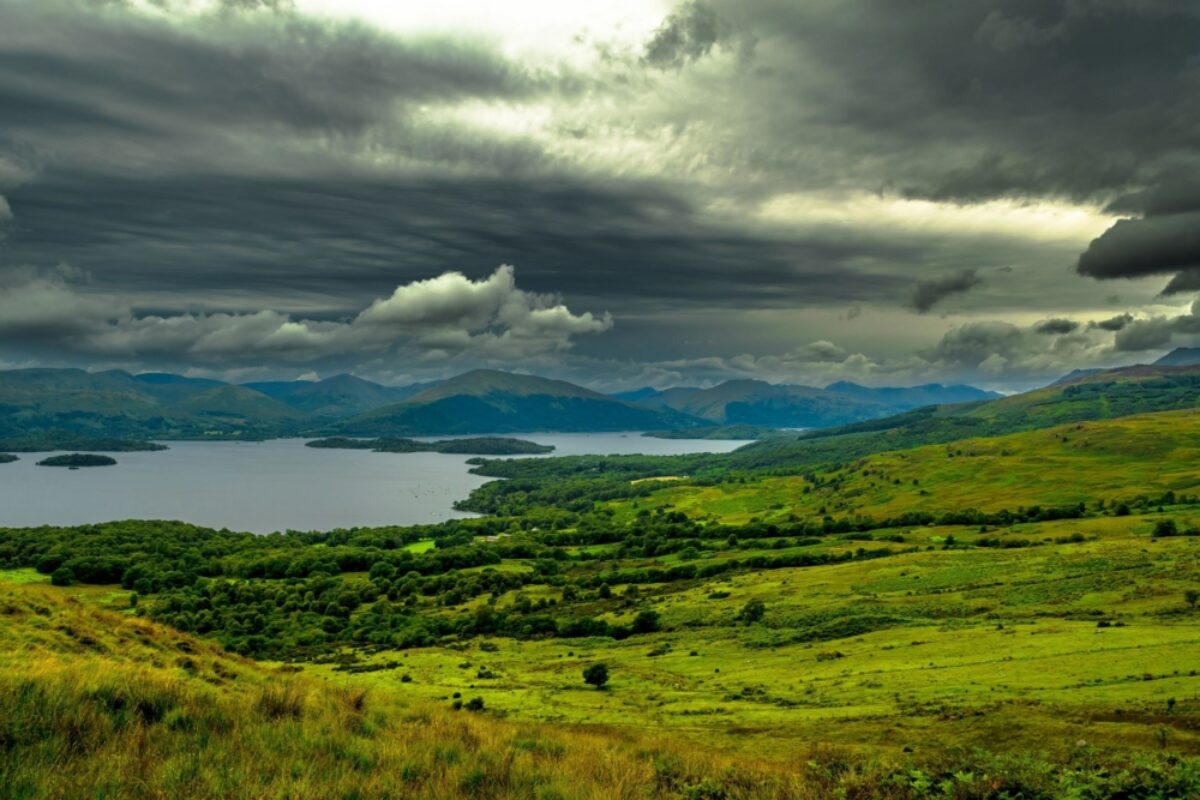
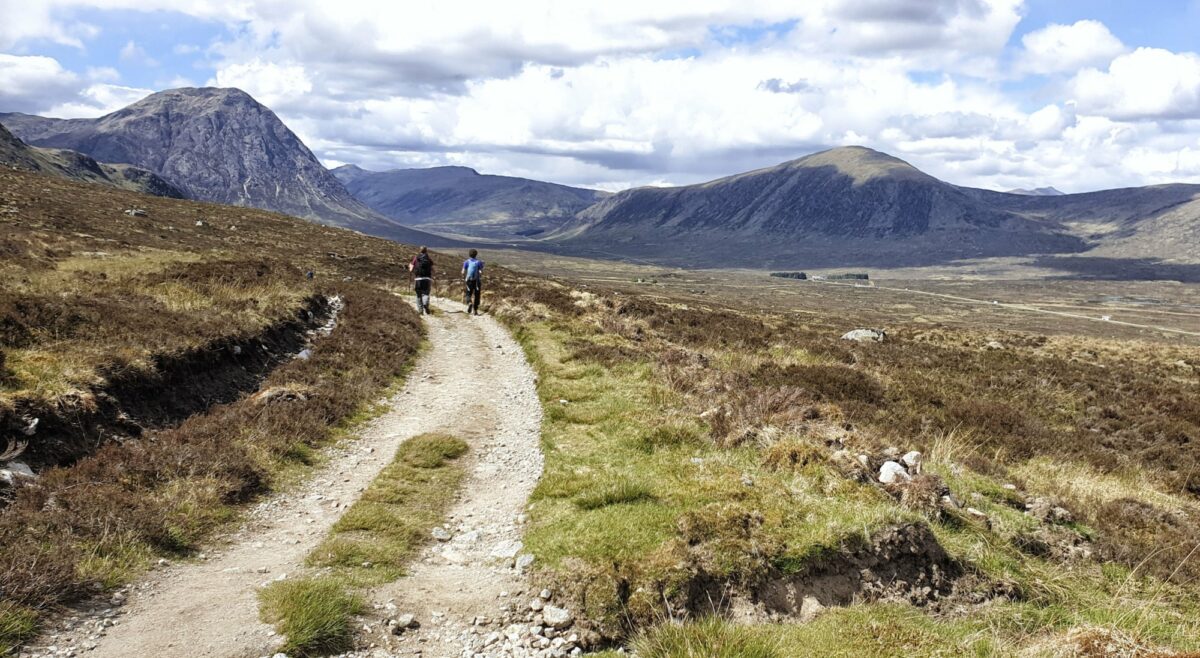
Most of Scotland’s waymarked long-distance paths traverse some part of the Highlands. The 96-mile West Highland Way leads walkers from the outskirts of Glasgow along Loch Lomond, through Glencoe and across Rannoch Moor to Fort William over six to ten days of walking. The easier-going Rob Roy Way crosses paths with the West Highland Way at the southern end of its 79 miles before diverting northeast across the Trossachs and Pertshire to end in Pitlochry. And picking up where the West Highland Way ends, the Great Glen Way stretches along canals, lochside and forested track for 85 miles.
Some of the main Highland walking hubs, such as Fort William, Pitlochry and Aviemore, are connected via the Scotrail train network, with yet more accessible by bus. If you’re relying on public transport these towns make a good base for day hikes (check out the Pitlochry Path Network of trails) or as departure points for long distance paths; West Highland Way, Great Glen Way, Speyside Way. Be sure to get advice from a walking holiday specialist. Given the region’s topography, a car becomes useful (and sometimes essential) to reach farther-flung areas on the west coast beyond Fort William, and the far north.
The Highlands is a vast region with landscapes that are suitable for hikers of all abilities. Families and inexperienced walkers might enjoy the easy-to-moderate woodland and shore paths of the Trossachs while the northwest Highlands and the wilder reaches of the Cairngorms present a challenge for even experienced multi-day trekkers and hillwalkers.
For maximum reward, finish a long day out in the elements with a pint or a whisky in the nook of a cosy pub. Most villages have at least one local, if you’re lucky you might time your visit for a ceilidh (pronounced ‘kay-lee’, a lively evening of folk music and dance.)
The The Highlands atlas
9 picks Places & Experiences You Won't Find Elsewhere-
If you want something truly different, I can highly recommend the Cape Wrath Trail: the UK's most challenging long-distance trekking route and probably my favourite place to trek in Scotland. With many pathless sections through rough terrain, across rivers and mountain passes, it really lives up to its reputation. The route starts in Fort William, finishes at the Cape Wrath lighthouse, and takes in many of northwest Scotland's best mountain landscapes. There are a number of variations on this route. For our guests we break the route into three stages, the Knoydart Expedition (57 miles), Cape Wrath Trail South (81 miles), and Cape Wrath Trail North (101 miles). Each section is between six and eight nights, including several nights wild camping, or they can be combined into one single mega expedition!
-
Distance: 82 milesDuration: Six to eight daysStart/end point: Fort William to AviemoreDifficulty: Moderate I love the East Highland Way as a much quieter alternative to the famous (and heavily marketed) West Highland Way. This trail follows the valleys eastwards through forests and loch side tracks, and into some remote mountain glens. It's not waymarked and is much less well known, so I recommend it for visitors looking for something a little different but not too difficult in the Highlands.
-
Towards the west coast, the wild Knoydart Peninsula is for true backpacking expeditions, largely accessible only by foot or by boat to the village of Inverie. Guided hiking is advisable for all but the most competent navigators. A good challenge for experienced hillwalkers is climbing the three munros of Luinne Bheinn, Meall Buidhe and Ladhar Bheinn.
-
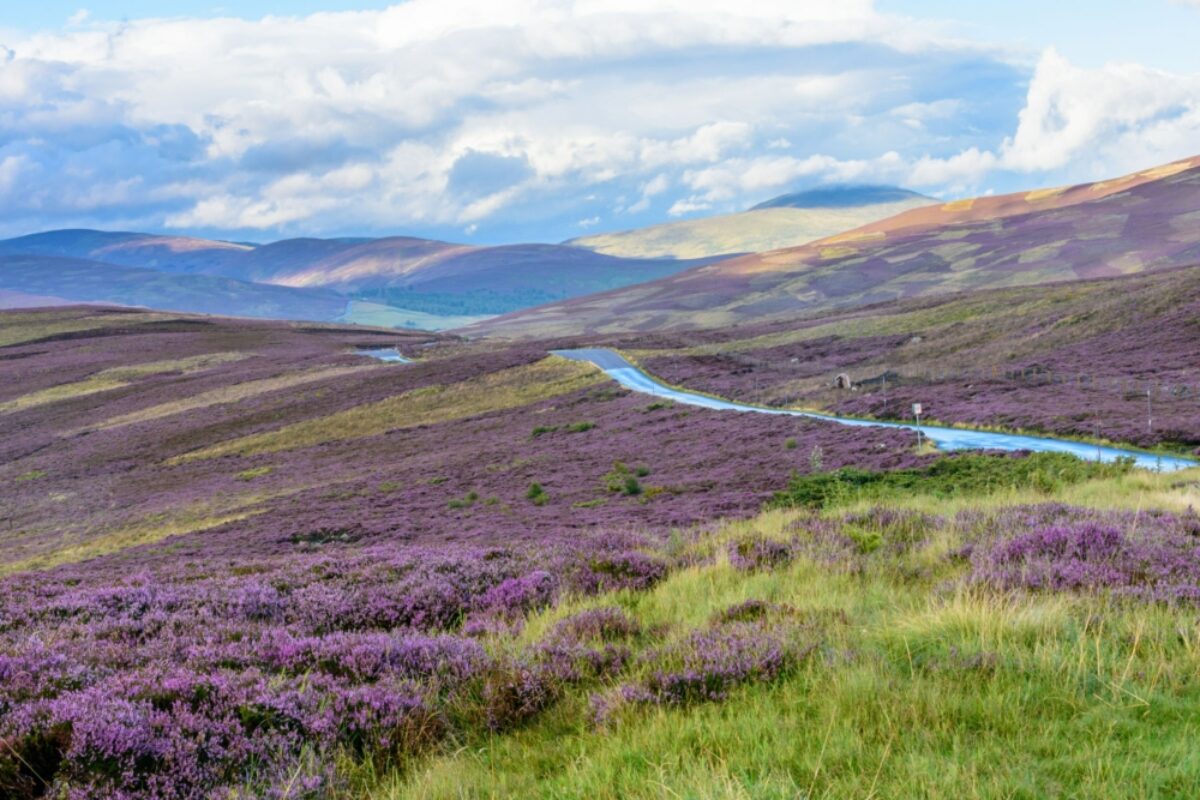
In the Cairngorms National Park you’ll find 1,748 square miles of protected heather-covered moorland and mountains cut by meandering burns (small streams). Long-distance walks like the 65-mile Speyside Way and 64-mile Cateran Trail run through the park, and its challenging terrain makes it a popular base for centre-based walking holidays.
-
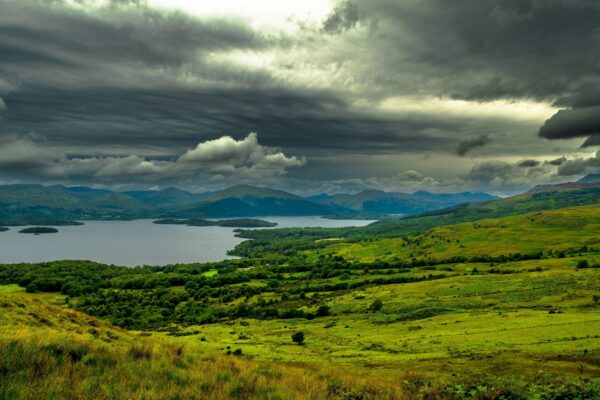
Within Loch Lomond & the Trossachs National Park, 3,196-foot Ben Lomond is a good start to any Munro-bagging mission. Slightly to the east is 3,547-foot Schiehallian, easily-scalable on a fine day and where scientists first attempted to weigh the world. With their proximity to the cities of Scotland’s Central Belt, both of these areas are fairly easy-to-reach making them great for a shorter Highland escape.
-
Distance: 65 miles (105km)Duration: Five to eight daysStart point: BuckieEnd point: AviemoreDifficulty: Easy to moderate – well-marked route; few steep gradients; some stiles to negotiateSuitable for: Most walkers, family friendly sections The Speyside Way is one of four official Long Distance Routes in Scotland (the others are the West Highland Way, the Southern Upland Way and the Great Glen Way). It largely follows the course of the majestic River Spey from the Moray coast to the Cairngorms National Park gateway town of Aviemore. Along the route one passes myriad whisky distilleries and stands of ancient pine and birch woods.
-
Distance: 79 miles (127km)Duration: Six daysStart point: DrymenEnd point: PitlochryDifficulty: Moderate to hard – partly way-marked route, ill-defined path in places; hilly sectionsSuitable for: Any reasonably fit walker, family-friendly sections highlighted below. Named in honour of the 17th-century folk hero, the Rob Roy Way passes through rugged country closely associated with the irrepressible Scot and follows tracks he would have taken on his many adventures. Expect quiet pine forests, scenic lochshores, and wilder upland sections where the adventure is tangible. The first four days lead northwards through the Loch Lomond and Trossachs National Park – a gem among Scotland’s landscapes.
-
Distance: 96 miles (154km)Duration: Eight daysStart point: MilngavieEnd point: Fort WilliamDifficulty: Moderate with harder northern sections – well-marked route; some remote and hilly partsSuitable for: Any reasonably fit walker, family-friendly sections highlighted below Scotland's oldest and most popular long-distance walking route – the West Highland Way – appeals to serious walkers, strolling day trippers and even runners who race the 96 miles in under 35 hours! Walkers take around a week to complete the distance, travelling from the outskirts of Glasgow, past Loch Lomond’s wooded banks, via Tyndrum and across the wilds of Rannoch Moor before a final stretch to finish in the Highland town of Fort William.
-
Distance: 78 miles (125km)Duration: Five to seven daysStart point: Fort WilliamEnd point: InvernessDifficulty: First half flat, then some very hilly sectionsSuitable for: All levels The Great Glen fault line bisects the Scottish highlands to create an epic backdrop for this spectacular hike. The largely low-level Great Glen Way has beautiful and varied scenery throughout as you follow canal towpaths, pass forests, moorland and mountains on a well-marked path. The Great Glen Way is well served by various walking holiday companies and services. You can book your own accommodation and baggage transfer, or let a specialist organise your entire trip.
-

The Cape Wrath Trail
-

The East Highland Way
-

Knoydart Peninsula
-

Cairngorms National Park
-
Loch Lomond & the Trossachs
-

The Speyside Way
-

The Rob Roy Way
-

The West Highland Way
-

The Great Glen Way



Trusted specialists

 The United Kingdom
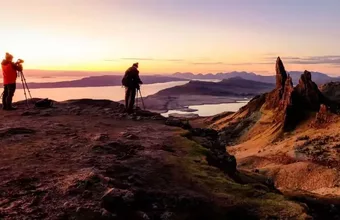
UK Photo Tours
Photography workshops, photo tours, and holidays to the most beautiful landscapes and wildlife locations in the UK!
Find a The Highlands specialist
Tell us about your trip and we'll find your match
We'll connect you directly with the experts.



Connect with John Millen, Andrew and Dion.
We'll connect you directly with the experts.
Connect with John Millen, Andrew and Dion.
- Hand-picked local specialists
- Honest advice from real experts
- Free to use, no hidden fees