




The best time for safari in Tanzania
When to go on safari in Tanzania

Featured Trips

 Tanzania
Tanzania's Northern Circuit Tour
Tanzania's classic safari itinerary in 7 days
7 days From $2,100 pp
Calving season safari on Tanzania's Ndutu Plains
A crowd-free alternative to river crossing season
8 days
 Tanzania
Tanzania Northern Circuit - 3 Days
Budget Tanzania Northern Circuit
3 days $870 – $1,050 ppFeatured Trips

Tanzania's Northern Circuit Tour
Tanzania's classic safari itinerary in 7 days
7 daysFrom $2,100
Calving season safari on Tanzania's Ndutu Plains
A crowd-free alternative to river crossing season
8 daysFrom $0
Quick reference: When to go on safari in Tanzania:

You can enjoy a safari in Tanzania year-round, but in my view the best overall months are: June, September and October.
For river crossings: July & August
For calving season: December to March
Best weather: June to October
Worst weather: March and April
Peak tourism season: July and August
With the exception of the rainy months of March and April, Tanzania is a great safari destination through most of the year.
The dry season – June to October – is the most popular and best for wildlife sightings, but January and February also see a break in the rains.
Best time for Tanzania safari
Month to month weather & seasons
Safari month to month
January and February are generally hot, dry months with a break after the 'short rains' in November and December. Birdwatching is outstanding, with the arrival of migratory birds from Europe in November/December. January and February are also peak months to climb Mount Kilimanjaro, with clear and relatively warm conditions.
March and April bring what are known as the 'long rains' and are the wettest months. While this may not be the best time to be on safari in Tanzania, there are fewer crowds and low season prices usually apply for the camps that remain open.
The rains can sometimes continue into May, but visibility is good and safari crowds have yet to arrive.
By June, the rains have passed and the temperature is usually a little cooler. With many lodges and tented camps not charging high-season rates until July, this can be an excellent time to go on safari in Tanzania.
July and August are peak safari season, especially in the Serengeti – it’s dry, which is ideal for seeing wildlife, and it’s also when the bulk of the river crossings take place (they can start as early as June and finish as late as October).
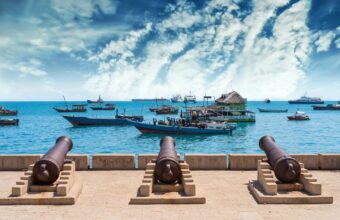
In Zanzibar, it’s dry from July to October; the winds pick up too, which is ideal if you’re keen on sports like windsurfing.
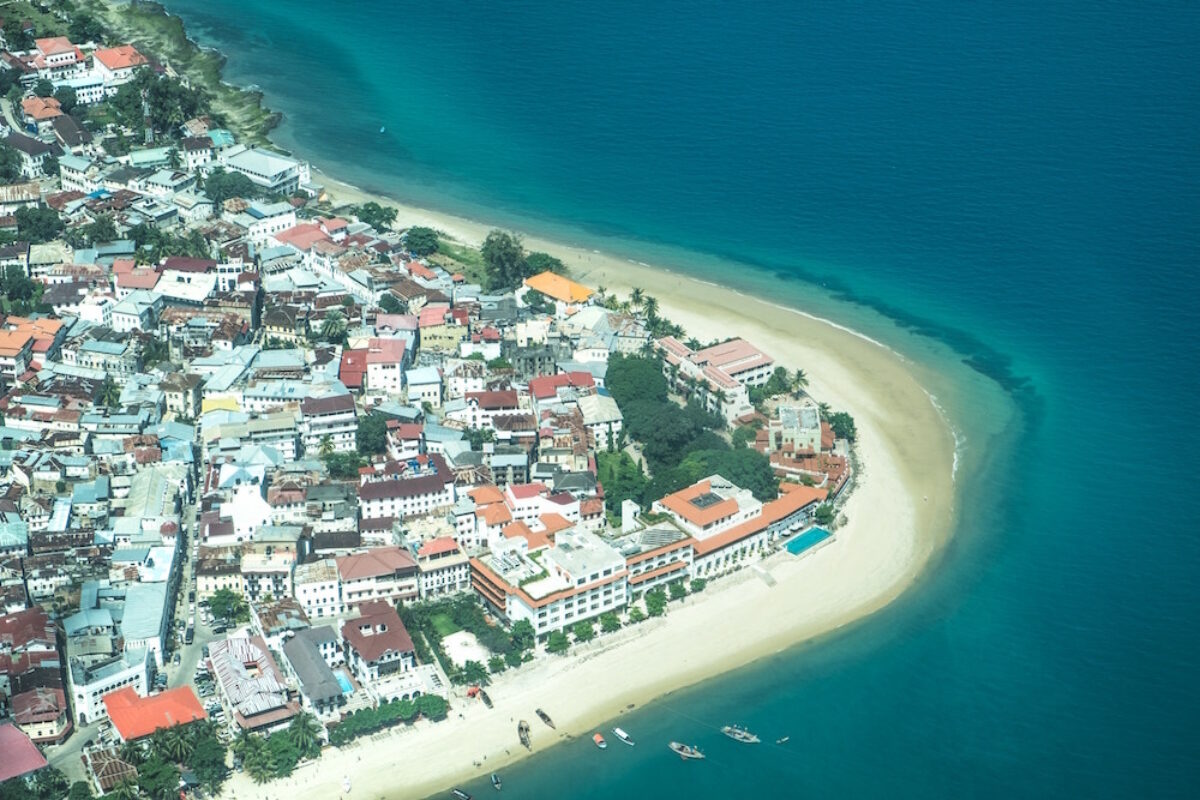
July to October are good months to visit Zanzibar for some beach time
September and October have many of the perks of peak season, including dry conditions across the country, but there’s the added advantage of fewer crowds.
By November, the short rains cut through rising temperatures, there’s lush vegetation and the arrival of migratory birds.
December can be hot and a bit rainy, but it’s also the beginning of the Kilimanjaro climbing season – you’ll likely have fine conditions and escape the lower-altitude heat.
Safari in Green Season

The general consensus on the best times for a safari in Tanzania (or anywhere in Africa for that matter) is to avoid the rainy seasons at all costs. According to received wisdom, the rainy season means wildlife is more dispersed as they don’t have to congregate around scarce waterholes. The foliage is thick and lush which, although beautiful, makes spotting wildlife even harder. And heavy rains may make more remote roads impassable, and lots of camps shut down during the “long rains” of mid-March to early June.
In Tanzania, timings are further complicated by the movement of the wildebeest migration, especially the heavily-marketed river crossing period which creates even more pressure to be on safari during the peak months of July to September.
Personally, I think this is a big shame. It creates unsustainable pressure on a handful of key locations during a few short months, and it does a great disservice to the rest of the country – and the rest of the year.
For visitors on a limited schedule, or perhaps those who’ve already had the ‘classic’ safari experience before, I often suggest coming during the rainy, or ‘green’ season. Contrary to the general consensus, I think this is a lovely time to be in Tanzania. This is when nature bursts back into life, fresh grass carpets the plains, rivers are ripe and waterholes are full, and wildlife thrives in the renewed ecosystem. Yes you’ll expect rain, but it doesn’t rain all day, every day. Showers are usually short-lived, and the sun often comes out shortly after.
In my experience, the warnings about missing wildlife sightings during this period are exaggerated – it’s just as exciting as other seasons, if not more. This is when the southern Serengeti and Ndutu areas become nurseries for thousands of newborn wildebeest, zebra, and other herbivores. The entire wildebeest migration is set out on the Central and Southern plains, as far as your eyes can see. And with so many young and vulnerable animals, the big cats and cheetahs are all highly active.
But for me, the biggest advantage of a green season safari is the solitude. Unlike the peak season, where a single kill can attract crowds of vehicles, the green season offers a more personal and exclusive experience. It is not uncommon to be the only vehicle watching a lioness teach her cubs to hunt, with no other vehicles in sight. If you’ve ever dreamed of having the Serengeti (almost) to yourself, this is the season to go. Plus, coming in an "off" season helps tackle unsustainable overcrowding such as around the river crossings during peak season.
And finally, visiting in the green season offers one other big perk: value for money! Prices for lodges and camps drop by up to 50%, which means you can either get more luxury for your budget or enjoy a longer stay than you’d otherwise afford.
The only thing I’d note is that although I usually recommend tented camps for a more authentic experience, during this rainy period, a permanent lodge would be more comfortable.
Events and holidays
There are over 120 different tribes in Tanzania and so there’s an array of events and notable dates throughout the year.
Islamic festivals, Eid, for instance, are celebrated throughout the country, but particularly in Zanzibar.
February’s Sauti za Busara, held in Zanzibar’s Stone Town, is a pan-African music festival – one of the largest in the region.
The Kilimanjaro Marathon takes place in Kili’s foothills in late February or early March.
If you’ve developed a taste for Tanzania’s ubiquitous nyama choma (barbecued meat), head to Dar es Salaam for the ‘bbq extravaganza’ Nyama Choma Festival – it’s held every four months, so check out the next event on their Facebook page.
Tanzania’s premier arts events, the Festival of the Dhow Countries and the Zanzibar International Film Festival, are held in Zanzibar over two weeks in July.
The town of Bagamoyo, on the coast of mainland Tanzania, hosts the dynamic Karibu Music Festival in November.


About the author
Heather Richardson
Heather is an award-winning journalist and editor based in Cape Town, South Africa. She writes for the BBC, Sunday Times, National Geographic, Lonely Planet, Departures Magazine, among others.


Featured tours
 Tanzania
Tanzania Safari & Zanzibar
Experience Tanzania’s mesmerising beauty in 11 days
11 days From $1,840 pp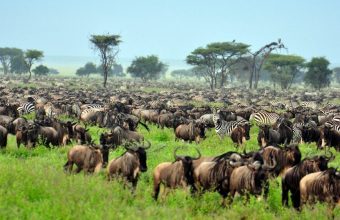
 Tanzania
Northern Tanzania Adventure
Arusha National Park, Karatu, Seronera and Matemwe
12 days From $5,402 pp Tanzania
Southern Tanzania Adventure
Safari adventure in Nyerere National Park and Ruaha National Park
11 days From $4,935 pp Tanzania
Family Tanzania Adventure
11 days exploring Nyerere National Park and Dongwe
11 days From $3,760 ppOther guides you might like