





Menu
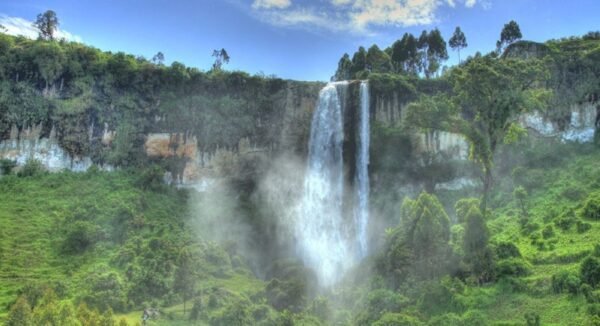
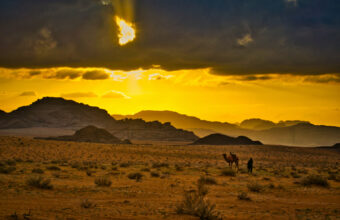
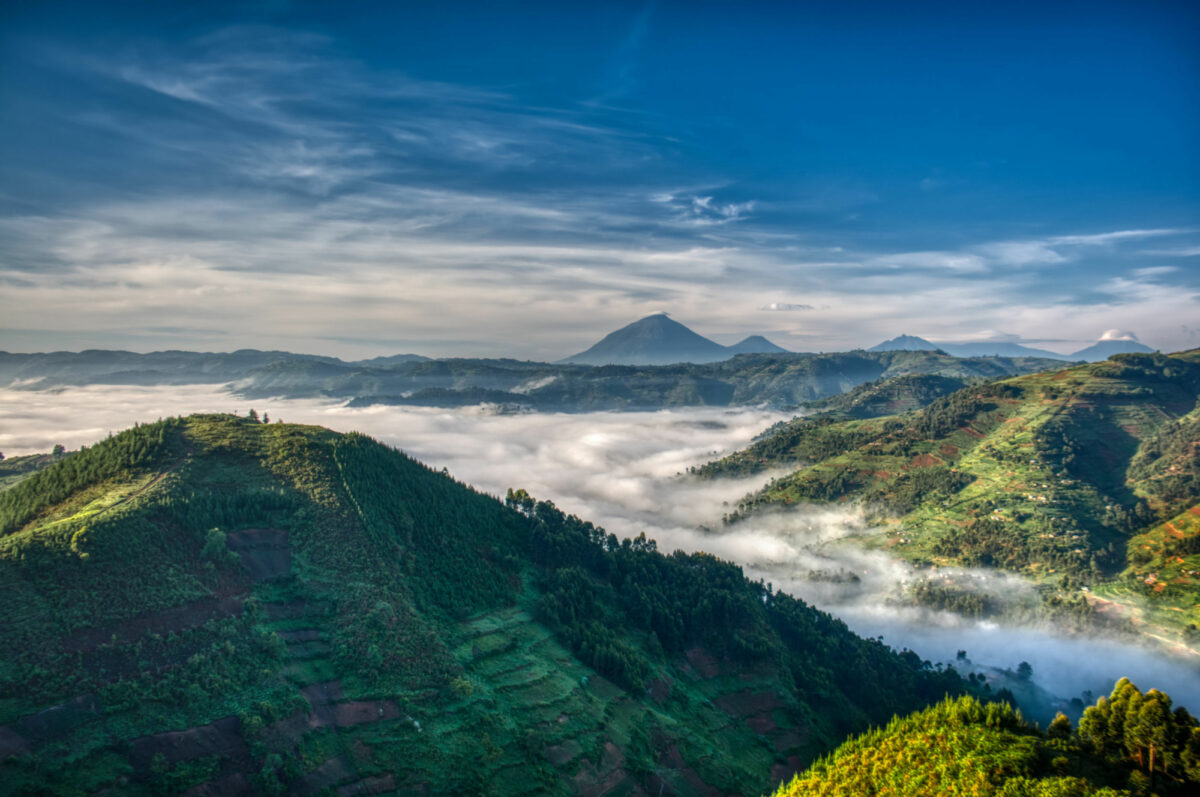
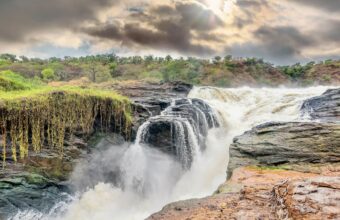
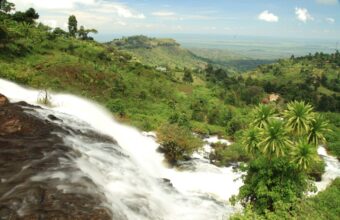
Uganda-landscape
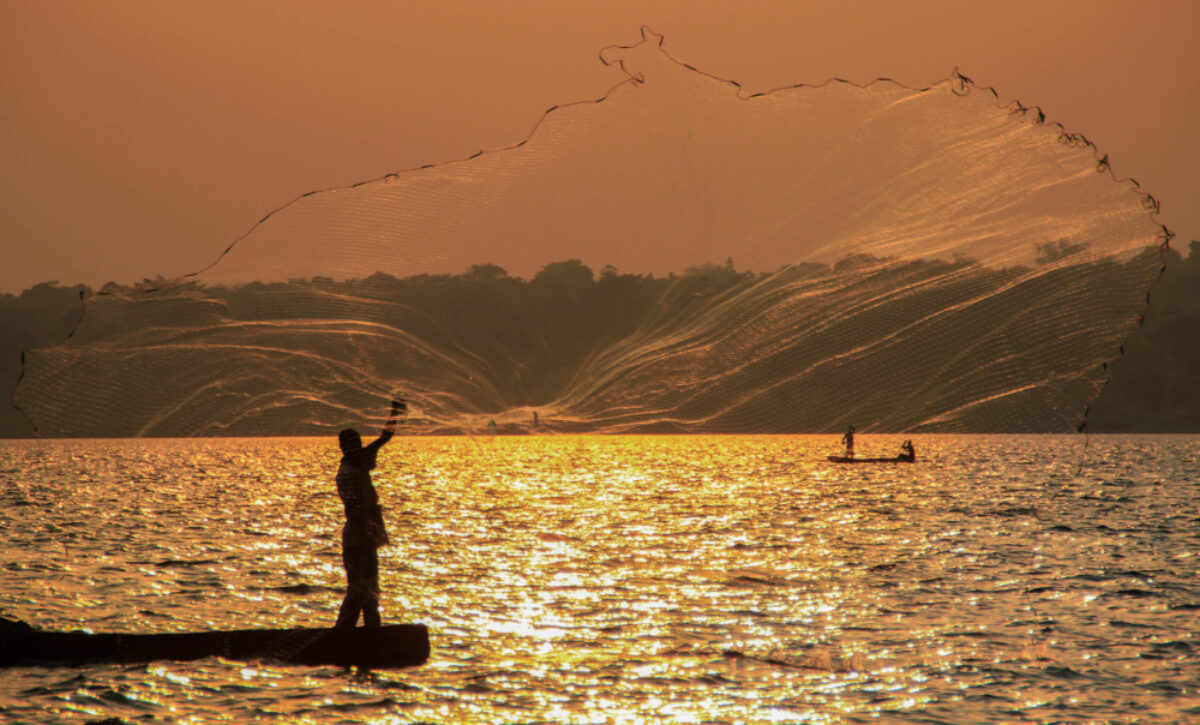
Uganda-fish-lake-victoria
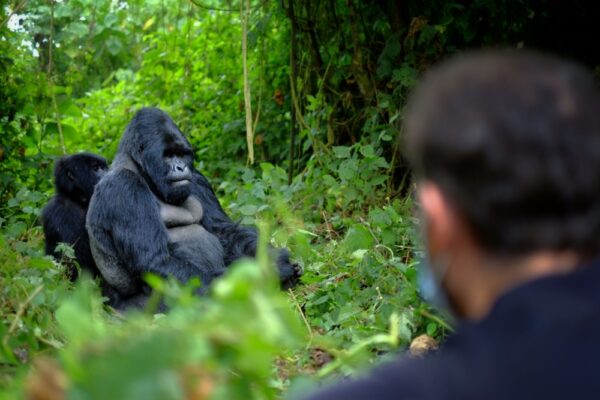
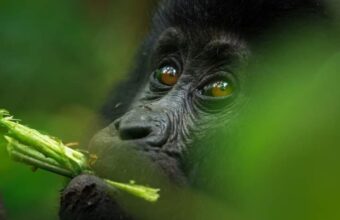
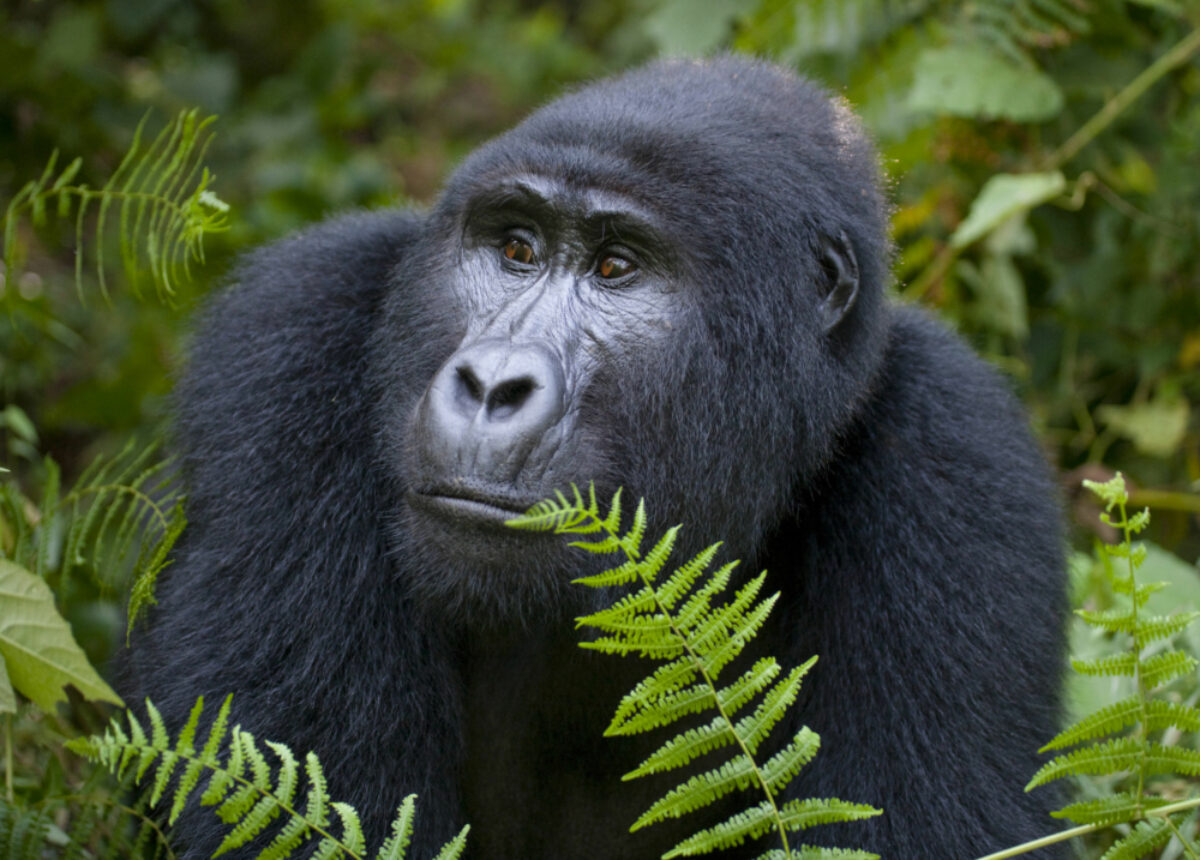
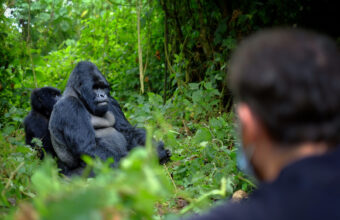
Uganda-gorilla
§ 01

Welcome to Uganda

The insider's travel guide to Uganda

Uganda is a gem. Known as the ‘Pearl of Africa’ — an attribution it got from Winston Churchill in his 1908 book My African Journey — over a century later, this East African country still tickles tourists with its splendour.

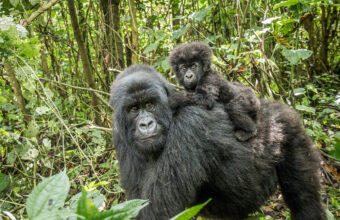
Home to tropical weather, warm and inviting people, diverse cultures among some 53 tribes and 54% of the world’s mountain gorillas, Uganda packs a lot into a small country. Look beyond the obvious and you’ll find a country teeming with culture and wildlife.

§ 03

Ask our Uganda experts

Real questions, answered by the people who know it

26 Apr 2024

East Africa
?
Asked by: A traveller

Philip Briggs
Answered by: Philip Briggs

This is the first question most people ask me. It’s hard to answer because it depends on where you go, the weather, and how long it takes to find the gorillas, all of which can vary from one day to the next.

In my experience, however, moderately fit people under the age of 60 are unlikely to find it particularly tough. Older and less fit travellers may find it more challenging; even so, the odds of locating gorillas is better than 99%, and your exhaustion is sure to dissipate when this happens.
3 Oct 2023

Uganda
I
Asked by: Isai

Charlotte Beauvoisin
Answered by: Charlotte Beauvoisin

In Uganda, international visitors must buy gorilla tracking permits via a tour operator. Only Ugandan residents can buy permits directly from the office in Kampala.

I recommend travelling with a tour operator that is registered with the Uganda Tourism Board. In addition, you may check they are registered with
the Association of Uganda Tour Operators, the Exclusive Sustainable Tourism Association, and/or YUTO.

You'll need to give the tour operator the name of the lodge where you are staying. This is because gorilla tracking is an early morning activity so ideally they'll book permits for a gorilla family that is a short walk / drive from your lodge.

4 Aug 2023

East Africa
C
Asked by: Carolyn

Charlotte Beauvoisin
Answered by: Charlotte Beauvoisin

If you're tracking in Rwanda at the beginning of October, you may be lucky and not have too much rain. (It's November that is typically the wettest season during the year's late rains).

But to be honest, it can rain any day of the year, particularly in the afternoons. However, with good preparation you can still enjoy visiting the gorillas.

Firstly, make sure you have the right equipment: sturdy walking boots that cover and support your ankle, for example. Locals often prefer wearing gumboots but I prefer the non-slip grip of walking boots. Regardless of the time of year you track, we always recommend wearing layers e.g. thin longsleeve T-shirt, a light pullover fleece, plus a rain jacket. On the day you track, the rangers will assess your fitness level, and allocate you a group to suit you.

You don't need to be mega fit. You will be supported by the rangers and can also hire a porter. Invaluable! This means you don't have to worry about carrying your backpack. Nor do you need to worry about the mud, the weather or the distance since you'll have plenty of hands to literally lift you up, if needs be. You can also borrow, buy or hire a walking stick. Sometimes, someone will grab a piece of bamboo and make you one.

Make use of every bit of help that is offered. It's all part of the fun! I think you'll be fine. Enjoy!

20 Jul 2023

East Africa
?
Asked by: A traveller

Charlotte Beauvoisin
Answered by: Charlotte Beauvoisin

Regulations state that you must stay 10 metres from the gorillas at all times and only spend one hour with them. In practice, inquisitive gorillas may come closer to you on your trek. If they do, stay calm and quiet, follow your guide’s advice and never touch the gorillas. Keep your voice low and avoid eye contact.

The gorillas will normally be more relaxed the further back you are. Your guide may ask your group to move to a different location to calm the gorillas or to get a better view.

20 Jul 2023

East Africa
?
Asked by: A traveller

Charlotte Beauvoisin
Answered by: Charlotte Beauvoisin

Your day of gorilla tracking will be long, active and may be fairly arduous. You’ll be hiking in thick forest in a changeable climate. Evenings can be cold; mornings are cool, and the days are hot—especially when you’re clambering up a muddy mountainside. Having the right gear makes all the difference:

  • A small backpack to carry water, packed lunch and rain jacket.

  • Walking boots or hiking shoes. Boots are ideal for the extra ankle support on rocky and muddy terrain. Another option (that is particularly popular with locals) is plastic gumboots. Not only do they keep your feet dry, but they keep insects—particular ants—at bay.

  • Long socks will allow you to tuck in your hiking trousers and protect your ankles from scratches and biting insects. Higher-end lodges may loan gaiters to guests.

  • Lightweight waterproof jacket.

  • Hiking pants or waterproof trousers (handy when sliding down muddy slopes!) Do not wear jeans or shorts: hiking in wet jeans can be miserable and shorts will leave you exposed to hungry insects and scratches from thorns.

  • A long-sleeved shirt offers much needed protection from the sun and insects.

  • A fleece or light-wool sweater for cold mornings.

  • Cheap gardening gloves will protect your hands but aren’t essential.

  • Sunglasses, sunscreen and sunhat.

  • Camera (and associated paraphernalia). Although some people take binoculars, you aren’t very likely to use them. You will spend most of your time in the forest where trees will obscure most things.

  • Many visitors—regardless of age or fitness—find walking poles useful and many upmarket lodges provide wooden poles. In VNP your guide can cut you a custom-made pole from bamboo!

  • At least one litre of drinking water and your packed lunch.

  • A basic first aid kit may come in handy: antiseptic wipes, antihistamine cream, insect repellent, plasters, painkillers, and rehydration sachets.


20 Jul 2023

East Africa
?
Asked by: A traveller

Charlotte Beauvoisin
Answered by: Charlotte Beauvoisin

Seeing mountain gorillas in either country isn’t cheap. The combined cost of permits, accommodation, guides and a tour can bring overall trip costs upwards of $2,000 per person. So why are gorilla treks so expensive?

The main reason is that mountain gorillas are endangered and vulnerable to uncontrolled human interaction. One of the biggest threats to the gorillas’ survival is disease. Gorillas share 98% of their DNA with humans, making them highly susceptible to infection from human diseases. Therefore the authorities (wisely, in my opinion) tightly restrict and control the number of interactions the gorillas have with people.

And it takes money to protect the gorillas’ natural habitat. A significant percentage of gorilla permit fees goes into conserving the gorillas’ mountain forest habitat. Finally, some of the money you pay will go into research and monitoring of the gorillas, as well as paying your guides and encouraging sustainable tourism. The authorities point to the growth in gorilla numbers as evidence of their success.

On balance the price might not be low, but in my opinion it’s still pretty good value considering the importance of protecting this endangered primate.

20 Jul 2023

East Africa
?
Asked by: A traveller

Charlotte Beauvoisin
Answered by: Charlotte Beauvoisin

The minimum age to visit gorillas in both countries is 15. You will need to provide your passport when you book your permits and park authorities will use your passport to verify your birthday matches the date given on your gorilla tracking permit.

20 Jul 2023

East Africa
G
Asked by: Geena C

Charlotte Beauvoisin
Answered by: Charlotte Beauvoisin

This isn’t medical advice but it sounds to me like you'd be fine. I always recommend hiring a porter regardless of age; it's a huge help to have someone carry your stuff and leave your hands free for taking photos.

If you think you need some extra support you can hire a group to carry you on a rather unglamorously-named "stretcher" (it's better than it sounds!) You generally pay $10-$15 per person for the porter, and you might consider adding a tip of a similar amount. The "stretchers" cost around $100. These services are community-run initiatives and are a big boost to a family's income. All this can be arranged on the morning of your trek, during your briefing.

Also consider the location of your lodge and the gorilla family that you're assigned to track. Don't be shy in stating your tracking preferences during the morning briefing. The rangers want everyone to have a good – and safe – time so they will do their best to make sure that people with similar fitness levels are grouped together and assigned to track a more accessible gorilla family.

The Habinyanja family in Buhoma (Uganda) is well-known for being quite close to a number of the lodges. I tracked this same family a few years ago and had a lovely hour in search of them, before spending an hour with them. It took a little less than an hour to get back to the lodge, so about a three-hour round trip. Your tour operator should be able to identify a gorilla family and lodge combination that suits your fitness and ability levels.

Good preparation is also important. Local people love wearing gumboots (they keep out the ants as well as the mud) but walking boots with ankle support are the best option I'd say. I'd suggest bringing walking pole(s) or a stick. Sticks can also be bought or borrowed from your lodge.

20 Jul 2023

East Africa
?
Asked by: A traveller

Charlotte Beauvoisin
Answered by: Charlotte Beauvoisin

Despite their size and unfair reputation, gorillas are not remotely dangerous provided they’re treated with appropriate respect. All gorilla treks are accompanied by expert ranger guides who spend most of their time with the mountain gorillas. You’re only allowed to visit gorilla groups who have been habituated to the presence of humans, meaning they are used to having people near them and understand that you’re not a threat.

Gorillas are normally shy and reserved, spending the majority of their time feeding and looking after their young. However, they—like any wild animal—can exhibit defensive behaviour if they feel uneasy, particularly around their young. Your guide will recognise the signs; they may include ‘mock charging’, aggressive beating of their chests and grunting. Always follow your guide’s lead, but if faced with an aggressive gorilla, crouch down, look away and try to act relaxed. Your guide will advise you further during the pre-trek briefing.

20 Jul 2023

East Africa
?
Asked by: A traveller

Charlotte Beauvoisin
Answered by: Charlotte Beauvoisin

If you do a search for this question you'll find hundreds of pages – mostly from companies selling gorilla treks – saying yes it's definitely worth the money. My reply is more qualified: if you have to ask, the answer might actually be no!

For many, seeing the gorillas is a once-in-a-lifetime experience. Personally I love it so much I’ve been four times!

But whether it is quite so life-changing for you depends on how passionate you are about wildlife encounters, hiking, (and early morning starts!) I actually think you’re most likely to be disappointed if your entire trip revolves around just seeing the gorillas – after your 60 minutes, the rest of the trip might feel anticlimactic. It should be regarded as a whole day’s activity in a pristine natural environment, not just the single hour with the great apes.

To get maximum value from the experience, make sure you’re prepared. Be as fit as possible, wear the right gear, rest well and don’t try to pack too many activities into your itinerary. These are both fascinating countries with much more than ‘just’ gorilla tracking; slow down and round out your experience by getting to know the rest of the country.

Philip Briggs Charlotte Beauvoisin Edgar R Batte

Ask a question

Get answers from our independent Uganda experts.

Ask a question →
§ 04

The Uganda atlas

10 picks Places & Experiences You Won't Find Elsewhere
Where
What

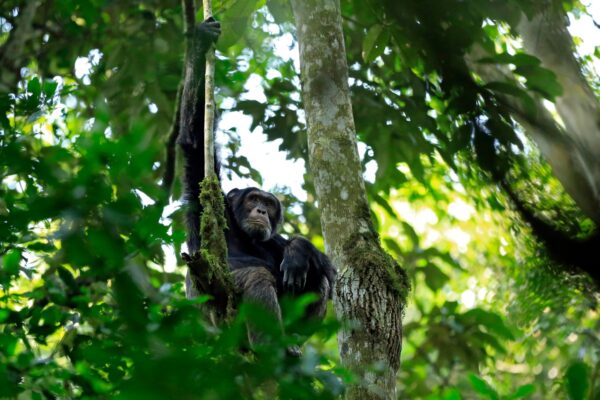
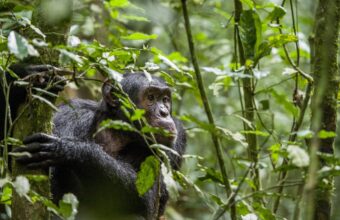
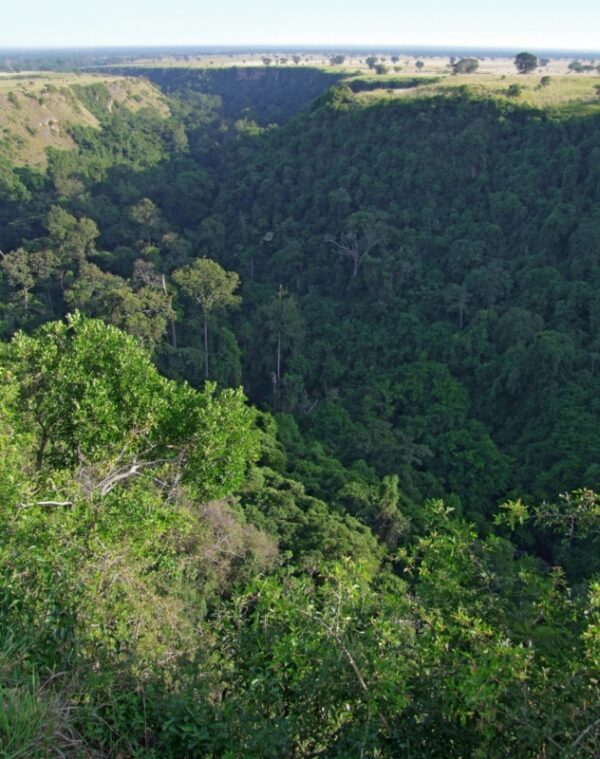
  • Kyambura Gorge is a sheer-sided 100m-deep chasm named after the river that babbles through its forested base. It is sometimes referred to as the Valley of the Apes, in reference to its small resident chimp community, which has sadly become isolated from its counterparts in Kalinzu and Maramagambo as a result of deforestation. The chimps here are very habituated and in my experience they are usually seen with relative ease on guided treks, partly due to the gorge’s confined nature. Even if you miss out on chimps, Kyambura is very pretty and you can expect to see black-and-white colobus monkeys in the trees, hippos in the river, and a wide range of forest birds. Pros: Kyambura Gorge runs along the eastern border of the popular Queen Elizabeth National Park, and chimp trekking is easily incorporated into a safari there. At US$50 for foreigners, Kyambura Gorge is currently the cheapest place to track chimps in Uganda. This tracking fee excludes the Queen Elizabeth National Park entrance fee of US$40 per 24 hours, but if you are visiting the park, you’ll be paying the latter anyway. Cons: The community here is relatively small (around 25 individuals) and numerically dominated by males, so you’re unlikely to see youngsters.

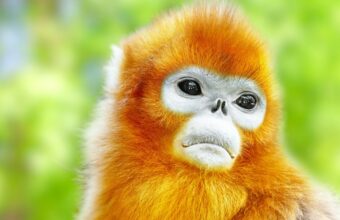
  • Mgahinga, set on the Ugandan slope of the Virungas, is my personal favourite among East Africa’s gorilla tracking destinations. True, there’s only one habituated group here, but if you can secure one of the park’s eight daily permits, you're in for a special experience. This is because the group in question is overseen by a trio of massive male siblings, making for superb silverback viewing. In addition, the gorillas here are generally found in bamboo forest or other relatively open areas, hiking conditions are usually quite undemanding, and low tourist volumes give the park a relatively off-the-beaten-track feel. What’s more, the location, below the volcanic Virunga peaks, is utterly spectacular, and other activities on offer include golden monkey tracking and various volcano hikes.

  • Bwindi vies with Volcanoes National Park as Africa's best all-round gorilla tracking destination. Its densely forested slopes are home to 45% of the world’s mountain gorilla population, and a total of 23 habituated groups means that 180-plus permits are available daily. True, tracking conditions are generally less predictable than they are in Rwanda, and the denser foliage can sometimes make it more difficult to obtain clear views. But this is mitigated by the fact that permits are less than half the price (in other words, you could track here on two successive days and pay less than you would for a single excursion in Rwanda) and by the park’s relative accessibility to independent travellers. Be aware that there are four discrete tracking hubs in Bwindi. Each hub is serviced by its own cluster of lodges, so it is important you coordinate your permit and accommodation booking around the same place. The oldest hub is Buhoma, which usually offers the easiest hiking conditions, is accessible on public transport, and has the widest range of accommodation (from luxury lodges to simple local guesthouses) but is also the most likely for permits to be booked solid months in advance. Nkuringo hub offers the most challenging tracking (almost always bookended by a steep one-hour descent and two-hour ascent). Rushaga has the most permits, with 9 habituated groups resident, so it is good for last minute bookings. Ruhija is the only tracking hub set deep within the park, rather than on the periphery, which makes it highly alluring for other wildlife and birding.

  • Effectively a southern extension of Murchison Falls National Park, Budongo is a vast and biodiverse rainforest that is home to around 800 chimpanzees. This includes one very well habituated community whose core territory lies within easy walking distance of a main road. Despite Budongo’s convenient location for those doing a Murchison Falls safari, it receives relatively few visitors, making it a good alternative to Kibale for those hoping to avoid crowding. Other wildlife often seen from the road includes large troop of olive baboons, smaller monkeys such as black-and-white colobus, and the spectacular Abyssinian ground hornbill. Pros: Chimp trekking in Budongo can easily be done en route to or from the popular Murchison Falls National Park, or as a half-day excursion from one of its camps or lodges Budongo is a good choice if you are worried about your fitness. It’s the flattest of East Africa’s chimp-trekking destinations, and most of the time you'll be walking on a well-maintained grid of researchers’ paths. Cons: The success rate, though greater than 80%, is lower than in Kibale or Kalinzu, and it may drop lower when the habituated community moves outside its core territory.

  • This underrated chimp-trekking destination protects 141 sq km of hilly escarpment rainforest bordering the similarly extensive Maramagambo Forest in Queen Elizabeth National Park. These two forests collectively protect a population of around 600 chimps, including two habituated communities in Kalinzu. Chimp tracking here operates as part of a well-organised community project, and the success rate stands at around 90%. General guided walks to see forest birds and monkeys are also offered, and funding has been obtained to start construction on Uganda's first suspended canopy walkway in 2024. Pros: Kalinzu is very accessible to independent travellers. The trekking trailhead lies alongside a main road and borders Queen Elizabeth National Park, a popular safari destination. This is one of Uganda's quietest chimp-trekking destinations. There’s no need to book a permit in advance, and you're unlikely to encounter other tourists once in the forest. Cons: Slopes at Kalinzu are steep, and finding the chimps often involves a relatively long walk, so it generally requires a higher fitness level than other venues. You may read elsewhere that Kalinzu is Uganda’s cheapest chimp trekking venue. This was true until January 2024, when the fee shot up from US$40 to US$130.

  • East Africa’s busiest chimp-trekking destination, Kibale protects a 766-sq-km tract of tropical rainforest in the far west of Uganda. Home to around 1,000 chimps, this popular park has been dubbed the primate capital of East Africa, thanks to its rich diversity of monkeys. Indeed, I’ve quite often seen the 6 most common species – L’Hoest’s monkey, red-tailed monkey, Ugandan red colobus, black-and-white colobus, olive baboon and the endemic Uganda mangabey – in the course of one forest walk. But the main attraction at Kibale is twice-daily chimp tracking excursions to a large community that was first habituated in the 1990s and often offers great opportunities to see the apes up close. Pros: The success rate of chimp trekking at Kibale stands at well above 90%, the highest of any comparably accessible venue. You can also expect to see a wide variety of monkeys and colourful forest birds, particularly if you do a guided walk at the community-run Bigodi Wetland Sanctuary bordering the park. Cons: On the other hand I think Kibale is to some extent a victim of its own popularity. Permits might be difficult to obtain at short notice, and the forest can feel uncomfortably crowded when – as often happens – several trekking parties converge on the same few chimps. To avoid the worst of the crowds I’d advise you go for an afternoon trek, as it’s generally quieter than the morning excursion.

  • Ugandan’s are mad for Matooke (green bananas), eating on average 1.8 pounds of them per day in 2012. Even the word Matooke literally translates to “food” in Luganda, so you’d be amiss not trying one of the city’s favourite dishes — the meat or fish stew Luwombo, which is steamed in banana leaves.

  • Take home a beautifully handmade piece of Africa as a reminder of your trip with a spot of shopping at the arts and crafts villages of Kampala. These bustling markets in Uganda’s capital are the best place to pick up authentic carvings, baskets and jewellery at bargain prices.

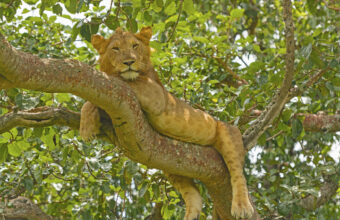
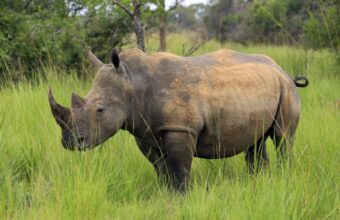
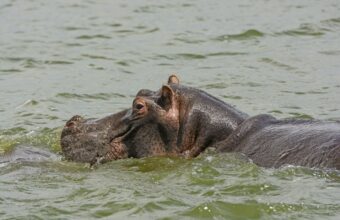
  • Experience Uganda’s incredible wildlife, starting with a safari at Murchison Falls on the shores of Lake Albert. From here begin your journey south, stopping off at Ziwa Rhino Sanctuary. Continue south in search of chimps in Kibale Forest and then venture east to see hippos and elephants in the Kazinga Channel. From here head back to the western border and Queen Elizabeth National Park where you can spot the rare tree-climbing lions of Ishasha. Finish your wildlife-packed adventure by heading to Bwindi Impenetrable National Park or the smaller Mgahinga Gorilla National Park to see mountain gorillas in their natural habitat.

  • From Uganda's bustling capital Kampala head to the shores of Lake Victoria to fuel up with some of Namawojjolo’s famous street food before heading east along the northern shore of Lake Victoria to discover the source of the Nile at Jinja. From here, leave Lake Victoria and escape the crowds by heading north for some hiking in the rugged highlands of Karamoja and experience the untouched culture of the region’s nomadic tribes. Head back down south to the area around Mount Elgon National Park on the Kenyan border, where you can climb the prominent Tororo Rock, hike Mount Elgon and cool off in the natural pools at Sipi Falls.

  • Low cost chimp trekking at Kyambura Gorge

    Low cost chimp trekking at Kyambura Gorge

  • Uganda's hidden gem

    Uganda's hidden gem

  • Best all-round gorilla trekking in Bwindi

    Best all-round gorilla trekking in Bwindi

  • Easy-going chimp trekking in Budongo Forest

    Easy-going chimp trekking in Budongo Forest

  • Hidden gems in Kalinzu Forest

    Hidden gems in Kalinzu Forest

  • Accessible, but busy, chimp trekking in Kibale

    Accessible, but busy, chimp trekking in Kibale

  • Go bananas in Kampala

    Go bananas in Kampala

  • Sample the craft villages of Kampala

    Sample the craft villages of Kampala

  • Western Uganda

    Western Uganda

  • Eastern Uganda

    Eastern Uganda

Find a travel specialist
Plan my trip →
§ 05

Dispatches

Guides & field notes
Where
Wildlife of Uganda: five species to look out for
Article

Wildlife of Uganda: five species to look out for

Sadie Butterworth-Jones

With a wide variety of different habitats, including mountains, tropical rainforest, woodlands, grasslands, savannah and freshwater lakes, Uganda offers incredibly biodiverse flora and fauna. It is home to more than 345 species of mammal, 142 reptiles, numerous bird life and — despite being landlocked — 501 different types of fish.

One magical hour
Article

One magical hour

Sue Watt
Sue Watt

Kurira was the first silverback I ever saw, the big daddy of the Susa group living on Mount Karisimbi in Rwanda’s Volcanoes National Park. Rules dictate that humans stay seven metres from the gorillas — but no-one had told Kurira.

Saving the gentle giants
Article

Saving the gentle giants

Ian Redmond OBE
Ian Redmond OBE

In 1976, fresh out of university, my first job was as a research assistant to Dian Fossey at the Karisoke Research Centre in Rwanda. They were fraught times.

The Journal Podcast by Horizon Guides: Revisiting Attenborough's Mountain Gorillas
Article

The Journal Podcast by Horizon Guides: Revisiting Attenborough's Mountain Gorillas

Karam Filfilan
Karam Filfilan

In this podcast, we speak to renowned field biologist and founder of the Ape Alliance, Ian Redmond. He discusses helping Sir David Attenborough meet mountain gorillas in the famous Life on Earth documentary back in 1978; what it feels like to spend a magical hour in the gorillas' company; and the shocking impact of poaching on gorilla families.

Decolonising African travel—and travel writing
Article

Decolonising African travel—and travel writing

Mazuba Kapambwe
Mazuba Kapambwe

Travel writing in Africa has always been an overwhelmingly white affair. Early accounts from 19th century explorers like Henry Morton Stanley and fiction writers like Joseph Conrad depicted Africa as uncivilised, mysterious and barbaric, reflecting the racist attitudes that underpinned European empire building.

Gorilla trekking
Guide

Gorilla trekking

Philip Briggs
Philip Briggs

In the wild, gorillas are found in 10 countries in the equatorial African rainforest, of which Rwanda and Uganda are by far the main locations for commercially-organised gorilla trekking.

Chimpanzee trekking
Guide

Chimpanzee trekking

Philip Briggs
Philip Briggs

Trekking with wild chimpanzees through the East African jungle is one of the most thrilling adventures I’ve ever experienced. I’ve been privileged to track chimps on numerous occasions in my capacity as a guidebook writer and tour leader specialised in East Africa.

Independent experts to plan your trip

Trusted specialists

Africa

Discover Africa Safaris

Authentic Luxury African Safaris, tailored for you
East Africa

Natural World Kenya Safaris

The leader in customized and budget-friendly East Africa safaris
East Africa

Beyond Travel

Uganda-based safari specialist
Americas, Africa, Asia

YellowWood Adventures

Sustainable travel for the modern-day explorer
Africa

Fitzroy Travel

Specialist guided safaris across Africa

Loading...