






Slow travel Colombia
See the best of Colombia with minimal domestic flights

-
Pasto
... -

Popayán
... -

San Agustín
... -
Coffee Region
... -

Medellin
... -

Cartagena
... -

Isla Barú
...
As is all too common in the mainstream travel industry, most organised tours of Colombia try to cram in too many places to too little time. Busy itineraries and multiple internal flights mean you end up experiencing the place through regional airports and minibus windows. This is always a shame, but I think especially so in Colombia. This is a massive, diverse place and it deserves time and space to really understand the essence of the country.
I devised the following itinerary on my last trip to Colombia, and it’s served as a good template for all the trips I’ve helped organise since. My version takes a much slower approach with as few domestic flights as is practical. You still hit all the key highlights, but at a more considered pace. Instead of hopping on and off planes, you travel overland as much as possible, experiencing more of the country rather than just flying over it. And at a time when the world is turning away from mass overtourism, slowing down and travelling more mindfully gives you a much deeper connection than just racing around and ticking off a list.
It’s all mesmerising, but a personal highlight was spending time with local craftsmen in the Sibundoy Valley, a place bypassed by most mainstream tours. We crossed the Cocha Lagoon by motorboat, bought street food in Pasto, and walked through Popayán with a local guide. There’s something about just watching everyday life unfold that I find deeply rewarding. You just don’t get that on whistle stop itineraries.
The better-known places are still here: Medellín, Cartagena, the Caribbean coast, but there’s time and space to enjoy them properly. Take a food tour, join a cooking class, or just wander at your own pace.
Key information
| Destinations | Colombia |
|---|---|
| Activity | Active, Nature & Wildlife, Culture, Responsible Travel, Slow Travel |
| Physical Level | Easy |
Featured tours



Slow travel Colombia itinerary
Pasto and the highlands of Nariño
Day 1–4 in Pasto
Begin in Colombia’s far south-west, in the highlands surrounding Pasto. This lesser-visited region is known for its blend of Andean landscapes, pre-Columbian heritage and strong Indigenous traditions.
Spend time in the Sibundoy Valley, home to the Inga and Kamëntsá peoples. Visit artisan workshops to learn about traditional practices such as sound therapy, weaving and plant medicine.
From here, travel west towards the Ecuadorian border to see the Las Lajas Sanctuary, a neo-Gothic church built into a dramatic canyon, and the sculptural Tulcán Cemetery, whose topiary hedges form a surreal open-air gallery.
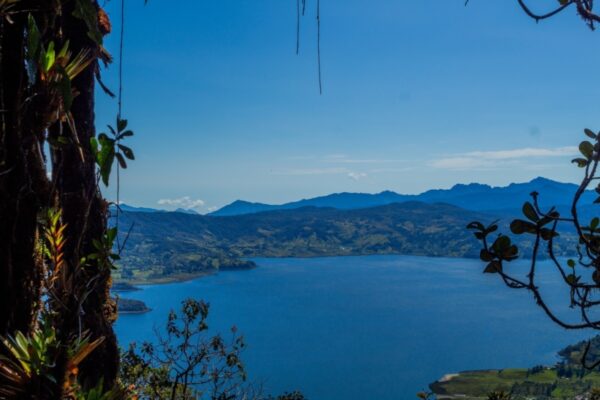
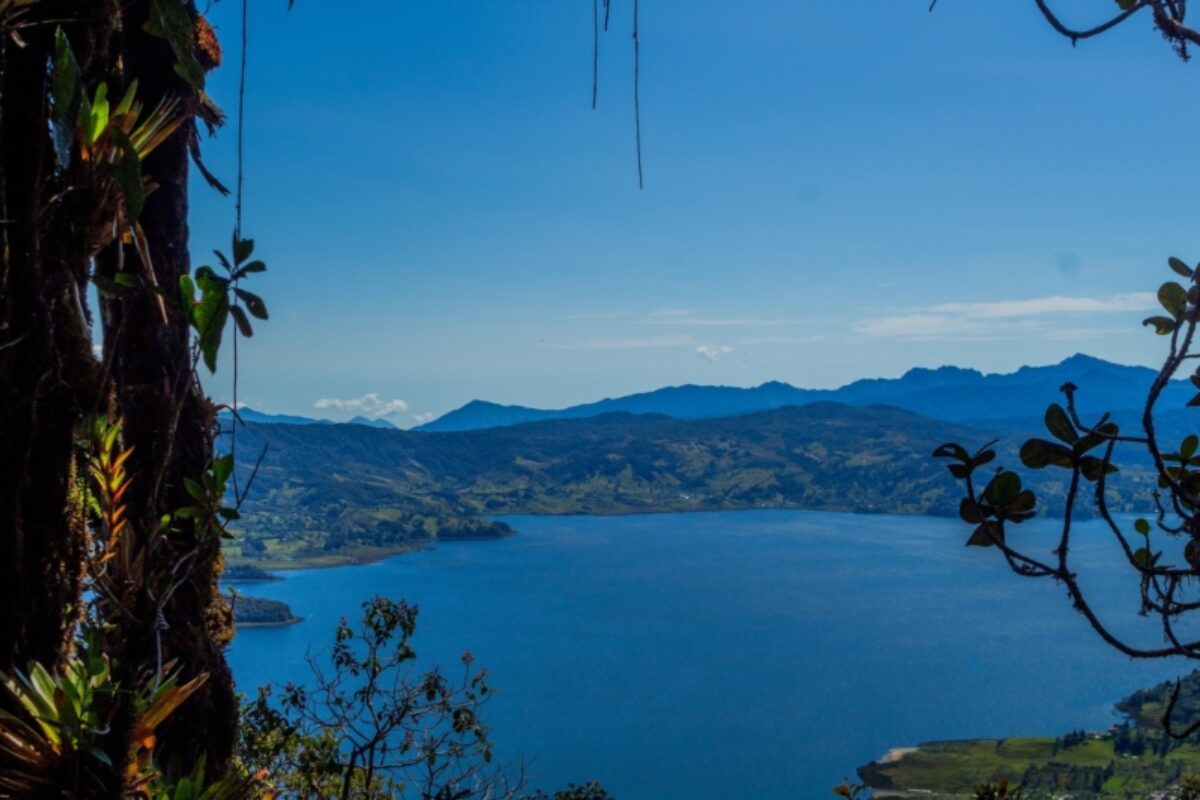
On Lake La Cocha, take a wooden boat ride to Isla La Corota, Colombia’s smallest protected national park, and visit local homes on the lakeshore. The wetland setting is peaceful and ecologically rich, with Andean flora and birdlife.
Back in Pasto itself, known as ‘La Ciudad Sorpresa’ (the Surprise City), don’t miss the Carnival Museum, the colonial cathedral, and several community-run art spaces. The town is especially known for its ornate mask-making traditions, which take centre stage in January’s renowned Blacks and Whites Carnival.

Popayán and the Valle del Cauca
Day 5–7 in Popayán
The overland journey north to Popayán gives a sense of the dramatic geography of southern Colombia: high-altitude plains, deep river valleys, and swathes of green farmland.
Popayán, a whitewashed colonial city often compared to Sucre in Bolivia or Arequipa in Peru, is a recognised UNESCO City of Gastronomy. The local cuisine blends Indigenous, Spanish and Afro-Colombian influences, and includes regional dishes rarely found elsewhere. Food tours here often focus on the use of local ingredients like achiote, peanuts, and various tubers. Try a cooking workshop for an informal way to learn traditional techniques.
Nearby Silvia is a market town at the heart of Misak territory. Tuesday is market day, when Misak families from surrounding villages come into town to trade produce and goods. It’s one of the more accessible ways to observe Indigenous customs in practice.
Outside the city, small-scale agroecological farms and botanical gardens offer a look at sustainable growing methods in a biodiverse Andean setting.

San Agustín and the Upper Magdalena
Day 8–11 in San Agustín
Continue east towards San Agustín, a town that acts as a gateway to one of the country’s most important archaeological regions. The San Agustín Archaeological Park, a UNESCO World Heritage Site, is the largest collection of religious monuments and megalithic sculptures in Latin America. The mysterious carved figures, burial mounds and ceremonial centres date from between 1000 BCE and 1500 CE, though little is known of the society that created them.
The nearby Estrecho del Magdalena, where Colombia’s principal river narrows dramatically between two rock faces, makes for a scenic day trip. Other key sites include the Alto de los Ídolos and Alto de las Piedras, both offering further examples of ancient statuary in a lush, semi-tropical setting.
In the town itself, daily life unfolds at a slower pace. Cafés, bakeries and shops line the central plaza, ideal for a walk, a local beer, or just watching the rhythms of life in rural Huila.
Coffee Region (Zona Cafetera)
Day 12–13 in Coffee Region
From Medellín, it’s a scenic four-hour drive into the fertile coffee-growing region.
Coffee fincas (estates) around Salento and Filandia offer a detailed look at the entire coffee process, with tastings along the way. Meals are generous, made from regional ingredients, and eaten communally.
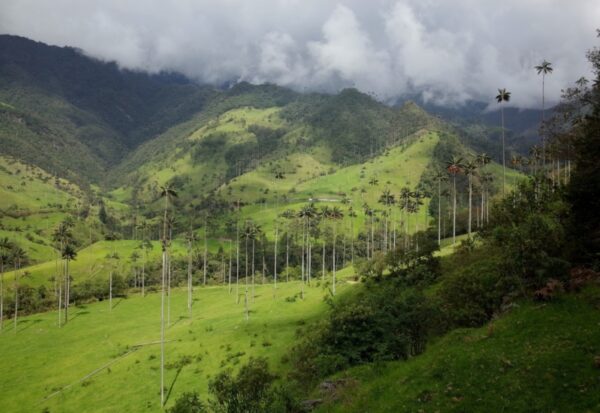
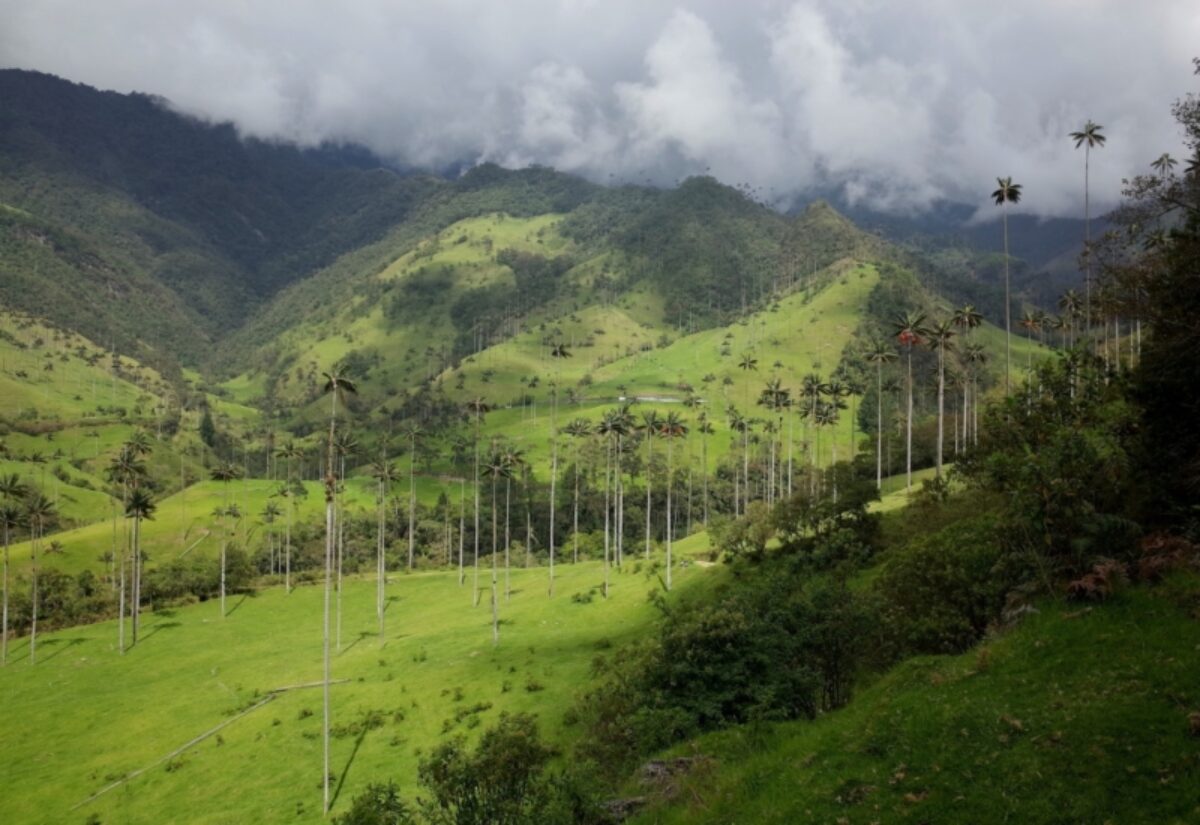
The Cocora Valley, home to the towering wax palm, Colombia’s national tree, is best explored on foot. While some trails attract tour groups, quieter paths are available for those looking to avoid the crowds. Hikes pass through cloud forests, over suspension bridges and into open meadows with views of the valley floor.
Both Salento and Filandia are well-preserved towns with strong artisanal traditions. Expect cobbled streets, painted balconies, and an easygoing pace of life.

Medellín and the Antioquian Highlands
Day 14–16 in Medellin
From the coffee region it’s a scenic four-hour drive to Medellín, now widely studied as a model of urban transformation. Once considered one of the most dangerous cities in the world, it is now celebrated for its innovation in public transport, community engagement and cultural renewal.
Start with a cable car ride from the city centre into the surrounding hills, originally built to connect underserved barrios with central Medellín. In Comuna 13, explore vibrant street art, open-air escalators and community-run spaces that tell the story of the neighbourhood’s recent history.
The city’s plazas and sculpture parks are dotted with works by Fernando Botero, while museums and architectural landmarks offer broader context to Medellín’s evolving identity. The historic centre is walkable and layered, with good food options and a lively street culture.
Allow time for a day trip to Guatapé, a lakeside town known for its colourfully painted zócalos and proximity to El Peñol, a massive granite monolith with over 700 steps to the summit where great views await.
Cartagena
Day 17–18 in Cartagena
It’s around a 12 hour drive from Medellín to Cartagena – most people would choose to fly this leg, but if you have time you could break up the journey in Sincelejo or Montería.
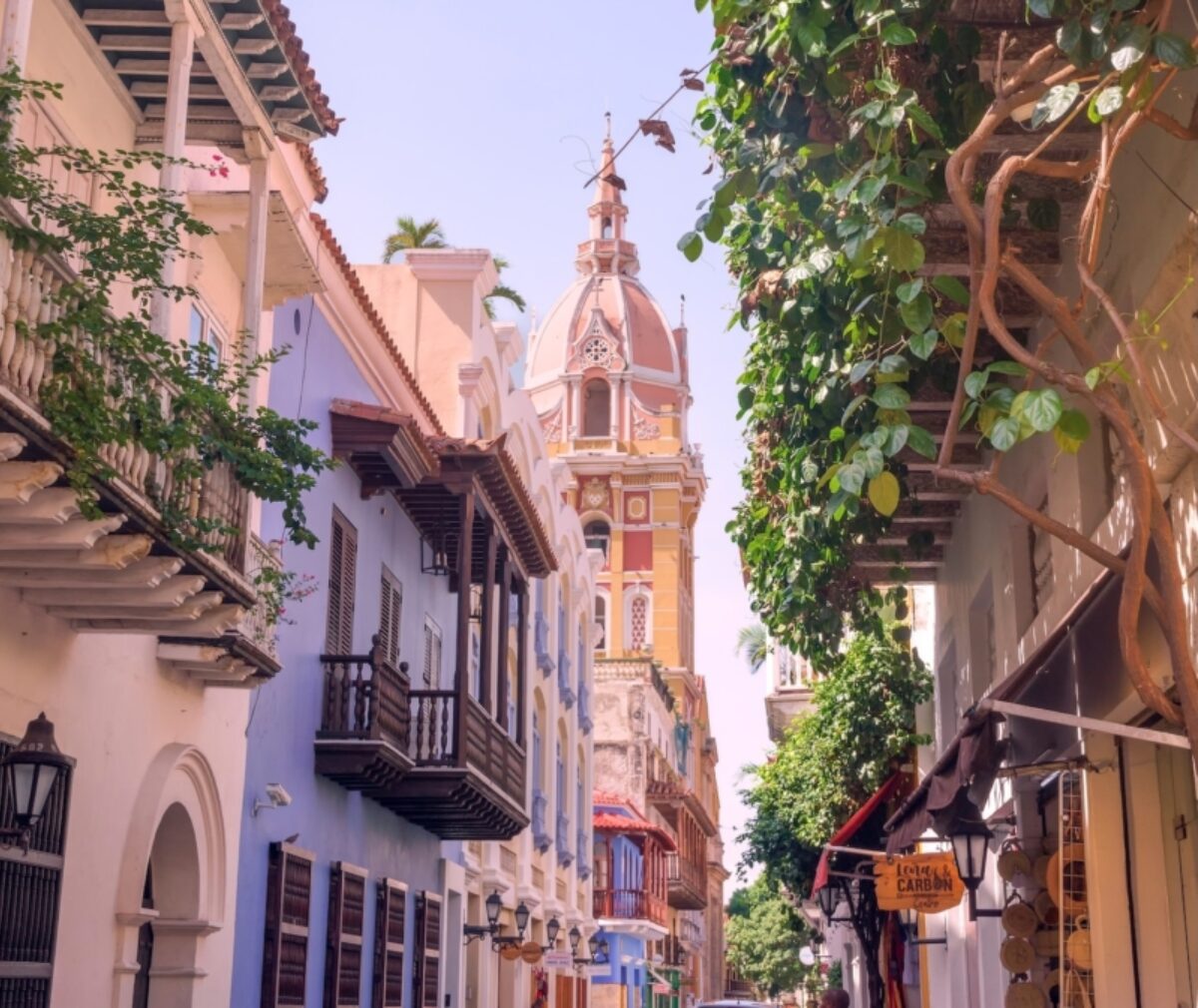
Arrive in Cartagena, a colonial city enclosed by 16th-century ramparts. The city’s Old Town is a UNESCO World Heritage Site, with ornate churches, bright facades and palm-lined plazas.
San Felipe Castle and La Popa Hill provide panoramic views and military history, while Getsemaní, once a working-class district, has become a hub of music, art and street life. Early mornings and evenings are the best time to explore on foot, before or after the heat peaks.
Caribbean Coast (Isla Barú or Islas del Rosario)
Day 19–22 in Isla Barú
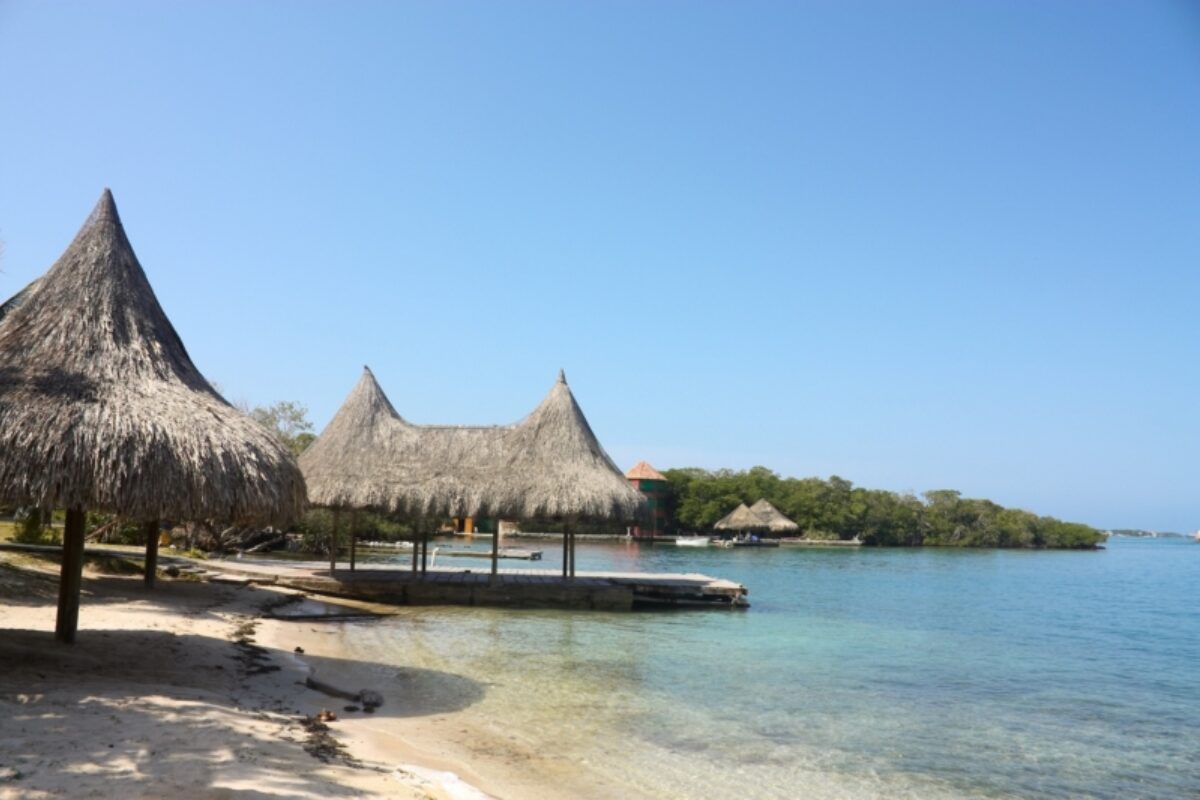
Round off the journey with some down time at the coast. Just a short boat ride from Cartagena, the islands of Barú and the Rosario archipelago offer warm, turquoise waters and white sandy beaches. Here you can try snorkelling, kayaking and paddleboarding, see some spectacular sunsets and enjoy some distinctly Caribbean cuisine.
Other itineraries you might like

From Iguazu to Perito Moreno
Argentina north to south
Approx. 9 days

Classic Peru & Machu Picchu itinerary
The classic route to Peru's most popular highlights
Approx. 6 days
Machu Picchu & Amazon cruise
Small-ship luxury cruise with Machu Picchu
Approx. 9 days
Machu Picchu & Amazon lodge
See Peru from rainforest eco-lodge to mountain empires
Approx. 9 days
Peruvian Highlights
The classic itinerary to the highlights of Peru
Approx. 12 daysFind a Colombia specialist
Tell us about your trip and we'll find your match
We'll connect you directly with the experts.



We'll connect you directly with the experts.
- Hand-picked local specialists
- Honest advice from real experts
- Free to use, no hidden fees