




Albania
Europe’s best-kept secret
Welcome to Albania
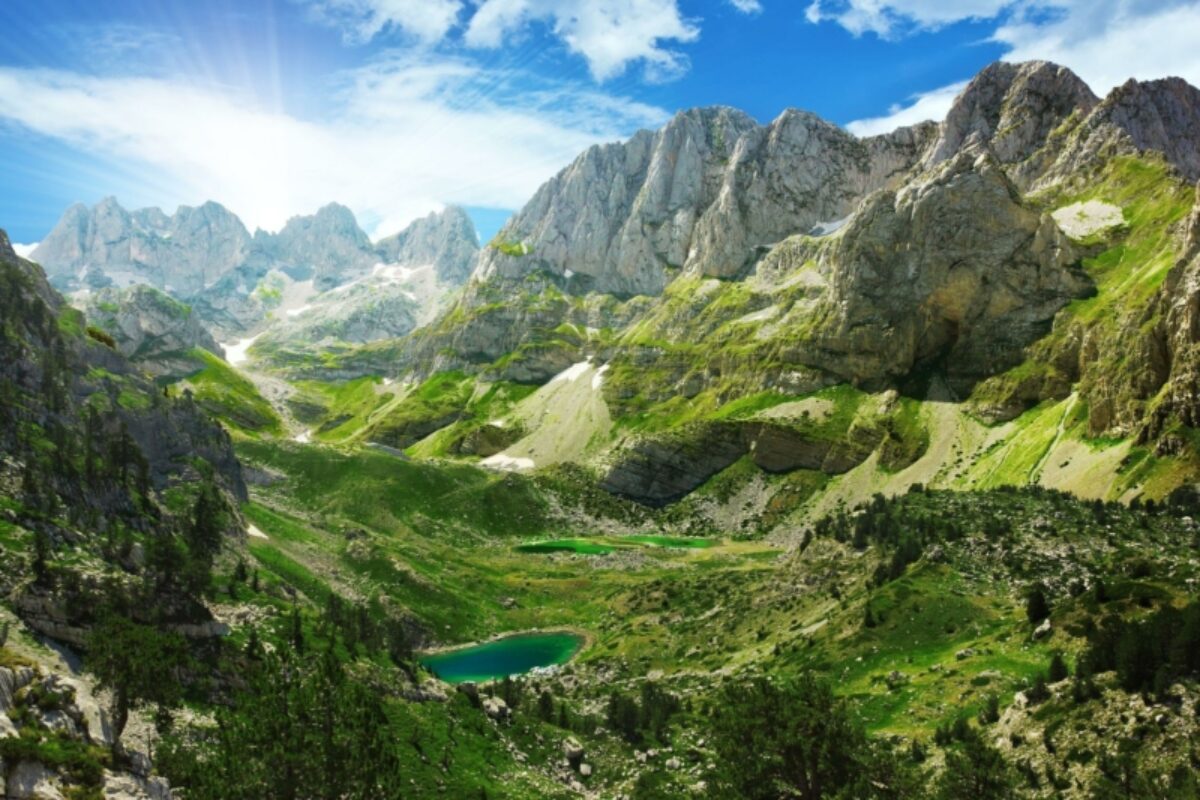
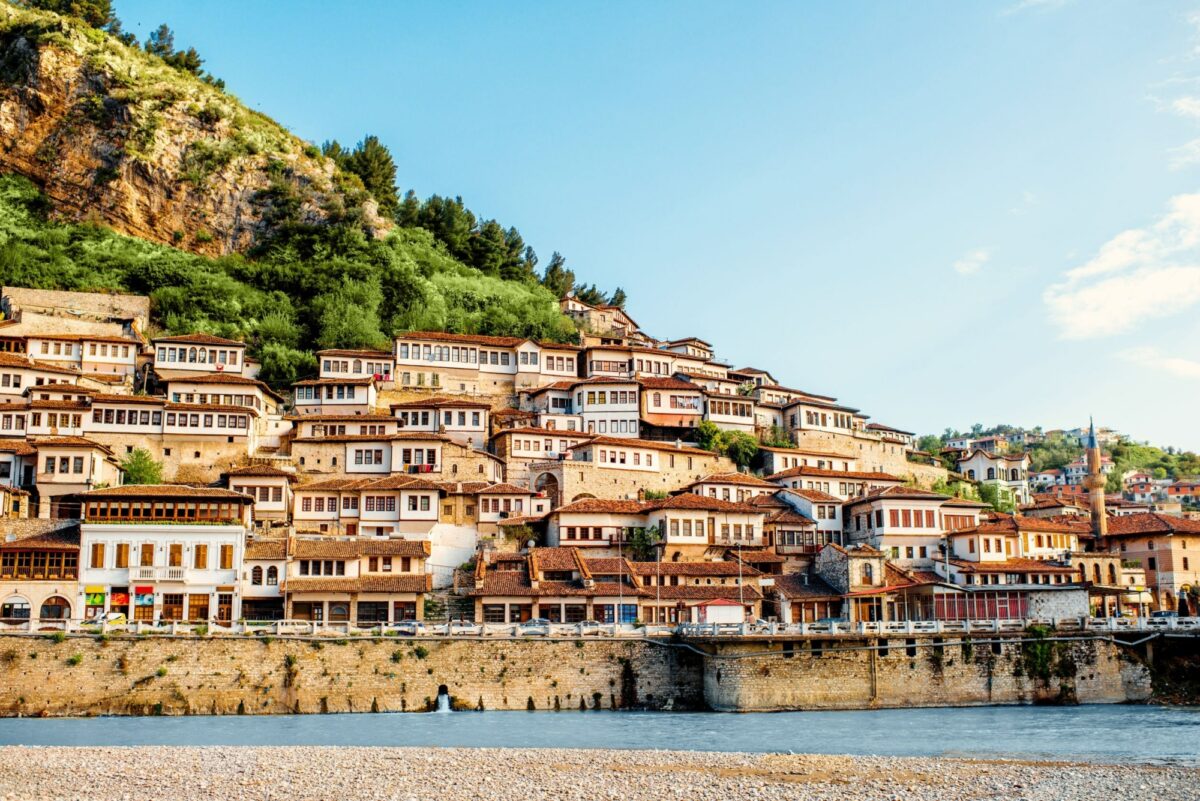
The insider's travel guide to AlbaniaOnce best known as the final European country to throw off the shackles off Communism (outside the USSR), Albania spent much of the 20th century closed to outsiders. However, the 30-odd years since the end of isolationism has seen Albania grow as a tourist destination – and with good reason.
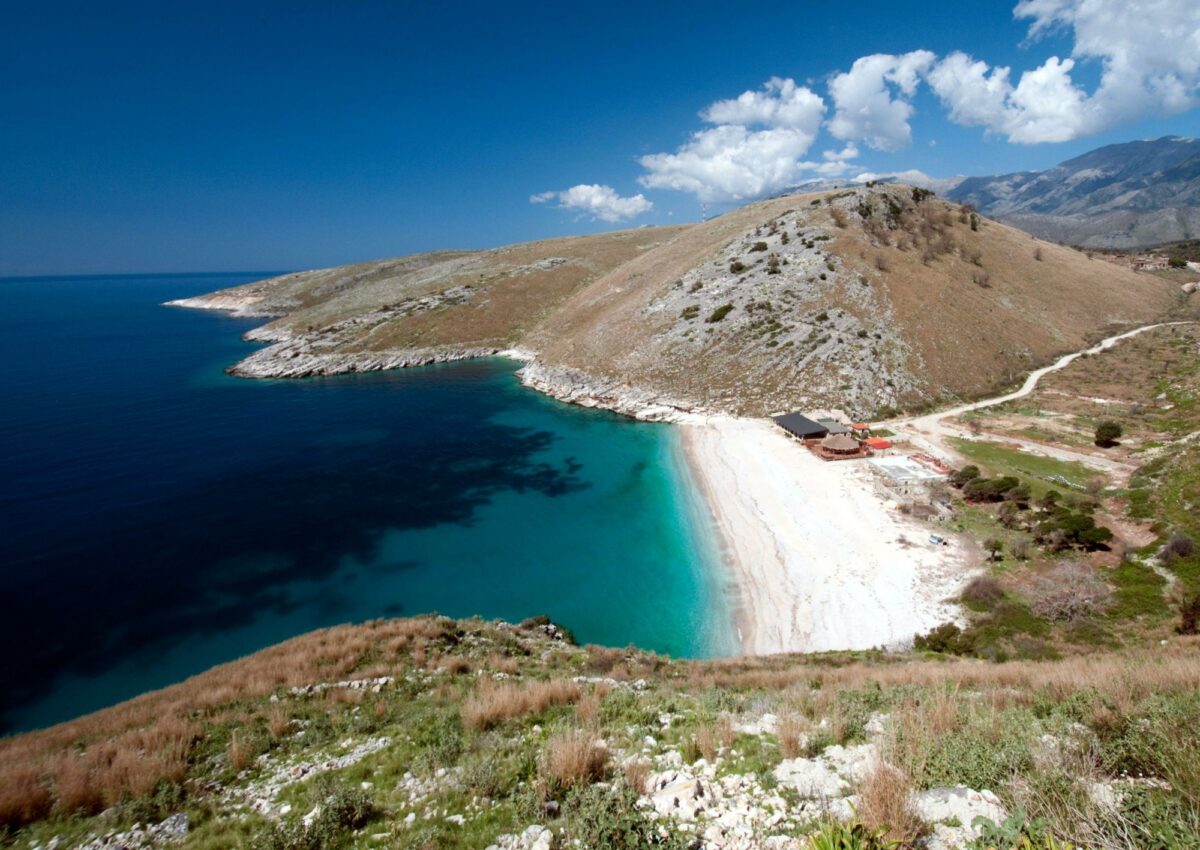
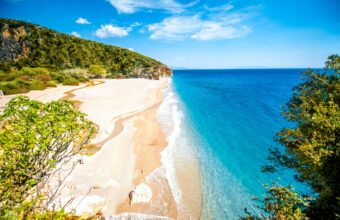
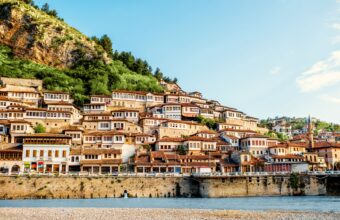
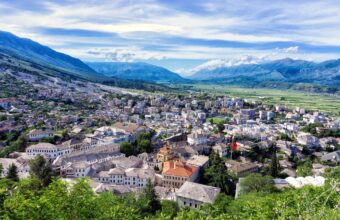
This is a country blessed with both beaches and mountains; a trendy capital in buzzing Tirana and historical villages like Berat and Gjirokastra, and excellent hiking trails complete with the chance of seeing bears, wolves and wild boar.
But come quick – such is the generous welcome, delicious food and comparatively cheap travel, that the trickle of visitors might soon become a flood.
Where to go in Albania
Highlights & hidden gems
The Albania atlas
7 picks Places & Experiences You Won't Find Elsewhere-
Montenegro has become increasingly popular for walking holidays, and lots of visitors are drawn to its highest peak, long thought to be the 2,523m Bobotov Kuk, in the Durmitor mountains. We now quite regularly see queues on the steep sides of Bobotov Kuk as hikers wait in line to use the fixed ropes and ascend to the top. It’s not the ‘away from the crowds’ experience that’s sold. And what's more – it's no longer the highest point in Montenegro! After some re-measuring a few years back, that title now goes to the 2,534m Zla Kolata in the Accursed Mountains (Prokletije), which Montenegro shares with Albania. If you don't have time for both, my advice is to head for Zla Kolata. The astounding natural beauty of the Prokljetije mountain range will blow you away. And unlike Durmitor, it doesn’t carry the UNESCO label and all the popularity that comes with it.
-
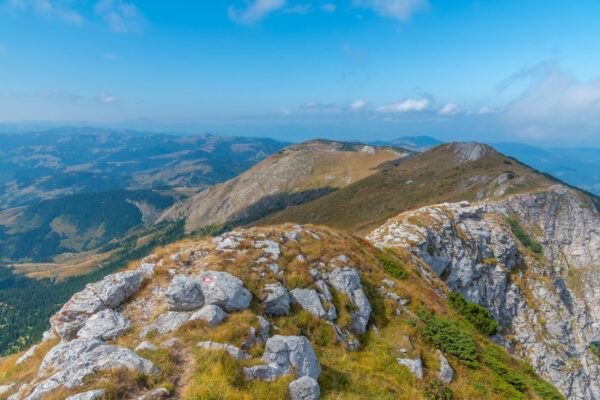
Difficulty: StrenuousDuration: Three weeks+, or shorter segmentsAccommodation: Guesthouses & mountain hutsStart/end point: Razdrto (Slovenia) / Valbone Valley (Albania) Newly waymarked – and with sibling Green and Blue Trails on the way – this epic ‘mega trail’ through the Dinaric Alps links northern Albania with Slovenia via Montenegro, Bosnia and Herzegovina, and Croatia. Don’t expect polish; do expect rewarding and sometimes remote trekking. The trail isn’t generally sold as a commercial thru-hike, but trekking specialists will organise self-guided or guided treks along different segments of the trail. The Via Dinarica is actually three separate trails, with the main, so-called White Trail, following the spine of the Dinaric Alps as closely as possible. The Blue and Green trails follow lower routes and are less complete. The White Trail, described here, through Bosnia and Hezegovina is the most developed so far, stretching a more modest 333km and taking around two weeks to complete. Starting from Prisika on the Croatian border, the trail leads past Lake Buško with a fair amount of road walking. It passes through an area riddled with limestone caves, many that can be visited as detours. After crossing Mt Vran, the trail leads through the beautiful landscape of Blidinje Nature Park and over Mt Čvrsnica, with its distinctive rock-eye known as Hajdučka vrata. Next up, the trail crosses Prenj, a fabulous mountain area bristling with limestone peaks that requires at least two days. Passing beside Lake Boračko, it follows the edge of the Rakitnica Canyon to reach the Ljuta Valley, then skirts the southern slopes of Mt Treskavica. The final part of the White Trail in Bosnia is a two-stage hike across the beautiful landscape of Sutjeska National Park. Including Maglić, the highest mountain in Bosnia that can be climbed as a detour, the park features primeval forests, lush pastures and rocky peaks. After some awe-inspiring views from the border ridge, the route drops down to Lake Trnovačko, set amongst the epic sprawl of mountains that is Montenegro. Need to know The hiking season for the White Trail through Bosnia and Herzegovina is June to October. Bosnia and some parts of Croatia near the Bosnian border have areas with landmines. The trails on the Via Dinarica are perfectly safe, but it’s something you need to be aware of. Under no circumstances should you wander into areas where there are warning signs.
-
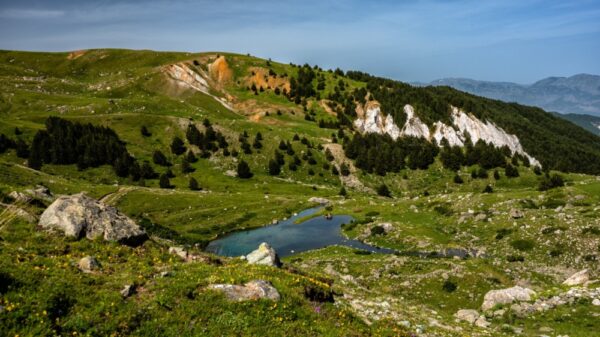
Distance: 376kmDuration: 16 daysStart point: Staro Selo (North Macedonia)End point: Gorna Gorica (North Macedonia)Difficulty: Strenuous The High Scardus Trail (HST) is a new hiking route following the mountainous border between North Macedonia, Kosovo and Albania. It’s incredibly wild and remote, taking in most of the Šar mountain range and Mt Korab, the fourth highest peak in the Balkans, as well as several national parks. Accommodation comes in the form of small village guesthouses, also offering meals, and mountain huts. The High Scardus Trail is broken into three sections. The main section, described here, is an 11 day route stretching just under 300km across the Šar mountains and Mt Korab. Further south there are two shorter sections requiring three days and two days respectively. The latter makes a crossing of Galičica National Park between Lake Ohrid and Lake Prespa. The HST starts northwest of Skopje and climbs up to the Ljuboten mountain hut, just below the main border ridge. It follows the ridge southwest before dropping slightly on the Albanian side to Brezovica. The trail continues along the ridge, before dropping back into Albania, with a more significant loss in elevation, to reach Prevala. Crossing back to the North Macedonian side, it skirts below Vrtop and descends slightly to Veshala. It then heads up the valley to gain the main ridge again and descends to Brod on the Albanian side. The trail leads south from Brod, keeping to the Albanian side, before crossing the border ridge into North Macedonia again and entering Mavrovo National Park. Back on the border ridge, the route makes a slight detour to climb Mt Korab, before there’s yet another switch to the Albanian side to reach Radomirë in Korab Koritnik Nature Park. After following the Albanian side of the border ridge for a few more days, the trail descends to the village of Butushe in North Macedonia.Need to know The hiking season is from June to early October. The HST requires two transfers to get between the three separate sections of the trail. A cross-border permit is mandatory for this route, local agencies can arrange these for a small fee. The trail is covered by a series of six excellent maps at 1:50,000, which are free to download. There’s a big annual hike on Korab organised by a local mountaineering club in September.
-
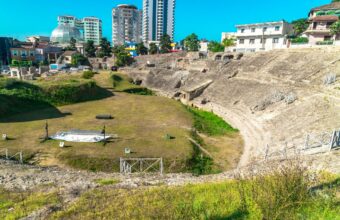
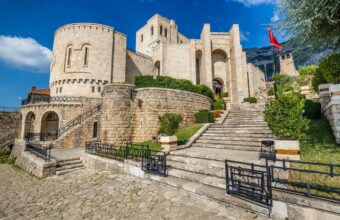
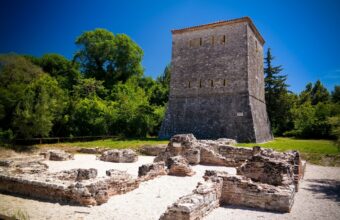
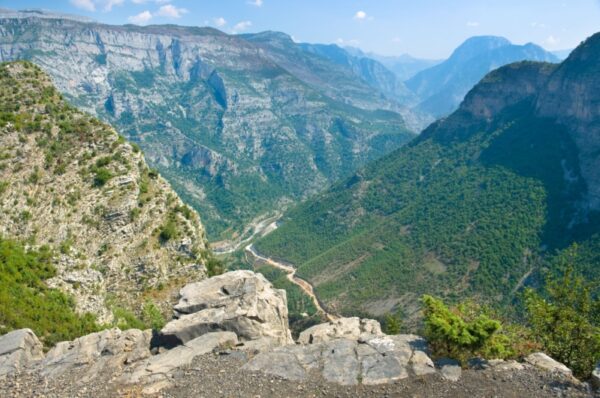
See Albania and Kosovo off the beaten path on this 15-day walking holiday itinerary. Start in Albania’s capital of Tirana, before starting your walking trip exploring the port city of Durres, complete with its Roman amphitheatre, before heading to the hills of Berat for Ottoman white-washed houses, historic centre and a working castle. Continue into the Albanian Riviera and the Bay of Vlore’s coastline. Take the ferry across the Vivari Channel to the Butrint National Park’s ruins, before exploring the hillside village of Gjirokastra and Kruja, home of Albanian national hero and military commander, Skanderbeg. Head into nature at Lake Shkodra on the border with Montenegro to see the rare Dalmatian pelican. If you’re feeling adventurous, travel into Albania’s Accursed Mountains for fairytale villages and thick forests, before ending across the border in Kosovo’s Prizren, where you can go wine-tasting and explore the food scene.
-
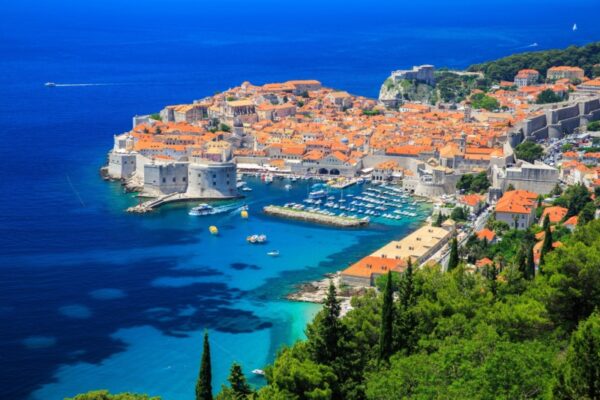
Begin in Croatia’s iconic Dubrovnik, exploring the city’s old town walls and sailing or swimming in the Adriatic’s deep blue waters. Spend a day exploring Konavle Valley’s vineyards and seafood restaurants before travelling into Montenegro and the villages around Kotor Bay. Head into Albania and bike around the ancient city of Shkodra, taking in lake views before exploring the countryside and villages in the Drin Valley. Continue the nature theme with a day exploring Skadar National Park, where you can travel through fairytale villages and thick forests. Cross back into Montenegro at Lovcen National Park, where you can try ziplining and quad-biking, before ending back in Kotor Bay.
-
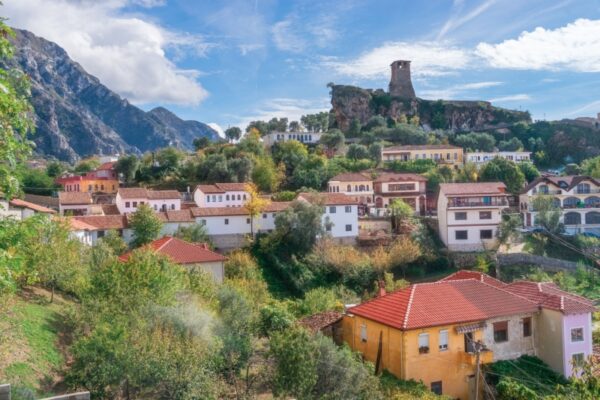
Albania holds obvious appeal for the adventurous traveller: the wild Albanian Alps, a rich archaeological and Ottoman heritage and an Adriatic coastline as beguiling as Croatia’s, all, intriguingly, hidden for decades by a policy of total isolation. Further investigation adds to the intrigue: 168,000 defensive bunkers strewn in city and country; astonishing mountain flora, thanks to an absence of modern chemicals; the improbable sight of teddy bears placed on all new buildings to ward off the evil eye and an array of virtually unknown UNESCO World Heritage Sites, any one of which would justify the trip. Over two weeks, we explore this ancient seat of Illyria in depth, walking to isolated churches with Byzantine frescoes, to hilltop castles and ruined cities, and high in the Albanian Alps for flowers and birds. We take a boat trip through the scenic gorge of Lake Komani and cross the border into Kosovo, Europe’s youngest country, to visit Prizren, with its well-preserved Ottoman buildings.
-
Start your exploration of the Balkans’ culinary scene in Dubrovnik, sampling the seafood restaurants and organic wine of the Old Town, before continuing to the towns of Kotor Bay in Montenegro to sample local cheeses and the Montenegrin Njegusi sausage. Next, head to the vineyards of Konavle Bay, before comparing them to Virpazar’s wineries back in Montenegro. Experience Albanian cafe culture in Shkodra before heading to the monasteries of Cetinje. Finally, end with more wine-tasting in Trebinje before departing from Dubrovnik.
-

Zla Kolata: a crowd-free hidden gem
-
Via Dinarica White Trail
-
High Scardus Trail
-
Albania off-the-beaten track
-
West Balkans in a week
-
Albania and Kosovo ~ Walking in Illyria and Epirus
-
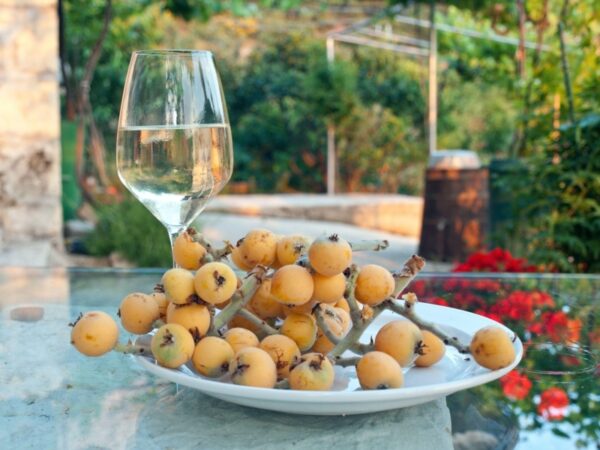
West Balkans wine and food


Find a Albania specialist
Tell us about your trip and we'll find your match
We'll connect you directly with the experts.

Connect with Tereza Lvova and 1 other Albania specialist.
We'll connect you directly with the experts.
Connect with Tereza Lvova and 1 other Albania specialist.
- Hand-picked local specialists
- Honest advice from real experts
- Free to use, no hidden fees