




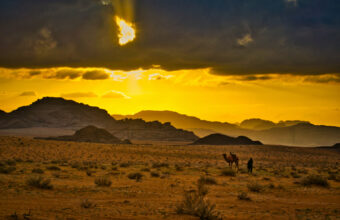
Masai Mara National Reserve
The big beast of Kenya safari

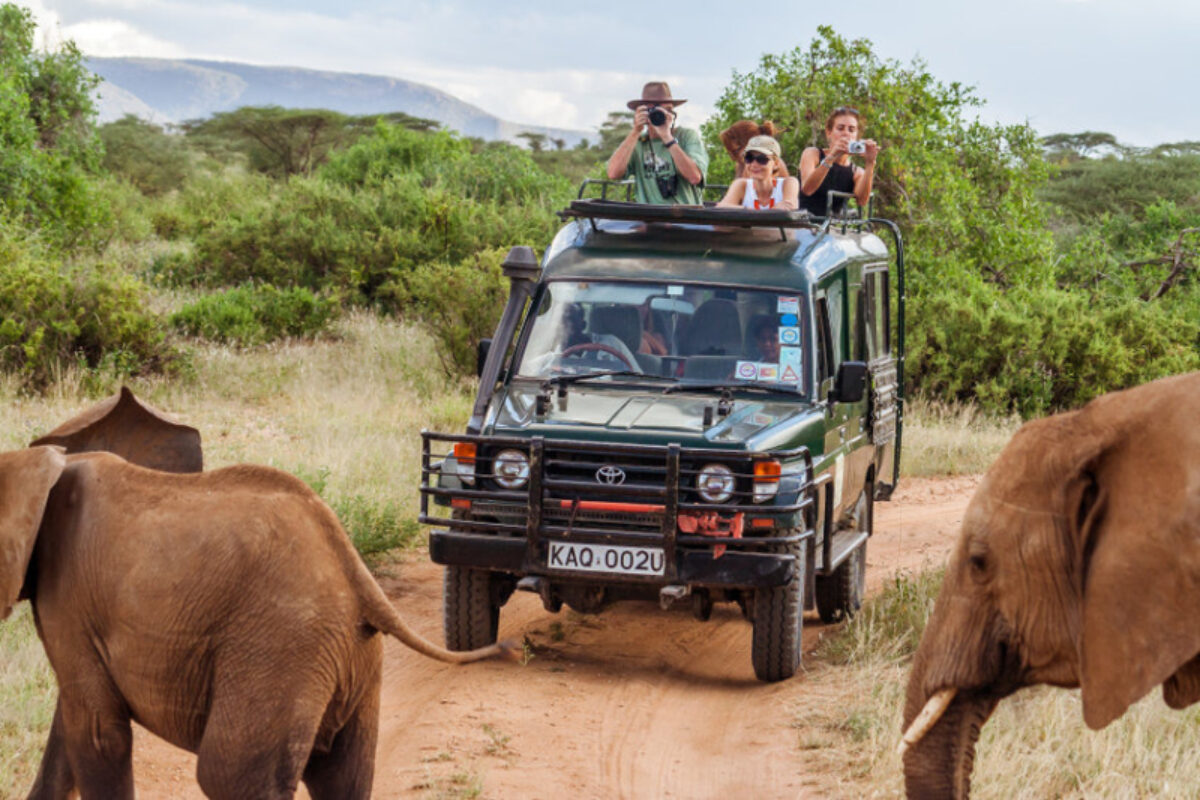
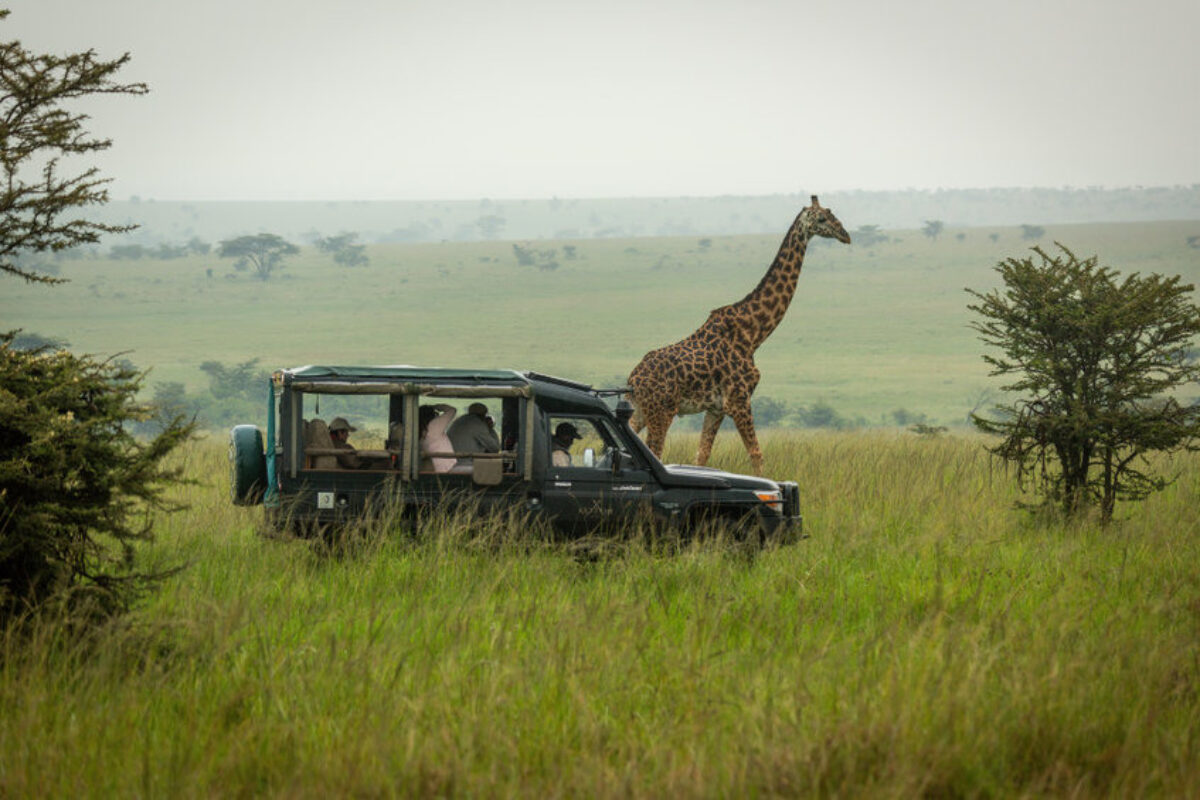
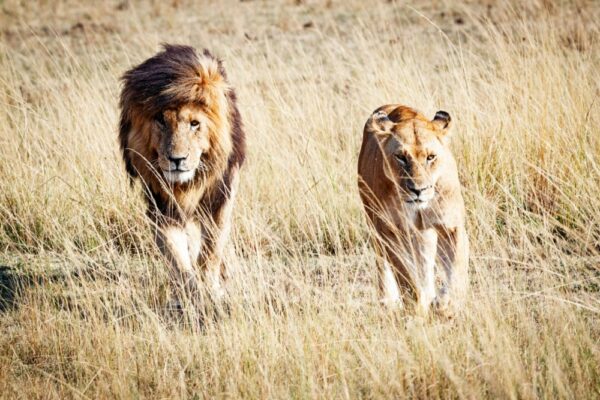
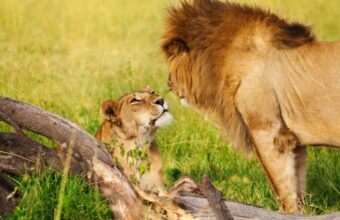
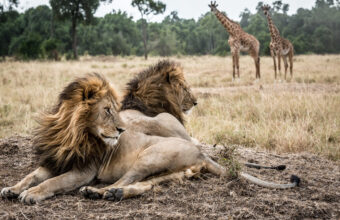
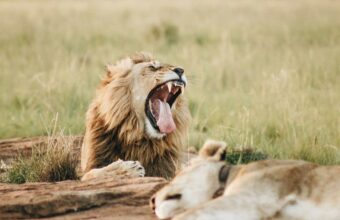
The king of Kenya safari, the sweeping grass plains of the Mara (as it’s usually referred to) are home to the densest concentration of large mammals on the planet. This is the place to see large prides of black-manned lions, bellowing elephants, grumpy buffalo and a pick ‘n’ mix box of antelope and gazelles. And that’s before we even touch on the smaller creatures and huge array of birds.
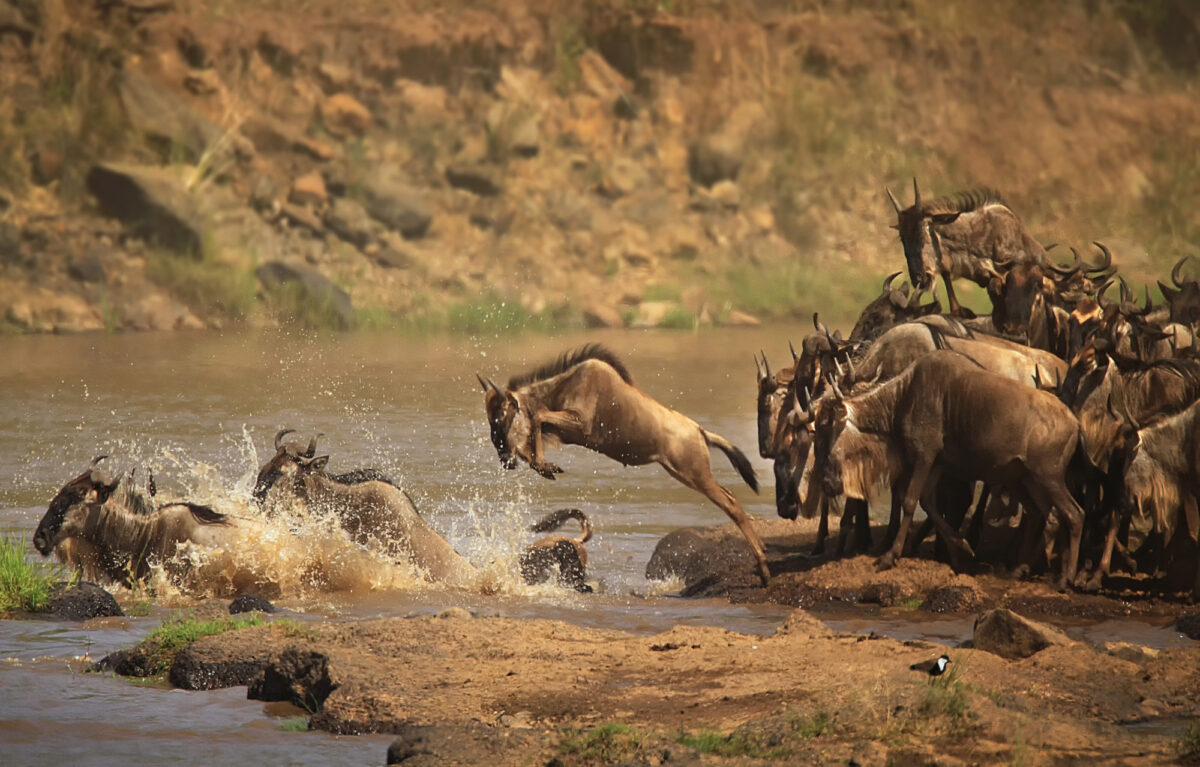
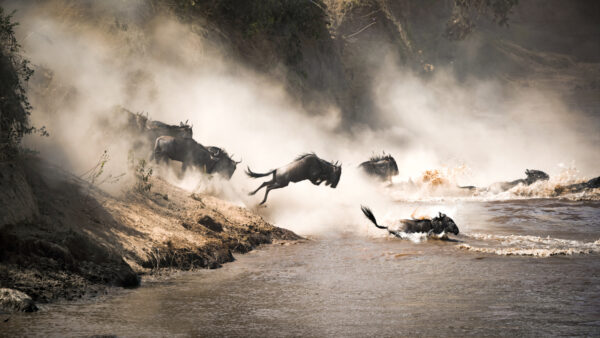
But, above and beyond all else, the Mara is renowned for the spectacular wildebeest migration. From about June to early-October each year, around two million wildebeest and other herbivores leave Tanzania’s Serengeti and splash across the crocodile infested waters of the Mara River in search of fresh, rain-fed grass in the Masai Mara. It’s a spectacular phenomenon and a classic safari experience.
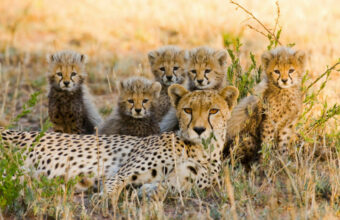
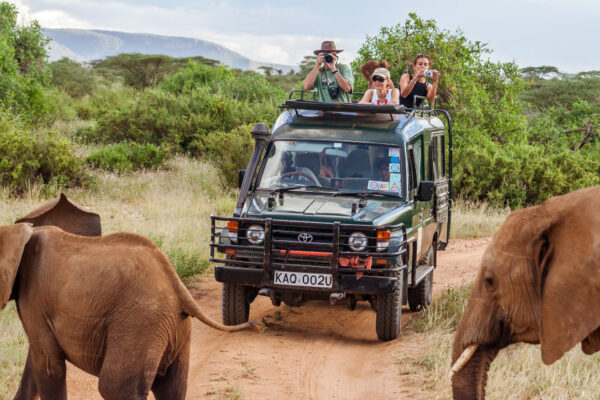
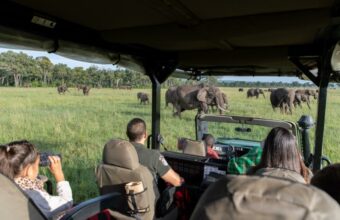
In high seasons (July-September and the Christmas period) there can be hundreds of safari vehicles in the park at any one time, and park rules about approaching animals and sticking to the roads are sometimes ignored by less scrupulous guides (this is a particular problem with super-low budget safaris operating out of Nairobi). I once interviewed a biologist who told me she’d seen about 70 vehicles crowding around one cheetah!
But the Mara is a big place. If you stay in the more remote corners and move your focus away from chasing the big cats and elephants, you can still find tranquillity even in high season.
The other way to avoid the crowds is by visiting in mid-season. Personally I love June when everything is fresh and green after the rains, the wildebeest are starting to arrive but not the tourists, and temperatures are cool and pleasant. There can also be some spectacular thunderstorms at this time. And if the focus of your interest is birdwatching, then the rainy seasons of November and April-May are excellent.
My biggest Mara tip: look beyond the reserve itself. Nowadays the Mara is almost completely surrounded by a series of community-run wildlife conservancies. Offering almost complete exclusivity, if you can afford the often high prices then these are by far the best areas to stay. These conservancies have vastly expanded the amount of land under some kind of protection and they’ve brought real benefits to both wildlife and local communities as well as one of the worlds finest safari experiences for visitors. I can highly recommend Mara North, Naboisho, Nashulai Maasai Conservancy and Ol Dereski, though you’ll likely have an amazing time in any of them.
Hidden gems in Masai Mara National Reserve

Masai Mara National Reserve
Naboisho Conservancy

Naboisho is a good example of what a community-led conservancy can look like when it is given enough space and time to work. It sits next to the Maasai Mara National Reserve and covers around 50,000 hectares, forming part of the wider Mara ecosystem. The conservancy was established by local Maasai landowners with the aim of restoring degraded land, protecting wildlife and creating a sustainable income stream for the community. Since its formation, grazing pressure has been reduced and habitats have recovered, which has allowed wildlife numbers to increase across the area. Large mammals including elephants, lions, cheetahs, leopards and buffalo are all present, alongside a strong bird population. Like all private or community managed conservancies, Naboisho is run very differently to the main national park. Access is controlled, vehicle numbers are limited, and activities are structured to reduce pressure on the land. This creates a different dynamic on game drives, with fewer vehicles and more freedom to spend time observing behaviour rather than moving constantly between sightings. The conservancy model also shapes how people interact with the landscape. Revenue from tourism supports land leases and local livelihoods, which in turn underpins the long-term viability of wildlife protection here. For visitors, that context matters, because it explains why the experience feels calmer and more deliberate than in more heavily trafficked parts of the Mara.
Read more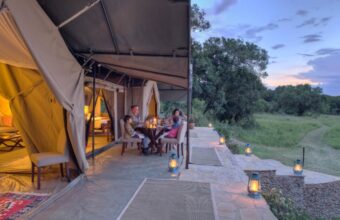
Masai Mara National Reserve
Kicheche Mara Camp
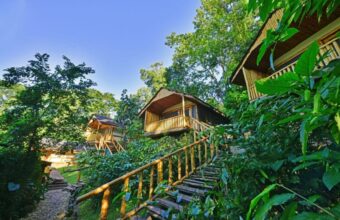
I recommend Kicheche Mara because it delivers the Mara experience in a way that stays calm, personal and properly grounded in the landscape. It sits within the Mara North Conservancy, which immediately changes the rhythm of a stay: fewer vehicles, more freedom of movement, and the ability to explore beyond standard daytime game drives. The camp itself is small and deliberately low-key. With just nine tents spaced well apart, it offers privacy and a sense of quiet that matters to me in such a wildlife-rich area. The tents are simple, comfortable and unfussy, with good beds, proper en-suite bathrooms and verandas that look out into the surrounding woodland. It feels like a classic safari camp, without unnecessary ornamentation. But the chief reason I recommend Kicheche is for its calibre of guiding and excursions. You usually stay with the same guide throughout, and all guides are either Silver-level KPSGA qualified or working towards it. Vehicles are fully open and limited to four guests, which makes a real difference to the quality of sightings and the overall experience. Night drives and guided bush walks are also permitted within the conservancy, adding depth to time spent here.
Read more
Masai Mara National Reserve
Olare Motorogi Conservancy

One of my favourite of all the Mara conservancies, Olare Motorogi Conservancy is tiny – just ten tents, making it ideal for those seeking a quieter, more personal encounter with the wilderness. There are five concessions here: Porini Lion Camp, Kicheche Bush Camp, Mara Plains Camp, Olare Mara Kempinski and Mahali Mzuri, all of which are excellent, although Porini Lion Camp probably gets my top vote. You'll struggle to find a quieter, less crowded safari anywhere else in Kenya.
Read more
Masai Mara National Reserve
Porini Lion Camp
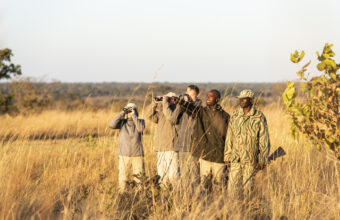
Best for: Masai Mara walking safaris Porini Lion Camp, in the Olare Motorogi Conservancy, is small and delightfully intimate. With just ten tents, it feels very personal, and you really get to know the staff and the area. The camp is great for game drives and walking safaris, and I always find the chances of spotting big cats especially high here. It pairs very nicely with Saruni Basecamp during migration river crossing season – I usually recommend three nights in each.
Read more
Masai Mara National Reserve
Saruni Basecamp Mara
Best for: uncrowded migration viewings Located in the Mara North Conservancy, the 17-tent Saruni Basecamp Mara has an amazing position right on the edge of the Reserve on the Talek River and is has some stunning views. The camp achieved world fame in 2006 by hosting Barack Obama during his visit to Kenya, two years before he became US president! I can’t think of many better places to see the wildebeest migration in Kenya, and during my stay, I was blown away by how close we were to the action, with none of the crowds that mar the experience in busier corners of the Masai Mara.
Read more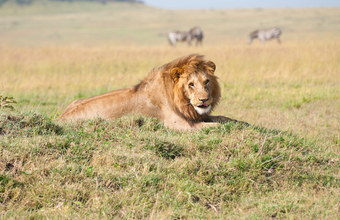
Masai Mara National Reserve
Mara North Conservancy
The Maasai Mara is the most iconic wildlife ecosystem in Kenya, possibly all of Africa. But my biggest tip for visiting the Mara is to stay in one of the conservancies dotted around and adjacent to the Mara. These offer a more exclusive and intimate safari experience, with fewer vehicles and a chance to see wildlife in a more peaceful setting. The Mara North Conservancy, where Saruni Basecamp is located, offers incredible river views and excellent opportunities to witness the migration.
Read more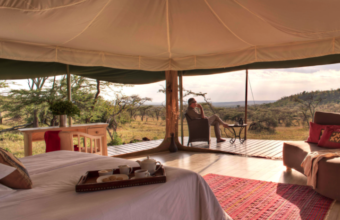
Masai Mara National Reserve
Kicheche Valley Camp
Kicheche Valley Camp sits in a quiet valley above the Moliband stream, surrounded by thick vegetation that draws wildlife in close and keeps vehicle movement subdued. The camp is deliberately small, with just six tents, and that scale makes a difference. It keeps the atmosphere calm and allows guiding to be consistent throughout a stay. Guests are assigned a single guide, which helps build continuity and avoids the stop-start feel that can come with rotating drivers. The tents are comfortable without being overworked. Each has proper en-suite facilities with hot water heated by wood burners, filtered drinking water, and enough space to spend time in camp without feeling confined. The layout keeps tents private while still close enough to the central area to retain a sense of shared experience. Game drives are uncrowded, night drives and guided walks are permitted, and there is enough flexibility to spend longer with sightings rather than moving on quickly. During the migration season, full-day excursions into the Maasai Mara Reserve are possible, but much of the value lies in staying within the conservancy itself.
Read more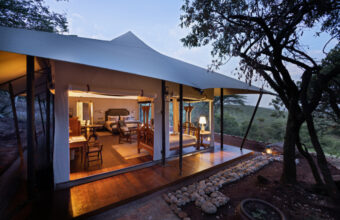
Masai Mara National Reserve
Cottars 1920’s Camp
Ol Derikesi Conservancy, tucked into the remote southeast corner of the Mara region, is Kenyan safari at its best. There’s an incredible amount of wildlife around here – including lots of lions – and just one spectacular camp; Cottars 1920’s Camp, whose 11 tents are presented in a nostalgic 1920s style.
Read more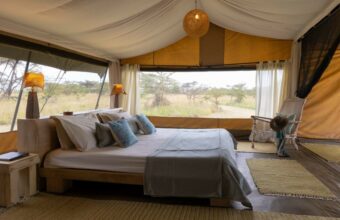
Masai Mara National Reserve
Kicheche Bush Camp
With one of the densest populations of lions in Kenya you’d be hard pushed to go wrong at Olare Motorogi, a simply stunning conservancy. There are five camps here, one of my favourites is Kicheche Bush Camp with six tents spread out under the Acacias. It's a popular spot for photographers; the 4X4s are modified for SLR cameras and extended game drives are the norm.
Read more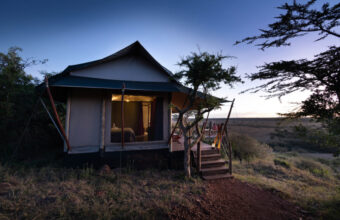
Masai Mara National Reserve
Saruni Eagle View
Naboisho is a ground breaking conservancy working hard to protect wildlife and local communities. The scrubby terrain here is packed with big animals. There are eight camps here, all of which are excellent but Saruni Eagle View is one of my favourites. There are nine tents, making it very small and intimate, and all the usual conservancy activities on offer: night game drives, bush walks and some fascinating Maasai culture talks at night around the campfire.
Read more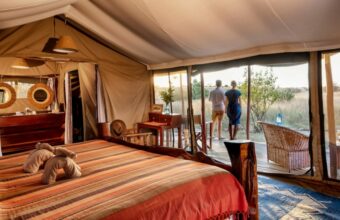
Masai Mara National Reserve
Offbeat Mara
AccommodationMara North is perhaps the best known conservancy in the Masai Mara, and Offbeat Mara is one of my favourite camps in the entire place. It's a small, un-showy camp of just seven tents including two family tents. In addition to the standard game drives you can do night drives, guided bush walks, horse riding, hot air balloon flights and even do some Maasai running coaching!
Read more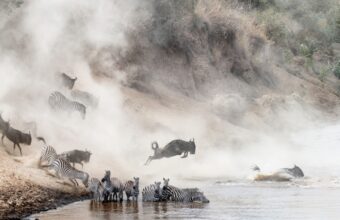
Masai Mara National Reserve
Witness the migration river crossings – but expect crowds!
The wildebeest migration is one of the world’s greatest natural phenomena, and watching the herds dodge hungry crocodiles as they surge across the Mara River is a staple of Kenya safari. The migration moves into the Masai Mara from Tanzania’s Serengeti between June and October. This is by far the busiest time and place of the year, so expect crowds, higher prices and limited availability. If you’d rather see the migration untroubled by crowds, I recommend you look at Tanzania instead.
Read more-

Naboisho Conservancy
View experience -

Kicheche Mara Camp
View experience -

Olare Motorogi Conservancy
View experience -

Porini Lion Camp
View experience -

Saruni Basecamp Mara
View experience -

Mara North Conservancy
View experience -

-

Cottars 1920’s Camp
View experience -

Kicheche Bush Camp
View experience -

Saruni Eagle View
View experience -

Offbeat Mara
View experience -

Witness the migration river crossings – but expect crowds!
View experience -

Stay in a community-owned conservancy
View experience -

See dawn over the Masai Mara in a hot air balloon
View experience





Masai Mara National Reserve travel companies






 East Africa
Natural World Kenya Safaris
The leader in customized and budget-friendly East Africa safaris