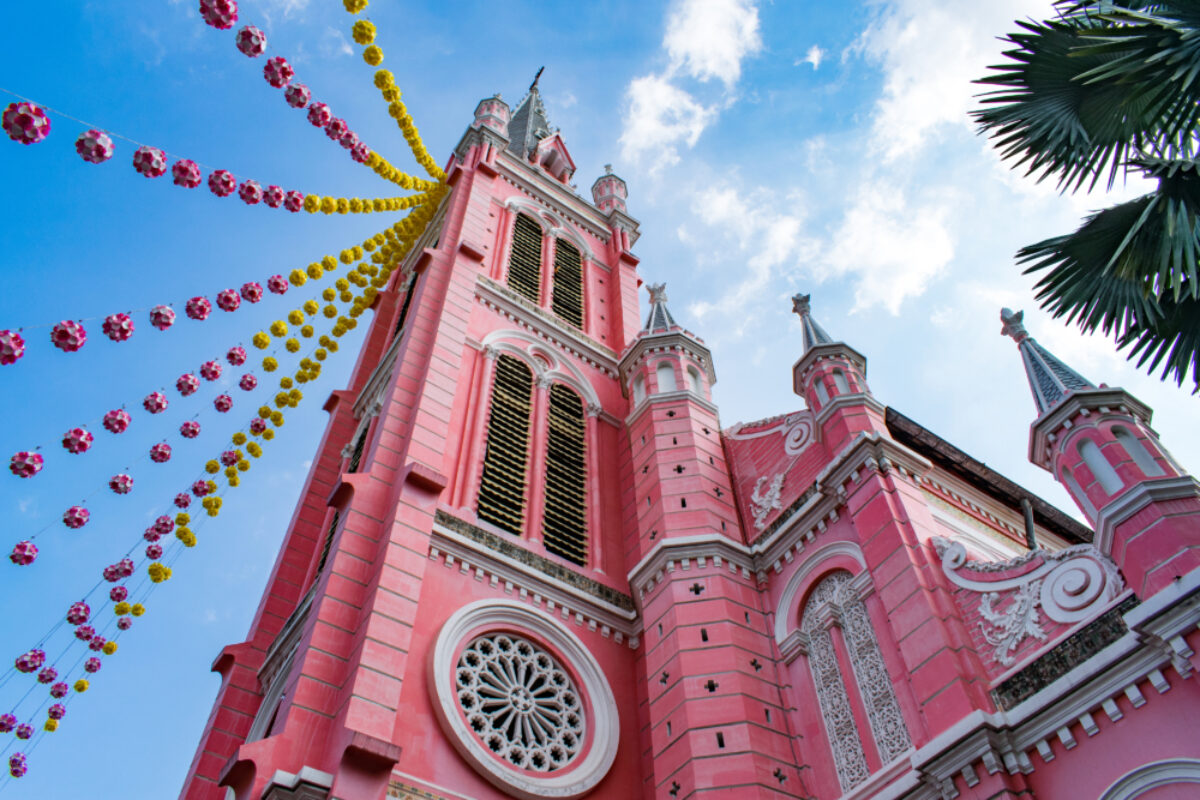
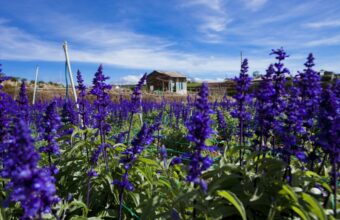
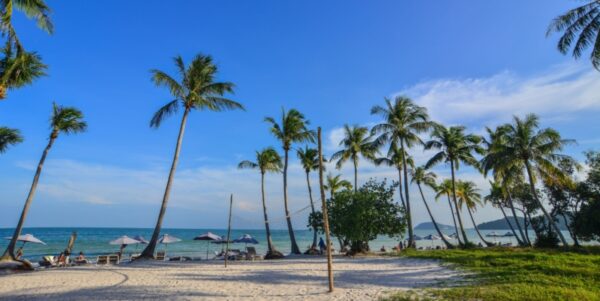
Leaf through any brochure for Vietnam and you'd be forgiven for mistaking this ancient, diverse and populous country for a two-dimensional tourist's playground.
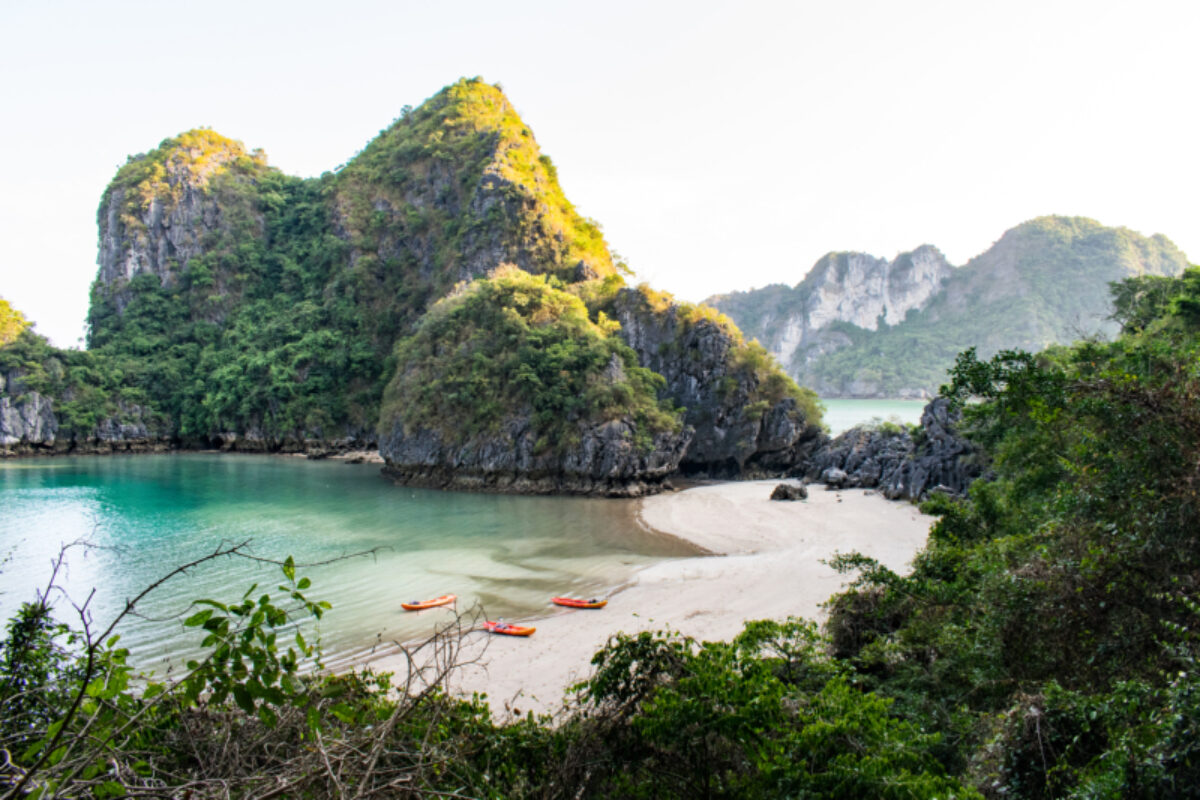
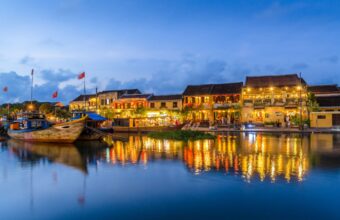
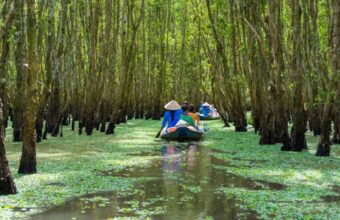
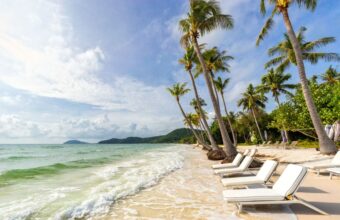
Lanterns on the Hoi An waterfront: check. Cruise around Halong Bay: check. Tour the water markets on the Mekong Delta: check. Wrap it up with some beach time, maybe some 'street food' in Saigon and that's it, Vietnam travel bingo complete.
But there's much more to Vietnam than the mainstream tourism industry would have you believe. Any preconceived notion of Vietnam will quickly disintegrate upon arrival. The most enthralling country in southeast Asia is dynamic, diverse and full of head-spinning contradictions.
Venture outside of the cities and it doesn’t take long to find yourself immersed in a traditional rural world of agriculture and fishing. Imperial dynasty, French colonial and war-time vestiges remain — and some citizens continue to suffer from the legacy of Agent Orange and unexploded ordinances. But Vietnam isn’t focused on its turbulent past; nearly 100 million citizens are busy hustling for a brighter future. The result is a fascinating mix of old and modernity.
Just when you think you have the country figured out, it’ll surprise like a cinematic plot twist.
Slow down, dwell a while, and make a connection with the real country behind all the marketing photos.
We want to hike in Ha Giang with long hiking days but keep away from the motorbikes, what do you suggest?
Answered by: Nguyen Linh
You can do a good 4 day itinerary that gets you deep into Hmong areas where motorbikes don't reach. You start with Ha Giang – Nam Dam, trekking 12–15km (6–8 hrs) through farmland and stay in a Dao homestay. The next day it's Nam Dam – Lao Xa – Dong Van, a scenic trek featuring remote high peak views. The third day it's Dong Van – Thien Huong – Meo Vac, approximately 6 hours hiking through karst landscapes. Then the fourth day is Meo Vac – Lung Tam – Ha Giang returning to the city by 17:00.
Is it possible to extend the standard three day Ha Giang Trek to add another day of hiking?
Answered by: Nguyen Linh
Yes, you could add a day before the final day (day 3), to hike to the more remote areas of the Dong Van Karst Plateau at a more relaxed pace, adding an extra day of trekking (around 10–15 km), before continuing toward Meo Vac and picking up the usual route.
We want to see Fansipan and local culture but avoid any artificial shows. What do you suggest?
Answered by: Nguyen Linh
I'd recommend combining Fansipan cable car with a trek to a more remote village such as the Sapa to Ta Van Village trek. But to be honest Sapa has become quite touristy in recent years, and given your limited time, it may not feel as untouched as you might expect. For a less touristy area I'd recommend Ba Be National Park instead.
I am looking for a trekking adventure in remote and beautiful nature, interacting with locals, eating as local as possible. Between Sapa to Ta Van village trek, Hiking in Ba Be National Park or Ha Giang trek, what would you recommend?
Answered by: Nguyen Linh
It depends how adventurous you want to be. The Sapa to Ta Van Village trek offers stunning rice terraces and ethnic minority villages, though it’s a bit more popular and less remote. Ba Be National Park is a great off-the-beaten-path choice with jungle trails, waterfalls, caves, and peaceful lake villages where you can stay in a Tay ethnic homestay and enjoy traditional meals. The Ha Giang trek is the most adventurous option, featuring wild mountain landscapes, dramatic valleys, and deeply cultural experiences with local hill tribes.If you still can't choose, all three can be easily combined into a single itinerary from Hanoi > Sapa/Ta Van (3 days) > Ha Giang (3 days) > Ba Be (3 days) > Hanoi. I'd recommend allowing 7 to 9 days, depending on what hilkes and other activities you want to do in each stop.
You'll receive a reply by email. Questions and replies may be anonymised and reproduced on Horizon Guides.
§ 04
The Vietnam atlas
16 picksPlaces & Experiences You Won't Find Elsewhere
Where
What
Remote and covered in jungle, Con Dao is an archipelago of 16 islands off the southern coast. Once used by the French as a prison, the largest island offers both a sombre history lesson and some of the best independent hiking in the country.
Con Dao National Park covers 6,000 hectares of land and 14,000 hectares of the surrounding ocean. After registering with the park office, visitors can walk a number of marked forest trails that end at secluded beaches. Con Dao is also one of the best places for diving in Vietnam.
Cat Tien National Park in south Vietnam offers nature, hiking and prime bird and wildlife viewing opportunities just 160km northeast of Ho Chi Minh City. Covering 71,920 hectares and bound by the Dong Nai River, the lowland tropical rainforest and wetlands contain monkeys, civets, sambar, guar, langurs, wild crocodiles and a number of bird species like the endangered pitta. The park is also home to a Sun and Moon bear sanctuary, opening to the public in 2019. Visitors can do one-day or multi-day treks, boat trips and night safaris.
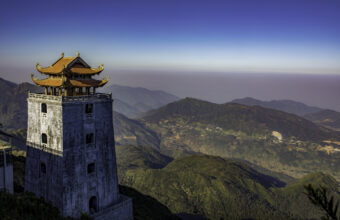
Dominating the majestic Hoang Lien Son mountain range to the west of Sa Pa is Fansipan mountain (Phan Xi Păng in Vietnamese script). At 3,147 metres, Fansipan is the highest mountain in Indochina, and its commanding position overlooking green valleys and terraced rice paddies draws hikers by the bus load, making this a popular – sometimes too popular – trek from Sa Pa town.
There are three routes to the summit, each with their own pros and cons:
Tram Ton, at 11km over two days/one night, is the fastest and most direct route to the summit. Ideal for beginners, this popular trail offers a gradual ascent, with campsites for rest and spectacular panoramic views. It’s about seven hours up to the top, and six hours down the next day.
Sin Chai is just 9km but is done over two or three days as the terrain is technical, with dense vegetation and steep sections. This is the wildest and most challenging route – for experienced trekkers only.
Cat Cat is the longest route, 20 kilometres done over three to four days. This one is another challenge, although less technical. This is my favourite route, for the complete immersion in the scenery and exceptional panoramic views.
The fourth option, which involves no real hiking at all, is to take the cable car to the summit. Personally, I find the summit itself – with its crowds of day-trippers, modern temple, shops and services – to be the least interesting part of the experience. Especially when cloud cover is obscuring the view! If your only interest is ticking off the summit without putting in the work of getting there, I’d gently steer you elsewhere.
Finally, a word of caution: trekking here is all conducted under the auspices of the Hoang Lien Son National Park authorities – even if you’ve booked through a trekking operator, they won’t have any control over the guides or porters selected for your group. There are reports of guides and workers contributing to the mountain’s growing litter problem and base camps/camping sites being poorly maintained. This isn’t to warn you off – just make sure you come with open eyes and do your bit to maintain the sanctity of the environment.
Duration: One dayDistance: 21 kmDifficulty: Moderate to difficult (mainly because of the heat)Start/end-point: Chau Doc
The guided Nui Cam trek is actually a 21km-trail run, which was designed a few years ago for an annual race. The trail begins in rice paddies before ascending through fruit farms and waterfalls. This is a deeply spiritual part of the Mekong Delta, and highlights of this trek are the atmospheric shrines tended to by smiley caretakers.
Duration: Two daysDistance: 30 kmDifficulty: ModerateStart/end point: Dalat to Mui Ne
This is one of several organised treks that involve a pick-up in Dalat and drop-off on the coast. Transfer by car to begin the trek in Ta Nang, a district of pine forests and rice paddies, before hiking into Phan Dung, a neighbouring district with gushing rivers and lush farmland. You’ll then be collected and driven to the beach town of Mui Ne.
Duration: One dayDistance: 10 kmDifficulty: EasyStart/end point: Bach Ma
Bach Ma National Park has several excellent trails, and more are being created as the area tries to promote adventure tourism. Rhododendron Falls Trail is one of the most popular hikes. It’s suitable for families, passes a panoramic viewpoint, and the highlight is a thundering waterfall with rock pools that are good for swimming.
Duration: Four daysDistance: 25km (8km caving)Difficulty: ModerateAccommodation: CampingStart/end point: Phong Nha Village
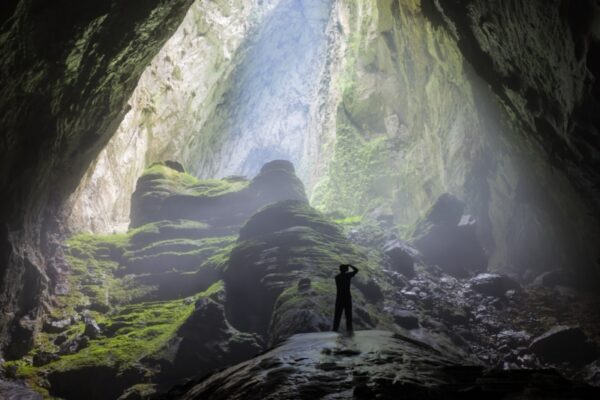
The British Cave Research Association helped launch this tour with Oxalis Adventure, a local company, with limited numbers and a strict route to protect the integrity of the cave. This includes guides, porters, a cave expert and food, and it remains the only way to explore Son Doong Cave.
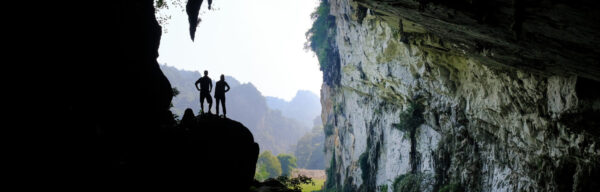
Son Doong is a unique trekking experience, with underground jungles, giant ceiling collapses, ethereal campsites and stalagmites the size of multi-storey buildings. If you think caving is crawling around in narrow spaces, think again – some of these chambers can fit aeroplanes with room to spare.
Whenever I mention the Son Doong Expedition, people usually question the expense of the all-inclusive tour – USD $3,000 – and I always say the same thing. Yes, it’s expensive, especially for Vietnam. But this cave is one of the world’s great wonders. Many people are happy to pay that much to go skiing in the Alps for a week – and the Son Doong Cave Expedition surely beats that.
If the Son Doong Expedition is over budget, consider one of more than a dozen other caving experiences in Phong Nha-Ke Bang National Park, including the hike to En Cave, Pygmy Cave or the Tu Lan cave system.
Duration: One dayDistance: 8 kmDifficulty: EasyStart/end point: Ma Pi Leng Village to Ma Pi Leng Ecolodge
I couldn’t complete this guide without mentioning a short half-day hike that I discovered recently. The Skypath is a lofty path that clings to the cliffs high above the Nho Que River and Ma Pi Leng Mountain Pass, one of Ha Giang’s (and Asia’s) most extraordinary roads.
Starting at Ma Pi Leng Village, the path ascends through farmland to a great white cliff before descending through hamlets. The path finishes at Ma Pi Leng Ecolodge, which serves refreshments. From there it’s possible to hitch back to Ma Pi Leng Village. Ha Giang is becoming very popular, but few seem to know that the Skypath exists. Trekkers are likely to have the trail entirely to themselves, bar the occasional farmer. No guide required.
Duration: One dayDistance: 15 kmDifficulty: EasyStart/end point: Ban Don to Ban Hieu
This is an easy hike you could do without a guide. Starting from Ban Don, a village with a number of cosy mountain lodges that offer views of the surrounding rice terraces, the trail descends through forests and farms before running along rivers and cutting through hamlets. Eventually the trail reaches Ban Hieu, a picturesque village built on a waterfall.
Duration: Two to 14+ daysDifficulty: Moderate to difficultAccommodation: HomestaysStart/end point: Sapa town
Unfortunately, the town of Sapa suffers from overdevelopment and is one of my least favourite places in the country. But those that find Sapa disappointing seem to be the ones that base themselves in town and attempt day trips from there. Instead, engage a reputable tour company, tell them what you want and they will get you well away from the standard tourist traps.
I don’t recommend trekking in Sapa without a guide. The trails and homestays (accommodation with local families) are unmarked, and travellers that attempt their own treks often end up lost or where they don’t want to be (e.g. on a road, near a hydroelectric plant, facing a quarry etc.). Besides, employing a guide is one of the best ways to learn about Sapa’s cultures and support local families. The majority of guides are women from local ethnolinguistic groups, and they usually speak decent English.
While crowds flock to the famous Halong Bay, the nearby limestone karst islands of Lan Ha and Bai Tu Long are formed by the same geological feature that runs 100km up the Vietnam coastline and are just as beautiful, yet with a more isolated appeal.
Begin your Vietnam trip in Hanoi with a trip to the Ho Chi Minh Mausoleum to learn more about the man who led Vietnam’s independence from French colonial rule. Next, head to the Old Quarter, where individual streets are dedicated to specific traders, for a taste of old Hanoi and to sample some street food. Take an overnight cruise on Halong Bay, exploring some of the 2,000 islets that make up this World Heritage Site, before travelling to preserved Hoi An for its stunning Chinese and Japanese architecture. After a brief stop in Ho Chi Minh City, where you can learn more about the Vietnam War, sail down the Mekong Delta for a taste of rural Vietnam, floating markets and village life. End your trip back in Ho Chi Minh City before flying out.
Start with a city tour of Hanoi, taking in the Ho Chi Minh Mausoleum, dedicated to the man who led Vietnam’s independence campaign, and the Ethnology Museum which looks at the 54 officially recognised ethnic groups in Vietnam. Finish in the Old Quarter for a taste of what Hanoi’s markets looked like in the past. Next, take a cruise in Halong Bay, exploring the 2,000 islets that make up this World Heritage Site before travelling to Hue to learn more about this former capital of the Nguyen dynasty. Make sure to visit the Imperial Citadel, which houses a series of palaces, halls and libraries. A three-hour drive away is Hoi An, a well-preserved city that is also an excellent base for exploring Vietnam’s countryside. Next, spend a couple of days in Ho Chi Minh City, exploring its French colonial architecture and street food, before a cruise along the Mekong Delta to experience rural Vietnam. From here, fly to Phu Quoc island for beach resorts and fresh seafood, before connecting back to Ho Chi Minh City and your flight home.
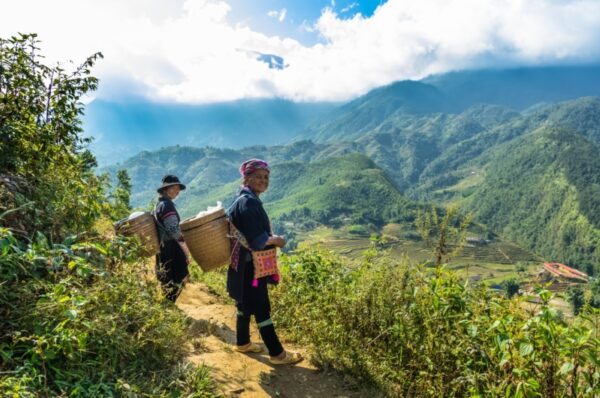
Sapa, the Vietnam hiking capital, has become Instagram famous thanks to its scenic rice terraces, steep mountains and narrow valleys which are home to tribal communities that have lived here for centuries.
Sadly badly-regulated tourism has ruined much of the appeal of the immediate Sapa area, and most day hikes don't get you beyond the over-developed and touristy bustle. Today, there are serious concerns about over-tourism, unbridled development and respect, with many villages and the famed Bac Ha Sunday Market becoming little better than human zoos.
This is all the more unfortunate as it doesn’t take much extra effort to get outside the touristy bubble. This trek gets slightly further off the well-worn path and into some more remote regions where traditions are kept alive by authenticity, not as a performance for visitors.
You’ll walk along winding trails, past terraced rice fields, through the homes of ethnic groups like the H’mong, Dzao, and Zay, and experience a way of life that has changed little over generations. Spend the night at a homestay in Ta Van Village and get to know your hosts without any rush or performance.
I'm going to let you in on a secret... As a Marseillais who'd been living and hiking in Vietnam for almost a decade, I thought I'd covered every nook and cranny of the country. But Bac Kan and its famous lake was still a terra incognita to me. So one fine morning I packed a small bag and headed north to Ba Be National Park.
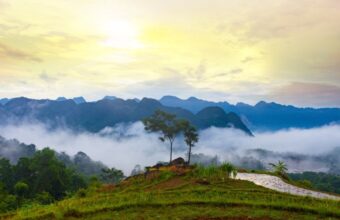
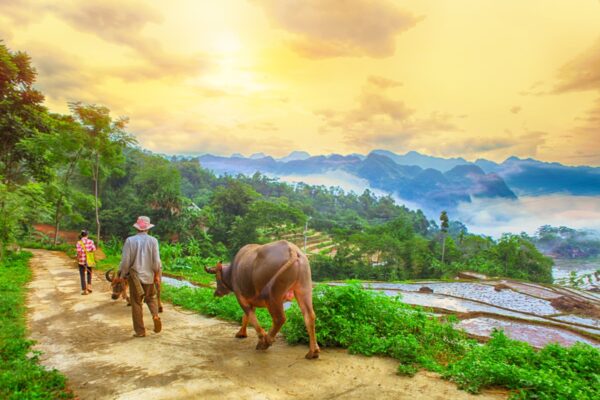
What I discovered was a jewel case of unspoilt nature. Karst mountains plunging into emerald waters, mist sleeping in late at the surface of the lake... Ba Be National Park is a breath of fresh air, a return to basics. You can cruise through landscapes as simple as the first days of the world, explore spectacular caves (such as Puong, Hua Ma and above all Tham Phay – the famous Son Doong of the North, as they say in the guidebooks), and cycle through brilliant green rice fields.
What struck me first (and still does, every time I come back) was the peaceful atmosphere, far removed from the crowds and hustle and bustle of some of the more popular destinations. This is where Ba Be really comes into its own, especially in the face of Sa Pa, a victim of its own success. In contrast with Sa Pa, Ba Be is a model of light-touch tourism that remains far off the Beaten track. Come here to reconnect with nature and discover Vietnam's rich culture in a more authentic setting – especially the Tay and Dao ethnic groups. It’s also a good springboard for areas virtually unknown to foreign travellers.
I admit that the journey from Hanoi is fairly arduous, but trust me: it's worth it!
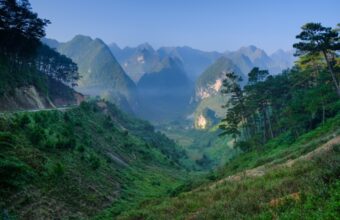
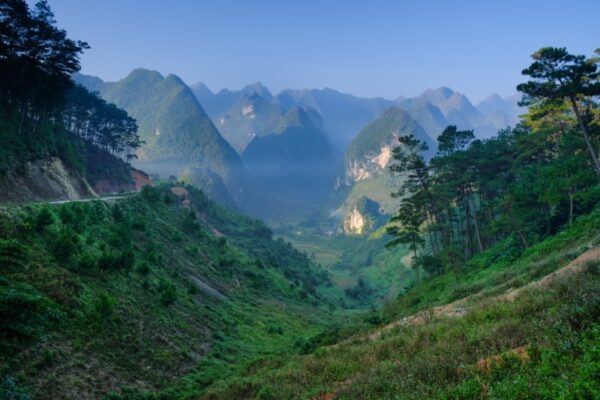
Ha Giang province, nestled in the mountains of Northern Vietnam near the Chinese border, is one of the most isolated, and stunningly beautiful, corners of the Tonkin Alps. In fact, I’d say it’s the most spectacular place to go hiking in Vietnam. Its deep valleys, terraced rice paddies and piercing karst formations are home to a mosaic of different ethnic groups, who, until recently, were almost entirely untouched by tourism.
Alas, as with Sa Pa before it, it’s precisely this beauty and isolation that has made it so interesting for intrepid visitors. Social media-fuelled popularity of the Ha Giang Loop, a 350km motorbike circuit, has been the main factor, bringing traffic jams on mountain passes and excessive crowding at iconic viewpoints along the loop.
This is unfortunate because beyond the loop, the rest of Ha Giang province remains exceptionally quiet. Here’s my favourite Ha Giang trekking itinerary that gets you away from all the motorbikes and Instagrammers.
Your details are safe and will not be used for any other purpose. By using this service you agree for us to share your details with your chosen tour operator according to our Privacy Policy.
1Your trip
2Complete your request
3Meet your specialist
Find a Vietnam specialist
Tell us about your trip and we'll find your match
We'll connect you directly with the experts.
Connect with Hoa, Linh, Anh Dao and 2 other Vietnam specialists.
We'll connect you directly with the experts.
Connect with Hoa, Linh, Anh Dao and 2 other Vietnam specialists.