Morocco’s largest city and the country’s economic hub sits beside the Atlantic Ocean and has a distinctively different vibe from other cities across the Kingdom...
Rabat
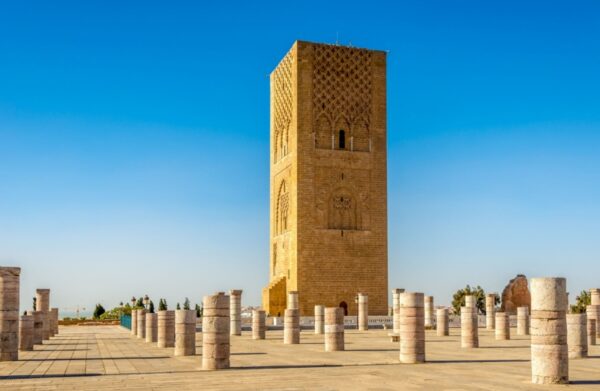
Morocco's unexplored capital
Although it’s the capital city of Morocco, Rabat is often just a half-day stopover on most itineraries...
Chefchaouen
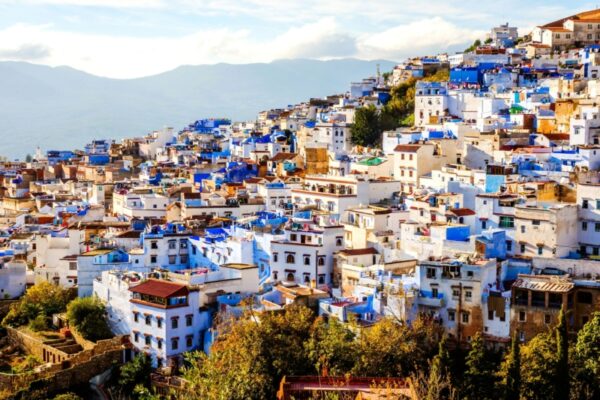
In this city in the Rif Mountains everything is a shade of blue, from the front doors of local homes to the staircases winding through the village...
Volubilis
An archaeologist's dream
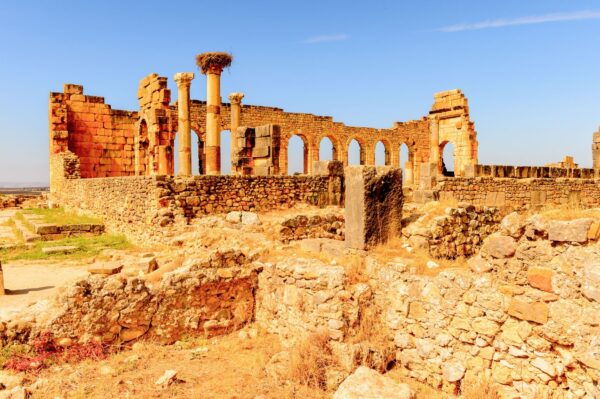
Once one of the most remote outposts of the Roman Empire, partially-excavated Volubilis is an archaeologist’s dream...
Fes
Morocco's medieval city
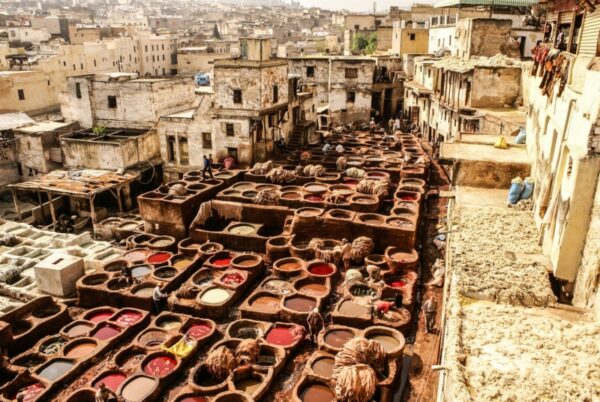
Founded in the 9th century, the history of Fes is storied, with various dynasties passing through and making this their capital...
Merzouga
Sahara nights under the stars
Once you’ve arrived at Merzouga — the gateway to the Sahara — you will find yourself surrounded by dry heat and vast golden sand dunes...
Todra Gorge
A walk in the wadis
No trip to Morocco is complete without a walk in the wadis...
Marrakesh
Morocco's cultural capital
Marrakesh can be bewitching...
Essaouira
Morocco's windy city
Laid-back with a dash of charm, this seaside town on the Atlantic Coast never fails to impress visitors...
Two weeks is enough time to explore the four famous imperial cities of Morocco, whilst leaving time to delve into desert areas to get a taste of how the remote Berbers live. Begin your journey in coastal Casablanca and travel to Rabat to see Kasbah of the Udayas, the Berber-era royal fort beside the Atlantic Ocean. Continue on to Chefchaouen, where you will spend a day exploring its blue houses and streets before taking the drive to the Roman ruins of Volubilis and the UNESCO World Heritage site of Meknes. The next city stop is Fes, after which you will pass through Midelt on the way to Merzouga in the Sahara Desert. Having made your way behind the Atlas Mountains, hike in the steep-walled Todra Gorge before visiting Marrakech and the harbour town of Essaouira.
Morocco’s largest city and the country’s economic hub sits beside the Atlantic Ocean and has a distinctively different vibe from other cities across the Kingdom. Often reputed as having “nothing to see,” the city is full of surprises for those who dare to venture beyond what they are told.
The city started as what’s known as the ancienne medina, previously known as Anfa, before the city developed during the French Protectorate. The art deco lined boulevards and architecturally diverse city centre were built during this era, making it an architecture-lovers dream, along with the port. The Habous area is known as the new medina, and was also developed during the Protectorate.
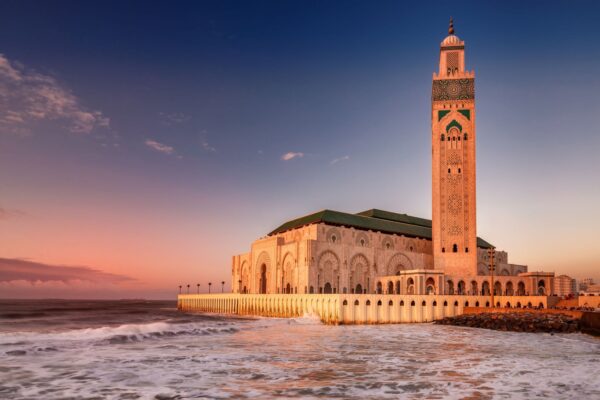
It’s not hard to miss the Hassan II Mosque, the largest in Africa and the third largest in the world, with a 210m tall minaret that punctures the city skyline. It’s also the only mosque open to non-Muslims in Morocco, but by guided tour only.
Experience urban life in Rabat
Day 2 in Rabat
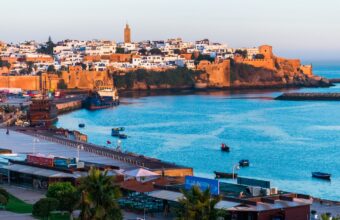
Although it’s the capital city of Morocco, Rabat is often just a half-day stopover on most itineraries. With wide avenues for walking from the old city through the art deco downtown, passing by the Parliament building, exploring the city on foot is enjoyable.
The capital perfectly blends modern architecture and sites (the Mohamed VI Contemporary Art Museum for one is well worth a visit with world-class exhibitions) with historical sites dating back centuries. Kasbah of the Udayas, the Berber-era royal fort sits overlooking the Atlantic Ocean, and the Chellah ruins on the banks of the Bou Regreg River have links to the Roman Empire.
The city is an unexpected treasure for those who dare to add a few extra hours or even a day to their itinerary. Nearby Salé, just across the Bou Regreg River receives few visitors and home to a lovely Koranic school where travellers often have the place to themselves to appreciate the architectural beauty.
The blue city of Chefchaouen
Day 3 in Chefchaouen
In this city in the Rif Mountains everything is a shade of blue, from the front doors of local homes to the staircases winding through the village.
Wander up and down Chefchaouen’s narrow alleys to explore leather and weaving workshops before visiting the red-walled Kasbah, a 15th-century fortress and dungeon, in Place Outa el Hammam. Once under Spanish occupation, the influence here remains – as does the Spanish Mosque. Just be aware that Chefchaouen’s recent popularity on social media means that tourism has boomed in this small hillside town.
That said, nature awaits at the village’s doorstep, with the 6km Jebel el Kalaa trail starting from the village and further afield the Talassemtane National Park where visitors can hike to Ackour waterfalls – some of the most beautiful in Morocco. Slow travellers could easily spend a few days here and not feel ready to leave.
Don't miss
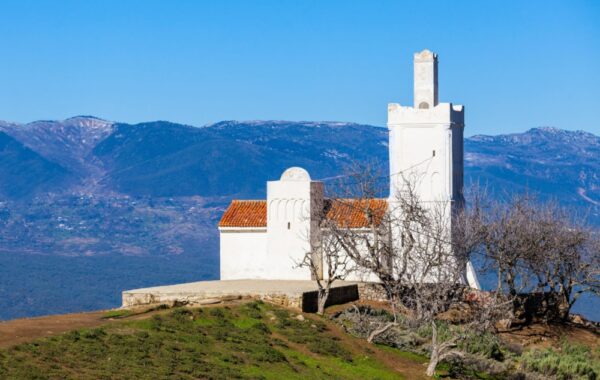
Hike to the Spanish mosque
Starting from the Ras el Maa waterfalls where you’ll often spot women doing the laundry, follow the path that leads toward the hilltop Spanish Mosque (named so as it was built by the Spanish for the locals) for views of the blue city below. The hike is gentle.
Imperial city of Meknes and roman ruins at Volubilis
Day 4 in Volubilis
Once one of the most remote outposts of the Roman Empire, partially-excavated Volubilis is an archaeologist’s dream. It’s a beautiful place to walk around and ponder what life must have been like in this bustling hillside city in the third century BC, when the settlement was developed on rich fertile grounds.
Today, the surrounding, rolling hills remain dotted with olive trees and wineries producing a huge range of red, white, rosé and gris that are largely drunk in Morocco itself. From the historical site, the Zerhoune mountain range is visible, with the nearby holy village of Moulay Idriss Zerhoune tucked within.
Explore the medieval city of Fes
Day 5 in Fes
Founded in the 9th century, the history of Fes is storied, with various dynasties passing through and making this their capital.
Home to the oldest university in the world, the city was once the centre of knowledge in the region. Thousands of families fleeing the Spanish Inquisition made Fes their home. The culinary and arts and crafts here are renowned across the Kingdom.
Behind closed doors, some of the finest palaces lie where the elite once resided and which open to the public or act as venues during the Fes Festival of Sacred Music.
Today the medina of Fes is the best-preserved medieval city in the Muslim world, with more than 9,000 alleyways and hundreds of workshops housing artisans producing handicrafts using traditional methods. Wandering here is an assault on the senses, but one that visitors tend to enjoy.
Merzouga and Sahara dunes by four-wheel-drive or camel
Day 6–7 in Merzouga
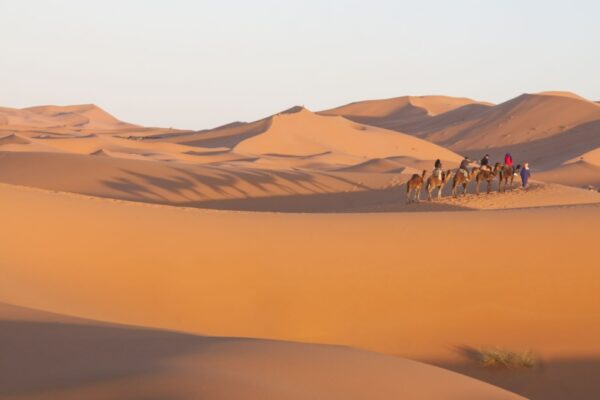
Once you’ve arrived at Merzouga — the gateway to the Sahara — you will find yourself surrounded by dry heat and vast golden sand dunes. The main attraction here is the Sahara Desert, with mountainous dunes in hues of red and orange that hover above this small town. A night in the desert is a must for most travellers. Try arriving at your campsite for the evening on camelback for a truly Moroccan experience.
Despite being in the middle of nowhere, it’s common for camps to provide piping hot tagines, drumming and traditional music around the campfire under a starry desert sky. Hotels at the edge of the dunes with pools are available for those who want a bit more comfort.
Walk in Todra Gorge
Day 8 in Todra Gorge
No trip to Morocco is complete without a walk in the wadis.
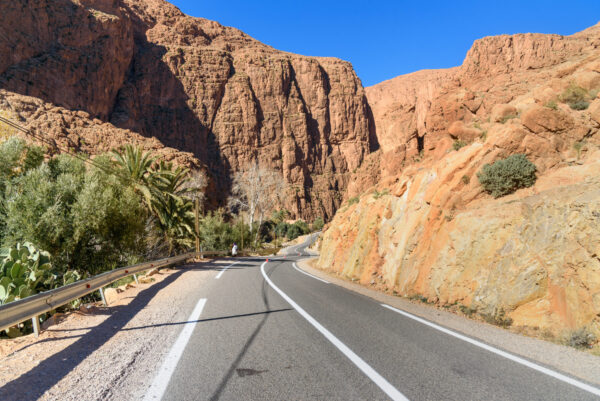
The steep-cliff valleys of Todra Gorge are a series of limestone canyons that make for a unique walking experience and are often considered one of the must-sees when visiting Morocco’s south.
Hike along paths that have been carved out by rivers and enjoy spectacular views of pink rock as you pass through. The height of the canyon walls reaches 400m in some places.
Royal dynasties and souks in Marrakesh
Day 9–11 in Marrakesh
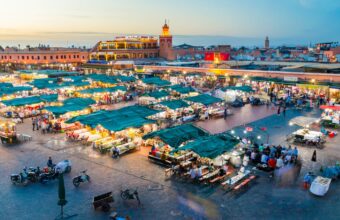
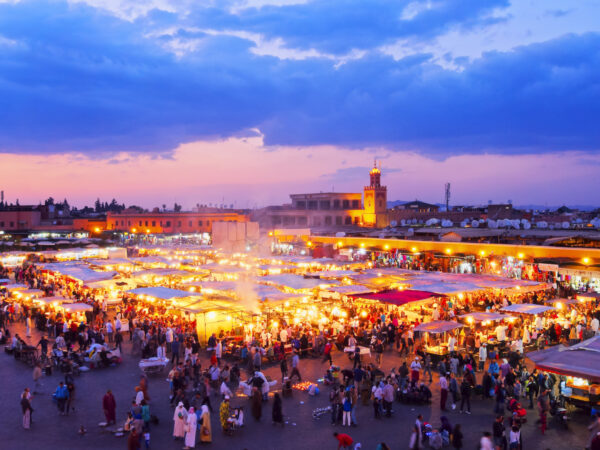
Marrakesh can be bewitching. Palaces, koranic schools, historical sites and mosques dating back centuries are tucked away next to contemporary designer showrooms and picture-perfect restaurants. Souks filled with brightly coloured textiles, richly-patterned pottery and tribal jewellery are among the treasures on offer in Marrakesh’s medina.
Perfectly manicured gardens, private collections featuring artworks and Moroccan artefacts, and roaming the interiors of centuries-old palaces are all great ways to fill a few days experiencing Marrakesh.
In fact, with new venues, restaurants and boutiques opening frequently, it’s easy to spend a week here and still not see everything or dine in every recommended restaurant. But given the sensory overload that awaits in the old city, time whiled away in a café, slowly watching the world go by is highly recommended. Once you’ve had your fill of the medina, go beyond the old city and explore Gueliz, the neighbourhood developed under French rule. It’s here that the contemporary art galleries and designer showrooms are located and where restaurants serving up cuisine from around the world – including Protectorate-era establishments recalling French brasseries – showcase a completely different side to Marrakesh live to the old city.
Cobbled fishing town of Essaouira
Day 12–14 in Essaouira
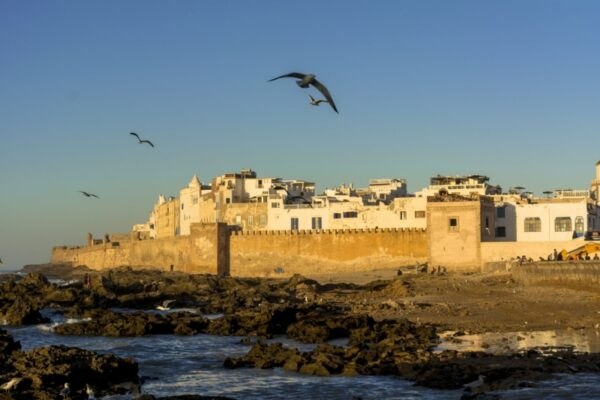
Laid-back with a dash of charm, this seaside town on the Atlantic Coast never fails to impress visitors. With little to do but slow down, wander and watch the world go by while sipping a mint tea or coffee nouss nouss (half coffee, half milk), Essaouira is a great place to unwind.
If shopping is your thing, then Essaouira is a pleasant place to experience it. Once known as the Port of Timbuktu, this fortified old city, a UNESCO World Heritage Site, retains a trading vibe with laid-back markets filled with locally made textiles, honey, and wooden goods made from thuya or olive wood.
Try wandering along the bustling port as seagulls hover overhead ready to swoop in for your snacks. Known for its fresh seafood, fishmongers at the local markets sell their catch of the day with the nearby grills able to cook it to perfection for tourists and locals alike.
Where to stay
Classic
Riad Boussa
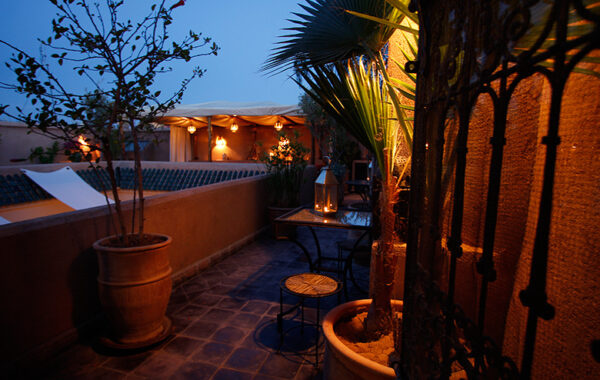
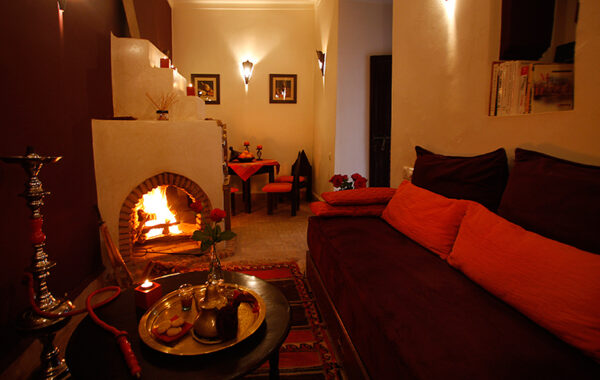
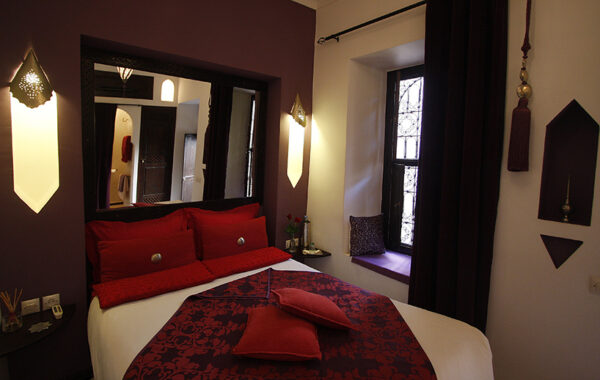
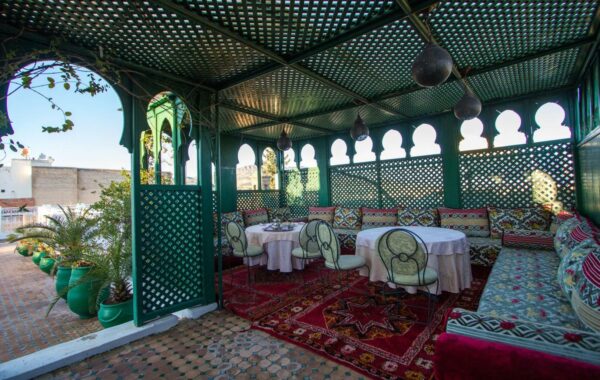
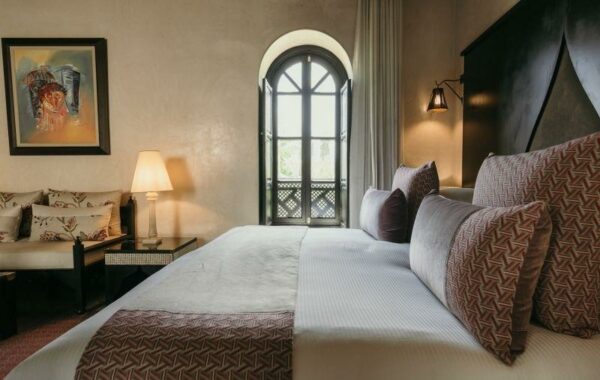
A firm favourite among visitors to Morocco, Riad Boussa is located in the heart of the lively Marrakesh medina, providing a calm oasis amid the hubbub of the souk. Enjoy the shaded terrace, cosy lounges and comfort of the well appointed bedrooms, and then set back out again to continue exploring this fascinating city!
Superior
Riad Myra
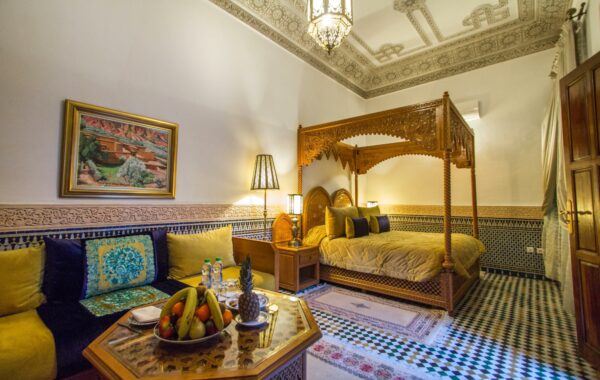
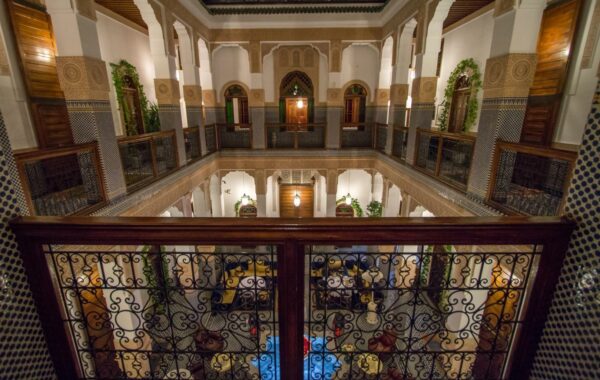
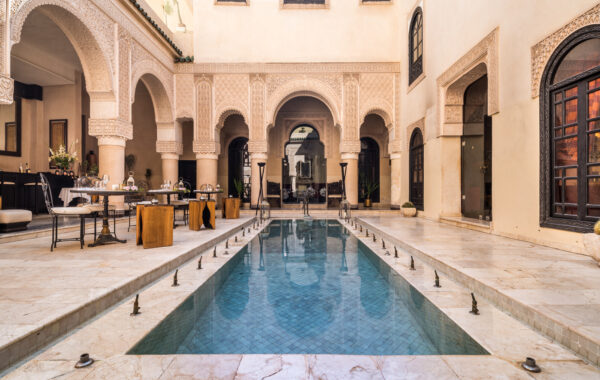
Ideally located in Fes, in the heart of the Medina, this 4* equivalent hotel offers the traditional welcome of a Moroccan Riad with the elegance of original Moorish architecture, antique furniture and a terrace overlooking the beautiful city of Fes.
Deluxe
Riad Fès
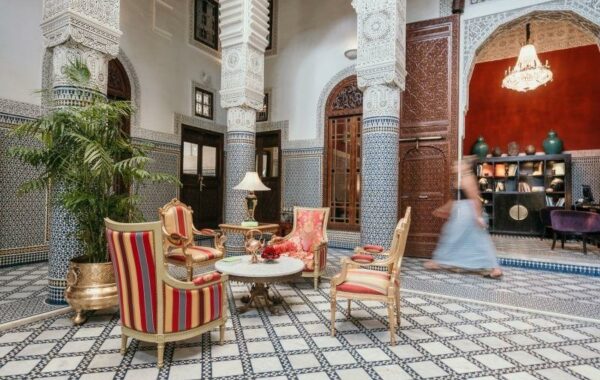
Located in the ancient city of Fès, the Riad Fès hotel serves undying beauty and impeccable service in a warm atmosphere. Discover excellence and get immersed into a new world defined by elegance and exclusivity.
Book this itinerary
This route booked with one of our specialist tour operators
would cost from $3,145pp.
Pricing varies by accommodation class, and can be tailored to suit your budget.
Pricing is typically inclusive of hotels, transfers, meals, and all guided excursions and activities.
Hi, I'm Brian Smith from Experience It Tours. Tell me about your trip and I'll take it from there.
Experience It Tours customer reviews
Cynthia
We took the Fabulous Fortnight tour and the highlights of our trip are the desert and the souk in Marrakech. Our Driver Youssef had excellent knowledge of his country. He was very professional and passionate about telling us about Morocco. Always on time. Very good at anticipating our needs. He followed through with doing what he said. The accommodations in Fes, the desert, Skoura and Marrakech were excellent. The people in each place were very nice and worked to make our stay enjoyable. If we were to go again on this tour, we would add an additional day in Fes and Marrakech.
We would absolutely recommend Experience It Tours to everyone without any hesitation.
Your details are safe and will not be used for any other purpose. By using this service you agree for us to share your details with your chosen tour operator according to our Privacy Policy.
Talk to a Volubilis expert
Describe your trip and we'll connect you with a vetted local specialist
Your details are safe and will not be used for any other purpose. By using this service you agree for us to share your details with your chosen tour operator according to our Privacy Policy.







 Season