





Bosnia and Herzegovina
The lesser-visited, more-beautiful Balkans
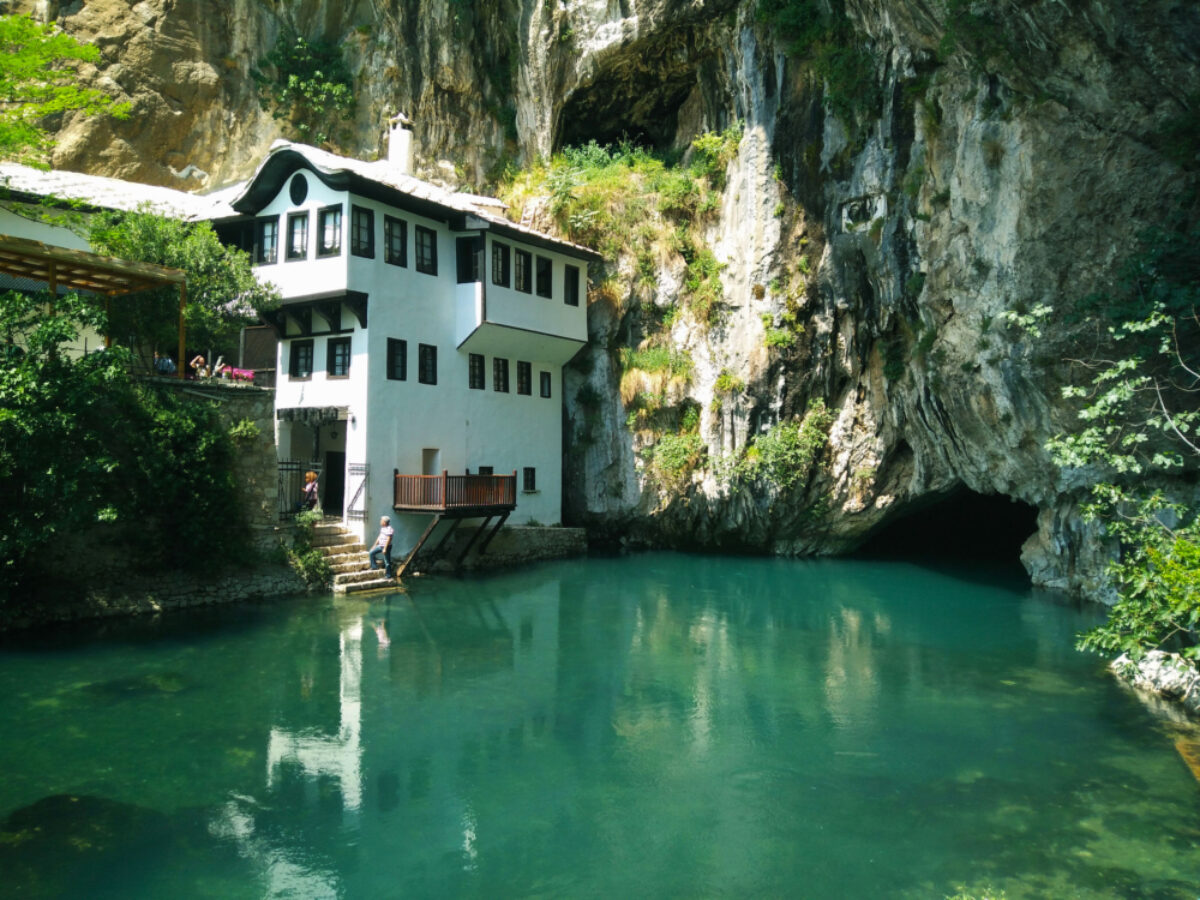
Welcome to Bosnia and Herzegovina
The insider's travel guide to Bosnia and HerzegovinaIf the name Bosnia conjures up for you only images of the devastating conflict of the 1990s which brought death and destruction to its people on an unimaginable scale, maybe it’s time to take a fresh look.
It’s certainly true that the Balkan country went through a brutal war from 1992 to 1995 in which some 100,000 people died – although some put the number at nearly 200,000 – and 2,000,000 were displaced.
But now, in Bosnia – full name Bosnia and Herzegovina - and its capital Sarajevo, rebuilt after suffering appalling damage, you would hardly know the war ever happened. There are museums that tell the harrowing stories, and some buildings still bear pockmarks caused by gun and shell fire; but the country is beautiful, Sarajevo vibrant, and the people delightful.
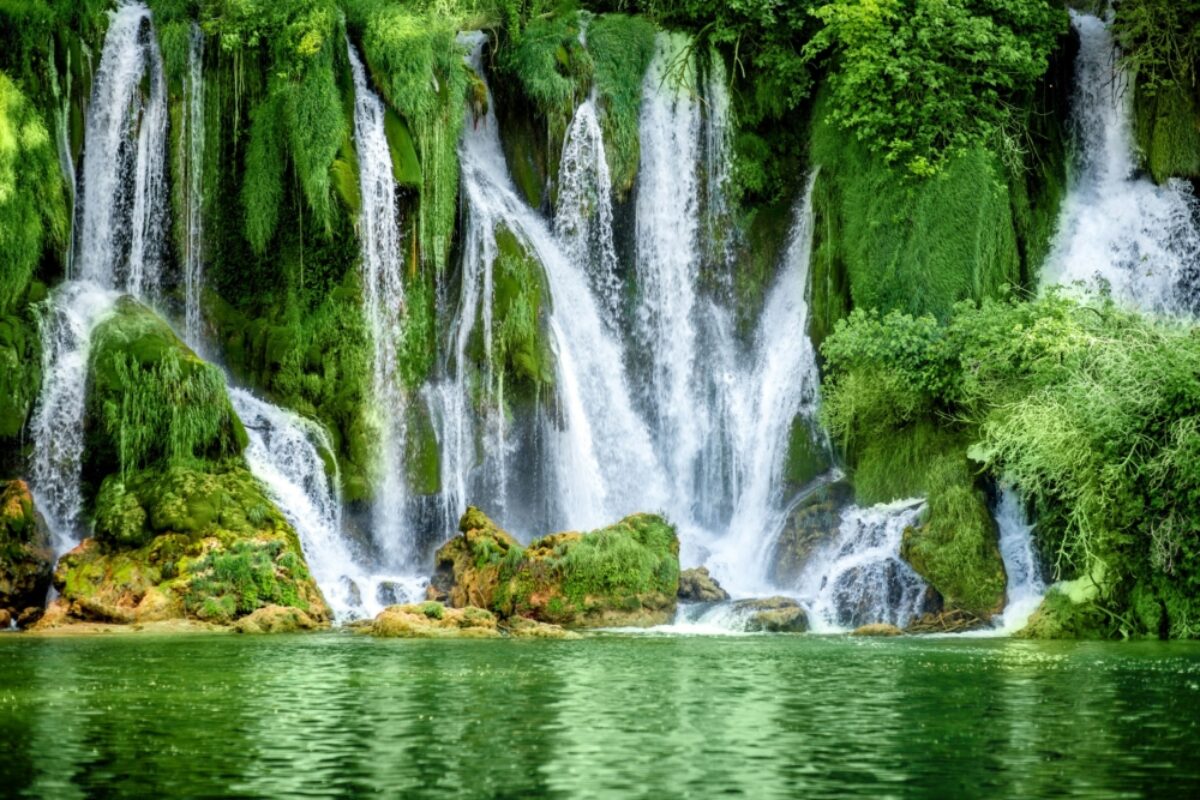
Bosnia and Herzegovina often lags behind Croatia, Montenegro and Slovenia when it comes to Balkan tourism, but that makes this under-rated and under-visited country all the more appealing. For a start, it’s adventure activity heaven. There’s plenty of white-water rafting, rock climbing and canyoning to be done in its national parks, with mountain peaks and deep gorges everywhere.
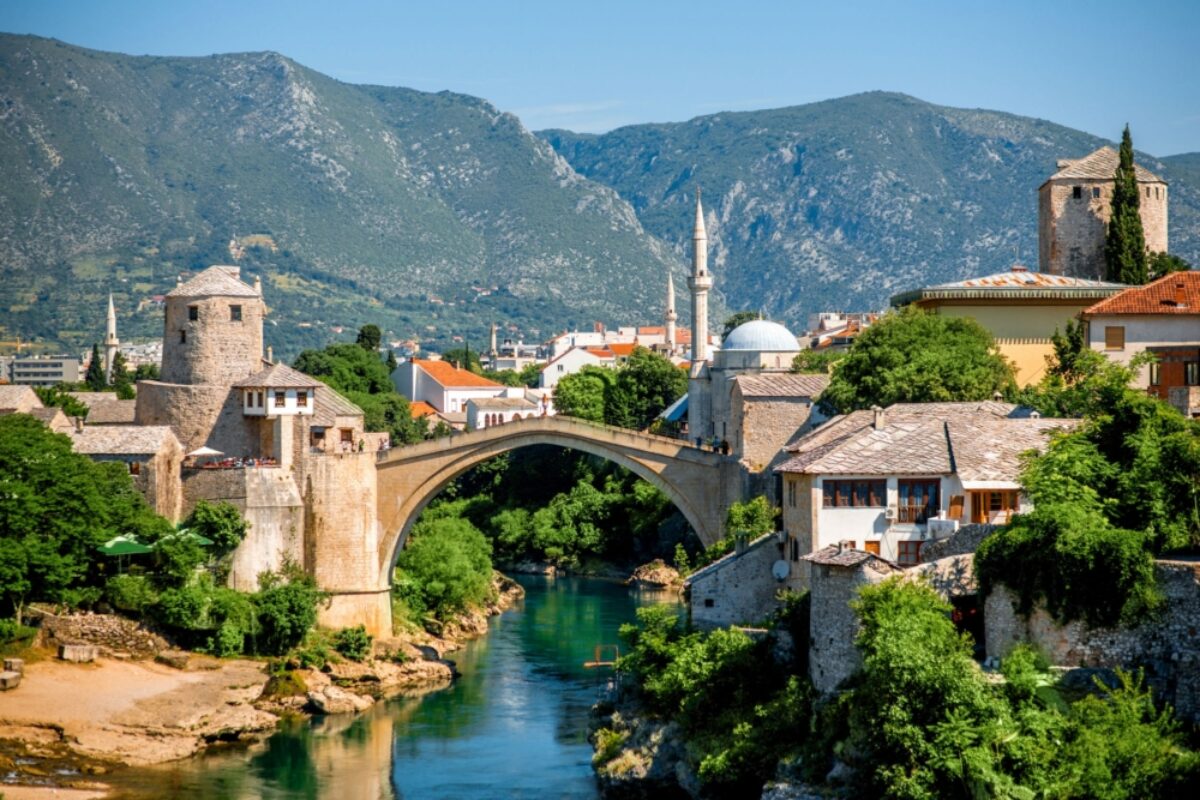
A trip to Sarajevo and the neighbouring city of Mostar, home of the iconic bridge which was destroyed in the war, is magical. It’s the diversity of Sarajevo that makes it so exciting. The country has been ruled by the Austro-Hungarian and Ottoman empires, and was part of Yugoslavia, and that history is reflected in its architecture, food, and people.
English is spoken by nearly everyone and getting around is easy. Sarajevo old town with its narrow bustling lanes is a delight to the senses. The food is wonderful and although it is a Muslim –majority country, alcohol is freely available.
There is much to see, do, and absorb. This is, after all, the country and city where the shot was fired that sparked the First World War. The history has often been bloody and tragic but through it all, the people survive with their optimism and humour, and wonderful country, intact. And if you join them to enjoy it all, they are sure to have the warmest welcome waiting for you.
Where to go in Bosnia and Herzegovina
Highlights & hidden gems


The Bosnia and Herzegovina atlas
5 picks Places & Experiences You Won't Find Elsewhere-
Difficulty: StrenuousDuration: Three weeks+, or shorter segmentsAccommodation: Guesthouses & mountain hutsStart/end point: Razdrto (Slovenia) / Valbone Valley (Albania) Newly waymarked – and with sibling Green and Blue Trails on the way – this epic ‘mega trail’ through the Dinaric Alps links northern Albania with Slovenia via Montenegro, Bosnia and Herzegovina, and Croatia. Don’t expect polish; do expect rewarding and sometimes remote trekking. The trail isn’t generally sold as a commercial thru-hike, but trekking specialists will organise self-guided or guided treks along different segments of the trail. The Via Dinarica is actually three separate trails, with the main, so-called White Trail, following the spine of the Dinaric Alps as closely as possible. The Blue and Green trails follow lower routes and are less complete. The White Trail, described here, through Bosnia and Hezegovina is the most developed so far, stretching a more modest 333km and taking around two weeks to complete. Starting from Prisika on the Croatian border, the trail leads past Lake Buško with a fair amount of road walking. It passes through an area riddled with limestone caves, many that can be visited as detours. After crossing Mt Vran, the trail leads through the beautiful landscape of Blidinje Nature Park and over Mt Čvrsnica, with its distinctive rock-eye known as Hajdučka vrata. Next up, the trail crosses Prenj, a fabulous mountain area bristling with limestone peaks that requires at least two days. Passing beside Lake Boračko, it follows the edge of the Rakitnica Canyon to reach the Ljuta Valley, then skirts the southern slopes of Mt Treskavica. The final part of the White Trail in Bosnia is a two-stage hike across the beautiful landscape of Sutjeska National Park. Including Maglić, the highest mountain in Bosnia that can be climbed as a detour, the park features primeval forests, lush pastures and rocky peaks. After some awe-inspiring views from the border ridge, the route drops down to Lake Trnovačko, set amongst the epic sprawl of mountains that is Montenegro. Need to know The hiking season for the White Trail through Bosnia and Herzegovina is June to October. Bosnia and some parts of Croatia near the Bosnian border have areas with landmines. The trails on the Via Dinarica are perfectly safe, but it’s something you need to be aware of. Under no circumstances should you wander into areas where there are warning signs.
-
Spend a few days exploring historic Sarajevo, from the Tunnel Museum which provided safe passage during the 1990s civil war, to the city’s ethnically diverse streets full of mosques, churches and synagogues, via the bridge where Gavrilo Princip assassinated Archduke Franz Ferdinand, sparking the first world war. Take a trip to the stunning town of Mostar for cobbled streets and its famous bridge, before exploring the mountain village of Lukomir, home to a small population of shepherds. End back in Sarajevo.
-
Start in Trebinje, a pretty town similar to Dubrovnik but without the costs and tourists, before beginning your walking trip with the deep gorges of the Tara Canyon. It’s a short jump to Durmitor National Park, home to underground streams and more than 50 peaks – perfect for hiking in summer or skiing in winter. Travel to Biogradska Gora National Park, where you can explore ancient forests full of elm, maple and beech trees, before heading to the Balkans’ biggest lake – Lake Skadar. Here, you can see Albania across the water and look for pelicans on the Montenegrin side. An hour’s drive away is Lovcen National Park, where you can see orchids before climbing to the mountain-top mausoleum to St Peter – Montenegro’s most famous son. Travel down the mountain to the Bay of Kotor to explore its waterfront villages before ending in Dubrovnik.
-
Begin your Bosnian adventure in Sutjeska National Park, with views of Trnovačko Lake in Montenegro and trails onto the Via Dinarica. From here, head to the fortress village of Počitelj to see its clock tower and mosque and onto the Hutovo Blato Nature Reserve for the best birdwatching in the Balkans. Take a city break in the ancient town of Mostar, with its famous bridge and cobbled streets, before returning to nature at Blidinje Nature Park and Bjelašnica Mountain for hiking in summer or cross-country skiing in winter. End with a few days in historic Sarajevo, exploring its cafe culture and fascinating museums.
-
Start your exploration of the Balkans’ culinary scene in Dubrovnik, sampling the seafood restaurants and organic wine of the Old Town, before continuing to the towns of Kotor Bay in Montenegro to sample local cheeses and the Montenegrin Njegusi sausage. Next, head to the vineyards of Konavle Bay, before comparing them to Virpazar’s wineries back in Montenegro. Experience Albanian cafe culture in Shkodra before heading to the monasteries of Cetinje. Finally, end with more wine-tasting in Trebinje before departing from Dubrovnik.
-
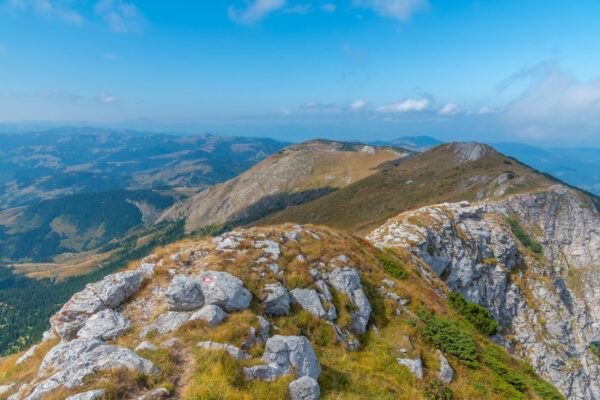
Via Dinarica White Trail
-
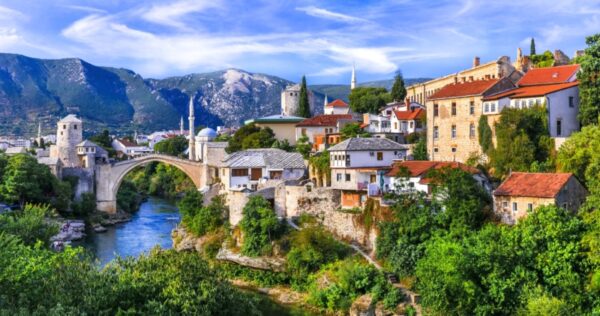
Sarajevo and surroundings
-
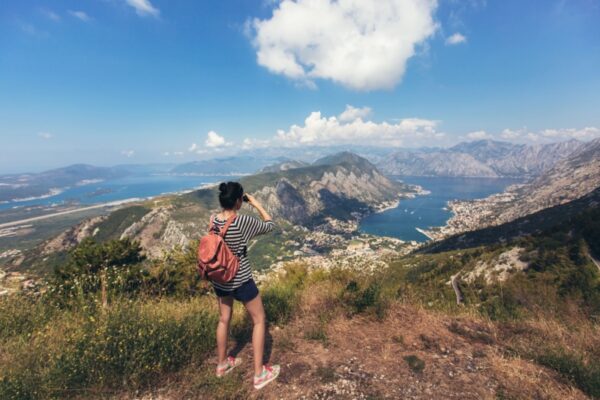
Mountain walks in Montenegro
-
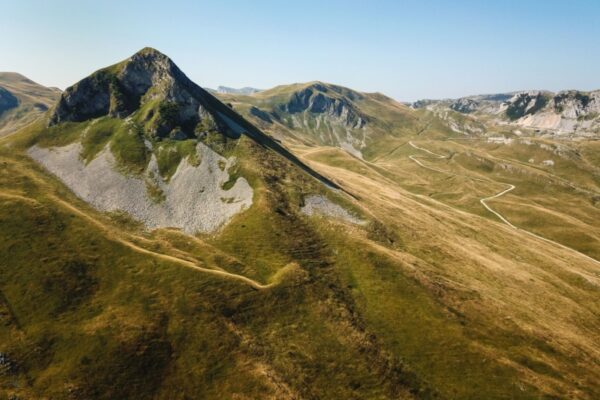
Via Dinarica way through Bosnia Herzegovina
-
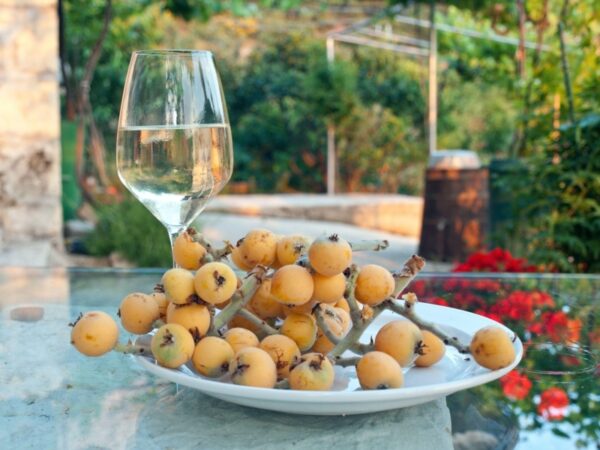
West Balkans wine and food




Find a Bosnia and Herzegovina specialist
Tell us about your trip and we'll find your match
We'll connect you directly with the experts.

Connect with Tereza Lvova and 1 other Bosnia and Herzegovina specialist.
We'll connect you directly with the experts.
Connect with Tereza Lvova and 1 other Bosnia and Herzegovina specialist.
- Hand-picked local specialists
- Honest advice from real experts
- Free to use, no hidden fees