




West Asia
Misunderstood and essential
There’s something uncomfortable about discussing recreational travel to West Asia – more commonly known as the Middle East. How do you talk about holidaying in a region that is so racked with conflict and suffering? Even the term "Middle East" is a colonial hangover, an imprecise catch-all for a vast, complex, and deeply misunderstood part of the world. But travel, when done right – curious, respectful, free from cliché – is one of the best antidotes to ignorance. And for those willing to look beyond the headlines, there is more here than conflict and oil wealth.
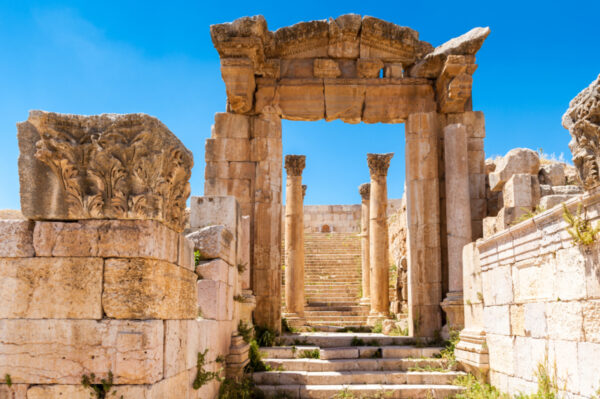
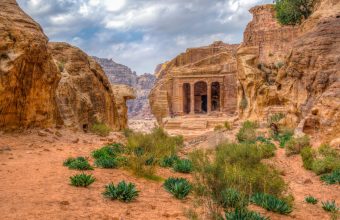
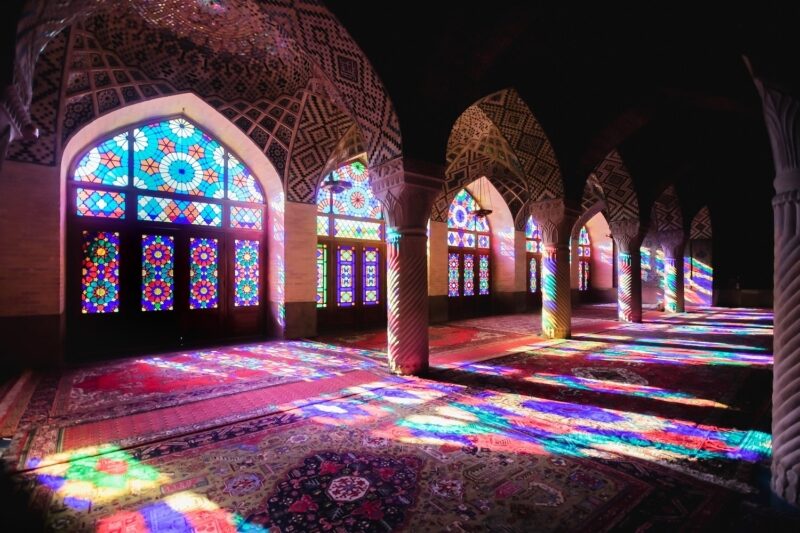
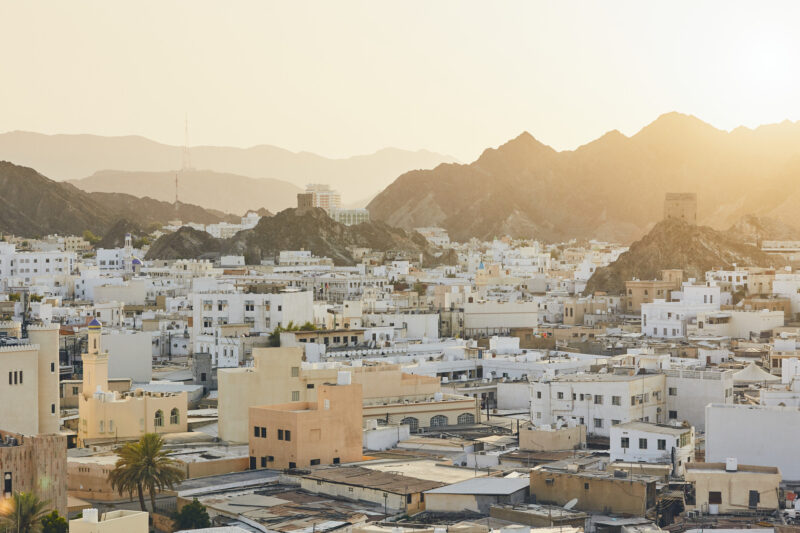
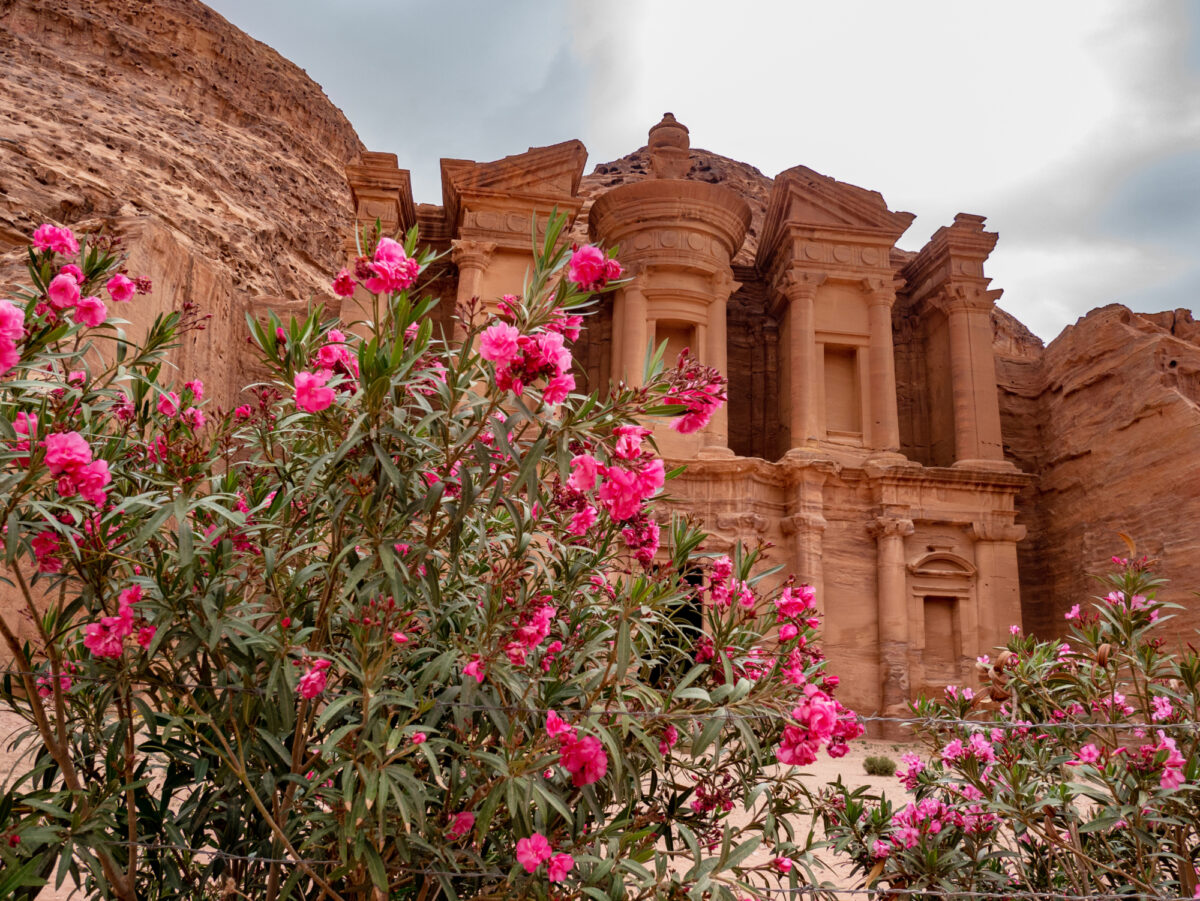
Jordan alone could be an entire itinerary: the magnificence of Petra, of course, but also the wild beauty of Wadi Rum. There's Iran, a country of immense cultural and historical riches, where tourists are welcomed with warm hospitality. For adventure, Oman offers deep wadis and lonely dunes, dramatic coastal drives and markets that have yet to become stage sets for tourists. And Egypt, still too often reduced to its pyramids, is a whole world in itself: the alleys of Islamic Cairo, the deep south where Nubian culture still holds, or the vast Western Desert.
Then there’s West Asia's other reality: the gleaming, hyper-commercial mirages that sell a sanitised, frictionless version of the region to those who prefer their travel without challenge. Dubai is the worst offender, a place that exists almost entirely as a tax haven, shopping mall, and social media backdrop, built by migrant labourers who will never see the luxury they construct. It is the least interesting thing about this part of the world, and yet, for many, it is the only thing they see.
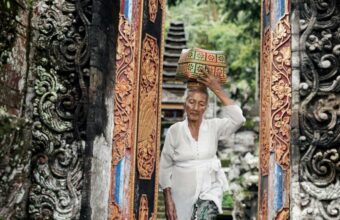
The real Middle East, the one worth travelling for, is not found in five-star hotels or artificial islands. It’s in the family-run guesthouses, the roadside cafés, tea in jasmine-clad courtyards, the shy smiles and enduring hospitality.
If travel has any meaning beyond hedonism, it is in its power to challenge perception. West Asia is not a monolith, nor a perpetual war zone, nor a billionaire’s playground. It is cities, histories, landscapes, and, most of all, people, too often reduced to abstractions.
Hidden gems in West Asia
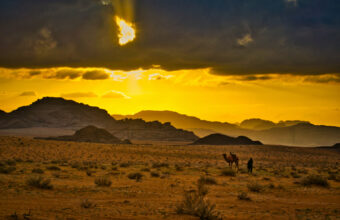
Wadi Rum
Wadi Rum

Rising from the desert plains, the orange sandstone rocks and mountains of Wadi Rum provide a backdrop to this most Martian of landscapes. Not only can you follow in the footsteps of Lawrence of Arabia but experience a different way of life through the eyes of the Bedouin tribes who have lived in these lands for centuries. It is possible to trek Wadi Rum without a guide but having local knowledge can allow hikers to go off-trail and discover gems that would otherwise appear hidden or time-consuming to locate. Need to know My favourite Wadi Rum highlights include a scramble to the top of Lawrence's Spring, walking through the colourful Canyon of Al Mahama and seeking out rock bridges with natural arches, which will have you reaching for your camera. These sites can be packed with holidaymakers at certain times of the day, often on a one-day jeep excursion. However, the crowds can be avoided by taking a multi-day trekking tour and seeing these magnificent structures on foot.
Read more