







Jaipur

Welcome to Jaipur
The insider's travel guide to JaipurRajasthan’s capital is postcard picture perfect and is the gateway to all the state has to offer. Known as the pink city, Jaipur is a Rajasthani royal city that offers spellbinding sights and sounds. Its palaces, observatories and merchant buildings are painted in hues of red and pink. There are palaces, forts, temples, stepwells, gardens and lakes all waiting to be explored and its crumbling buildings are awash with history, but its crowning jewel is the spectacular Amer Fort which towers over the city on a hillside a short drive from the city. Spend a couple of days exploring Jaipur, including its rich arts and crafts scene, before flying back to Delhi to connect with your international flight.
Founded by Raja Jai Singh II in the 18th century (1727), Jaipur was initially created to supply water to neighbouring Amer Fort. Now a UNESCO World Heritage site, Amer Fort — along with Nahargarh Fort and Jaigarh Fort— remains the main attractions of Jaipur.
The city was painted pink during the reign of Raja Ram Singh in the 19th century (1876) to welcome the then Prince of Wales, Albert Edward, who later on became King Edward VII. There is even an Albert Hall named after him in the city.
The Jaipur atlas
11 picks Places & Experiences You Won't Find Elsewhere-
Perched on the hills of Cheel Ka Teela (Hill of Eagles), Jaigarh Fort was built in 1726 by Jai Singh II to protect the Amer Fort. The two forts are connected by a series of underground passageways. Jaigarh Fort is famous for a cannon called Jaivana, which was once the world’s largest cannon on wheels. There are small temples inside the fort and several palaces, including Laxmi Vilas, Lalit Mandir, Aram Mandir and Vilas Mandir. Jaigarh Fort also has a bizarre spot in history. While its water tank might seem ordinary — three levels, enough capacity to store six million gallons of water -— it is also allegedly the place that Man Singh stored his treasure. In 1977, then Indian prime minister Indira Gandhi ordered a search to look for the Fort’s treasure. After three months, the search was called off — but at the same time, the Delhi-Jaipur highway closed for three days, prompting rumours of the loot being whisked away in secret.
-
Rajasthan’s capital is postcard picture perfect and is the gateway to all the state has to offer. There are palaces, forts, temples, stepwells, gardens and lakes all waiting to be explored. Jaipur’s Old City is painted in shades of terracotta (Jaipur’s nickname is the Pink City) and its crumbling buildings are awash with history. Founded by Raja Jai Singh II in the 18th century (1727), Jaipur was initially created to supply water to neighbouring Amer Fort. Now a UNESCO World Heritage site, Amer Fort — along with Nahargarh Fort and Jaigarh Fort— remains the main attractions of Jaipur.Why is Jaipur pink? The city was painted pink during the reign of Raja Ram Singh in the 19th century (1876) to welcome the then Prince of Wales, Albert Edward, who later on became King Edward VII. There is even an Albert Hall named after him in the city.
-
Built by Maharaja Sawai Pratap Singh in the middle of the 18th century, the Water Palace is typical of Rajasthani architecture. The palace has five storeys, of which four are under water. It was apparently a summer retreat and a picnic spot where royals gathered to go duck hunting. You cannot enter the palace but you can see it from the banks of Man Sagar Lake.
-
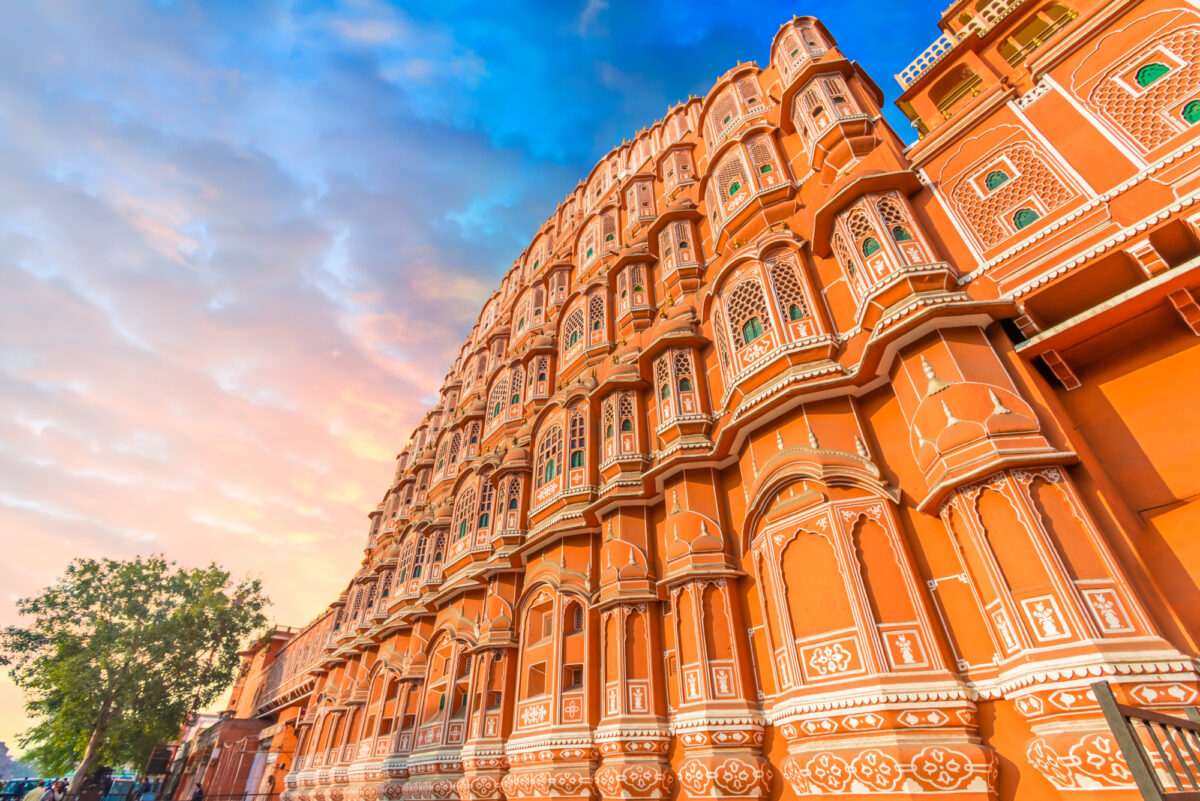
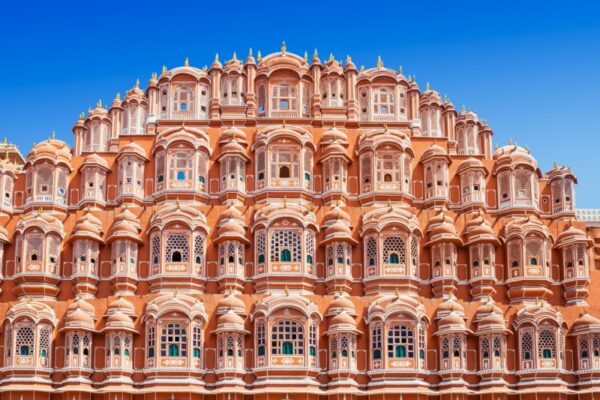
Built as an extension to the City Palace, the Hawa Mahal (Palace of Winds) was designed to allow female royals to watch processions without being observed. The palace resembles a collection of beehives, with more than 953 jharokas (windows) with intricate lattice work allowing the wind to cool inhabitants during the summer.
-
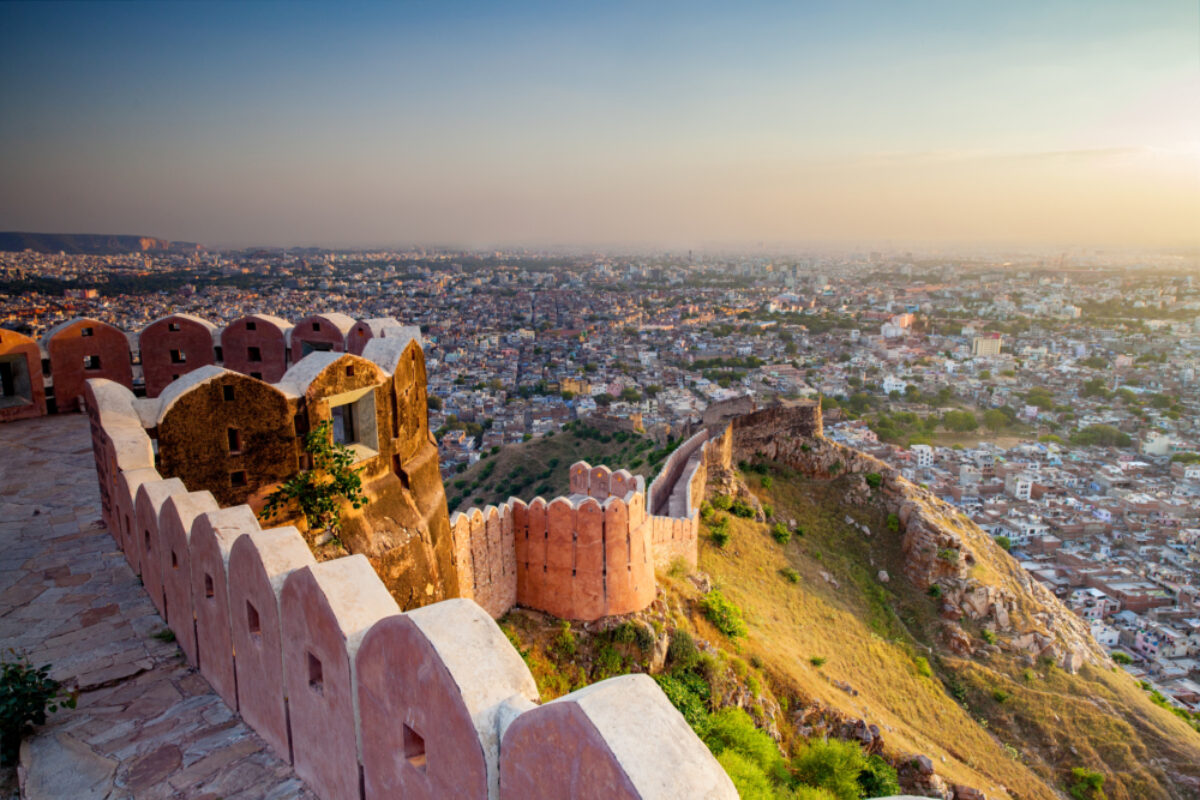
One of the best forts in Jaipur for sunset views, Nahargarh is also believed to be haunted by the ghost of a Rathore prince called Nahar Singh Bhomia. In an attempt to pacify his spirit, you’ll find a small fortress built in his name inside the fort. Nahargarh was built as a royal retreat by Sawai Jai Singh, and it is the beautiful Mahavendra Palace that is its architectural highlight. The palace’s arched entrance is decorated with floral frescos, while inside its courtyard lies nine identical suites, meant for each of his queens. Each suite is two-storied with living quarters, bedroom and kitchen. At the palace’s head lies the king’s palace, complete with decorated doors and frescos.
-
The Golden Triangle cities of Delhi, Agra and Jaipur are all located within 250km of each other and can be covered by road or rail. This is a trail filled with history and laced with stories — you get to see forts and palaces, mosques and mausoleums. The iconic Taj Mahal is on everyone’s itinerary but there is also the Red Fort, a UNESCO World Heritage Site. Old Delhi is more fascinating with its monuments and markets, while colourful Jaipur offers palaces and forts. Rajasthan and the Golden Triangle is a firm fixture in India's tourism industry and the region has excellent travel infrastructure and services for all travel types and budgets. Plan for a minimum of five days to see the Golden Triangle — but more is always better.
-
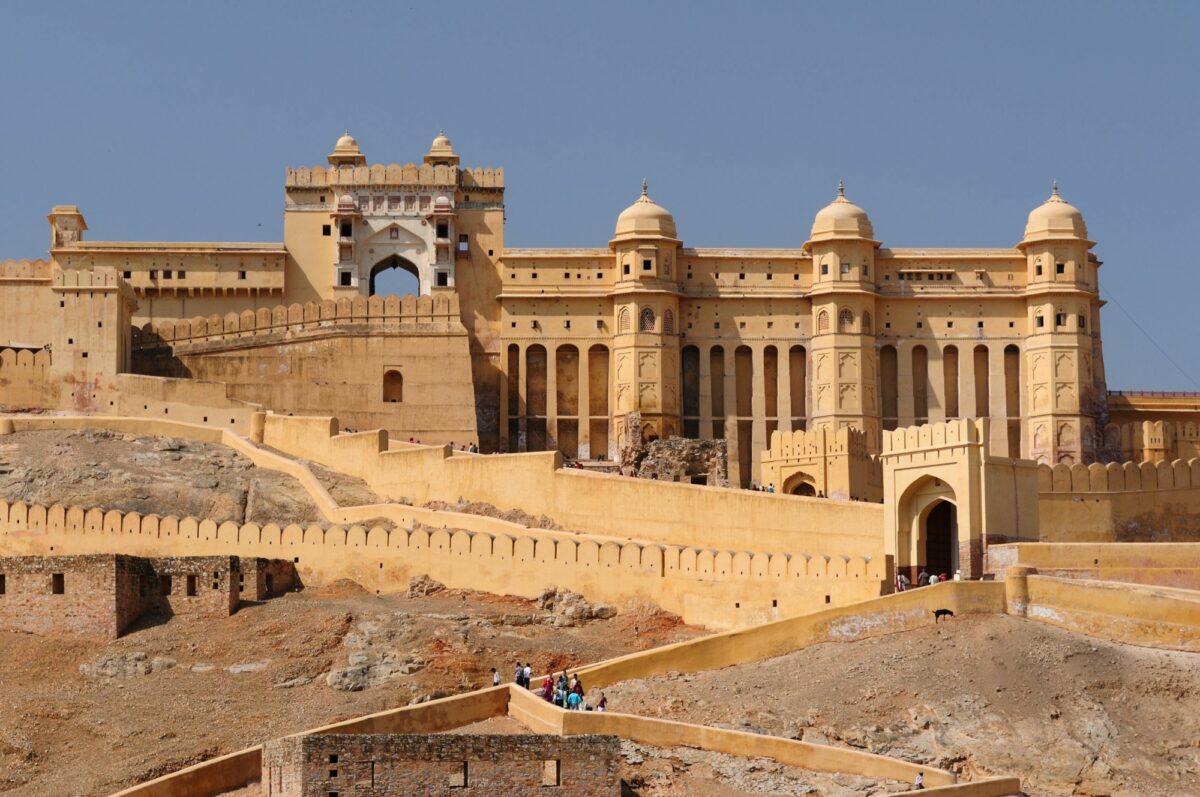
Built in the 10th century and constructed from red sandstone and marble, Amer Fort (also known as Amber Fort), with its elaborate ramparts, opulent palaces and old temples, has been home to royalty since the 16th century. Set over four levels with six separate sections, the fort overlooks Maota Lake. Its palaces — Sheesh Mahal (Palace of Mirrors) and Sukh Niwas (Hall of Pleasure) — use fans and fountains to create a cool, calming atmosphere. The Sheesh Mahal is filled with mirrors and pieces of coloured glass inlaid into its walls and ceilings. Built by Maharaja Man Singh in the 16th century for his queen, the palace is supposed to mimic the starry sky. According to legend, one candle was enough to light up the entire palace, causing it to glow and glisten even in the dark. Look out for the marble carved magic flower: seven unique designs including lotus, fish tail, cobra and scorpion, which are unveiled by hiding part of the panel with your hand. The Sukh Niwas is where the king spent time with his queen and concubines. This palace is decorated with paintings of vases in blue, green and yellow, designed to give a peaceful and relaxed atmosphere. This palace is also home to a rudimentary form of air-conditioning, with a channel cut into the ground where cold water would flow, cooling the palace’s temperature.
-
Combine the culture and architecture of India's famed Golden Triangle with a safari deep into rural Rajasthan to see India's famed tigers in the wild. This classic trip takes in India's extraordinary capital Delhi, the Taj Mahal and fort in Agra, tigers and wildlife in Ranthambore National Park and culture in Jaipur before ending in glitzy Mumbai.
-
This North India itinerary is India at its finest, most regal and most exciting. Delhi, Jaipur and Jodhpur are treasure troves of fascinating culture, Ranthambore National Park is a land of immense natural diversity with some very famous four-legged residents, and Agra and Udaipur are the ultimate symbols of love, devotion and romance.
-
Fly into Tamil Nadu's Chennai before skipping across to a private resort on Andaman and Nicobar Islands, where you can scuba dive, snorkel through coral reef and explore the islands. After overnighting in Chennai, you'll fly to Rajasthan to search for tigers in Ranthambore National Park, before travelling to cultural Jaipur for art and architecture. End your trip in India's giant capital, Delhi.
-
This is India's classic twin-centre itinerary, calling at the country's two standout experiences: touring the Golden Triangle by railway followed by the Kerala backwaters by houseboat. Start your journey in Delhi, exploring the Old Town's historic architecture and trying some street food on Chandni Chowk. Travel by train to Agra to see the famous Taj Mahal. Built by Mughal Emperor Shah Jahan, this monument to love is dedicated to his wife Mumtaz. While in Agra, visit the ghost town of Fatehpur Sikri before heading into Rajasthan and the arty city of Jaipur. Here, you can explore Rajasthan's arts and crafts, alongside its many palaces and mansions. Next, fly – or better, take the train – to Kochi, where to enjoy Keralan cuisine and explore Fort Kochi's many cultural influences. Head into the jungle and Periyar National Park, home to tigers and elephants before ending your trip on a houseboat trip in Kumarakom. Extend your itinerary with visits to Ranthambore National Park, and linger a while longer in Kerala to enjoy some of the country's best beaches.
-

Jaigarh Fort
-

Jaipur
-

Jal Mahal
-

Hawa Mahal
-

Nahargarh Fort
-

Visit the Golden Triangle & Taj Mahal
-

Amer Fort
-
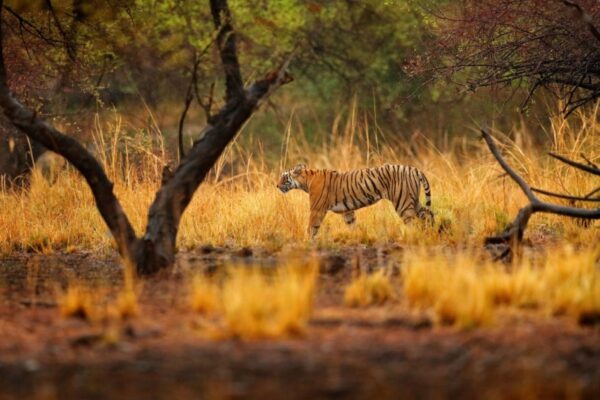
India's Golden Triangle & tigers
-
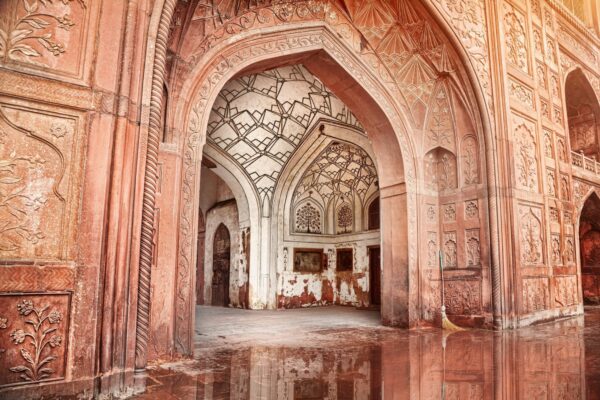
Golden Triangle and Rajasthan extended
-
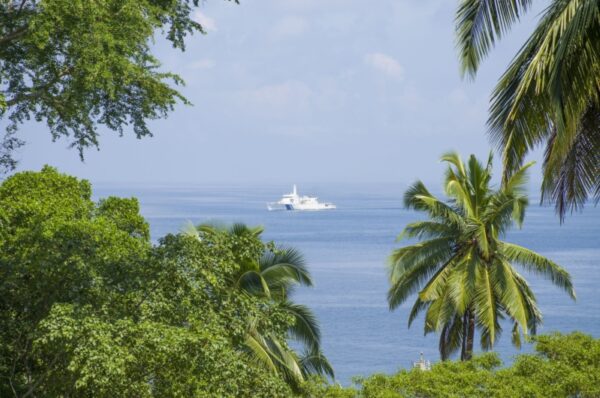
Golden Triangle & Andaman Islands Itinerary
-
Golden Triangle And Kerala Houseboats Itinerary

Trusted specialists

Find a Jaipur specialist
Tell us about your trip and we'll find your match
We'll connect you directly with the experts.

Connect with Krishna.
We'll connect you directly with the experts.
Connect with Krishna.
- Hand-picked local specialists
- Honest advice from real experts
- Free to use, no hidden fees