




The best quiet beaches in Sri Lanka
Private beaches and hidden gems away from the crowds

Last updated 2 May 2024
With 830 miles of coastline, Sri Lanka is virtually synonymous with surf, sand and sunny days on some of the best beaches on earth.
If your idea of a perfect holiday is to snorkel, surf the waves or simply while away lazy afternoons under a giant umbrella—or you want a beach break after exploring the Cultural Triangle—you’re spoiled for choice. There are the postcard-perfect beaches of the southern coast with cerulean waters and powdery sand. There is surf-friendly Arugam Bay in the south-east, considered one of the top surfing spots in the world. And there are the deserted beaches of the country’s once war-torn north, where mass tourism remains blissfully absent.
But it’s not all an unbroken paradise. With a slew of resorts and hotels clamouring for a piece of the prized coastline, many beaches on the southern and eastern coasts are overcrowded, packed with lousy hotels, and littered with trash. The frenetic pace of development and haphazard reconstruction after the 2004 Indian Ocean tsunami has further contributed to coastal erosion.
Many of the beaches that are most easily accessible from Colombo – like Negombo in the west and Bentota in the south – are congested with cookie cutter resorts which are best avoided if you’d rather not spend your holiday queuing at a hotel buffet.
Rampant commercialism and overdevelopment have ruined popular beaches elsewhere, such as Mount Lavinia, south of Colombo, and Hikkaduwa on the southern coast. And although Unawatuna and Mirissa, the best-known of Sri Lanka’s southern beaches, are undeniably charming, they’re much more enjoyable in the off-season.
But Sri Lanka still has plenty of picturesque beaches and coastlines that have been spared the ravages of mass tourism. Here are a few of the top quiet beaches in Sri Lanka.
featured trips
Sri Lanka
Luxury Family Holiday + Seaplane
A luxurious family adventure across Sri Lanka
17 days £4,000 – £8,000 ppfeatured trips
Luxury Family Holiday + Seaplane
A luxurious family adventure across Sri Lanka
17 daysFrom £4,000
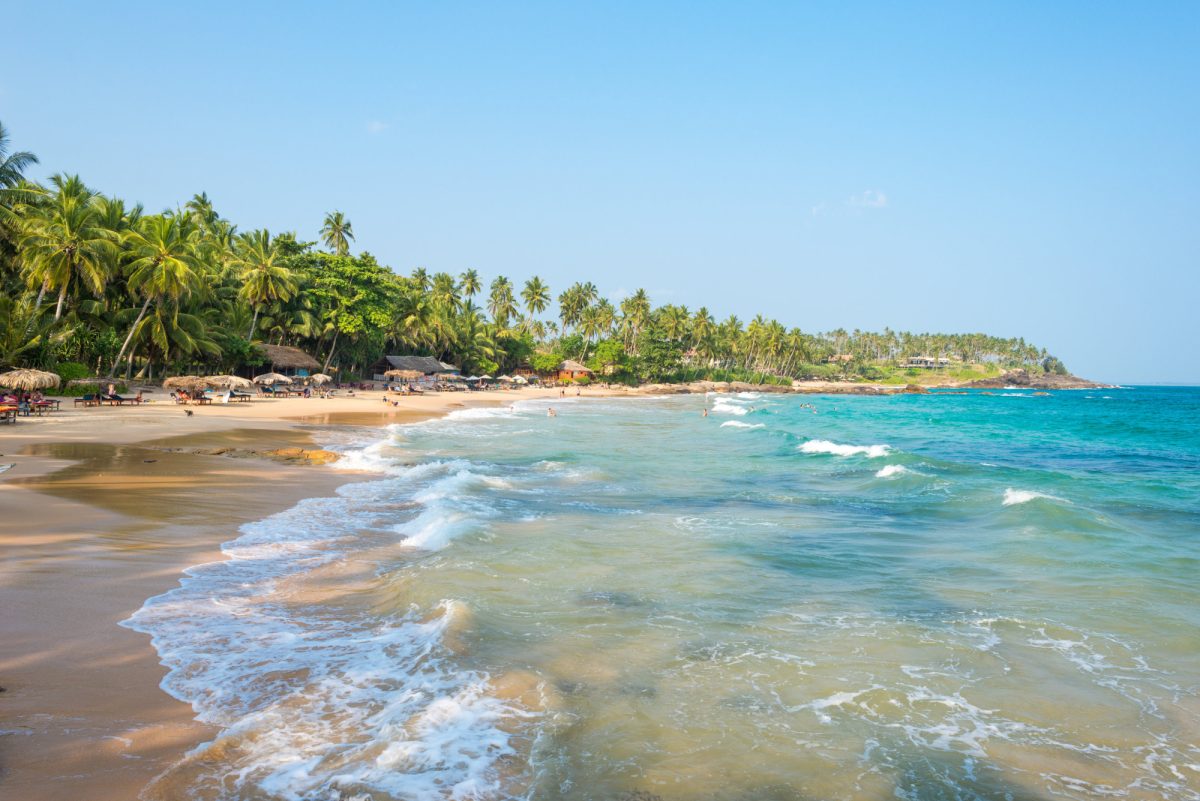
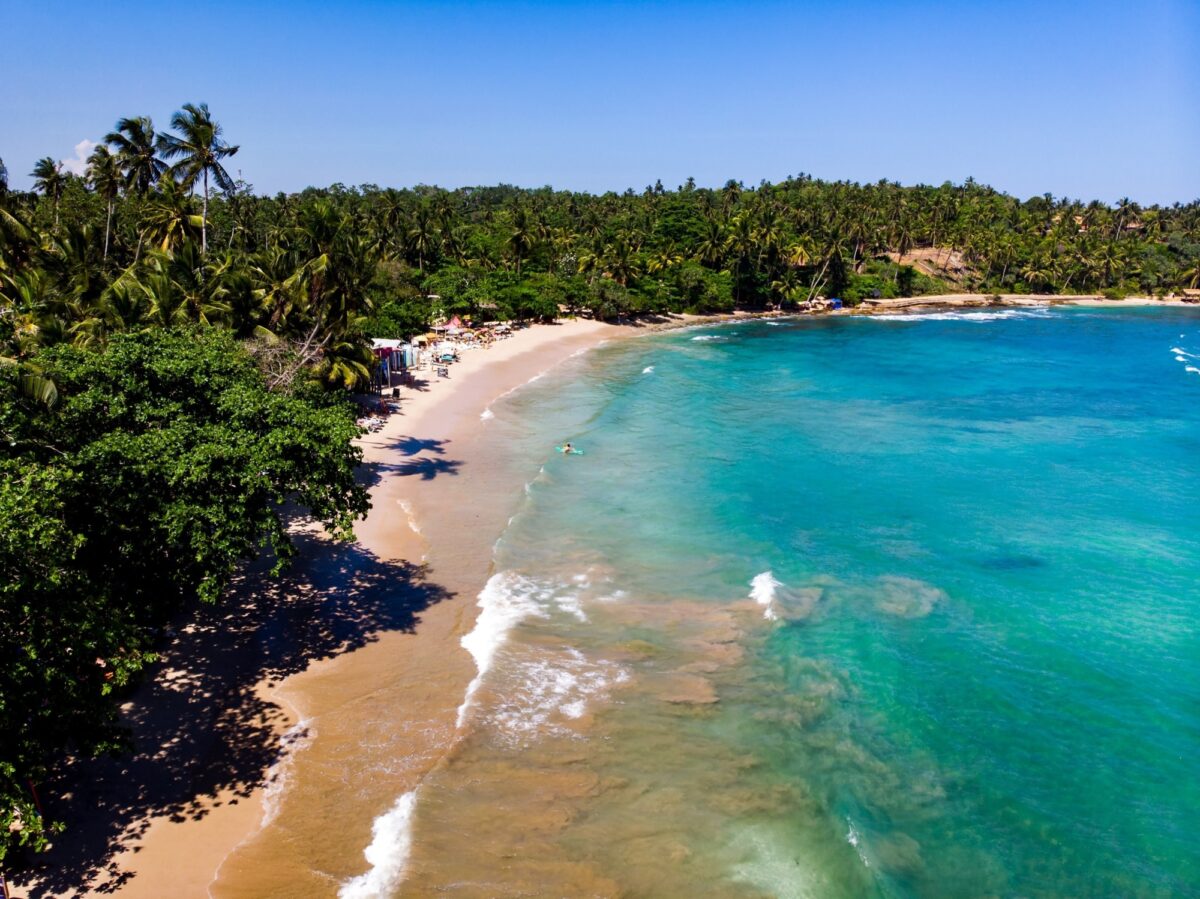
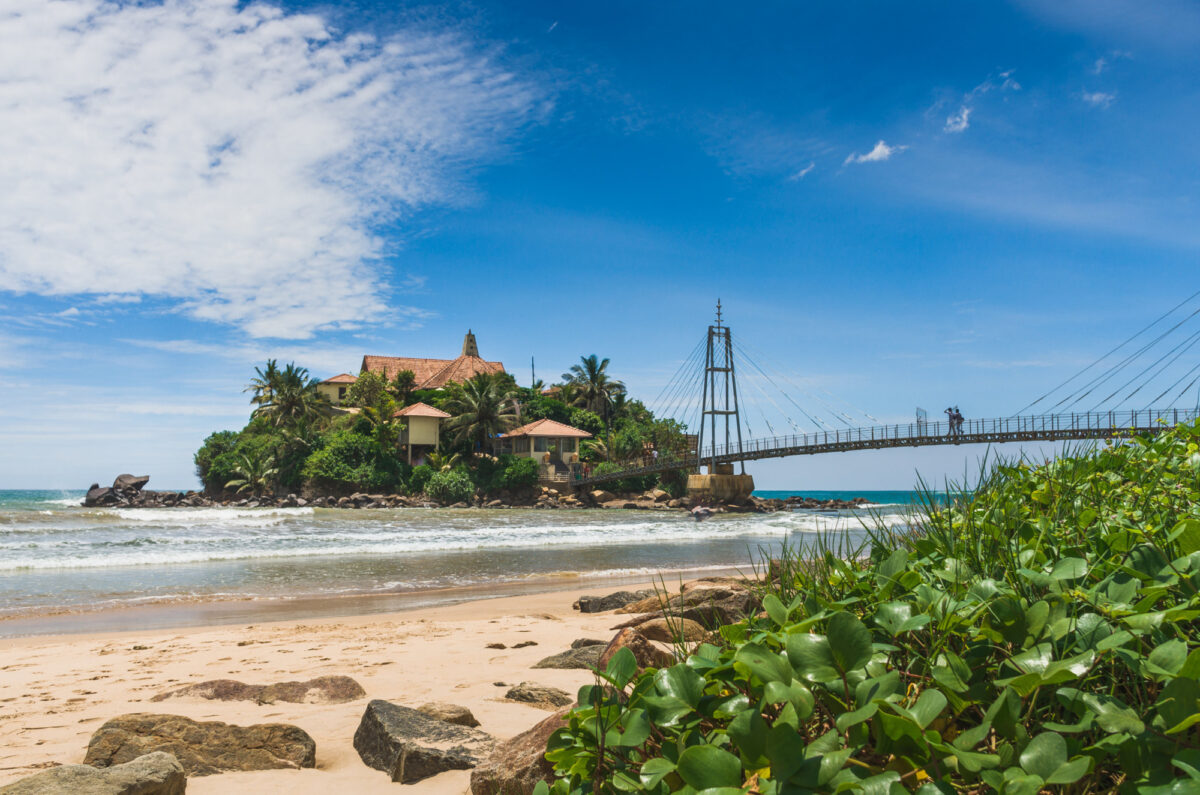
Goyambokka beach, one of the best beaches on Sri Lanka's southern coast
Sri Lanka's quiet and secret beaches
Hidden gems away from the crowds
-
Hidden gems of the south
-
Casuarina beach
-
Escape Bentota and explore the mangrove forests of Madu Ganga
-
Diving & snorkelling on the eastern coast
-
Surfing at Arugam Bay
-
Diving at Pigeon Island
-
Wreck diving in Pasikudah Bay
-
Kitesurfing in Kalpitiya
Experience / Tangalle
Hidden gems of the south
Experience / Jaffna
Casuarina beach
Experience / Bentota
Escape Bentota and explore the mangrove forests of Madu Ganga
Experience / Sri Lanka
Diving & snorkelling on the eastern coast

Experience / Arugam Bay
Surfing at Arugam Bay
Experience / Pigeon Island National Park
Diving at Pigeon Island
Experience / Sri Lanka
Wreck diving in Pasikudah Bay
Experience / Kalpitiya
Kitesurfing in Kalpitiya
Hidden gems of the south
Beach
January - December
Despite its greater popularity, there are still plenty of unspoilt beaches on the southern coast.
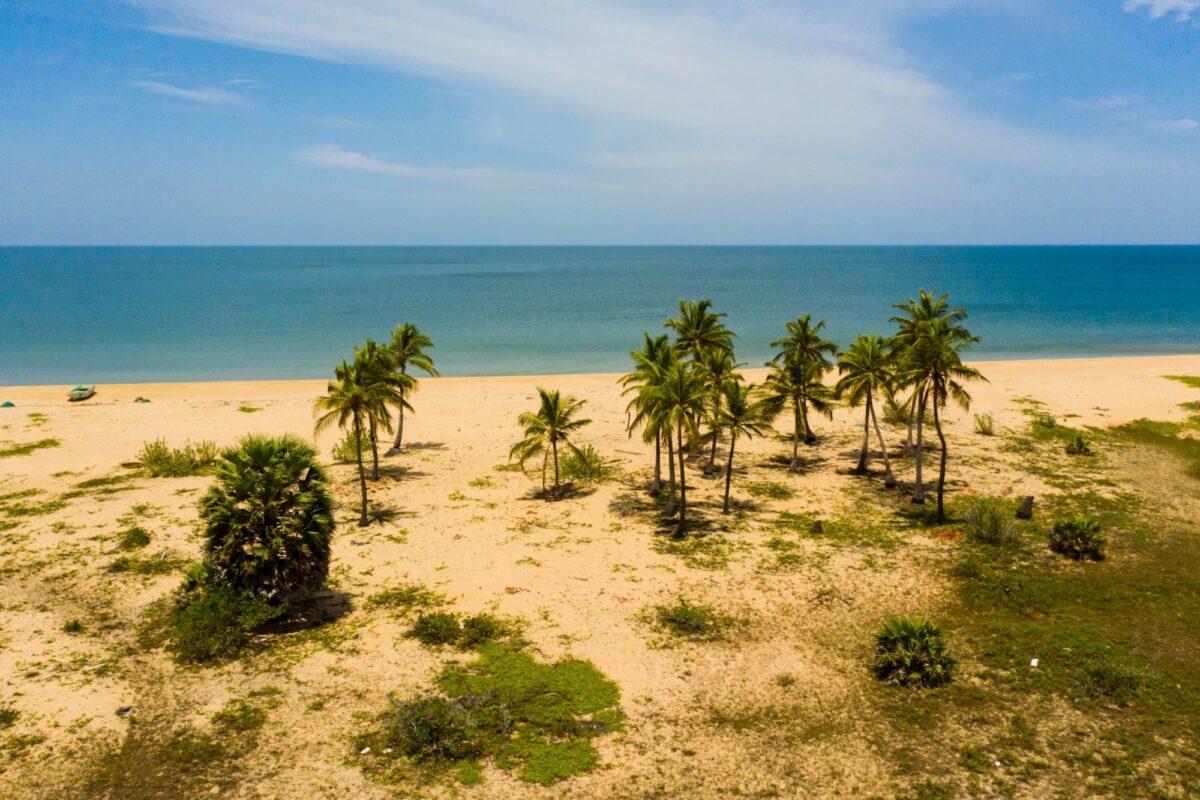
Most people don’t bother making the trek to Tangalle, which means that the beaches in and around this coastal town are among the most pristine you will find down south.
Beaches between the towns of Galle and Tangalle are generally long, wide and sandy. Some of my personal favourites would be Kabalana, Mawella and the sublime horseshoe cove of Hiriketiya.
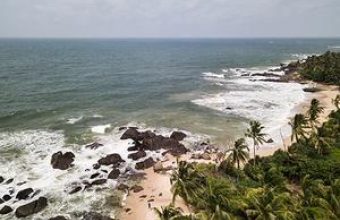
A 10-minute tuk-tuk ride from Tangalle, Goyambokka beach boasts clean sands bordered by the country’s signature coconut palms, clean waters and an unhurried vibe. Large hotels are still few and far between in these parts, but a number of restaurants along the beach offer fresh seafood, beer and thambili or king coconut water.
Closer than Tangalle but almost as untouched, Talalla is another beach worth visiting. A long, crescent-shaped beach partially hidden from view by a thicket of shrubby trees, Talalla is clean – if underdeveloped – and ideal for an offbeat holiday. A few shacks on the beach offer refreshments and you can also rent beach beds for a small fee. The currents here can be quite rough, so it is best to check conditions beforehand.
Talalla is just over three hours from Colombo by car via the Southern Expressway, while Tangalle takes half an hour longer. The ideal time to visit both these beaches is between December and April.
Casuarina beach
Beach
January - December
Only just opening up to outsiders after decades of civil war, the beaches surrounding Jaffna, at the northernmost tip of the country, are superb, isolated – and, at least for now, refreshingly non-commercial.
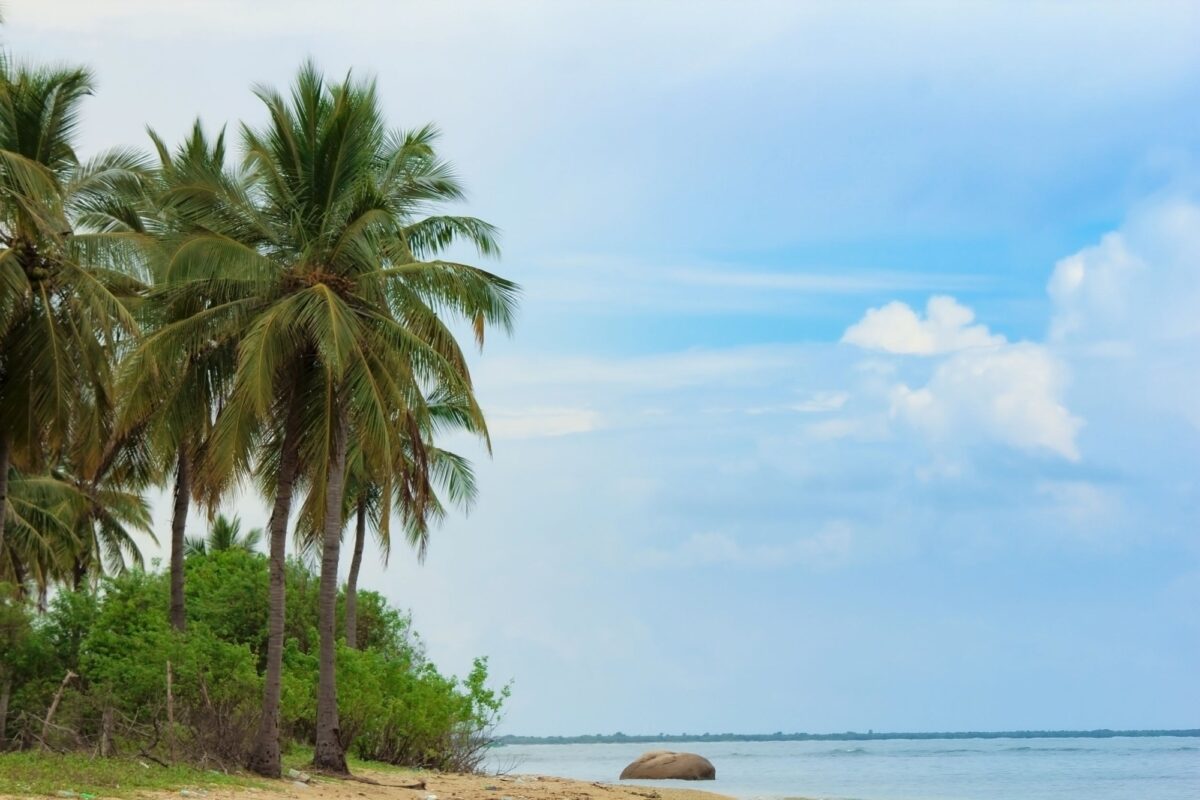
Named after a grove of casuarina trees that border the shore, Casuarina is the best known of these beaches. With placid waters and a sandy stretch devoid of people, especially on weekdays, Casuarina makes for a perfect day trip from Jaffna.
There are changing facilities, toilets and a few kiosks on the beach, but it would be advisable to bring your own picnic basket. There are hardly any hotels or guest houses in the area, so Jaffna might be your best bet for accommodation.
Casuarina is about 20 km from Jaffna on the island of Karaitivu, which is connected to the mainland by a causeway. You can get there with a rental car or local bus from Jaffna; alternatively, a quality tour operator will be able to help with transport.
Jaffna is easily reached from Colombo by road or train (it’s an approximately six-hour trip). The best time to visit is between May and September.
Escape Bentota and explore the mangrove forests of Madu Ganga
Nature & Wildlife
January - December
The beach town of Bentota, on Sri Lanka’s south-western coast and easily reached from Colombo, is a tourism hotspot – the beaches here are crowded and a tad dirty in peak season.
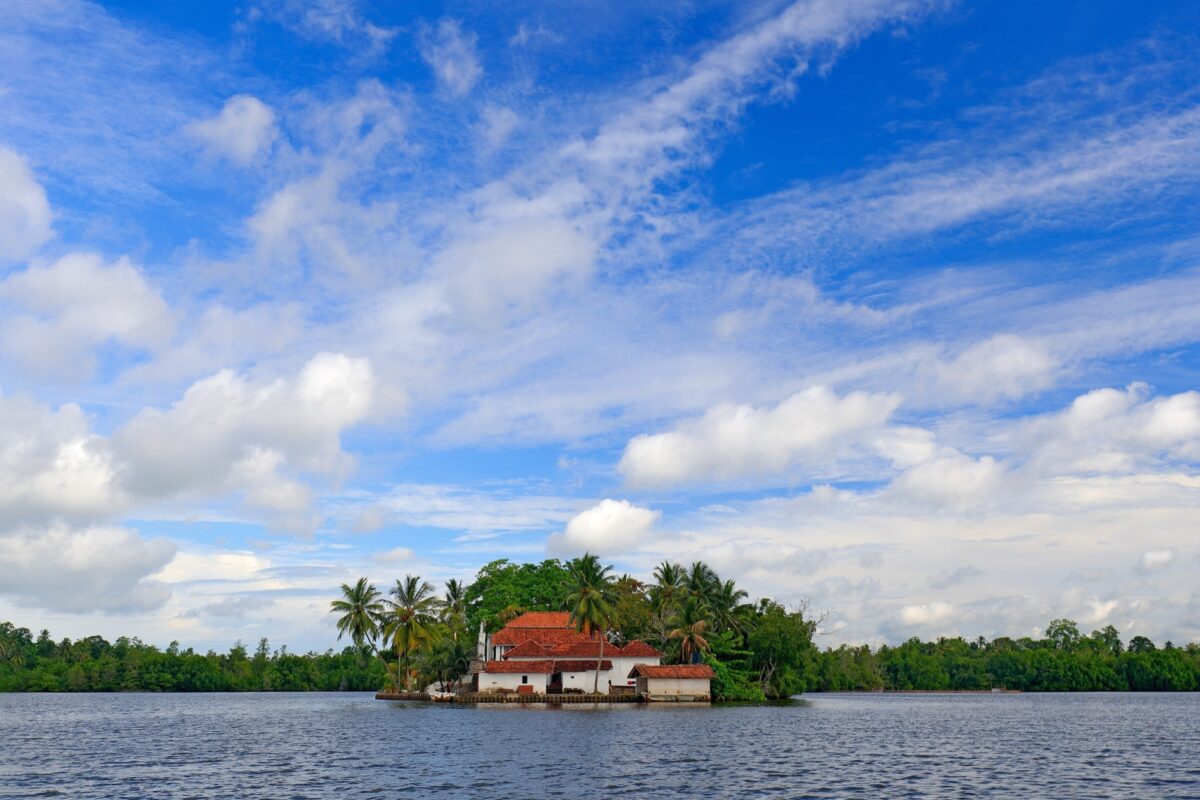
But just half an hour’s drive from busy Bentota is one of Sri Lanka’s best-kept secrets: A dense tangle of mangrove forests on the Madu Ganga river. Part of an inland coastal wetland, they are among the last untouched mangrove forests in the country. Local operators offer boat tours that weave through the mangroves and past small river islands.
Bentota is a little under two hours’ drive from Colombo so you could easily make it a day trip. Stop for a Sri Lankan rice and curry lunch at Lunuganga, country home and estate of Geoffrey Bawa, the renowned 20th century Sri Lankan architect. (Make a lunch reservation in advance; a tour of Lunuganga’s landscaped gardens is included in the entry fee.)
The best time to visit this part of the country is between January and April.
Diving & snorkelling on the eastern coast
Beach
January - December
Pasikudah Bay is a long stretch of white sand beach, north of Batticaloa, with shipwrecks scattered along the coast. There are a number of dive shops and operators offering tours or training. Key locations include the wreck of HMS Hermes and the Gladys Moller as well as wrek suitable for trainee divers.
Further north, Trincomalee is a popular area for spotting dolphins with Navy Island having a huge stretch of reef suitable for novice divers. Local companies offer courses in the area, with notable species to spot including sting rays, various types of eel and fish living in the coral.
Surfing at Arugam Bay
Beach, Active, Surfing
January - December
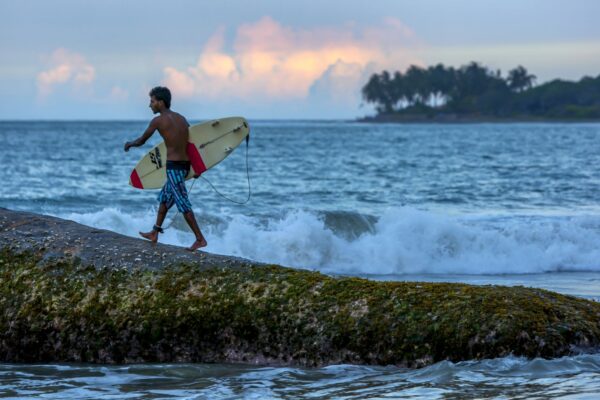
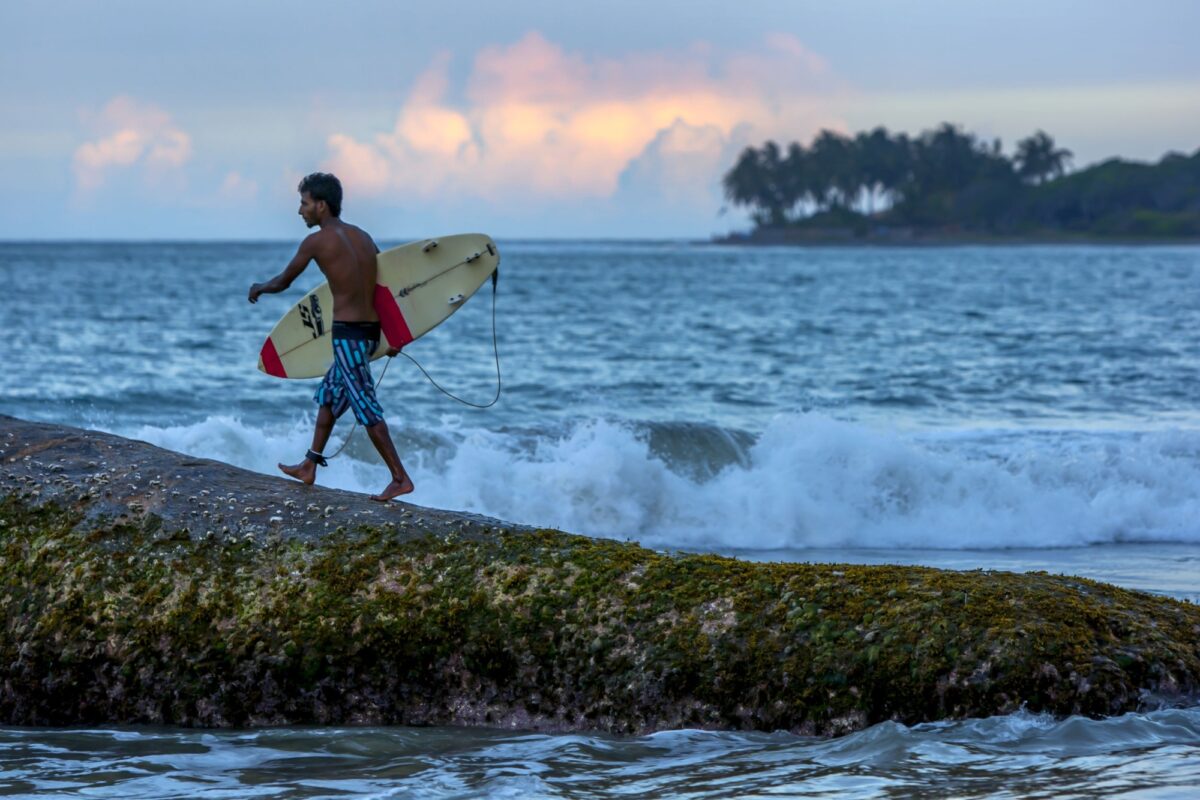
On the remote south-eastern coast of the island, Arugam Bay is the last word when it comes to surfing in Sri Lanka. Counted among the top surfing destinations in the world, “A-Bay” boasts large swells that wash up to its shore from Antarctica and a number of right-hand breaks that are suitable for beginners as well as more advanced surfers.
About 30 km from Kumana National Park is the country’s top bird sanctuary, Arugam Bay. The natural beauty here is stunning. Tucked away in a distant part of the island, A-Bay is a seven or eight-hour drive by car or an overnight ride by luxury bus from Colombo. Not yet as developed as the southern coast, A-Bay has just a handful of hotels. The best time to visit is between May and November.
Hiriketiya, a horseshoe-shaped bay just 10 minutes from the town of Dickwella along the south coast, is a great testing ground for novice surfers. Regarded as one of the country’s most picturesque beaches, Hiriketiya is shrouded from view by a coconut grove. It has a year-round surf break that makes it ideal for those learning to ride the waves.
The beach has a few shacks selling fresh juices and renting beach beds. Visit between December and April.
Diving at Pigeon Island
Beach, Active, Diving
January - December
For snorkelling and diving, there are few better locations than Pigeon Island National Park, just off the coast of Trincomalee, a popular beach town on the east coast of the island.
One of two national marine parks in the country, Pigeon Island is surrounded by shallow waters and an abundance of marine life, including corals, shoals of colourful fish, and even the odd sea turtle. The beach itself is narrow in parts and can get crowded at weekends and holidays with visitors who make the 1 km boat trip from Trinco (as it is fondly known).
A number of private scuba operators along the Nilaveli beach in Trinco organise round trips to Pigeon Island throughout the day. The Nilaveli Private Boat Service, run by an association of local boat owners, also organises round trips at a fixed rate of LKR (Sri Lanka rupee) 2,000 ($13). You can also rent snorkelling gear for a small fee. Entry tickets to the park cost $10 per person and $8 for a group, and are available at the Pigeon Island ticket office on Nilaveli beach.
Pigeon Island can get very crowded in the peak season, between May and September, so make sure you book a boat in advance.
Wreck diving in Pasikudah Bay
Beach, Active, Diving
January - December
Pasikudah, an isolated hamlet on the east coast until the end of the war, has become a popular tourist destination. With a number of shipwrecks in shallow water and a couple of deeper Second World War wrecks not too far from its popular tourist stretch, Pasikudah is emerging as a hotspot for wreck diving.
Some of the famous wrecks near the Pasikudah coast include the British Sergeant, a British tanker that was sunk during a Japanese air raid in 1942; the Gladys Moller, a transport ship that was wrecked in very shallow waters, and three so-called boiler wrecks that are an excellent training ground for divers looking to improve their skills. An hour away, off the coast of Batticaloa in deeper waters lies the wreck of HMS Hermes, the first custom-built aircraft carrier that was sunk during a Japanese air raid. At a depth of 42 to 53 metres, this is considered one of the world’s great wreck dives, suitable for trained and experienced divers.
A few dive shops in Pasikudah organise both easy and more advanced dives. Some hotels in the area also have their own dive schools with PADI-certified scuba trainers and dive masters to accompany you. If you are a serious diver, ensure that you check beforehand about the facilities before choosing a hotel.
Pasikudah is an approximately six or seven-hour drive from Colombo, accounting for traffic along the way and breaks. The diving season on the east coast runs from May to October which is also the high season for this coast, so make your bookings in advance.
Kitesurfing in Kalpitiya
Beach
January - December
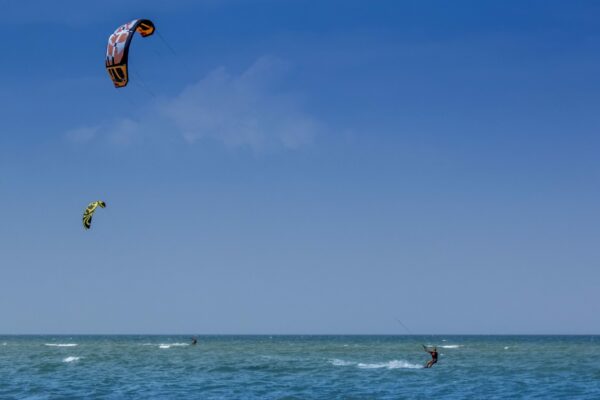
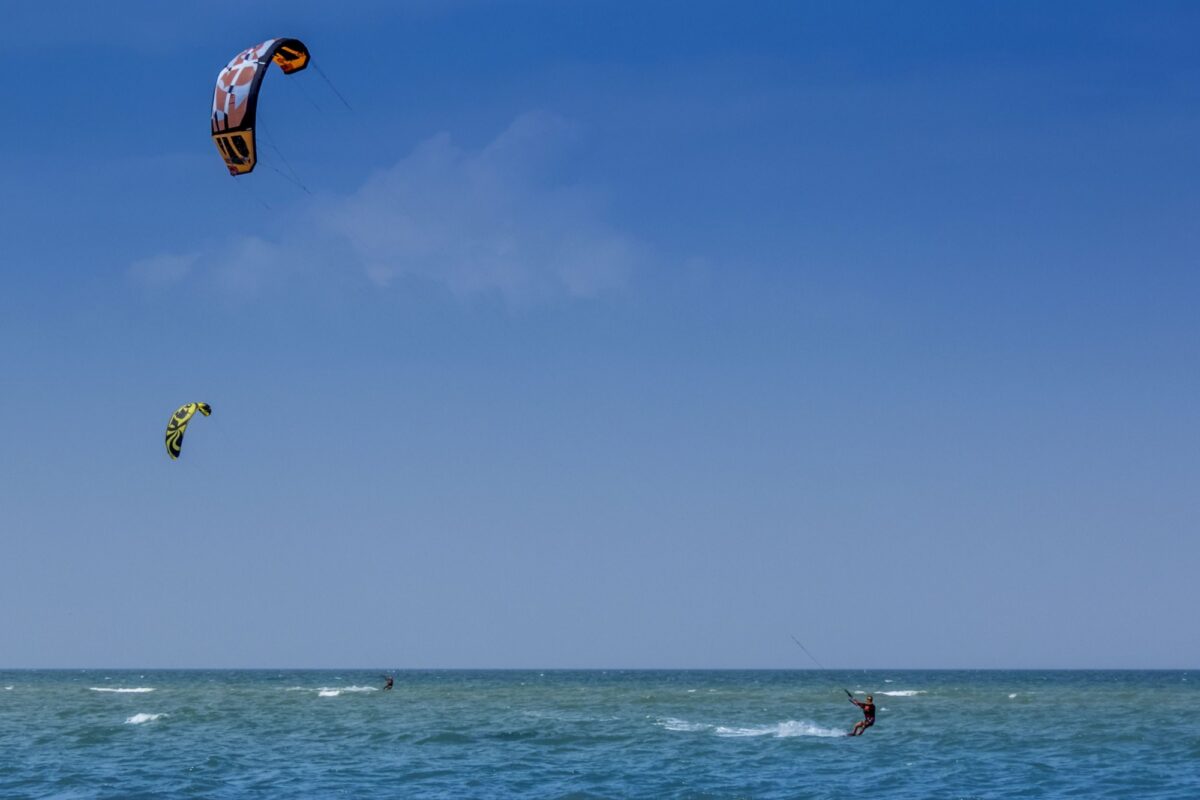
A backwater compared to the more popular tourist spots around the country, Kalpitiya, on the northwestern coast, has slowly built a reputation for its kitesurfing. It is at the tip of a slender finger of land sticking out into the Indian Ocean, with a lagoon on its eastern side.
While the relatively gentle winds and calm waters of the lagoon make it a great spot for beginners, more experienced kitesurfers flock to Alankuda beach, which has stronger winds and moderate crowds. A couple of kitesurfing schools in the area provide training, rent out kites and offer basic accommodation. Check out the Sri Lanka Kite School.
New kite resorts in Kalpitiya run their own schools and offer special accommodation packages for kitesurfers. Rascals Kite Resort, a rustic hotel with colourfully decorated cabanas, is run by kitesurfing enthusiasts and has direct access to the lagoon. Bar Reef Resort, an eco-conscious hotel at Alankuda beach, also offers kitesurfing lessons and excursions to nearby lagoons.
For a different kind of adventure, Kalpitiya has excellent opportunities for snorkelling and dolphin spotting. It is also only a two-hour drive from Wilpattu National Park, one of the country’s premier wildlife sanctuaries, which has the largest population of leopards. It’s well worth planning a day trip to Wilpattu while you are in the area.
Spend at least three nights in Kalpitiya, especially if you intend to kitesurf, and an additional day or two for other excursions.
The ideal time for kitesurfing here is between May and October. Wind conditions are milder but still favourable between December and March.