





Sri Lanka off the beaten track
An expert guide to Sri Lanka's hidden gems


From ancient ruins to a vibrant and welcoming contemporary culture; from lazy afternoons on glorious beaches, to hikes through the rolling hills of tea country and wild elephant spotting in untouched national parks; Sri Lanka is a destination that truly has it all.
Despite having its hard-won stability rocked by occasional political disputes, Sri Lanka's tourism infrastructure is developing in leaps and bounds. Hospitality is warm and abundant, transport is convenient, and accommodation – particularly in the independent boutique sector – is world-class.
But there is a downside to the country’s tourism boom. Rampant commercialisation along parts of the southwestern coast has lead to a proliferation of awful resorts and crowded, dirty beaches. Many of the most popular locations are busy, polluted and poorly-managed. Animal tourism, especially involving captive elephants, leaves a dark stain on the country’s environmental credentials.
Fortunately, as this guide shows, it’s remarkably easy to get away from it all and experience what might be called the "real" Sri Lanka. While the crowds line up at hotel buffets and squabble for sun loungers, you can get well and truly off the tourist trail and enjoy the country in all its diverse and authentic glory.
Here's my essential guide to getting off the beaten path in Sri Lanka and seeing the country unspoiled by tourism.
featured trips
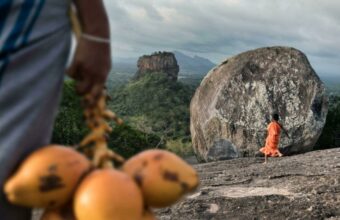

featured trips

Off the beaten path in Sri Lanka
Overrated: With a slew of resorts and hotels clamouring for a piece of the prized coastline, many beaches on the southern and eastern coasts are overcrowded, packed with lousy hotels, and littered with trash. Many of the beaches that are most easily accessible from Colombo are congested with cookie cutter resorts which are best avoided if you’d rather not spend your holiday queuing at a hotel buffet.
Avoid: Animal tourism is poorly regulated here, especially when it involves captive elephants and whale spotting in speedboats. Use your common sense – if it feels wrong, it probably is.
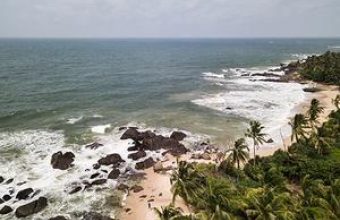
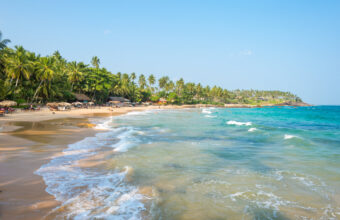
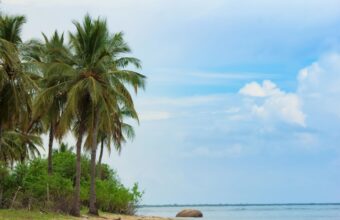
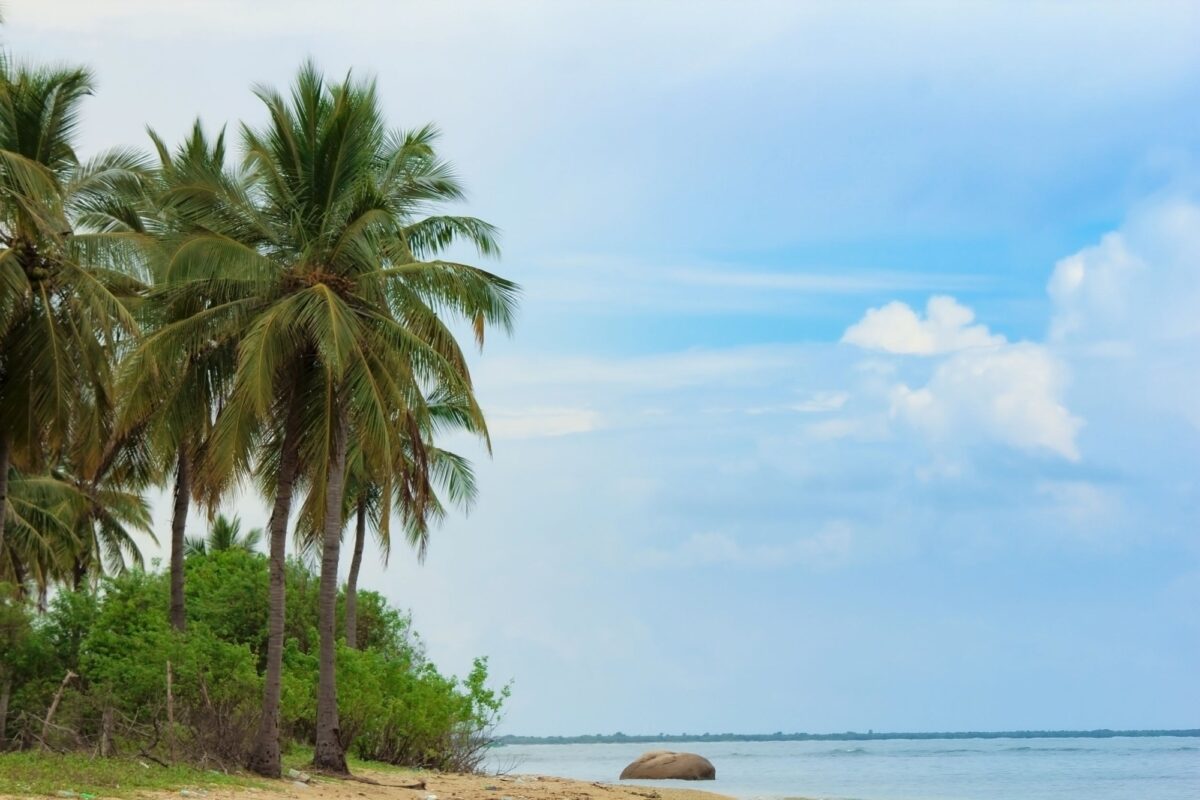
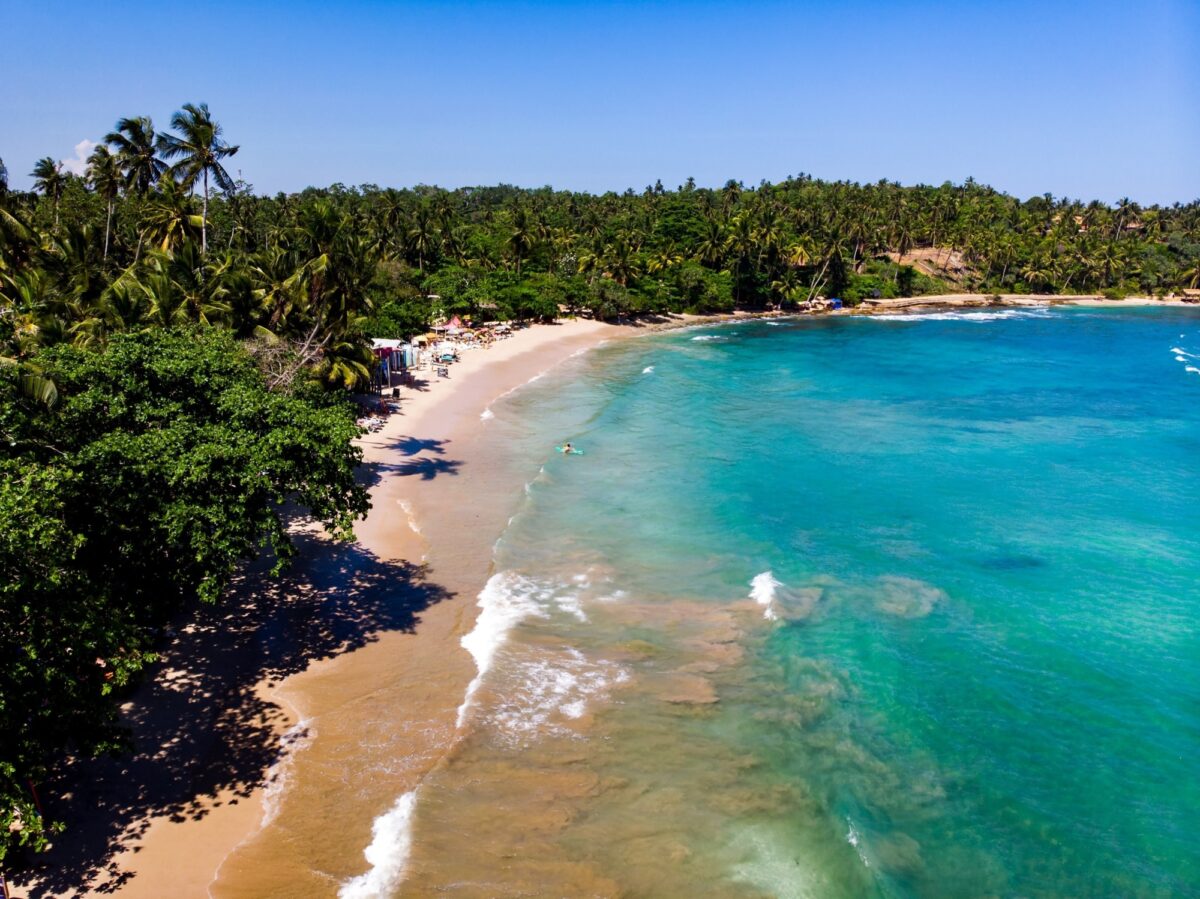
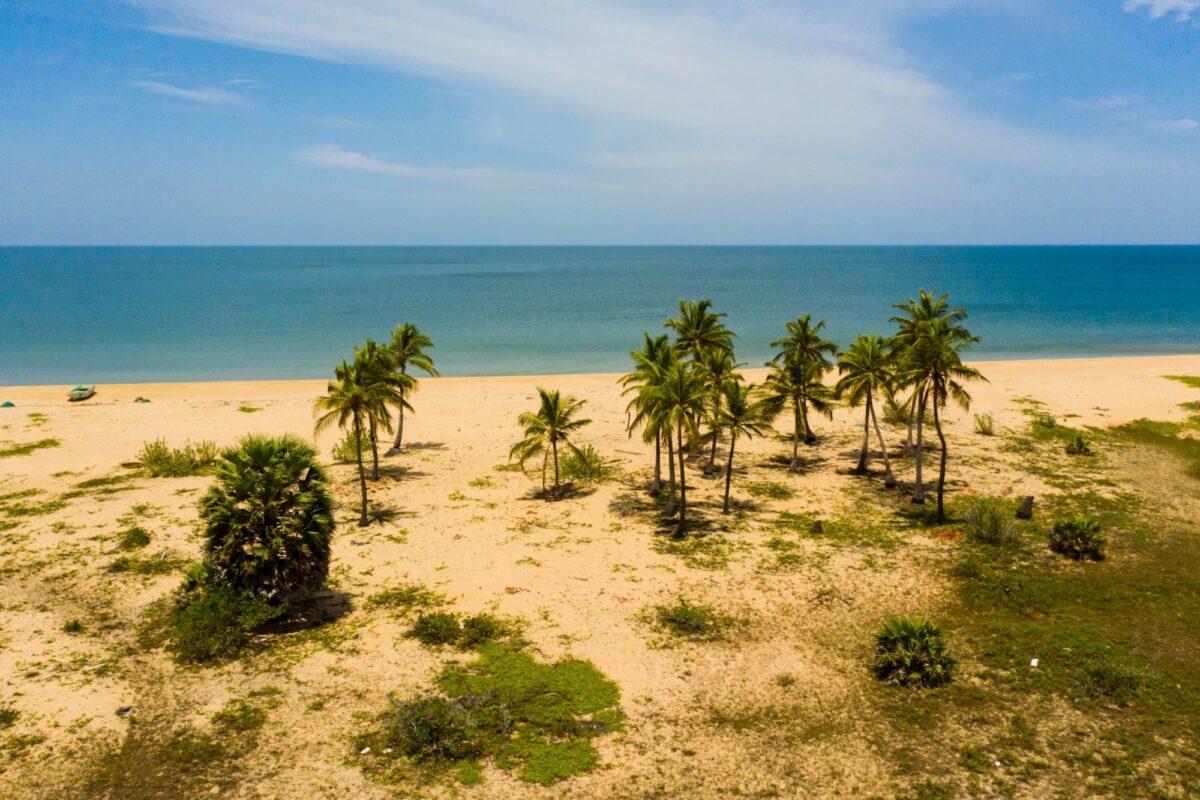
Underrated: There are some true hidden gems on the southern and northern coast where quiet beach escapes await.
Take the kids: Sri Lanka is an excellent place to visit with kids of all ages, and it may not be as challenging or adventurous as you first assume.
Off the beaten track in Sri Lanka
Underrated hidden gems away from the crowds
-

See the Cultural Triangle's underrated hidden gems
-

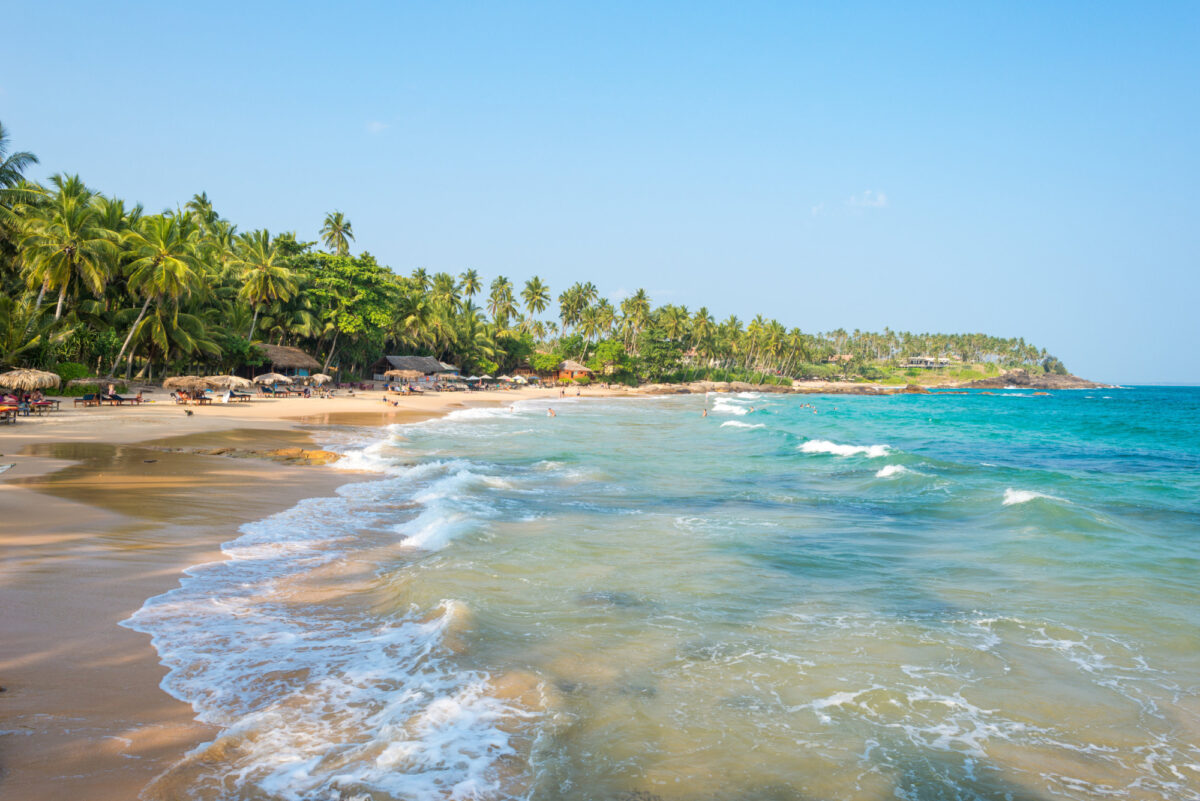
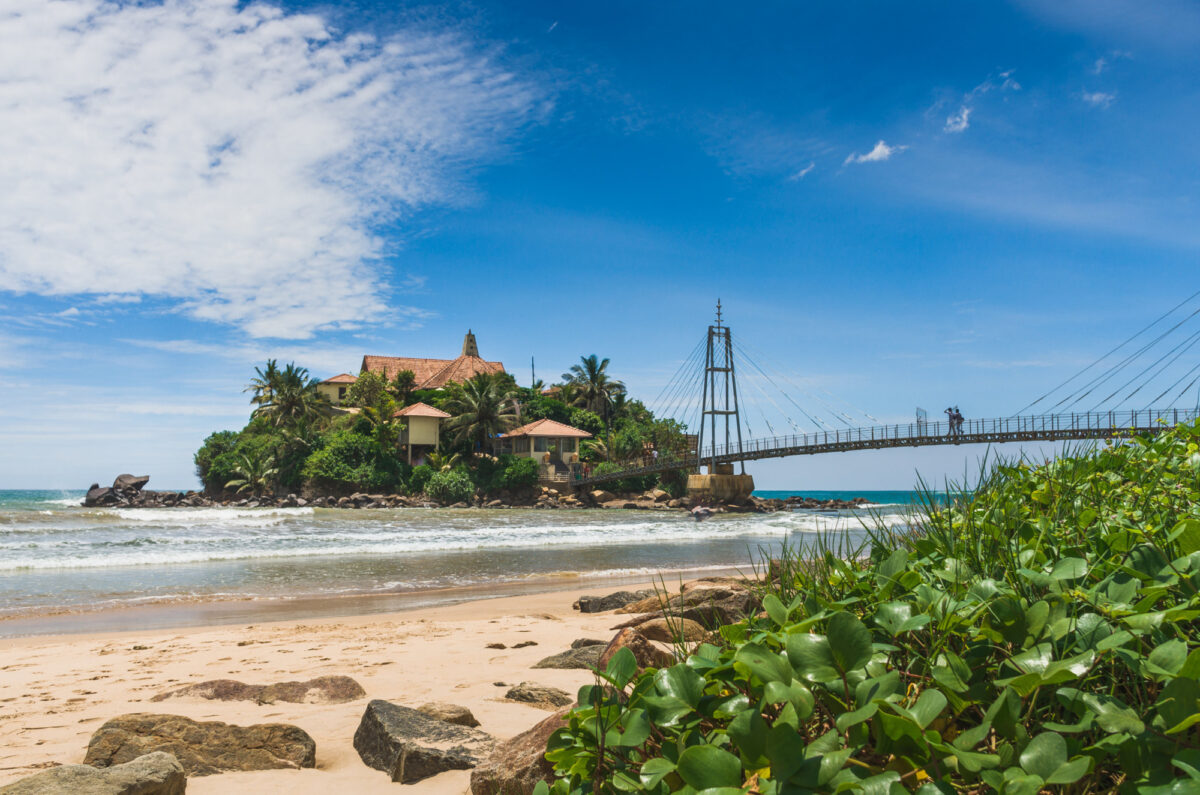
Explore secret beaches on the southern coast
-

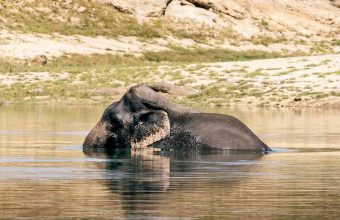
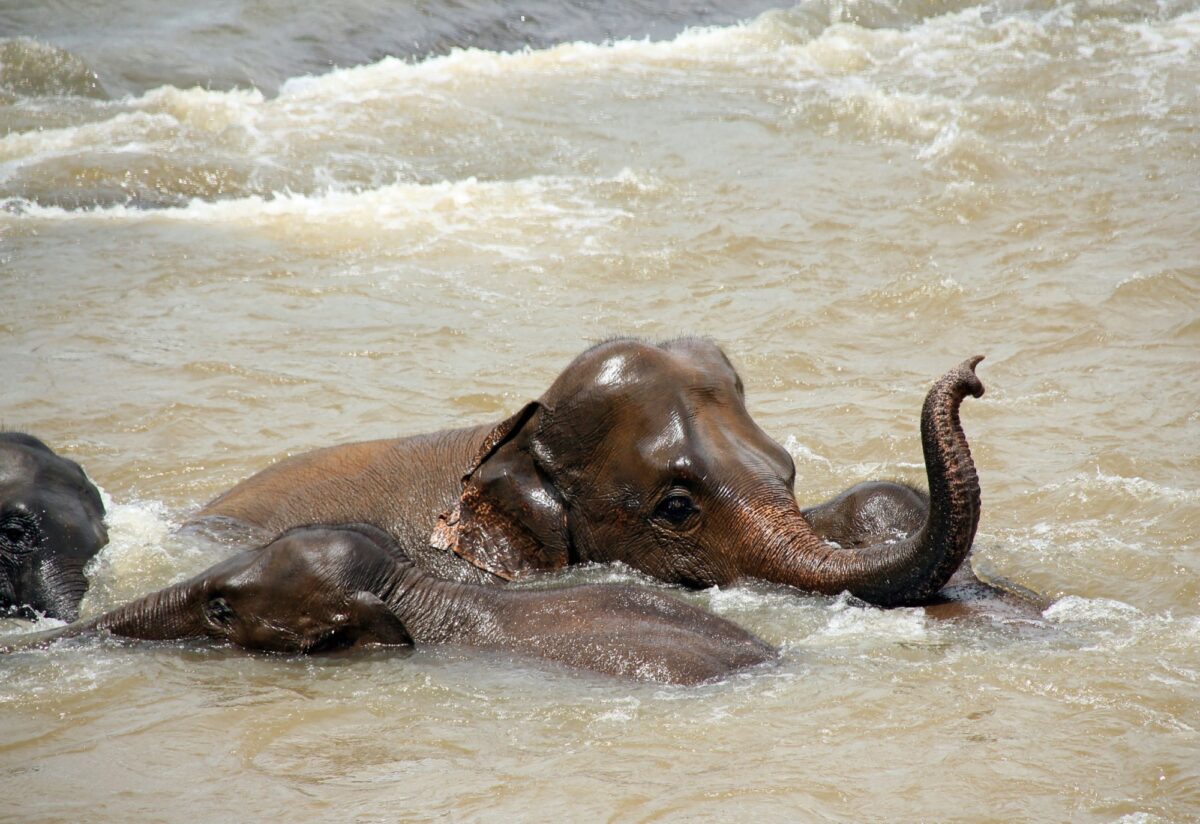
See the swimming elephants of Gal Oya
-

Diving & snorkelling on the eastern coast
-

Jaffna & the north
-

Hidden gems of the south
-
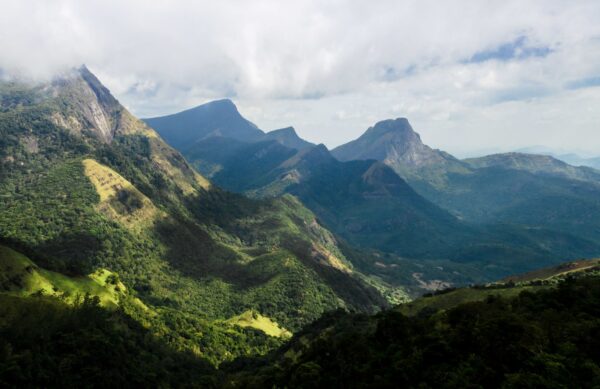
Birdwatching in the Knuckles Mountains
-

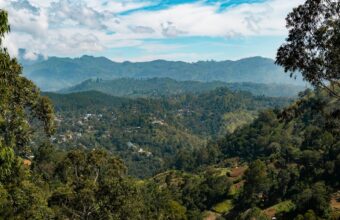
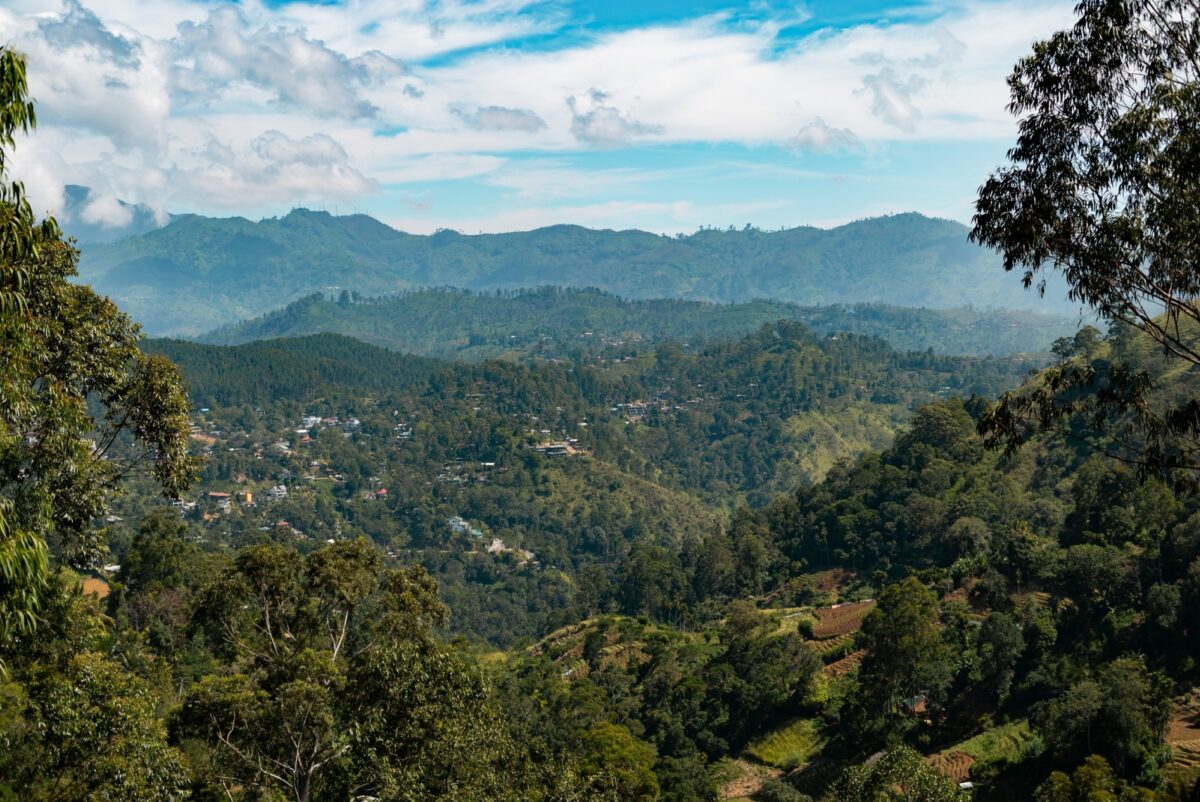
Off the beaten path in tea country
-

Casuarina beach
-

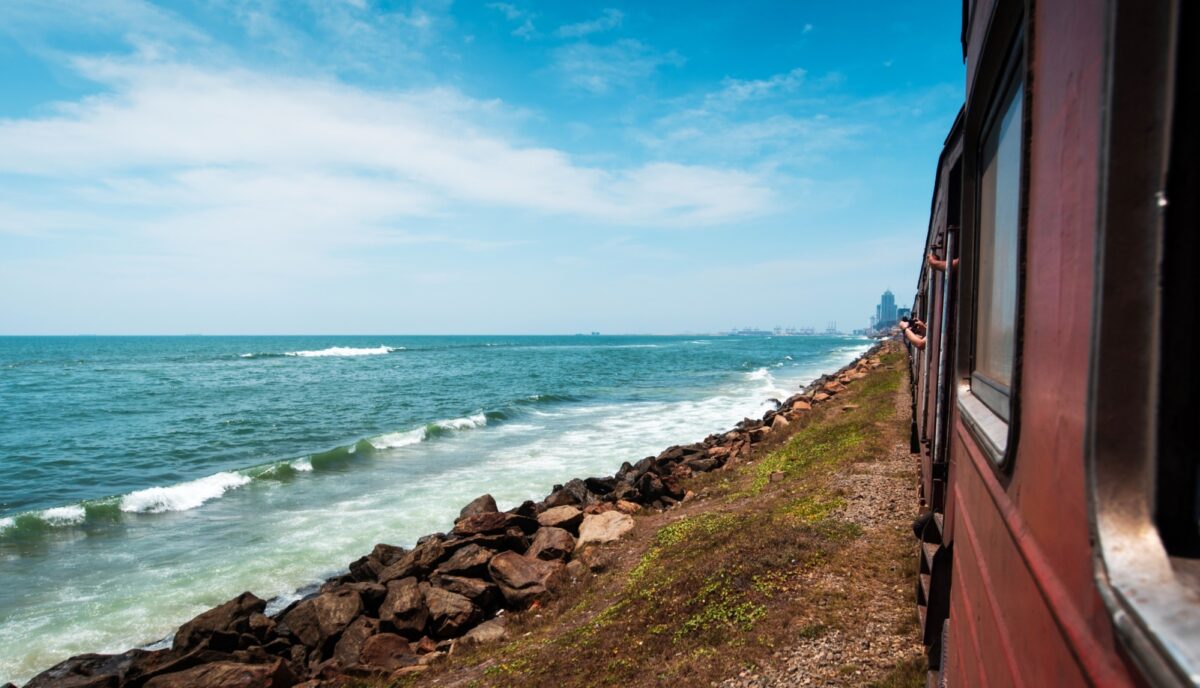
Lesser-known train journeys
-

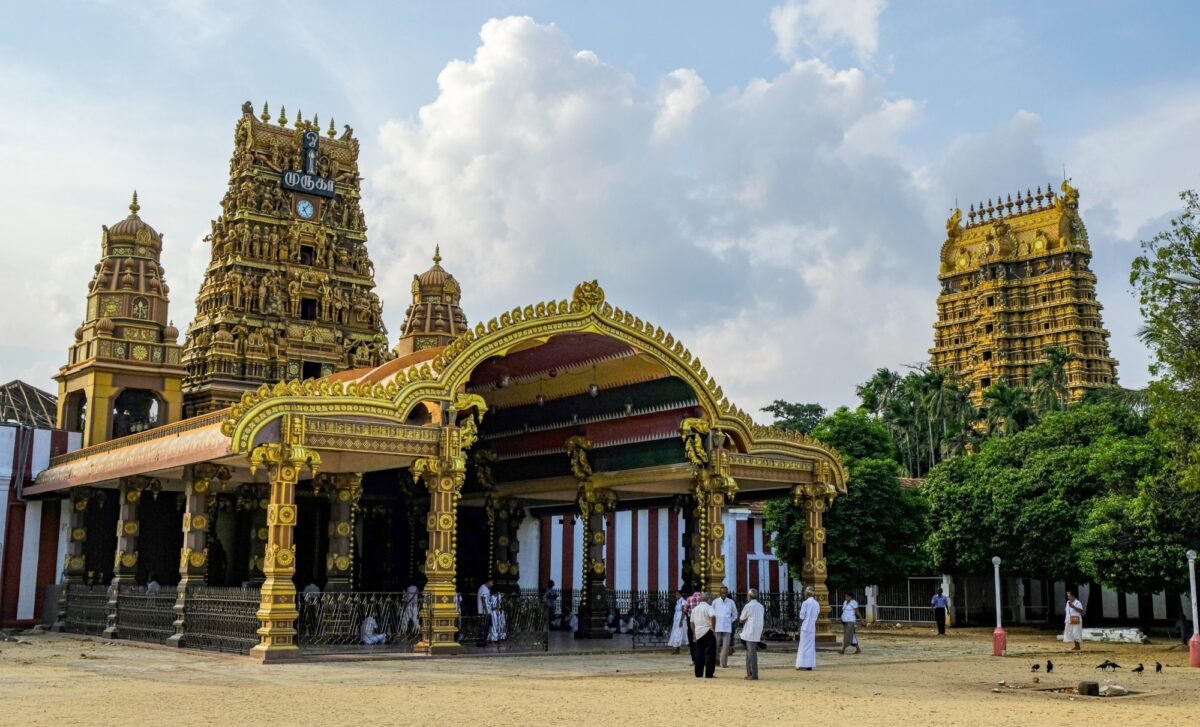
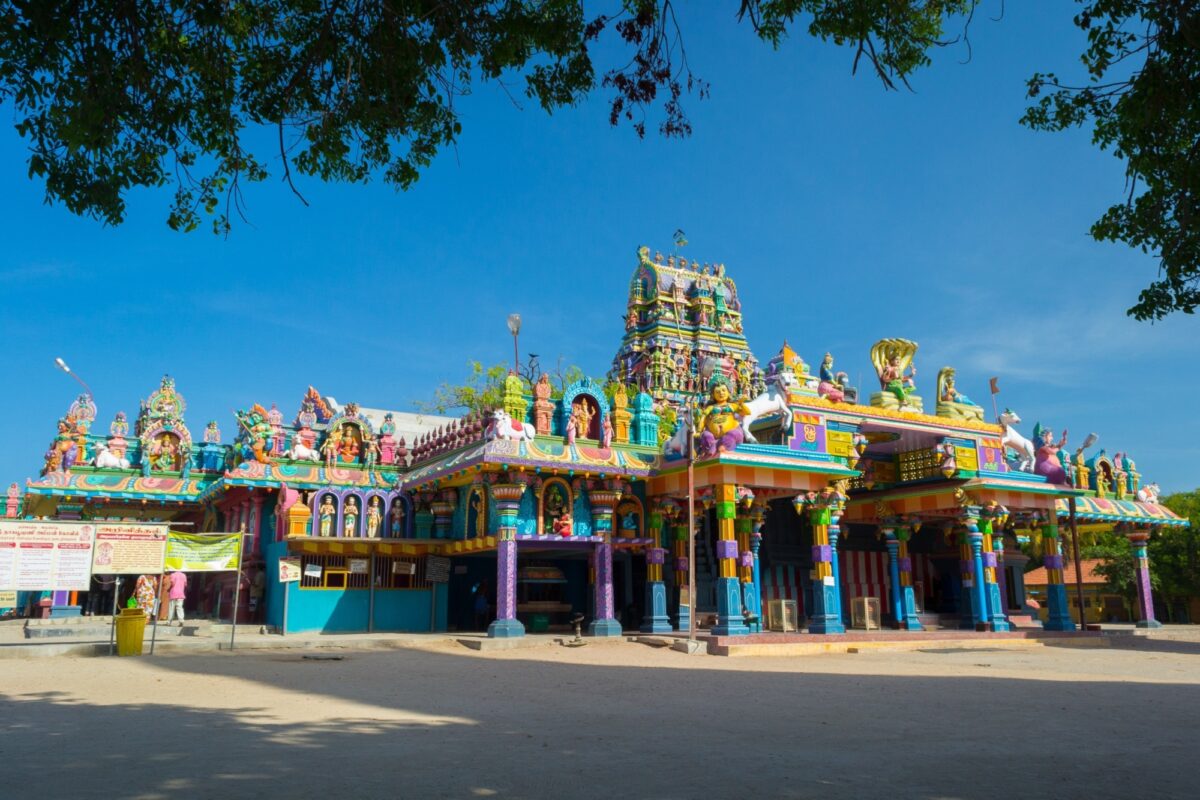
Witness Hindu festivities at Nallur Kandaswamy Kovil
-

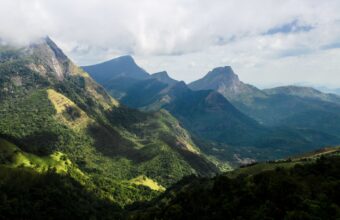
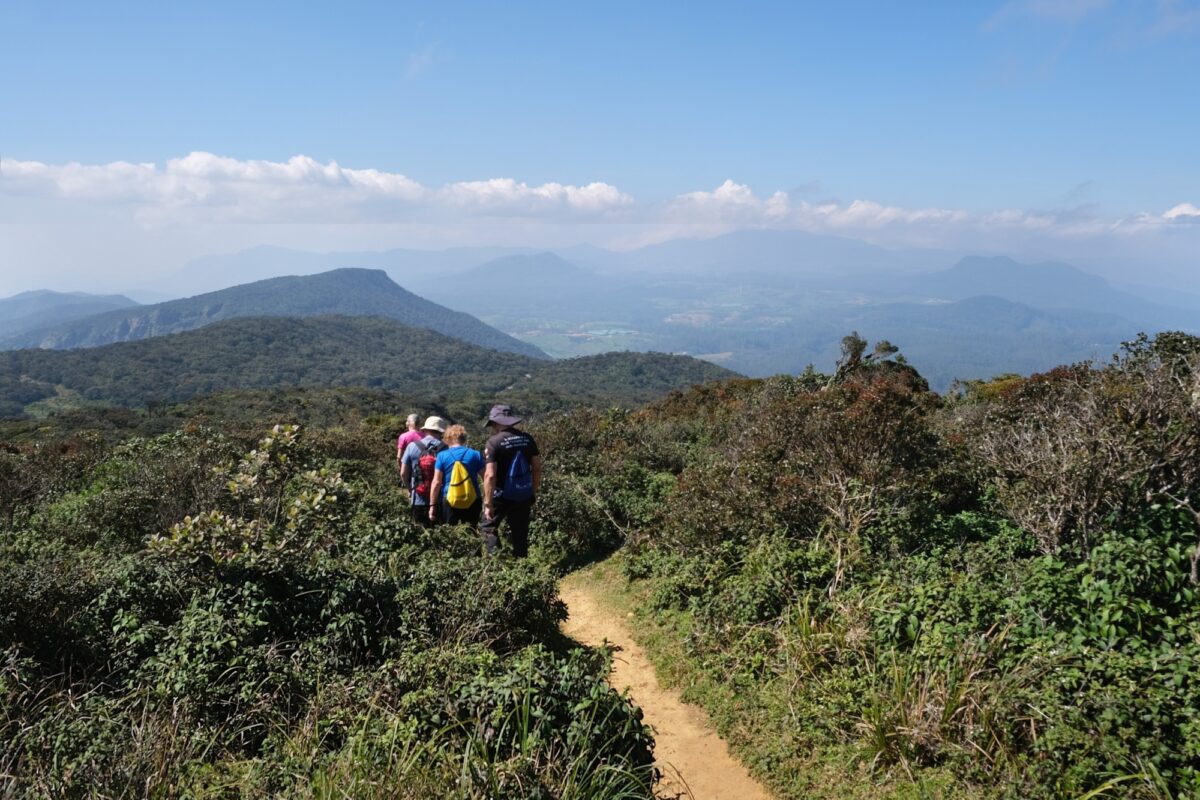
Hiking in Horton Plans
-
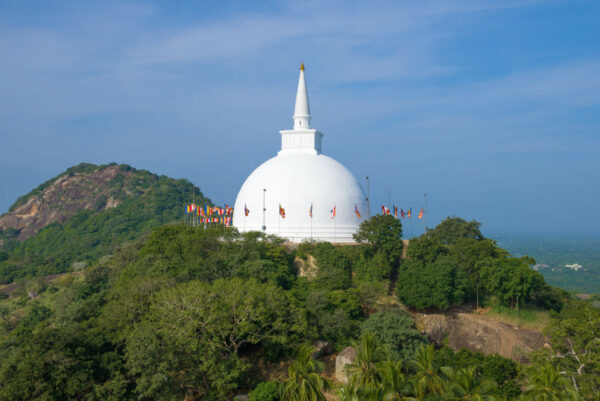
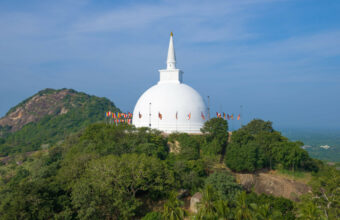
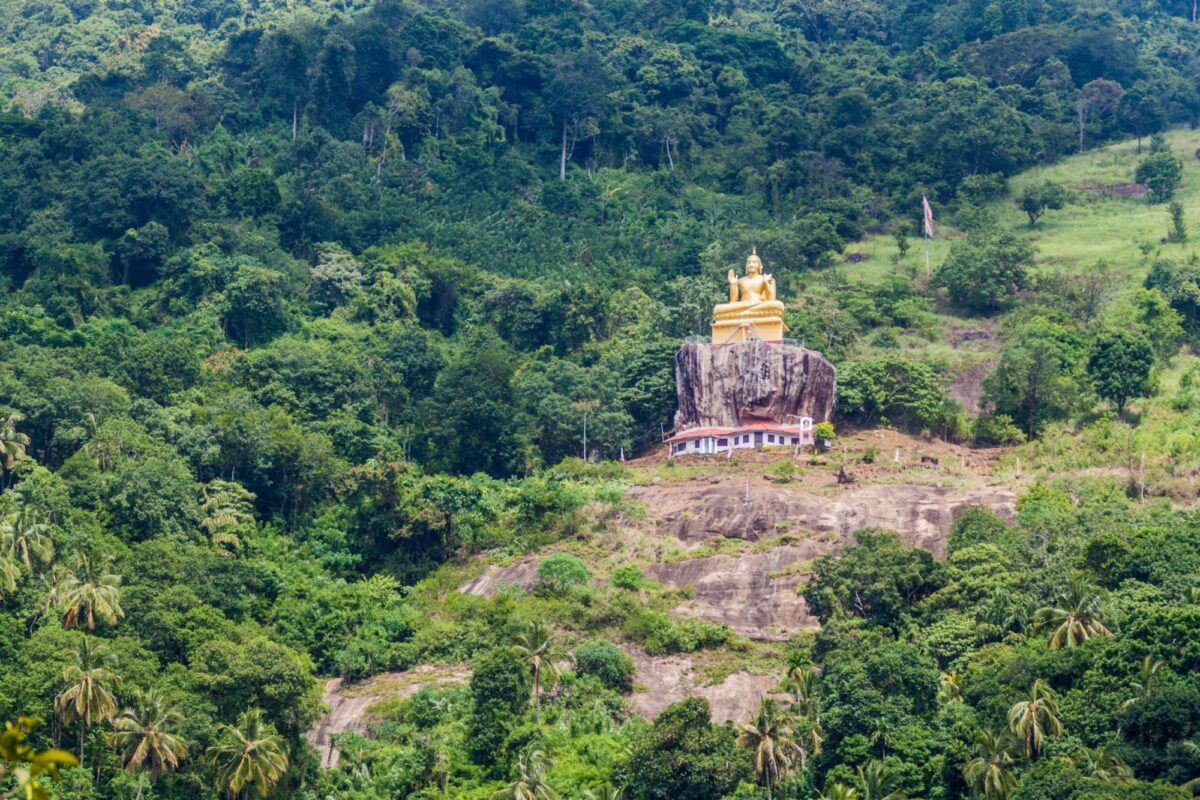
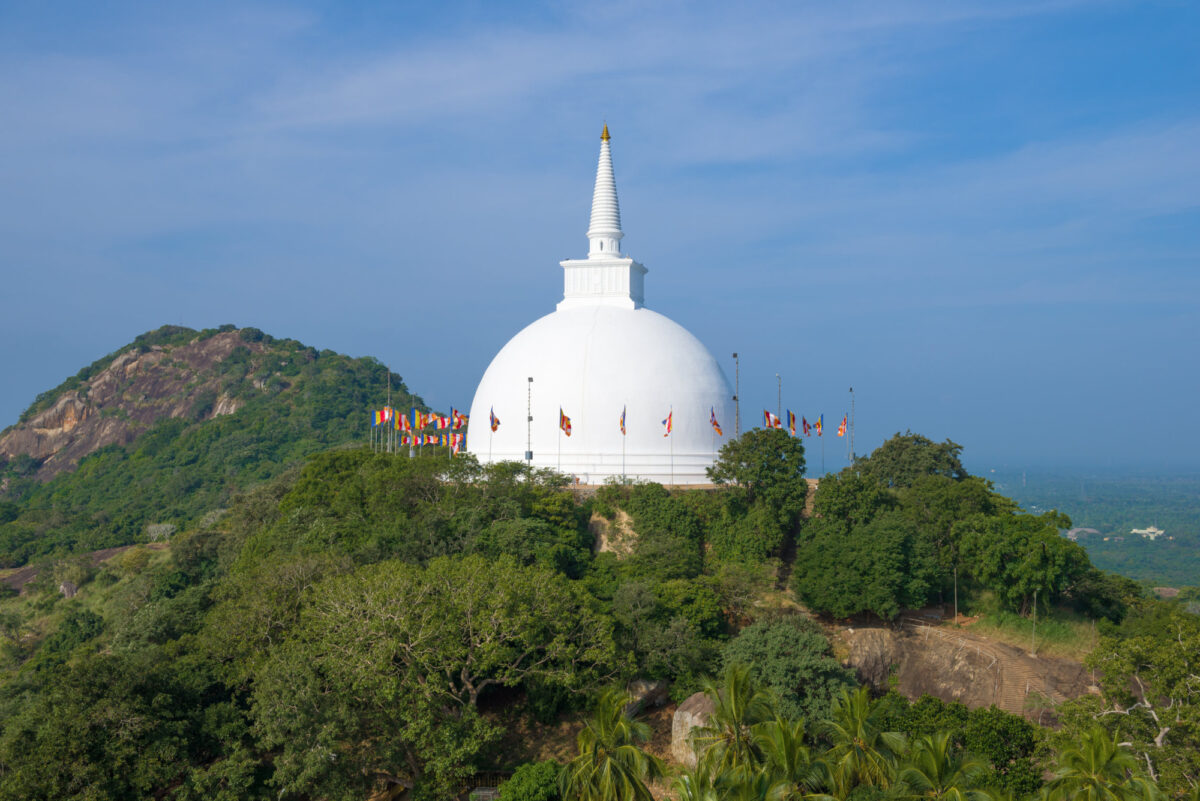
Visit Mihintale, cradle of Buddhism in Sri Lanka
-

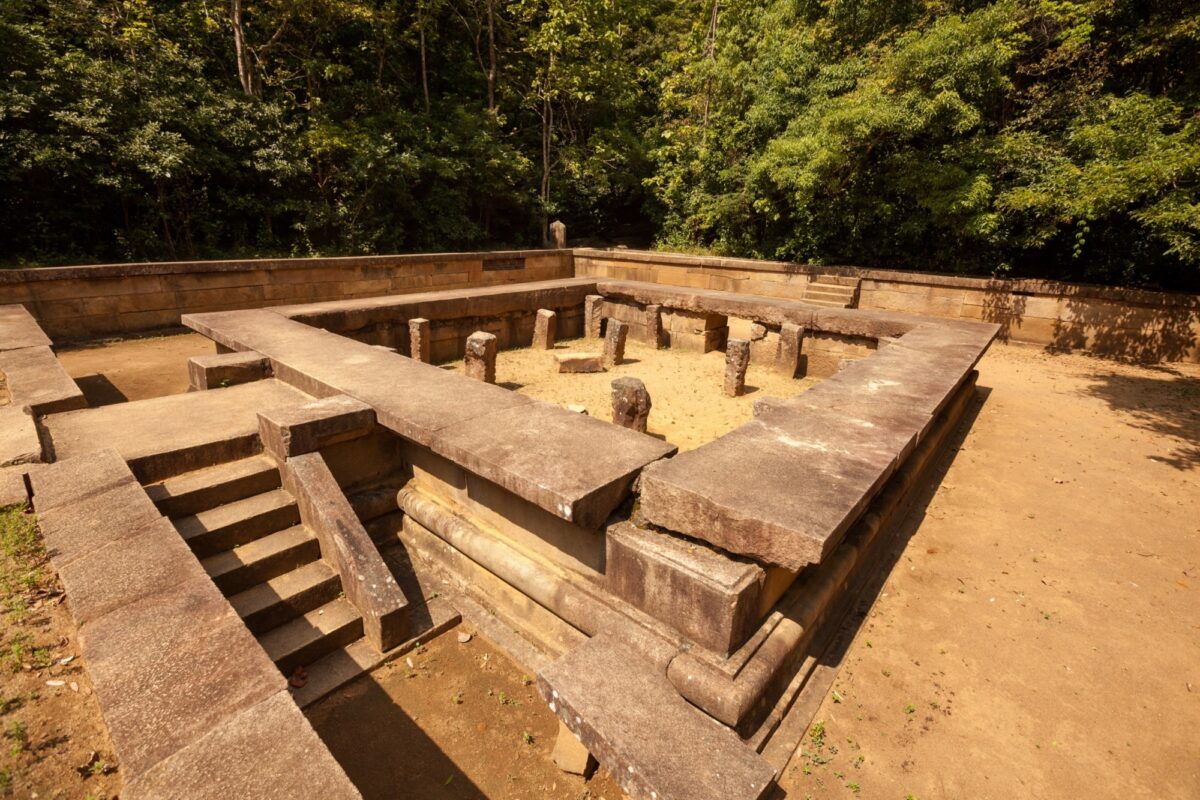
Explore the Ritigala ruins
-

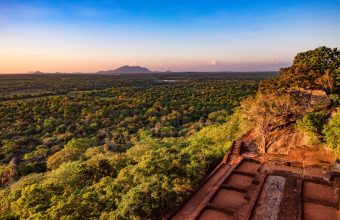
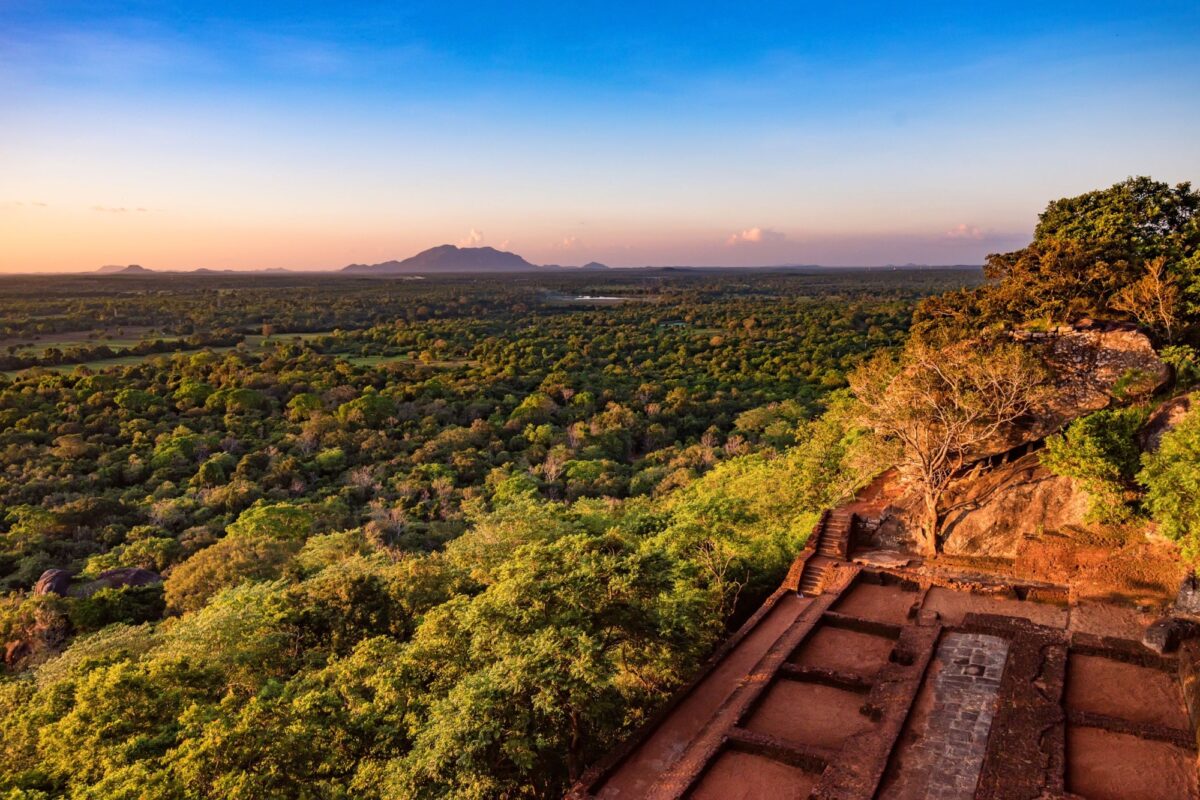
See a little-known side to Sigiriya
-
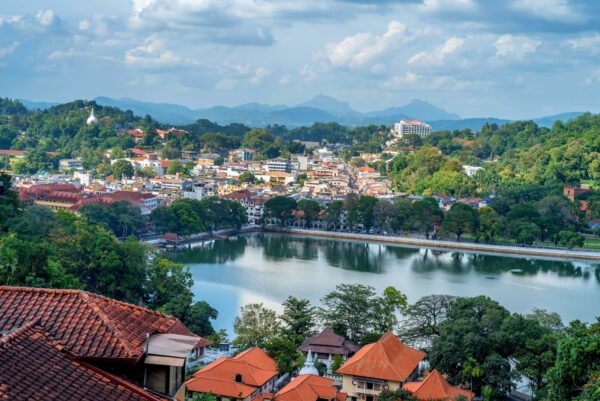
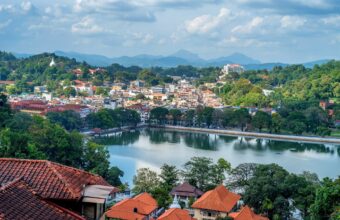
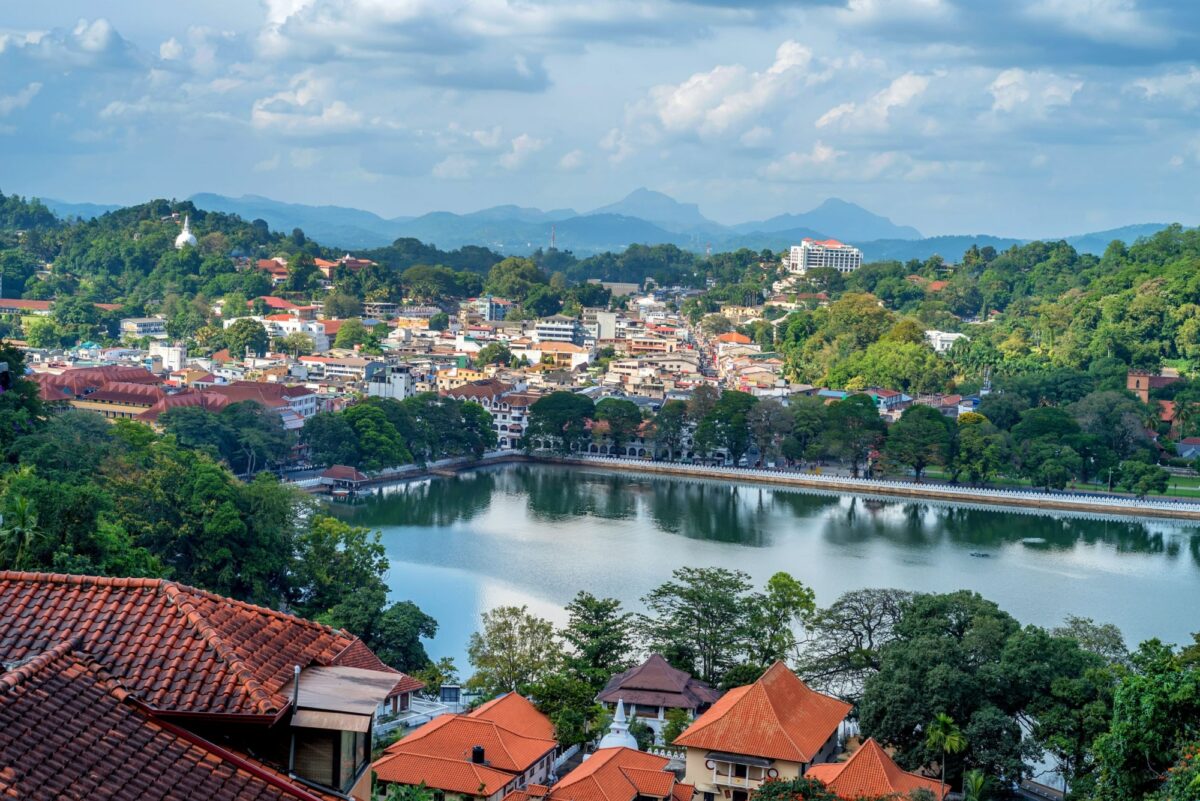
See another side to Kandy
-

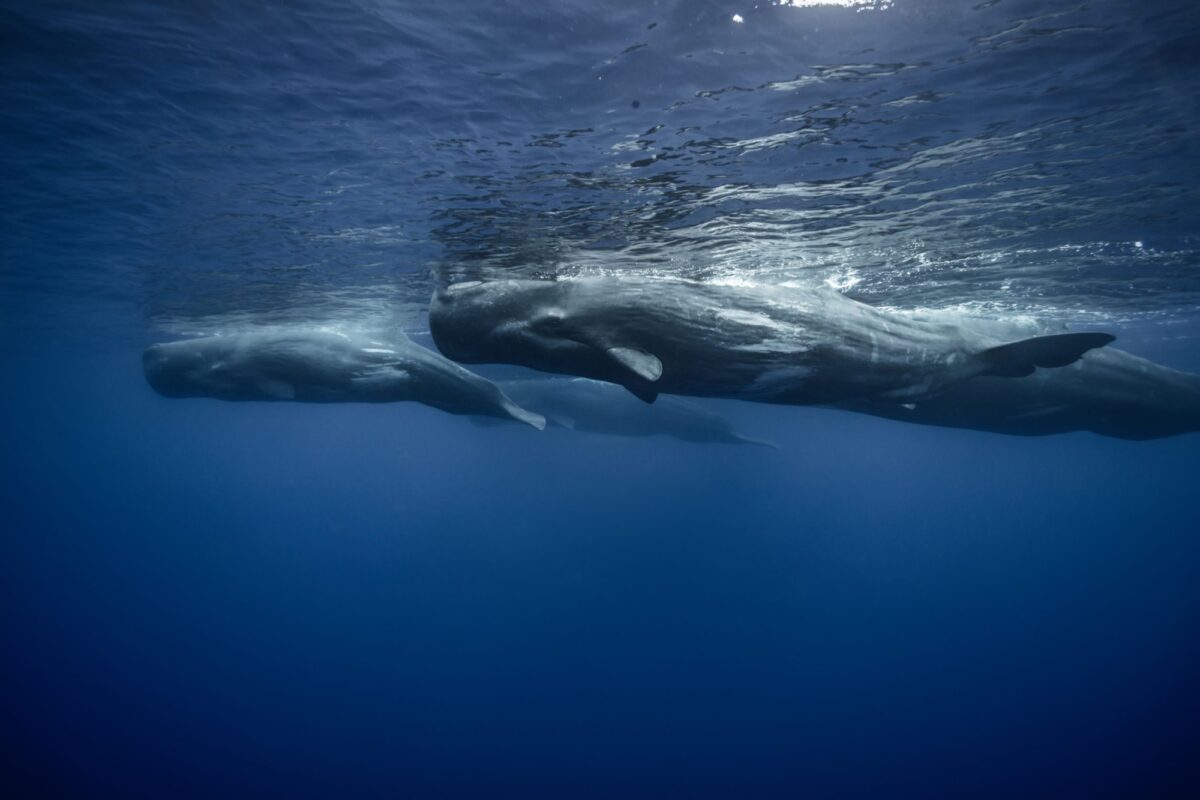
Whale spotting away from the crowds
-

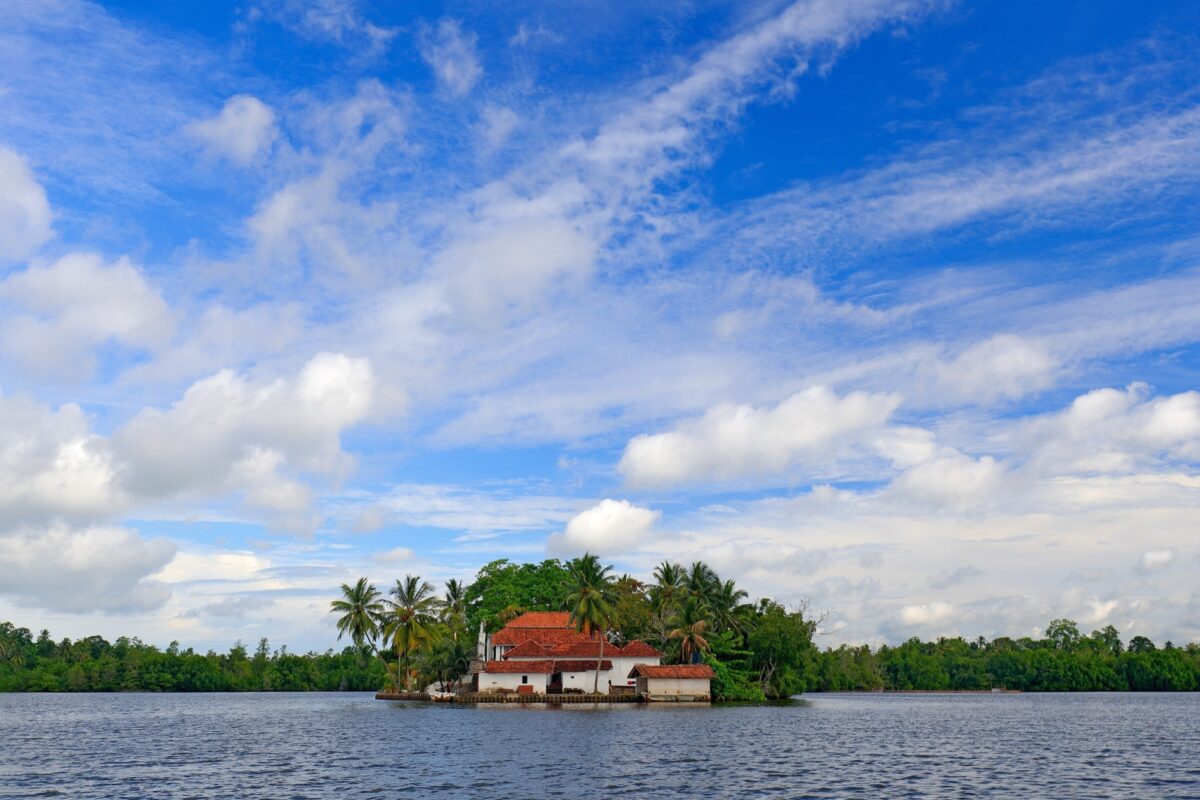
Escape Bentota and explore the mangrove forests of Madu Ganga
-

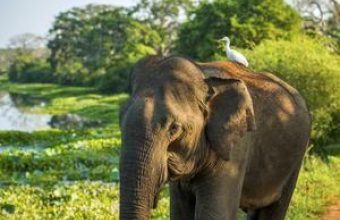
Wild elephant spotting in Udawalawe National Park
-
Wreck diving in Pasikudah Bay
-
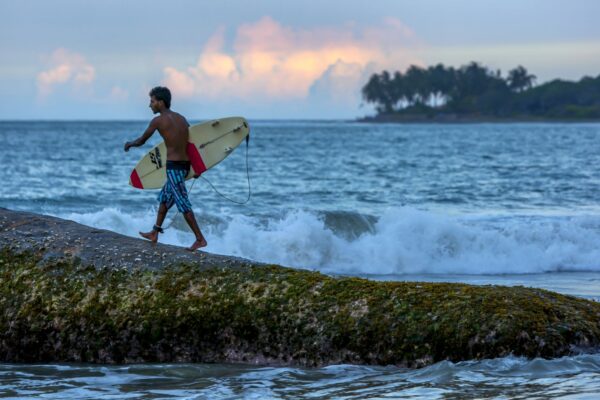
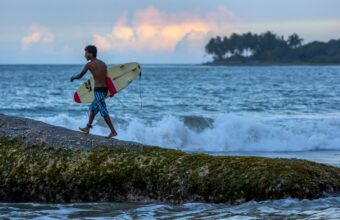
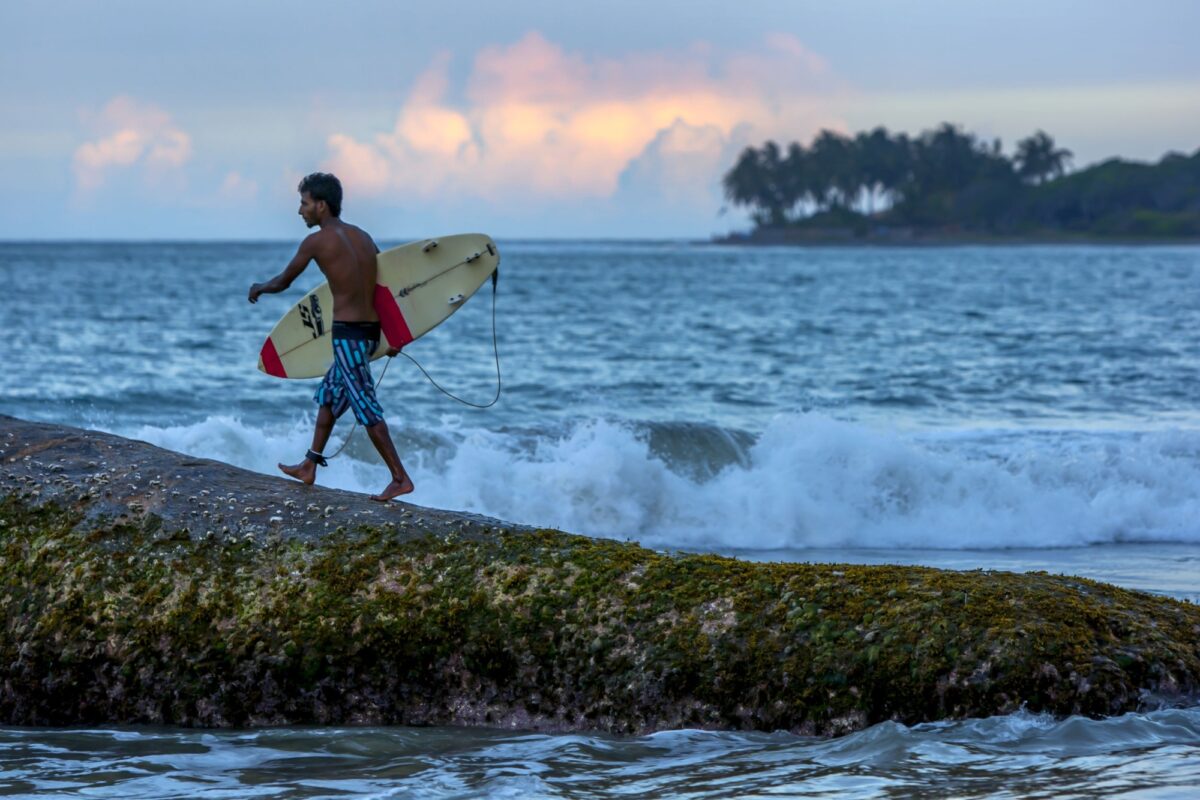
Surfing at Arugam Bay
-

Diving at Pigeon Island
-

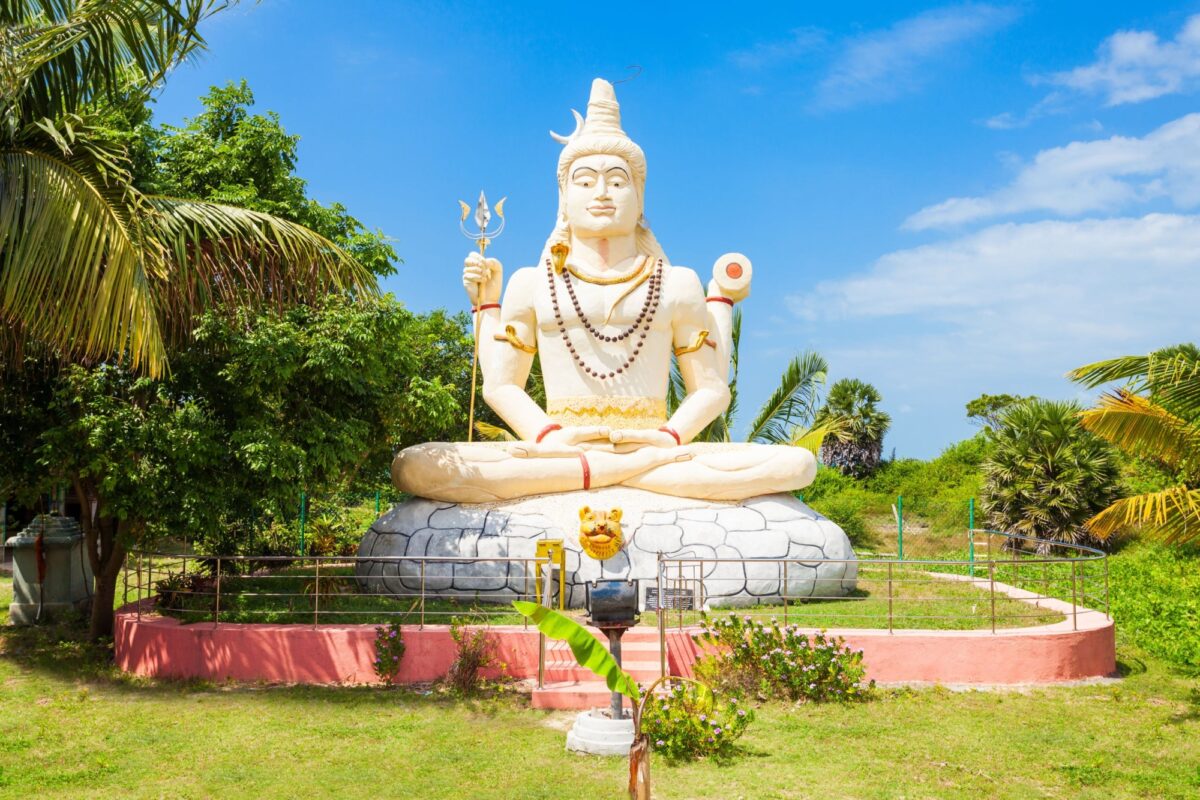
Nainativu island
-
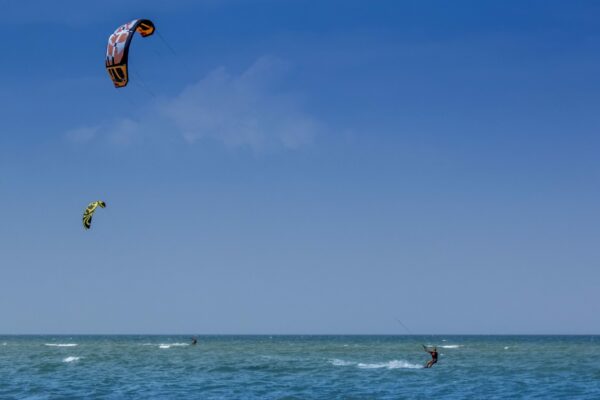
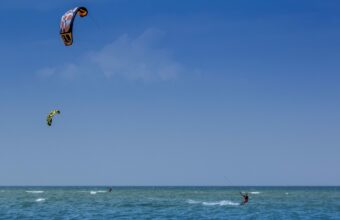
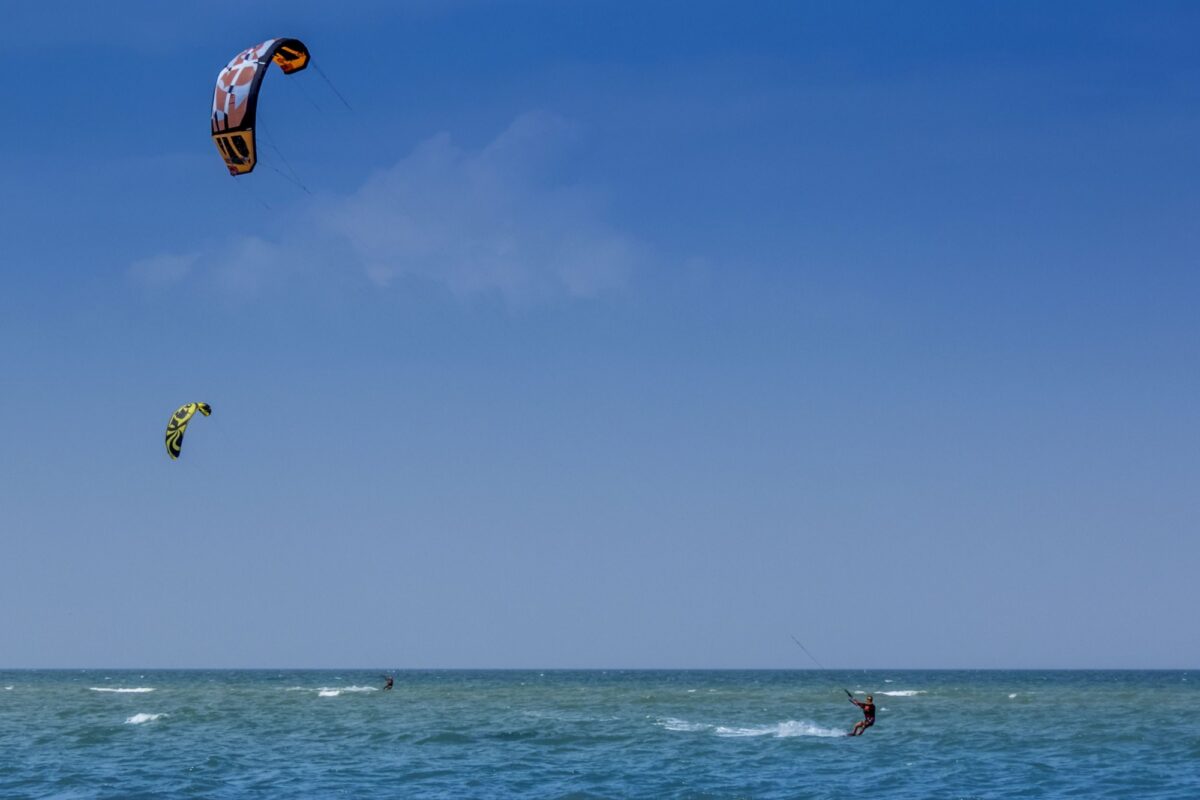
Kitesurfing in Kalpitiya
-

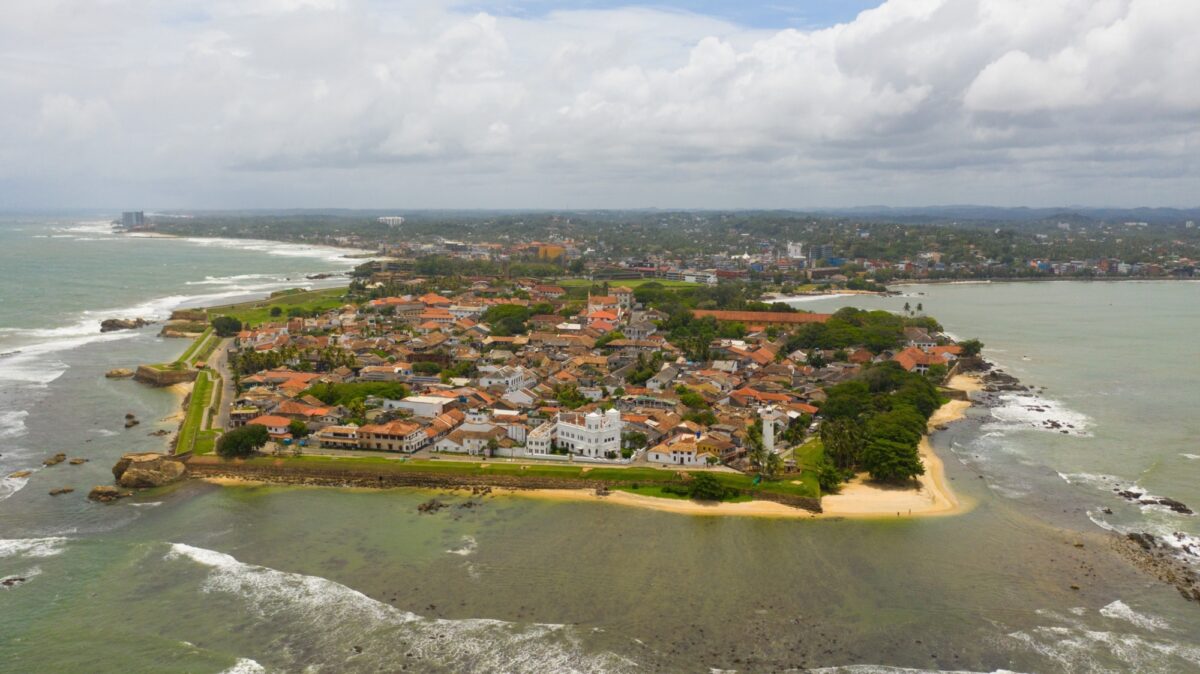
Explore Galle Fort on foot
-
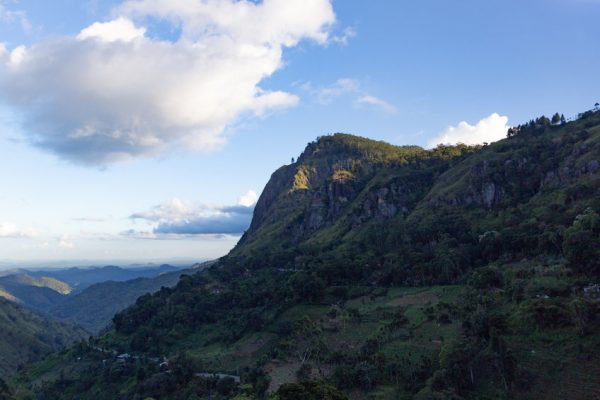
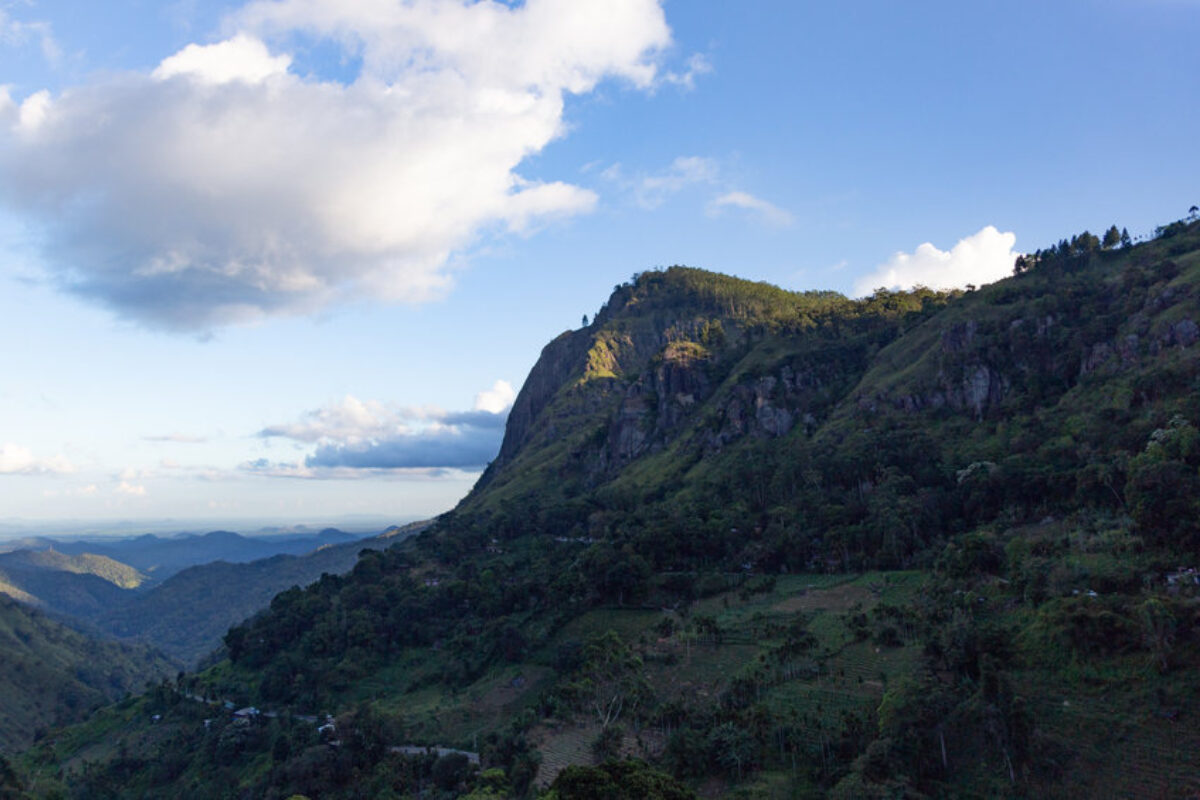
Hike the Pekoe Trail















In this guide:

Sri Lanka With Kids
Sri Lanka is an excellent place to visit with kids of all ages, and it may not be as challenging or adventurous as you first assume…
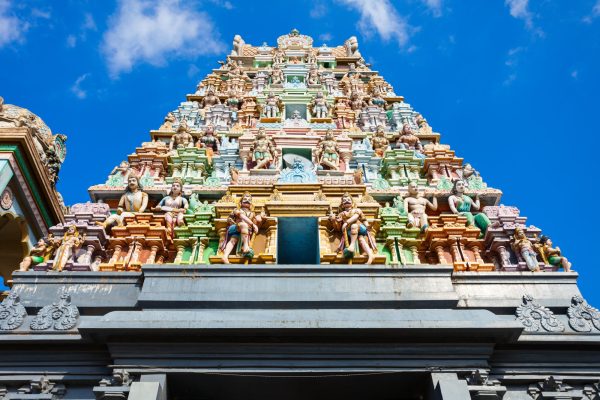
Must-visit historical sites in Sri Lanka
Sri Lanka’s cultural landscape has been shaped by millennia of religious influences, global commerce and the legacy of colonial rule…
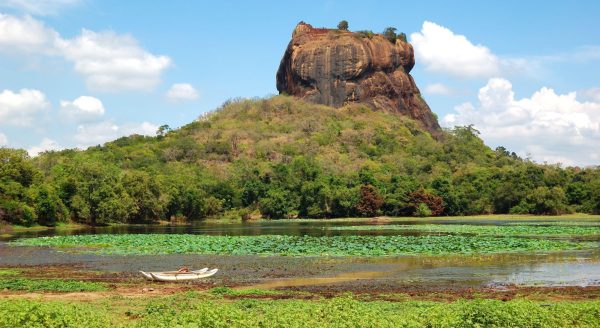
Visiting Sri Lanka's Cultural Triangle
Getting aroundGetting here is easy these days – you can access the Cultural Triangle from Colombo by car in around three hours…
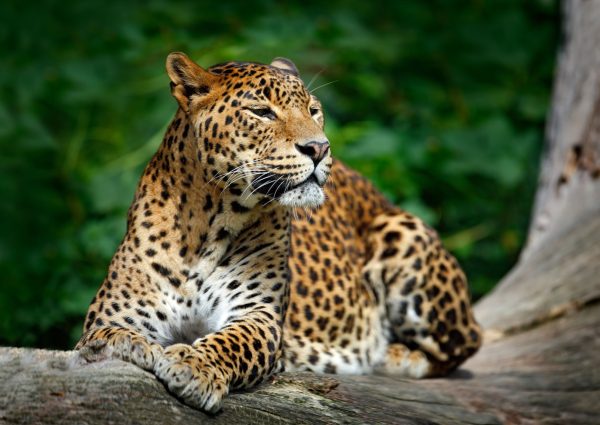
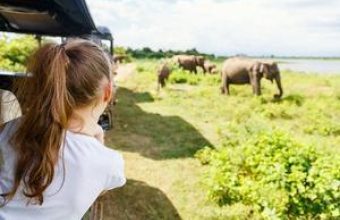
Best safaris in Sri Lanka
Sri Lanka’s natural heritage is one of the country’s biggest draws…
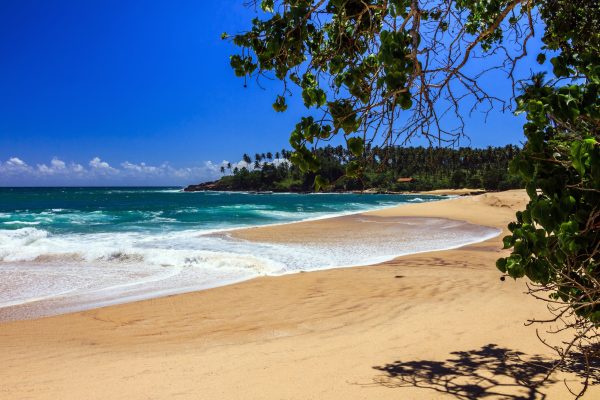
The best quiet beaches in Sri Lanka
With 830 miles of coastline, Sri Lanka is virtually synonymous with surf, sand and sunny days on some of the best beaches on earth…
Sri Lanka travel FAQs
Will I need a visa?
Citizens of most countries (except Singapore, the Maldives and Seychelles) require a visa or an Electronic Travel Authorisation (ETA) to visit Sri Lanka. To apply for the ETA, visit www.eta.gov.lk – the official e-visa portal for Sri Lanka – and fill out a brief form. The application is usually processed within a couple of hours or a maximum of one day after it is submitted. The non-refundable cost of a 30-day tourist visa is US $20 for SAARC countries (South Asian Association for Regional Cooperation) and US $35 for non-SAARC countries. You will need to print out your ETA (or have it available on your phone) to show immigration officials before entering Sri Lanka.
How much time should I spend in Sri Lanka?
Sri Lanka is a small country but if you’re travelling by road, traffic delays can significantly affect travel times. To avoid exhaustion and experience the country in an unhurried way, we recommend spending at least two weeks there. This will allow you enough time to travel inland from the coast to the hills or the Cultural Triangle, and also factor in a few days of rest.
What is the Sri Lankan currency?
The Sri Lankan rupee (LKR / Rs) is the national currency. Most business in Sri Lanka is conducted in rupees, and tourists will use it to pay for public transport, hotels, groceries, meals and entry to most attractions. Although US dollars or UK pounds may occasionally be accepted in larger hotels, the conversion rate is usually far from favourable.
The Sri Lankan rupee is not an international currency, so it is best to bring cash with you and exchange it, or withdraw small amounts of money at a time from an ATM. The latter might be smartest as the conversion rate is usually better than the one you will get at a bank or exchange bureau. However, ATMs charge a small fee (usually Rs 200-300; US $1-2) per transaction and a similar foreign exchange transaction fee. They also have daily withdrawal limits that range from Rs 40,000-60,000 (US $260-390), although some banks have higher limits.
When changing money it’s best to use a bank or an authorised currency exchange service. Currency exchange services at the airport are convenient but often offer unfavourable rates. Avoid unauthorised or fly-by-night currency exchange services to prevent being scammed.
Can I use credit/debit cards in Sri Lanka?
International credit and debit cards are accepted at larger businesses, hotels, restaurants, etc. But away from the larger businesses and outside of the bigger towns, Sri Lanka is still a largely cash-based economy, so it is best to always have some rupees with you.
How will we get around?
Local buses are the most budget-friendly way to get around the country, although you’ll have to be prepared for crowds, occasionally erratic driving, and bumpy roads. The train network serves most of the island and is a convenient way to travel to the hills or to the far north. But you need to make reservations in advance, especially during peak season.
A good tour operator will be able to arrange a car rental. Given that most of the country is now connected by good roads and high-speed expressways, hiring a car is an efficient and comfortable way to get around, particularly if you plan to visit several places during your visit. Although rush hour traffic in Colombo may suggest otherwise, travelling by road in Sri Lanka is mostly safe. However, it’s best to avoid winding roads in the hills after dark; rogue bus drivers can occasionally make this a hair-raising experience.
Organised tours will use private cars or minivans for small groups, and luxury buses for larger numbers. An organised tour minimises the hassle of battling touts, queuing to buy tickets or bargaining for the best price with local transport providers and tour guides.
Whether you opt for a private vehicle or an organised tour, it is likely that your driver will expect a small tip for his services in addition to the pre-decided fee. Pay this only if you are satisfied with the service.
Is Sri Lanka safe?
Despite the country's post-civil war stability being punctured by occasional outrages such as the 2019 attacks, day-to-day life in Sri Lanka is safe — especially for visitors. Violent crime is extremely rare, and makes waves when it does occur. In Colombo and other cities, take basic precautions such as avoiding flashy jewellery or carrying too much cash. It is advisable for women to avoid hiring tuk-tuks in the street late at night; cab services like Uber, PickMe and Kangaroo are safer options. In smaller cities, isolated beaches and parts of the north that are just getting used to tourists, women travellers should avoid travelling alone at night.
Unfortunately, touts and tuk-tuks masquerading as tour guides abound around many of Sri Lanka’s most famous attractions. Beware of anyone promising to get you free entry or heavy discounts – this is usually a scam.
When buying gemstones, insist on a certificate of authenticity. Most reputed stores in Colombo and Galle will offer you one, especially for valuable gems such as sapphires. Buying cut-price gemstones may be a tempting proposition, but it is more than likely that you will be sold a piece of glass.
What vaccinations are needed for Sri Lanka?
The recommended shots for Sri Lanka are the standard travel vaccinations – tetanus, typhoid and hepatitis A. If you intend to stay for a longer period, your doctor may also suggest vaccinations for rabies and hepatitis B.
Is there malaria in Sri Lanka?
Mosquitoes are plentiful (and hungry!) but although malaria is present, the risk of contracting the illness is low in all parts of the island. Antimalarials are not usually required, but make sure you bring precautions such as mosquito repellent or a citronella spray with you. If you are staying in homestays or lower-key accommodation, ask in advance about the availability of a mosquito net, or just bring your own to be safe.
Dengue fever has been a widespread problem in Sri Lanka in recent years. There is no vaccine for it, so it’s wise to take precautions such as keeping covered up and using mosquito sprays and repellents or gentler sticker-patches for children.
Can you drink the tap water in Sri Lanka?
Most well-known restaurants offer filtered water but avoid drinking tap water in smaller restaurants or highway stops. Bottled mineral water is widely available, and is generally the safer option. In some tourist areas, fruit juice vendors may offer to use mineral water – this is by far the better choice.