







Wales
History, hills and Hiraeth

Welcome to Wales
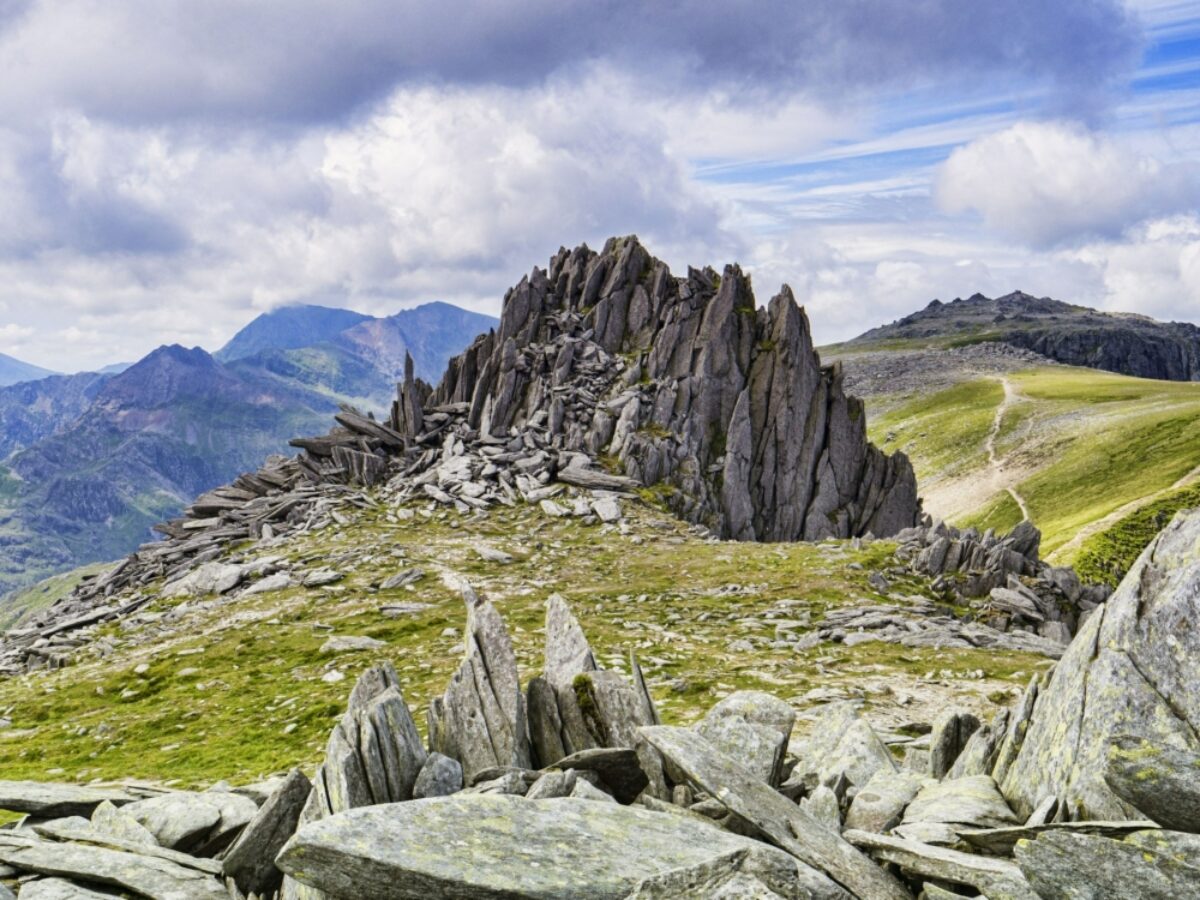
The insider's travel guide to WalesWild Wales is the perfect place to get away from it all and explore nature. With some of the United Kingdom’s best hiking trails and the ever popular Snowdonia National Park (home to the highest mountain in both England and Wales), visitors have been coming to Wales for natural beauty for centuries.
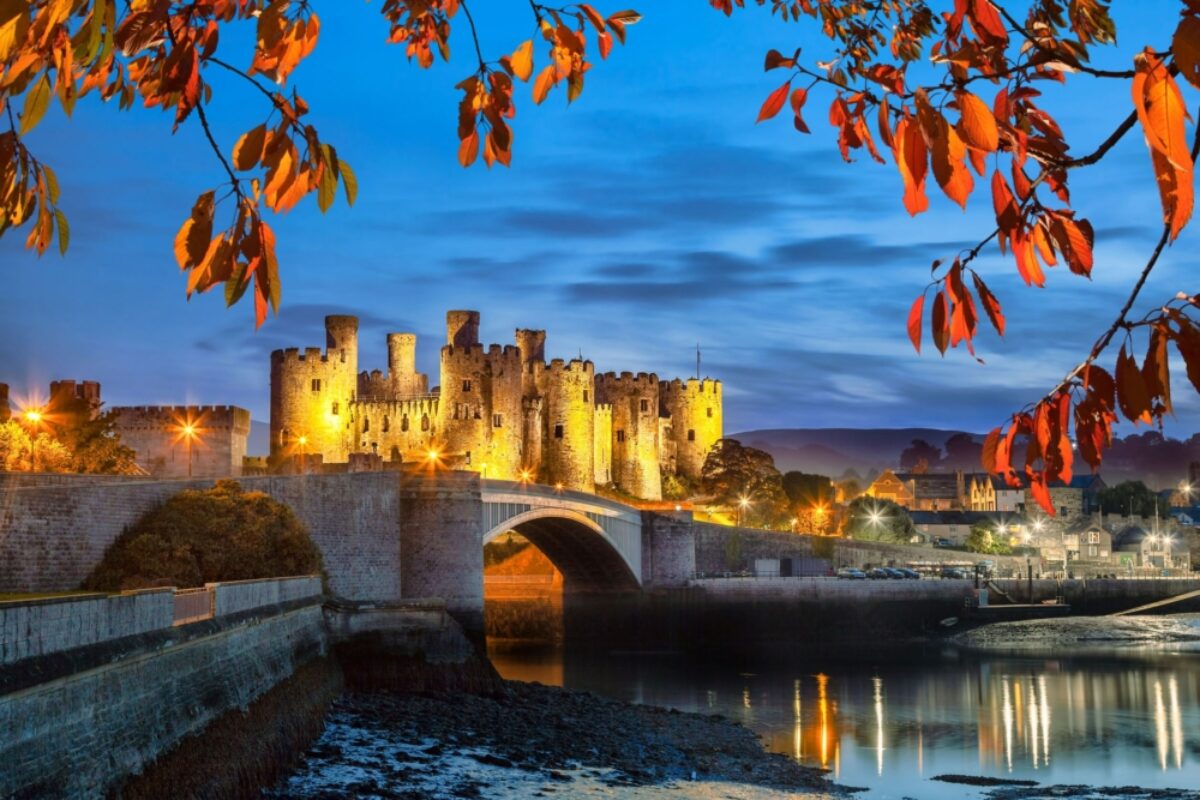
However, there’s much more to this fiercely proud country. Wales’ history is laid bare in its many historic buildings and castles, which dot the landscape from beachfront to mountaintop. Its coastal paths, beaches and islands might be windswept and chilly, but they are also beautiful and tranquil.
Finally, there’s the famous Welsh welcome. Join a Welsh crowd to watch their red-shirted rugby team and you’ll soon feel like an old friend. There’s a Welsh word that sums up how many visitors feel about Wales — hiraeth, which roughly translates as a longing for home. Those leaving after a trip will know exactly how that feels.
The Wales atlas
12 picks Places & Experiences You Won't Find Elsewhere-
The southern boundary of Eryri National Park includes mountain passes, walking routes and historic villages that can be explored by car or on foot. Travelling towards Beddgelert involves passing through the Aberglaslyn Pass, a narrow gorge popular with walkers. Beddgelert is associated with the legend of Gelert and includes local eateries. From there, the road climbs towards Pen-y-Pass, a common starting point for the Miners’ Track and Pyg Track routes to the summit of Yr Wyddfa. For visitors who prefer not to climb, Llanberis provides access to the Snowdon Mountain Railway. The round trip takes approximately two and a half hours, including a 30-minute stop at the summit. In contrast to the mountain landscape, the coast offers beaches and castles. Borth-y-Gest and Morfa Bychan include Black Rock Sands, which can be driven onto. Criccieth Castle is located nearby, subject to tide and weather conditions, and Harlech Castle lies further along the coast. Together, these locations offer a combination of mountain scenery, coastal access and historic landmarks within a relatively compact area.
-
Plas yn Rhiw is a restored 17th-century manor house near Pwllheli. The restoration was undertaken by the Keating sisters, whose involvement forms an important part of the property’s modern history. The house is set within an ornamental garden and is surrounded by woodland, meadow and orchard, with views across the surrounding landscape. A tea room operates on site.Its scale and setting give it a more intimate character than larger country houses, and it appeals to visitors interested in domestic architecture and garden design.
-
Bodnant Garden, near Colwyn Bay, has developed over approximately 150 years. The garden is set against the backdrop of the Conwy valley, featuring hillside gardens, meadows, and plants from around the world.
-
Plas Newydd is an 18th-century mansion on the island of Anglesey, combining classical and Gothic architectural styles. It was the seat of the Marquess of Anglesey and retains associations with the 1st Marquess, who lost his leg at the Battle of Waterloo, and the 5th Marquess. The house contains Rex Whistler’s 58-foot mural, one of its most distinctive interior features. The Grade I-listed gardens overlook the Menai Straits towards Snowdonia and are known for wildlife, including red squirrels. There is an Old Dairy café and shop within the grounds. The property suits visitors interested in aristocratic history, architecture and formal gardens in a coastal setting.
-
Penrhyn Castle is a 19th-century neo-Norman house in Bangor, built between 1820 and 1837. Its history is closely connected to the wealth generated by the slate and sugar industries, as well as to the longest-running industrial dispute in British history. The castle stands above the Menai Straits, with views towards the quarry and the port from which slate was exported. The estate includes wooded grounds, open parkland extending to around 60 acres, and a walled garden that predates the castle itself. Inside, visitors can explore the principal rooms and Victorian kitchens. A railway museum is also located within the grounds, along with a café and shop. For those interested in industrial heritage alongside architecture and landscape, the property offers insight into the economic and social forces that shaped North Wales in the 19th century.
-
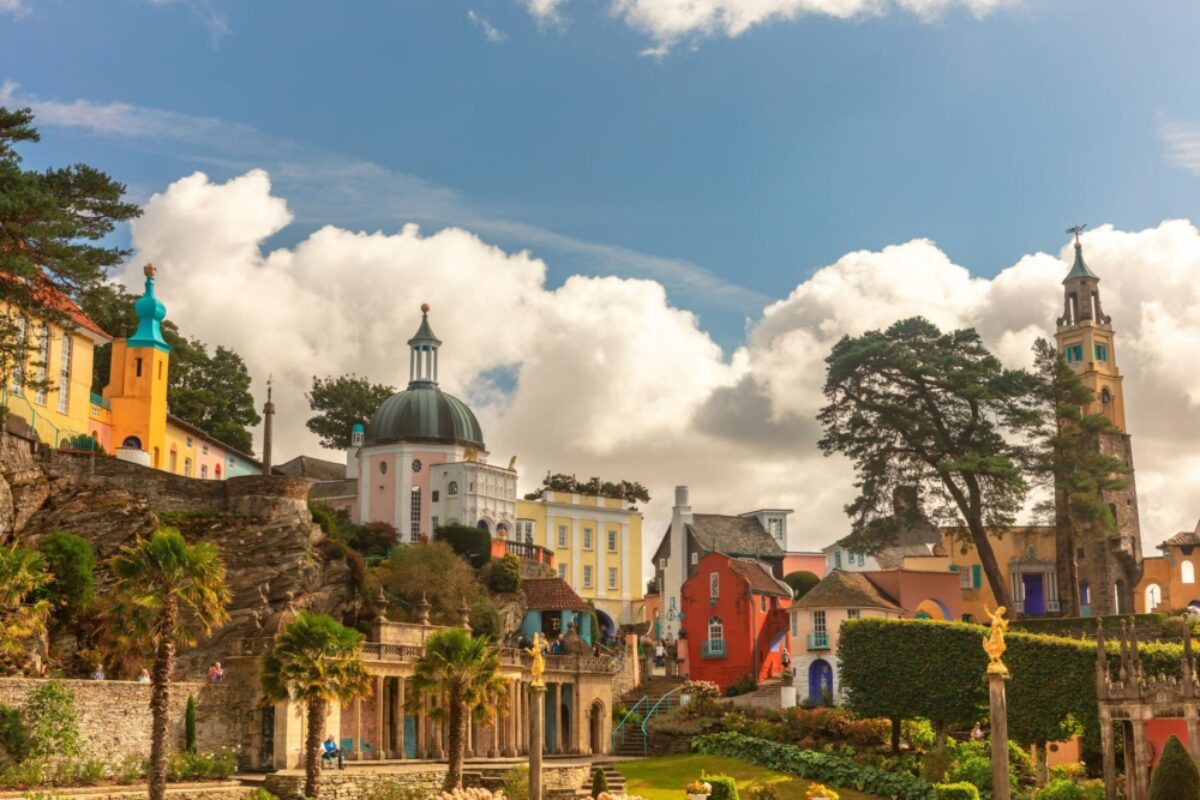
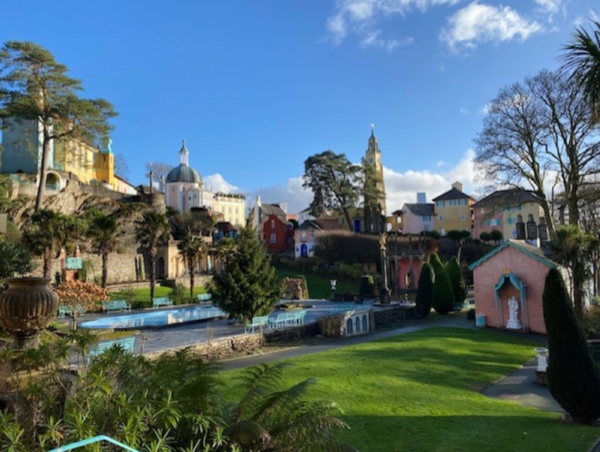
Portmeirion is an Italianate village created by architect Sir Clough Williams-Ellis. He purchased the site in 1925 and continued developing it until 1973. The final structure, the Tollgate, was completed in his 93rd year. Williams-Ellis intended the village to demonstrate that development on a naturally beautiful site could enhance rather than damage it. His motto was “Cherish the past, adorn the present, construct for the future. Today, Portmeirion receives around 200,000 visitors annually. Its architectural style and coastal setting make it one of the most distinctive built environments in North Wales.
-
Why it's best for beginners: A moderately-easy long distance pathDistance: 46 miles/74kmDuration: Four to five daysDifficulty: Easy to moderate This section of the Wales Coast Path packs a spectacular series of coastal landscapes into a short and, apart from a couple of steep cliffs, mostly easy walk. The route passes some of Britain’s best beaches, swaying marshes, caves, castles and churches. Landscape highlights include Worm’s Head and Three Cliffs Bay. It’s impossible to get lost and walkers find plenty of accommodation and luggage transfers available.
-
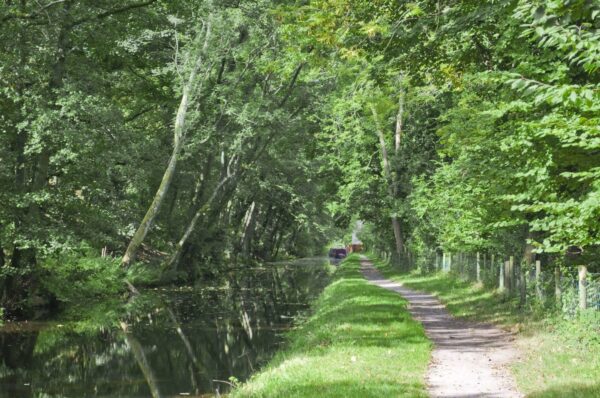
Why it's best for beginners: Flat, gentle canal-side walkingDistance: 36 miles/58kmDuration: Two to three daysDifficulty: Easy One of the UK’s quietest, least known canals isn’t even connected to the rest of the network but offers a leafy, flat, easy walking adventure through the Usk Valley. Historic towns like Crickhowell and Abergavenny provide en-route facilities while walking highlights will include an aqueduct, tunnel, locks, lifting bridges… and fine Brecon Beacons views.
-
Why it's best for beginners: Easy-going day hikes and moderate ascents up SnowdonDistance: Various day walksDuration: Two to three daysDifficulty: Easy to moderate Snowdonia’s answer to Ambleside is another outdoor centre nestling among trees amid an inspiring mountainous landscape. The picturesque riverside town is a tourist honeypot but walkers can avoid day-tripper crowds by setting off on a wide choice of routes in all directions, then return for quieter evenings among a wide choice of restaurants and accommodation. Highlights could be easy but impressive waterfall walks or tackling one of many routes up Snowdon.
-
Distance: 136 miles/219 kmDuration: Seven to 10 days, or in shorter sectionsStart point: Rhyd-y-benwch (Wales)End point: Chepstow (England)Difficulty: Easy to mediumSuitable for: Leafy river walking & romantic landmarks Not one that features in most "best of" roundups. Unshowy yet stunning and dramatic in places, the Wye Valley Walk is an underrated long-distance route from mid-Wales through quiet, leafy valleys, across austere moorland and through the bucolic farmland of Herefordshire to Chepstow. The Wye Valley itself is an Area of Outstanding Natural Beauty, and the trail calls at various historic landmarks and picturesque villages. Do the full route in seven to 10 days, or in shorter segments at your leisure.
-
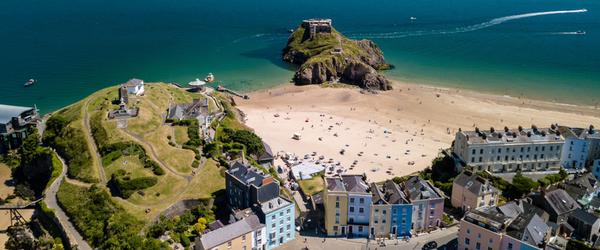
Distance: 186 miles (299km)Duration: 16 days in total or shorter segmentsStart point: AmrothEnd point: St DogmaelsDifficulty: Moderate – No problem to navigate, and not technically difficult, but don’t underestimate its length, nor the steepness of some of the cliff climbsSuitable for: Any fit walker; great for families, though not necessarily in one go Think South Wales is all industrial heritage and dour coastal cities? Think again: most of the southern half of Wales is rural, and the Pembrokeshire coast is truly glorious.The 186 mile Pembrokeshire Coast Path is one of the finest long-distance footpaths in the country. It can be done in around 16 days, or in shorter segments. Pembrokeshire has it all – dramatic clifftop vistas, seemingly endless beaches, secluded coves and tiny fishing villages, but best of all; almost no one knows about it, so you get pretty much all of it to yourself. You’ll need two or three weeks to complete the trail in one go, most people do it in shorter segments. Some of the more remote stretches have a dearth of accommodation so you may need to adjust your daily distances accordingly. In general, there’s a good range of places to stay, from campsites and hostels, to B&Bs and guesthouses. Don’t forget to factor in one or two rest days; walking for 16 days on the trot is a tough ask.
-
Whisper it quietly; this might just be the best coastal path in Britain, and one of the UK’s best walks overall. If you ask me, Pembrokeshire has it all – dramatic clifftop vistas, seemingly endless beaches, secluded coves and tiny fishing villages, but best of all; almost no one knows about it, so you get pretty much all of it to yourself. You’ll need two or three weeks to complete the trail in one go, and, as with most coastal paths in Britain, you’ll have to endure a lot of ups and down as you climb from clifftop down to cove and back up to clifftop, time and time again. But the rewards are plenty; as well as the sensational views, there’s wildlife to spot (seals, dolphins, all manner of seas birds), historic sites to explore (including no fewer than 11 castles), and exotic Welsh cuisine to fuel those tired legs (oggy and faggots, anyone?).
-
Eryri National Park and the Surrounding Coast
-
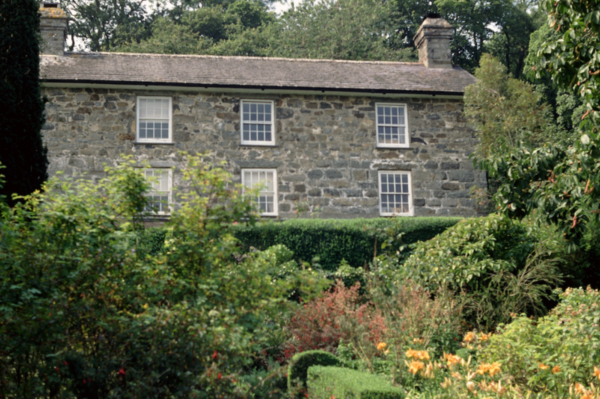
Plas yn Rhiw
-
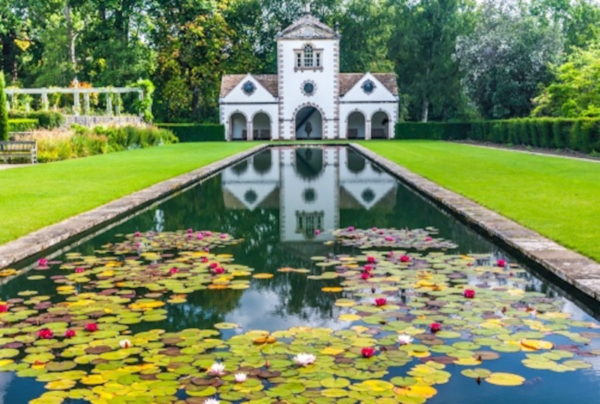
Bodnant Garden
-
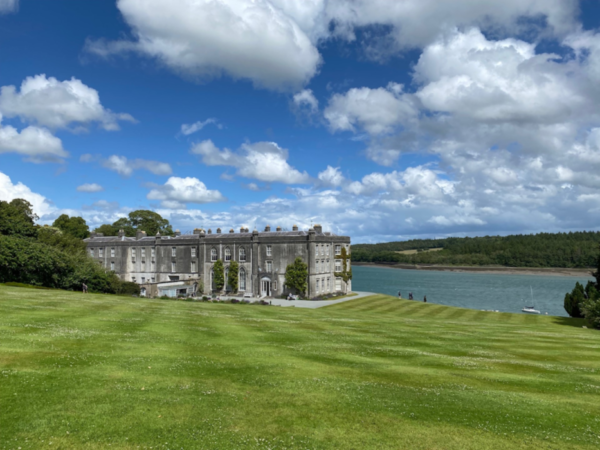
Plas Newydd House & Gardens
-
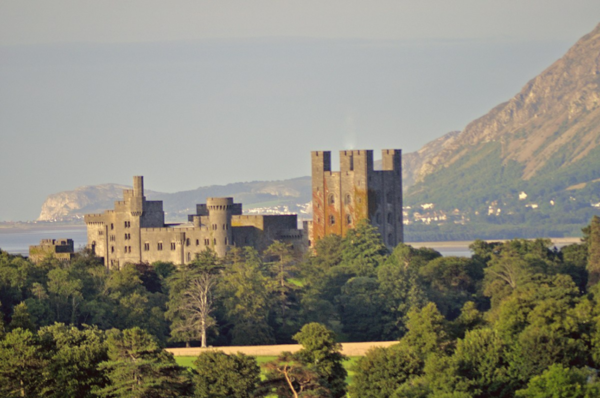
Penrhyn Castle
-
Portmeirion
-

Gower Coast Path
-
Monmouthshire & Brecon Canal
-

Betws-y-Coed
-

The Wye Valley Walk
-

Pembrokeshire Coast Path
-
Pembrokeshire Coast Path





Trusted specialists


Find a Wales specialist
Tell us about your trip and we'll find your match
We'll connect you directly with the experts.

Connect with John Millen and 1 other Wales specialist.
We'll connect you directly with the experts.
Connect with John Millen and 1 other Wales specialist.
- Hand-picked local specialists
- Honest advice from real experts
- Free to use, no hidden fees