




Northern Europe
More than a lifestyle brand
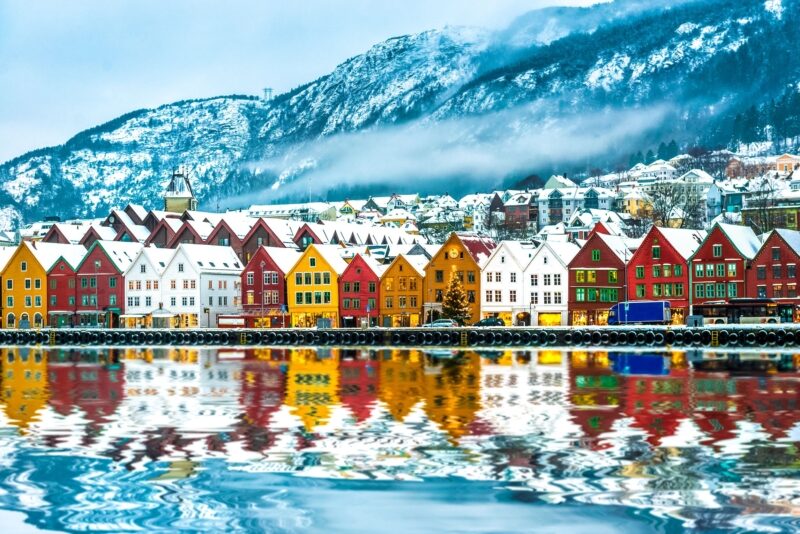
Scandinavia has a branding problem, or rather it has too good a branding problem. Somewhere in the last decade, the quiet, practical Nordic way of life became a lifestyle export: hygge, lagom, friluftsliv, a procession of untranslatable words bottled and sold to people in warmer, noisier countries who wanted what they imagined the north had. What they got was scented candles and coffee table books.
The real thing is harder and more interesting. Northern Europe is defined by darkness - literally, for much of the year - and the cultures here have built themselves around that fact rather than despite it. The introspection is genuine. The relationship with landscape and weather is not aesthetic; it is practical and old.
Iceland sits at the extreme end of this. It is a place of genuine, almost violent natural drama - volcanoes, geysers, landscapes that feel provisional, as though the earth hasn't finished with them yet. It has also become one of the most visited places in Europe relative to its size, which has created a peculiar tension between the wildness people come for and the infrastructure required to deliver it to them at scale.
Go in winter if you can. The summer crowds and the midnight sun are well documented. The darkness, the stillness, the particular quality of a Nordic January - that is less easily packaged, and considerably more worth the effort.
Hidden gems in Northern Europe

Jan Mayen Island
Norway & Svalbard

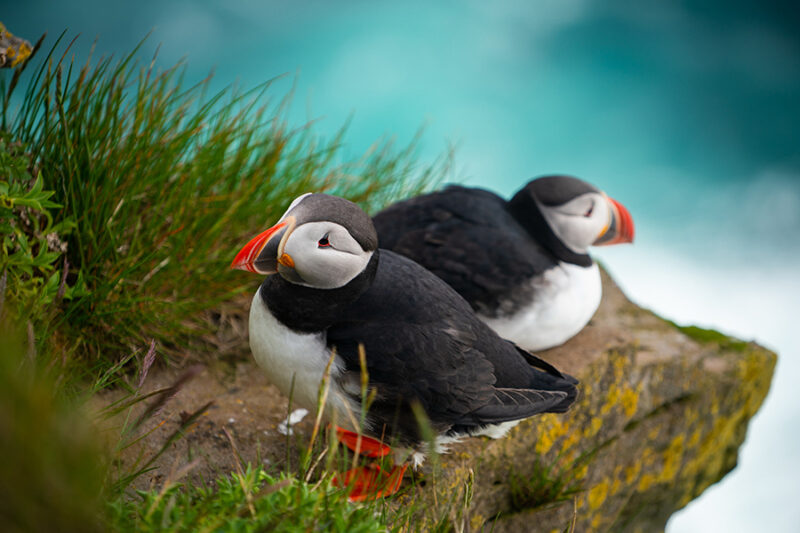
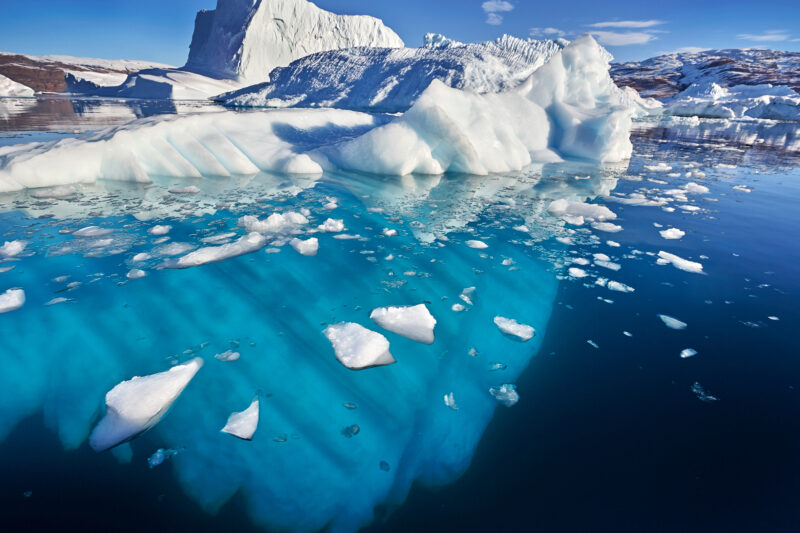
Greenland to Svalbard expeditions may call at the Norwegian island of Jan Mayen. Home to the world’s most northerly active volcano, Beerenberg, the isle is 500km from mainland, with no harbours or civilians (there’s a military presence) – making it the ideal nature reserve. Expect a ‘wet landing’ – you’ll have to jump out of your Zodiac inflatable boat – and to spot vulnerable snowy owls, Atlantic puffins and black-legged kittiwake. Over on the Norwegian mainland, the Arctic Circle passes through Melfjord, halfway up the coast. Itineraries tend to include Svartisen Glacier and the Lofoten Islands, where the sea is Caribbean-clear. If Tromso city is a shock to the system, return to the wild at North Cape, Europe’s most northern point. Cruises to and from Svalbard pass Bear Island, a nature reserve pockmarked with caves. Fulmars, puffins and gannets circle its shores, but you might also have zero visibility. On Svalbard itself, you may stop at Hornsund Bay, like the president of The Arctic Club did when he sailed there on his yacht. “We arrived in fog and something nudged our boat,” says Alasdair Flint. “We thought we were being attacked by a polar bear so we got our rifles out, but fortunately it was massive bearded seal.” Sailing clockwise, you may also explore Bellsund; settlements such as Longyearbyen and Ny-Alesund and Lilliehook Glacier. Nordaustlandet Island and the islands near it – Kvitoya, Kong Karls Land, Barents and Edge – are particularly remote, so expect polar bears.
Read more
Europe
Laugavegur Trail

Iceland is known as the land of fire and ice, and nowhere is this more accurate than the Laugavegur Trail. This otherworldly hike begins in Landmannalaugar, a geothermal haven globally known for its bubbling hot springs and colourful rhyolite mountains. Continuing en route brings you an array of natural wonders, from impressive glaciers to vast lava fields, and the 55km journey ends in Thorsmork, a mesmerising valley named after the Norse deity of thunder, Thor. Need to know Personally, when walking I love to see a tree or two – something Iceland is famously short of. What it does have is an austere, ethereal, often stark and otherworldly beauty epitomised on this short but dramatic trek. The trail is accessible from June to early September. Conveniently, there are daily bus services from Reykjavik (which takes around four hours) to the trailhead locations of Landmannalaugar and Thorsmork. The huts offer sleeping accommodation, kitchens and showers but must be booked beforehand. Laugavegur is one of Europe's most popular hikes, attracting around 10,000 visitors in its short season. I’d recommend avoiding the peak summer holiday period if you can, it’ll certainly make the trip more enjoyable.
Read more-

Norway & Svalbard
View experience