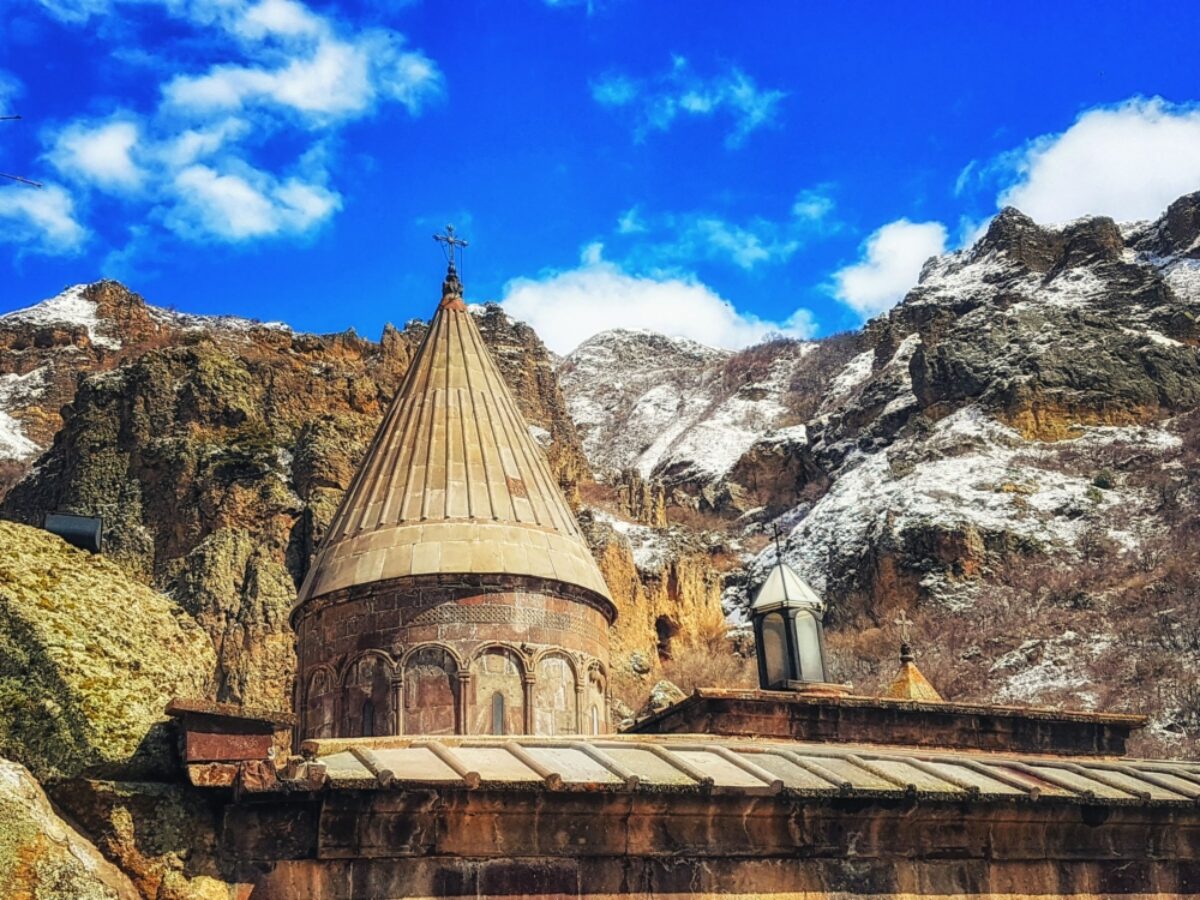
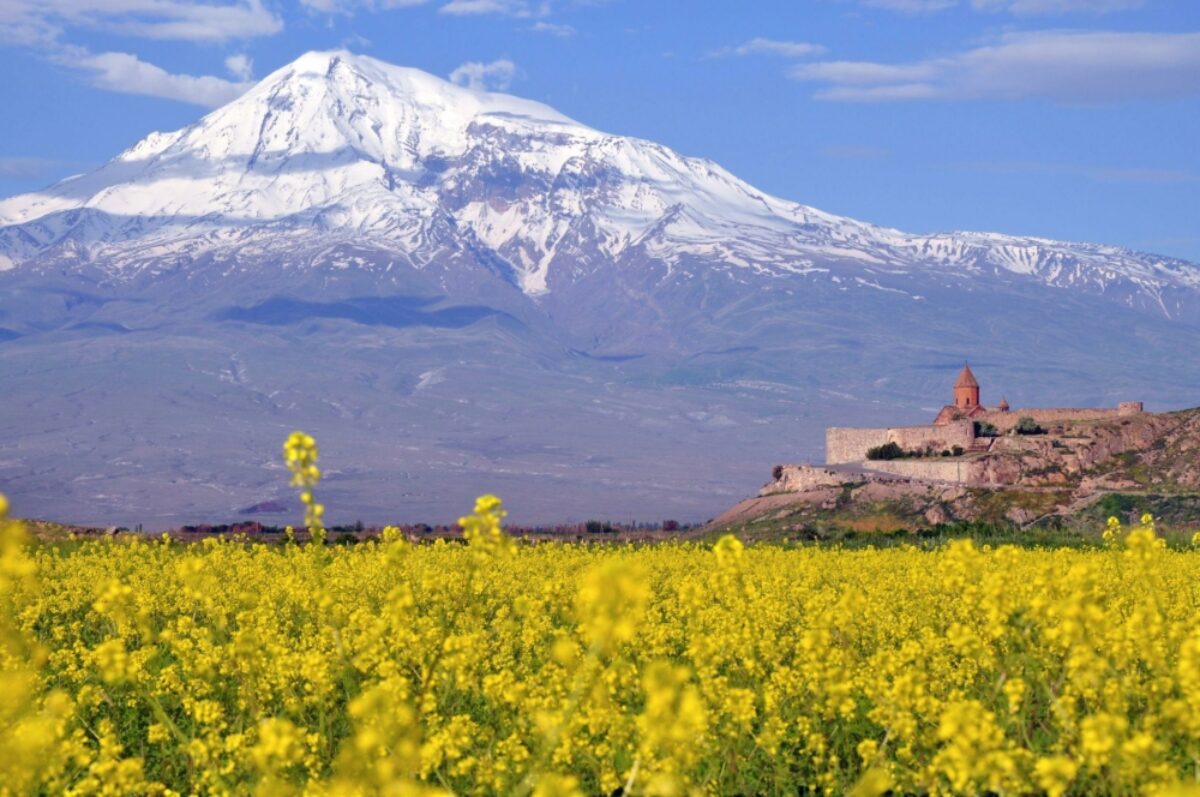
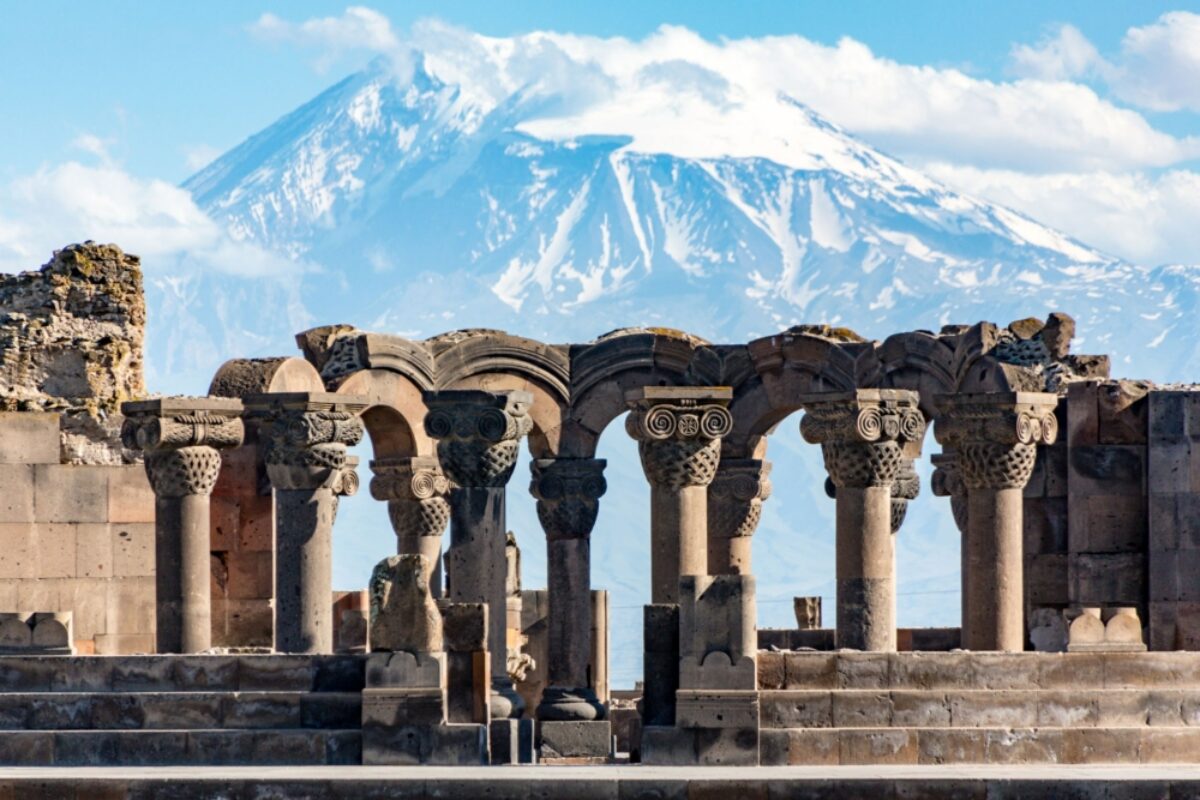
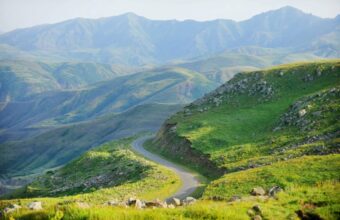
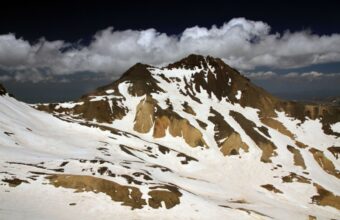
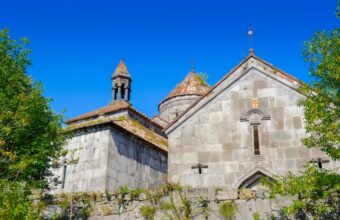
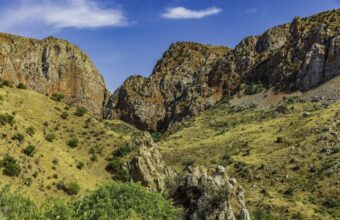
One of Christianity’s earliest civilisations, Armenia’s historic churches and monasteries date back as far as the 4th century. Spread across the country, these extraordinary religious sites are the country’s premier attraction, but it’s also full of dramatic landscapes perfect for exploring on foot.
That’s not to say that Armenia is an easy place to travel. Roads are poor and English non-existent, but that just makes the travel experience more rewarding. Combine a trip to Armenia with a multi-country tour of neighbouring Azerbaijan and Georgia, and you’ll experience a dizzying mix of cultures, history and landscapes.
I'd love to do a multi-day hike in the Geghama Mountains with my partner, around April. Is that feasible?
Answered by: Nune Taunts
Trekking in the Geghama Mountains is not feasible in April. There is still snowfall, and at altitudes around 3,000 metres the trails are not yet accessible for hiking.
For the Mount Aragats trek, what are the typical climatic conditions at the peaks in July? Is there snow or ice? What kind of hiking boots do you recommend, and how solid do they need to be? The North Peak seems more challenging: how challenging is it, and is it secured by ropes?
Answered by: Nune Taunts
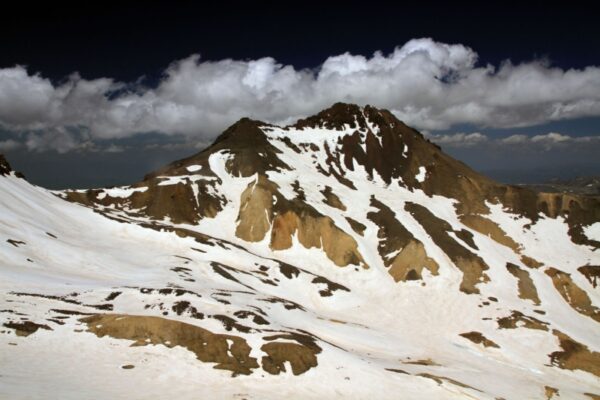
In early July, there may still be some snow patches on Mount Aragats. Daytime temperatures on the summit are usually around 15°C, while nighttime temperatures at the campsite can range between 0°C and 5°C.
Regular hiking boots are sufficient for this trek, and no technical climbing equipment is required. Although the Northern Peak is more challenging than the other summits, ropes are not necessary.
Where would you suggest for an Armenia walking holiday in July – ideally quiet or off the beaten path?
Answered by: Nune Taunts
As July can be quite hot, I'd suggest a centre based trip to Dilijan National Park, where the forests will keep you cool. Otherwise if you want a camping experience, the Geghama mountains trail is a top highlight, very remote and quiet.
Are combined or cross-country walking holidays between these three countries possible at the moment?
Answered by: Nune Taunts
It's technically possible, but due to ongoing diplomatic tensions, it's much harder to organise (and therefore more expensive) to organise a cross-border walking holiday between Armenia and Azerbaijan than normal. You'll probably need two separate tour operators for Armenia/Georgia and Azerbaijan, and travel in the walking border regions and remote villages is under strict control of the security services, making cross-border inn-to-inn walking holidays trickier than normal.
You'll receive a reply by email. Questions and replies may be anonymised and reproduced on Horizon Guides.
§ 04
The Armenia atlas
16 picksPlaces & Experiences You Won't Find Elsewhere
Where
What
Beyond the semi-famous and popular Mount Aragats climb, pretty much any walking holiday in Armenia will feel like you're well off the beaten path – none more so than in the little visited Syunik province in the country's south, near the Iranian border.
While the crowds flock to Aragats, I usually recommend those with the time and a sense of adventure to head south and climb Mount Khustup instead.
This is a true hidden gem that takes you deep into the rugged landscapes of Syunik, about 350 kilometres from Yerevan. This trip requires careful planning, with at least two full days of travel by car. The hike itself is a full-day ascent through steep and rocky terrain, offering wonderful panoramic views from the summit.
Khustup holds deep cultural and historical significance for Armenians who regard the mountain as sacred for its key role in protecting the Syunik region from invasion. One of Armenia’s national heroes, Garegin Nzhdeh, is buried on its slopes, adding to its symbolic importance. But the main appeal comes from the amazing scenery, unpredictable conditions, and the immense sense of accomplishment upon reaching the summit.
Distance: Approx. 820kmDuration: 25-45 days, or shorter segmentsStart point: Lake ArpiEnd point: MeghriDifficulty: Moderate
The full 3,000 km of the Transcaucasian Trail (TCT) is still theoretical for stretches in Georgia and Azerbaijan, but in Armenia the trail can now be hiked as a single thru-hike.
The complete Armenia segment is around 820km, which can be done anywhere from 25 to 45 days depending on your pace.
The route cuts across the country from north to south, starting at Lake Arpi and finishing at Meghri. On the way you'll pass all Armenia's finest hiking country, including Dilijan National Park and the Gegham Mountains.
If you'd rather not do this as a single thru-hike, it's also offered by walking holiday companies as a series of day hikes with transfers in between.
This scenic 125 kilometre trek forms part of the longer, partially waymarked, Trans Caucasian Trail (TCT) section from Selim Caravanserai to Jermuk.
The route winds past lakes, valleys and streams to the gorgeous Noravank Monastery, which glows reddish gold at sunset. You’ll also pass by the Areni-1 cave, the world’s oldest recorded winery dating back over 6,000 years. The trek continues through remote villages and up the Syunik Mountains before ending in Ughedzor.
There are several guesthouses and homestays in the area, including an eco-hotel made out of shipping containers near Yeghegis and some of Armenia’s finest guesthouses and wineries in Yeghegnadzor.
Distance: Approx. 10kmDuration: Five hoursStart point: ArtabuynkEnd point: YeghegisDifficulty: Mild
This is a popular hike from the village of Artabuynk to an 800-year-old Jewish cemetery beside the town of Yeghegis.
The trek will take you past the 5th-century Smbataberd Fortress, which offers gorgeous views over the valley, down into a meadow and then up again where you’ll find the 10th-century Tsakhatskar Monastery. From there, you’ll walk down to Yeghegis, a village which hasn’t changed much in centuries and features three historic churches dating from the 13th, 14th and 18th centuries.
A few minutes east of Yeghegis is a rickety bridge that leads to an 800-year-old Jewish cemetery said to have the remains of Jews from Persia who walked the Silk Road.
The whole trek is 10km and takes about five hours to complete. Boots and long pants are especially important on this hike as vipers are frequently encountered.
Distance: Approx. 7.5kmDuration: Five hoursStart point: SaghmosavankEnd point: HovhannavankDifficulty: Easy
These two monasteries are connected by an easy 7.5km trail along the edge of Kasagh Gorge, which takes about five hours to complete a return trip.
A longer hike (10km) starts from Saghmosavank and goes down into the gorge along the banks of the Kasagh River. The river eventually flows into the Metsamor River where you can take a dip before finishing the hike in the village of Karbi.
The area has stunning views of Mount Ararat, Mount Aragats and Mount Ara and is populated with apricot trees, wild rabbits and foxes. The region is also known for its wine and there are a few wineries to try in the area.
The town of Ashtarak is a good place to base yourself with its beautiful 19th-century black tuff buildings, pleasant tree-lined streets and several good restaurants.
All hikes up Mount Aragats start from Lake Kari, which can be reached by road from Byurakan.
Aragats has four peaks, all of which you can climb. The tallest and most challenging being the northern peak, which is 4,090m high and requires ropes and wading through snowfields. The 8.5km trip takes about two days and is for experienced trekkers/mountaineers only.
An easier, though no less fulfilling option, is to climb the southernmost peak, which spans 4.7km to reach the 3,893m-high summit. Hikers also sometimes climb the western peak (3,995m) and the eastern peak (3,908m).
On your way up or down to the lake, don’t miss Amberd Fortress, a well-kept 7th-century stone fortress that commands beautiful views over the plains. For something totally different, 20km northeast of the town of Byurakan is a field of monuments to the Armenian alphabet, which was built in 2005 to mark the 1600th anniversary of Mesrop Mashtots inventing the language.
Many hikers stay in Yerevan and come up to Mount Aragats on day trips, but I'd recommend you stayat Lake Kari, or the nearby towns of Byurakan and Ashtarak.
Distance: Approx. 85.6kmDuration: Five to seven daysStart point: KachardzanEnd point: HovkDifficulty: Moderate
If you have longer to spend in the area, you could spend five to seven days on this this multi-day waymarked trail from the village of Kachardzan to Hovk, via Dilijan.
You’ll hike through forests, gorges and woodlands and see the beautiful 12th-century Goshavank and 10th-century Haghartsin monasteries along the way. There are campsites and guesthouses along the way, but be sure to contact them beforehand to see if they’re open, or book with a specialist hiking company.
Distance: Approx. 3.8kmDuration: 75 minutesStart/end point: Abovyan St (Dilijan)Difficulty: Easy
If you're pushed for time while in Dilijan National Park, this short hike should take just over an hour and gives you a good glimpse of the area's scenery along with the ruins of two medieval monasteries, 13th-century Matosavank and 11th-century Jukhtavank.
You can either start this hike by driving to the trailhead on Abovyan St. or you can walk for about an hour from the Dilijan tourist information centre. The info centre has mountain bikes that you can rent for this loop.
Distance: Approx. 14.5kmDuration: Four to five hoursStart point: DilijanEnd point: Parz LakeDifficulty: Mild
This is my favourite hike in Dilijan National Park. Come in spring to hike through valleys teeming with millions of wildflowers that can be plucked to make tea.
Starting from Dilijan’s helpful tourist information centre where you can rent hiking gear such as poles and sleeping bags, walk out of town to the south and up the mountain until you’re looking down on Dilijan. Follow the signs that indicate the Transcaucasian Trail (TCT), a 3,000km network of paths throughout the region, until you reach Parz Lake where you’ll find accommodation, a khoravats barbecue restaurant, a mini-rope park, paddle boats for rent and an hour-long 2km trail around the lake. You can spend the night here or have the info centre in Dilijan organise a cab to take you back to town. If you’re keen to hike some more, you can continue along the TCT another four hours (7.1km) to the 12th-century Goshavank Monastery and to Gosh Lake, which will take an extra hour (4.2km)
Distance: Approx. 50kmDuration: Four daysStart point: YerevanEnd point: AragatsDifficulty: Mild
Probably my top recommendation for an Armenia walking holiday is the 50km Gegham Mountain trail which takes three to four days of remote trekking featuring glorious alpine meadows, crater lakes, ancient petroglyphs and volcanic peaks, including Mt Azhdahak.
The only other people you’ll see out here are a few like-minded travellers and shepherds. This is a camping trek with complex logistics, so is rarely offered by international trekking or walking companies, but can be organised by local hiking specialists.
The most popular destination is Satan’s Bridge at the bottom of the gorge where legend has it that a bridge magically appeared to save villagers fleeing a rebel army. It’ll take about an hour to get here from Tatev and it’s easy to find right next to the main road.
Another option is to leave from the Tatev Monastery and hike six to seven hours (13.5km) through the gorge to the forgotten village of Old Harjis, which is filled with ruins and grass-covered homes. Along the way, you’ll cross oak and hornbeam forests, the new town of Harjis and a lake that you can swim in. Keep an eye out for wild lizards, bears, wolves, foxes, porcupines and snakes.
Other popular hikes from Tatev include the village of Tanzatap, which takes an hour, the 17th century Mets Anapad church (two and a half hour) and to the village of Ltsen (five to six hours).
Multi-day treks are less common around Tatev, but you can easily do multiple day trips while basing yourself from Halidzor where there are a few excellent B&Bs and a station for the world’s longest nonstop reversible ropeway, the Wings of Tatev Aerial Tramway. Alternatively, the hilltop village of Tatev has several humble B&Bs and a helpful info centre and cafe with ample hiking information.
Begin your Caucasus trip in Azerbaijan’s cosmopolitan capital of Baku, before exploring the burning flames of Mount Yanar Dag and historic architecture in Sheki. Cross the border into Georgia and spend a couple of days wine-tasting in Kakheti, before treating yourself to a sulphur bath in capital Tbilisi. Next, go rural and explore ruins, fortresses and forests at Akhaltsikhe and Kutaisi. Head into Armenia for hiking at Dilijan National Park, 9th-century monasteries at Tatev and end in arty Yerevan.
Begin in the Land of Fire’s capital Baku, exploring its mix of ancient and super-modern, before travelling to the mountainous town of Sheki. From here, travel to Georgia, beginning in capital Tbilisi. Head east to the Kakheti wine region to sample some of the world’s best natural wine, before crossing into Armenia’s Dilijan National Park for hiking trails and ancient caves. End your trip in capital Yerevan with views over the city from The Cascade park.
Start your trip by exploring Baku’s tree-lined Old City, mixing ancient buildings and modern boutiques, before visiting Mount Yanar Dag to see the constantly burning hillside. Next, travel to Lahij to see master craftsmen at work in a traditional Azerbaijani village, before exploring Sheki Khan’s Palace in Sheki. Next up is Georgia, where you can try natural Georgian wine fermented in terracotta pots in the Kakheti region. Travel to capital Tbilisi for nightlife, world-class cuisine and sulphur baths before exploring Kutaisi’s caves and waterfalls. Cross into Armenia and the town of Dilijan, where you can explore its art and craft scene, before travelling to the high-altitude Lake Sevan. Drive across the Selim Pass to see one of the Silk Road’s ancient lodging hotels, before descending into Tatev to explore its eponymous monastery. End your adventure in Yerevan.
Probably my top recommendation for an Armenia walking holiday is the 50km Gegham Mountain trail which takes three to four days of remote trekking featuring glorious alpine meadows, crater lakes, ancient petroglyphs and volcanic peaks, including Mt Azhdahak.
The only other people you’ll see out here are a few like-minded travellers and shepherds. This is a camping trek with complex logistics, so is rarely offered by international trekking or walking companies, but can be organised by local hiking specialists.
You'll explore the country's highest and most beautiful points, with amazing panoramic views of the Highlands, crater lakes, ancient petroglyphs and dragon stones that point to Armenia's ancient pagan mythology.
Cap off the trek by climbing Mount Aragats, Armenia's highest peak, and explore the vibrant city of Yerevan - one of the oldest continually inhabited cities on earth.
Beyond the semi-famous and popular Mount Aragats climb, pretty much any walking holiday in Armenia will feel like you're well off the beaten path – none more so than in the little visited Syunik province in the country's south, near the Iranian border.
While the crowds flock to Aragats, I usually recommend those with the time and a sense of adventure to head south and climb Mount Khustup instead.
This is a true hidden gem that takes you deep into the rugged landscapes of Syunik, about 350 kilometres from Yerevan. This trip requires careful planning, with at least two full days of travel by car. The hike itself is a full-day ascent through steep and rocky terrain, offering wonderful panoramic views from the summit.
Khustup holds deep cultural and historical significance for Armenians who regard the mountain as sacred for its key role in protecting the Syunik region from invasion. One of Armenia’s national heroes, Garegin Nzhdeh, is buried on its slopes, adding to its symbolic importance. But the main appeal comes from the amazing scenery, unpredictable conditions, and the immense sense of accomplishment upon reaching the summit.
Need to know
Best time to go:
The best months for climbing Khustup are July to mid-September when the weather is stable. May and June can be rainy, while November to April is not recommended due to harsh conditions.
How to get there
Public transport options include a minivan from Yerevan to Kapan, which costs around €15. Daily flights from Yerevan to Kapan are available, costing approximately €100 round trip. From Kapan, a local 4WD with a driver is necessary to reach the base camp, with a round-trip cost between €200–250.
Accommodation
Travellers typically spend one night at the base camp before the climb. After descending, it is advisable to stay one night in Kapan to rest before returning to Yerevan.
Hiking essentials
Proper preparation is crucial for a successful hike. Sturdy hiking boots, trekking poles, weather-appropriate clothing, a raincoat, sunscreen, sunglasses, and a hat are all essential items to bring.
Guides & costs
Hiring a local guide is highly recommended, with costs starting at €100–120 per day. There is no entrance fee required to access the mountain.
Your details are safe and will not be used for any other purpose. By using this service you agree for us to share your details with your chosen tour operator according to our Privacy Policy.