







China overland
Metropolises, teahouses and ancient history
-
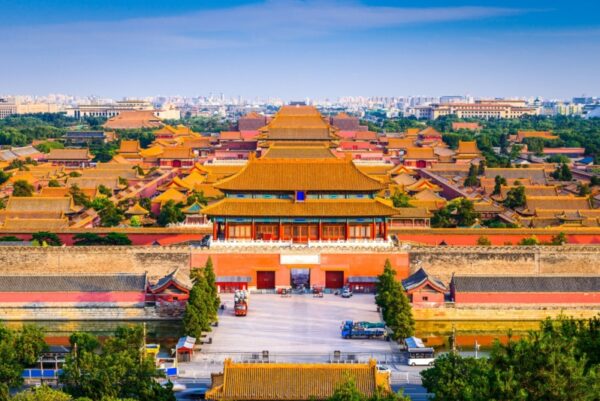
Beijing
With a history dating back over three millennia, China’s mammoth capital is a proud celebration of old and new — showcasing shiny modern skyscrapers alongside the imposing Ming and Qing-era Forbidden Palace... -
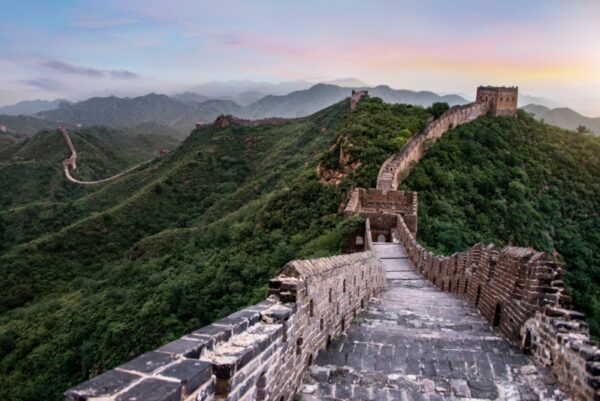
Great Wall of China
Mutianyu is easy to reach from downtown Beijing and home to one of the best-preserved sections of the Great Wall of China, with densely distributed watchtowers and breathtaking woodland views... -
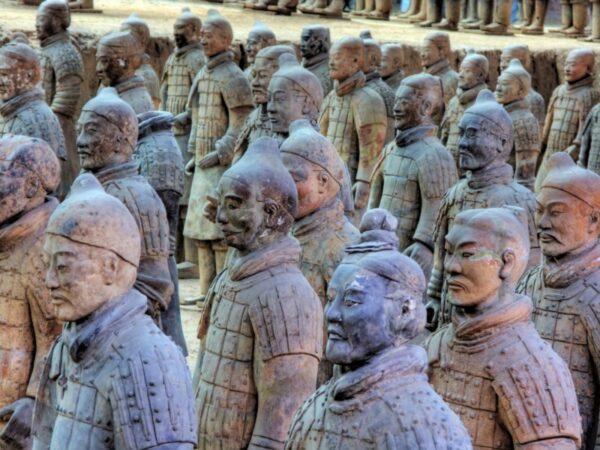
Xi'an
The eastern end of the ancient Silk Road and one of China’s historical capitals, Xi’an is a fascinating fusion of culture, food, archaeology and history... -
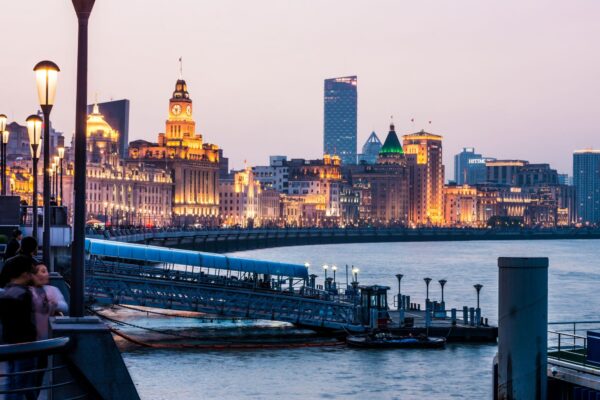
Shanghai
Shanghai is China’s biggest city and a rising financial powerhouse... -
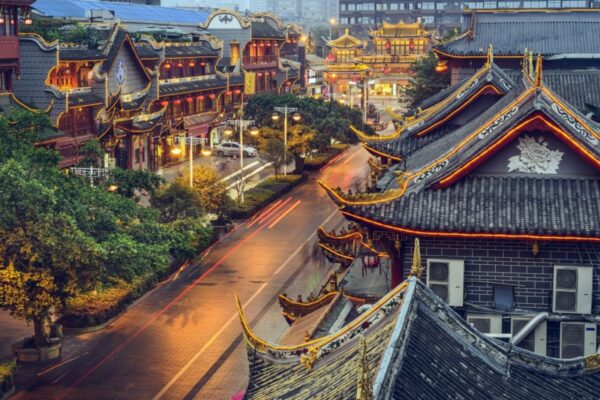
Chengdu
The charming city of Chengdu, with its beautiful traditional teahouses, is the perfect place to experience China’s famed tea-drinking culture... -
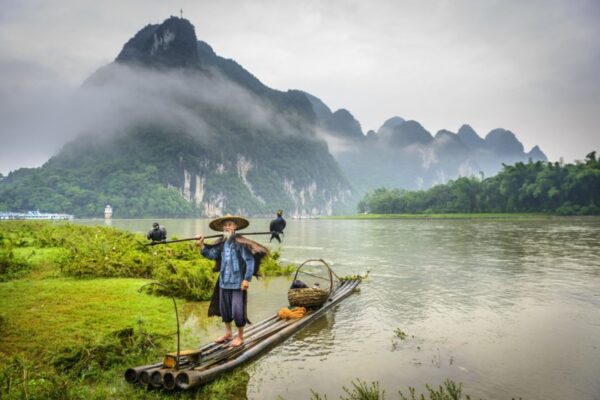
Yangshuo
In recent years Yangshuo has transformed from a quiet rural settlement into one of China’s most popular tourist destinations...
You can experience a lot of China’s highlights with this two-week tour down east of the country. Start in Beijing, from where you can visit one of the best-preserved sections of the Great Wall at Mutianyu. Next, venture south to the ancient capital, Xi’an, home to an incredible amount of history including its epic city wall. From here, head east to the huge metropolis of Shanghai and marvel at its famous skyline. Chengdu’s teahouses are the perfect places to experience China’s renowned tea culture before finally getting away from the crowds with a bamboo raft trip down the Li River from Yangshuo.
 Season
China overland itinerary

Explore China’s complex capital
Day 1–3 in Beijing
With a history dating back over three millennia, China’s mammoth capital is a proud celebration of old and new — showcasing shiny modern skyscrapers alongside the imposing Ming and Qing-era Forbidden Palace. Like China itself, the city has been transformed over the last century, from an ancient walled city to a stylish metropolis and seat of the ruling Communist Party. Politics are never far away in Beijing, and any trip would be amiss without a visit to the vast pedestrianised Tiananmen Square — site of Chairman Mao Zedong’s mausoleum and the National Museum of China.

Head to the unspoilt Great Wall at Mutianyu
Day 4 in Great Wall of China
Mutianyu is easy to reach from downtown Beijing and home to one of the best-preserved sections of the Great Wall of China, with densely distributed watchtowers and breathtaking woodland views. Go early to avoid the worst of the crowds, and choose from a cable car, chair lift or hike up, and a hike or toboggan back down.

Sample the food in Xi’an’s Muslim Quarter
Day 5–6 in Xi'an
The eastern end of the ancient Silk Road and one of China’s historical capitals, Xi’an is a fascinating fusion of culture, food, archaeology and history.
You’ll no doubt want to see its famous Terracotta Army, which is located just 50km from the city centre, and is serviced regularly by buses and tour companies, but include some time to see the rest of Xi’an too.
Once known as Chang’an (meaning Eternal Peace), the city’s 14th century walls have been carefully restored and maintained, and the Tang-dynasty-era Big Wild Goose Pagoda holds plenty of interest beyond its enjoyable name. The Muslim Quarter in the heart of the city is famous for its mosques and markets where you can sample delicious street food.

See old and new China in Shanghai’s Bund
Day 7–9 in Shanghai
Shanghai is China’s biggest city and a rising financial powerhouse. In the heart of the city is the Bund. This famous promenade symbolises Shanghai and from here you can see its enigmatic mix of architecture, from grandiose colonial buildings to modern skyscrapers.

Spice up your life in Sichuan’s capital
Day 10–11 in Chengdu
The charming city of Chengdu, with its beautiful traditional teahouses, is the perfect place to experience China’s famed tea-drinking culture. As the capital of culinary-favourite Sichuan Province and UNESCO’s first-ever City of Gastronomy, Chengdu’s food-scene is as varied, flavoursome and spicy as you might expect. Once you’ve sated your taste buds, make sure you take a trip to the Chengdu Panda Base, a non-profit research and breeding facility for giant pandas, red pandas and other endangered species.

Go bamboo rafting on the Li River
Day 12–14 in Yangshuo
In recent years Yangshuo has transformed from a quiet rural settlement into one of China’s most popular tourist destinations. Known for its striking limestone karst landscape, the region has fantastic cycling and hiking routes, while the town itself has developed a reputation for partying and shopping. Escape the hustle and bustle and connect with nature with a paddle down the gentle waters of the Li River on a natural bamboo raft.
Other itineraries you might like


Find a Yangshuo specialist
Tell us about your trip and we'll find your match
We'll connect you directly with the experts.



We'll connect you directly with the experts.
- Hand-picked local specialists
- Honest advice from real experts
- Free to use, no hidden fees