





18 Jul 2023
PeruWill altitude sickness be a problem? How can I avoid it?

Acute Mountain Sickness (AMS) is by far the most important factor to keep in mind while trekking in Peru. Most treks in Peru involve high altitude at some point. Machu Picchu is situated at 2,430m above sea level and Cusco at an incredible 3,400m. The town of Huaraz is at 3,052 metres but the hikes in the area are between 4,000 and 6,000 metres. Arequipa is only 2,335 but most treks there take you to close to 6,000 metres. Arriving here from Lima or elsewhere you’ll immediately notice the thin air, with reactions ranging from mild breathlessness to headaches and nausea. Severity varies by person and is usually more pronounced for younger and older travellers.
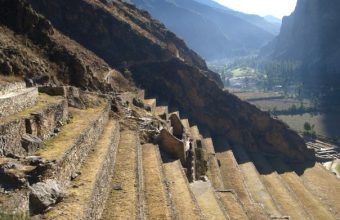
Plan two or three days at altitude before you start your trek. I recommend two days taking it easy in town, followed by an easy hike at high altitude before you start the trek. Near Cusco, consider hiking to Inkilltambo or Waqra Pukará. In Huaraz, Laguna Parón and Pastoruri Glacier both take you to high altitude without a lot of walking. Near Arequipa, check out the Ruta del Sillar. In Chachapoyas, visit Kuélap or Yalape. During that time, drink plenty of coca leaf tea (the traditional Andean remedy for altitude sickness), stay hydrated, avoid alcohol and heavy meals, and generally just go easy on yourself.
Heather Jasper
Based in Cusco, Peru, Heather is an expert on travel to Peru and South America. Heather writes on tourism, trekking, and social issues in Peru for publications including BBC Travel, Fodor’s Travel, Matador Network, Thrifty Nomads, World Nomads, Frommer's, Flashpack, and more. Heather co-founded the Covid Relief Project with Henry Quintano Loaiza to assist vulnerable families in the Cusco region.






Related questions
Peru specialists