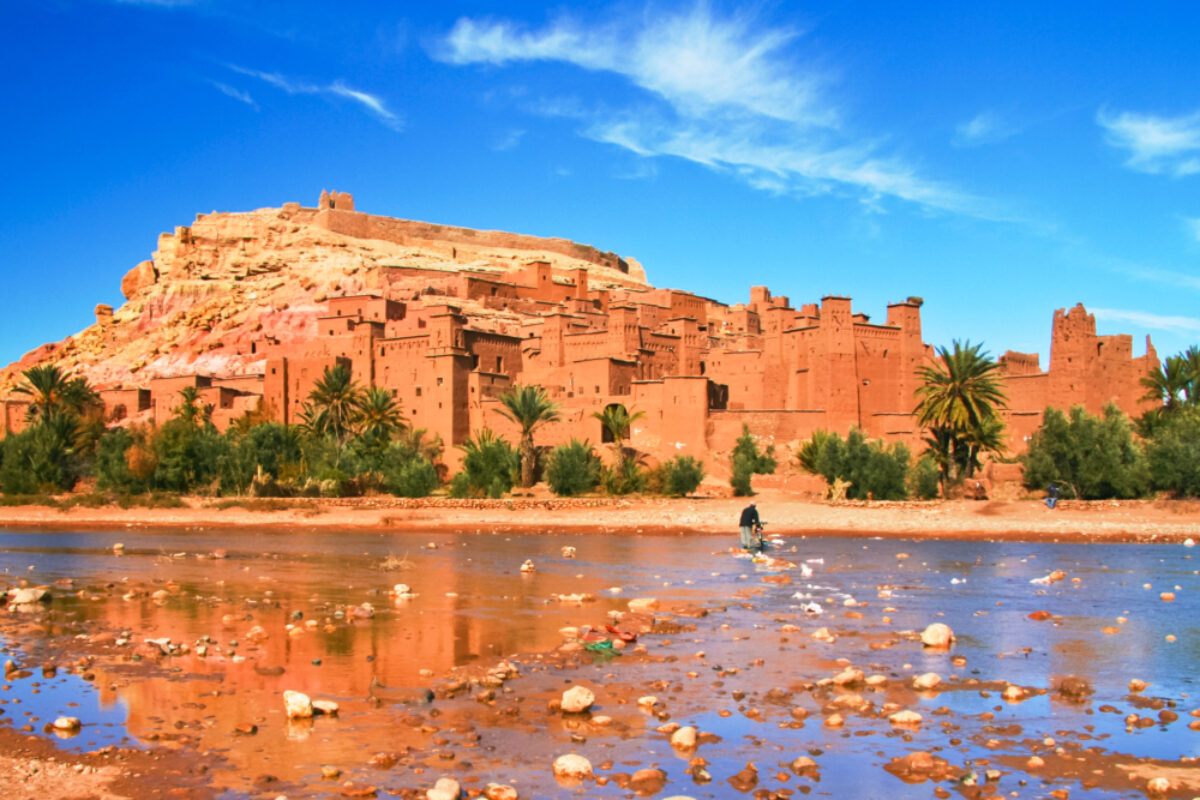
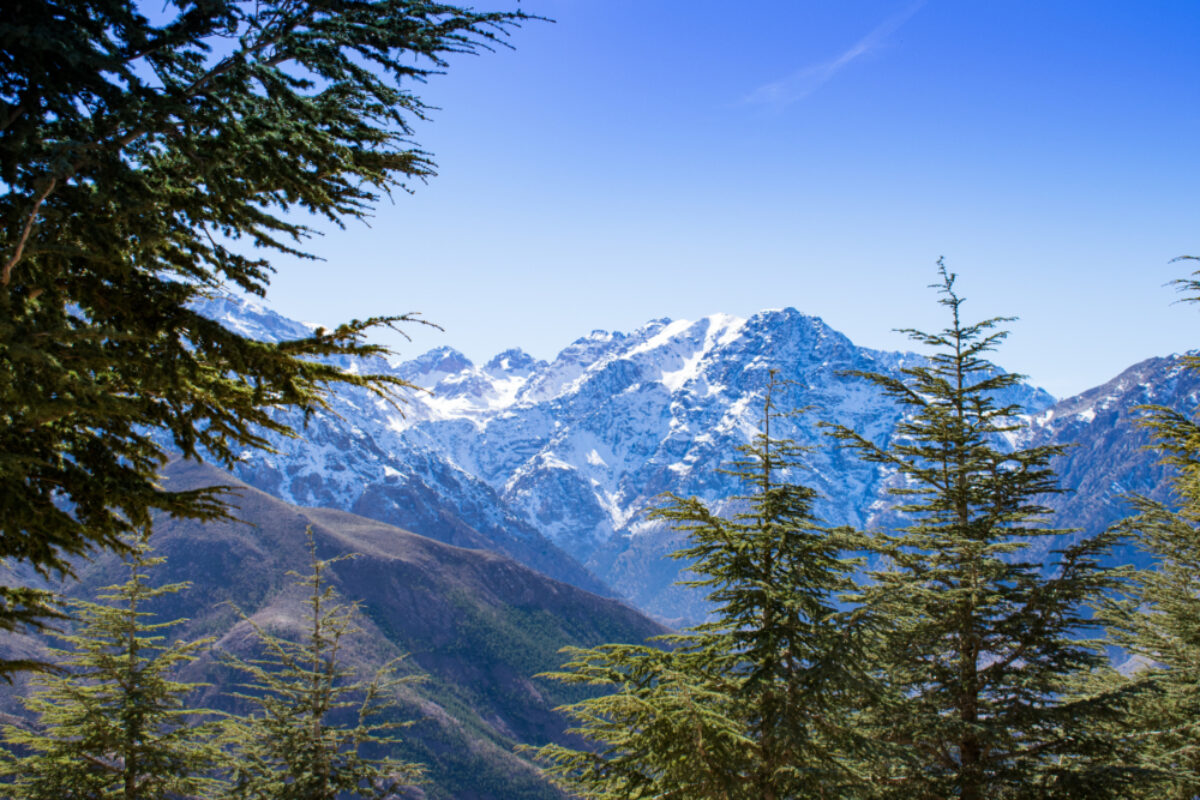
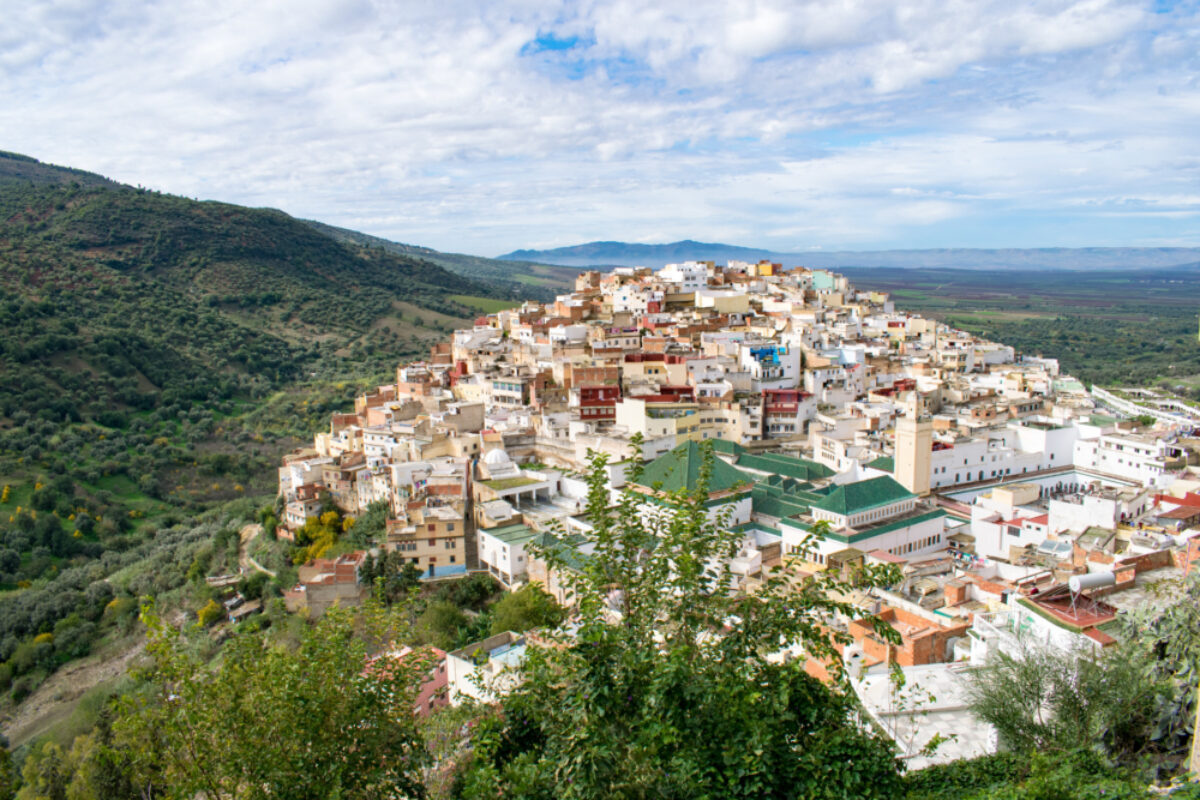
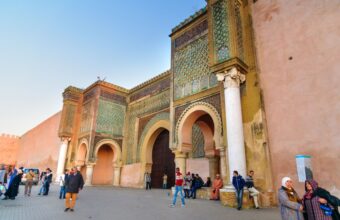
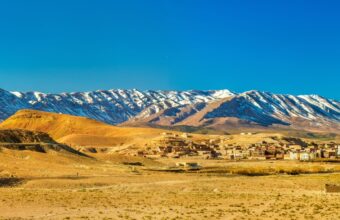
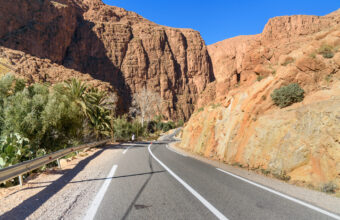
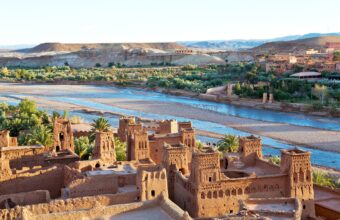
Sat at the crossroads between Africa and Europe, Morocco is a land of contrasts. Major cities with art-deco centres lead to rural areas that are as diverse as their residents. Rural oases gaze out over the Sahara Desert, while the snow-capped Atlas Mountains tower over the country.
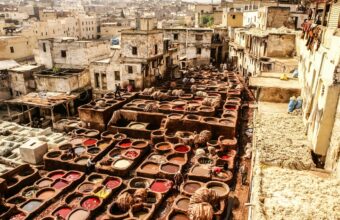
A riot of colour at every turn, a burst of flavour in every plate, and the gentle call to prayer five times per day awaken senses. To best understand Morocco, roll up your sleeves and learn to cook a traditional tagine, soak up the surf culture along its coastline, or learn one of the traditional trades (zellig tilework, leathersmithing, or even coppersmithing) from a master craftsman.
The cuisine — fresh from the field, valleys and oceans — is known for being flavourful rather than spicy. But it’s the warm hospitality and enriching encounters that make a trip to Morocco unforgettable.
I only have 3–4 days and a limited budget, but I want to connect with nature and locals in the small villages and see some mountain landscapes in the Moroccan Atlas. What would you suggest?
A
Answered by: Angela
One way to keep costs down is to choose a trek closer to Marrakech: the transfer is much shorter (about 1.5 hours to the Oukaimeden Valley, versus 4–5 hours to reach valleys deeper in the High Atlas), which makes it cheaper on transport while still giving you village life and mountain landscapes.
A four-day version might run:
Day 1: Transfer from the Marrakech medina to the Valley of Oukaimeden, near Toubkal National Park (about 1.5 hours), then trek to Asricht. Night in a gite, with lunch and dinner.
Day 2: Asricht to Tizi Oussem. Night in a gite, full board.
Day 3: Tizi Oussem to Aroumd. Night in a gite, full board.
Day 4: Short trek to Imlil, then transfer back to Marrakech. Tour ends. Breakfast.
This route isn't very busy, though there will be more people near Aroumd and Imlil at the very end of the walk. It crosses some high passes but does not go to any of the highest summits over 4,000m.
I'd like an immersive and challenging trip through the Atlas Mountains, ideally the lesser-travelled areas such as around M'Goun. I like the idea of walking from gite to gite and stocking up on food at each accommodation. Could you suggest a possible itinerary?
A
Answered by: Angela
We'd suggest a walk from the Aït Bougmez Valley, either to the M'Goun summit or, alternatively, starting from Srempt and walking to Aït Bougmez and Imelghas towards Agouti, then through the mountains towards Aït Bouli. The latter is very much less travelled. You can walk from gite to gite (simple accommodation, like a homestay with locals), which avoids heavy loads such as tents and mattresses and lets you stock up on food overnight for the next day.
A possible itinerary:
Day 1: Travel from Marrakech (or your starting point) across the plain of Haouz to Azilal, then start the climb up towards Srempt. Meet your mule team and cook, with a short walk to the gite in Srempt. Full board (shared room, basic accommodation).
Day 2: Trek from Srempt to Imelghas via Tizi-n-Oughbar (tizi = pass in Berber). About 10 km, ~900m climb, highest point 2,606m. Visit a Berber family in Imelghas for a traditional dinner. Night in a gite, full board.
Day 3: Trek from Imelghas to Arous through the Valley of Aït Bougmez (~1,800m), seeing the dinosaur tracks at Aguerd n'Ouzrou and the stork colony at Aït Ziri. About 13 km, 200–300m climb. Night in a gite, full board.
Day 4: Trek from Arous, climbing near Tafnefant and onwards towards Abachkou. About 15–17 km depending on route, ~600–800m climb. Night in a gite, full board.
Day 5: Trek from Abachkou to Tizi-n-Tirghist, seeing the rock carvings (about 4–5 hours), with a night in Aït Bouli in a gite. Full board.
Day 6: Meet your transport and set off for Marrakech via the Ouzoud waterfalls, with a chance to walk around this area in the foothills of the Atlas. Head to Marrakech in the afternoon. Breakfast and lunch.
I'd like recommendations for hiking in the Atlas Mountains, ideally off the beaten track. Basic accommodation is fine, but not backpacking.
A
Answered by: Angela
The accommodation on this itinerary is in simple gites (local houses with bedrooms, bathrooms, and cooking facilities). We also provide a guide and a cook, with muleteers to carry the food, water, and luggage, so all you need is a daysack.
Itinerary:
Day 1: Pick up from Marrakech or nearby and transfer by private minibus to the mountains and the Valley of Oukaimden. Start the walk and ascend Tizi-n-Addi to the village of Tacheddirt. Night in a gite, with lunch and dinner.
Day 2: Walk along the valley and over the Tizi-n-Tamatert to Imlil and Aroumd. Night in a gite, full board.
Day 3: From Aroumd, ascend the foothills of Aguzim and descend to Tizi Oussem. Night in a gite, full board.
Day 4: Descend from Tizi Oussem to the Valley of Ourigane and overnight in a hotel. Breakfast and lunch.
We're looking for a day-trip hike with beautiful views, including transportation from Marrakech. Where would you suggest?
A
Answered by: Angela
The place I have in mind is well off the tourist trails. Pick up in Marrakech around 08:30–09:00, meet your guide and private transport, and head across the plain of Haouz, continuing westwards through low hills and oak forests to the village of Amizmiz.
From there, follow winding single-track roads into the mountains to Imi D'Ounit (literally "gateway to the world"), and start hiking through the valley and past Berber villages, climbing higher on a mule track for a view over the mountains. After walking the loop, return to your transport and head back to Marrakech for the evening.
We're looking for 3/4 days of hiking in Ait Bougmez Valley or the M'goun region. Can camp out but prefer indoor accommodation. What do you suggest?
Answered by: Hamid Idbelaid
For three days inn-to-inn hiking, I'd recommend a variation of the M'Goun Circuit: Tighreft to Ouzighemt, then to Tighanimn, then to Aït Mraw. You can stay in Berber guesthouses on all three nights.
Is it possible to trek the M'goun Circuit or Traverse in late March?
Answered by: Hamid Idbelaid
Mount M'Goun is generally accessible from the end of May until October. Earlier in the season, there can still be snow on the summit, so if snow conditions are heavy, trekking in the Ait Bougmez Valley and surrounding areas is a very good alternative and still offers a challenging and beautiful experience.
Is April/May too early for the Toubkal Circuit Trek?
Answered by: Hamid Idbelaid
I'd recommend aiming for the first week of May. In April, the high passes, Tizi Oussem and Tizi Likemt, often still have significant snow, which can make the traverse difficult and sometimes unsafe without technical winter equipment. By early May, conditions are usually much more stable and ideal for completing the full circuit.
Often at low elevations and with reasonably short trekking days, Morocco’s treks may sound like a walk in the park, at least on paper. Reasonably fit and acclimatised trekkers should be able to tackle most of the multi-day options, though don’t underestimate Toubkal Summit at nearly 2,400m of elevation gain in just two days.
But long days in parched landscapes under the high Atlas sun demand self- and situational awareness from even experienced walkers; this is not a place where you want to be caught with an empty water bottle several miles from the next water source, especially alongside a guide who thinks nothing of drinking like a camel when there’s water available and then hiking through the midday without a water bottle, and yes I do speak from personal experience here…
If you’re hiking in Morocco for the first time, chances are you’ll be coming for Jebel (Mount) Toubkal. Toubkal, Morocco's best-known (and most heavily marketed) trekking area is indeed spectacular and certainly deserves the crowds it attracts.
But the way it’s commonly sold by the mainstream tourism industry leaves a lot to be desired.
The basic Jebel (Mount) Toubkal trek is typically offered as a two day itinerary from Imlil (or three days if departing from & returning to Marrakech). You’ll do one day of heavy hiking to reach Toubkal Base Camp. On the second morning you’ll make a pre-dawn push to catch sunrise from the summit, then turn around and descend 2,500 metres all the way back down. It’s rushed, gruelling and busy.
A far more relaxed trek is the Toubkal Circuit, which is typically done in six days with the final ascent saved for last. If you’ve got the time I’d strongly recommend doing it the slow way.
Daytreks out of Zahouait Ahansal are sublime, and while often steep, are typically not very long and not technically demanding. For difficulty the route through the Tichka Plateau to the peak of Toubkal is up towards the top: not only for physically strenuous days, but because in the remote Tichka you’ll need to pack in absolutely everything.
In general Morocco is considered safe for visitors, though you don't have to research very far to come across the brutal murder of two Scandinavian tourists by self-identified Islamic State supporters in December of 2018. Forbes ranked the county #8 least-safe for women shortly after, primarily on the basis of gender inequality and street safety. The latter especially seems to be a common source of problems for female travellers: catcalls, street harassment, and unwelcome attention.
I quite like the M’Goun area: big rugged mountains that compete with anything in the High Atlas for beauty, plus seemingly endless hamlets and villages where it’s possible to stop if only for a moment and sink into the rural lifestyles that feel almost timeless. Atop the bigger villages, old crumbling kasbahs still tower above for a bit of added cultural flavour and photogenicity.
If staying in guesthouses or refuges, expect all the delights of Moroccan cuisine: tagines and couscous, fresh seasonal salads and fruits, and lots of soups. Toubkal area and some of the Sahara camps offer Western dishes as well. If self-catering while camping, try to stock up on supplies in market towns, as smaller villages often carry only the absolute staples and whatever fresh vegetables are currently coming out of the garden.
Along popular trekking routes through populated areas, family-run guesthouses and basic gîtes d'étape are often available, ranging from comfortable and homelike to barebones simple, while in the busiest areas mountaineering refuges are common.
There may or not be a way to reserve in advance, but independent trekkers will more often show up and knock on the door. In the desert, touristy camps are popular both for accommodation and as places to arrange camels and guides for treks. Where none of these exist, your only option will be independent tent camping.
Most of these treks are doable for those with basic navigational and mountain skills. Guides became mandatory in the Toubkal region from 2018 after a grisly incident involving the death of two Western tourists, but post-COVID this requirement appears to have been informally loosened.
Do consider however that beyond the Toubkal trek very little of any foreign language is spoken in rural Morocco – often including at local guesthouses and refuges – so having a guide for cultural and linguistic interpretation will add to the experience beyond just basic navigational and safety considerations.
Toubkal Park brings in around forty thousand visitors per year, and while not all of those make the summit it certainly can feel crowded at the huts in high season. It’s a fun, non-technical, time-efficient climb and of course there’s a certain satisfaction in reaching the highest peak in North Africa.
For a less crowded experience, the week-long Toubkal Circuit swings east from Imlil and circles around to the peak from the south side, only linking up to the main route at Toubkal pass a couple hundred metres below the summit. Or, just visit in winter, when there’s far fewer crowds (but far more technical skills required!)
The High Atlas is most accessible from late spring into early autumn, though notably hikers do climb Toubkal year-round.
Overall, I recommend trekking in either spring (April to June) and autumn (September to November). In spring, the weather is generally mild, and the mountains are beautifully adorned with blooming wildflowers. The snow from winter has usually melted at lower altitudes, making the trails more accessible. In autumn, the weather is similarly mild and stable, making for comfortable trekking conditions. The autumn colours can also make the landscapes particularly scenic.
The summer months (July and August) can be very hot, especially in the lower valleys, but it's still a good time for high-altitude treks like Mount Toubkal, where temperatures are cooler.
Winter (December to February) brings snow and cold weather, which can make high-altitude treks more challenging due to the need for winter gear and experience in snowy conditions. However, for experienced winter trekkers, this can provide a different kind of adventure.
As you’d expect, the Sahara is brutal in summer, and while a sunrise or sunset camel rise can be fun you won’t want to be out in the dunes all day long unless you’re in the shoulder or colder months.
Morocco’s lower mountains, the Mid-Atlas and the Rif, are accessible year-round however the weather in winter can swing wildly from sunshine and shorts to winter snows within just a few days.
Overall, I recommend trekking in either spring (April to June) and autumn (September to November). In spring, the weather is generally mild, and the mountains are beautifully adorned with blooming wildflowers. The snow from winter has usually melted at lower altitudes, making the trails more accessible. In autumn, the weather is similarly mild and stable, making for comfortable trekking conditions. The autumn colours can also make the landscapes particularly scenic.
The summer months (July and August) can be very hot, especially in the lower valleys, but it's still a good time for high-altitude treks like Mount Toubkal, where temperatures are cooler.
Winter (December to February) brings snow and cold weather, which can make high-altitude treks more challenging due to the need for winter gear and experience in snowy conditions. However, for experienced winter trekkers, this can provide a different kind of adventure.
You'll receive a reply by email. Questions and replies may be anonymised and reproduced on Horizon Guides.
§ 04
The Morocco atlas
29 picksPlaces & Experiences You Won't Find Elsewhere
Where
What
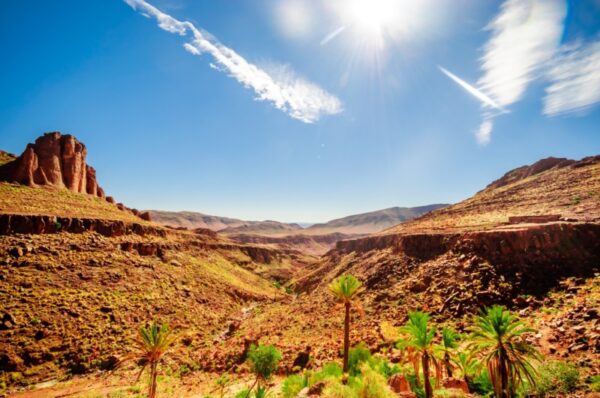
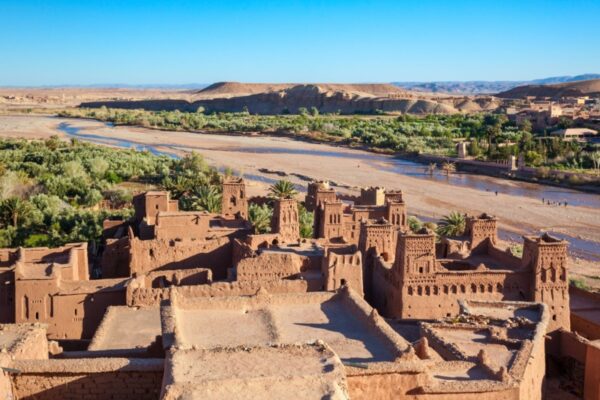
The Dadès Valley, a quiet corner in the ochre-walled oasis valleys between the High Atlas and Anti-Atlas ranges, draws a fraction of the hikers as Jebel Toubkal to the west or Jebel Saghro to the east. Much less touched by tourism, the settlements here follow a more traditional pace of life, with original berber villages and what remains of the valley’s “one thousand kasbahs” some of which date back to the 11th century.
My personal highlight, and possibly my favourite place to hike anywhere in Morocco, is the Valley of the Roses, which follows the M’goun River from Kalaat M'Gouna as it detours north from the Dadès Valley. Here, damask roses which were first planted by French settlers are harvested each May. It’s a deeply traditional and picturesque part of the country and one where you’ll be untroubled by other tourists.
Jebel Sirwa in the Anti-Atlas range is another crowd-free alternative to Toubkal. The scenery here is classic Anti-Atlas landscapes of traditional Berber villages in green oasis valleys which give way to stark, rocky mountain peaks. The focal point for hikes here is Jebel Sirwa. At 3,305 metres the summit is a relatively straightforward climb but the harsh sun, a lack of shade and narrow, rocky paths make it a moderately challenging hike. One I’d recommend for seasoned hikers who want to do something different to the standard Toubkal or M'goun treks.
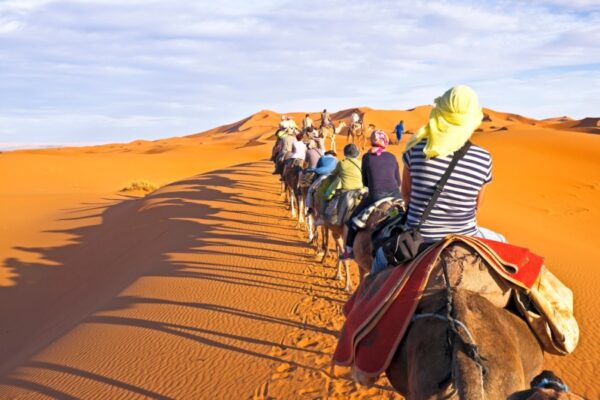
The village of Merzouga has accommodation to suit all budgets, and you can arrange everything from a sunset camel safari to sandboarding, quad biking, overnight camping and longer treks.
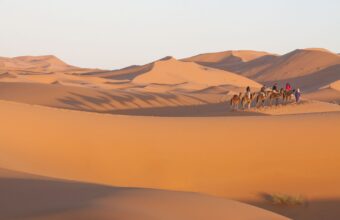
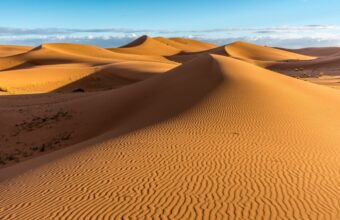
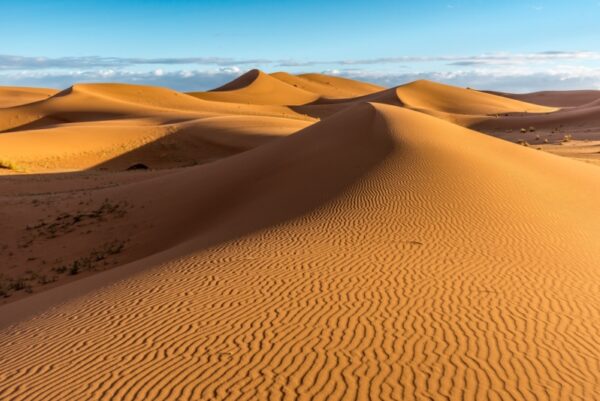
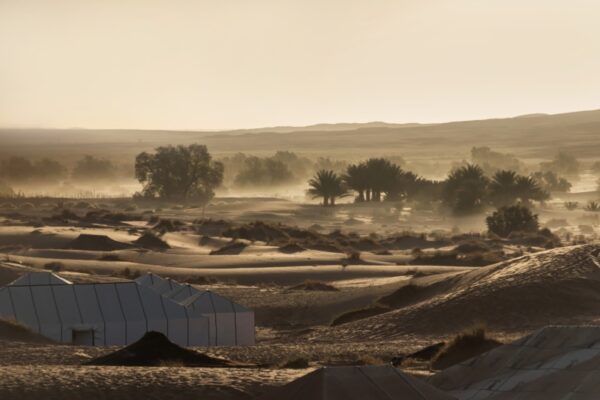
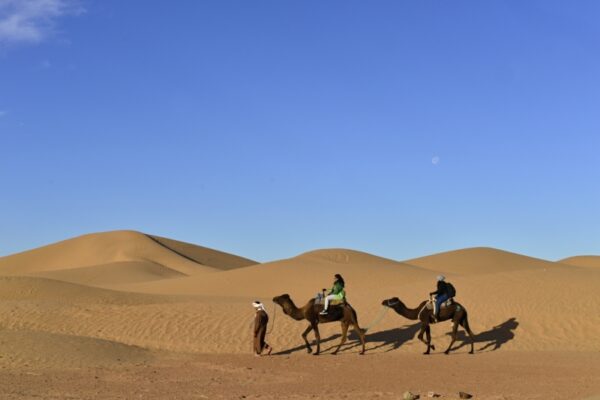
Erg Chebbi is Morocco’s most accessible stretch of Sahara, with dunes around 22 kilometres long and 25 kilometres wide, reaching lofty heights of 160m in places. It is especially striking at sunset, turning from orange to pink and purple as the night sky glitters with stars. Then you might tuck into madfouna, or ‘Berber pizza’, a stuffed flatbread baked in a fire pit buried in the sand, before a campfire drumming session.
Campsites can be just 15 minutes from Merzouga by 4x4 or a couple of hours by camel. The downsides: convoys of vehicles dropping off people and supplies in high season, quad bikes overtaking camel caravans and being across a dune from another camp. If you want more solitude, choose your camp carefully or go out of season.
For a real hidden gem, the village of Khamlia, six kilometres south of Merzouga, is home to Dar Gnaoua, where musicians – including the renowned Les Pigeons du Sable – celebrate their sub-Saharan African roots, performing to an enthusiastic crowd, shaking krakebs (metal castanets) and keeping their hypnotic beat on tbel drums.
Stretching from the Atlantic Ocean inland toward the Sahara Desert is the Anti-Atlas Range, another of Morocco's lesser-visited trekking locations.
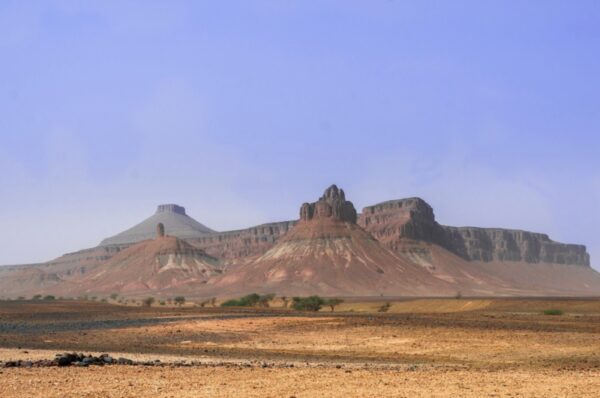
Although technically part of the same geological system, the Anti-Atlas couldn't be any more different to the High Atlas. The peaks are much lower and the scenery is a semi-arid landscape of jagged mountains and rugged gorges.
Vastly fewer trekkers come here compared to the High Atlas, making this a refreshing change to the touristy bustle further north.
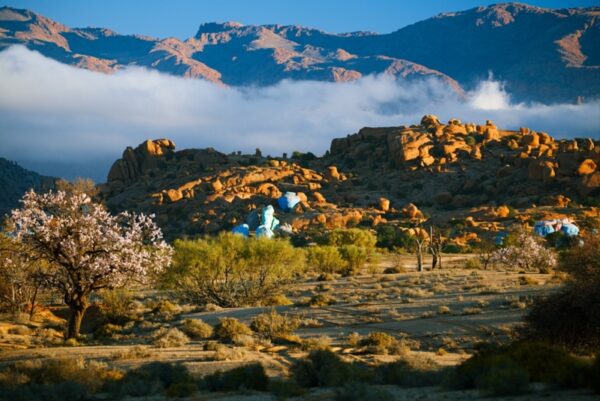
The Anti-Atlas Mountain town of Tafraoute, gateway to the stunning AmeIn Valley, is worth a visit for a night or two allowing for at least a day hike, or just a break for travellers heading to/from the Sahara Desert. Famous for its almonds, colourful babouche slippers particular to the region, and even as a starting point for cycling up to the blue rocks and spotting prehistoric rock carvings.
There are rewarding hikes around the AmeIn Valley, with most travellers starting in the village of Oumesnat and following paths that lead through neighbouring villages and pass argan and almond trees dotting the landscape. In the valley’s village of Asgaour, the rockface resembling a lion’s head is one to find amongst the craggy rocks.
The trails can be navigated without a guide, but be mindful of limited shade and strong sun. My advice is to visit with a trekking operator: it will be rare to find anyone speaking English and replenishing water and food supplies may be tricky. Pack sunscreen and snacks accordingly.
M’hamid is the last Moroccan outpost before the Algerian border, where the road dissolves into sand and the desert takes over. It’s the jumping-off point for the dramatic dunes of Erg Chigaga, 60 kilometres to the west – around two hours by 4x4, or a thrilling three day trek by camel.
Erg Chigaga, Morocco’s longest and highest sand sea, ripples for around 40 kilometres with dunes topping 300m. It’s wilder and less visited than Erg Chebbi, and its camps are more isolated, but the off-road journey to get there is more expensive. On the way, there are stops at panoramic viewpoints and perhaps a mint tea break with desert nomads outside their goat-hair tent.
From your campsite, you can trek on foot or by camel, scramble up and sandboard down a towering dune, and savour the sunset and stellar desert views before stargazing from a carpet spread across the sand and music around the campfire. Look out for nocturnal wildlife: the fennec, with its enormous ears, is the smallest fox species, and sand cats are the only desert-dwelling felines. On a morning trek, your guide will point out its tiny tracks zigzagging across the dunes.
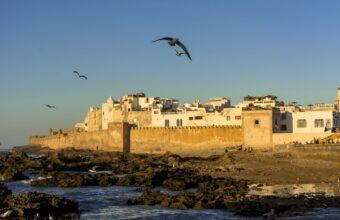
Most trekking in Morocco focuses on the Atlas Mountains and the Sahara Desert, but the country has a long coastline and a rich maritime history which can be explored on foot well away from the regular tourist trail. I like the stretch of coast south of Essaouira, you can spend four or five days here following the old Portuguese trade routes and visiting small fishing villages and beach towns along the way. Historical Essaouira itself is a good place to spend a night or two at the end of your hike.
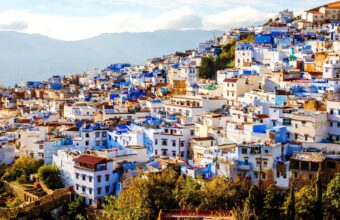
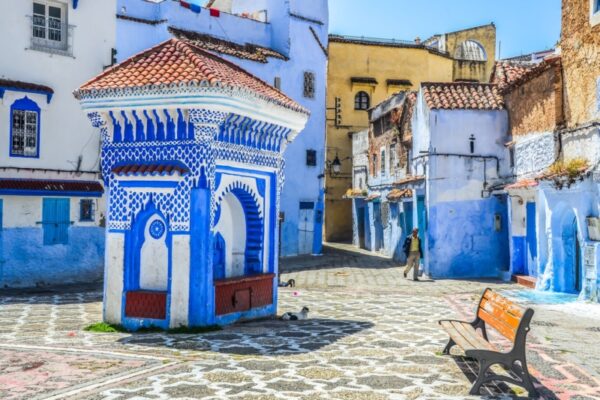
Nestled in the heart of the Rif Mountains, the blue city of Chefchaouen and nearby Talassemtane National Park offer trekkers a welcome escape to the Toubkal bustle.
Once inside Talassemtane National Park, quiet paths wind through cedar forests, across high ridges and past tiny Berber villages. The main attraction here when hiking alongside, and sometimes through, the river was the awe-inspiring Bridge of God, a 30-metre high natural bridge connecting the canyon, where we swam in the waters below.
This is a popular spot in the summer months, particularly with vacationing locals. Nevertheless, when travelling in this region, I still hired a local guide who also organised transport.
For longer treks, a guide is highly recommended, not only to lead the way, but for organising donkeys to transport supplies, assisting with any unexpected medical emergencies, and they can often provide gear for the journey. The region is known for its (illegal) marijuana cultivation, and a guide will help you stay well aware of the areas that are best avoided.
No round-up of Morocco trekking highlights can ignore Toubkal National Park in the High Atlas Range, the highest and most extensive stretch of the Atlas Mountains.
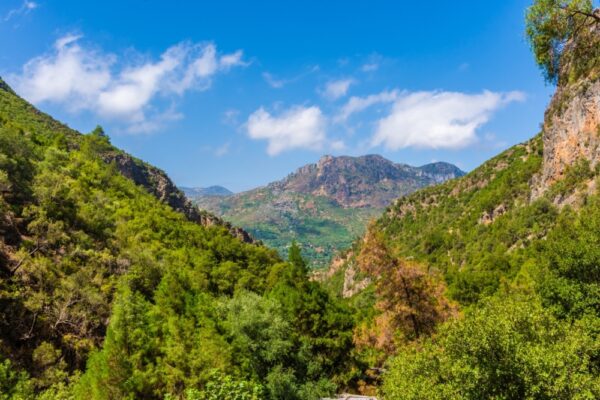
Home to Jebel (Mount) Toubkal, North Africa’s highest peak, this is by far Morocco's most popular hiking destination. It's a region of sparse, rocky and snow-capped (in winter) peaks and lush green valleys below with blossoming fruit trees in the spring, which make for some excellent trekking and hiking, although one that draws significant crowds.
While the tourism industry likes to push the two-day Mt Toubkal trek, I'd highly recommend making time for the six-day Toubkal Circuit trek.
The trailhead is just beyond the village of Imlil, where most visitors disembark to start their hike. Hiring a guide to accompany non-locals on the journey is a must, in fact, it’s mandatory. I’d suggest hiring an official guide to avoid any faux guides who may be hanging around en route. Licensed guides are typically local and undergo training to earn their certification to help trekkers navigate the way, the weather and organise supplies for the journey.
For a shorter hike, depart Imlil to wander through lush green valleys, climbing up to one of the mountainside Amazigh villages or an approximately six-hour trek to Sidi Chamharouch, a pre-Islamic pilgrimage site known for healing health issues or exorcising spirits.
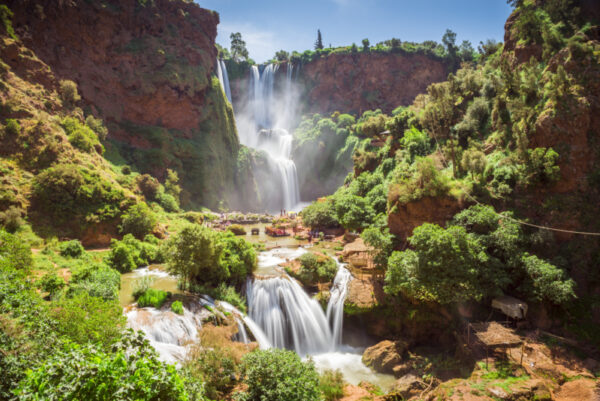
From Marrakech, a day trip to Ouzoud Waterfalls makes for a refreshing day out. The trail is easily marked, meaning just organise transport and you can easily follow the path to the canyon where two-tiered waterfalls cascade. Be mindful of the Barbary apes you may encounter while passing through the shaded areas.
Few hikers make it to Aït Bougmez, a valley running along the M'goun Massif in Morocco's Central High Atlas mountains. Those who do are rewarded with lush pastures, picturesque views across the valley and hospitable locals who don’t let language barriers get in the way—and some of the best trekking in Morocco.
Every spring, the nomadic Ait Atta tribes make a two-week trek to the Aït Bougmez Valley. Once here, they graze their herds in the valley’s rich pastures and sparkling rivers fed from glacial lakes before returning home for the winter. Avid trekkers can join for the transhumance (livestock migration), an activity that may be best done sooner rather than later given the decline of traditional nomadic life.
The village of Agouti is the starting point for a scenic three- or six-day trek to the M’Goun Massif, the second highest peak in Morocco (after Jebel Toubkal in the nearby Toubkal National Park). Hire a mountain guide to accompany you and plan to stay in gites along the way. This trek is best done from spring to fall, before the harsh winters descend on the valley.
Staying in the valley provides opportunity for day treks to a glacial lake where nomadic tribes graze their herds in the summer months, or multi-day treks traversing the valley. With little signage and few restaurants, it is best to visit with a Morocco trekking operator, or find your own trekking guide locally who will also coordinate muleteers and piping hot cuisine along the way.
Distance: Approx. 70 kmDuration: Five days hikingStart/end point: Taliouine or Akhfamane to TinfatDifficulty: ModerateAccommodation: Camping and gite homestays
The 3,305 metre Jebel Sirwa makes for a moderately challenging climb, mostly for the trail and sun conditions than the elevation gain itself. This trek involves about five days of hiking with mules and a mixture of wild camping and traditional gite homestays. The landscapes here are on the severe side, but the views over the Anti-Atlas range from Jebel Sirwa summit are incredible and even better: you’re unlikely to be sharing them with any other hikers.
Distance: Approx. 60 kmDuration: Four days hikingStart/end point: Ait Youl to Bou ThararDifficulty: MildAccommodation: Gite homestays
The Valley of the Roses detours north from the Dadès Valley at Kalaat M'Gouna and is the heart of Morocco’s rose growing country. This hike follows the M’goun river as it weaves past thick bushes of the valley’s namesake damask roses with a stunning backdrop of traditional Berber villages and the remains of hilltop kasbahs. It’s an easy-going hike at lower altitudes than other Atlas Mountain treks, suitable for all abilities. It’s usually four days’ hiking, with the option of extending the trip into the Dadès Valley. Accommodation is in traditional gite-style homestays. Come in May to witness the rose harvest and local festivals.
Best hike for: seeing the Sahara without the crowdsDifficulty: MildTrek duration: Four daysAccommodation: Wild campingStart / end point: Mhamid
One of my favourite trekking destinations in the Sahara is the vast Iriqui National Park, the only national park in the Moroccan Sahara. The park was established 30 years ago but is not well publicised or well known to visitors, making it a real hidden gem.
My preferred route is a four day hike from Mhamid following the Draa Valley via the dune regions of Erg Zahar, Erg Sedrar and Erg Chigaga before reaching Iriqui. Wild mobile camps means we can set up away from the crowds, and you can either trek by foot or by camel.
You might be surprised by the amount of wildlife in Iriqui, although it is elusive and often nocturnal. Some desert species, such as the addax anteolope, have been reintroduced, while others appear to be increasing in numbers, such as the endangered Dorcas gazelle. It's also a great place for bird watching, depending on the time of year.
Distance: Approx. 8 kilometresDuration: Four hours round trip, or camp overnightStart/end: Merzouga/Merzouga
For people who are short on time, or don't want to do too much trekking, I usually recommend the Erg Chebbi trek. From Merzouga it only takes two hours by camel (slightly longer if you prefer to hike). My advise is to set out late in the afternoon so we can catch a stunning sunset from atop the dunes. You can do it as a day trip, but nothing beats camping out under the stars!
This is a popular trek so you'll see plenty of other tourists here. If you want to go further afield I'd suggest trekking to Erg Chigaga instead.
Distance: Approx. 75 kilometresDuration: Four days, around four to six hours trekking per dayStart: M’hamidEnd: M’hamid
Another intrepid trek I can recommend is to Erg Zahar. Dubbed the ‘screaming dunes’ after a grisly local legend, they’re even more remote than Erg Chigaga. It’s a four-day trek on foot with wild camping around a variety of desert landscapes. The circular route to the rolling dunes starts from M’hamid, following the Draa River, passing through a lush palm oasis dotted with crumbling mud-brick buildings, crossing stony hamada and the river bed, where there’s a surprising variety of desert vegetation, thanks to an underground water source.
Distance: Approx. 57 kilometresDuration: Three or four days, around 3-6 hours trekking per dayStart: M’hamidEnd: Erg Chigaga dunes
If you’re looking for something a bit more adventurous than a basic overnight desert camp, I can highly recommend trekking on foot – your luggage and supplies travel by camel – to the Erg Chigaga dunes. Itineraries vary depending on the operator, but it’s typically three or four days with at least one night wild camping at the dunes themselves. Good operators make the camps a surprisingly comfortable and well-catered experience. The standard route starts at M’hamid and follows the course of the now-dry Draa River, the longest in Morocco, passing abandoned settlements and on to the famous Erg Chigaga dunes themselves. Most itineraries return to M’hamid by 4x4 rather than trekking all the way back again!
Distance: Approx. 50 km Duration: Four days Start: Chefchaouen End: Chefchaouen Difficulty: Moderate
The Rif Mountains, towards Morocco's northern coast, see a tiny sliver of the visitors flocking to Toubkal and the High Atlas.
The Talassemtane National Park Circuit is a scenic, 50km route through the heart of the Rif Mountains.
Beginning and ending in the picturesque blue city of Chefchaouen, this route allows trekkers to experience both the vibrant city life and the serene wilderness of Morocco. The journey takes you through dense forests, rushing streams, and steep hills.
Talassemtane is one of the last refuges of the endangered fir tree of Morocco. As you hike, watch out for Barbary macaques, a native monkey species, amongst the trees.
The journey incorporates a blend of wild camping and staying in localgîtes, which is a fantastic way to immerse yourself in the rural Moroccan lifestyle.
The blue city of Chefchaouen in the Rif Mountains is a fine base for Morocco walking holidays, although one that captures a fraction of the visitors of the Atlas Mountains.
A good day hike near Chefchaouen is to Akchour Waterfalls, in Talassemtane National Park.
There are two primary destinations: the smaller cascades (Petit Cascade) and the larger, more impressive waterfall (Grand Cascade), often referred to as the "God's Bridge". The trailhead starts at Akchour village and the route to the smaller cascades is fairly straightforward, taking about two hours one-way. The trail to the larger waterfall is a bit more challenging and can take up to three hours one-way.
Public transportation can be unreliable; a taxi may be preferable or you can arrange a guided hike.
Distance: Approx. 40 km Duration: Two days Start: Tizi-n-Tichka End: Telouet Difficulty: Moderate
The Tichka Plateau Traverse is a two-day trek covering around 40 km and set in the dramatic Atlas Mountains of Morocco. A moderate hike, it offers breathtaking panoramas and a unique insight into Berber life.
The route begins at Tizi-n-Tichka, the highest major mountain pass in North Africa, ending in Telouet, a small village with a historic Kasbah. The trail unveils an otherworldly landscape of stark, sun-baked mountains dotted with green valleys, winding rivers, and small Berber villages.
The traverse explores the wide-open expanse of the Tichka Plateau, noted for its sparse vegetation and lunar-like vistas. If you like solitude, this hike is perfect, as the high plateau is one of the most remote areas in the Atlas Mountains. The trek finishes with a visit to the Kasbah of Telouet, a palace once owned by a powerful feudal lord. Accommodation ranges from camping under the stars to local gîtes.
Distance: Approx. 90 km Duration: Four to five days Start: Boumalne Dades End: Kalaat M’GounaDifficulty: Moderate
The Jebel Saghro is a mountain range located in the Anti-Atlas region of Morocco, between the High Atlas and the Sahara Desert. Vast barren plains, rocky peaks and deep gorges create a dramatic landscape that is great for exploring by foot.
The Jebel Saghro Loop is an off-the-beaten-path five-day trek that starts near Boumalne Dades and ends at Kalaat M’Gouna, passing through remote hamlets and palm groves, crisscrossing mule tracks and dry river beds. Guides are optional and it makes an ideal winter trek when other Moroccan ranges are covered in snow.
The trek’s challenges are mainly the variable terrain and the lack of water sources along the route but with a lower altitude it’s generally less strenuous than some of the treks in the High Atlas region.
Some highlights of the Jebel Saghro Circuit include the Bab n'Ali rock formations, the Afourer gorges, and the views from the top of Kouaouch. The trek also offers a chance to experience local Amazigh (Berber) culture, as the Jebel Saghro region is home to the Aït Atta tribe, one of the last nomadic tribes in Morocco.
Difficulty: ModerateTrek duration: Six to eight daysMax. elevation: 2,600mAccommodation: Trekking refuges & homestayStart / end point: Agouti / Ouzoud
In addition to the M'goun Circuit there are a variety of other treks and day hikes in the Aït Bougmez Valley. Marketed as the “Happy Valley” thanks to its tranquil beauty and serene vibes, it’s dotted by Berber villages and towns that make the cultural immersion as fascinating as the landscapes.
The gentle slopes and walnut forests of the valley floor make for easy day hikes, whereas the surrounding peaks and ridges can offer more challenging treks. There’s a six day route from Agouti to the traditional village of Tabant, and an eight day route in the opposite direction from the Ouzoud waterfalls to Timit. Different operators offer their own specific routes, typically staying in simple gites or homestays.
Distance: Approx. 50 km Duration: Five days Start: Aït Bougmez Valley End: Boutghrar Difficulty: Strenuous
Also centred around the serene Aït Bougmez Valley, the M'Goun Traverse is a more challenging version of the M'Goun Circuit. At around 50 km, it’s one of the more challenging treks in the High Atlas.
The pinnacle of the trek is the ascent to the M'Goun summit, the fourth-highest peak in Morocco. From its height of 4,071 metres, you’re treated to a panoramic view of the High Atlas range, a reward for the challenging climb. Descending from the summit, the trek continues through the fascinating Arous Valley, reaching its final point in the village of Boutghrar. Accommodation options are varied, including camping under the stars, mountain huts, and guesthouses.
Trek duration: Five daysMax. elevation: 4,071mAccommodation: Trekking refuges & homestayStart / end point: AgoutiDifficulty: Moderate to strenuous
Few visitors journey to Aït Bougmez, a valley running along the M’goun Massif in Morocco's Central High Atlas mountains. Those who do are rewarded with lush pastures, picturesque views across the valley and hospitable locals who don’t let language barriers get in the way—and some of the best hiking in Morocco.
The M'goun Circuit trek follows the general routes of the nomadic Ait Atta tribes who circle around Mt M'goun to reach green pastures and a glacial lake where they reside for the summer months.
Best hike for: Easy-going day tripDifficulty: EasyTrek duration: Half a dayStart / end point: Marrakech or Tanaghmeilt
An easy (and very popular) day hike in the Aït Bougmez area is to the Ouzoud waterfalls, or Cascade Ouzoud as they're known locally.
This hike makes for a pleasant day trip from Marrakech any time of the year. Located 2 ½ hours drive from Marrakech, these stunning 110m waterfalls tumble down red rock cliffs. Start this easy hike at the top where the flowing river cascades into the basin 600m below. Follow the pathway down to the base of the waterfall, encountering cheeky Barbary macaques that will happily accept a peanut or two along the way.
The trek takes about an hour, but sitting at the base and admiring the waterfalls from below and enjoying the cooling mist is satisfying.
Travel agents organise both private and group excursions daily. The area is not accessible by public transport, but the local guest houses in Tanaghmeilt can arrange private transport for travellers wishing to extend their visit beyond one day.
Difficulty: Easy to moderateTrek duration: Day hikes or multi-day treksStart / end point: Tafraoute
The Berber heartland of Tafraoute, surrounded by the majestic rocky Anti-Atlas Mountains, provides a starting point for multi-day treks or day hikes through the beautiful AmeIn Valley.
You don’t have to wander far from Tafraoute’s town centre to spot millennia-old rock carvings of animals that remain throughout the region. Longer day hikes through the argan trees, which only grow in southwestern Morocco, and almond trees dot the landscape as trekkers wander between the more than 20 villages that make up the valley.
More experienced trekkers may opt for a multi-day trek that includes summiting Jebel Kest, the region’s highest peak, before returning to Tafraoute. Don’t miss the light over the rockscape as the sun sets and the range radiates magical hues of red.
The craggy rock and huge boulders around Tafraoute make the region very popular with rock climbers, who descend on the region between September and April. Combine some climbing with hiking in Morocco.
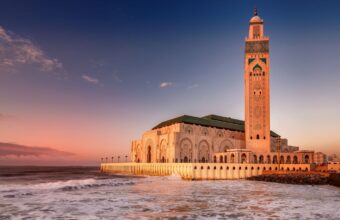
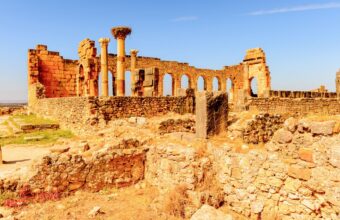
Experience a balance of historic cities and Moroccan nature on this route. Firstly, explore Casablanca, the country’s largest city, moving on to the capital city of Rabat. Visit the Roman ruins of Volubilis and the lesser-visited historic capital city of Meknes before reaching the medieval city of Fes. Go on to see the fossil art of Midelt in the high plains of the Atlas Mountains, then the remote town of Merzouga in the Sahara Desert, where you can go on a camel safari or ride a four-by-four over the dunes. The next day, you will hike through Todra Gorge, whose walls reach a towering 400m high. Stop off to see the kasbahs of Ouarzazate before ending your journey by buying souvenirs in the souks of Marrakesh.
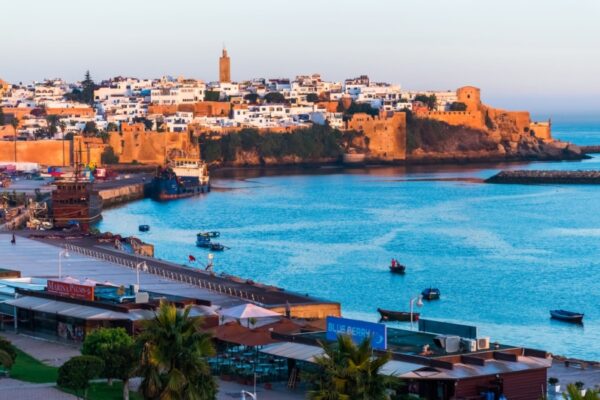
This classic route includes Morocco’s culturally-rich cities and a night spent in the dunes of the Sahara. From Casablanca, you will drive to the capital city of Rabat, one of Morocco’s lesser-visited cities, where you can experience local life and see the Kasbah of the Udayas, the Berber-era royal fort. You will then head inland to the UNESCO World Heritage site of Meknes. Next on your route is Fes, where you will spend a day exploring souks in the winding streets of one of the world’s largest walled cities. You’ll then venture into the Sahara Desert to Merzouga for a remote Berber experience. The following day, enjoy a hike through the steep-walled Todra Gorge. Finally, travel to Marrakesh, stopping at Ouarzazate, the setting for films including Lawrence of Arabia and Gladiator.
This route will take you on a journey through Morocco’s culturally rich past, exploring its complex history and ruling dynasties. Begin in the coastal city of Casablanca, before taking the one hour drive to the capital city of Rabat. This is the first of the four historic capital cities of Morocco and is home to Kasbah of the Udayas, the Berber-era royal fort that is surrounded by French-designed gardens. Visit the Roman ruins of Volubilis en route to the UNESCO World Heritage site of Meknes, with its imposing city walls and well-preserved architecture. Next on your route is the medieval city of Fes, where you can wind your way through narrow streets lined with ancient architecture. Your long drive to Marrakesh will be broken up with views of the Atlas Mountains, after which you can explore this famously cultural city.
Two weeks is enough time to explore the four famous imperial cities of Morocco, whilst leaving time to delve into desert areas to get a taste of how the remote Berbers live. Begin your journey in coastal Casablanca and travel to Rabat to see Kasbah of the Udayas, the Berber-era royal fort beside the Atlantic Ocean. Continue on to Chefchaouen, where you will spend a day exploring its blue houses and streets before taking the drive to the Roman ruins of Volubilis and the UNESCO World Heritage site of Meknes. The next city stop is Fes, after which you will pass through Midelt on the way to Merzouga in the Sahara Desert. Having made your way behind the Atlas Mountains, hike in the steep-walled Todra Gorge before visiting Marrakech and the harbour town of Essaouira.
The focal point of the Morocco trekking scene, the basic Jebel (Mount) Toubkal trek is typically marketed as a two day itinerary from Imil (or three days if departing from & returning to Marrakech). You’ll do two days of heavy hiking to reach Toubkal Base Camp. On the second morning you’ll make a pre-dawn push to catch sunrise from the summit, then turn around and descend 2,500 metres all the way back down.
It’s rushed, gruelling and busy.
A far more relaxed trek is this Toubkal Circuit itinerary, which is typically done in six days with the final ascent saved for last. If you’ve got the time I’d strongly recommend doing it the slow way.
Your details are safe and will not be used for any other purpose. By using this service you agree for us to share your details with your chosen tour operator according to our Privacy Policy.
1Your trip
2Complete your request
3Meet your specialist
Find a Morocco specialist
Tell us about your trip and we'll find your match
We'll connect you directly with the experts.
Connect with Emily and 2 other Morocco specialists.
We'll connect you directly with the experts.
Connect with Emily and 2 other Morocco specialists.