




Machu Picchu
Peru's archaeological rock star

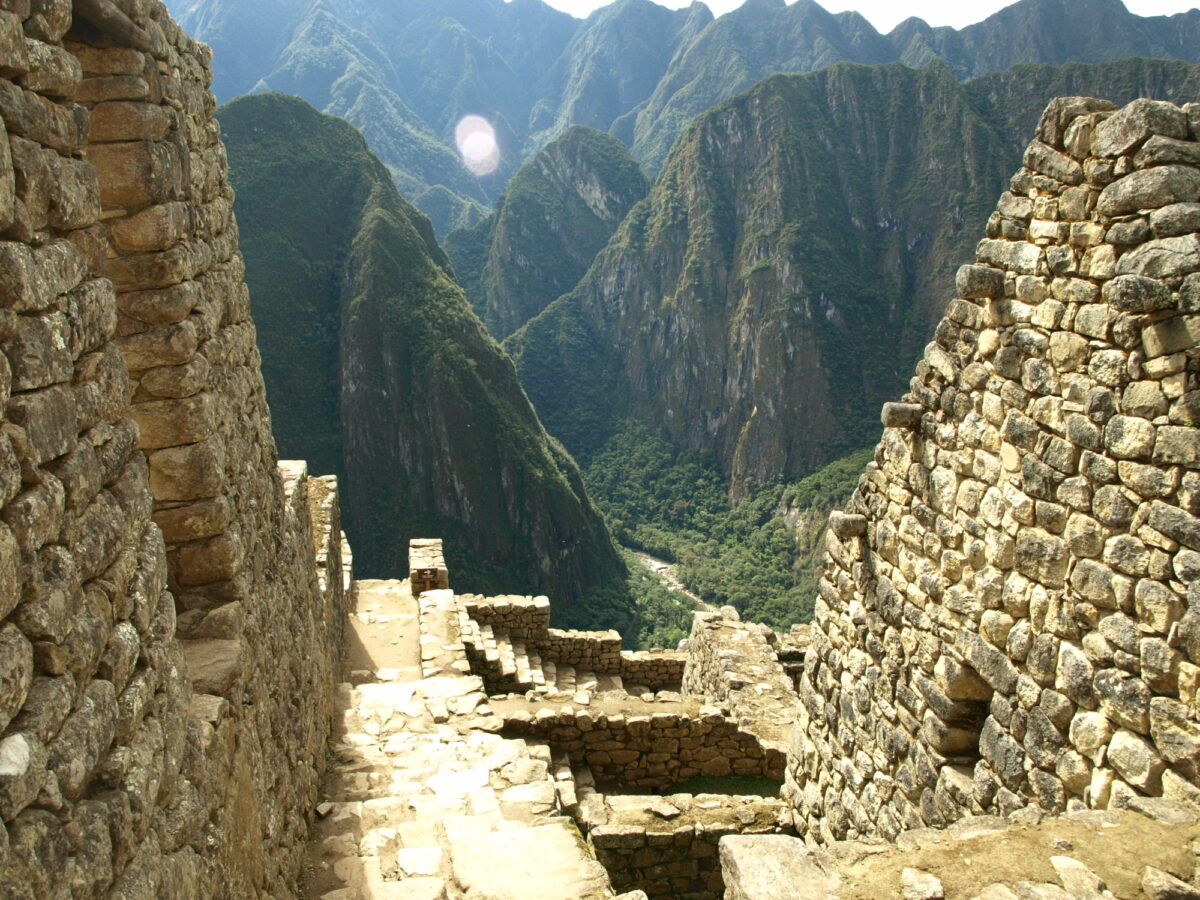
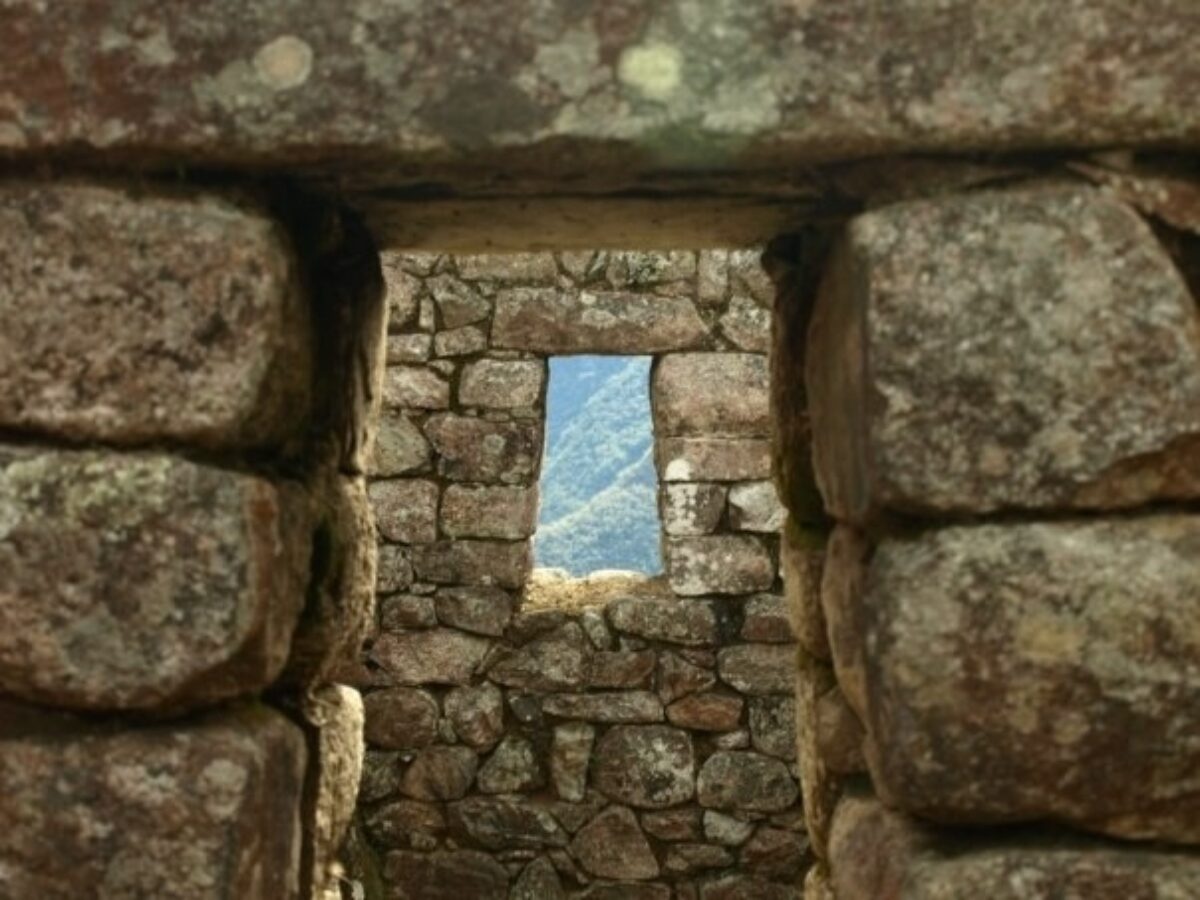
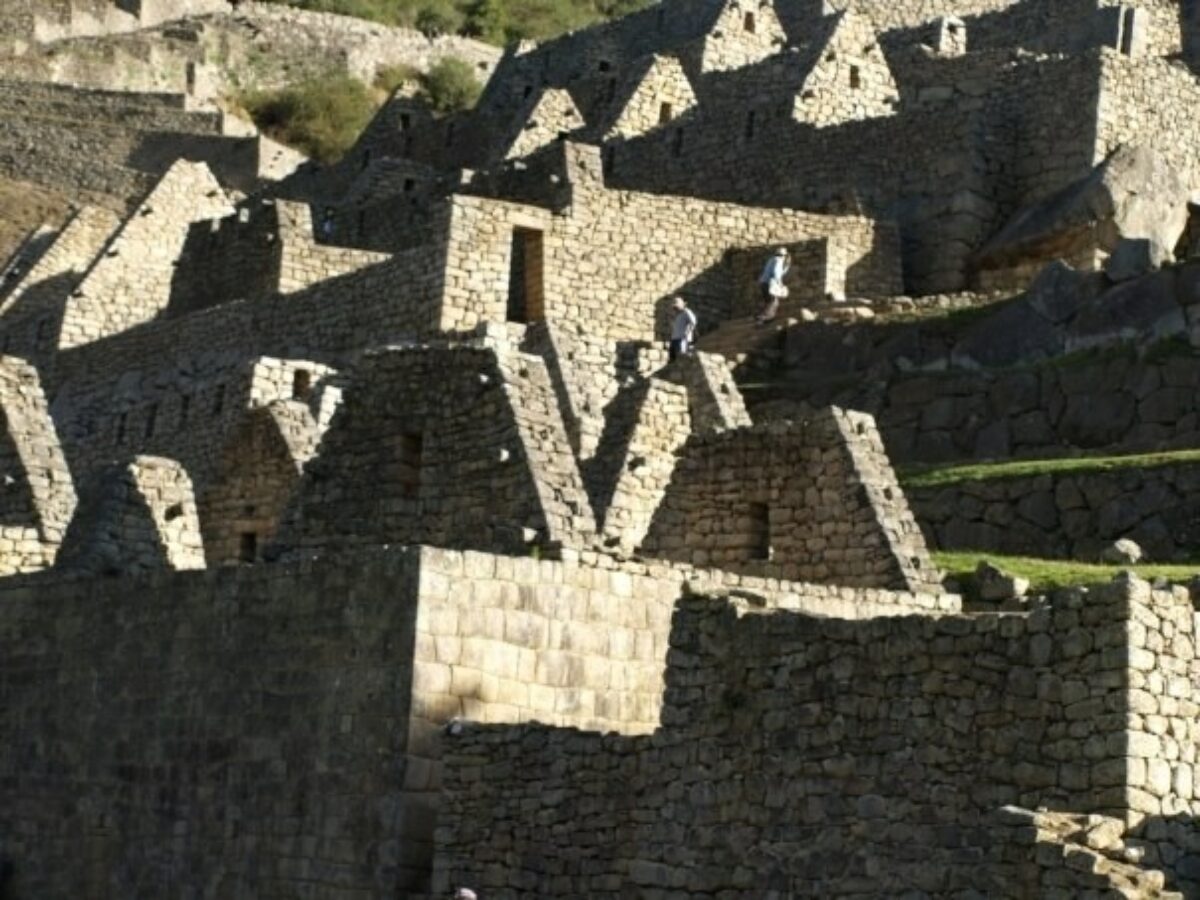
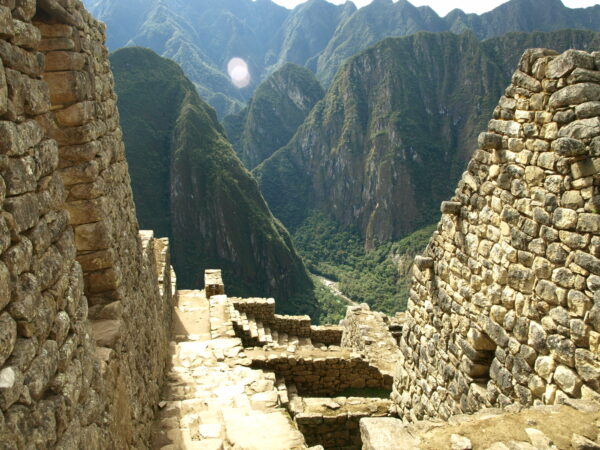
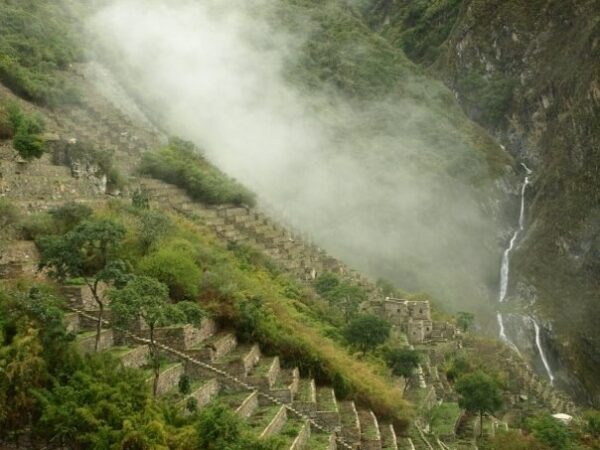
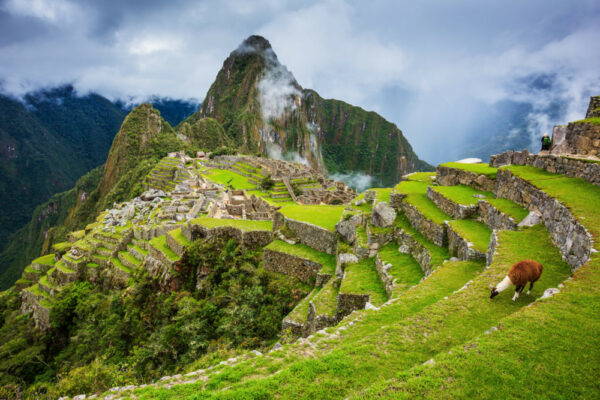
Machu Picchu is the top attraction in Peru and, in 2007, was voted one of the New Seven Wonders of the World. More than 1.5 million tourists visit Machu Picchu each year, and for good reason. It’s an archaeological gem and one of the finest examples of Inca architecture, stonework and planning. Adding to that is the citadel’s breath-taking location atop a lush mountain ridge, between the two peaks of Machu Picchu Mountain and Huayna Picchu, with the steep sides of the mountain plunging down into the misty river valleys below.
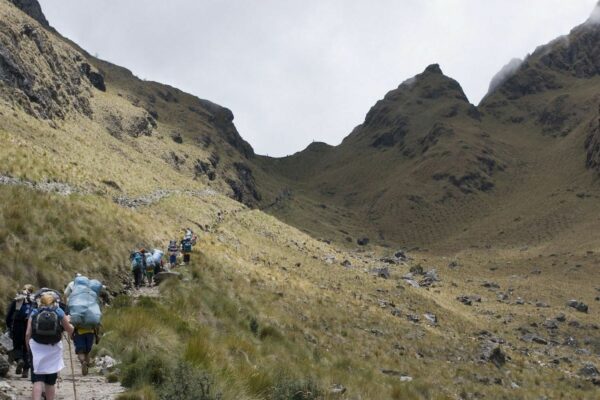
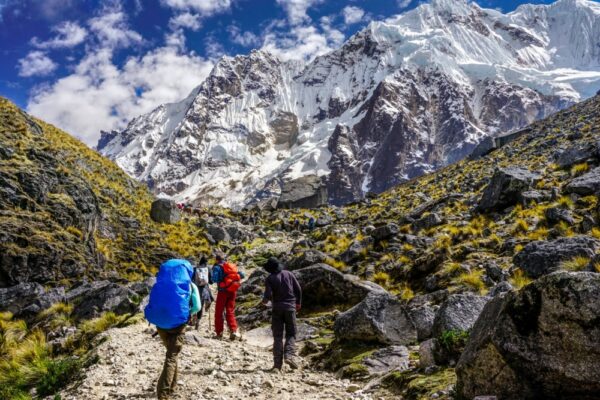
The most famous route to Machu Picchu is the classic Inca Trail, a four-day trek through the mountains, cloud forest and alpine tundra. Alternative treks have become increasingly popular over the last decade or so, and trails like Lares and Salkantay offer different experiences, both geographically and culturally, to the classic trail. Or you can take the train to Aguas Calientes, the lively town below Machu Picchu, and from there a short bus ride up a zigzagging road to the Inca citadel.
Hidden gems in Machu Picchu

Machu Picchu
'Coffee route' to Machu Picchu

In my opinion, Machu Picchu represents everything that needs to change in the tourism industry. The ruins are marketed as the "lost city" that you can "discover" like some sort of modern day Indiana Jones. But tell that to the people who've lived around these ruins for centuries. Why don't they feature in the Machu Picchu story – or benefit from the vast profits it brings to big tourism companies? To answer some of these questions, alternative ways of getting to Machu Picchu have been developed by those of us in the responsible tourism movement. This 'coffee route' breaks down the barriers between mass tourism and local people. You'll get to know coffee farmers, stay in their family homes, and trek with them on the backroads to Machu Picchu that most visitors don't even know exist. The final leg does involve taking the regular shuttle bus from Aguas Calientes to the entrance gates, but you'll be there safe in the knowledge that you did it the 'right' way.
Read more
Peru
The Palcay Trail

Difficulty: StrenuousDistance: Approx. 42kmDuration: Four days hikingStart/end point: Soraypampa/HidroelectricaAccommodation: Camping The Palcay Trail is a virtually unheard of Machu Picchu trek. The trail runs through community-managed land and access is allowed only with local consent, making this a truly unique trek for those who manage to get permission. I find this route offers all the magical elements of the Inca Trail – cloud forest, Inca ruins, towering mountains – but almost entirely free of any other trekkers. The route starts in Soraypampa, approximately three hours’ drive from Cusco, and begins climbing almost straight away. The main climb is on the second day, with two high mountain passes, and by the fourth day you arrive at the hydroelectric station near Aguas Calientes. Typically you’d spend the night in a hotel there before doing a day tour of Machu Picchu the following morning. One word of caution, though: this is a very challenging route, and one I’d only recommend for fit and experienced trekkers. The highest point is Inka Chiriaska at 4,937 m, and Palcay Pass isn’t far off at 4,708 m. The ascents are steep but the views, right across the valley all the way to Salkantay mountain, are incredible. You can’t realistically do this hike on your own, you need a guide and to gain the necessary permissions to enter community-managed land.
Read more
Peru
Ancascocha trek

Difficulty: StrenuousDistance: 50 kmDuration: Four daysMax elevation: 4,959m/16,270ft.Accommodation: CampingStart/end point: Socma to Piscacucho This is another lesser-known trek in the Sacred Valley and Machu Picchu area, and is one of the most difficult in the whole Cusco region. On the final day of my preferred route you link up with the first day of the classic Inca Trail, but in the opposite direction. Despite this, very few other hikers do this trek, making it a great hidden gem in an otherwise busy region. My preferred route starts at Socma and follows the same route as the Cachiqata trek (Quarry Trail). But where that trek veers north, this route goes west into the Chancachuco Valley and, on the second day, over some strenuous mountain passes to beautiful Ancascocha Lake, fed by glaciers from Huayanay mountain. The mountain scenery up here is out of this world. The downhill stretch from Chancachuco to Chilca or Paukarcancha is particularly stunning, with beautiful wild orchids lining the trail. On the third day you see the first day of the classic Inca Trail in reverse and get to visit the ruins of Paukarcancha and Llaqtapata before finishing the hike where the classic Inca Trail begins. From here, you can either take the train to Aguas Calientes and a bus to Machu Picchu or, my favourite, finish with the KM 104 (‘short Inca Trail’) and arrive at Machu Picchu on foot. No permits are required unless you’re combining the hike with the classic inca trail.
Read more
Peru
Huchuy Qosqo trek
Difficulty: MildDistance: 23 kmDuration: Two daysMax elevation: 4,335 metresAccommodation: CampingStart/end point: Patabamba to Lamay This is one of my favourite shorter treks in the Sacred Valley region. The hike leads to the remains of Huchuy Qosqo, which means ‘small Cusco’ in the indigenous Quechua language. The Huchuy Qosqo Trek is an excellent choice for inexperienced hikers as it is the easiest trek in the Cusco area. The hardest climb takes only three hours, followed by a downhill walk. I usually recommend this hike for groups with kids or older trekkers, although proper acclimatisation is still essential. One of the most impressive features is the Leon Punku Canyon, which leads you through a stunning Inca road that runs along the bottom of the canyon. Another interesting feature of this hike is that it’s the only trek where you can camp within Inca ruins. The route starts in Patabamba and leads through grassland puna as it climbs towards Sihuas pass, following some of the original Inca roadway, of which the more famous Inca Trail is just one section. Eventually on the end of the first day you reach the site of Huchuy Qosqo and make camp at the ruins. (With no light pollution for miles, the high altitude night sky here is one of the best places to stargaze.) The next morning you can explore the ruins before descending and finishing in Lamay town, which is an interesting place to explore for an hour or so. Probably my favourite way to hike to Machu Picchu is by combining the Huchuy Qosqo trek with the KM 104 (‘short Inca Trail’) hike, and entering Machu Picchu on foot rather than by bus with all the day trippers. If you prefer more of a challenge, the alternative routes via Ccor Ccor or Cuper Alto are just as impressive, but a bit tougher.
Read more
Machu Picchu
Huchuy Picchu

While Huayna means young in Quechua, Huchuy means little. It’s an apt name for this small hill next to Huayna Picchu. New in 2022, this short hike is for people who want something extra, but bought tickets too late to get Huayna or Machu Picchu Mountain. In fact, it’s so little that some consider it a waste of time. On the plus side, there is no extra cost. You’ll get a view over the Machu Picchu citadel similar to Huayna Picchu, though not from nearly as high. It’s still a lovely spot to take photos. This is more of a short walk than a hike. Most people take a half hour, even if they stop to take lots of photos. If you want to stretch it out, you could take an hour on Huchuy Picchu. There are 30 tickets to Huchuy Picchu available each hour starting at 7 am. At 11am and 12pm there are 40 tickets per hour, for a total of 200 tickets per day. Even though it does not cost any more than the regular Machu Picchu ticket, you must select this add-on when you purchase the ticket. If you buy tickets with Huchuy Picchu, you will do circuit four through the citadel.
Read more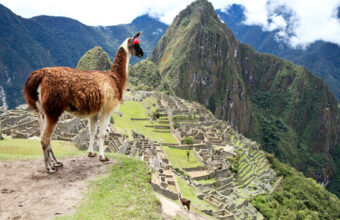
Machu Picchu
Machu Picchu Mountain day hike
Agreat alternative to Huayna Picchu, and one which does not sell out so quickly, is Machu Picchu Mountain. Higher than Huayna Picchu but a more up-and-down sort of climb, the hike to the top is longer and more gradual, although it will take longer. While Huayna Picchu is the one most known for its photo opportunities of Machu Picchu, many feel that Machu Picchu Mountain actually offers some more impressive vistas. Between Huayna Picchu and Machu Picchu Mountain, it’s hard to say which is more difficult. Some feel that the up-and-down nature of the trail up Machu Picchu Mountain, combined with the longer distance, makes it more difficult. Machu Picchu Mountain also reaches a higher altitude–3,082m (10,112 ft) vs. Huayna Picchu’s 2,720m (8,924 ft). Others prefer Machu Picchu Mountain for its lighter traffic, wider path with less crumbling stairs, and less exposure to sheer drop offs than Huayna Picchu–although there are a few dicey spots. There are no ruins on this mountain. The climb is purely for the adventure of it, plus the fantastic views that you will get of Machu Picchu below. Another plus is that it is not as popular as Huayna Picchu so the path tends to be less crowded. To reach the top of the mountain, you will gain a little over 610m (2,000 ft) in altitude. You’ll need up to two hours to reach the top, and about an hour to hike back down. From there, it’ll take you some time to make your way back to the front gate, so be sure to allow for that when considering your return train. As of 2023, entrance tickets to Machu Picchu Mountain are limited to 100 per day; 50 people may enter between 7 and 8 am, and 50 more between 8 and 9 am. This is a significant reduction compared to previous years, so be sure to check current regulations in case this changes again. If you buy Machu Picchu Mountain tickets, you will do circuit three through the citadel.
Read more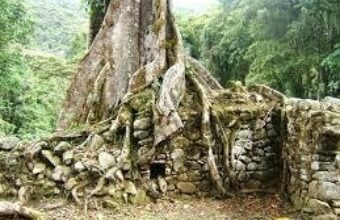
Machu Picchu
Vilcabamba-Lares trek
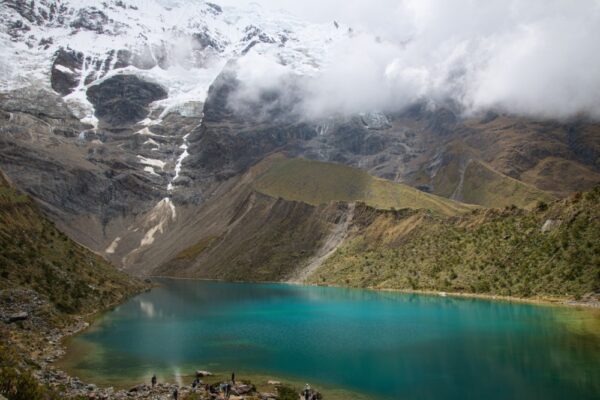
This trek is a combination of the Vilcabamba Trek and the Lares Trek, offering a more challenging and remote experience for adventurous hikers. The trek takes hikers through the remote and rugged Vilcabamba and Lares mountain ranges, home to the last Inca stronghold during the Spanish conquest and traditional Andean communities. The trek offers a mix of beautiful Andean landscapes, traditional Andean villages, ancient Inca ruins, and hot springs. The highlight of the trek is the visit to Espiritu Pampa, also known as "The Last City of the Incas"
Read more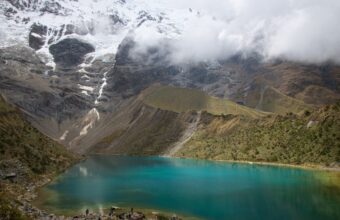
Machu Picchu
Choquequirao to Vilcabamba trek
This is a long trek that is perfect for people with time who want to hike to the two best Inca ruins: Choquequirao and Machu Picchu. The trail is difficult but many agencies offer horses for those who want to ride part of the way. You will camp near small mountain communities each night, so bring small change if you want to buy alpaca weavings or other souvenirs directly from the people who make them. The trek ends at Huancacalle but agencies include transportation to Santa Teresa, from where you can walk or take the train to Aguas Calientes. Check that the agency also includes the shuttle up to Machu Picchu, then train from Aguas Calientes to Ollantaytambo and shuttle back to Cusco. Camping on the trail, plus lodging in Santa Teresa and Aguas Calientes should be included.
Read more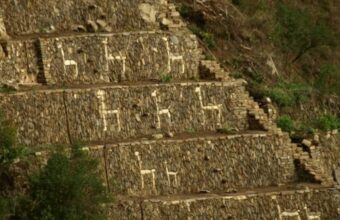
Machu Picchu
Choquequirao to Machu Picchu trek
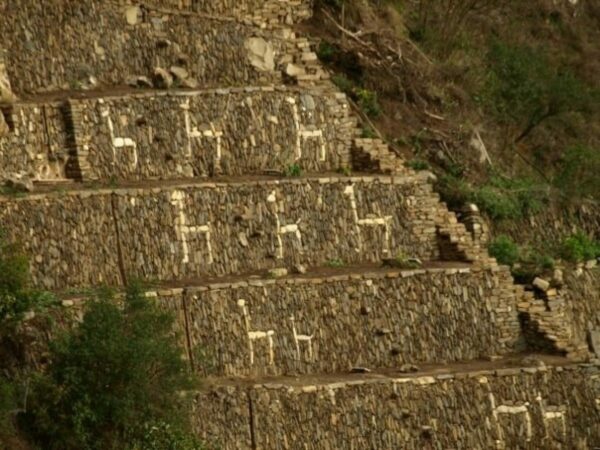
This trek is a combination of the Choquequirao Trek and the Salkantay Trek, offering a more challenging and remote experience for adventurous hikers. The trek takes hikers through rugged Andean landscapes, traditional Andean villages, and ancient Inca ruins, past the remote Choquequirao to the iconic Machu Picchu. The highlight of the trek is the opportunity to visit two of the most important Inca sites in the region, as long as you want to walk that far.
Read more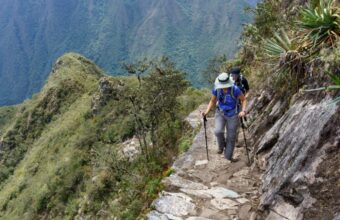
Machu Picchu
KM 104
If it’s important for you to arrive at Machu Picchu by foot, consider doing the KM104 hike to Machu Picchu, which I’ve done twice. You get the epic arrival with a less crowded experience. Although tour operators typically refer to this as the "Two Day Inca Trail", it actually only involves one day of hiking. The second day you visit Machu Picchu after spending the night in a hotel Aguas Calientes. A little-publicised benefit to the KM104 trek is that you arrive at Machu Picchu in the afternoon, when the light is beautiful and the crowds are beginning to thin out. You are not allowed to enter the ruins, but you have a great view of them from the Sun Gate (Intipunku) and can stop to take photos on some of the upper terraces. Even better, you return the next morning for a full guided tour. My ultimate pro tip: combine the Lares trek for the multi-day hiking experience, followed by the KM104 hike for the epic Machu Picchu arrival.
Read more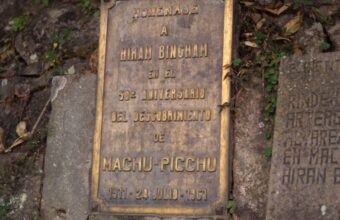
Machu Picchu
See the Machu Picchu “discovery” plaques
Search the rock face near the entrance to Machu Picchu and you’ll see a series of plaques dedicated to the men involved in the “rediscovery” of the Inca citadel. The earliest bronze plaques, erected in 1948 and 1961, are dedicated to Hiram Bingham with no mention of the locals who helped him. In 1993, a simple stone tablet was erected, finally paying tribute to “Melchor Arteaga, Richarte and Álvarez,” three of the men who knew of Machu Picchu and helped Bingham get there.
Read more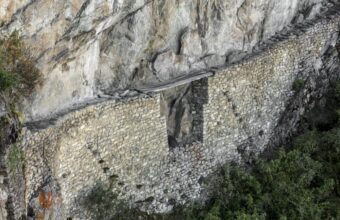
Machu Picchu
Inca Bridge hike
A little known part of Machu Picchu is an Inca bridge around the back of the ruins. It was like a secret back door to Machu Picchu and may have been designed as an escape route. The bridge itself is wooden, unlike Q'eswachaka, an Inca rope bridge that is rebuilt every year. You’ll have a fantastic view west, up the Urubamba River valley behind Machu Picchu. The trail is narrow but you don’t have to cross the precarious bridge to enjoy it. Many visitors hike up to the bridge for the view but don’t try to walk across. This is an easy 20-30 minute walk on a relatively level dirt and stone pathway. It’s great if you want to see something extra without a demanding hike or extra cost. There are 30 tickets for the Inca Bridge available each hour from 7 am to 10am. From 11am to 2pm there are 40 tickets per hour, for a total of 280 people per day. Even though it does not cost any more than the regular Machu Picchu ticket, you must select this add-on when you purchase the ticket. If you buy tickets with the Inca Bridge, you will do circuit one or two through the citadel.
Read more-

-

The Palcay Trail
View experience -

Ancascocha trek
View experience -

Huchuy Picchu
View experience -

Machu Picchu Mountain day hike
View experience -

Vilcabamba-Lares trek
View experience -
Choquequirao to Vilcabamba trek
View experience -
Choquequirao to Machu Picchu trek
View experience -

KM 104
View experience -

Inca Bridge hike
View experience -

Huayna Picchu day hike
View experience






Machu Picchu itineraries

Classic Peru & Machu Picchu itinerary
The classic route to Peru's most popular highlights
6 days From $2,890 pp

 Peru
Peru
Machu Picchu & Amazon lodge
See Peru from rainforest eco-lodge to mountain empires
9 days From $2,990 pp
 Peru
Peru
Qhapaq Ñan trek to Huanuco Pampa
Explore Peru's grand route of the Incas
12 days From $3,790 pp Peru
Peru
Active Sacred Valley & Machu Picchu trek
Explore Peru's grand route of the Incas
8 days From $3,190 ppMachu Picchu travel companies