




Cusco
Capital of the Inca
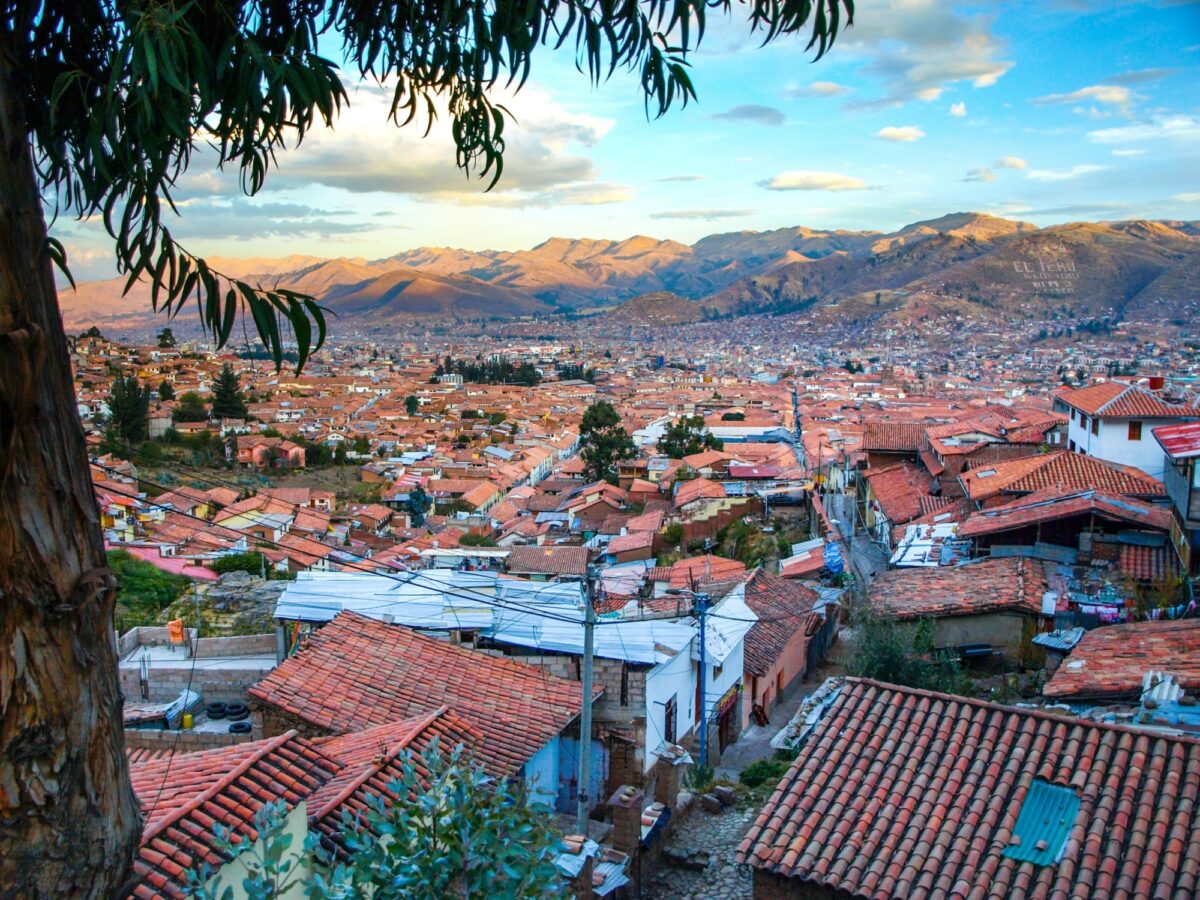
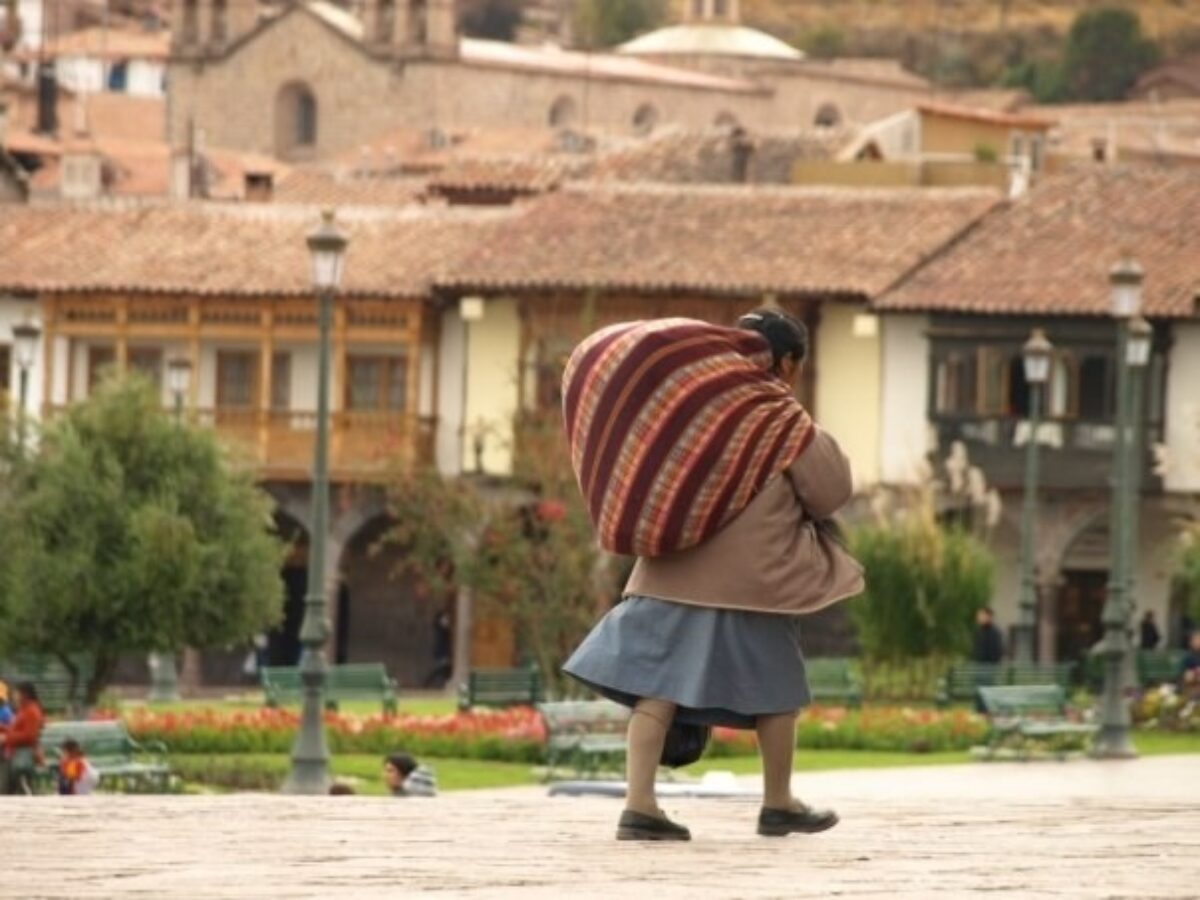
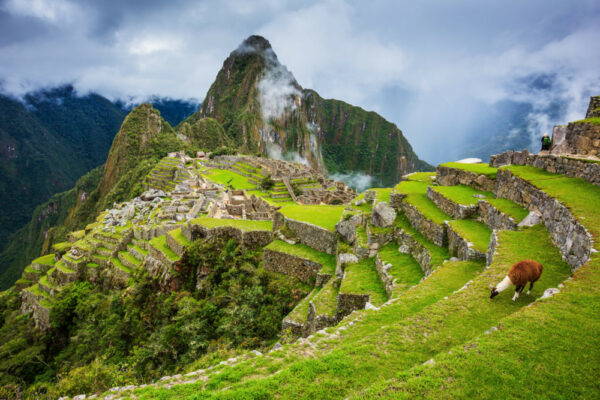
Once the capital of the mighty Inca Empire, Cusco is today the beating heart of Peru's tourism industry. Millions of tourists arrive each year en route to Machu Picchu and the Sacred Valley, and most stay at least a few days in Cusco. With layers of archaeology built on top of each other (often literally), the city is a stunning mix of Inca architecture and later colonial constructions. Packed with excellent restaurants serving both traditional and international cuisine, as well as hostels and hotels for every budget, Cusco has something for everyone.
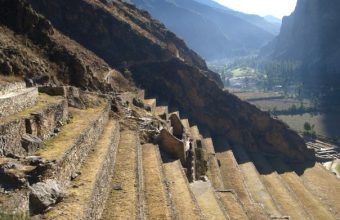
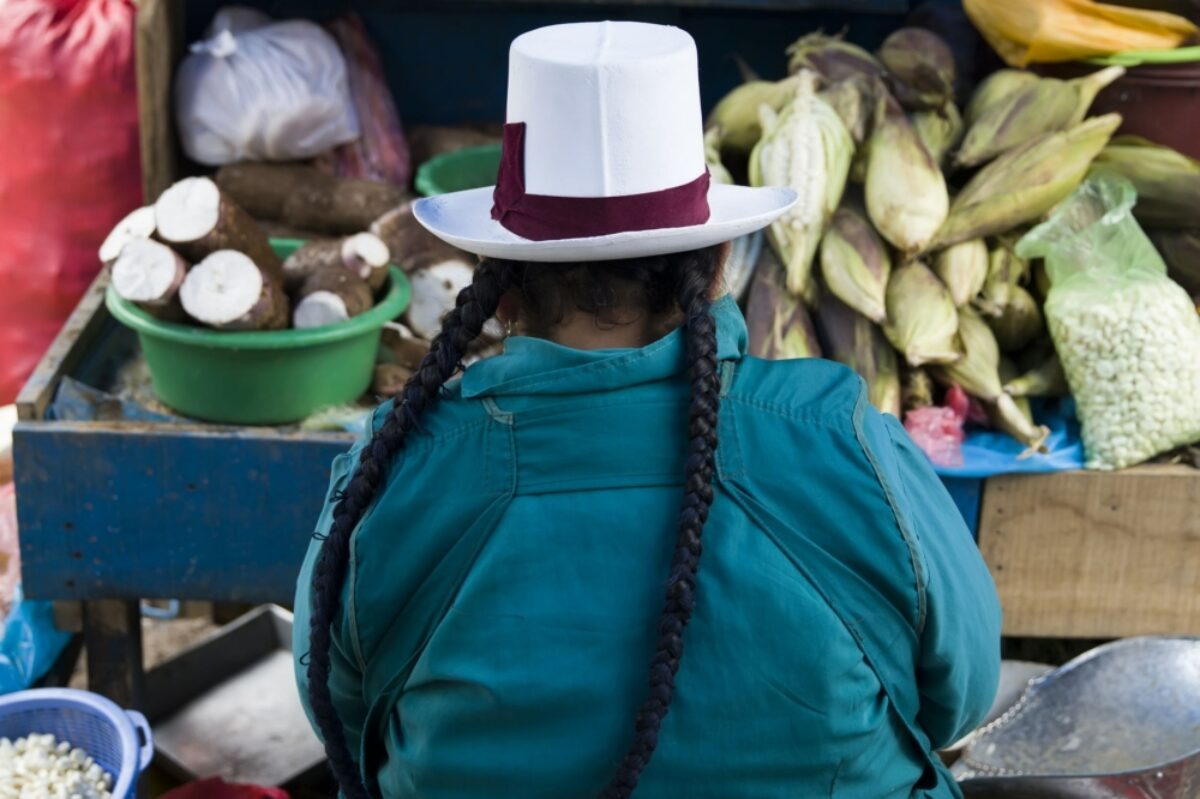
Some of the most important Inca sites lie within or just outside the city. The most revered temple in the Inca Empire, the Qurikancha (or Coricancha), sits in the historic centre, a short walk from the lively Plaza de Armas with its seemingly endless parades and traditional activities. And overlooking the city is Saksaywaman, a huge complex with some of the most impressive Inca stonework you’ll see, its massive carved blocks interlinking with incredible precision. Then there are the colourful markets of Cusco, where locals sell fresh produce and intricate crafts brought in from across the region, just as they did back in the days of the Inca Empire.
Hidden gems in Cusco

Cusco
Quellcaya Glacier hike

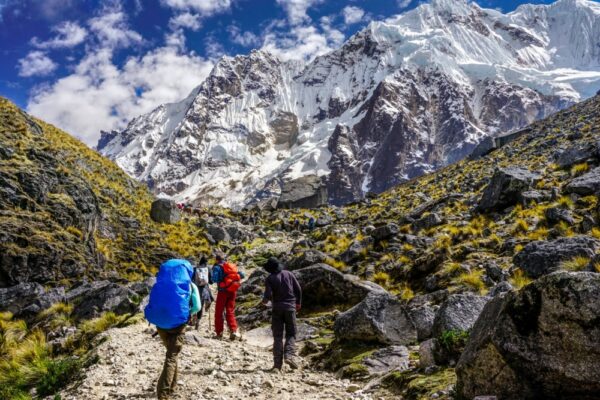
One of the most demanding hikes I’ve done in the Cusco region is the two day/one night hike to Quellcaya Glacier, the largest tropical glacier on the planet, in the Vilcanota Mountain Range, approximately five hours from Cusco. Known locally as Quenamari, the glacier sits at 5,600 metres above sea level and serves as a critical water source for the Sibinacocha Lagoon and beyond. It feeds the Vilcamayo River, which becomes the Urubamba River that winds through the Sacred Valley towards Machu Picchu, and later the Ucayali River – itself a tributary of the mighty Amazon. The glacier itself is striking, a vast, glaring expanse of ice stretching across the mountain. Standing there, the silence is profound, broken only by the occasional crack of shifting ice or the distant calls of Andean birds. It’s a scene I haven’t encountered anywhere else. Beyond its geographical significance, the glacier holds deep cultural importance for the local Quechua communities, who continue to perform ancestral rituals in honour of Pachamama, or Mother Earth. Meeting the people who live in this extreme environment was fascinating. With the help of a guide to translate from Quechua, I was able to hear their stories—how they survive at this altitude, relying on alpaca herding, weaving, and a deep knowledge of their environment. The remoteness of their lives is difficult to comprehend; the nearest town is 40 kilometres away. Spending time with them was a real privilege The surrounding landscape is every bit as remarkable as the glacier itself. The region is dotted with glacial lakes, peat bogs, and untouched high-altitude grasslands. I was particularly struck by the wildlife—there are vicuñas, llamas, and alpacas here, and, unexpectedly, frogs! In the Sibinacocha Lagoon, I saw more frogs than I’d imagined possible, their chorus filling the air as we set up camp in sub-zero temperatures. Some of these species are endangered, yet here they seemed abundant, thriving in the icy glacial waters. Need to know This trek is not for the casual hiker. It’s physically demanding, and the high altitude is a serious factor. Prior acclimatisation in Cusco (at least two days) is essential, and you need to be comfortable hiking for extended periods in sub-zero conditions. The final approach to the glacier involves a three-hour ascent at extreme elevation. The only viable time to visit is during the dry season (April to October). Even then, weather in the Andes is unpredictable, and sudden rain or snow showers are always a possibility. Avalanches can be a risk in the wet season, making this trek unsafe from November to March. Essential gear includes warm, layered clothing, waterproof trekking trousers and boots, gloves, a hat, sunglasses, and high-SPF sun protection. Despite the cold, the high-altitude sun is intense. A headlamp is also necessary for early-morning trekking in low light. Accommodation options include camping or a rustic lodge near the glacier. I camped on my visit, but after experiencing temperatures well below freezing, I’d strongly consider the lodge next time. With the glacier retreating rapidly due to climate change, now is the time to witness this extraordinary natural phenomenon. This trek is challenging, but for those willing to step far beyond the usual tourist trails, it offers an experience that is both humbling and unforgettable.
Read more
Cusco
Palcoyo Rainbow Mountain day hike
You may have heard of Vinicunca, Peru's ‘rainbow mountain’ made famous as a popular – and often crowded – day trip from Cusco. What most people don’t know is that there are actually several rainbow mountains in the Vilcanota range, of which my favourite to visit is Palcoyo Rainbow Mountain. Palcoyo is a quieter, less-showy alternative to Vinicunca, with multiple rainbow-striped peaks instead of Vinicunca’s single summit. The colours of Palcoyo are less vibrant than Vinicunca, and don’t make quite such an ‘Instagrammable’ shot – personally I think this is a good thing, as it has kept Palcoyo a much more peaceful place to visit. Having done both hikes, I find Palcoyo to be the more rewarding choice for seeing Peru’s colourful mountains without a demanding climb. Starting early in Cusco, a scenic three-and-a-half-hour drive takes you through high-altitude Andean landscapes, passing herds of llamas and alpacas, with a stop at the colonial-style village of Checacupe along the way. The drive itself is part of the adventure, with stunning scenery to take in and with breakfast included, you’re fueled up for the trail ahead. The hike itself is a gradual ascent, beginning with a 25-minute walk to the first viewpoint. The high altitude naturally slows the pace, but I found the route steady and manageable. A cobblestoned path leads to the second viewpoint, where three rainbow mountains come into view. Another 20 minutes leads to the Stone Forest at 4,900m, a rugged area of rock formations that offers a sweeping panorama of all three surrounding mountains. The landscape holds more than just colourful mountains – a red river flows through the valley, and the distinct terrain of the red valley adds to the scenery. This is an active farming area, with alpacas grazing in the distance. Unlike the crowded trails of Vinicunca, Palcoyo remains largely untouched, and I found it to be a much more peaceful experience. The weather in the Andes is unpredictable, so layers, sun protection, and a refillable water bottle are essential. Coca leaves can help with altitude, and I’d highly recommend spending a few days acclimatising in Cusco beforehand. Although the journey is long, Palcoyo is a quieter, less strenuous alternative to Vinicunca for those with a free day in Cusco.
Read more
Peru
Ancascocha trek

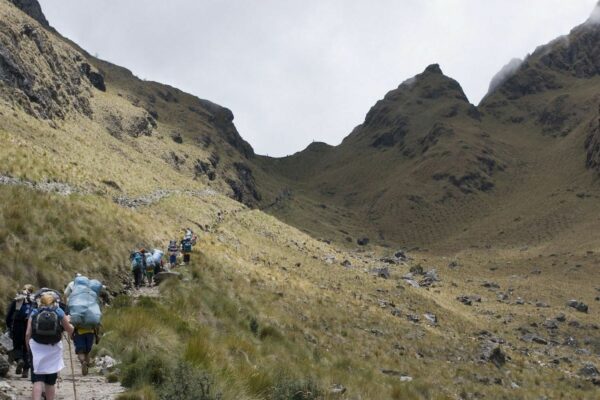
Difficulty: StrenuousDistance: 50 kmDuration: Four daysMax elevation: 4,959m/16,270ft.Accommodation: CampingStart/end point: Socma to Piscacucho This is another lesser-known trek in the Sacred Valley and Machu Picchu area, and is one of the most difficult in the whole Cusco region. On the final day of my preferred route you link up with the first day of the classic Inca Trail, but in the opposite direction. Despite this, very few other hikers do this trek, making it a great hidden gem in an otherwise busy region. My preferred route starts at Socma and follows the same route as the Cachiqata trek (Quarry Trail). But where that trek veers north, this route goes west into the Chancachuco Valley and, on the second day, over some strenuous mountain passes to beautiful Ancascocha Lake, fed by glaciers from Huayanay mountain. The mountain scenery up here is out of this world. The downhill stretch from Chancachuco to Chilca or Paukarcancha is particularly stunning, with beautiful wild orchids lining the trail. On the third day you see the first day of the classic Inca Trail in reverse and get to visit the ruins of Paukarcancha and Llaqtapata before finishing the hike where the classic Inca Trail begins. From here, you can either take the train to Aguas Calientes and a bus to Machu Picchu or, my favourite, finish with the KM 104 (‘short Inca Trail’) and arrive at Machu Picchu on foot. No permits are required unless you’re combining the hike with the classic inca trail.
Read more
Peru
Huchuy Qosqo trek
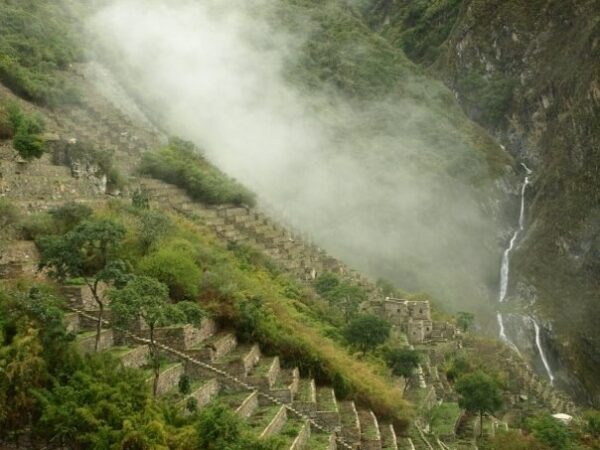
Difficulty: MildDistance: 23 kmDuration: Two daysMax elevation: 4,335 metresAccommodation: CampingStart/end point: Patabamba to Lamay This is one of my favourite shorter treks in the Sacred Valley region. The hike leads to the remains of Huchuy Qosqo, which means ‘small Cusco’ in the indigenous Quechua language. The Huchuy Qosqo Trek is an excellent choice for inexperienced hikers as it is the easiest trek in the Cusco area. The hardest climb takes only three hours, followed by a downhill walk. I usually recommend this hike for groups with kids or older trekkers, although proper acclimatisation is still essential. One of the most impressive features is the Leon Punku Canyon, which leads you through a stunning Inca road that runs along the bottom of the canyon. Another interesting feature of this hike is that it’s the only trek where you can camp within Inca ruins. The route starts in Patabamba and leads through grassland puna as it climbs towards Sihuas pass, following some of the original Inca roadway, of which the more famous Inca Trail is just one section. Eventually on the end of the first day you reach the site of Huchuy Qosqo and make camp at the ruins. (With no light pollution for miles, the high altitude night sky here is one of the best places to stargaze.) The next morning you can explore the ruins before descending and finishing in Lamay town, which is an interesting place to explore for an hour or so. Probably my favourite way to hike to Machu Picchu is by combining the Huchuy Qosqo trek with the KM 104 (‘short Inca Trail’) hike, and entering Machu Picchu on foot rather than by bus with all the day trippers. If you prefer more of a challenge, the alternative routes via Ccor Ccor or Cuper Alto are just as impressive, but a bit tougher.
Read more
Cusco
See rock slides used by Inca children
Head up to the Saksaywaman archaeological site and go find the Rodadero slides. The Rodadero is a massive outcrop of diorite rock, notable for the smooth rock channels that run down its side. Formed by some ancient geological process, the channels have been further smoothed out over the last few centuries by people sliding down them for fun, including Inca children in the 16th century all the way up to the present day.
Read more
Cusco
El Baratillo market
Explore Cusco's El Baratillo, a sprawling flea market that takes place every Saturday from 5am onwards. It’s not a touristy market at all, and you need to keep a firm grip on your wallet, but you’ll be dazzled by the amount of truly random items on sale. You’ll see stalls selling car license plates and hand-woven textiles; old Peruvian banknotes and dubious “antiques;” carved wooden plates and knuckle dusters. It’s a bizarre mix, but well worth a visit.
Read more-

Quellcaya Glacier hike
View experience -

Palcoyo Rainbow Mountain day hike
View experience -

Ancascocha trek
View experience



Cusco itineraries

Classic Peru & Machu Picchu itinerary
The classic route to Peru's most popular highlights
6 days From $2,890 pp

 Peru
Peru
Machu Picchu & Amazon lodge
See Peru from rainforest eco-lodge to mountain empires
9 days From $2,990 pp
 Peru
Peru
Qhapaq Ñan trek to Huanuco Pampa
Explore Peru's grand route of the Incas
12 days From $3,790 pp Peru
Peru
Active Sacred Valley & Machu Picchu trek
Explore Peru's grand route of the Incas
8 days From $3,190 ppCusco travel companies