







Iquitos
The jungle city
Welcome to Iquitos
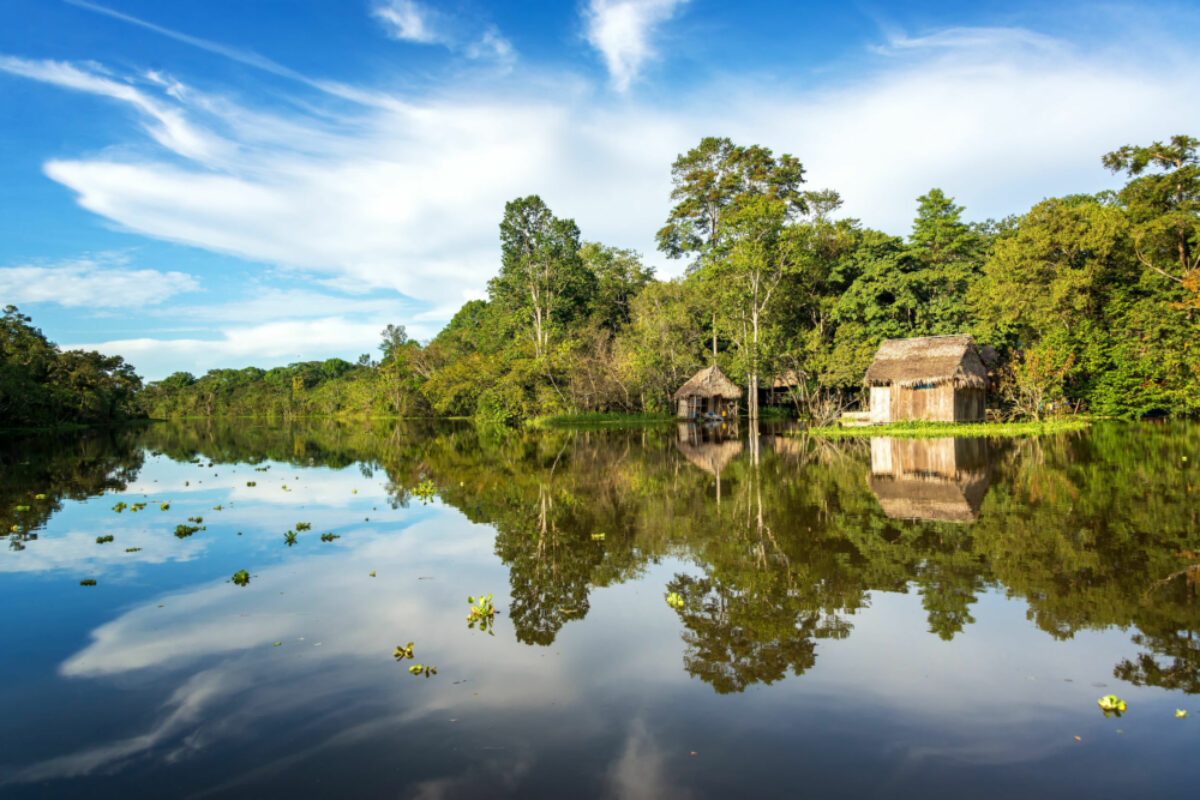
The insider's travel guide to IquitosFamous for being accessible only by air or boat, Iquitos lies in Peru's distant north-eastern Amazon with a distinct frontier vibe to match.
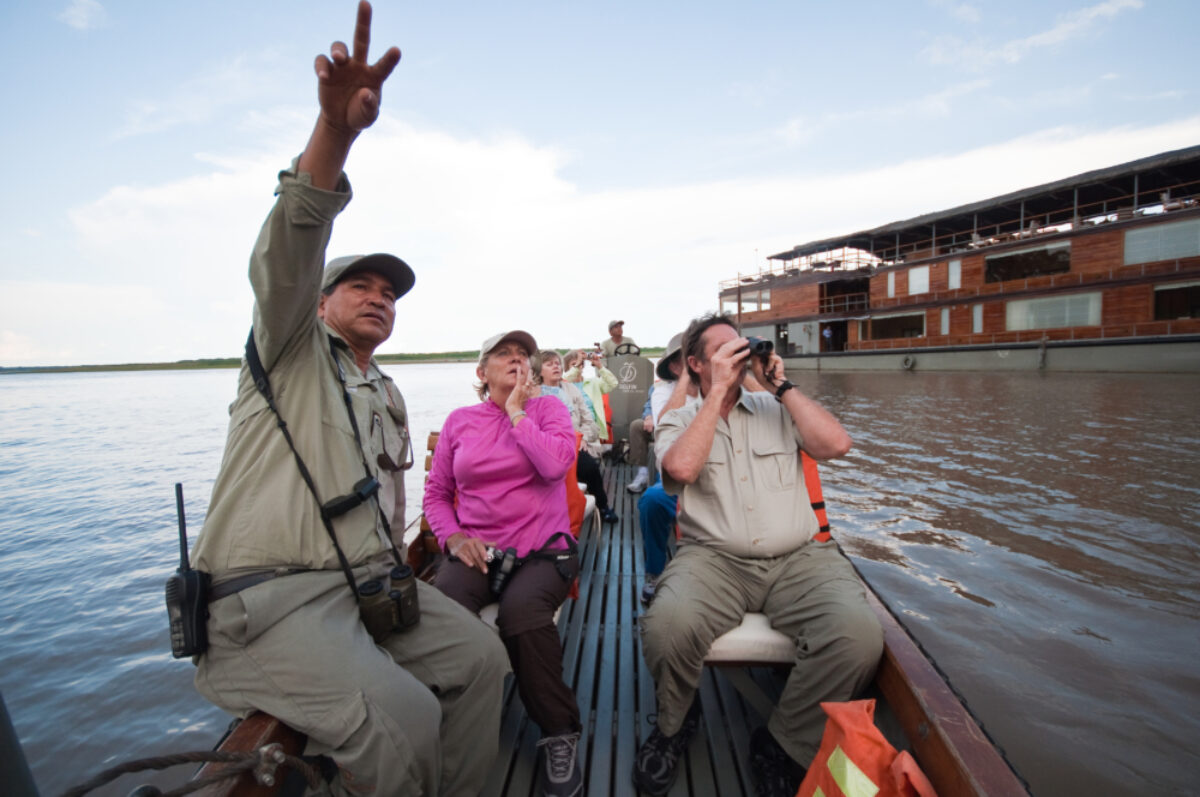
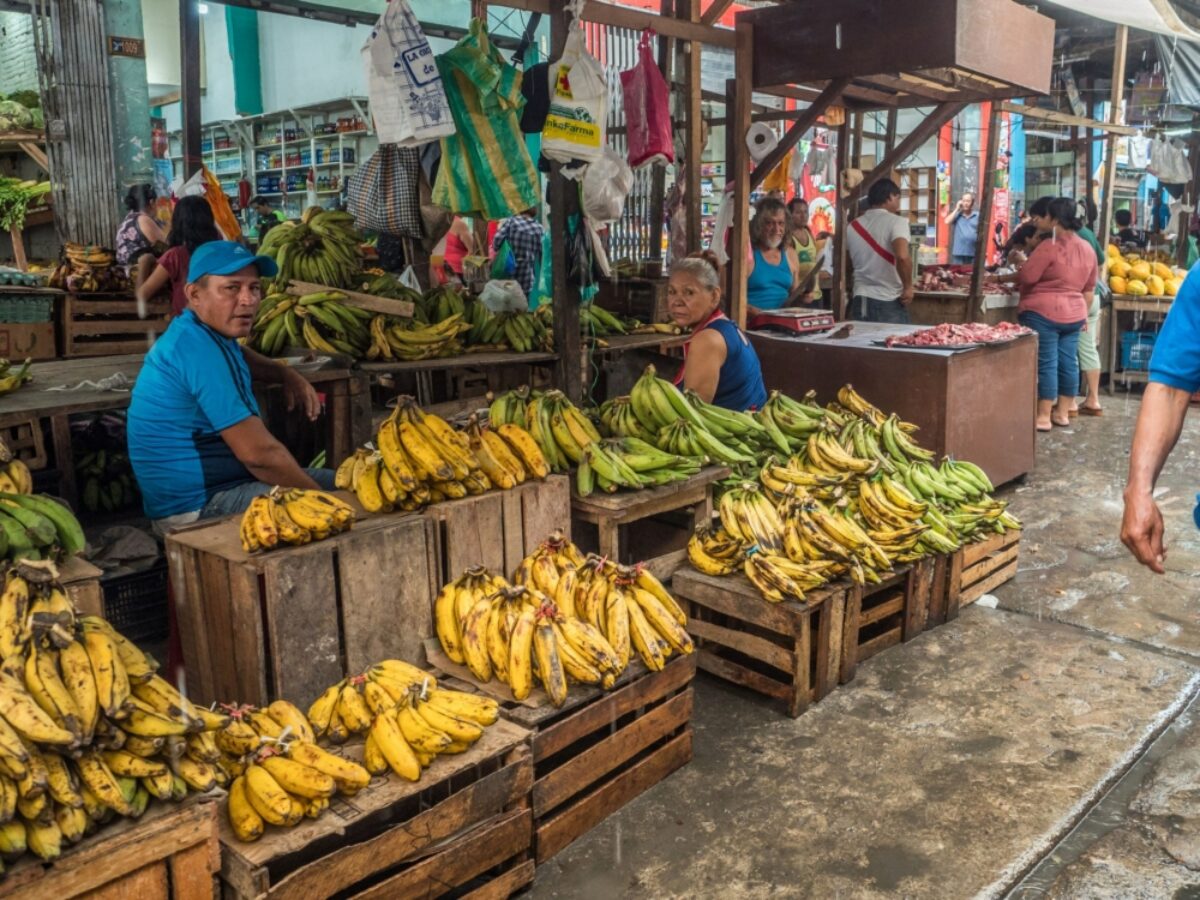
The city itself is a lot of fun to explore, particularly the jungle markets, the lively riverfront boulevard and ramshackle stilted neighbourhoods. But its main draw is as the departure point for trips to remote jungle lodges and luxurious river cruises on the mighty Amazon River.
Iquitos became an important jungle settlement in the late 1800s, when the rubber boom brought Europeans to this part of Peru. The rubber boom days have long since ended, but people from across the world still come to Iquitos to explore the surrounding jungle. Luxury river cruises depart on a daily basis, and jungle lodges are dotted all across the surrounding jungle. Iquitos is also an access point to Pacaya-Samiria National Reserve, one of the largest protected areas in Peru. Many foreigners come to Iquitos to take ayahuasca, the hallucinogenic jungle vine that has long been part of traditional Amazonian rituals and medicine.
The Iquitos atlas
4 picks Places & Experiences You Won't Find Elsewhere-
Feed orphaned baby manatees at the Amazon Rescue Center, a wonderful place just outside Iquitos. The centre rescues orphaned manatees and later releases them back into the wild. Visitors to the centre not only help keep it running with their entrance fees, but they can also feed the fat little manatees – a truly heart-warming experience.
-
Walk around Iquitos General Cemetery, one of the most fascinating and colourful cemeteries in the Amazon. With rows upon rows of burial niches, graves and tombs of varying sizes, and a separate section for Jewish burials, the cemetery is a sombre but intriguing place to explore. You can also go in search of the grave of Carlos Fermín Fitzcarrald, the rubber baron whose exploits inspired the classic Werner Herzog movie Fitzcarraldo.
-
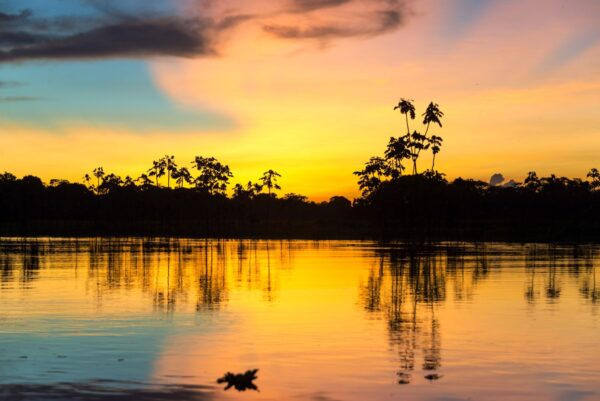
The northern Amazon is very different to the more popular Puerto Maldonado in the south. Located closer to the Amazon River, this is a watery wonderland best explored by a small-ship river cruise. Cruises depart from Iquitos for a three-night voyage to the remote Pacaya Samiria National Park. On the way you'll take guided excursions into the jungle to spot its myriad wildlife, kayak the tributaries, fish and swim in the mighty Amazon River. After your rainforest adventure you'll head south via Lima and up into the Peruvian Andes to visit historical Cusco, the glorious Sacred Valley and, the cherry on the cake, the world-famous ruins of Machu Picchu.
-
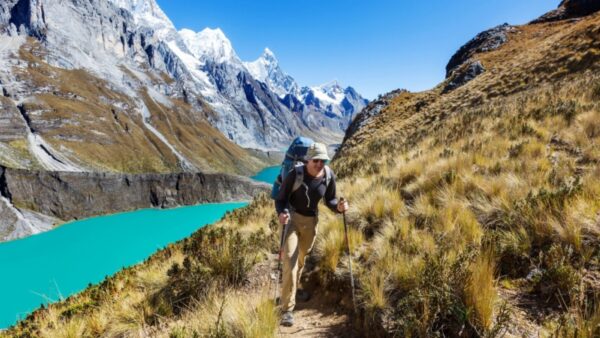
The vast majority of tourists who come to Peru never head north of Lima. They tend to stick to the popular “Gringo Trail” in the southern half of the country, heading from Lima to destinations such as Nazca, Arequipa, Lake Titicaca and, of course, Cusco and Machu Picchu. The northern half of the country is comparatively overlooked, but that doesn’t mean it’s any less interesting. In fact, the north has just as much to offer, but without the tourist hordes found at popular attractions in the south. Begin in Lima before heading north to Huaraz, Trujillo and Chiclayo, then heading further inland to Chachapoyas, Tarapoto and finally Iquitos, from where you can fly back to Lima. All of this can be done by bus, with the exception of Tarapoto to Iquitos, which requires a flight or a boat journey. You can fly from Lima to all of these destinations, and vice versa, but once you’re on the route, flights between cities will be limited in some situations. Surfers might notice that this itinerary doesn’t cover the stretch of coastline from Chiclayo to the northern tip of Peru, which is prime surfing territory. If you’re coming to Peru primarily to surf, then you’ll want to travel along that stretch. But for other travellers, the beaches around Chiclayo and Trujillo will probably suffice. In terms of time, stopping at all seven cities mentioned here would take at least two weeks, and more if you only travel overland. If you don’t have that long, then you’ll have to skip some places. Ideally, you’ll have three weeks or more to do justice to all these destinations, especially if you want to trek in Huaraz, take the cargo boat to Iquitos, or go on an Amazon riverboat cruise or jungle expedition. As this itinerary covers all of the three main geographic regions of Peru (coast, highlands and jungle), it’s not easy to nail down the best time to visit. Generally speaking, however, anytime from May to the end of September works well, as you’ll miss the rainy season in the jungle and still have good weather in the highlands and along the coast. But you can do the route any time of year. Just pack clothing that covers everything from scorching desert to chilly highlands to hot and sweaty jungle.
-
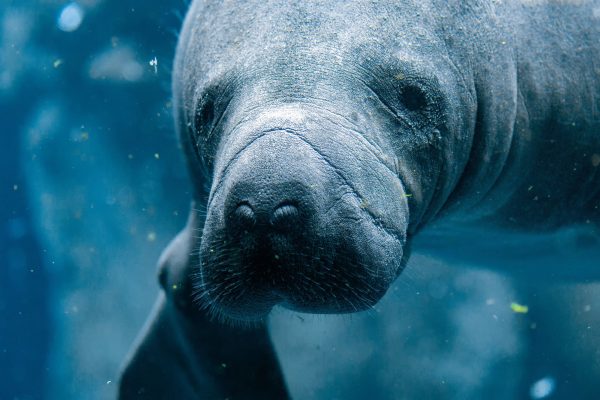
See manatees at the Amazon Rescue Center
-
Pay your respects at Iquitos General Cemetery
-
Machu Picchu & Amazon cruise
-
Northern Peru beyond Machu Picchu


Trusted specialists







Find a Iquitos specialist
Tell us about your trip and we'll find your match
We'll connect you directly with the experts.



Connect with Martha Cohen, Miles Buesst, Claire and 1 other Iquitos specialist.
We'll connect you directly with the experts.
Connect with Martha Cohen, Miles Buesst, Claire and 1 other Iquitos specialist.
- Hand-picked local specialists
- Honest advice from real experts
- Free to use, no hidden fees