England
Rolling countryside and special cities

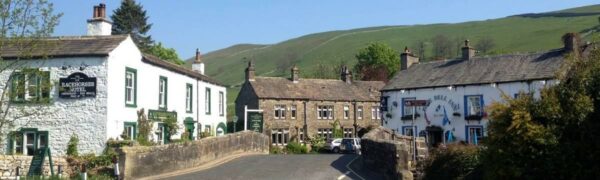
Get underneath the skin of eccentric England and you’ll discover a place of outstanding natural beauty, ancient history and modern metropolises.
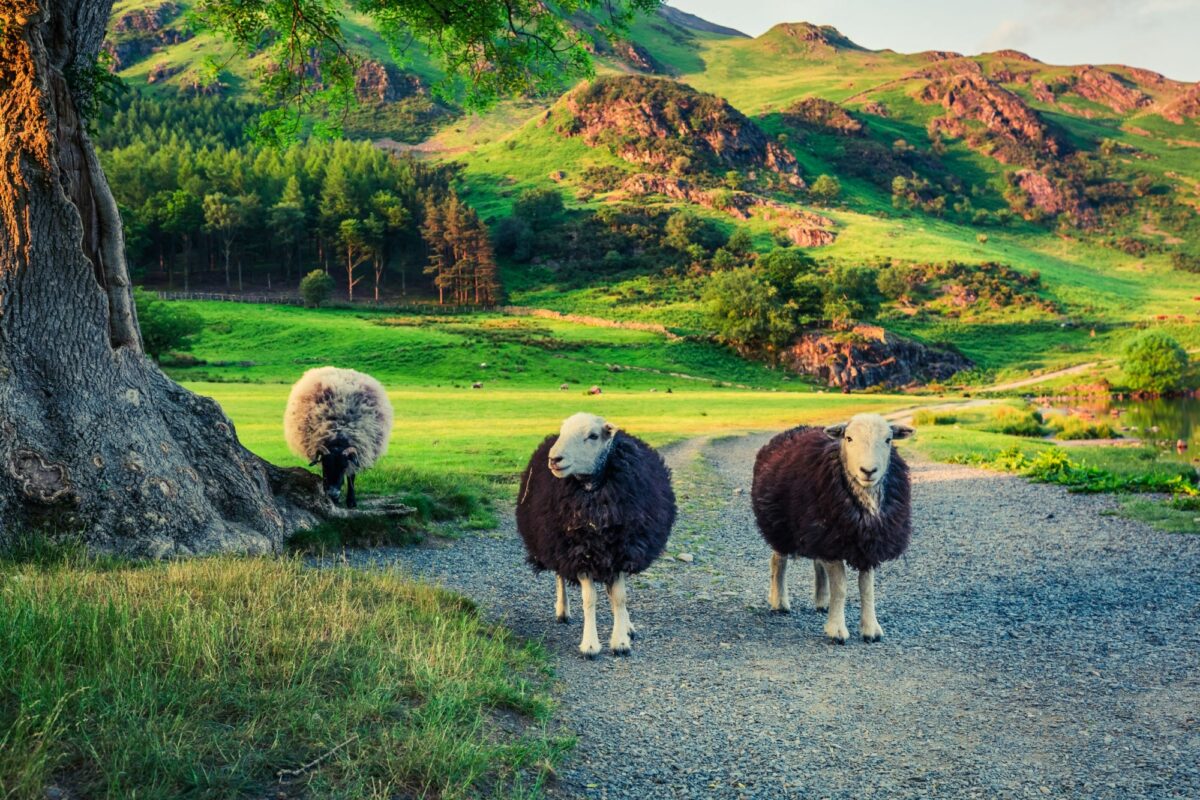
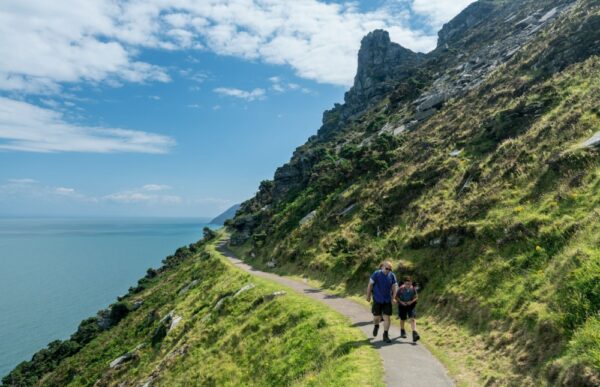
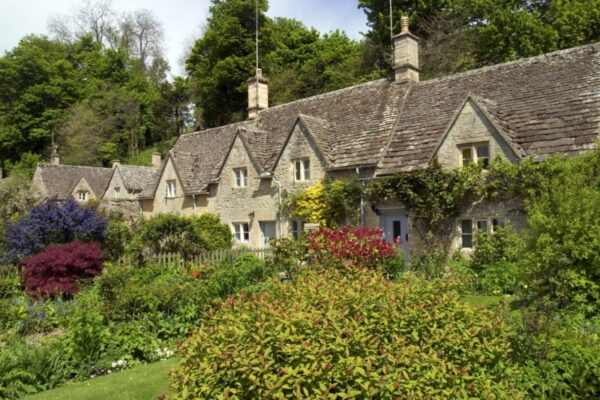
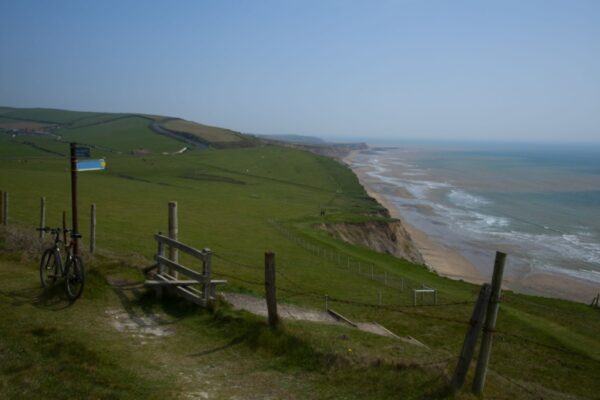
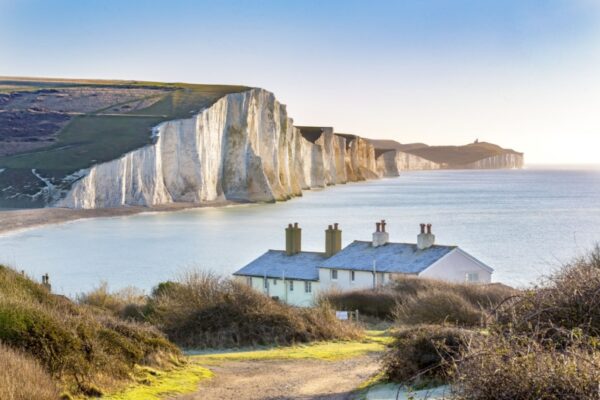
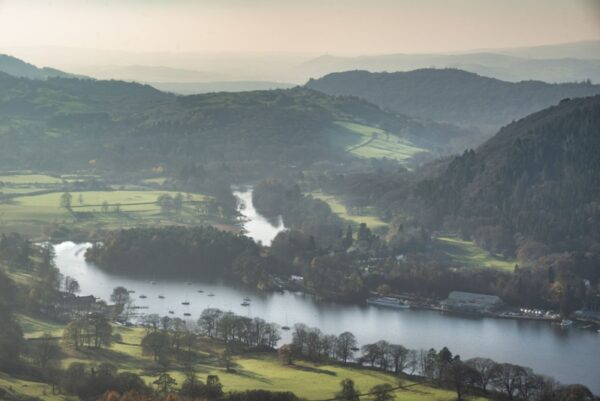
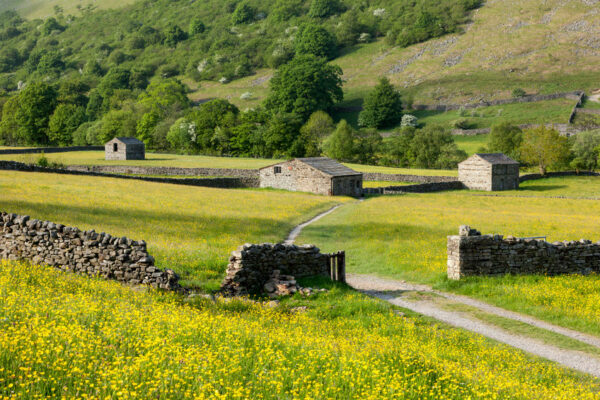
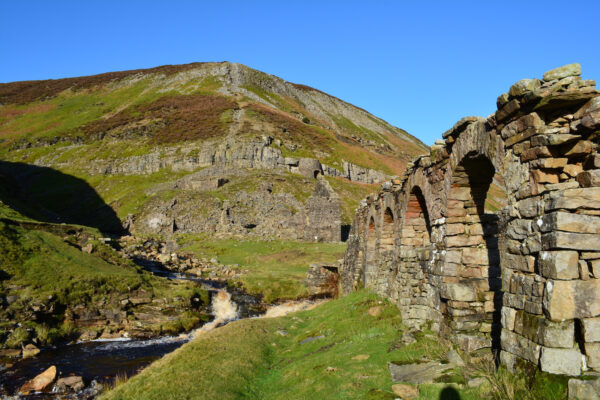
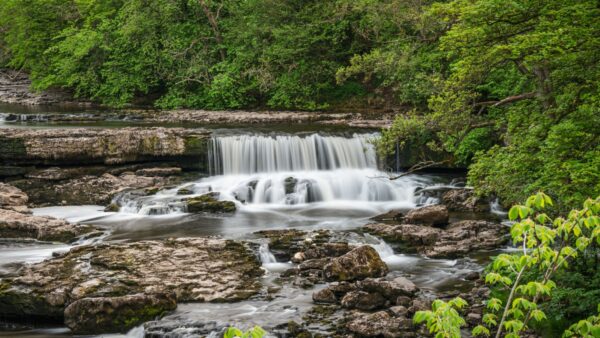
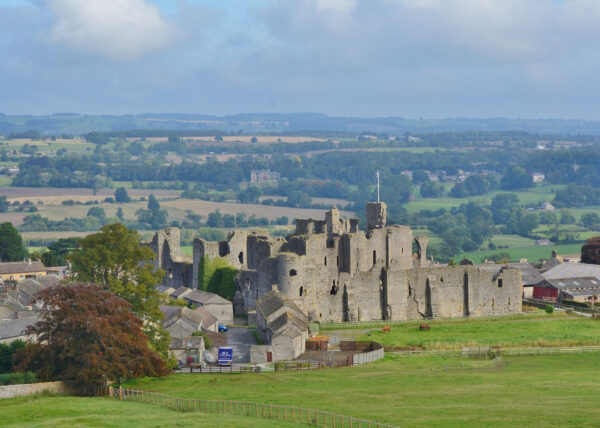
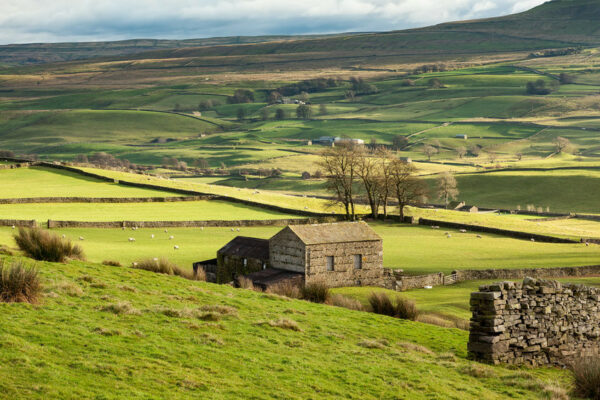
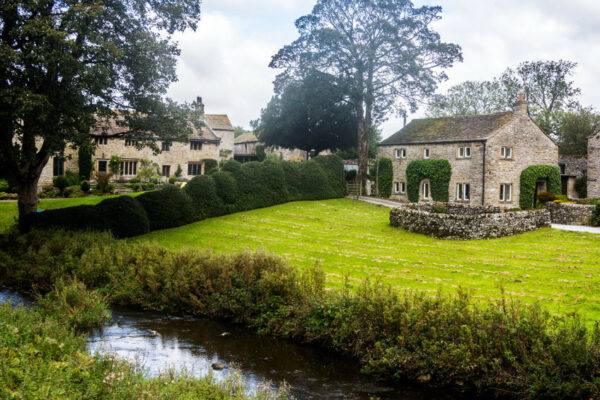
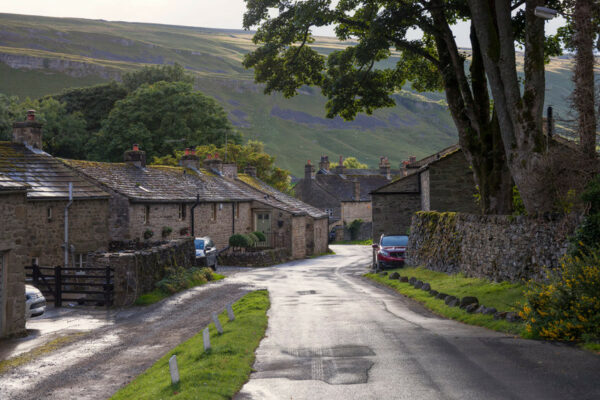
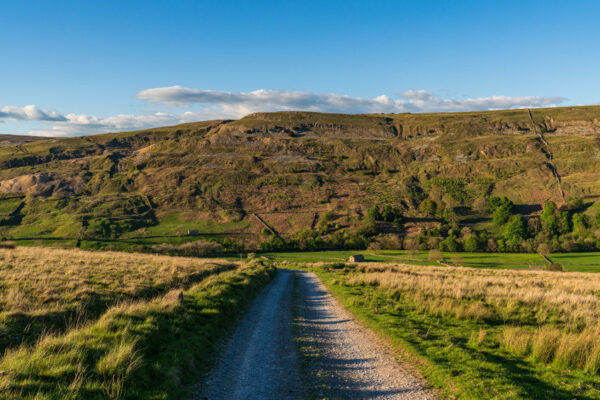
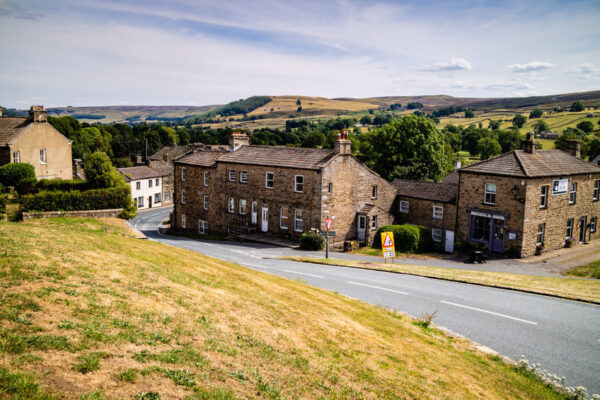
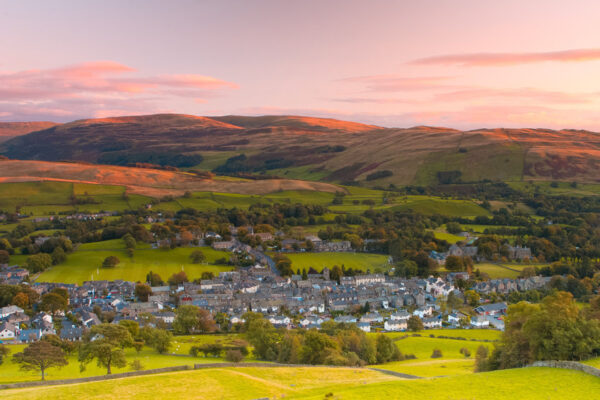
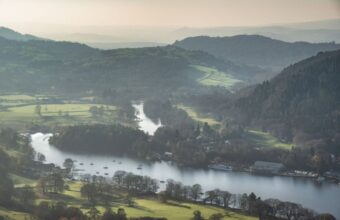
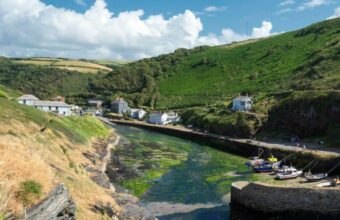
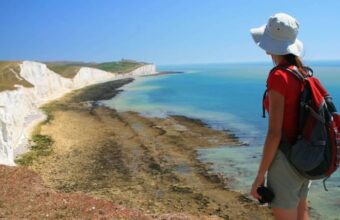
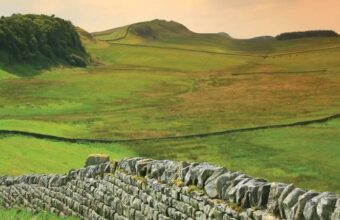
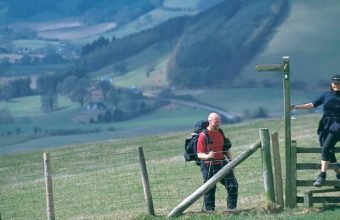
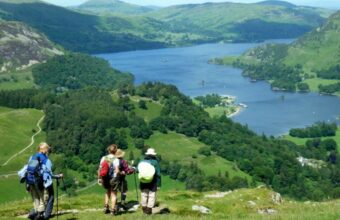
For such a (relatively) small country, England has an astonishing amount of natural beauty. Whether it’s the hills and waterside retreats of the Lake District, the rugged bleakness of the Peak District or coastal views on the South Downs, England’s countryside is perfect for exploring, whether hiking, cycling or simply visiting its villages.
However, if you’re into culture more than nature, England’s cities are some of the world’s most exciting. Everyone knows London is one of the world’s great cities, with outstanding nightlife, music, arts and restaurants, but try exploring a little further. Manchester is renowned for its music scene and nightlife, while Liverpool’s regeneration goes far beyond Beatles tours and football teams.
Ultimately, enjoying a visit to England is about the small things — visiting a pub for a pint of beer, eating a full English breakfast, getting confused by regional accents – but the more you see, the more you’ll enjoy.
Hidden gems in England
Herefordshire
Walk the Golden Valley Pilgrim Way
ExperiencePilgrimages are booming in popularity, for those with faith and without. While you don’t need to be a Christian to walk Herefordshire’s Golden Valley Pilgrim Way, it does have the church at its heart. On this 60-mile (98km) circuit, you stay in a different one each night. At the end of each green-hilled hiking day, I placed my boots on centuries-old flagstones, dumped my rucksack onto time-smoothed pews, and hung my waterproof off the poppyheads at the end of choir stalls. I’ve been walking in the UK for years as a travel journalist and book author. And I can safely say this is one of the country's quirkiest long-distance walks, complete with a touch of the divine. The route Herefordshire gets overlooked. Lodged against Wales, merged into the Midlands, with no coast to define its edges, few walkers wander here. But it’s excellent hiking country, especially the Golden Valley, where the Black Mountains loom above a rural borderland, once fought over by the Welsh and English, now peaceful, serene. The Golden Valley Pilgrim Way is unusual for a pilgrimage. Most lead you somewhere; on this, you finish back where you started. But the idea, says the priest behind it, is that you return a little changed. Maybe, maybe not. But spending in pubs and farm shops, and paying into church coffers, certainly feels like a positive for the countryside economy. The start and finish is Hereford Cathedral, once a major pilgrimage site itself. Arrive early to look around – it’s home to the Mappa Mundi, the biggest surviving medieval world map. Walkers can stay in the cathedral’s 15th-century cloisters – the first cathedral in Britain to accommodate pilgrims since medieval times. The designated sleeping room is fairly plain. But following the choir into the main nave, and listening to them erupt into evensong, is spine-tingling stuff. From Hereford the route heads west towards Wales, a moderate loop around the Abbeydore Deanery – it isn’t waymarked but you can download GPX files. This is a landscape of apple orchards, woody vales, castle ruins, grazing sheep; of timelessness and stories. There’s the gnarled ancient oaks of Moccas Park, the gurgle of St Peter’s sacred spring, the views from ridge-top Arthur’s Stone, a Neolithic dolmen where King Arthur allegedly slayed a dragon. The route also visits many medieval churches, nine of which offer ‘night sanctuary’ for pilgrims. They are simultaneously basic and atmospheric, all soaring ceilings and tombstones. At Dorstone I slept behind the choir and was woken by sun streaming through the stained glass. The churches are also frequently next to excellent village pubs, like Dorstone’s low-beamed Pandy Inn. Best was Cloddock, where the Cornewall Arms is more like your gran’s front room, where locals gather to drink, eat crisps and play table skittles. Need to know Hereford has a train station, with direct services from cities such as Cardiff (1hr), London (3hrs) and Birmingham (85mins). The trail must be booked via Abbeydore Deanery (abbeydoredeanery.org/gvpw). You’ll be sent a pilgrim passport to stamp en route. A donation of £20pp per night is requested. You have exclusive access to the church; if someone else wants to stay the same night, you’ll be asked if you’re happy to share. It’s OK to say no. At the night sanctuaries you get access to a sink and toilet (which might be outside) but no shower. Kitchen facilities range from full set-up to just a kettle. Simple camp beds are provided – they’re not especially comfy. Bring a warm sleeping bag and pillow; consider a sleeping mat for extra padding. At Kingstone there were pieces of carpet on the pews, which I borrowed, for extra insulation. At Dorstone bigger camp beds came with mattresses, blankets and hot water bottles – luxury indeed! The route is open year-round – visitor books evidenced pilgrims who’d walked over Christmas. Be aware the churches are chilly, even in summer. Also, this is farming country, prone to muddiness. I walked in March, after an especially wet winter – it was a quagmire. The pay-offs were newborn lambs, daffodils and no other tourists.
Read moreThe Peak District
Limestone Way
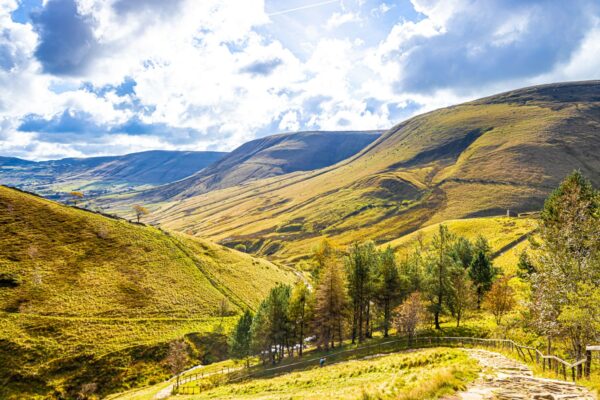
The southern half of the Peak District, called the white peak for its limestone geology, is the gentler and more 'traditionally' picturesque stretch of the national park. You'll find no brooding crags and desolate moors here, it's more about gentle dales, meandering brooks and quant – sometimes twee – villages. That's not to say the scenery isn't impressive; around Monyash and Lathkill Dale it's often breathtaking. The Limestone Way weaves through the white peak, skirting historical Illam, crossing famous (and busy) Dovedale, before meandering north towards Matlock and, eventually, Castleton on the border of the much sterner dark peak. Broken up into eight casually-paced days this is a gloriously gentle walk through some of the most easy-going but immensely rewarding countryside in the UK.
Read moreLake District
Ambleside
Basing a walking holiday in a popular Lake District centre like Ambleside means you have a vast choice of accommodation, outdoor shops and walking routes. It can be crowded and won’t feel like ‘getting away from it all’ but with all those resources on hand it can be perfect for beginners. Walkers can find paths ranging from tricky fell ascents to gentle hikes around lakes, right from their doorstep.
Read moreNorthumberland
Northumberland Coastpath
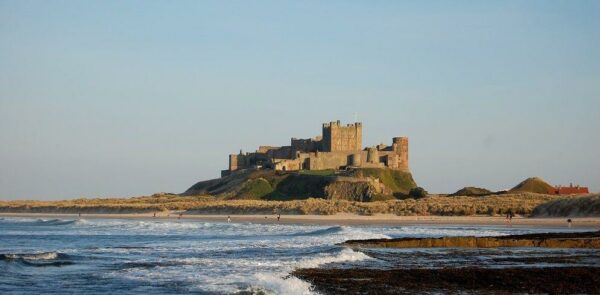
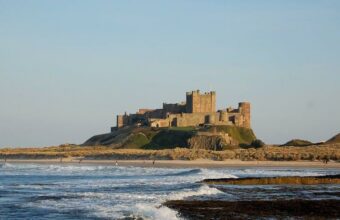
Generally flat, although with more ascents than the Norfolk Coastpath, this way-marked coastal walk offers a pleasant and easy-going route through nature reserves, broad sandy beaches and dunes, and across low rocky headlands. Landmarks like Lindisfarne and Bamburgh Castle are highlights but walkers will also appreciate a series of unspoilt coastal villages and towns, all with friendly pubs and B&Bs to eat and stay.
Read moreNorfolk
Norfolk Coastpath
The Norfolk Coastpath is 84 miles in full and can be completed in six to eight days, or in shorter segments. Norfolk is famously flat and perfect for a beginner's walking holiday. But this coastal path proves that flat doesn’t have to mean boring. The route from Hunstanton to Hopton-on-Sea explores misty marshes, pine woods, sandy beaches, grassy dunes and atmospheric coastal villages. En-route facilities are good and the walk’s highlights may include the grey seals at Blakeney Point, Hunstanton’s red-and-white striped cliffs and Holkham’s sandy shores, sometimes voted Britain’s best beach.
Read moreLake District
Lake District walking holidays
Best for: hill walking holidays Perhaps the most famous walking region in the UK, the Lake District offers a chance to wander lonely as a cloud amid impressive landscapes of mountains and water. The choices for walkers range from England’s most serious climbing routes to gentle lakeside circuits. The two main hazards to consider are that the main roads and towns get very busy with day trippers and tour buses in the summer months, while the fells include challenging terrain to be taken very seriously. Across the Lakes the transport network can be a limiting factor. Roads are narrow and sometimes jammed. Nevertheless there is a huge range of places to stay, from farm B&Bs and hostels to luxury hotels and suiting either inn-to-inn or centre-based walking holidays.
Read moreCotswolds
The Cotswolds
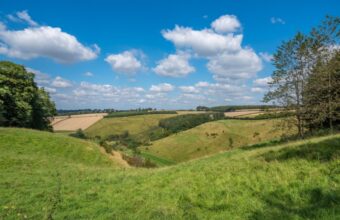
Best for: classic English countryside walking holidays For a glimpse of classic English limestone countryside with rolling hills, leafy vales, dry stone walls and pretty, if sometimes twee, villages, try some of the paths criss-crossing the Cotswold region. Footpaths are generally good quality, waymarked and well maintained, and the en-route facilities are good. The region suits either point-to-point trails or centre-based walkers. Walkers may find the honey-pot villages too busy with day-trippers at peak times but the comprehensive network of footpaths makes it easy to escape the crowds that rarely go beyond the teashops and car parks. Avoid the tour-bus problem altogether by sticking to the picturesque fringes of the region, like Warwickshire and South Gloucestershire. Expect accommodation generally on the pricey but exquisite side. Gentrified gastro-pubs are plentiful, but you’ll need to search hard for traditional ‘working village’ pubs.
Read moreNorfolk
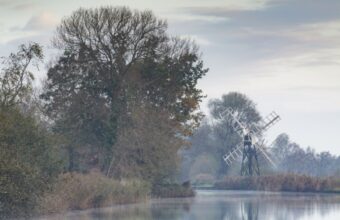
The Norfolk Broads
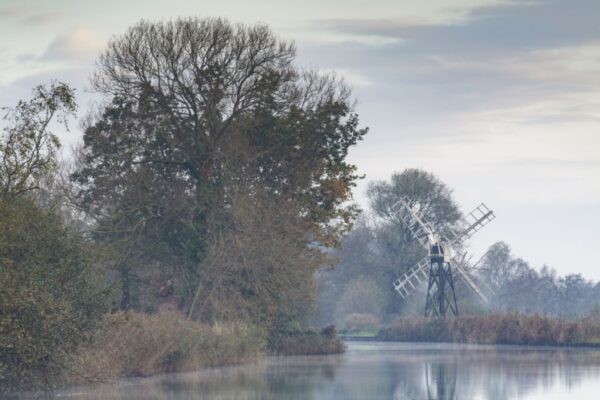
Best for: gentle and flat walking holidays Hillwalkers look away now. This is Britain’s flattest region with pancake landscapes stretching to the hazy horizon in all directions. Walkers will be able to explore easy flat paths through gorgeous examples of rural lowland England, with frequent pastoral scenes looking like Constable paintings. Expect a good transport network but plan accommodation ahead because in rural parts options can be limited whether you are travelling inn-to-inn or based in one spot.
Read moreWiltshire
The White Horse Trail
The White Horse Trail is a circular long distance walking route through the Wiltshire countryside linking eight white horse chalk figures and visiting historic sites like Avebury, Silbury Hill and the Kennet and Avon Canal. The eponymous chalk figures are famous sights across the Wiltshire Downs and each has a different story and associated legends. It’s a very rural trail using well-established paths across classic chalky hills and neat Wiltshire farmland. It can be muddy but there are no wilderness sections. It’s rated moderate because there’s a fair amount of clambering up the sides of chalk hills - all the horse figures are cut on the sides of escarpments. The total elevation of the White Horse Trail is 6,703ft/2,043m and the highest point is 932ft/284m.
Read moreIsle of Wight
Isle of Wight coastal path
As a long distance walk, the Isle of Wight coastal path is quite short but it provides an opportunity to walk right round the shoreline of England’s largest island. You might find that on return to the start point there’s great satisfaction in completing an island’s circumference, regardless of the length! Along the way, the Isle of Wight offers a surprisingly varied sequence of landscapes, including jagged chalk headlands, long sandy bays, salt marshes and estuaries. There are certainly no boring stretches on this route. Many islanders are keen walkers and many visitors try at least part of the coast trail. This means the local authority keeps the path well maintained and signposted. It also means you are likely to see other walkers at any time, especially round Tennyson Down and the Needles. Nevertheless the round-the-island walk is generally less crowded than mainland coastal trails simply because it’s harder for most people to get there.
Read moreYorkshire Wolds
Yorkshire Wolds Way
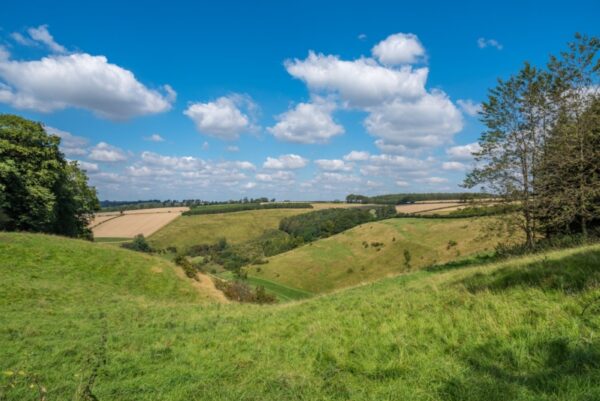
Yorkshire isn't known for its modesty, especially not when it comes to the well-known (and busy) Dales, Moors and Peak District. In comparison, the Yorkshire Wolds is a quiet and unpretentious stretch of gentle countryside and very quiet paths. The Yorkshire Wolds Way is the best long distance walk you've never heard of; expect homely inns, B&B’s and guesthouses, real ales and hearty traditional food. The route wends its way from the banks of the expansive Humber estuary, across the tranquil countryside and unspoilt villages of the Wolds to reach the spectacular headland of Filey Brigg on the North Yorkshire Coast. There are no cities on the route and no serious hills either. Don’t imagine it’s dull though: this is rural England at its best. It’s an area that seems to have bigger skies with wide panoramic views. It’s easy to see why artist David Hockney spent years painting landscapes here. Yet the Wolds Way is never crowded. In fact, this has been called ‘Britain’s least known National Trail’ by the BBC. Nevertheless, the path is generally well mapped, maintained and way-marked.
Read moreThe Peak District
The Peak District
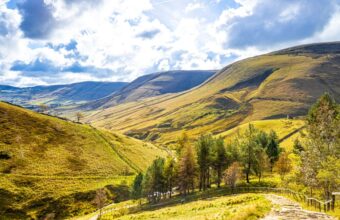
Best for: shorter or centre-based walking holidays The Peak District was the UK's first national park, established in 1951 to carve out a protected space between the encroaching industrial cities of the midlands and northern England. The national park and the UK's 'right to roam' laws owe their existence to the struggles of ordinary working people who, in the 1932 Kinder Trespass, forced private landowners to grant public access to the nation's beautiful but previously restricted countryside. Divided by a geological fault line between the gritstone 'Dark Peak' and the limestone 'White Peak', the landscape switches from open, even severe-looking, moorland to the north and secluded dales and quaint farming villages to the south. Its proximity to motorways and several major cities means the Peak District gets busy in places, particularly around pleasant but popular honeytraps such as Dovedale, Castleton and Matlock. But with nearly 2,000 miles of public footpaths and rights of way, it's still very easy to find yourself alone and enjoying empty trails and wide open views. The northern Dark Peak is generally quieter, as is the far south on the border with Staffordshire. Aside from the Pennine Way, which starts in Edale, there are no major long-distance walks here. It's more a place for a short walking break, perhaps based in one of the ten magnificent YHAs to be found in the Peaks.
Read more-
-
Limestone Way
View experience -
Ambleside
View experience -
Northumberland Coastpath
View experience -
Norfolk Coastpath
View experience -
Yorkshire Wolds Way
View experience -
The Peak District
View experience -
The Thames Path
View experience -
The Pennine Way
View experience -
The Monarch’s Way
View experience -
Wainwright's Coast to Coast Path
View experience
England travel companies
The United Kingdom
Contours Holidays
Self-guided walking holidays in England, Scotland, Wales and Ireland
The United Kingdom
Shepherds Walks Holidays
Guided & self-guided walks in Northumberland & The Borders