Europe
The whole world in one pint-sized continent





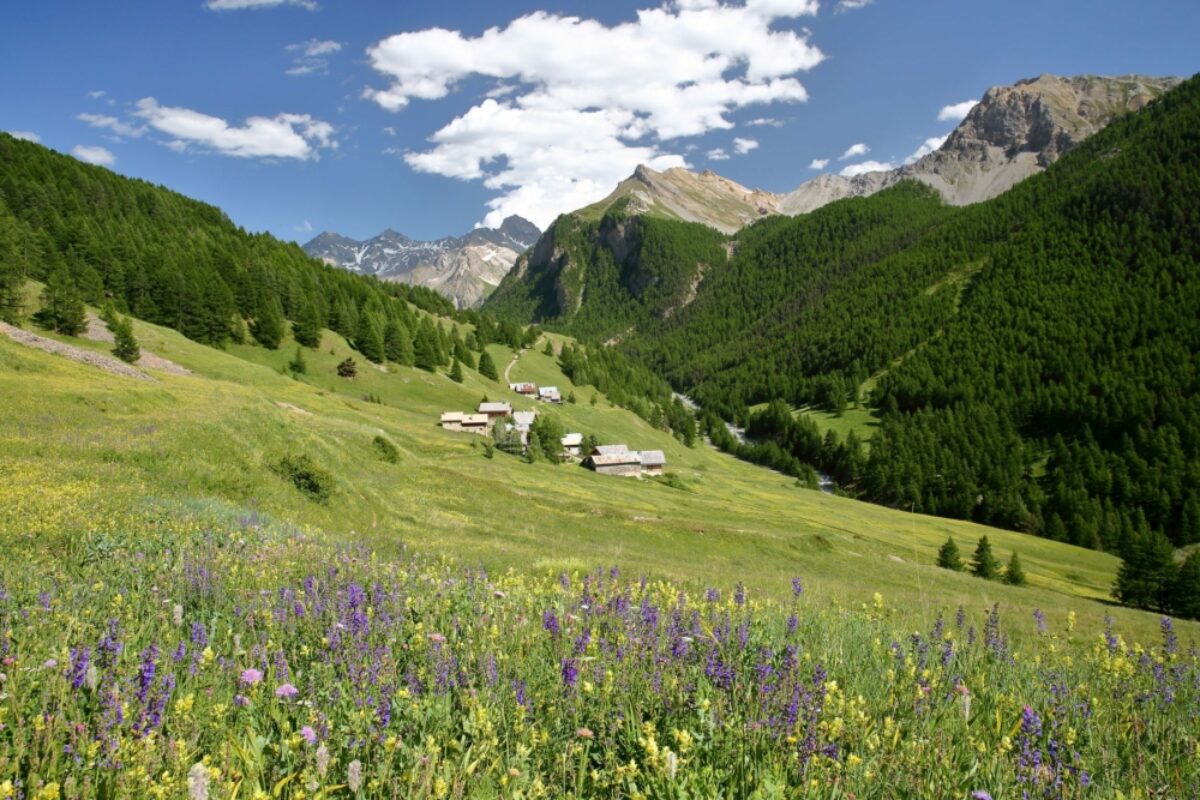
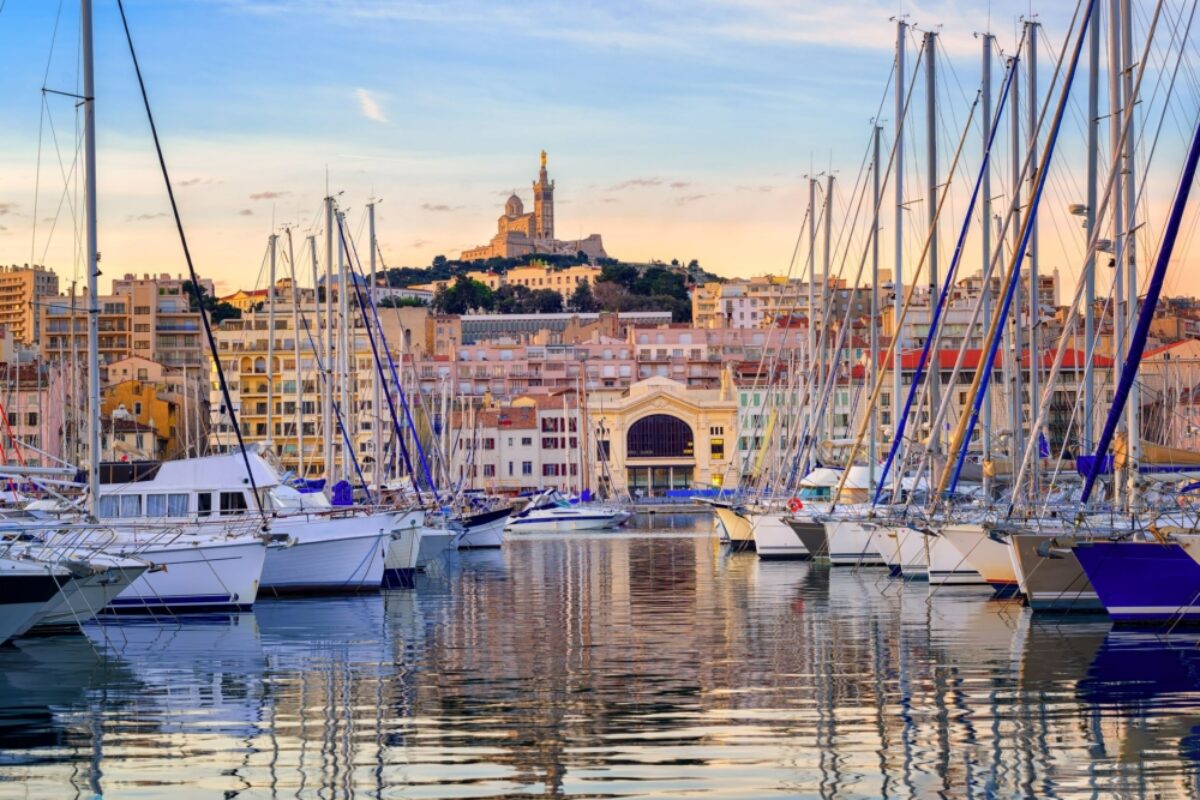
Fly into Europe from more sparsely populated parts of the world and something odd happens on the in-flight map. Suddenly the world feels smaller, more compact, with place names jostling for space.
Just hours ago you were flying over the empty vastness of Canada or the Central Asian steppe. Now the map is criss-crossed with national borders and studded with evocatively-named capital cities. This is the cradle of western culture: where empires rose and fell, where turbulent, messy history unfolded to shape the world—often against its will.
But Europe is no museum: for every castle and cathedral there is a modern and diverse city, each with its own cultural scenes and distinct identity. And away from the towns and cities are majestic mountain ranges, remote villages in rural hinterlands, fairytale forests and glorious coastlines. It's a well worn travel writing trope but Europe, truly, has everything.
Geographically speaking, tiny Europe shouldn't really be considered a continent in its own right; more a minor appendage on the great Eurasian landmass. But try telling that to a 21-year-old with an InterRail ticket and a guidebook. When you can cross a dozen national borders in 24 hours and have to cope with accents, cuisines and traditions changing every 100 miles or so, you could spend a lifetime exploring Europe and never come close to seeing and revelling in all its wonderful complexity.
When you think of Europe you might feel like you've "been there and done it". We're willing to bet that you've barely scratched the surface. Take another look. Book your train tickets and hop on board. Europe—the real Europe—is just waiting to be discovered.
Walking in the UK
An essential guide to planning a walking holiday in the UK
The United Kingdom is a walking holiday paradise: Hundreds of thousands of miles of well-mapped public footpaths, beautifully varied landscapes, excellent hospitality, and easily accessible. It’s no wonder this is a nation of walkers. From the Scottish Highlands to the South Downs and almost everywhere in between, walker-friendly accommodation, well organised baggage transfer services and convenient transport connections make organising walking trips a piece of cake...read more

Europe Travel Guides






18 days
Armenia, Georgia and Azerbaijan hiking
Hike ancient forests, mountain lakes and waterfalls
11 days
Armenia and Georgia Hiking Itinerary
11-day hiking trip through picture-perfect mountain trails


21 days
Overlanding through the Caucasus
Travel beyond the ordinary in Azerbaijan, Armenia and Georgia
15 days
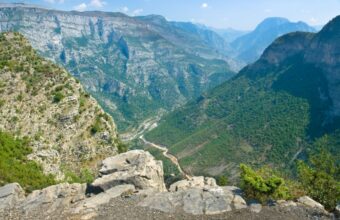
Albania Off-The-Beaten Track Itinerary
15-day walking holiday to Albania and Kosovo
-
Balkans
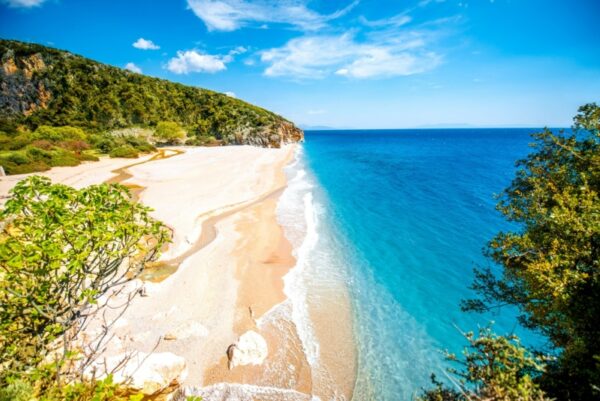
Europe’s forgotten wonderland
Contrary to popular opinion, the Balkans is so much more than just the countries of the former Yugoslavia... -
Albania
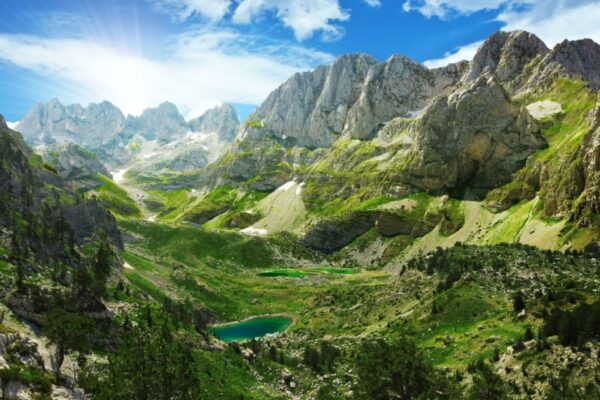
Europe’s best-kept secret
Once best known as the final European country to throw off the shackles off Communism (outside the USSR), Albania spent much of the 20th century closed to outsiders... -
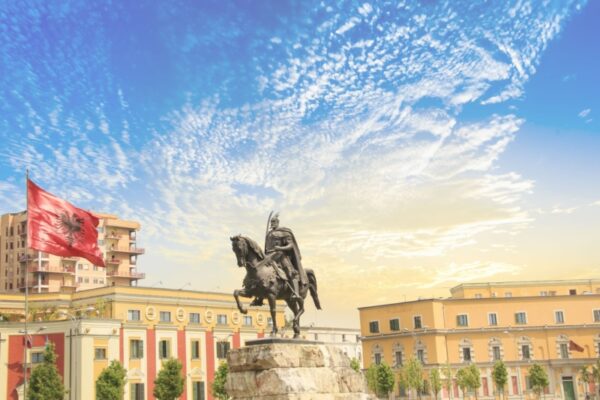
Tirana
Tirana’s small size makes it a perfect place to explore in a day, but to truly get under its skin, try out its cafe culture for coffee, beer and pastries... -
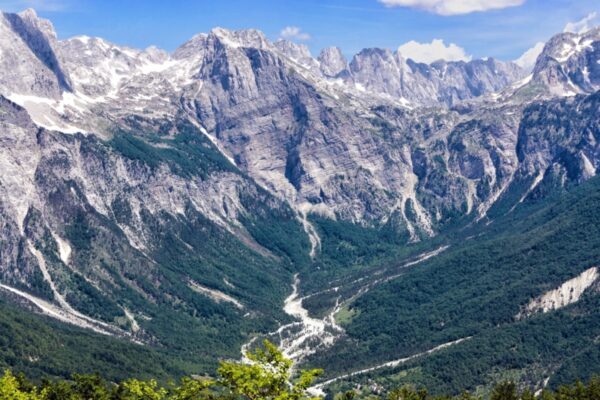
The Accursed Mountains
The Accursed Mountains (also known, less dramatically, as the Albanian Alps) feel a world away from the rest of Europe... -
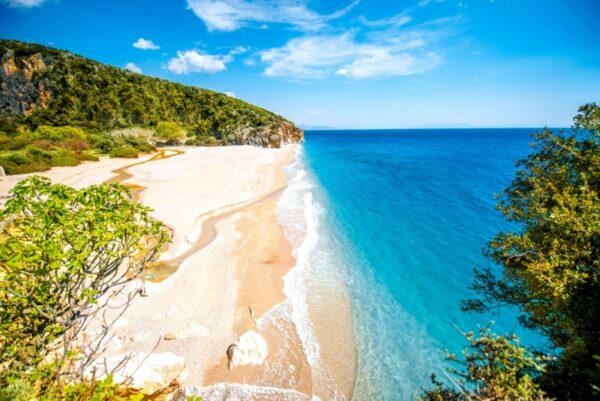
Albanian Riviera
Head to the Albanian Riviera for uncrowded shorelines, turquoise waters and the beauty of the Greek Islands without the price tag... -
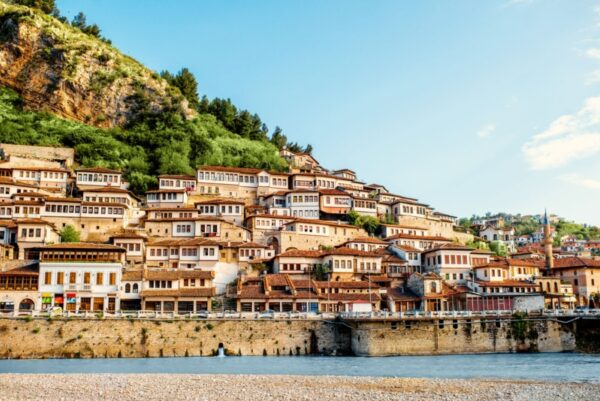
Berat
Head up through the hills to Berat and you’ll notice the seemingly endless number of windows on the white Ottoman houses lining the way... -
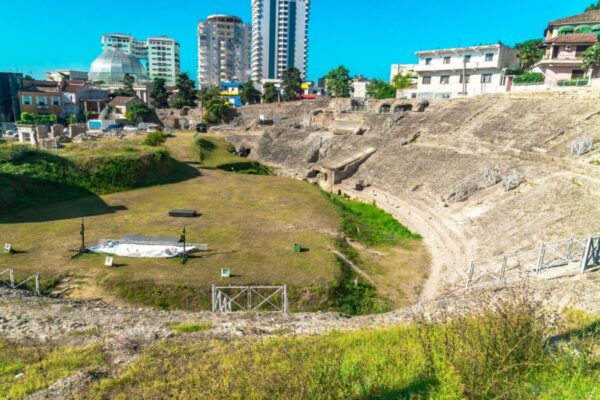
Durres
The port town of Durres is home to Albania’s liveliest beach, but it is the town’s amphitheatre that is the main attraction... -
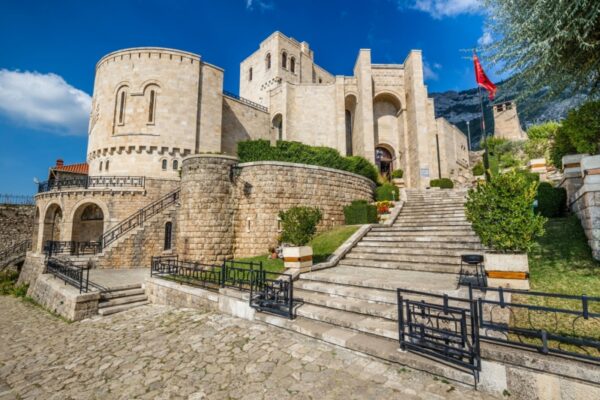
Kruja
Gjergj Kastrioti, also known as Skanderbeg, was a military commander famous for resisting Turkish invaders in the 1400s... -
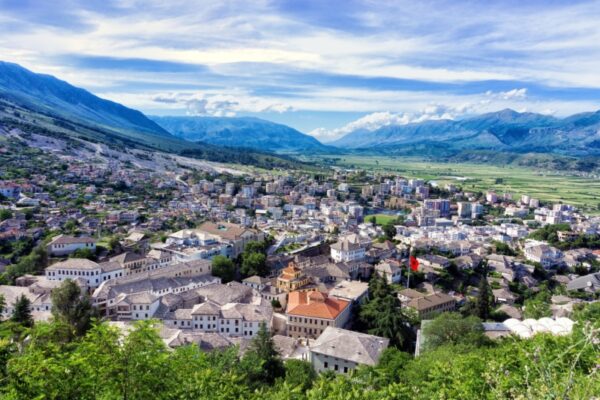
Gjirokastra and the Drino Valley
The Drino Valley in southern Albania is the perfect place to see traditional Albanian villages... -
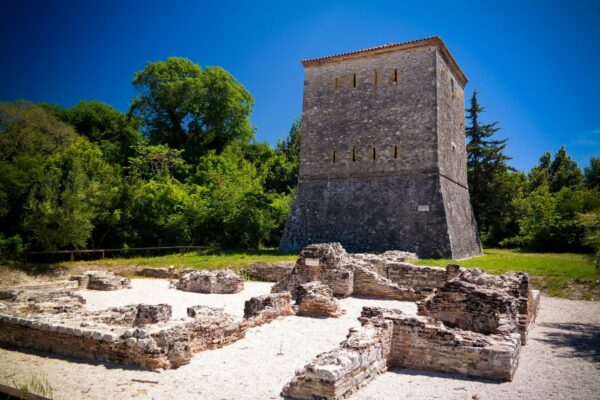
Butrint National Park
Found close to the beaches of the Albanian Riviera, Butrint National Park is one of the Balkans’ largest archaeological sites, with ruins from several different ethnic groups, including Greek, Roman and Venetians... -
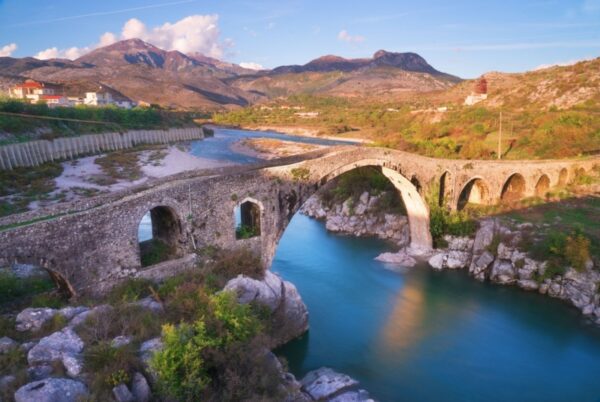
Shkodra
Known to Albanians as the ‘city of bicycles’, Shkodra is a pleasant place to spend a couple of days pootling around... -
Bay of Vlore
... -
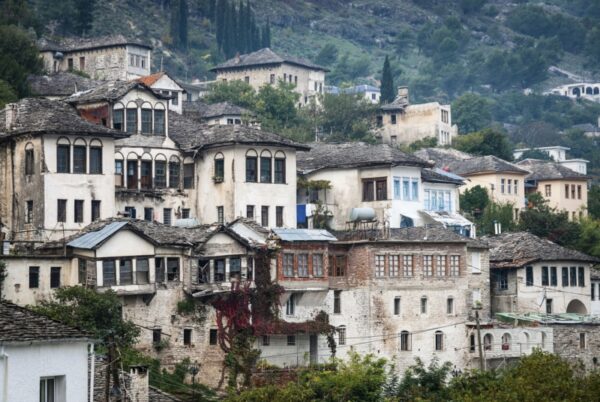
Gjirokastra
... -
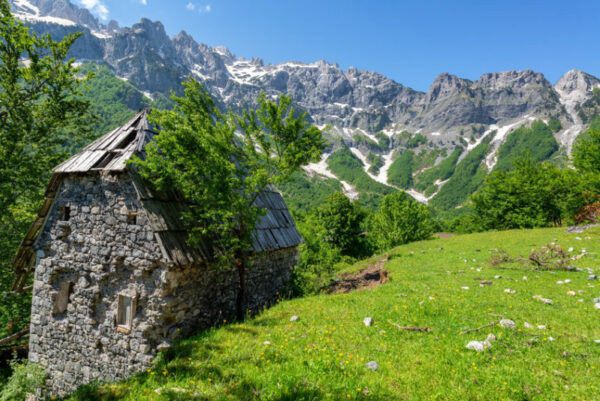
Valbona Valley
... -
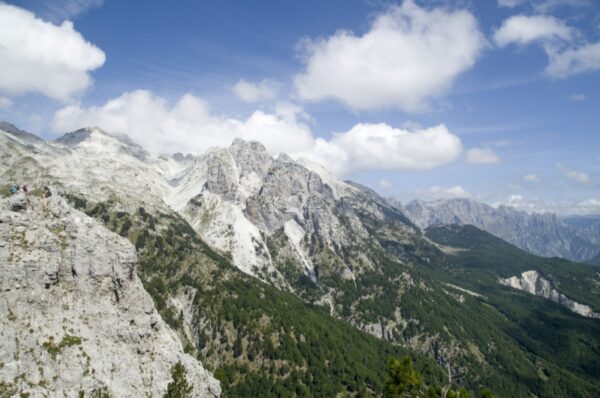
Mount Jezerca
... -
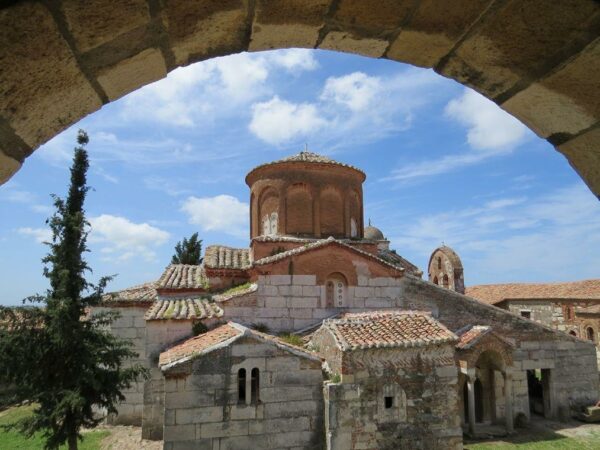
Apollonia
... -
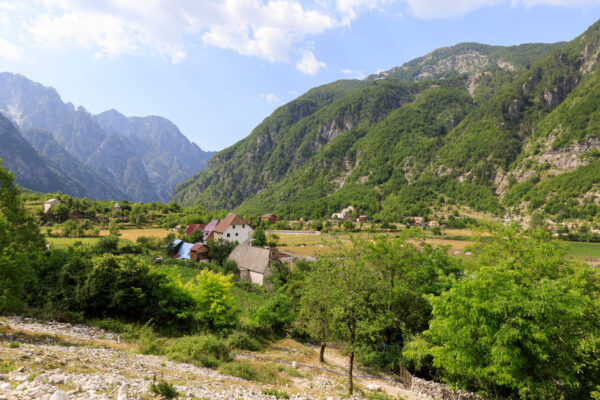
Theth
... -
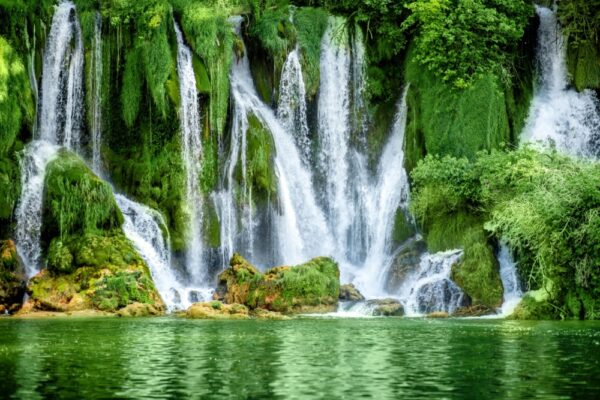
Bosnia and Herzegovina
The lesser-visited, more-beautiful Balkans
Bosnia and Herzegovina often lags behind Croatia, Montenegro and Slovenia when it comes to Balkan breaks, but that makes this under-rated and under-visited country all the more appealing... -
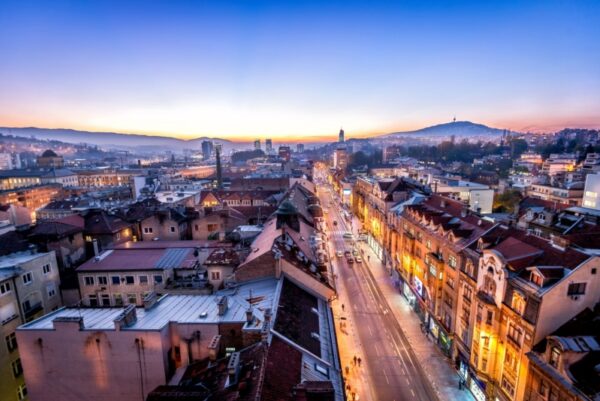
Sarajevo
Sarajevo has been a city at the centre of conflict for much of the 20th century, whether as the scene of Archduke Franz Ferdinand assassination which sparked World War One or for the brutal siege in the civil war of the 1990s... -
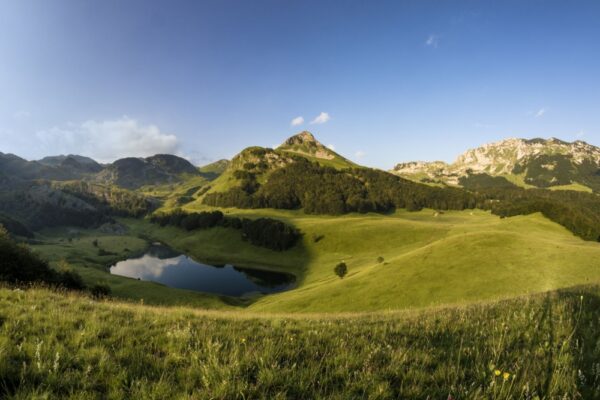
Sutjeska National Park
The Sutjeska canyon is home to huge grey crags that offer rock-climbing to the adventurous, but it’s the park’s hiking trails that are the biggest draw, including a section of the Via Dinarica trail... -
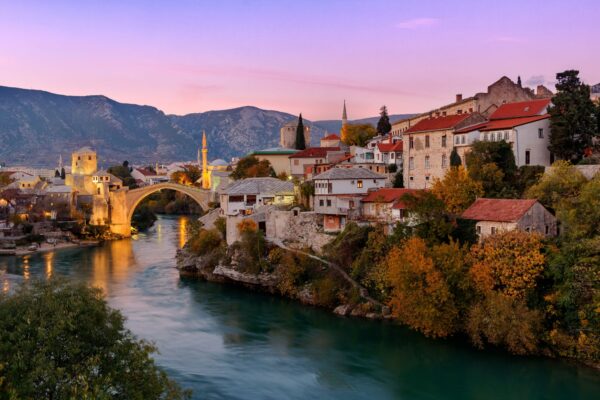
Mostar
Picture-perfect Mostar is best experienced after dark, when the day-tripping hordes head off... -
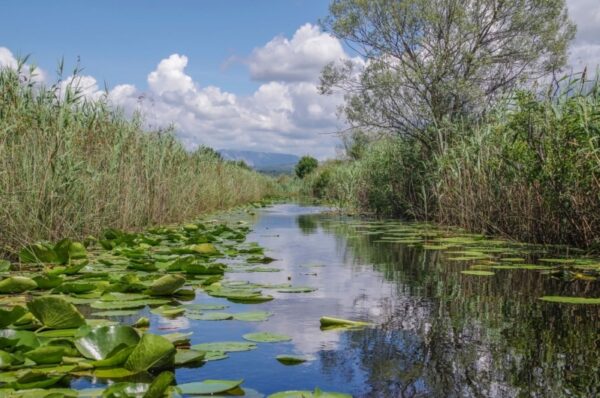
Hutovo Blato Nature Reserve
Hutovo Blato Nature Reserve is made up of six interconnected lakes that form one of Europe’s most important bird reserves... -

Počitelj
Beautiful medieval architecture is the draw in the fortress village of Počitelj, where visitors can see the restored Hajji Alijia Mosque and 16m Ottoman clock tower... -
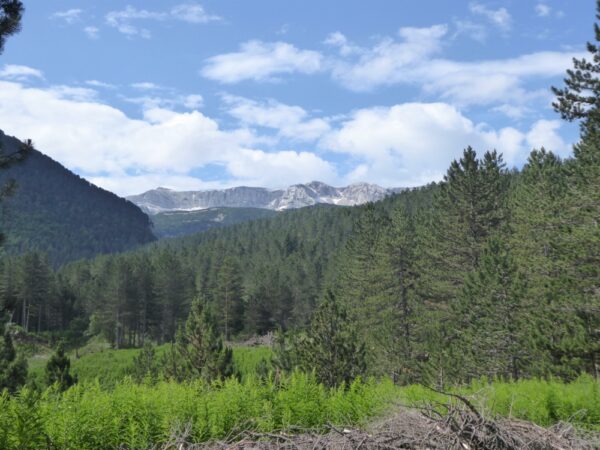
Blidinje Nature Park
Just a couple of hours from the Adriatic Sea, vast Blidinje Nature Park is a perfect spot to get active... -
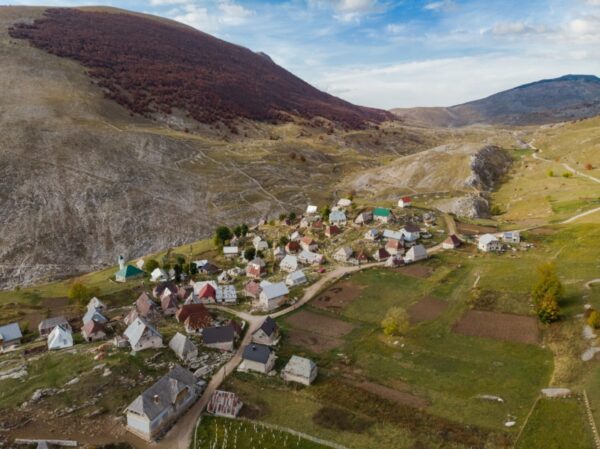
Lukomir
The tiny mountain village of Lukomir is a three-hour trek from Rakitnica River on the southwestern slopes of Bjelašnica Mountain... -
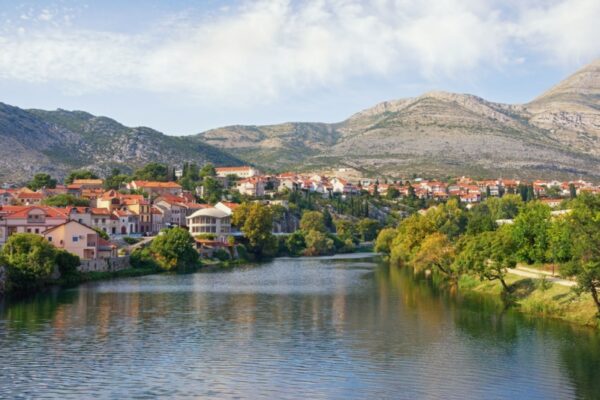
Trebinje
Just 30km from Dubrovnik, Trebinje is a worthwhile alternative to Croatia’s classic destination, with a walled Old Town, mountain views and a river complete with swimming spots... -

Bjelašnica ski resort
Just 25km south of Sarajevo, Bjelašnica ski resort offers decent runs at modest prices between December and February... -
Visegrad
... -
Andricgrad
... -
Visoko
... -
Bijambare Caves
... -
Konjic
... -
Kravice Falls
... -
Blagaj
... -
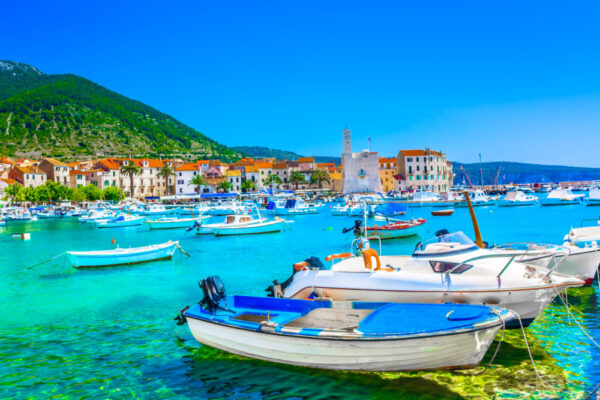
Croatia
Dazzling coastlines
There’s no hiding it — Croatia’s spectacular coastline is one of the best in the world... -
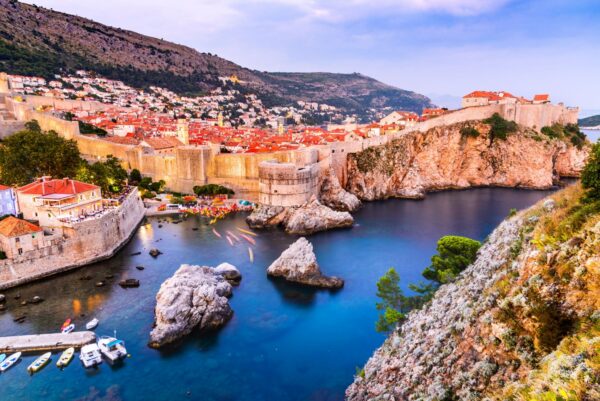
Dubrovnik
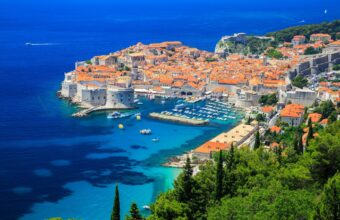
The jewel in Croatia’s crown, Dubrovnik might just be one of the most picturesque cities in the world... -
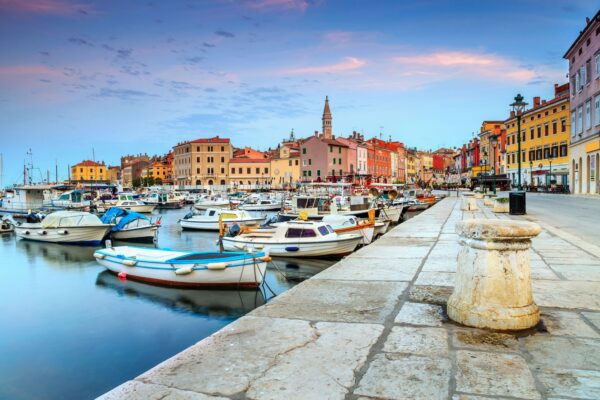
Rovinj
Rovinj’s egg-shaped peninsula houses it’s charming old town, where you can wander through cobbled streets, cosy squares and tasty restaurants... -
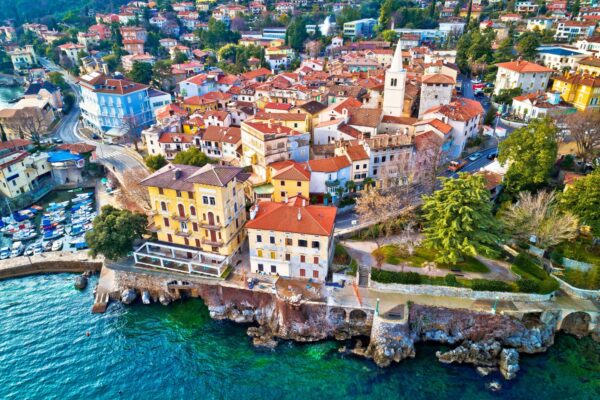
Lovran
Little-known to foreign tourists, Lovran is actually a town with a long history of tourism... -
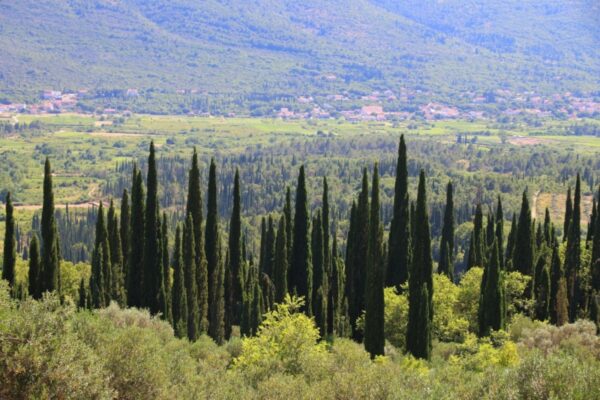
Konavle Valley
Easily accessible from Dubrovnik, Konavle Valley is home to 33 villages and offers hiking, biking and horse-riding trails... -
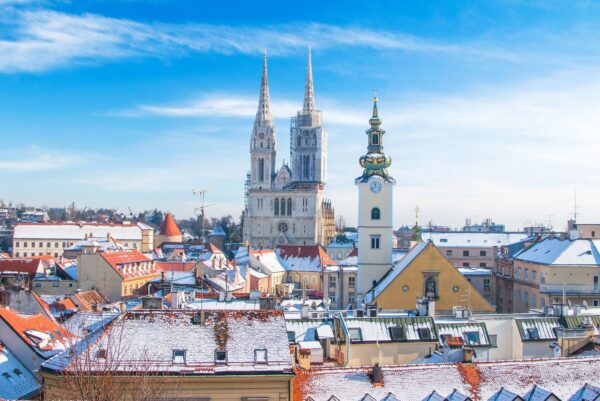
Zagreb
Croatia’s gritty capital mixes concrete slabs with old town glory, but its cafe culture is the main draw... -
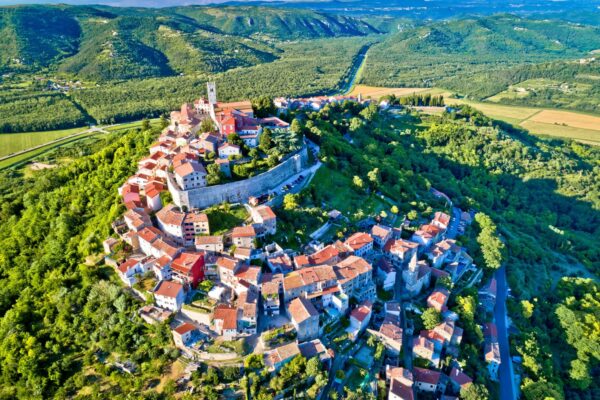
Motovun
Many visitors to Istria confine themselves to the coastlines of Pula and Rovinj, but head inland to the greenery of its hilltop villages for a hidden treat... -
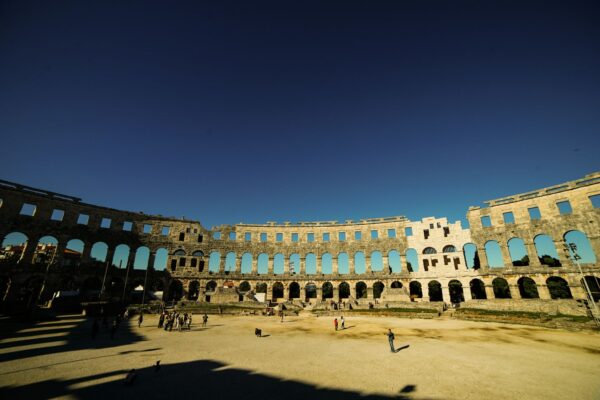
Pula
The busy seaside town of Pula is best-known for its ancient Roman architecture, such as the Arch of the Sergii which dates back to 27BC... -
Opatija
... -
Fažana
... -
Poreč
... -
Trogir
... -
Brač
... -
Vis
... -
Hvar
... -
Korčula
... -
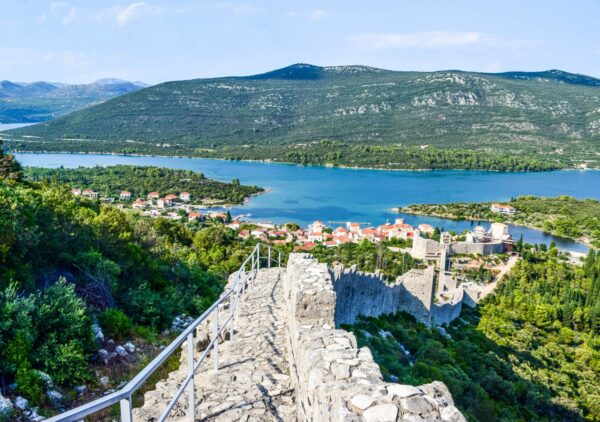
Ston
... -
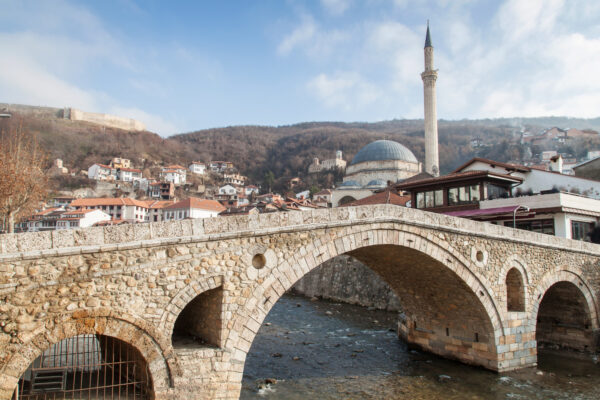
Kosovo
A new dawn in the Balkans
Europe’s newest country is also one of its most talked about... -
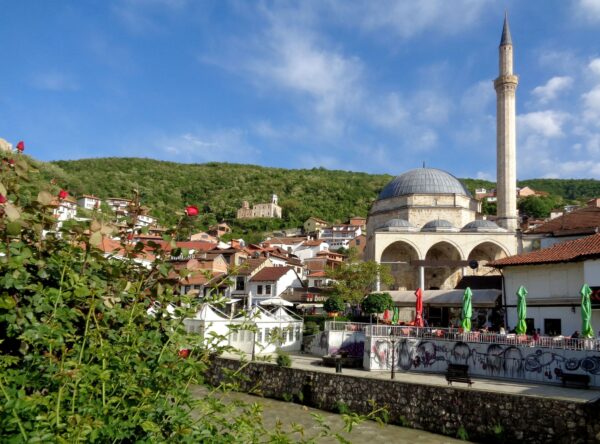
Prizren
Kosovo’s second city is its cultural heartland, packed with history, handicrafts and Kosovo’s best food... -
Rugova
... -
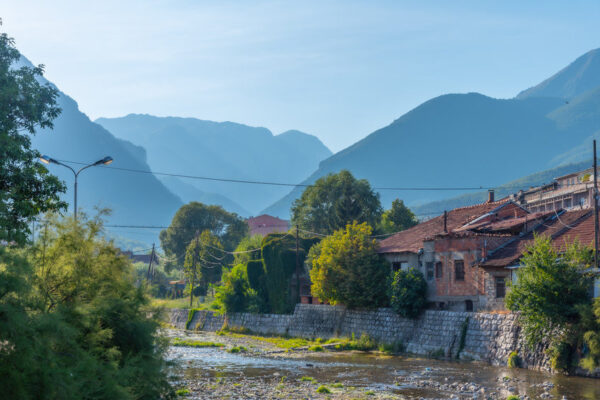
Peja
... -
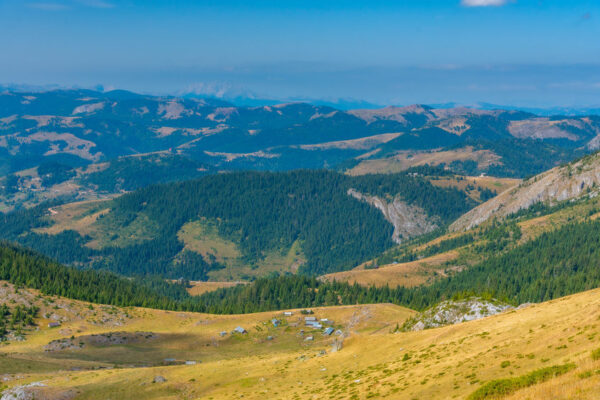
Reka e Allages
... -
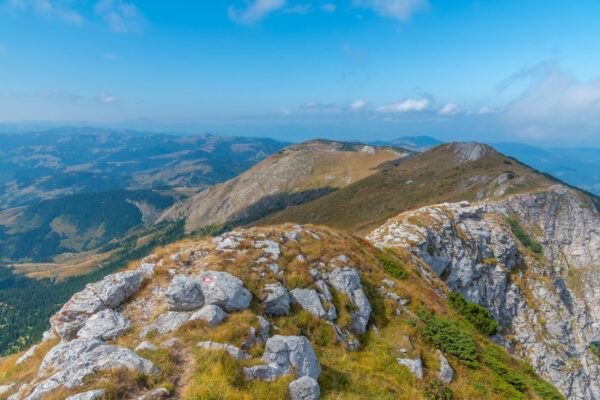
Drelaj
... -
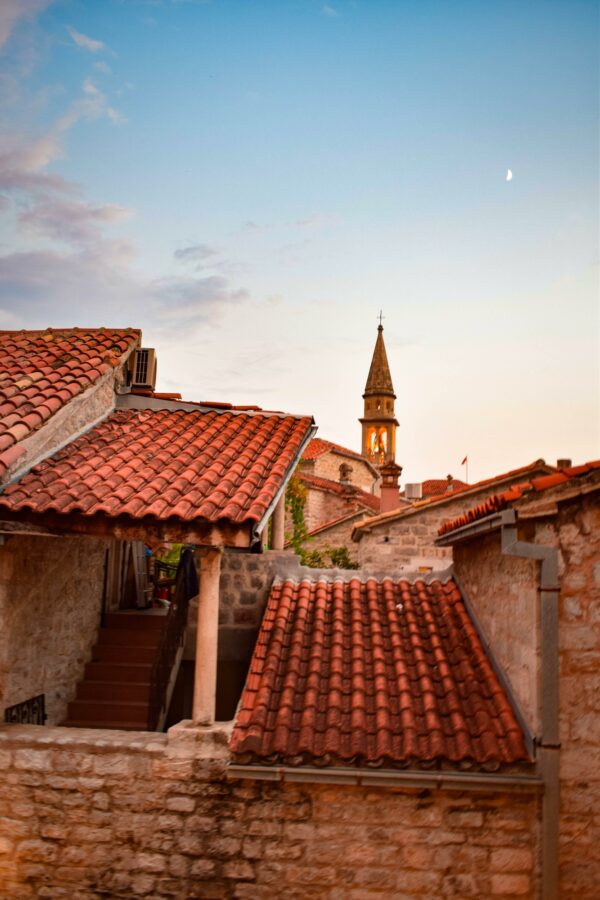
Montenegro
Ancient towns cut into majestic mountains
Tiny Montenegro has long been touted as the hot, new travel destination – and it’s easy to see why... -
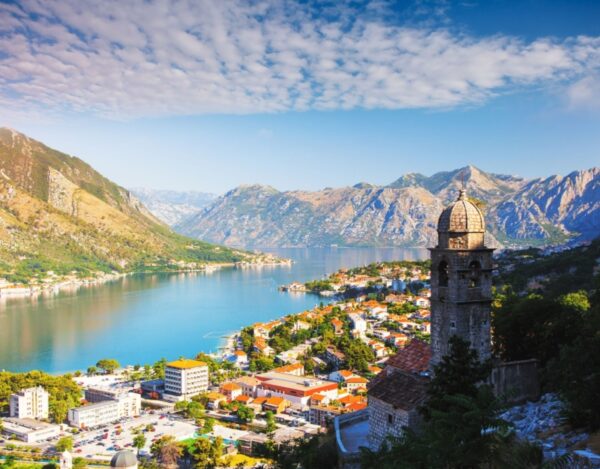
Bay of Kotor
Montenegro is a country full of beautiful views, but the Bay of Kotor’s waterfront might just be the best... -
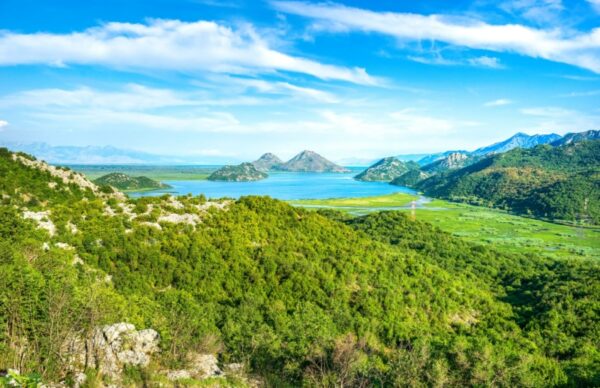
Lake Skadar National Park
Skadar is the Balkans largest lake, with two-thirds sitting in Montenegro and the rest in Albania... -
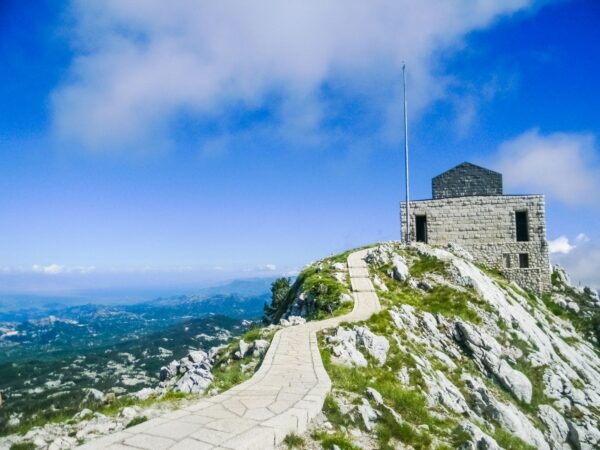
Lovćen National Park
Located in the Dinara Alps, Lovćen National Park incorporates a range of habitats with a variety of plant and animal species residing in the park... -
Cetinje
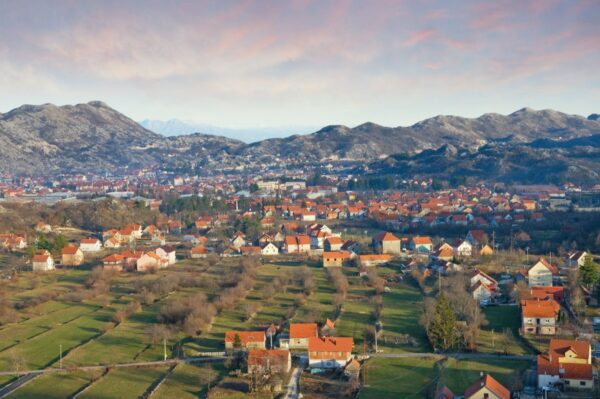
Sitting at the foot of the Lovcen mountains, Cetinje is the former royal capital of Montenegro... -
Stari Bar
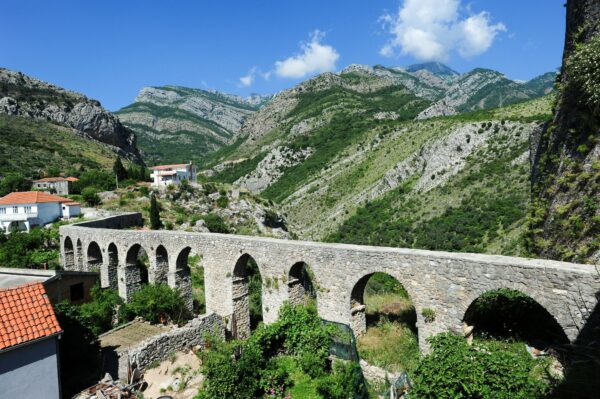
High up on the edge of a bluff near Mount Rumija lies the ruins of Stari Bar – the original town of Bar, which is now a port city down by the water... -
Biogradska Gora National Park
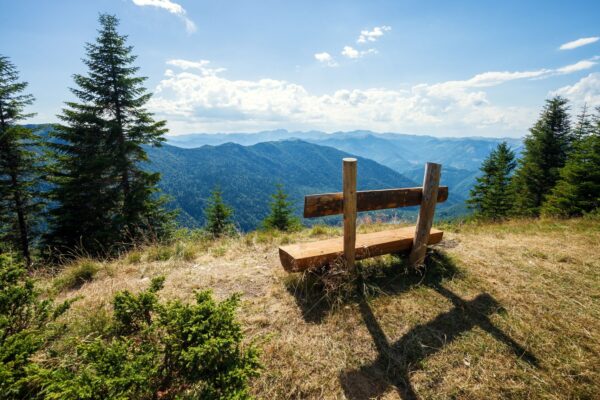
Peaceful Biogradska Gora is best-known for its primeval forest, where you can spot ancient beech, maple, elm and juniper trees — some of which are more than 500 years old... -
Durmitor National Park
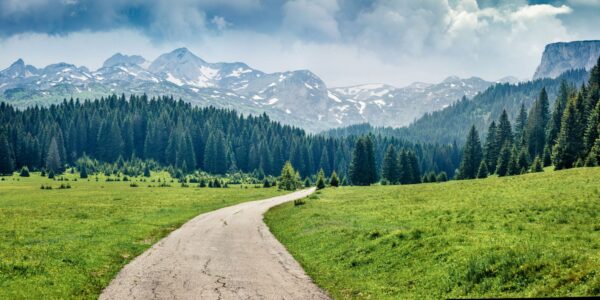
Home to more than 50 peaks, mountain rivers and underground streams, the dramatic Durmitor National Park is Montenegro’s adventure playground... -
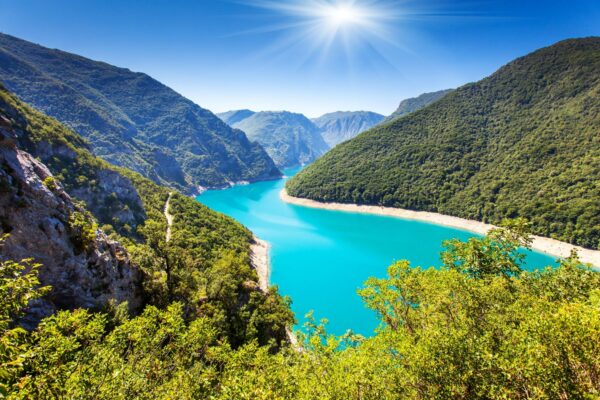
Lake Piva
Lake Piva was created in 1975 after the Piva River was blocked by the construction of the hydroelectric Mratinje Dam, flooding Piva Canyon... -
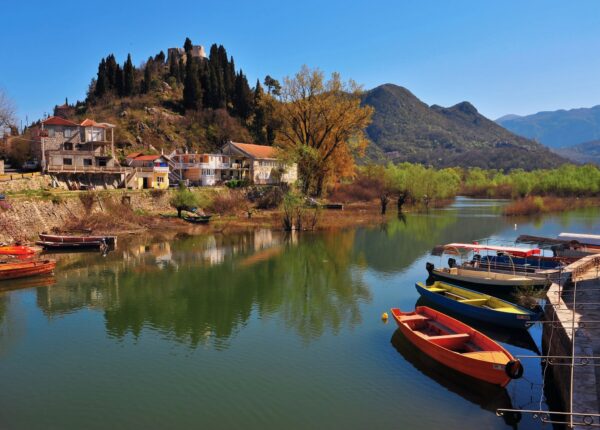
Virpazar
Considered the main gateway to Lake Skadar National Park, the tiny village of Virpazar was once an important trading port... -
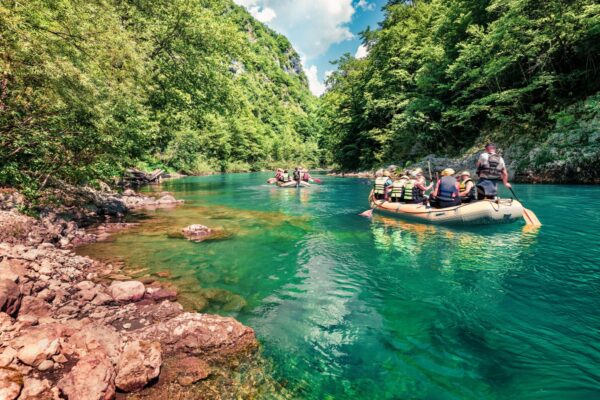
Tara Canyon
Found on the northern edge Durmitor National Park, the Tara Canyon cuts deep into the landscape, with its deepest point being only 200m less than the Grand Canyon... -
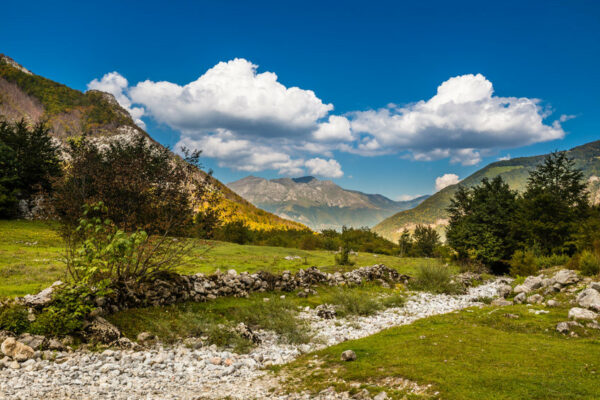
Prokletije National Park
Only established in 2009, Prokletije National Park is located in the south of the Dinaric Alps near Skadar Lake... -
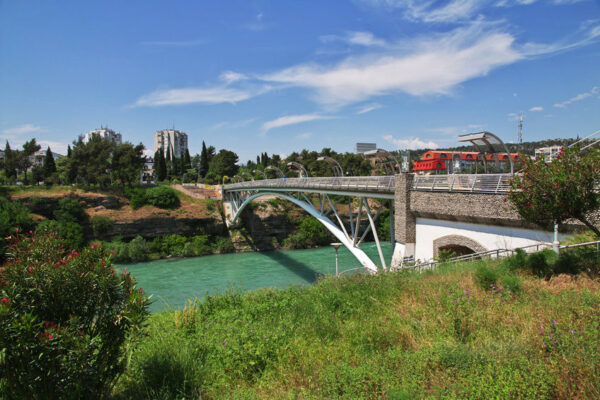
Podgorica
... -
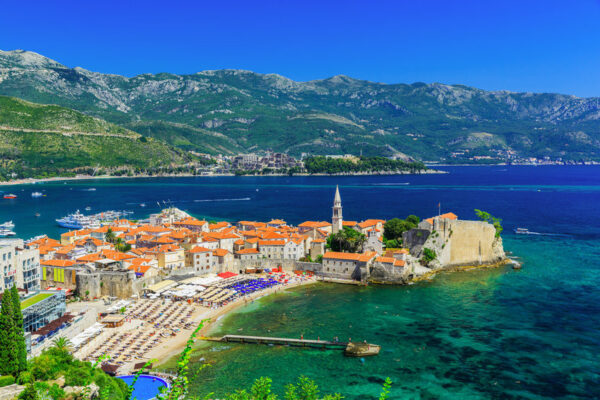
Budva Riviera
One of the most popular tourist cities in Montenegro with its beaches and old town as well being a good base for those heading out for hiking and biking trips... -
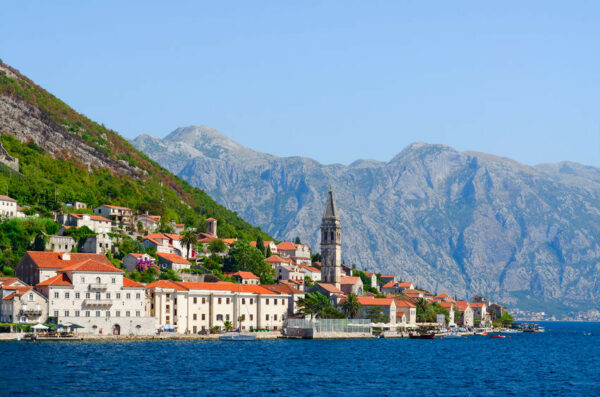
Perast
... -
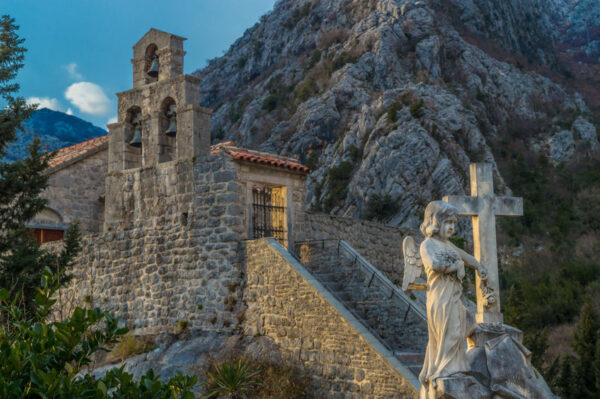
Orahovac
... -
Njeguši
... -
Vusanje
... -
Ulcinj
... -
Ostros
... -
Niksic
... -
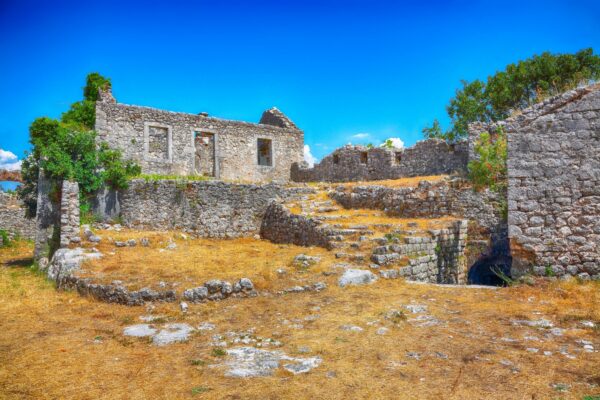
Zabljak
... -
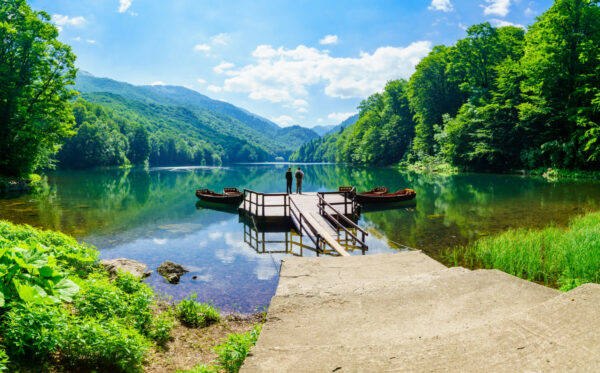
Kolasin
... -
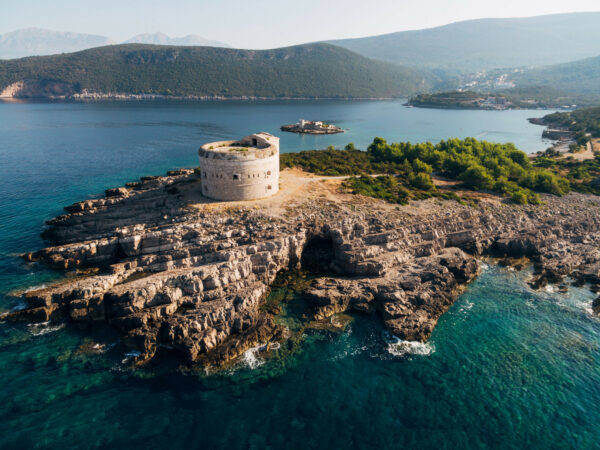
Lustica
... -
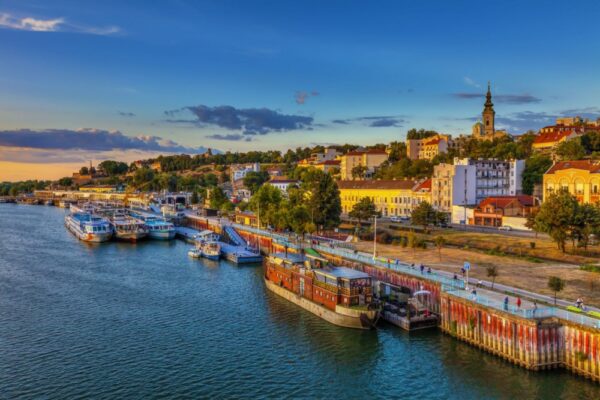
Serbia
... -
Drvengrad
... -
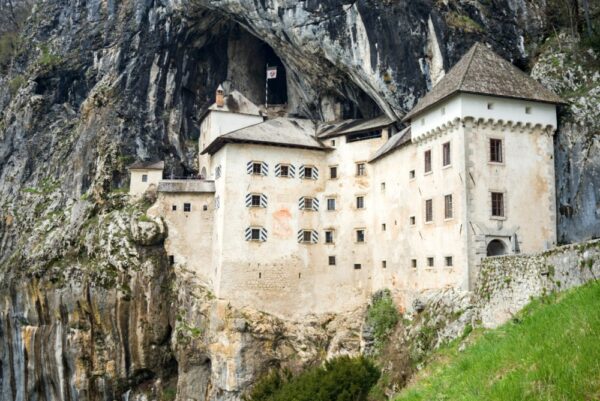
Slovenia
... -
Julian Alps
... -
Romania
... -
Bucharest
... -
Brasov
... -
Tulcea
... -
Transylvania
... -
Macedonia
... -
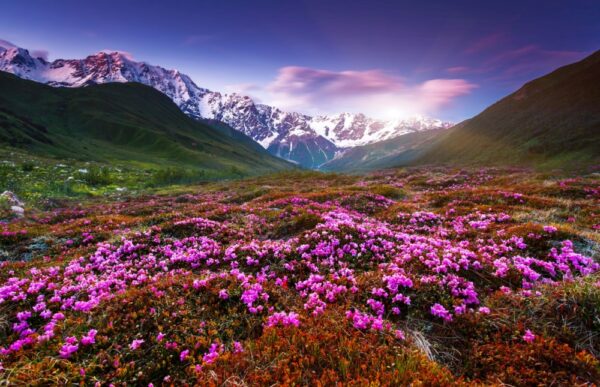
The Caucasus
Where Asia meets Europe
Stretching from the Black Sea in the west to the Caspian Sea in the east, the Caucasus region takes in Armenia, Azerbaijan and Georgia, alongside the Russian republics of Chechnya, North Ossetia and Dagestan... -
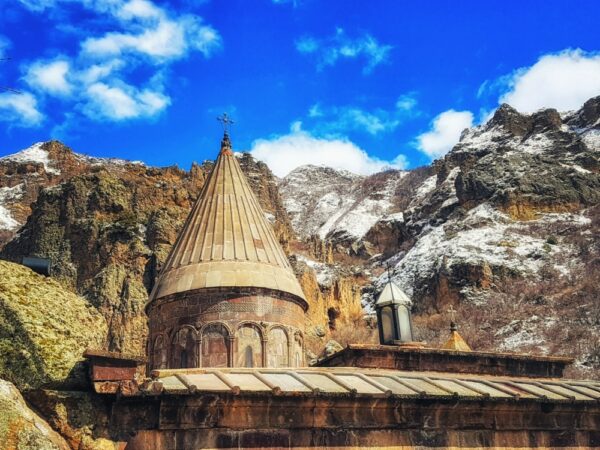
Armenia
Medieval monasteries and forest hikes
One of Christianity’s earliest civilisations, Armenia’s historic churches and monasteries date back as far as the 4th century... -
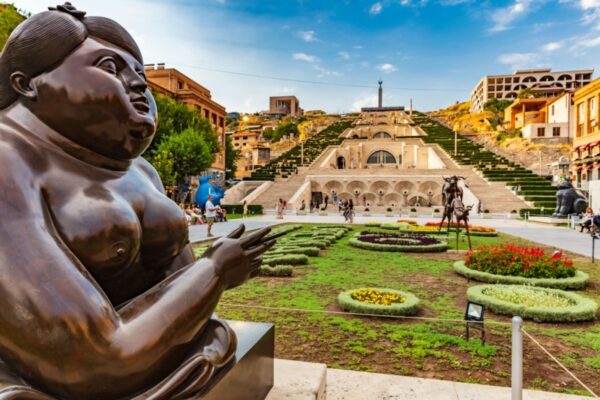
Yerevan
Check out Yerevan’s art scene by climbing The Cascade staircase that connects downtown Yerevan with the museum district... -
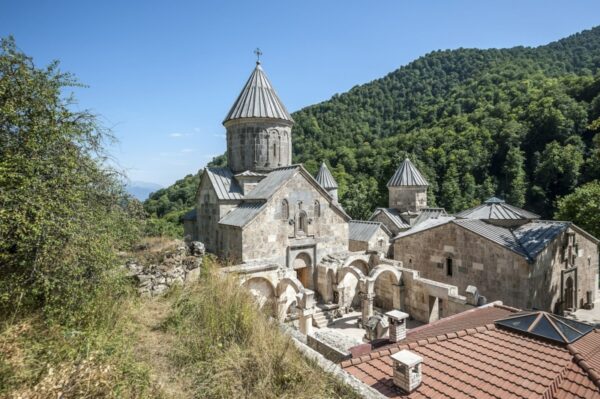
Dilijan National Park
Northern Armenia’s Dilijan National Park is home to hiking trails where you can see bears, wolves and several species of eagle... -
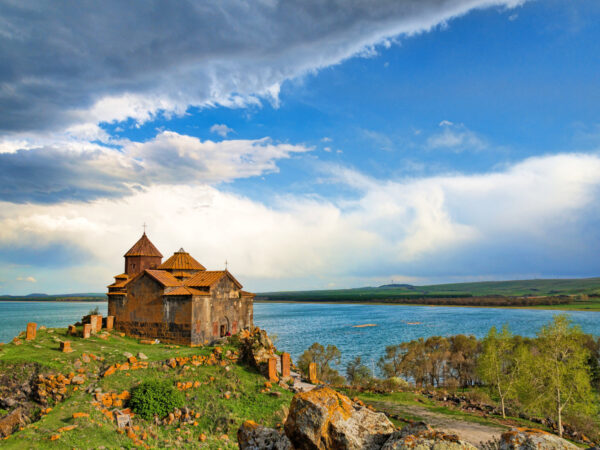
Lake Sevan
At 1,900m above sea level, the vast Lake Sevan is one of the largest freshwater high-altitude lakes in the world... -
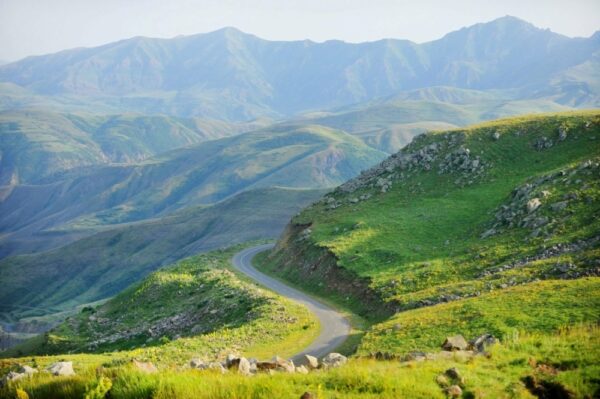
Selim Pass
The Selim Pass road links the provinces of Gegharkunik and Vayots Dzor through the Vardenis mountain range, but the main attraction is the Selim Caravanserai, just past the highest point... -
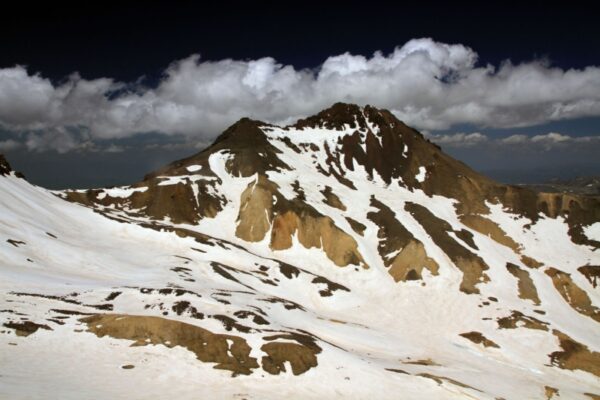
Mount Aragats
Aragats is the highest mountain in Armenia, offering adventurous hikers a challenging climb... -
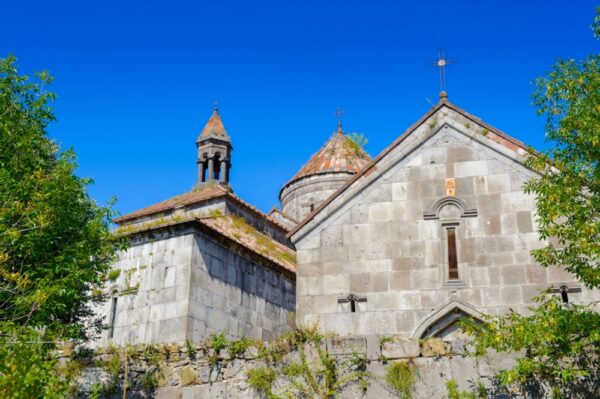
Lori Province
Armenia’s rich religious history means it has a plethora of churches and religious buildings... -
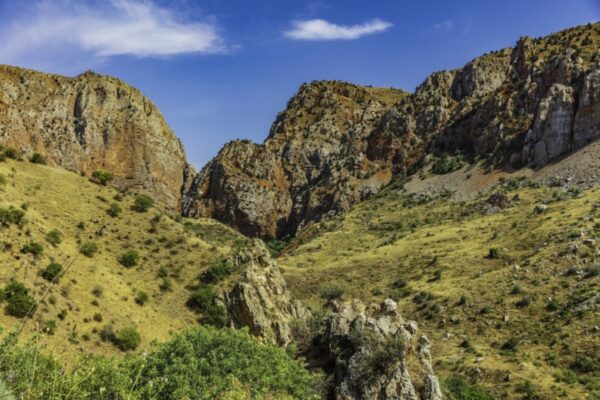
Southern Armenia
Southern Armenia is full of rugged beauty, with deep gorges and forested canyons... -
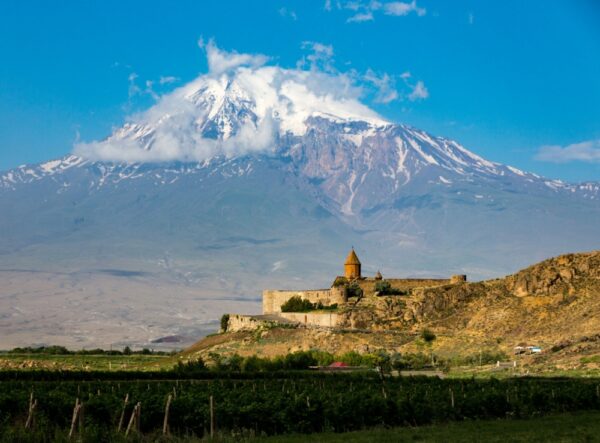
Tatev Monastery
The 9th-century Tatev Monastery was a centre of spiritual enlightenment and home to more than 600 monks at one point... -
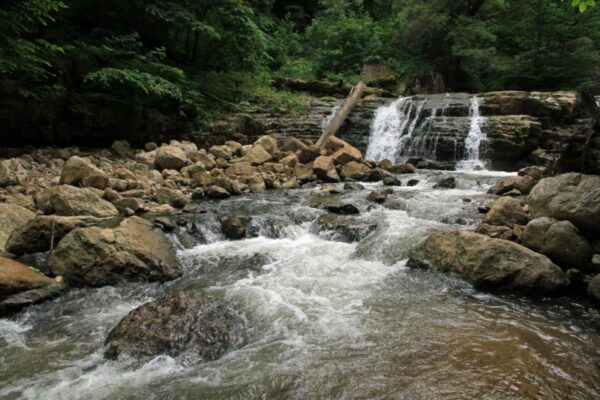
Lastiver
In a remote corner of a picturesque gorge, surrounded by waterfalls, lies the Lastiver caves, where locals from the nearby village of Yenokavan sought refuge from Mongol invaders in the 13 century... -
Dilijan
... -
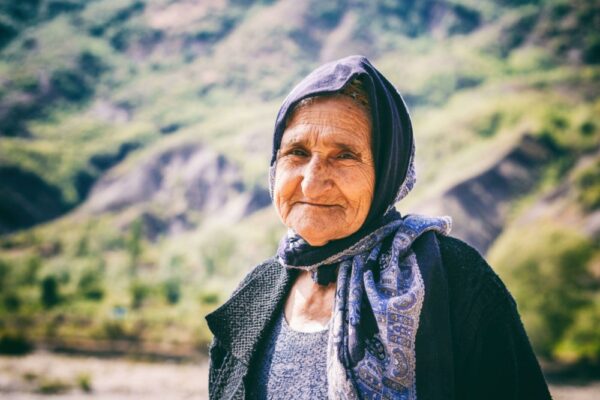
Azerbaijan
Land of fire
Travelling to Azerbaijan can be confusing... -
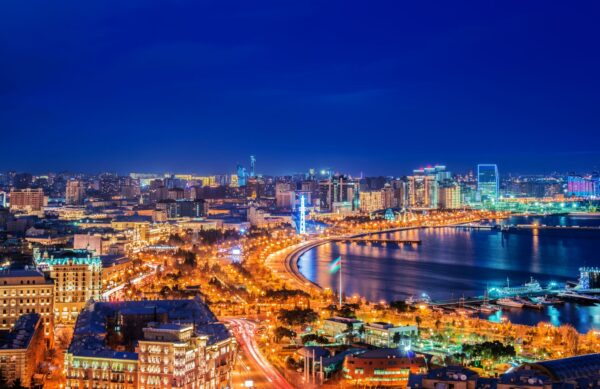
Baku
Azerbaijan’s capital might be changing fast due to the oil-boom, but its heart still lies in the UNESCO-listed Old City, full of tree-lined boulevards and fascinating mansions... -
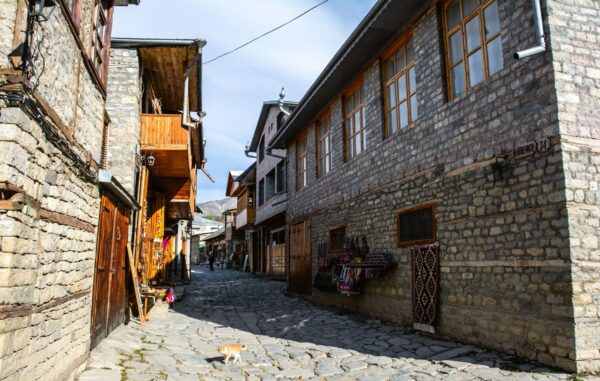
Lahij
The ancient village of Lahij in the Upper Caucasus was once an important trade and craft centre, with artisans creating copper adorned ornaments and knives, weaved cloth and leatherware before mass-produced factory goods saw the town decline... -
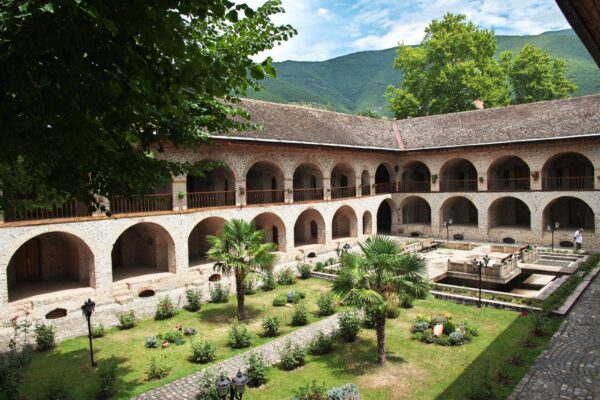
Sheki
Once a trading stop on the fabled Silk Road, the town of Sheki is now the perfect place to sample Azerbaijan’s historic architecture (look for Sheki Khan’s Palace), craft workshops and try piti, a national dish of lamb stew cooked in a clay pot... -
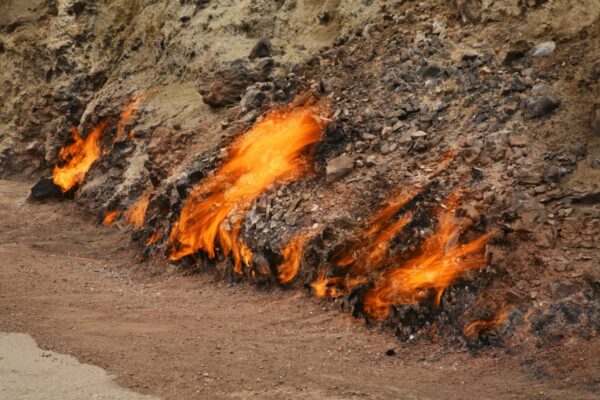
Mount Yanar Dag
Azerbaijan is known as the Land of Fire and nowhere is that more apt than at Mount Yanar Dag in Mehemmedi village, where an eternal flame burns from the hillside’s underground gas reserves... -
Georgia
Rolling hills and centuries-old villages
Georgia is no longer a backpacker’s secret... -
Kakheti region
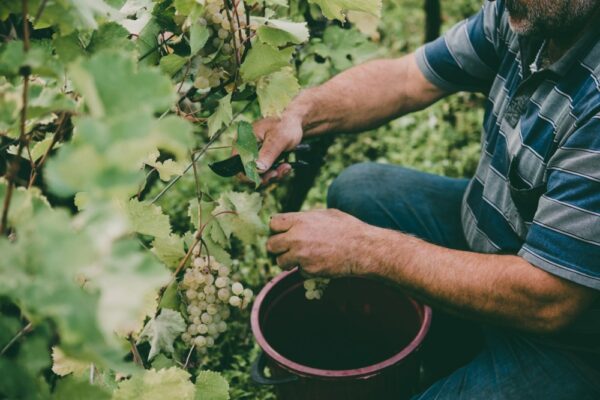
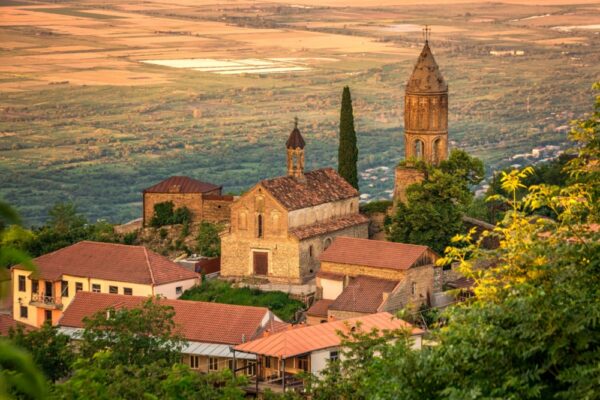
Kakheti in eastern Georgian is the country’s premier wine-producing area, with plenty of wineries where you can sample a glass of qvevri – named for the large, lemon-shaped terracotta pot buried in the ground that the wine ferments in... -
Tbilisi
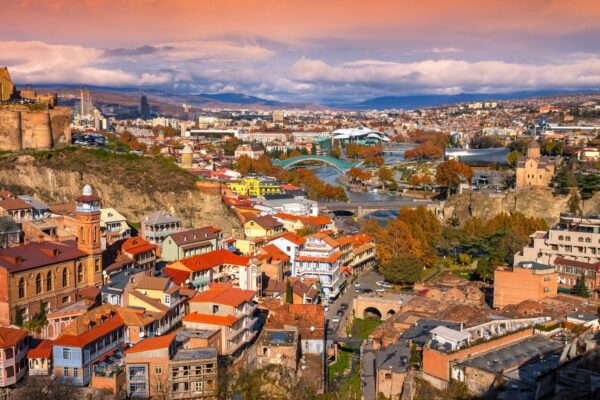
Tbilisi’s famous sulphur baths can be found in the Abanotubani district in the old town... -
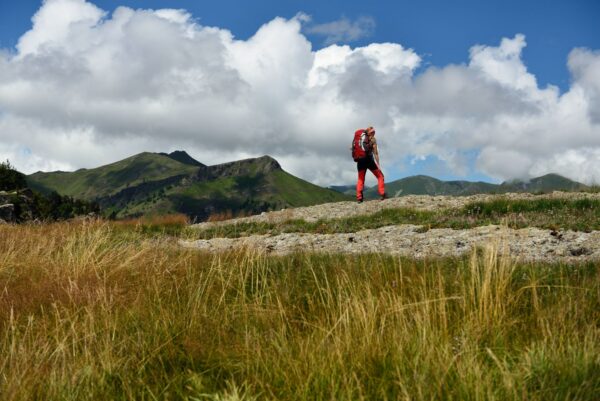
Borjomi-Kharagauli National Park
The forests of Borjomi-Kharagauli National Park are home to a dozen hiking trails and activities like horse-riding, biking and camping... -
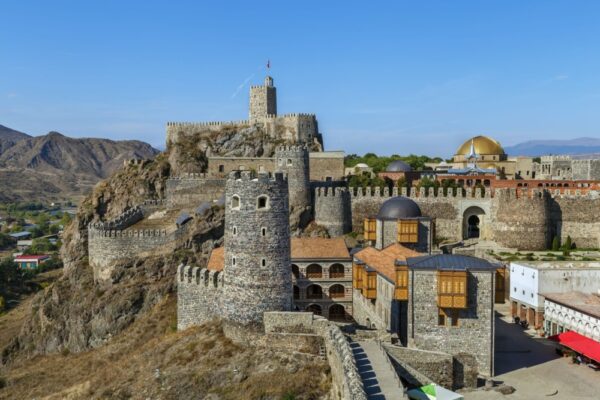
Rabati Fortress
Located on a mountaintop overlooking the town of Akhaltsikhe, Rabati Fortress attracts tourists for its mix of architecture, churches and mosque... -
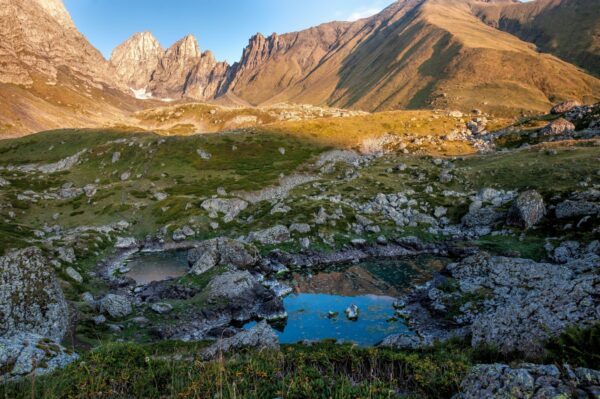
Khevsureti region
Mountainous Khevsureti is the perfect place to go hiking in Georgia... -
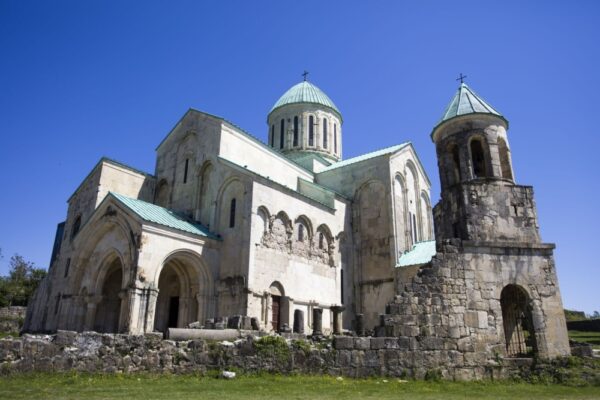
Kutaisi
Kutaisi was once the capital of Georgia and dates back to the 15th century BC... -
Svaneti
... -
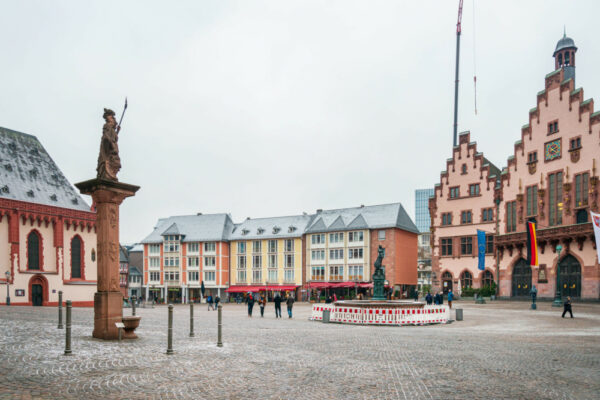
Germany
... -
The Black Forest
... -
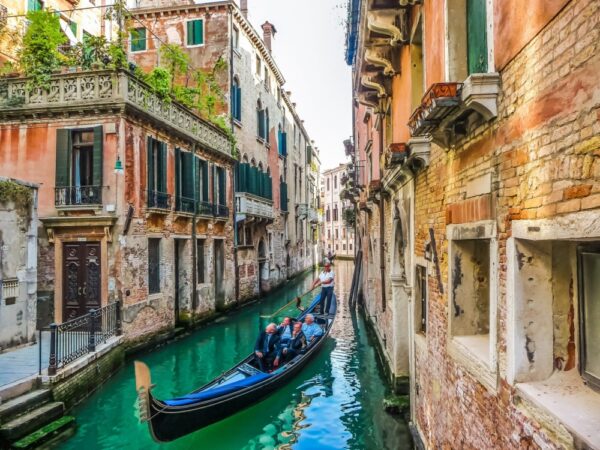
Italy
... -
Tuscany
... -
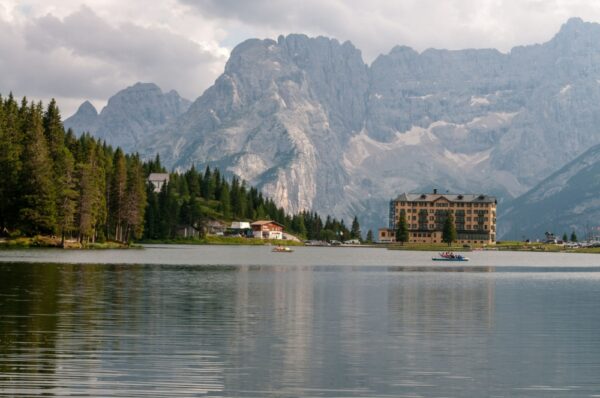
Dolomites
... -
Amalfi Coast
... -
Sicily
... -
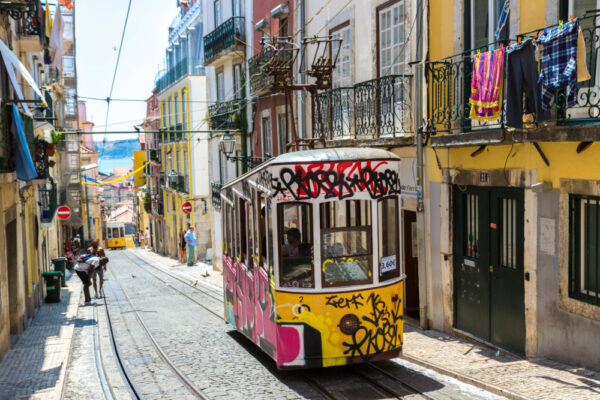
Portugal
... -
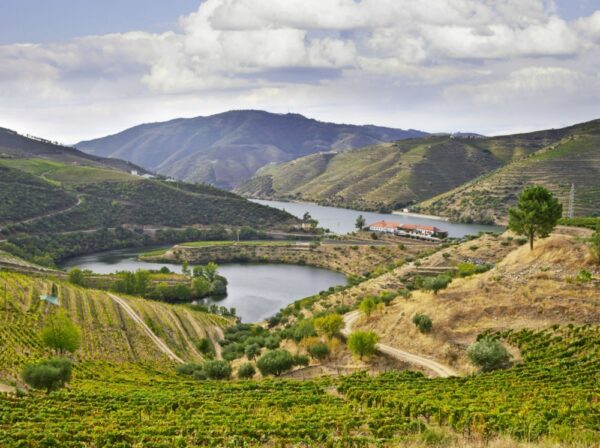
Douro Valley
... -
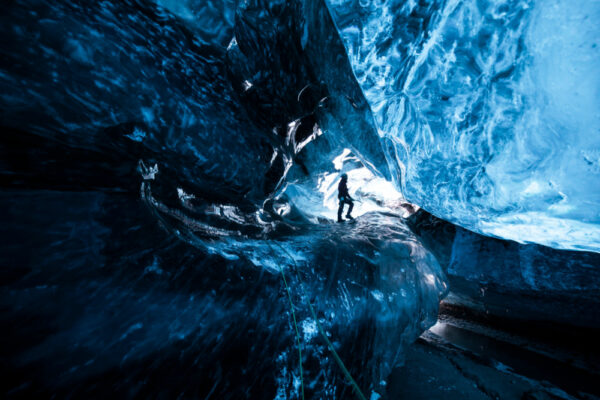
Iceland
Dramatic landscapes and beautiful glaciers
A huge island with a tiny population, Iceland is a shifting mass still being shaped by nature — literally... -
Hekla Volcano
... -
Svartifoss waterfall
... -
Reynisfjara Beach
... -
Fjadrargljufur Canyon
... -
Akurey Island
... -
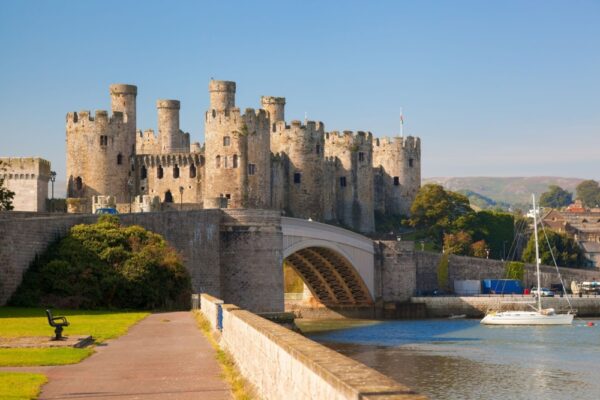
The United Kingdom
Four nations, one shared history
Where can you find four countries in one, each with its own defining characteristics, but with at least one big thing in common?The United Kingdom is that rare beast... -
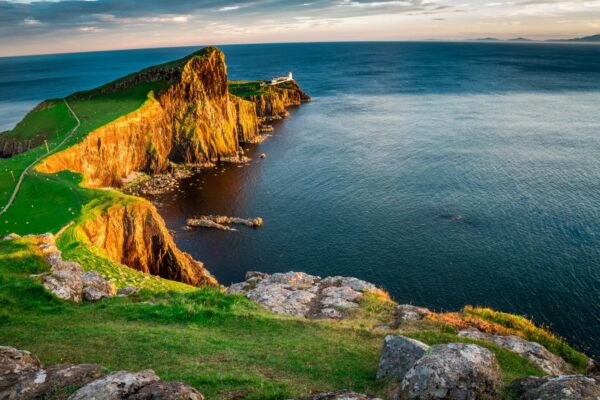
Scotland
Much more than kilts & bagpipes
There is a border between England and Scotland, but it’s easy to miss... -
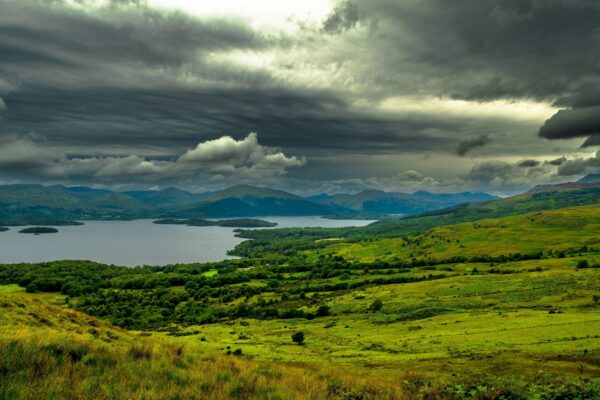
The Highlands
Scotland’s geological fault line runs from the Isle of Arran in the south-west to Stonehaven in the north-east, delineating the dramatic Highlands from the more gently rolling landscapes to the south... -
Great Glen Way
... -
Caithness
... -
John O'Groats
... -
Thurso
... -
Speyside
... -
Cairngorms National Park
... -
Loch Ness
... -
Caledonian Canal
... -
Inverness
... -
Fort William
... -
Sound of Arisaig
... -
Knoydart
... -
Loch Lomond & the Trossachs
... -
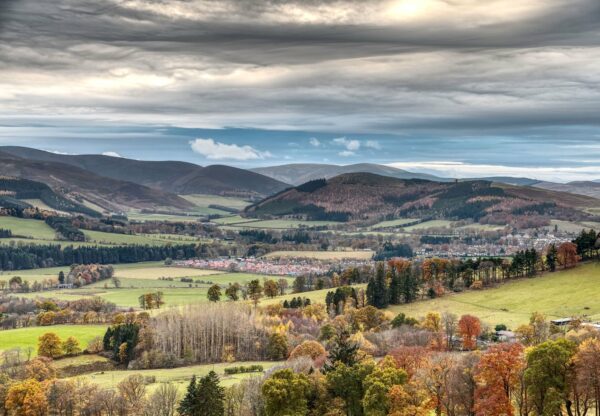
The Borders
... -
Dumfries and Galloway
... -
Loch Lomond and The Trossachs National Park
... -
Loch Linnhe
... -
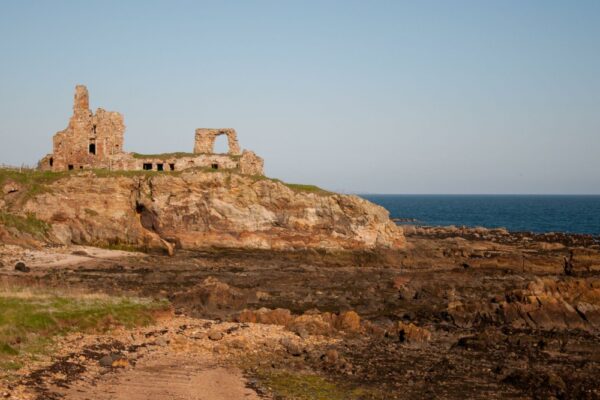
The Lowlands & Central Belt
The Scottish Lowlands sweep up from the English border past the major cities of the Central Belt, the old Kingdom of Fife and up to Stonehaven in the northeast... -
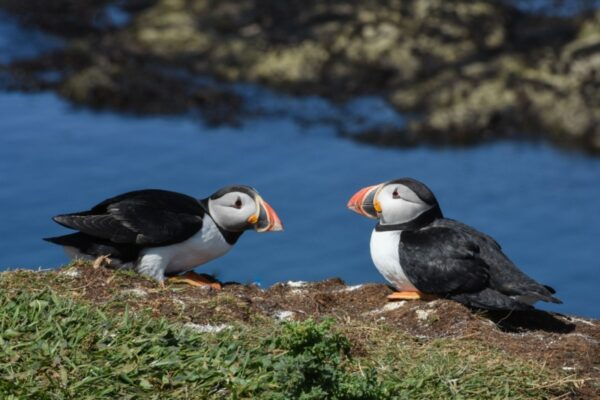
Inner Hebrides
When looking at a map of Scotland, it can be hard to distinguish peninsulas from islands on the wonderfully convoluted west coast... -
Isle of Mull
... -
Isle of Jura
... -
Isle of Islay
... -
Shuna Island
... -
Isle of Barra
... -
Isle of Lewis
... -
Isle of Skye
... -
St. Kilda
... -
Isle of Rùm
... -
Isle of Eigg
... -
Isle of Arran
... -
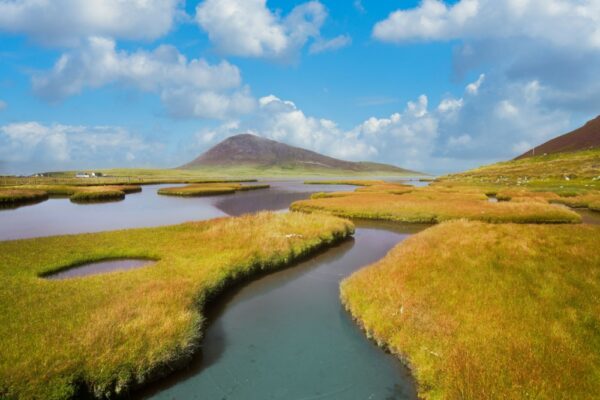
Outer Hebrides
In the westernmost reaches of Scotland, embrace Gaelic culture, archaeological wonders, and remote and wild landscapes... -
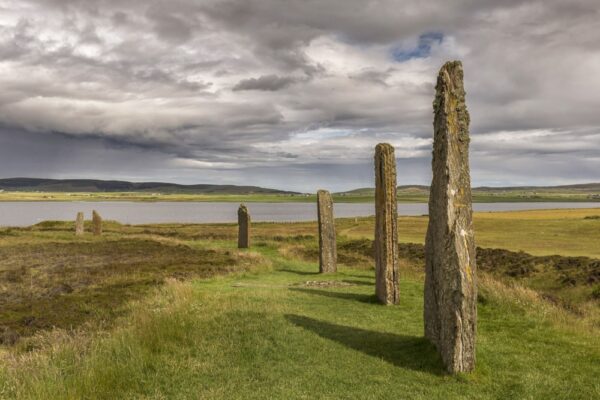
The Northern Isles
The Northern Isles feel a world away from the mainland UK—both Orkney and Shetland are closer to the Arctic circle than to London—yet these rugged archipelagos at the collision of North Sea and Atlantic Ocean are surprisingly accessible... -
Orkney Islands
... -
Edinburgh
... -
Oban
... -
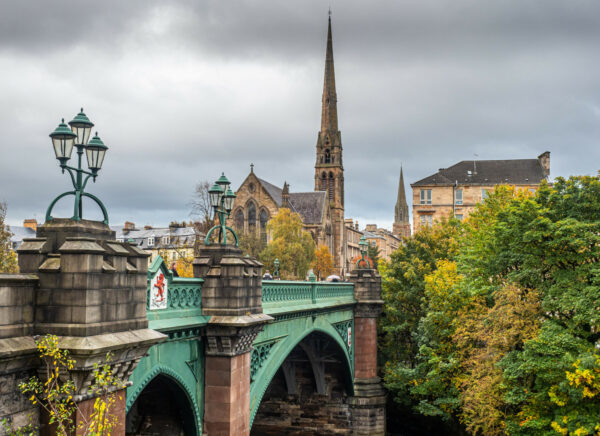
Glasgow
... -
Aberdeen
... -
Balmoral
... -
Morvern Peninsula
... -
Kintyre Peninsula
... -
Glencoe
... -
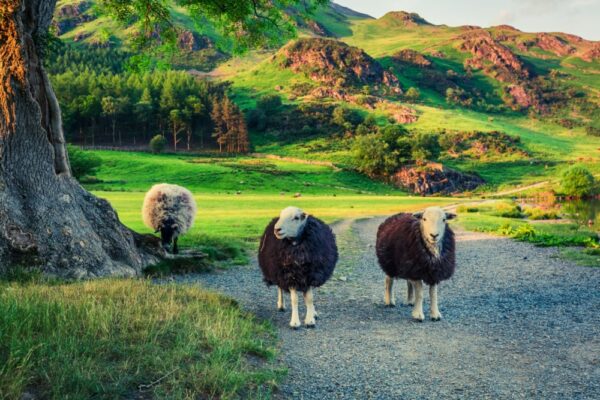
England
Rolling countryside and special cities
Get underneath the skin of eccentric England and you’ll discover a place of outstanding natural beauty, ancient history and modern metropolises... -
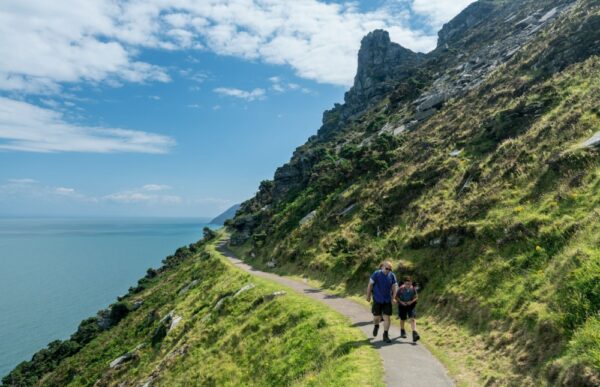
South West
Easily my favourite place in the UK to walk, although as it's my home patch I may be biased... -
Dorset
... -
Cornwall
... -
Dartmoor National Park
... -
Exmoor National Park
... -
Somerset
... -
Devon
... -
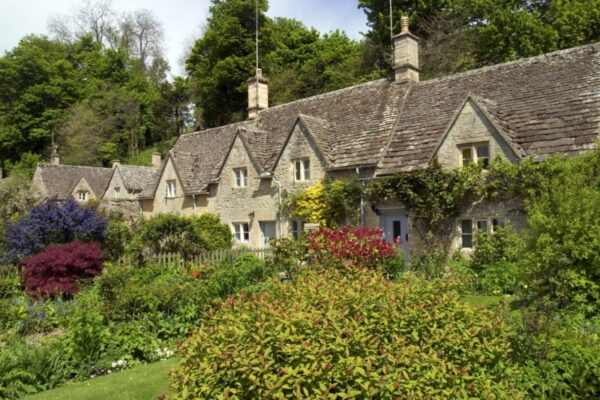
Cotswolds
For a glimpse of classic English limestone countryside with rolling hills, leafy vales, dry stone walls and pretty, if sometimes twee, villages, try some of the paths criss-crossing the Cotswold region... -
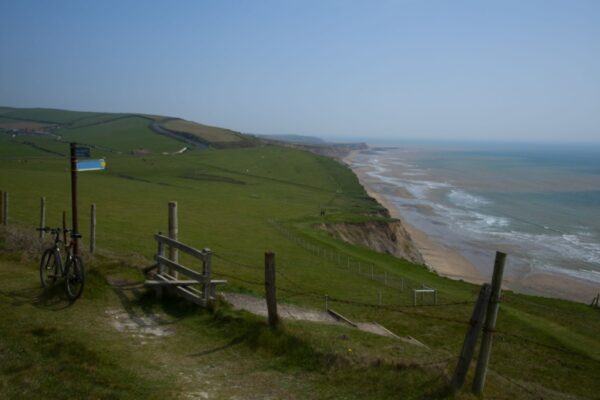
Isle of Wight
With a varied and fascinating coastline of 60 miles, the Isle of Wight is bigger than many outsiders expect... -
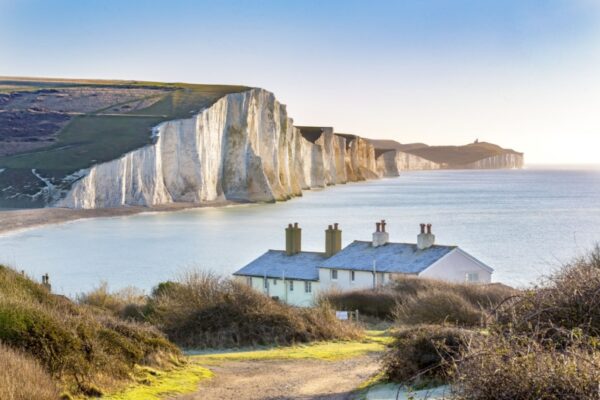
South Downs
You won’t find wilderness areas along the south coast between Kent’s ‘Garden of England’ and Poole Harbour... -
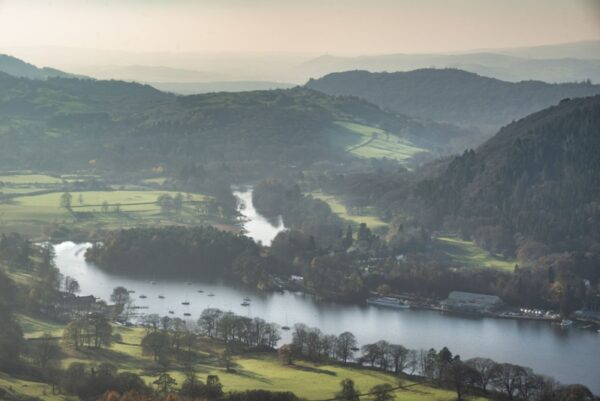
Lake District
Perhaps the most famous walking region in the UK, the Lake District offers a chance to wander lonely as a cloud amid impressive landscapes of mountains and water... -
Windermere
... -
Keswick
... -
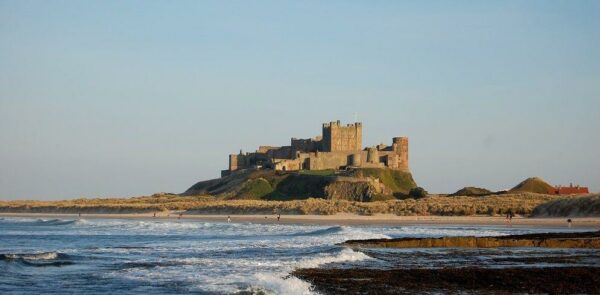
Northumberland
There’s a large area between the Tyne and the Scottish border that is little troubled by tourists but full of walking possibilities... -
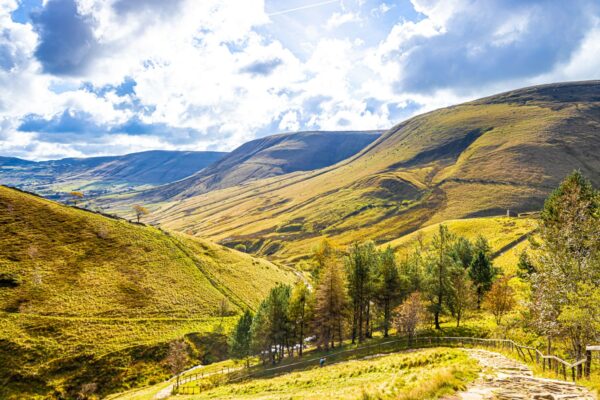
The Peak District
The UK's original national park
The Peak District is the UK's first national park, established in 1951 to carve out a protected space between the encroaching industrial cities of the midlands and northern England... -
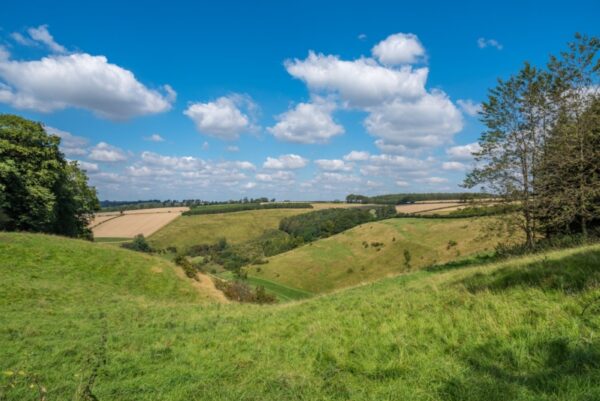
Yorkshire Wolds
Yorkshire isn't known for its modesty, especially not when it comes to the well-known (and busy) Dales, Moors and Peak District... -
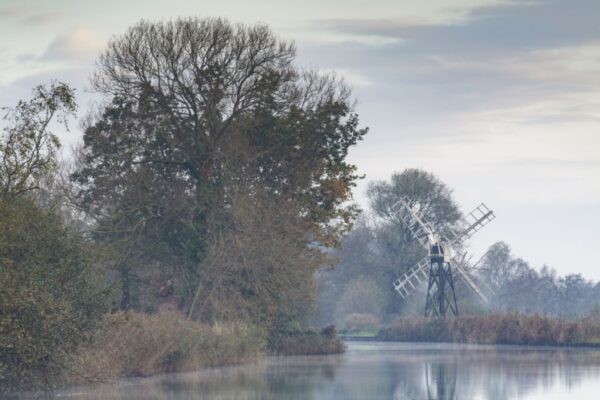
Norfolk
Hillwalkers look away now... -
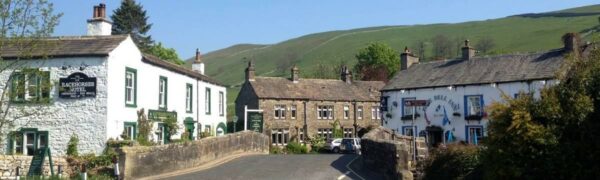
Yorkshire Dales National Park
The Yorkshire Dales is a classic north-English landscape of rolling hills, stone villages and patchwork fields... -
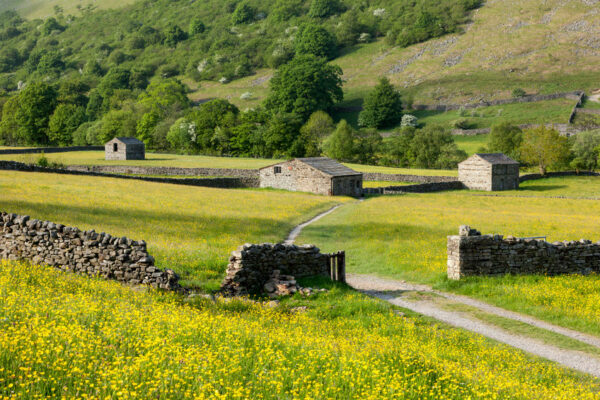
Low Row
... -
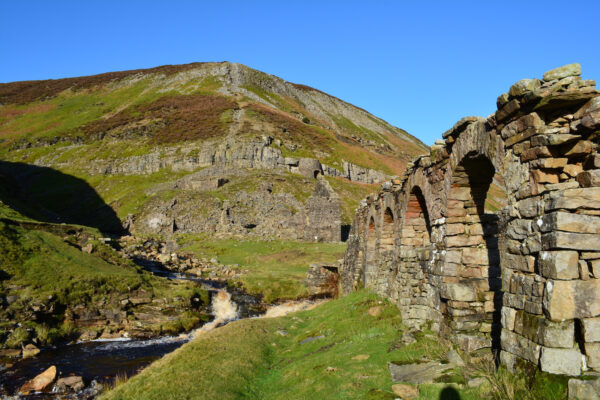
Keld
... -
West Witton
... -
Hawes
... -
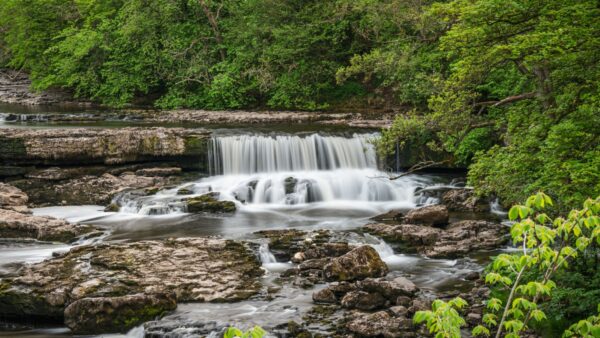
Aysgarth
... -
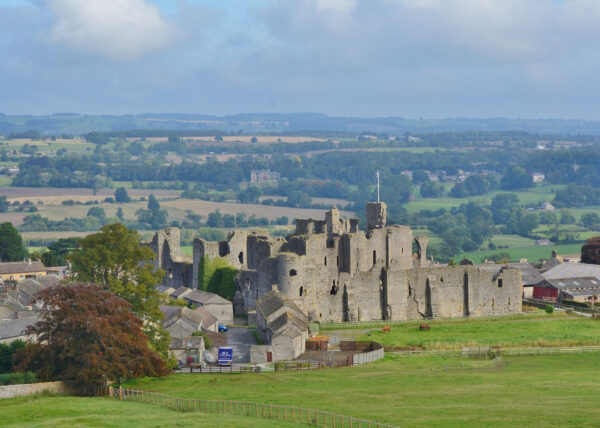
Middleham
... -
West Burton
... -
Askrigg
... -
Hardraw
... -
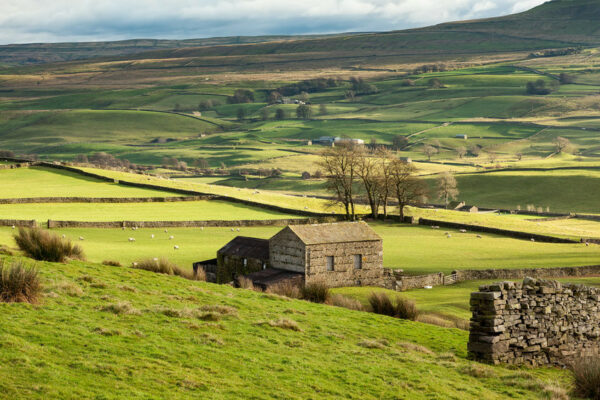
Wensleydale
... -
Malham
... -
Burnsall
... -
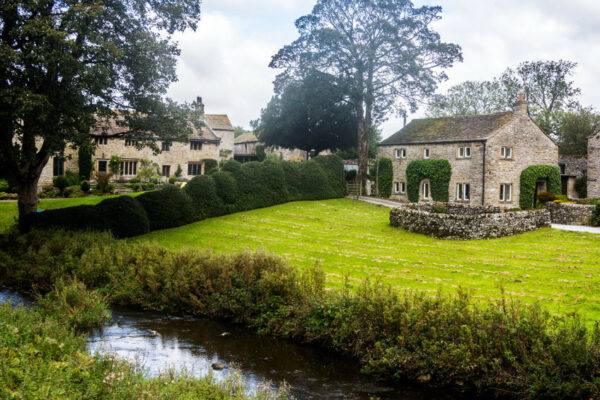
Linton
... -
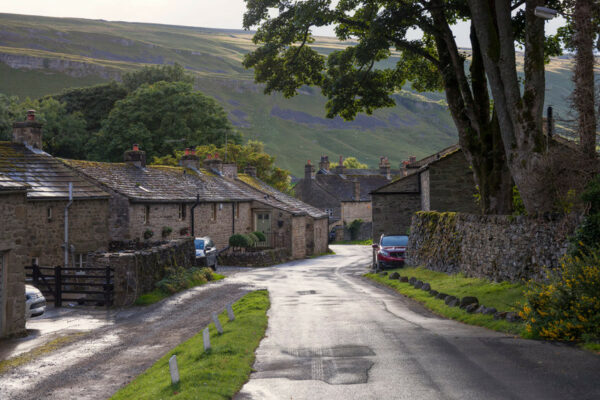
Kettlewell
... -
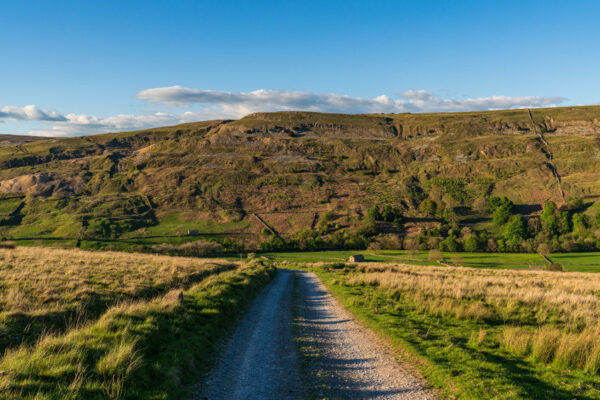
Arkengarthdale
... -
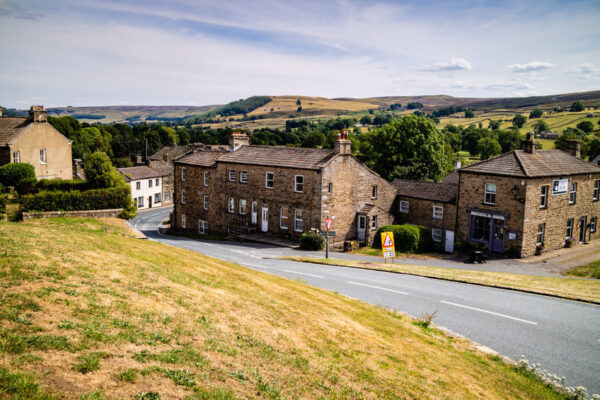
Reeth
... -
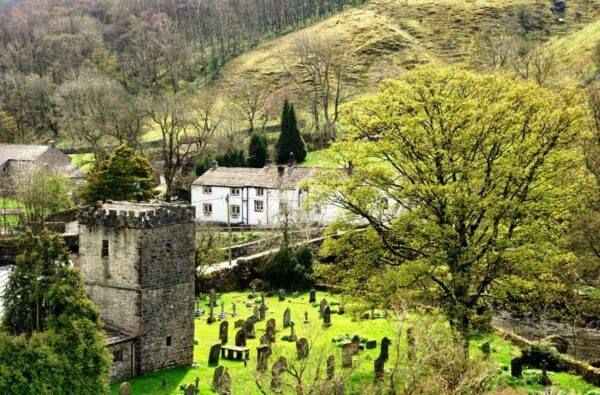
Buckden
... -
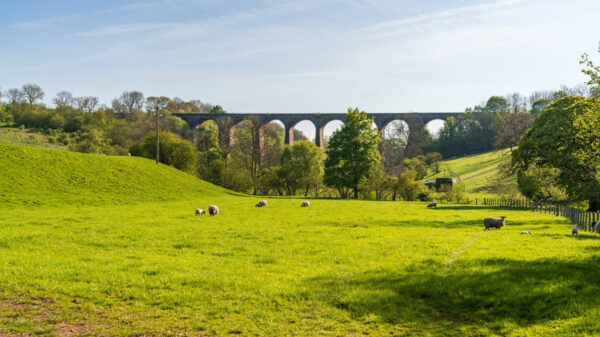
Ravenstonedale
... -
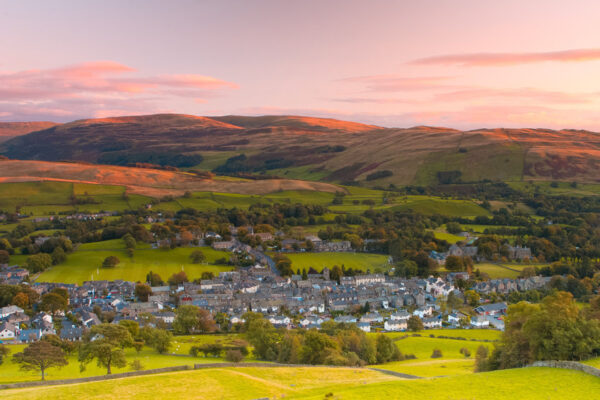
Sedbergh
... -
Yorkshire
... -
York
... -
North York Moors
... -
Carlton
... -
Kent
... -
Chiltern Hills
... -
Suffolk
... -
Cheshire
... -
Cumbria
... -
Easton
... -
Kirkby Stephen
... -
Grange over Sands
... -
Herefordshire
... -
Symonds Yat
... -
Hereford
... -
Tyne & Wear
... -
Shropshire
... -
Worcestershire
... -
Broadway
... -
Hadrian's Wall
... -
Lincolnshire Coast Path
... -
Wiltshire
... -
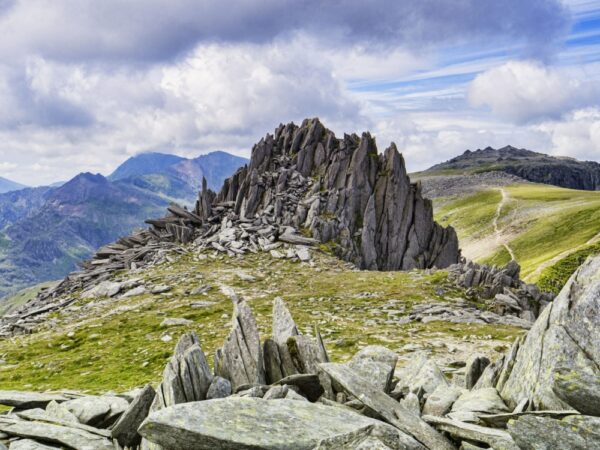
Wales
History, hills and Hiraeth
Wild Wales is the perfect place to get away from it all and explore nature... -
Cardigan Bay
... -
Brecon Beacons National Park
... -
Monmouthshire
... -
Pembrokeshire
... -
Powys
... -
Snowdonia National Park
... -
Anglesey
... -
Llyn Peninsula
... -
Monmouthshire
... -
Northern Ireland
... -
Mourne Mountains
... -
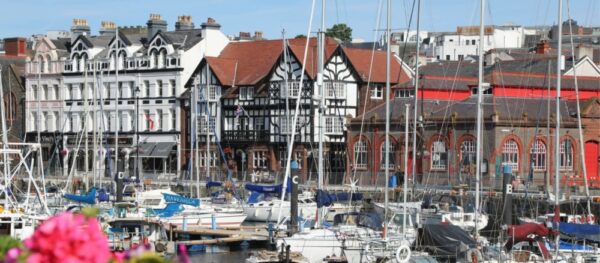
The Isle of Man
... -
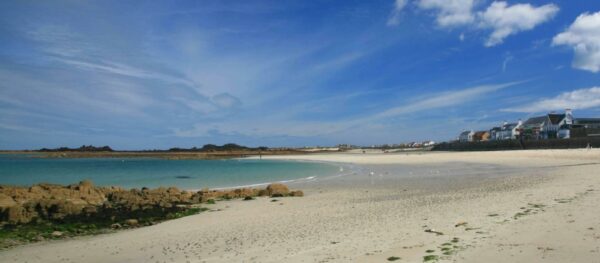
The Channel Islands
... -
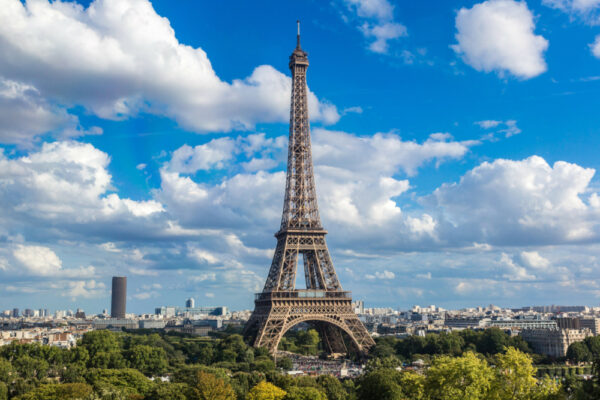
France
... -
Tarn
... -
Cordes-sur-Ciel
... -
French Pyrenees
... -
Occitania
... -
Beziers
... -
Corsica
... -
French Alps
... -
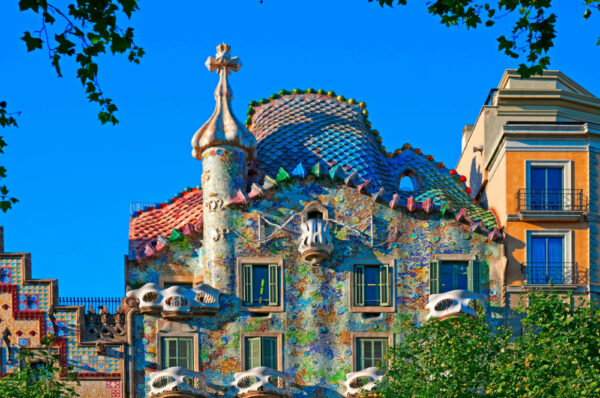
Spain
... -
Catalonia
... -
Barcelona
... -
Sitges
... -
Penedès
... -
Santiago de Compostela
... -
Spanish Pyrenees
... -
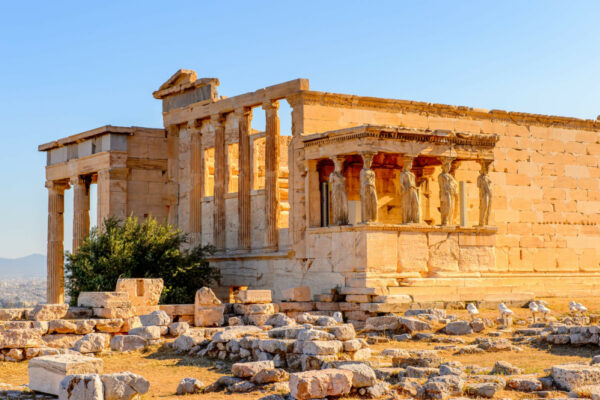
Greece
... -
Athens
... -
Corfu
... -
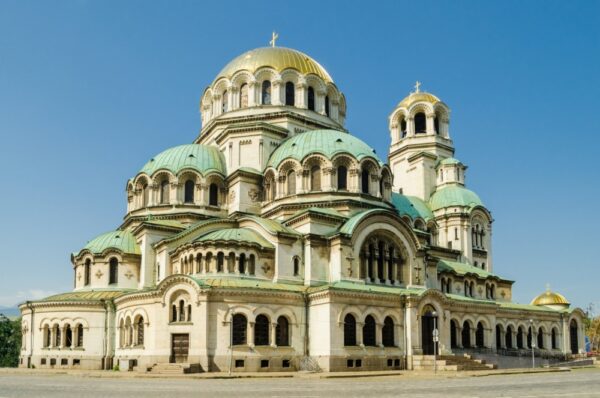
Bulgaria
... -
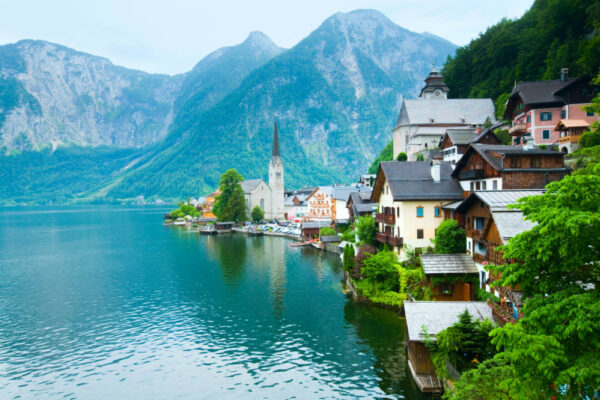
Austria
... -
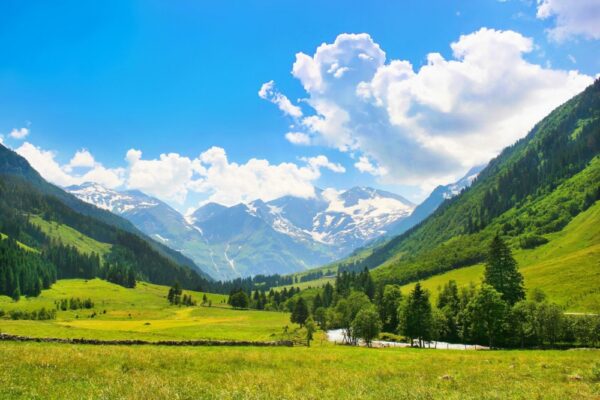
Tyrol Mountains
... -
Switzerland
... -
Meiringen
... -
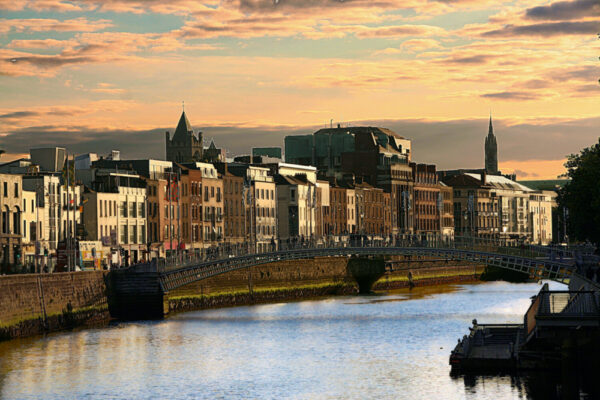
Ireland
The small island with a big heart
When it comes to Ireland, travel writers tend to wax lyrical about the Emerald Isle and pints of Guinness in country pubs... -
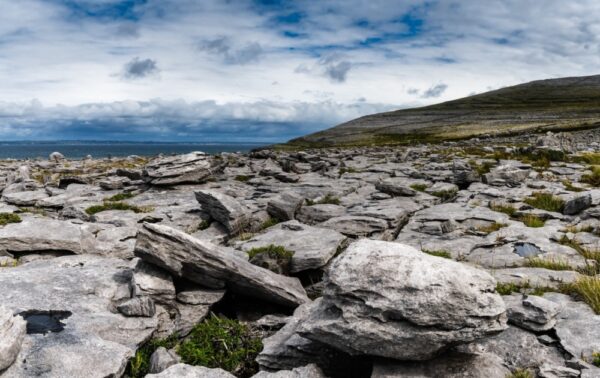
The Burren
With its lunar-like landscapes, rolling hills and unusual rock formations, the Burren, in County Clare, is one of the largest karst landscapes in Europe and is a popular destination for walking holidays... -
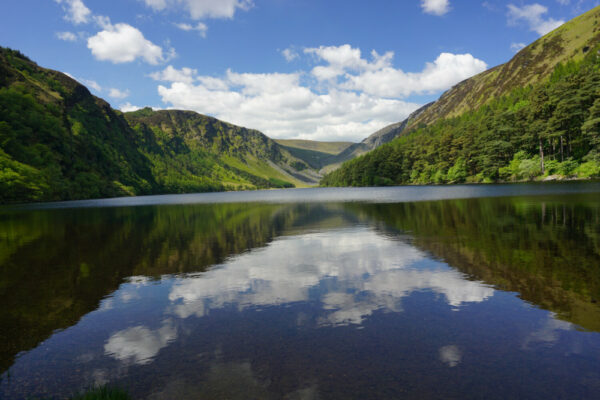
Wicklow Mountain National Park
Wicklow Mountain National Park—Ireland’s largest national park and just a short drive from the capital city of Dublin—boasts some stunning walking through classic Irish countryside... -
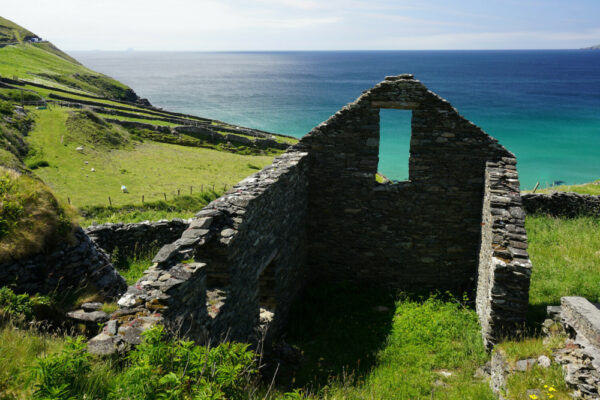
Dingle Peninsula
On Ireland’s southwestern coast, the Dingle Peninsula attracts walkers with rugged coastline, quiet beaches and interesting coves... -
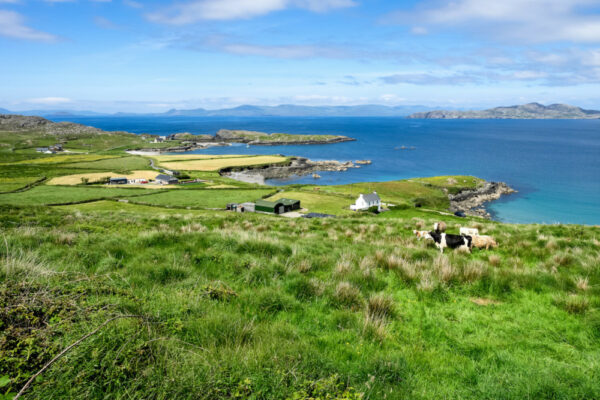
Beara Peninsula
On Ireland’s remote and lesser-visited southwestern coast, the Beara Peninsula’s quiet, craggy coastline and windswept mountains make it ideally suited for walking holidays... -
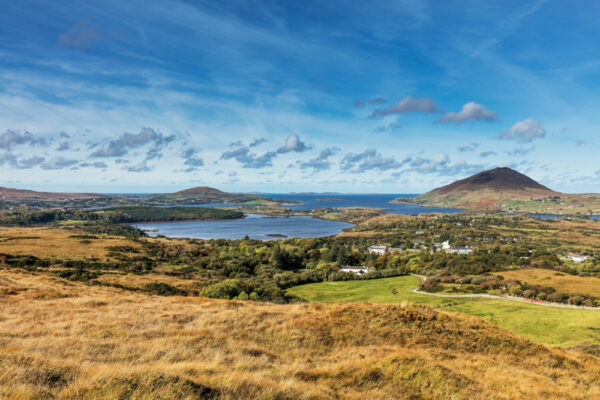
Connemara National Park
Connemara, located in County Galway on the west coast, is an austere but picturesque landscape of bogs, coastline and lakes... -
County Kildare
... -
County Kerry
... -
County Laois
... -
County Clare
... -
County Galway
... -
County Cork
... -
Czech Republic
... -
Slovakia
... -
The Alps
...
Places to go in Europe
Europe Tours
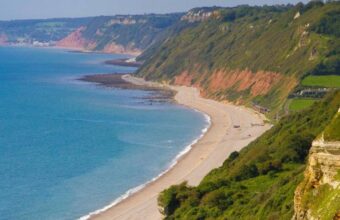
The South West Coast Path (all sections)
Self-guided walking holidays on the SWCP
4 daysFrom £340
Europe Travel Companies